
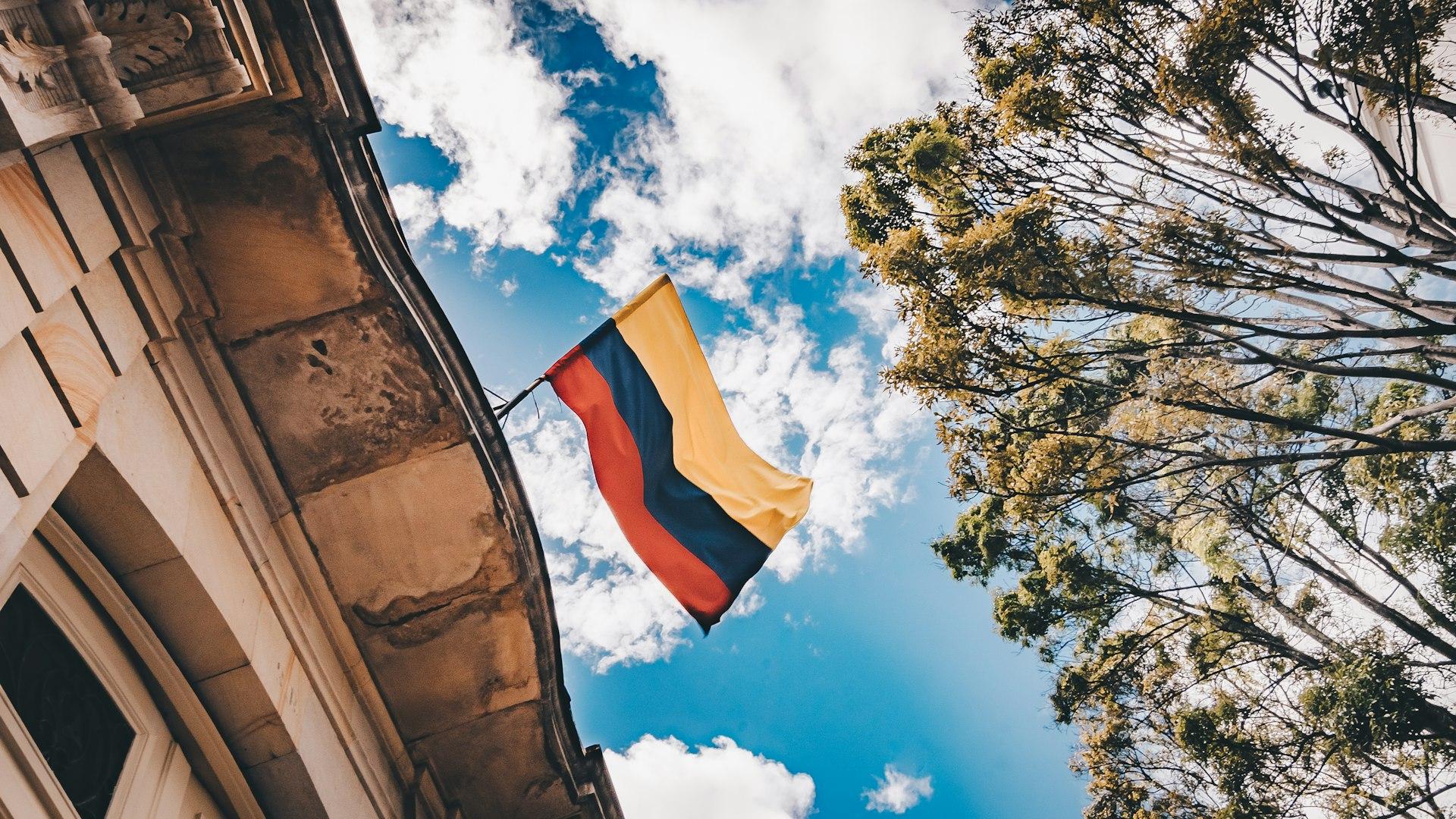
Hotels in Colombia
9 cities · 189 hotels
Photo by Flavia Carpio on Unsplash
Colombia: Andean Highlands, Caribbean Coast, and Coffee Country
Colombia sits at the northwestern tip of South America, bordered by the Caribbean Sea to the north and the Pacific Ocean to the west. The country spans roughly 1.14 million square kilometres, making it the fourth-largest in South America. Five distinct natural regions — the Andes, the Caribbean lowlands, the Pacific coast, the Llanos grasslands, and the Amazon basin — give travelers a range of landscapes within a single itinerary. Elevations run from sea level to 5,775 metres at Pico Cristóbal Colón, the country's highest point.
Cities Worth Exploring
Bogotá, the capital, sits at 2,600 metres on the Andean plateau. The colonial neighbourhood of La Candelaria holds the Gold Museum (Museo del Oro), which contains over 55,000 pre-Hispanic gold pieces — the largest such collection in the world. Medellín, 250 km northwest by road, transformed its urban infrastructure dramatically between 2004 and 2016 through cable cars and outdoor escalators connecting hillside comunas to the city centre. Cartagena, on the Caribbean coast, is encircled by 13 km of 16th-century stone walls built by Spanish colonial engineers beginning in 1586. Cali, in the Cauca Valley, is the recognised centre of salsa dance culture in Colombia and hosts the Feria de Cali each December.
Coffee Region and Natural Highlights
The Eje Cafetero (Coffee Axis) — centred on the departments of Caldas, Quindío, and Risaralda — produces Colombia's internationally traded arabica beans at altitudes between 1,200 and 1,800 metres. The region's finca guesthouses and Salento village offer working-farm tours year-round. Further south, the Cocora Valley shelters the wax palm (Ceroxylon quindiuense), Colombia's national tree, which grows to 60 metres — the tallest palm species on earth. Along the Pacific, Nuquí and the Chocó coast record humpback whale sightings from July through October as whales migrate north from Antarctica.
When to Visit Colombia
Colombia straddles the equator, so seasons are defined by rainfall rather than temperature. The main dry seasons fall December to March and July to August nationwide, though microclimates vary sharply by altitude. Cartagena stays warm year-round (average 30 °C) with its driest months from December to April. The Andes cities maintain spring-like temperatures of 14–22 °C throughout the year. Semana Santa (Holy Week, March–April) draws large domestic crowds to colonial towns; Barranquilla Carnival in February is South America's second-largest carnival by attendance after Rio de Janeiro.
Practical Tips for Visiting Colombia
- Getting around: Domestic flights connect Bogotá's El Dorado Airport (BOG) to 15+ Colombian cities; book two to three weeks ahead during peak December and July periods.
- Currency: The Colombian peso (COP) is the sole legal tender; ATMs in Medellín and Bogotá dispense pesos reliably, but carry cash in smaller towns.
- Altitude: Arrive in Bogotá or the Coffee Region a day early to acclimatise before strenuous activity above 2,500 metres.
- Entry: Most nationalities receive a 90-day tourist stamp on arrival; no visa required for EU, UK, US, or Canadian passport holders as of 2025.
- Safety: Register travel plans with local authorities when visiting border departments such as Chocó or Nariño.
Frequently Asked Questions
Q: What is the best base for visiting the Coffee Region? A: Salento, in Quindío department, sits 1,895 metres above sea level and is within 30 minutes of the Cocora Valley trailheads. Several finca hotels operate nearby, ranging from shared-room farms to private cabins.
Q: How far is Cartagena from Bogotá? A: Direct flights from El Dorado (BOG) to Rafael Núñez Airport (CTG) in Cartagena take approximately 1 hour 20 minutes; overland by bus takes 20–22 hours.
Q: Do travelers need vaccinations for Colombia? A: Yellow fever vaccination is recommended for travelers visiting jungle or rural areas below 2,300 metres, including the Amazon and Pacific coast. Bogotá and the Andes highlands carry no yellow fever risk.
Q: Is Colombia suitable for family travel? A: Medellín and Cartagena's walled city attract family visitors with walkable streets, museums, and beach access. The Tayrona National Park, 34 km east of Santa Marta, has designated camping and cabin zones open to families.
Q: What currency should travelers exchange before arriving? A: US dollars exchange at favourable rates at official exchange offices (casas de cambio) in Bogotá and Medellín airports. Euros are also accepted at major exchange offices in tourist zones.
Cities in Colombia

Jardin hotels
Colombia · 55 hotels
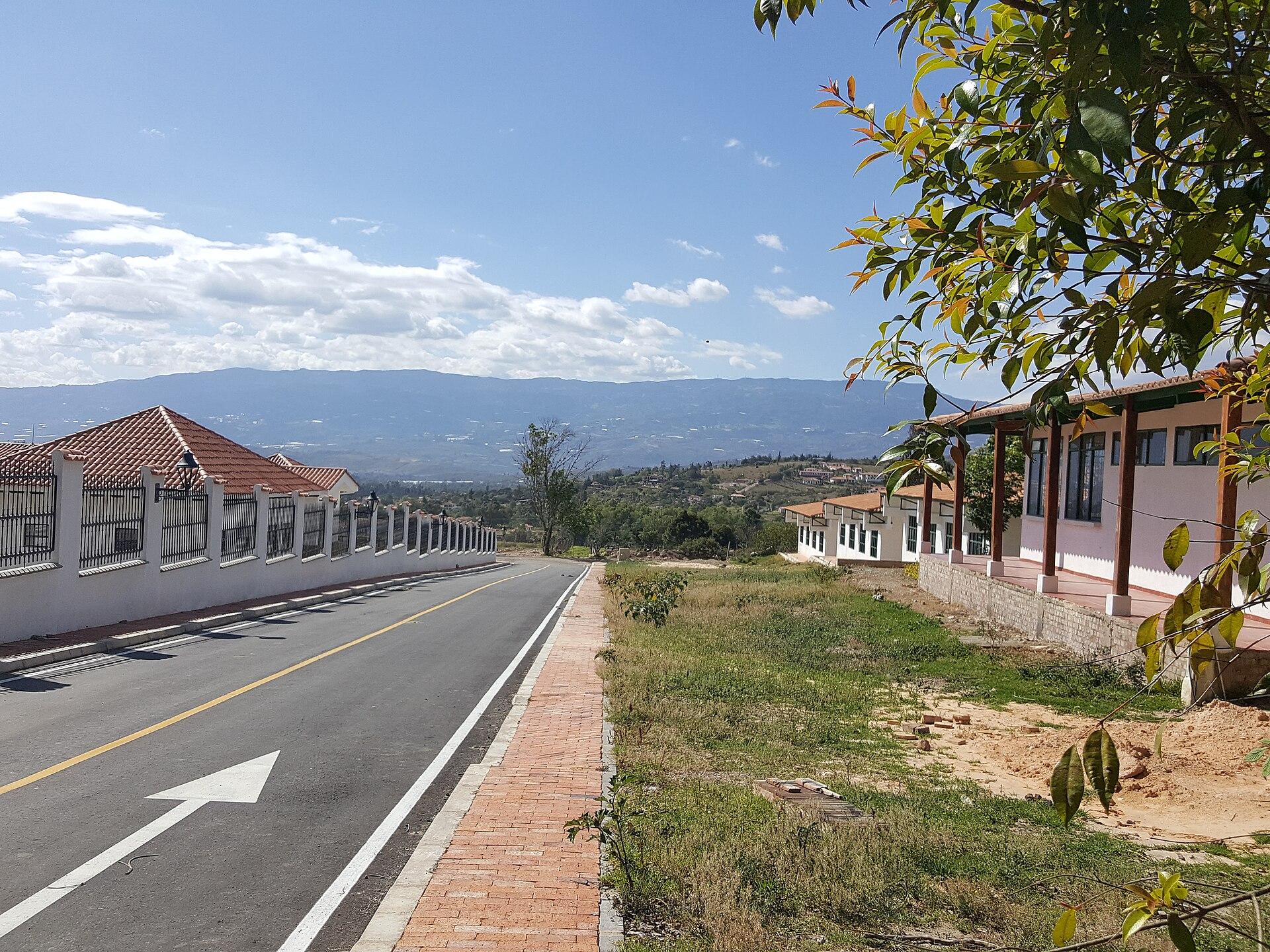
Villa de Leyva hotels
Colombia · 41 hotels
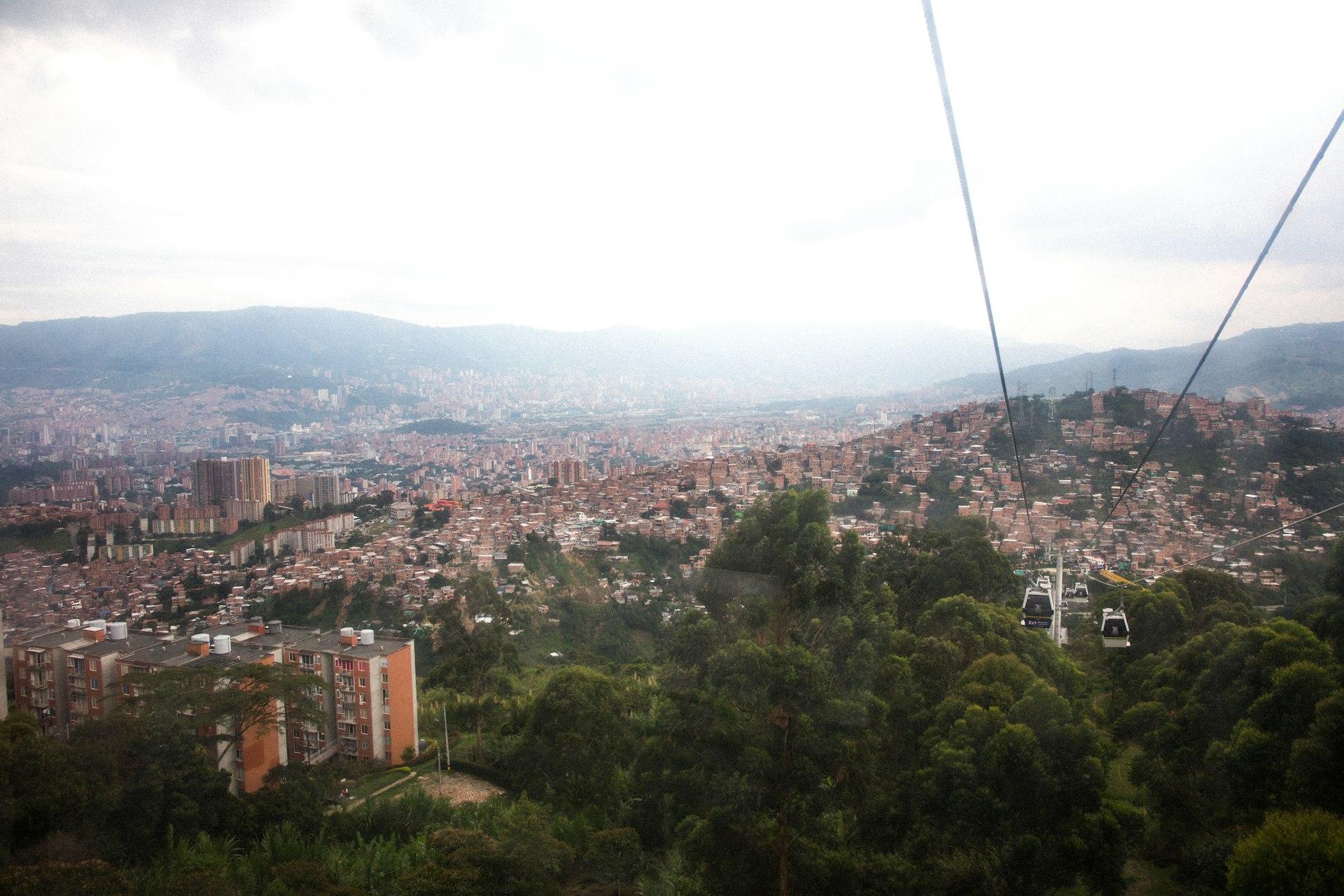
Medellín hotels
Colombia · 40 hotels
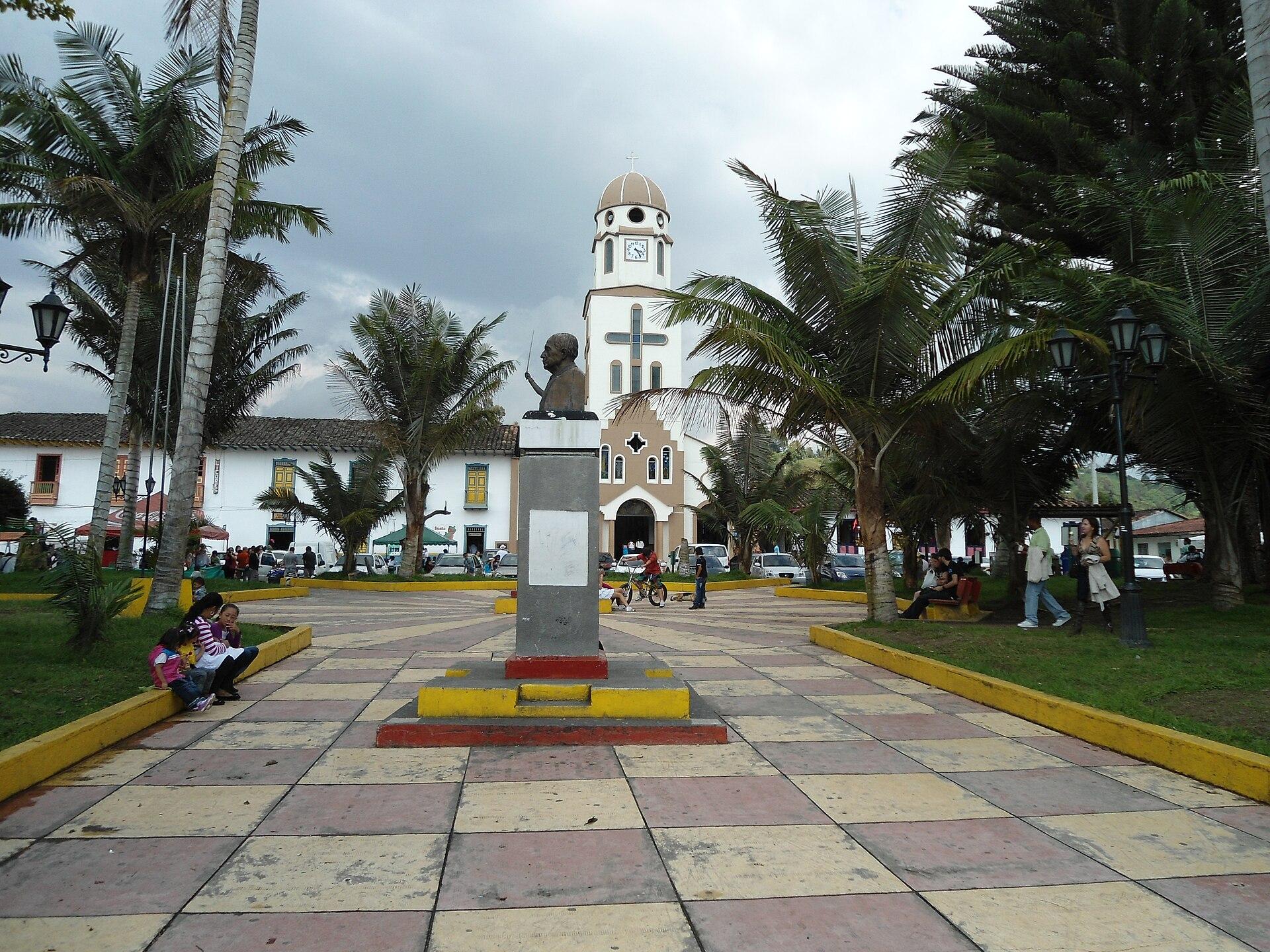
Salento hotels
Colombia · 31 hotels
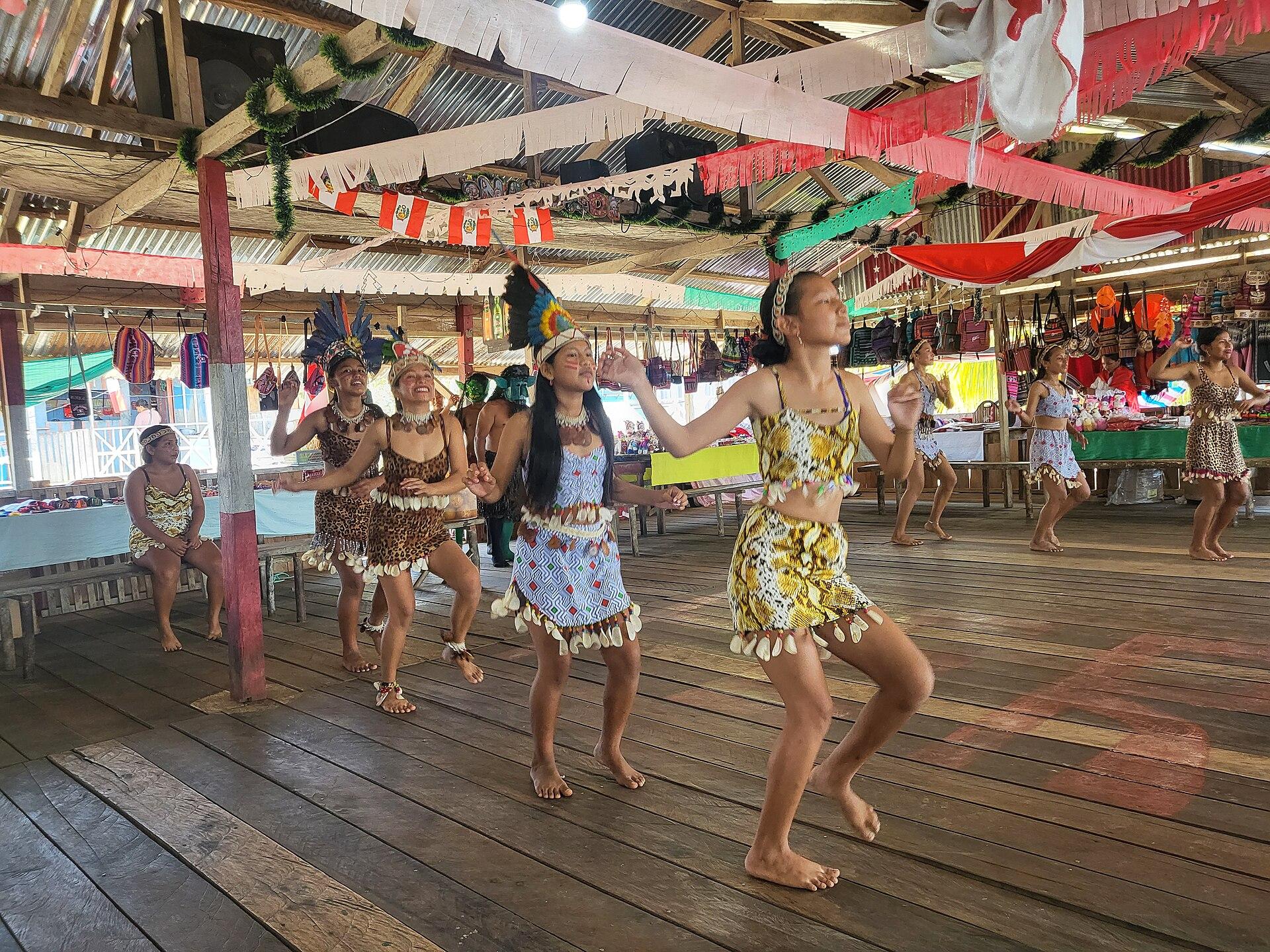
Nazareth hotels
Colombia · 13 hotels

Tayrona National Park hotels
Colombia · 7 hotels

Cali hotels
Colombia · 1 hotels
Cartagena de Indias hotels
Colombia · 1 hotels