Hotels in Cyprus
6 cities · 53 hotels
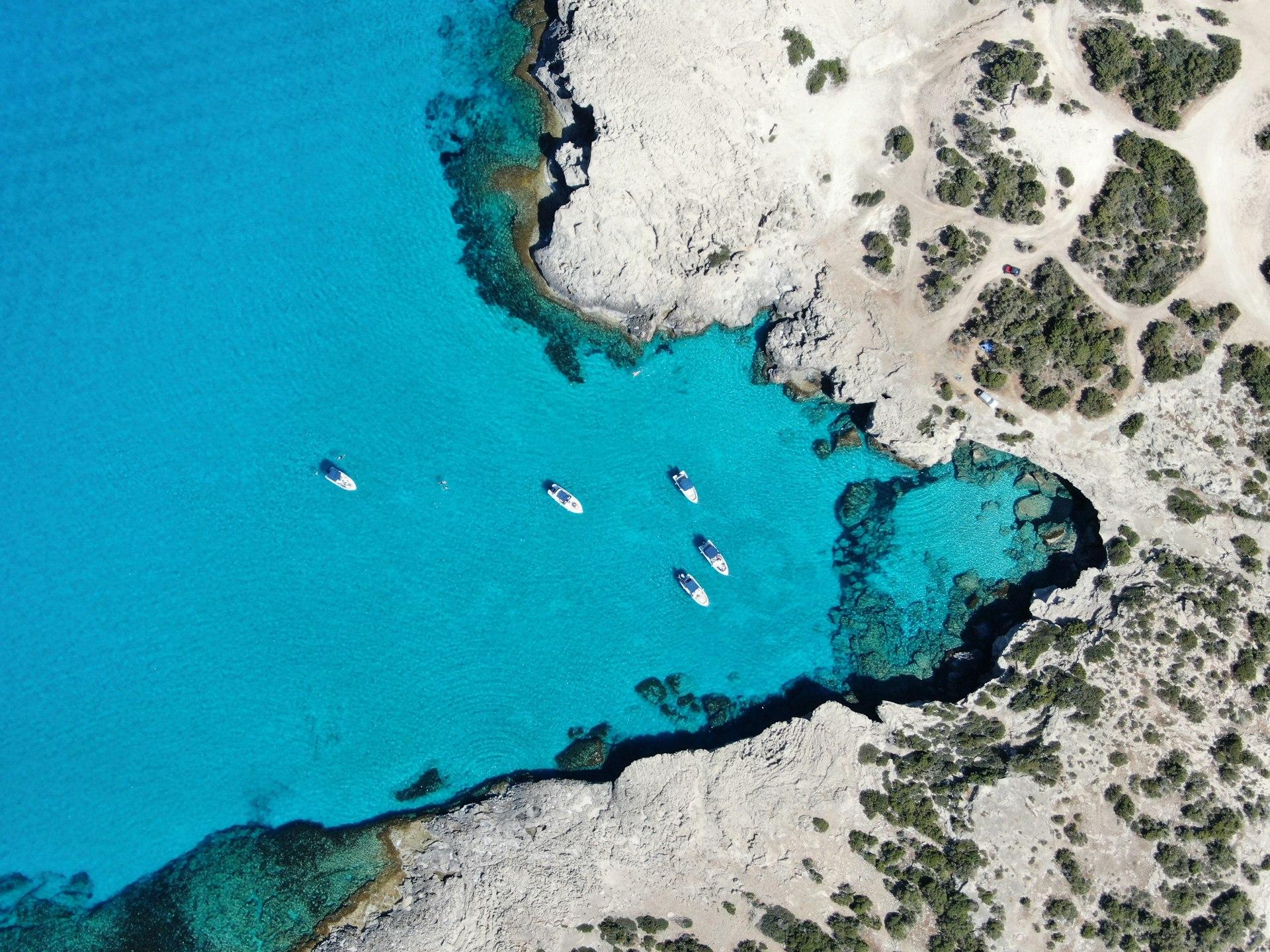
Photo by Datingscout on Unsplash
Cyprus: Mediterranean Island at the Crossroads of Three Continents
Cyprus sits in the northeastern Mediterranean, 80 km south of Turkey and 105 km west of Syria. The third-largest Mediterranean island covers 9,251 km² and carries over 10,000 years of documented settlement — from the Neolithic village of Khirokitia (a UNESCO World Heritage Site dating to 7000 BC) to Venetian walls still encircling the old city of Nicosia. That layered timeline is the core of what draws travelers: Byzantine churches, Crusader castles, Roman mosaics, and Ottoman mosques share the same hillsides.
Cities Worth Exploring
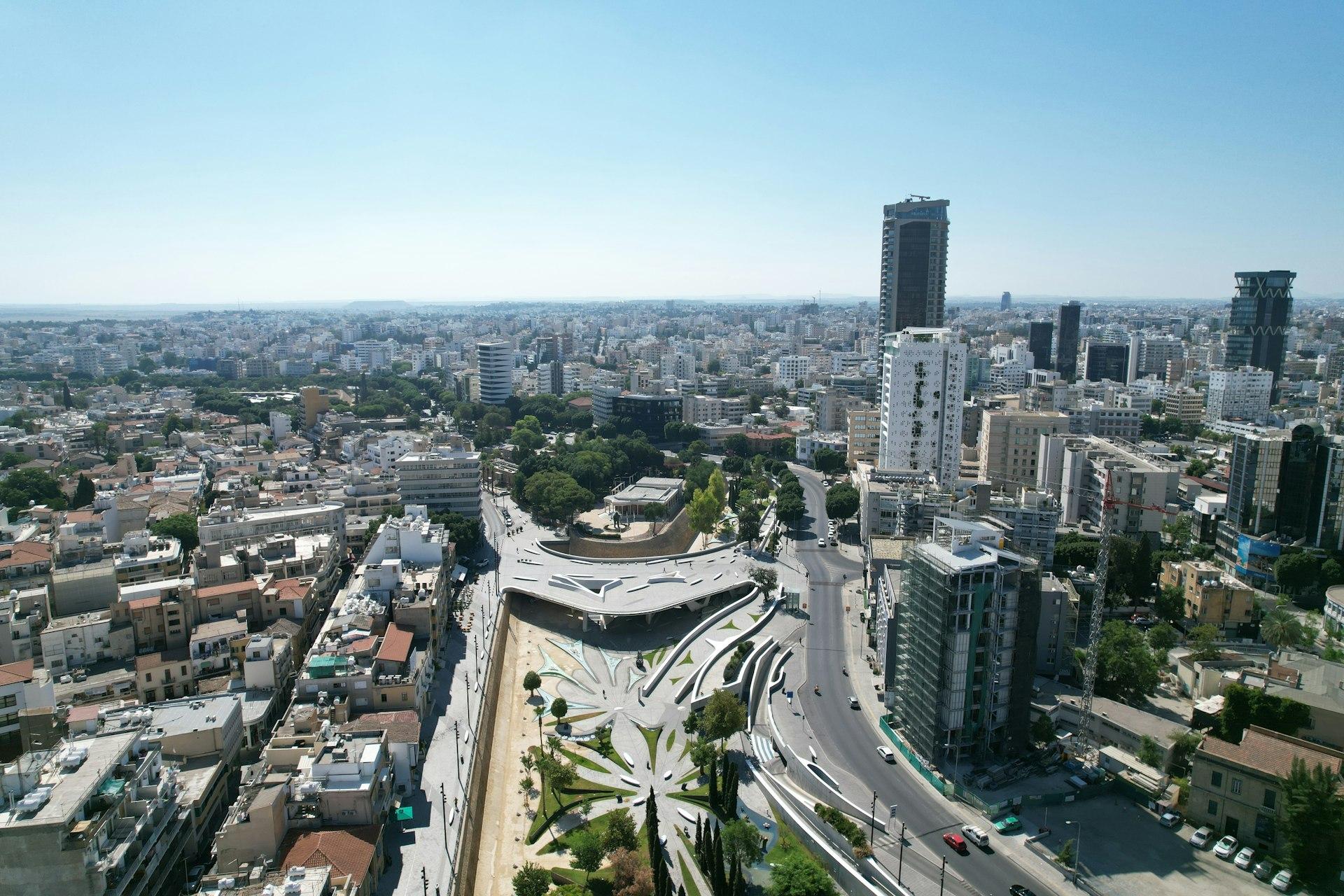
Nicosia (Lefkosia) is the only divided capital city in Europe, split since 1974 by the UN Buffer Zone. The walled south holds the Cyprus Museum, home to the Aphrodite of Soli statue, and the Laiki Geitonia quarter with covered bazaars selling silverwork and carob syrup. Limassol on the southern coast operates as the island's commercial hub and wine corridor — the Commandaria wine region begins just 25 km inland at the foothills of the Troodos Mountains. Paphos, 145 km southwest of Nicosia, hosts the Tombs of the Kings necropolis and a UNESCO-listed archaeological park containing 4th-century Roman floor mosaics.
The Troodos Range and the Northern Coast
The Troodos Mountains rise to 1,952 m at Mount Olympus and shelter ten painted Byzantine churches collectively inscribed on the UNESCO World Heritage List in 1985. Villages such as Kakopetria and Omodos sit at elevations above 800 m, offering cooler summers than the coast. The Akamas Peninsula in the far northwest protects 230 km² of national park with sea turtle nesting beaches on Lara Bay. In the Turkish Cypriot north, Kyrenia (Girne) is known for its horseshoe harbour and the Kyrenia Ship Museum, housing a 4th-century BC merchant vessel recovered from the seabed.
When to Visit Cyprus
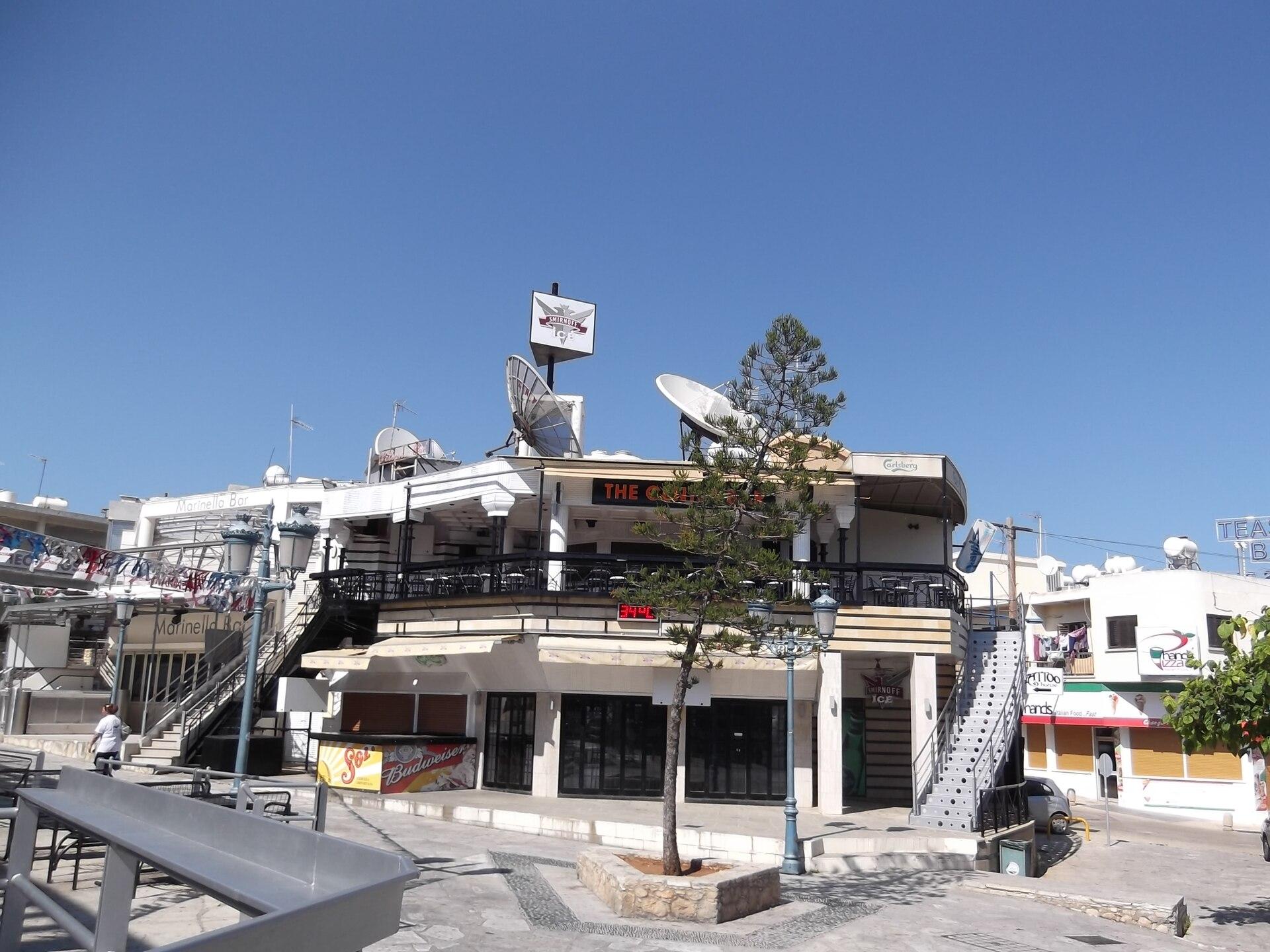
Cyprus records roughly 340 sunny days per year. Coastal summer temperatures regularly reach 38 °C from July through August, making beach resorts at Ayia Napa and Protaras busy from June onward. The shoulder months of April–May and September–October give average highs of 24–28 °C with fewer crowds at archaeological sites. The Limassol Wine Festival takes place each September, drawing regional producers from across the Troodos foothills. Winter (December–February) suits mountain hiking and cultural visits; ski runs at Mount Olympus operate when snowfall allows, typically January–February.
Practical Tips for Visiting Cyprus
- Currency: Euro (€) in the Republic of Cyprus; Turkish lira in the north.
- Crossing the Green Line: Travelers may cross at designated checkpoints with a valid passport; the Ledra Street crossing in Nicosia is the most central on foot.
- Getting around: Car rental is the most practical option — roads follow British left-hand driving rules, a legacy of colonial governance until 1960.
- Language: Greek in the south; Turkish in the north; English is widely spoken island-wide.
- Flight connections: Larnaca International Airport handles the majority of international arrivals; Paphos Airport serves western routes.
Frequently Asked Questions
Q: Do travelers need a visa to visit Cyprus? A: EU/EEA citizens enter with a national ID card. Nationals of many other countries (including the US, UK, Canada, and Australia) receive a 90-day visa-free stay. Always check current entry rules before travel.
Q: Is it safe to cross from the Republic of Cyprus into Northern Cyprus? A: Crossings at designated Green Line checkpoints are routine for most travelers holding EU or major Western passports. Carry a full passport rather than an ID card to avoid delays.
Q: What is the best base for visiting archaeological sites? A: Paphos gives walking access to the Tombs of the Kings and the Roman mosaics at Kato Paphos Archaeological Park. Nicosia is better placed for the Cyprus Museum and day trips to Troodos monasteries.
Q: When does the Limassol Wine Festival take place? A: The festival runs each September at the Municipal Gardens in Limassol, typically over two weeks. Producers from the Commandaria and Troodos wine regions pour for a fixed entry fee.
Q: Are beach resorts in Ayia Napa open year-round? A: Most hotels and beach clubs in Ayia Napa and Protaras operate from April through October. Many properties close from November to March when visitor numbers drop sharply.