
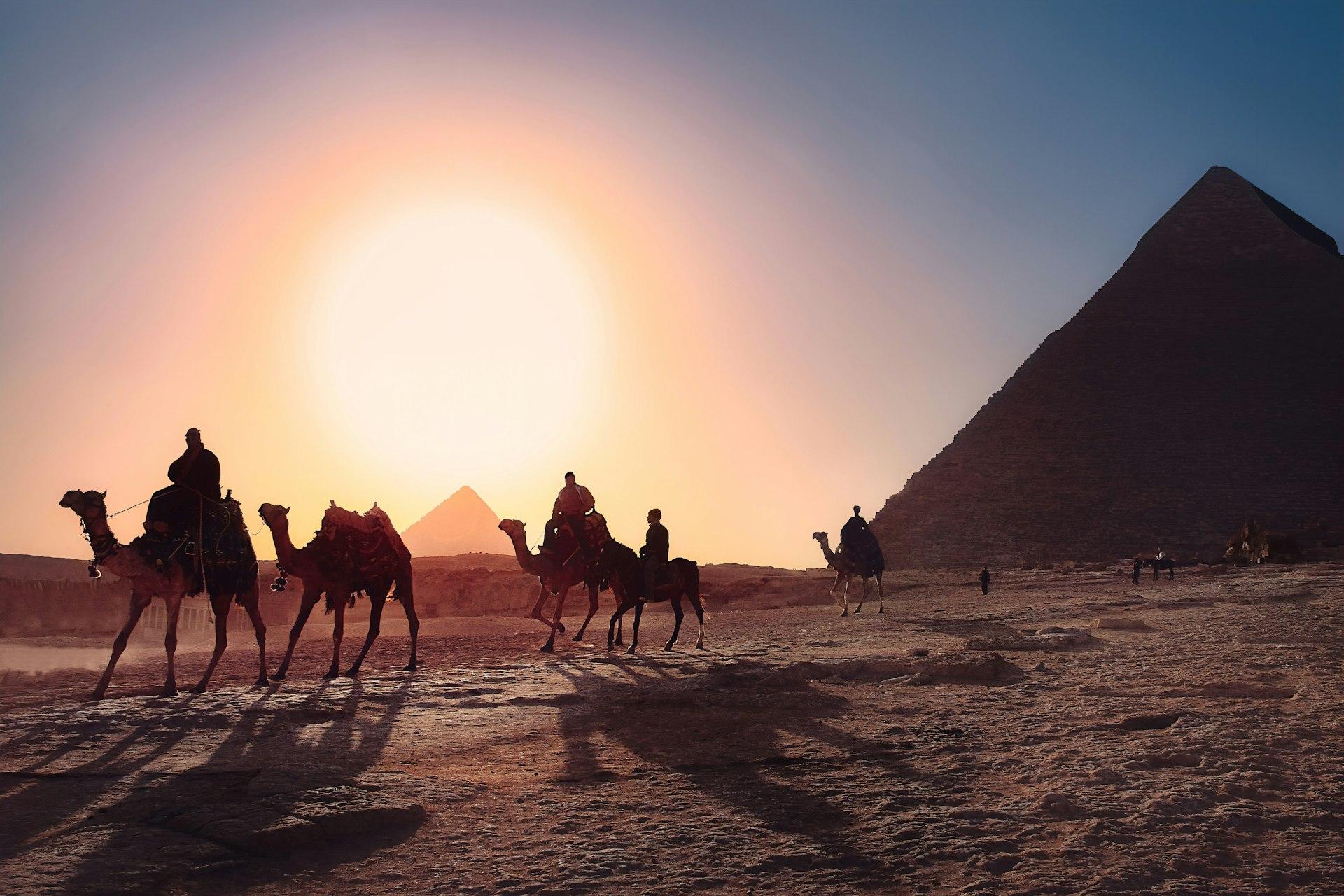
Hotels in Egypt
13 cities · 158 hotels
Egypt: Nile Corridor, Desert Monuments & Red Sea Shores
Egypt sits at the northeastern corner of Africa, bridging the Sinai Peninsula into Asia. The country spans roughly 1 million km², yet 95% of its 105 million residents cluster along the Nile Valley and the Nile Delta — a ribbon of irrigated land flanked by the Eastern and Western Deserts. The Suez Canal, opened in 1869, cuts 193 km through the isthmus, linking the Mediterranean Sea to the Red Sea and making Port Said and Ismailia strategic port cities that travelers rarely consider but reward curiosity.
Cities Worth Exploring
Cairo, home to over 20 million people, anchors most itineraries. The Giza Plateau — 15 km southwest of central Cairo — holds the Great Pyramid of Khufu (built c. 2560 BCE, 138.5 m tall) and the Great Sphinx. Directly east of the pyramids, the Egyptian Museum on Tahrir Square houses over 170,000 artefacts including Tutankhamun's gold death mask. The medieval quarter of Islamic Cairo — a UNESCO World Heritage Site since 1979 — clusters around Al-Azhar Mosque (founded 970 CE) and the narrow lanes of Khan el-Khalili bazaar, where copper goods and spices fill the stalls.
Luxor, 670 km south of Cairo by road, sits atop ancient Thebes and contains the highest concentration of pharaonic monuments on earth. The Karnak Temple Complex covers 100 hectares. Across the Nile, the Valley of the Kings holds 63 royal tombs cut into limestone cliffs. Aswan, a further 215 km south, marks the traditional gateway to Nubia and provides access to the Temple of Abu Simbel, relocated 65 m uphill between 1964 and 1968 to save it from the rising waters of Lake Nasser.
Red Sea Coast and Sinai
The Red Sea Riviera stretches roughly 1,200 km along Egypt's eastern shore. Hurghada, the principal resort hub, receives direct international flights and offers reef diving within 30 minutes by boat. Sharm el-Sheikh, at the southern tip of Sinai, is 60 km from the monastery of Saint Catherine (founded 6th century CE) and the peak of Mount Sinai (2,285 m), a sunrise hike taking 2–3 hours from the trailhead at El-Milga. The Ras Mohammed National Park, established 1983, protects some of the most intact coral reef ecosystems in the northern Red Sea.
When to Visit Egypt
October through April brings cooler, drier air to the Nile Valley — daytime temperatures in Cairo average 23°C in November and 14°C in January. Luxor and Aswan run 5–8°C warmer year-round. Summer (June–August) sees temperatures exceed 40°C inland; the Red Sea coast captures a consistent northerly breeze that moderates heat, making Hurghada tolerable for beach travelers even in July. The holy month of Ramadan (dates shift annually with the lunar calendar) shortens restaurant hours but opens access to iftar street gatherings that are culturally distinct.
Practical Tips for Visiting Egypt
- Visa: Most nationalities obtain a 30-day e-visa online before travel; Sinai-only stamps are available on arrival at Sharm el-Sheikh airport.
- Currency: Egyptian Pound (EGP); ATMs are common in Cairo, Luxor, and Red Sea resorts but sparse in rural Upper Egypt.
- Getting around: Overnight sleeper trains connect Cairo to Luxor (10 hrs) and Aswan (13 hrs); book two weeks ahead during high season.
- Health: Drink bottled water throughout; sunscreen rated SPF 50 is advisable from March through October.
- Photography: Entry fees for cameras apply inside several Luxor tomb complexes; check current rules at the ticket office.
Frequently Asked Questions
Q: How many days does Egypt require for a meaningful visit? A: Seven to ten days covers Cairo and the Giza Plateau (2–3 days), a Nile cruise between Luxor and Aswan (3–4 days), and a brief stay on the Red Sea. Extending to 14 days allows the Sinai and Alexandria.
Q: Is Egypt safe for independent travelers in 2026? A: The main tourist corridors — Cairo, Luxor, Aswan, Hurghada, and Sharm el-Sheikh — maintain a stable security presence. Travelers should check their government's current travel advisories for the North Sinai governorate before departure.
Q: What is the currency situation for tourists? A: The Egyptian Pound floats against major currencies. USD and EUR are accepted informally at many tourist sites, but paying in EGP drawn from local ATMs generally provides better effective rates.
Q: When do Nile cruise prices drop? A: May, June, and September offer lower cabin rates as temperatures rise; air-conditioned vessels make the cruise viable, though deck time is limited midday.
Q: Do hotels in Egypt offer direct booking rates? A: Many Cairo and Luxor properties publish lower direct booking rates on their own websites, particularly for stays longer than three nights.
Cities in Egypt
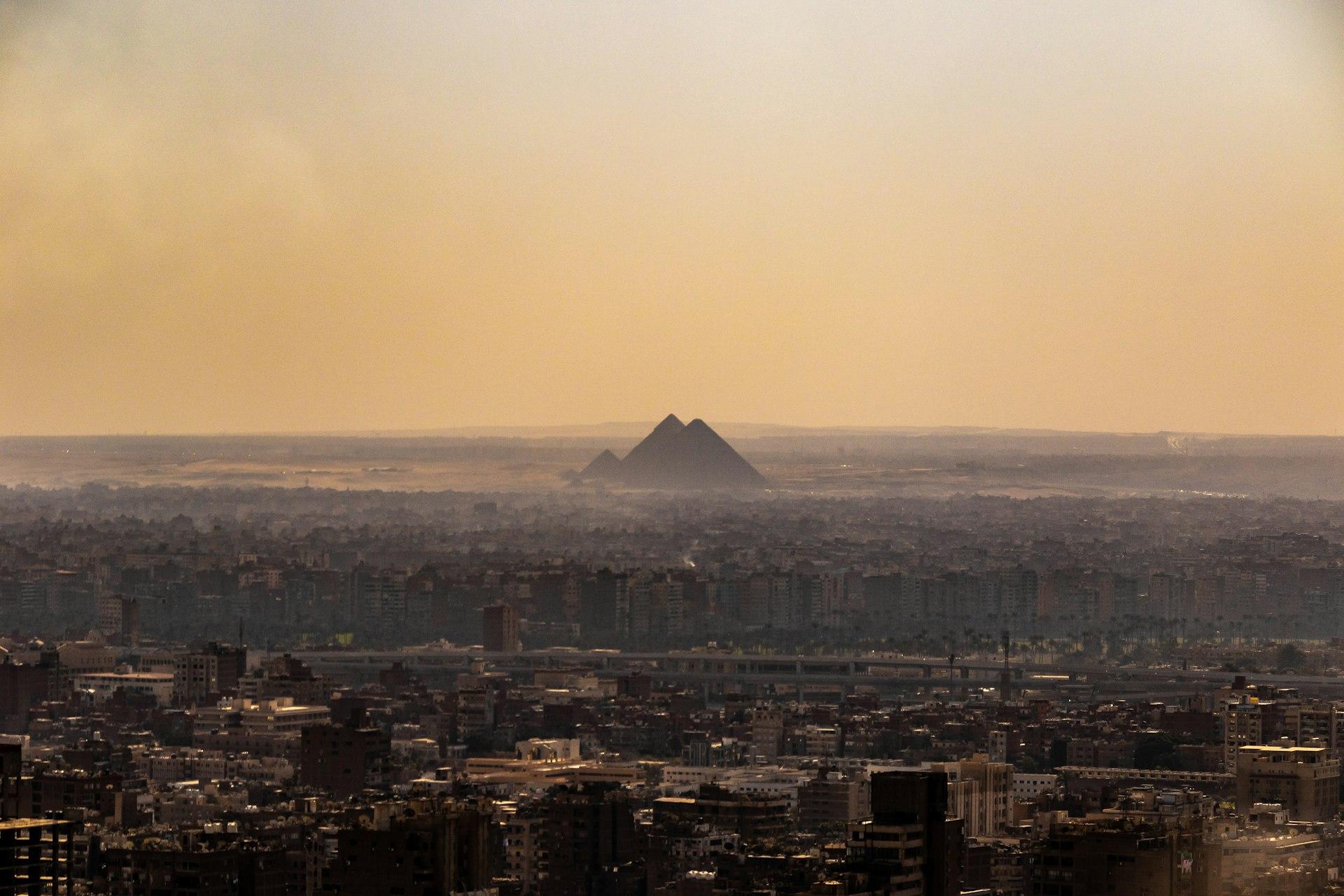
Cairo hotels
Egypt · 45 hotels
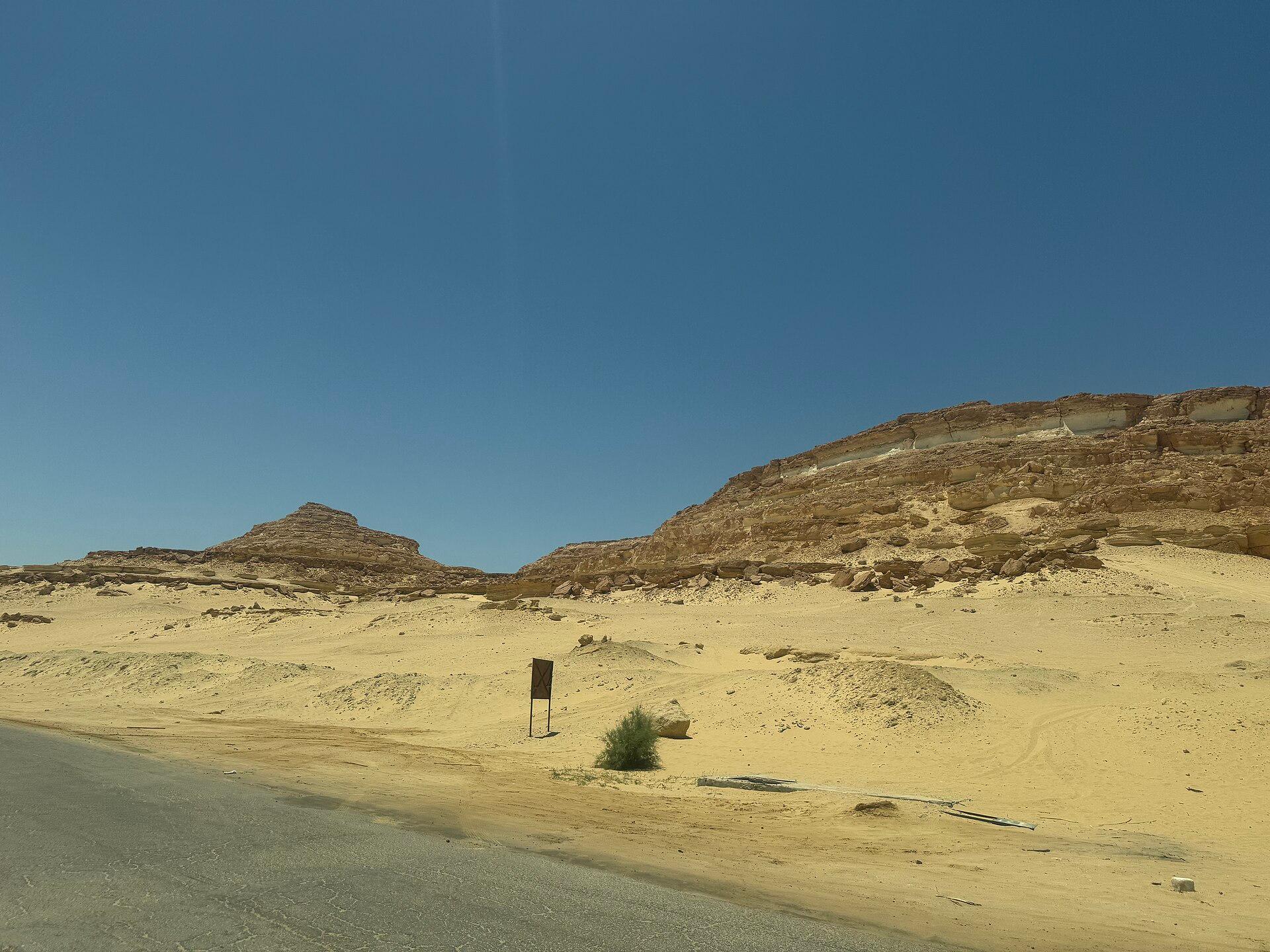
siwa oasis hotels
Egypt · 22 hotels
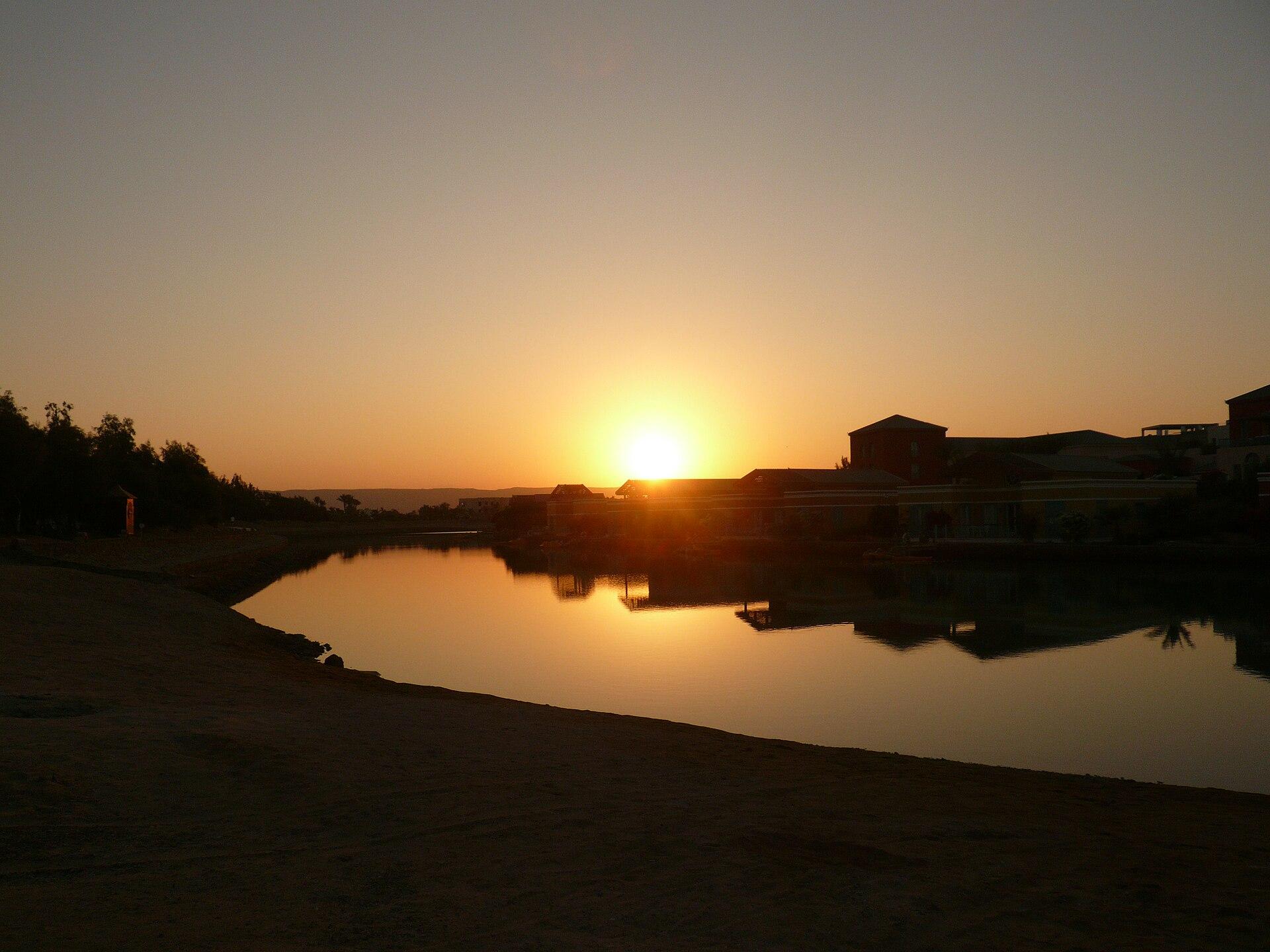
El Gouna hotels
Egypt · 19 hotels
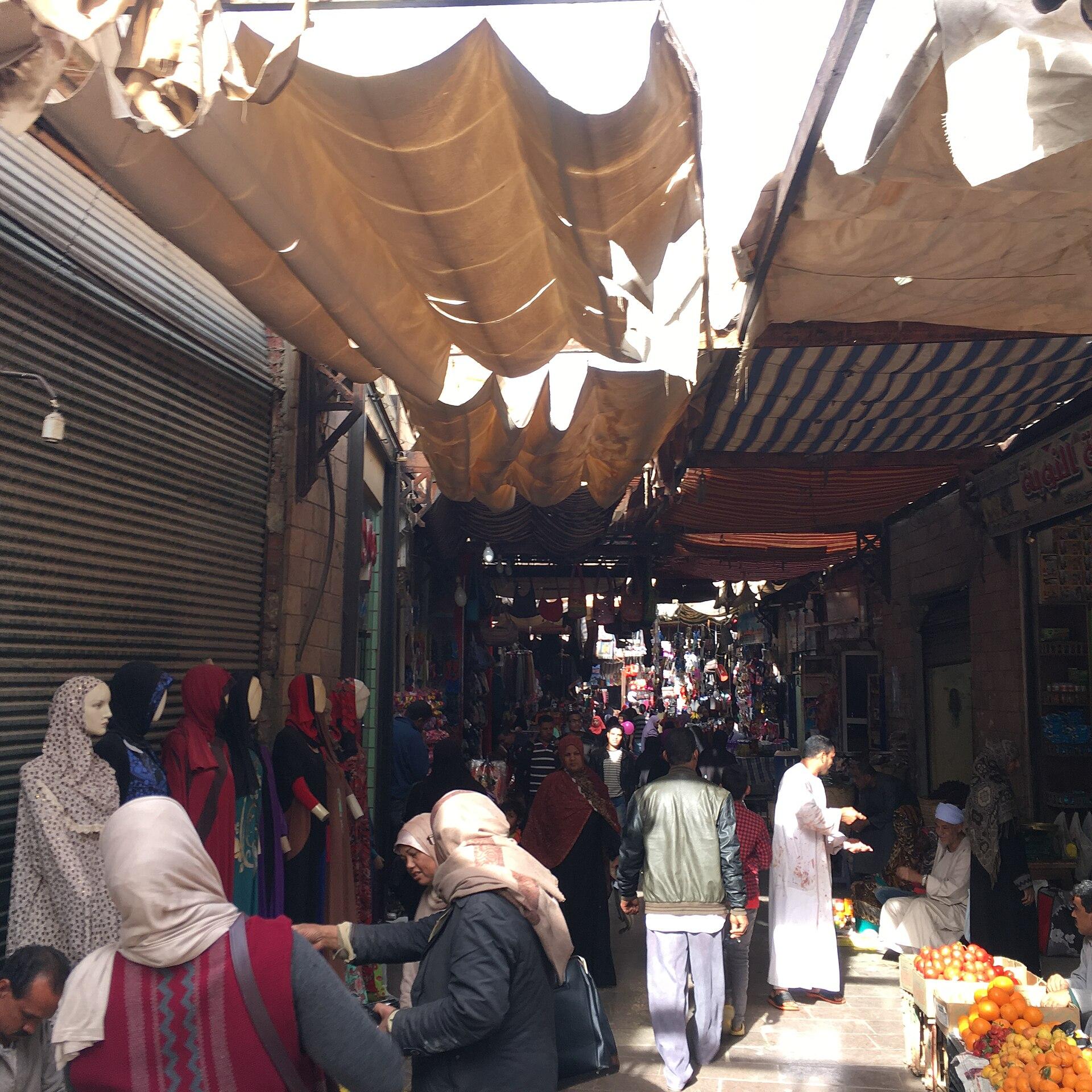
Aswan hotels
Egypt · 17 hotels
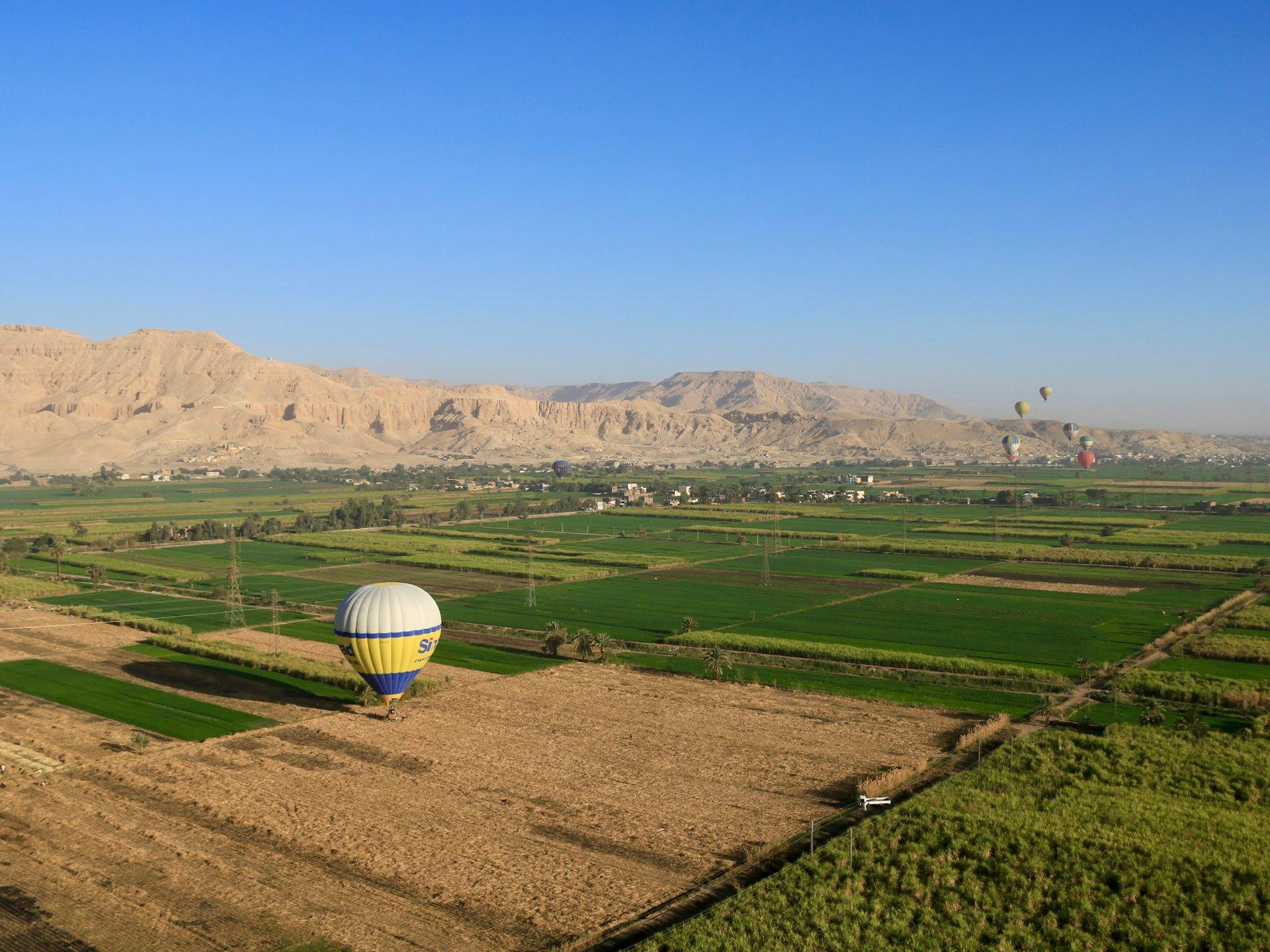
Luxor hotels
Egypt · 11 hotels
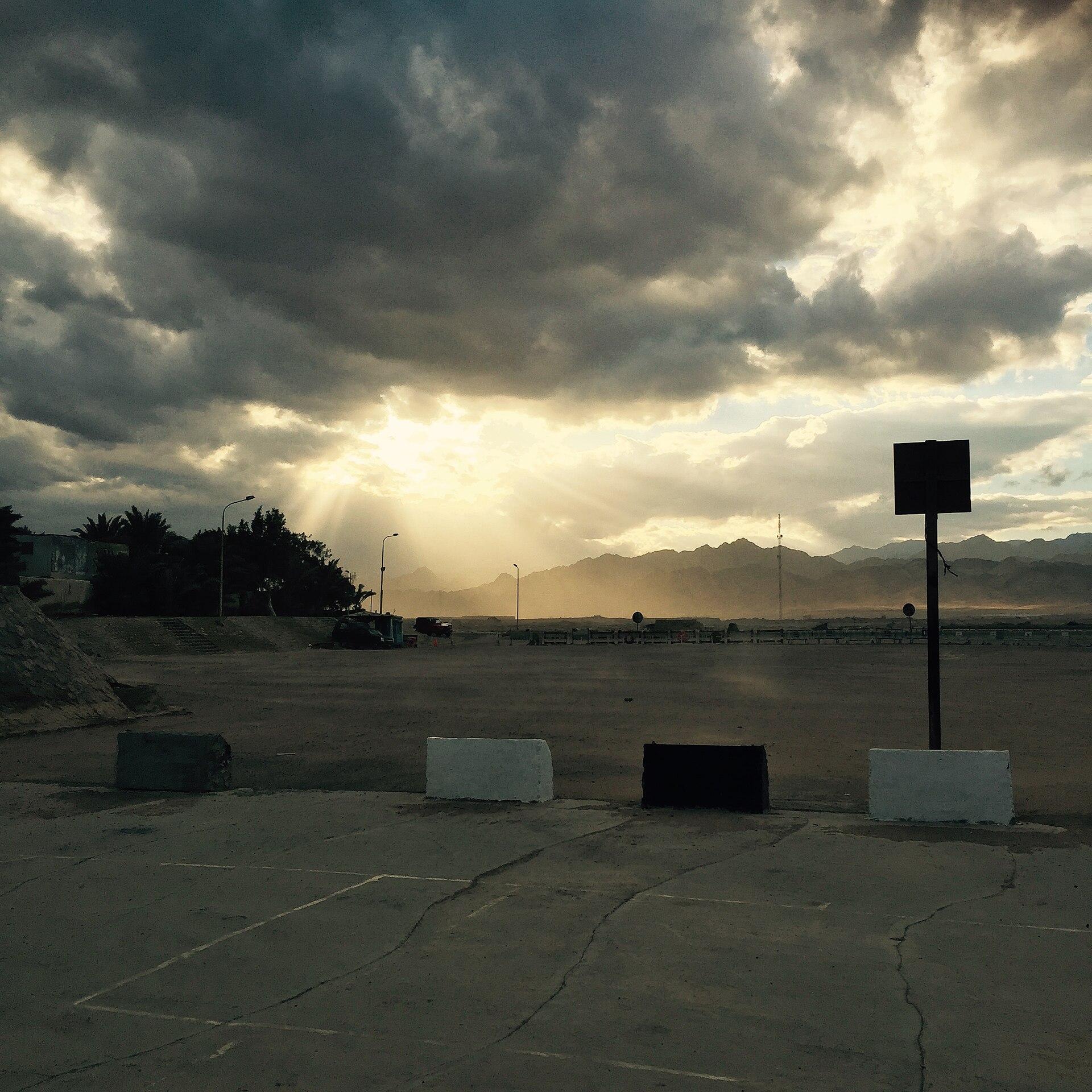
Dahab hotels
Egypt · 9 hotels
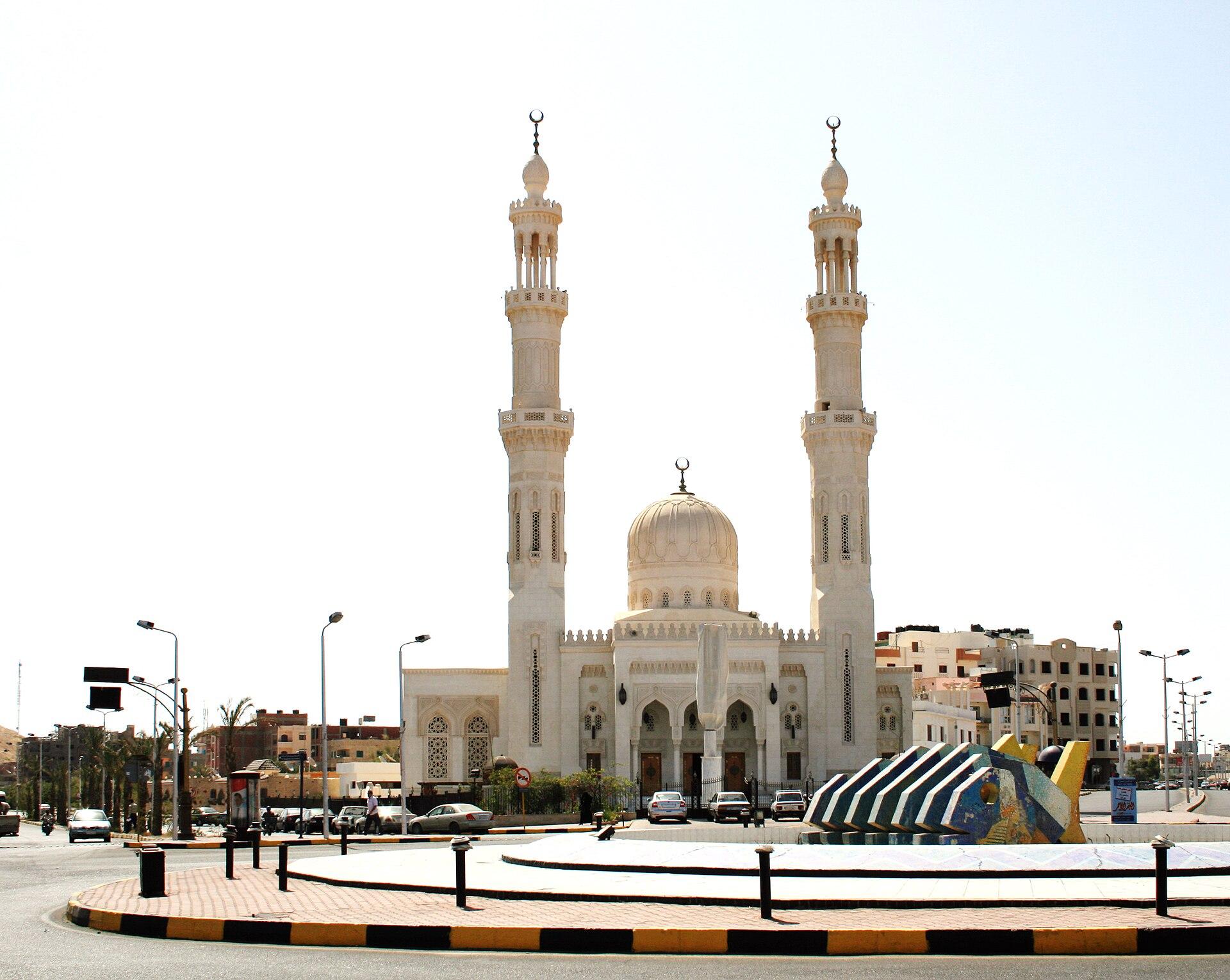
Hurghada hotels
Egypt · 9 hotels
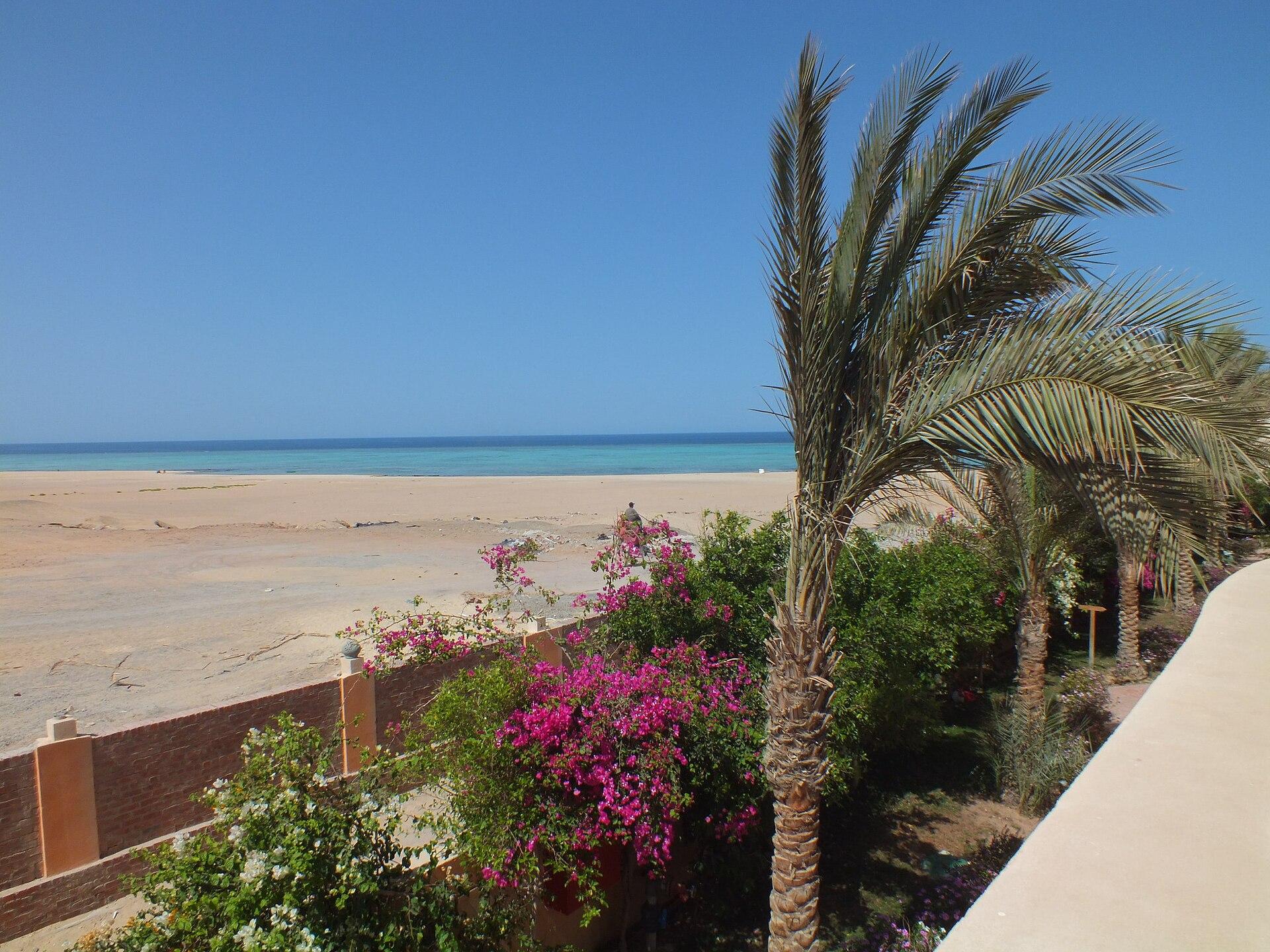
Marsa Alam City hotels
Egypt · 8 hotels
Sharm El Sheikh hotels
Egypt · 6 hotels
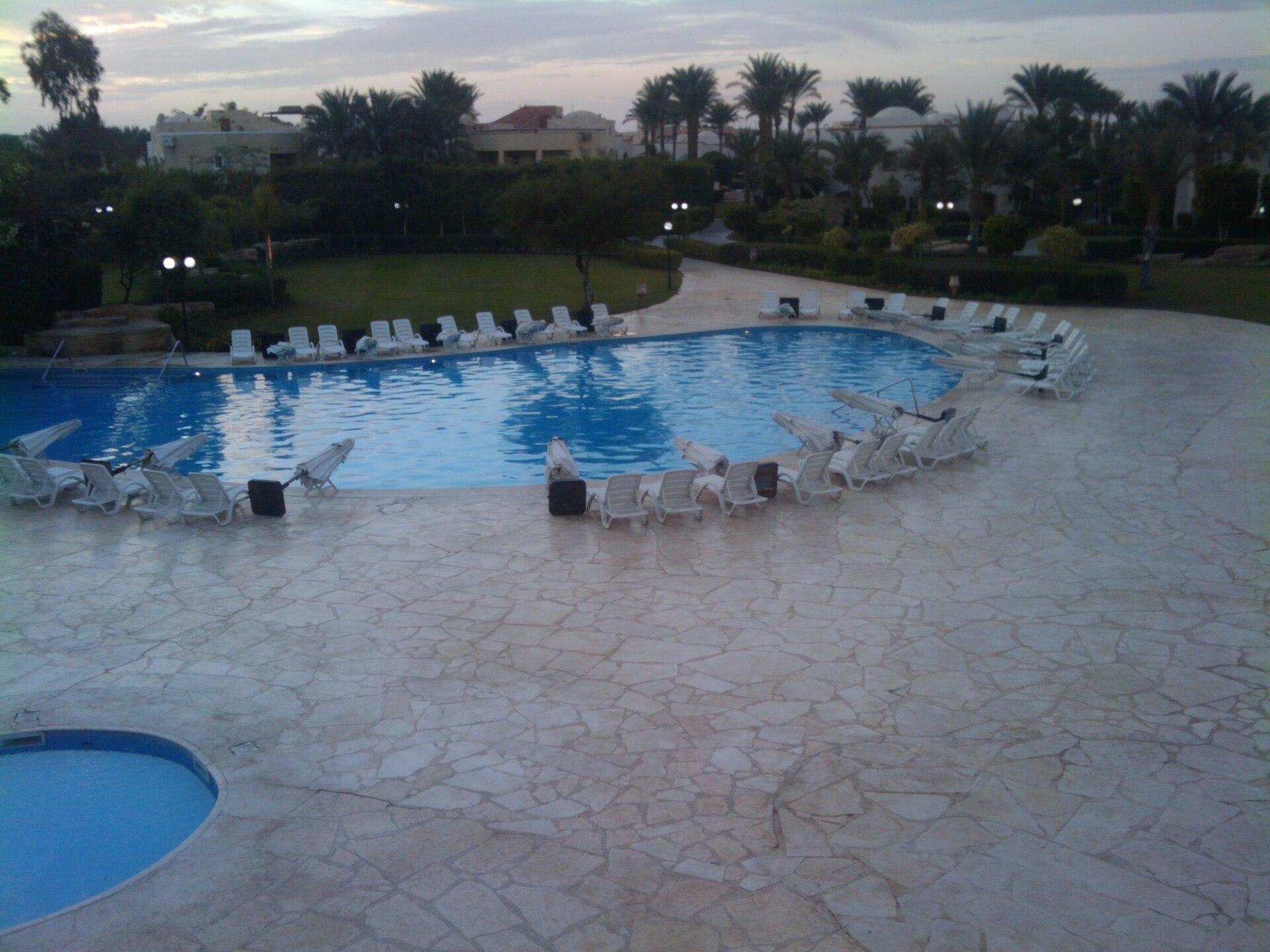
Ain Sokhna hotels
Egypt · 5 hotels
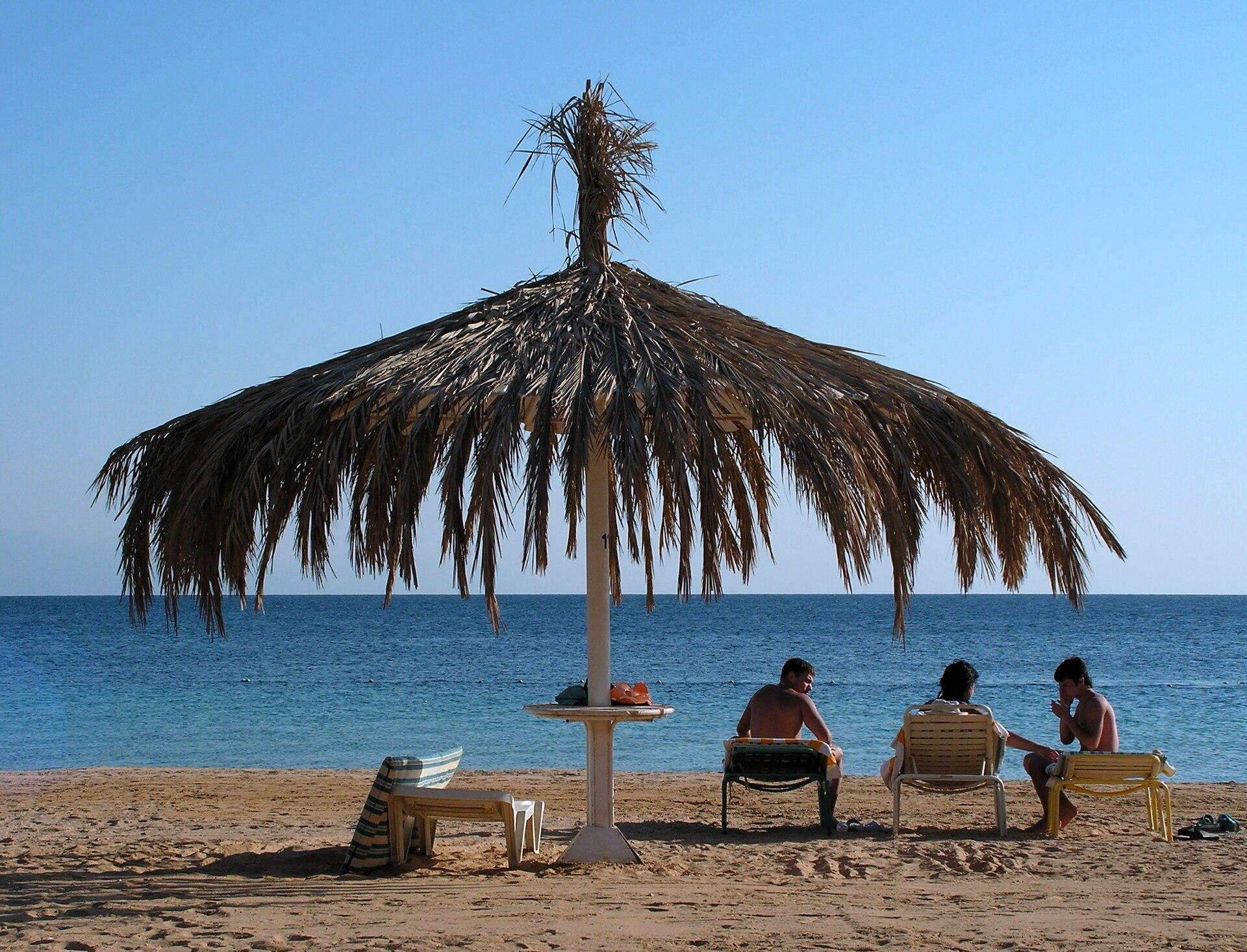
Nuweiba hotels
Egypt · 3 hotels
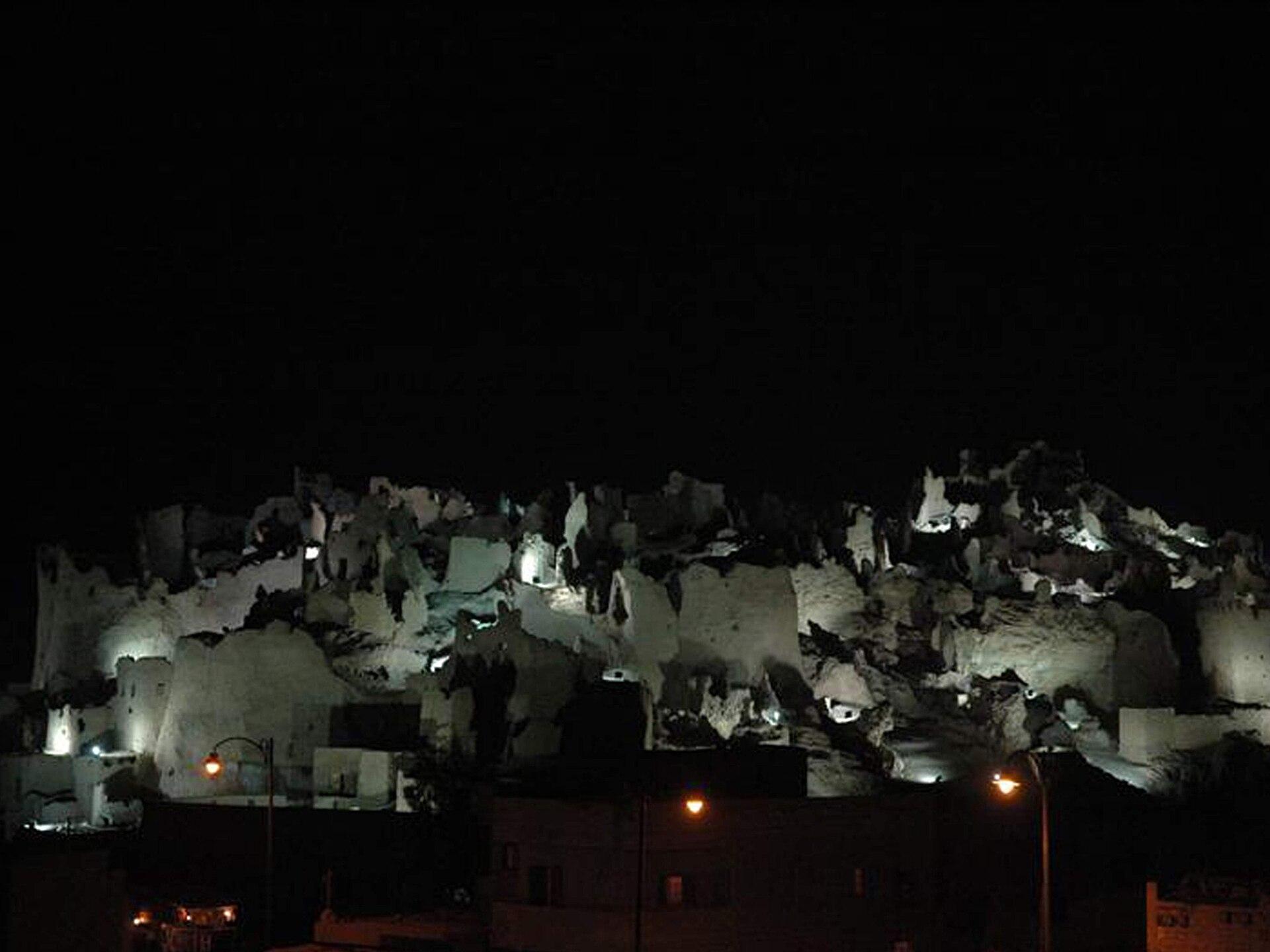
Siwa hotels
Egypt · 3 hotels
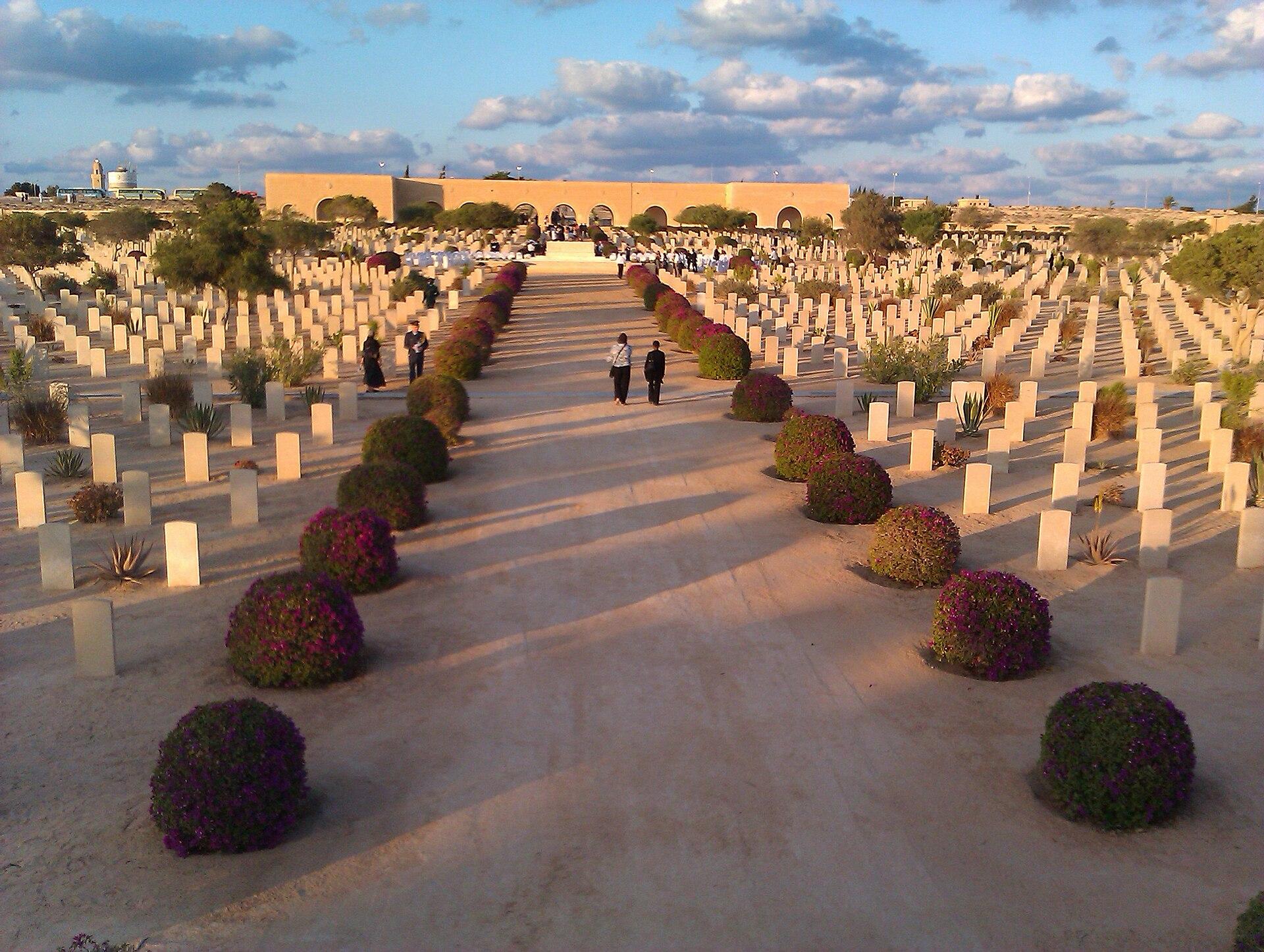
El Alamein hotels
Egypt · 1 hotels