Hotels in Hungary
9 cities · 195 hotels
Photo by Biro Zoltan on Unsplash
Hungary: Thermal Baths, Baroque Boulevards, and the Danube Bend
Hungary sits at the geographic heart of Central Europe, landlocked between Austria, Slovakia, Ukraine, Romania, Serbia, Croatia, and Slovenia. The country covers 93,028 square kilometers and holds roughly 9.7 million residents. The Danube River divides the capital Budapest into two historic halves — Buda on the hilly western bank and Pest on the flat eastern plain — joined by nine bridges, the oldest of which, Széchenyi Chain Bridge, opened in 1849. Beyond the capital, the landscape shifts into the Great Hungarian Plain (Alföld) in the east, the vine-covered hills of Tokaj and Eger in the north, and the reed-lined shores of Lake Balaton in the west.
Cities Worth Exploring
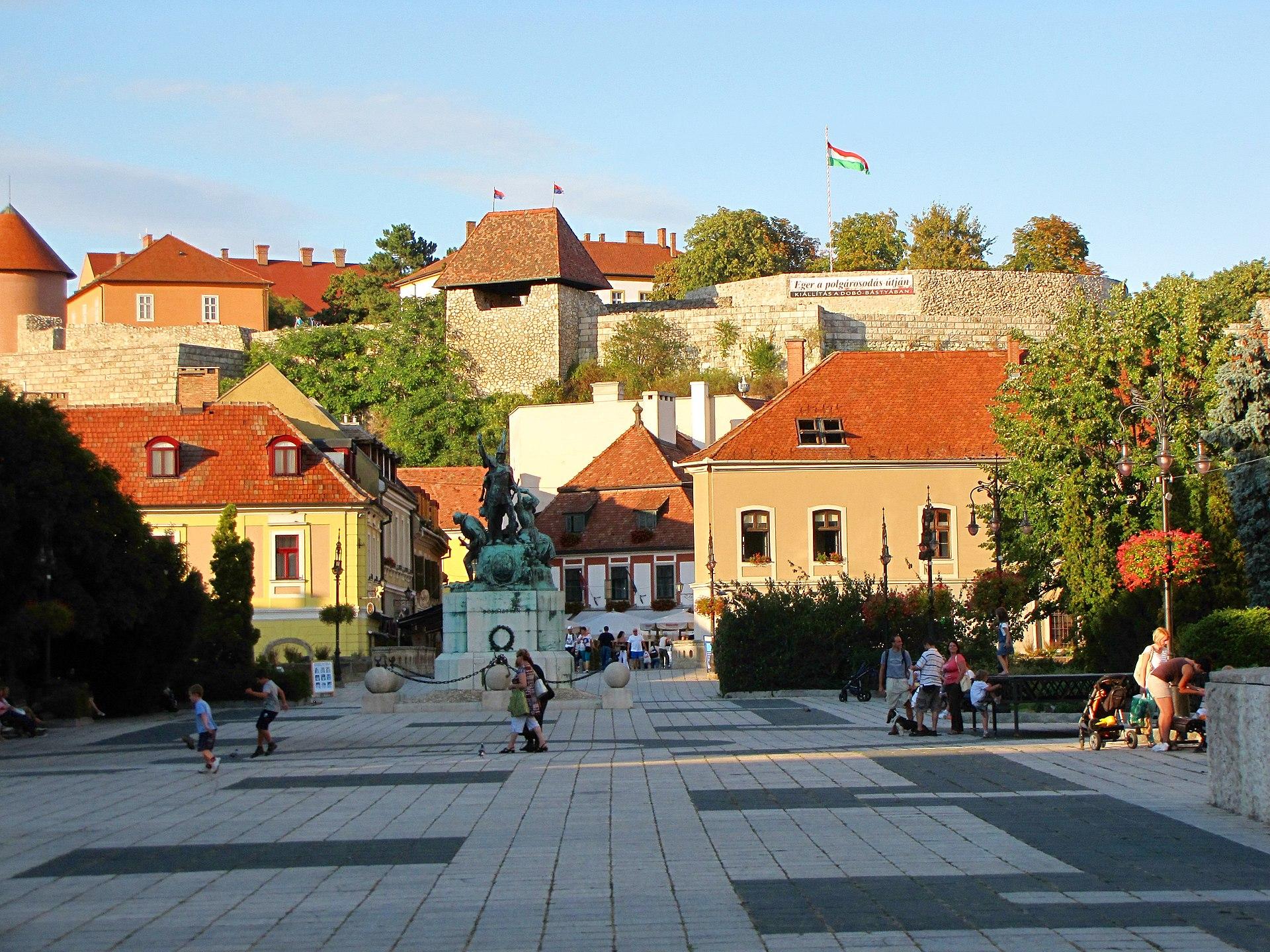
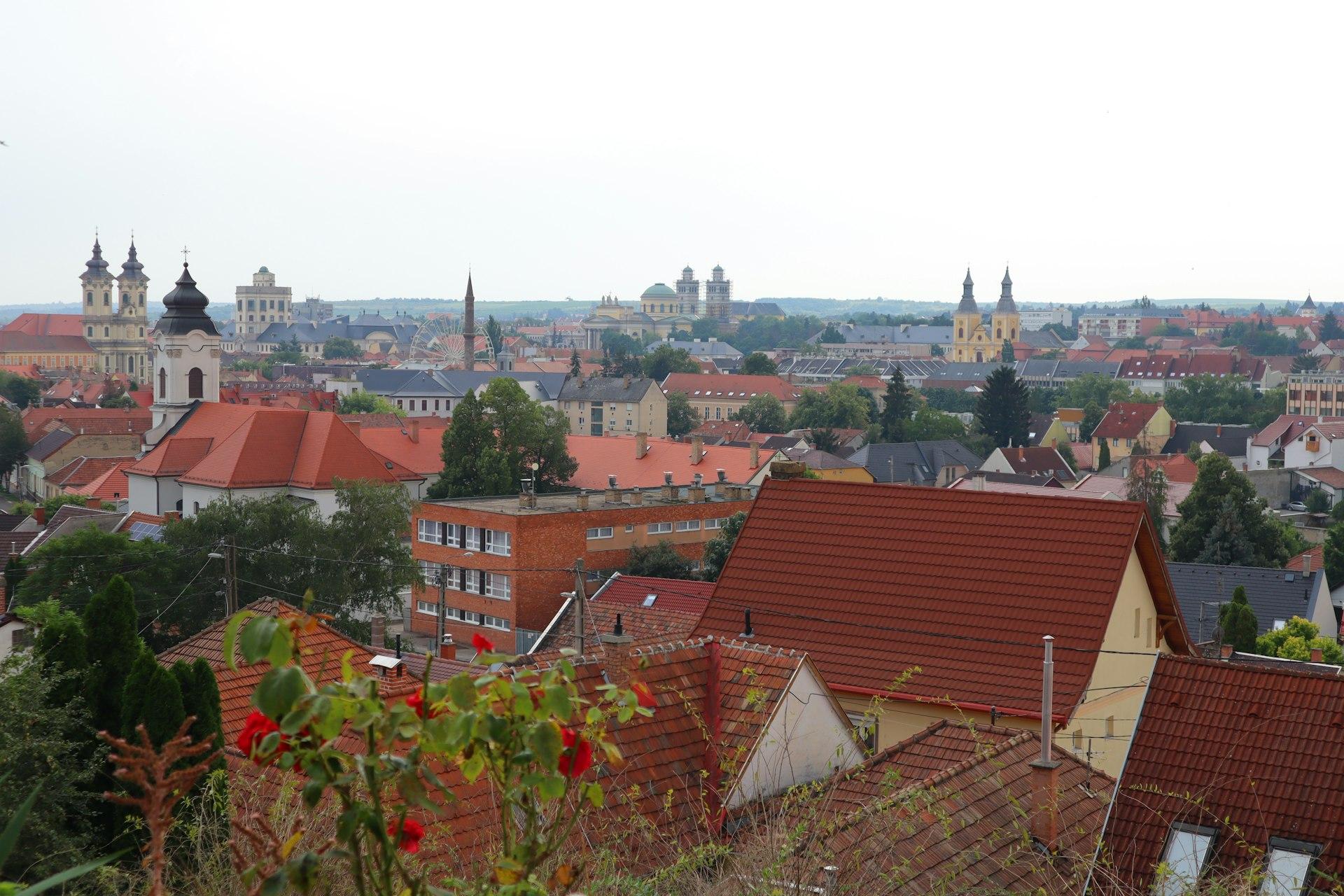
Budapest anchors the country's hotel supply and cultural calendar. Andrássy Avenue, a UNESCO World Heritage boulevard, runs from the city center to Heroes' Square, passing the Hungarian State Opera House, built in 1884. The Széchenyi Thermal Bath in City Park operates year-round and draws visitors as much in January frost as in August heat. Eger, 130 km northeast of Budapest, contains a 16th-century castle that repelled Ottoman forces in 1552 and sits within the Egri Bikavér (Bull's Blood) wine region. Pécs, near the Croatian border in the south, holds four UNESCO-listed Early Christian mausoleums from the 4th century and a pedestrianized old town anchored by the former Mosque of Pasha Qasim, now a Catholic church.
Regional Highlights: Lake Balaton and the Tokaj Wine Country
Lake Balaton stretches 77 km in length, making it the largest lake in Central Europe. The southern shore — centered on Siófok — attracts summer beach crowds, while the northern shore offers hillside vineyards around Badacsony and quieter resort towns like Tihany, home to an 11th-century Benedictine abbey. In the northeast, the Tokaj wine region earned UNESCO inscription in 2002; its Aszú dessert wine has been produced since at least the 16th century. The town of Tokaj itself sits at the confluence of the Tisza and Bodrog rivers and contains cellars tunneled into volcanic tuff.
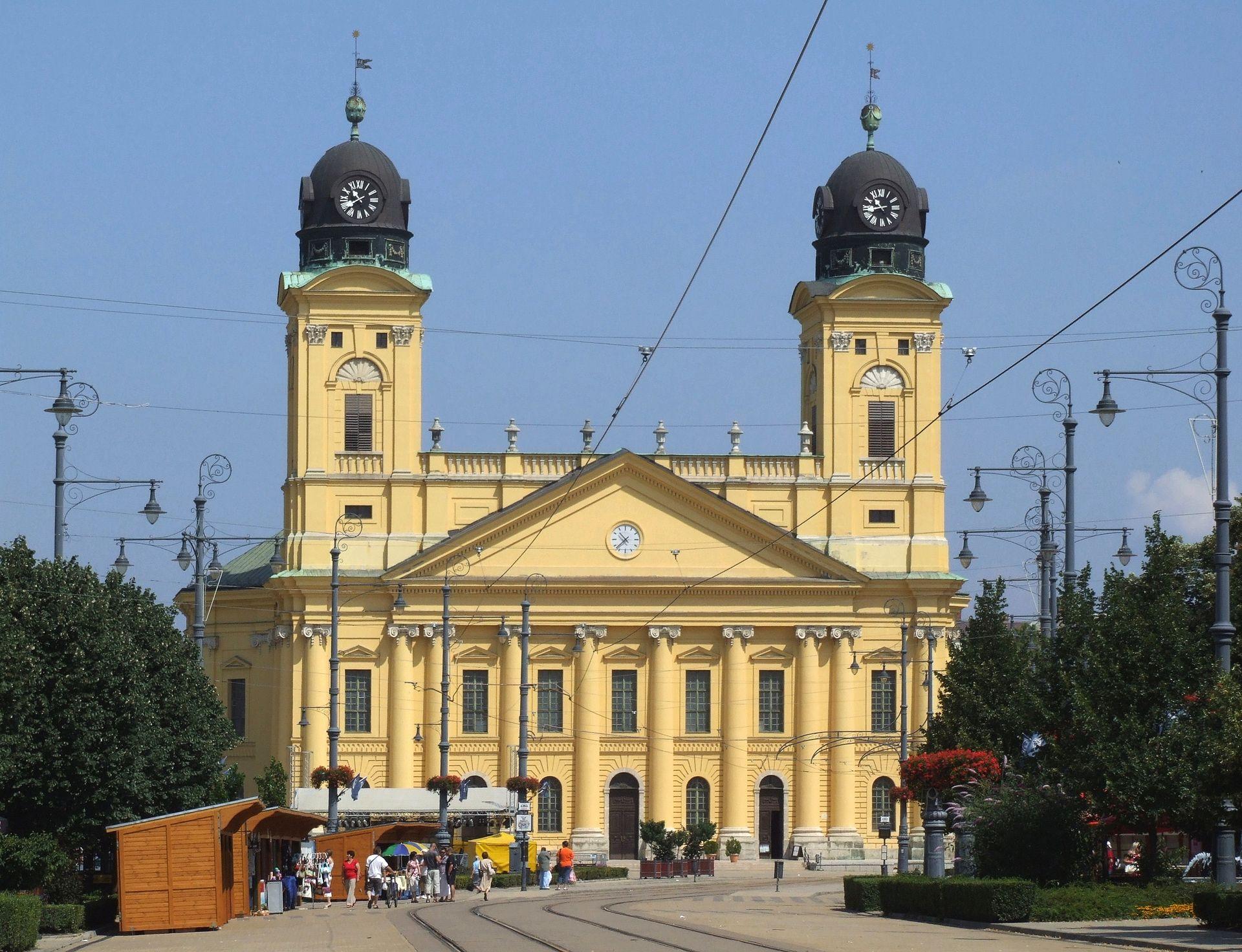
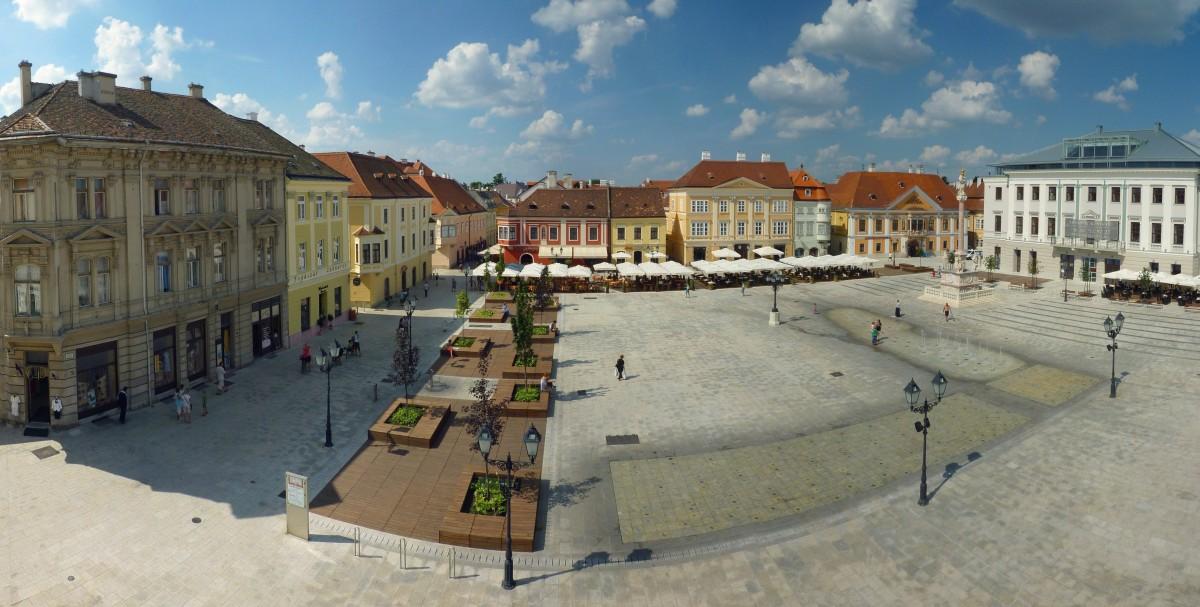
Győr, 120 km west of Budapest along the main Vienna–Budapest rail corridor, preserves one of Hungary's most intact Baroque city centers. The Debrecen Reformed Church (1821) dominates the eastern city of Debrecen, the country's second-largest urban center and the gateway to Hortobágy National Park, a UNESCO World Heritage steppe protected since 1999.
Practical Tips for Visiting Hungary
- Currency: Hungary uses the Hungarian Forint (HUF), not the euro; carry local currency for smaller towns and markets.
- Getting around: The MÁV national rail network connects Budapest to Eger (under 2 hours), Pécs (3 hours), and Debrecen (2.5 hours); book seats in advance on intercity services.
- Best time to visit: Late April through June offers mild temperatures and fewer crowds than July–August peak season; the Budapest Wine Festival runs each September in the Buda Castle District.
- Thermal baths: Pack a swimsuit and a lock (locker deposit required) for any thermal facility; the Gellért Baths require timed-entry tickets booked online.
- Language: Hungarian (Magyar) is unrelated to neighboring Slavic and Germanic languages; English is widely spoken in Budapest hotels and tourist areas.
Frequently Asked Questions
Q: What is the best base for exploring Hungary? A: Budapest serves as the primary hub, with direct rail and road links to every major region. Hotels in the 5th and 6th districts (Belváros and Terézváros) place visitors within walking distance of the Danube embankment and Andrássy Avenue.
Q: Do I need a visa to visit Hungary? A: Hungary is a Schengen Area member. Citizens of EU countries and many others, including the USA, UK, Canada, and Australia, enter visa-free for stays up to 90 days within any 180-day period.
Q: When does Lake Balaton open for swimming? A: The lake's beach resorts operate from late May through mid-September; water temperatures peak at around 24–26 °C in July and August.
Q: Is Budapest expensive compared to other Central European capitals? A: Budapest generally prices 20–35% below Vienna and Prague for mid-range hotels and dining. Budget accommodations in District VII (the Jewish Quarter) start well below major Western European cities.
Q: What currency should travelers carry outside Budapest? A: The Hungarian Forint is essential in smaller towns; card acceptance is growing but unreliable in rural markets, village guesthouses, and the Hortobágy region.