Hotels in Iceland
4 cities · 11 hotels
Iceland: Volcanic Terrain Between the Arctic and the Atlantic
Iceland sits on the Mid-Atlantic Ridge, straddling the North American and Eurasian tectonic plates. The island covers 103,000 km² yet holds fewer than 380,000 residents, making it one of the least densely populated countries in Europe. Reykjavik, the world's northernmost capital, anchors the southwest corner; from the city centre, the Blue Lagoon geothermal pool lies 47 km south and the Golden Circle route — linking Þingvellir National Park, the Geysir hot-spring area, and Gullfoss waterfall — runs 300 km in a single day loop.
Cities Worth Exploring
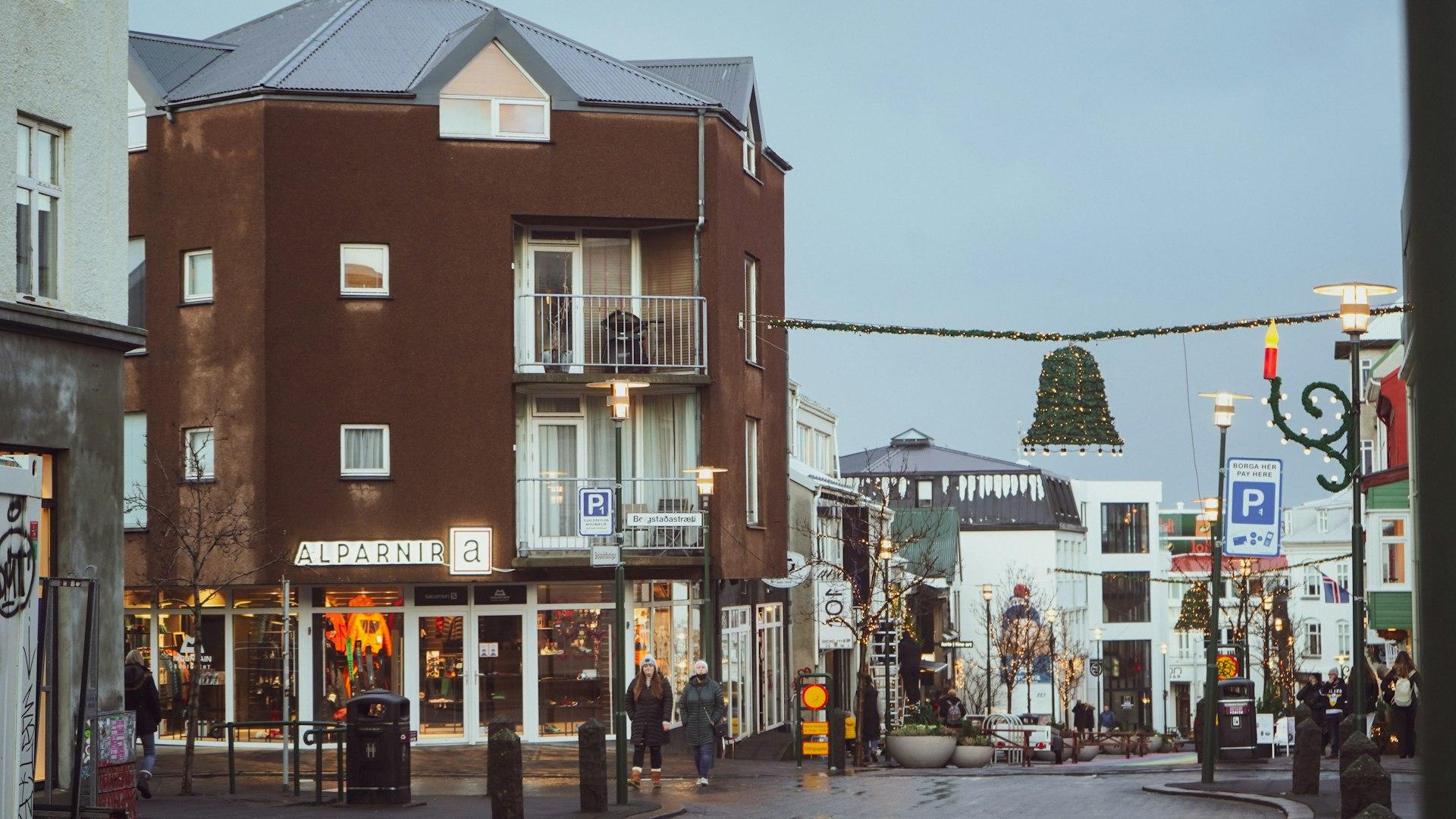
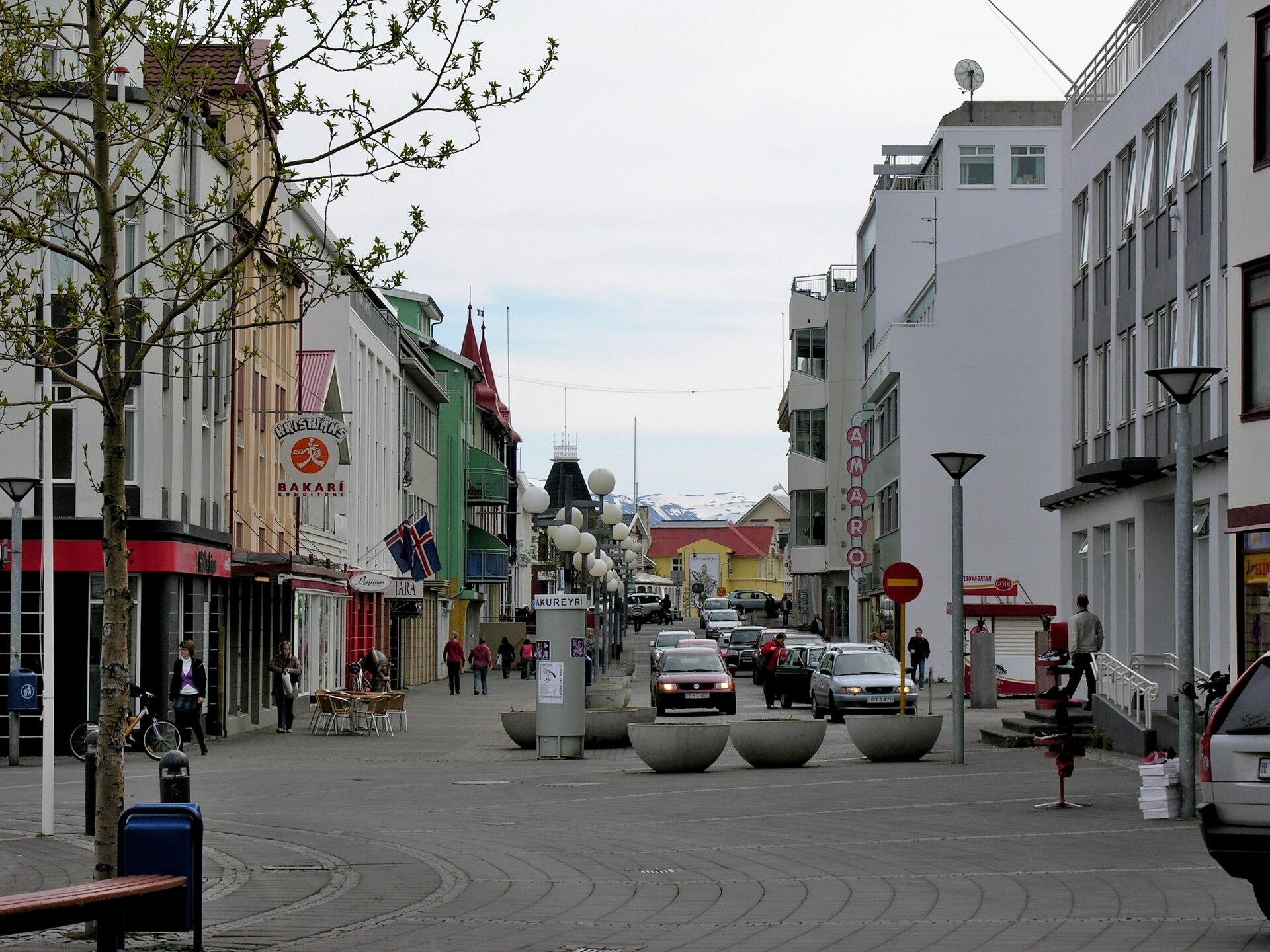
Reykjavik concentrates roughly two-thirds of Iceland's population and most of its hotel stock. The Laugavegur shopping street and the adjacent Skólavörðustígur lane define the walkable core. The Hallgrímskirkja church, 74.5 m tall, offers an elevator to a panoramic platform. North of the capital, Akureyri at the head of Eyjafjörður fjord serves as the gateway to the north: flights from Reykjavik's domestic airport take 45 minutes. Farther east, Egilsstaðir anchors the sparse East Fjords region, a slower, less-trafficked circuit favored by self-drive travelers.
Regional Landscapes and Routes
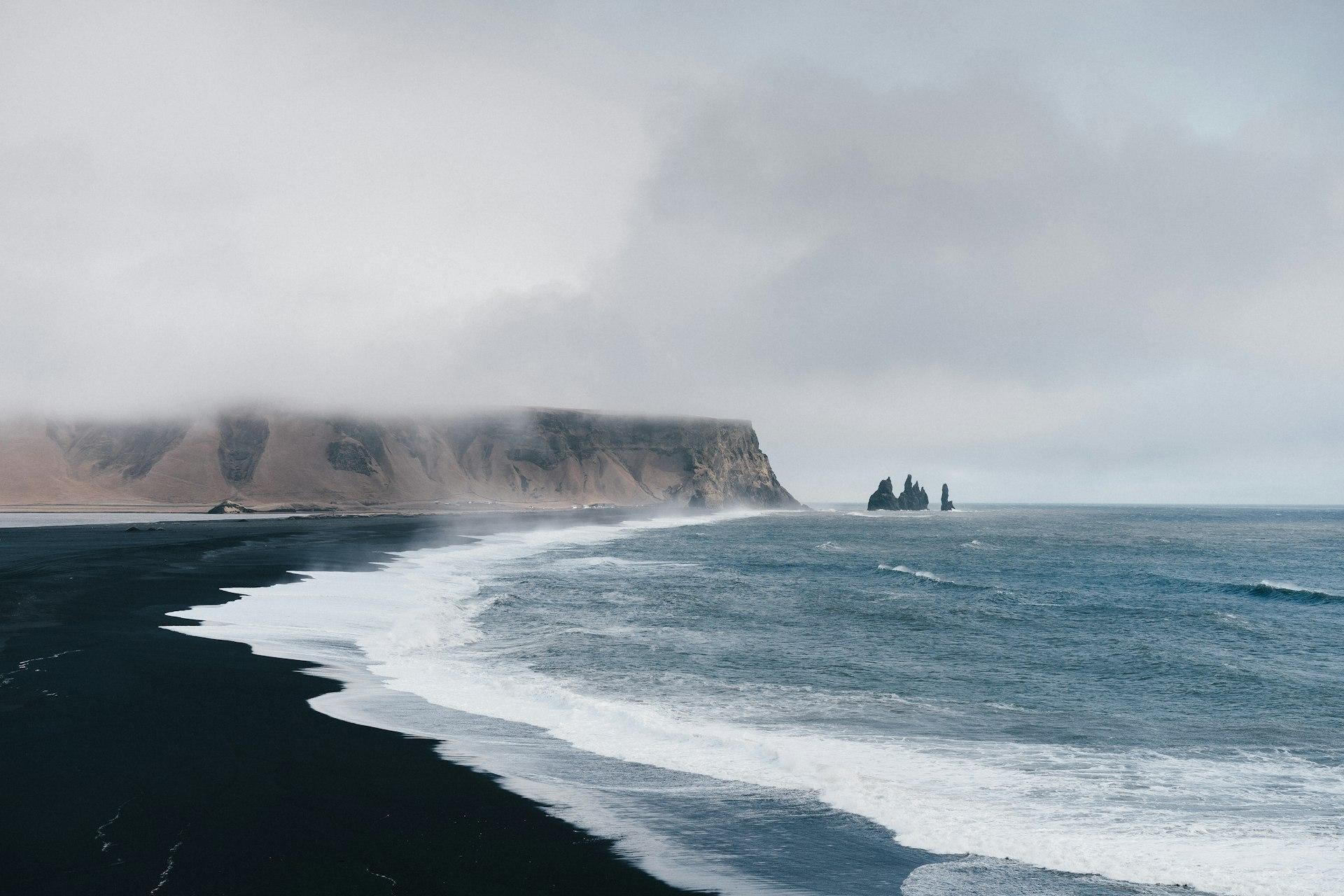
The South Coast runs from Vík í Mýrdal — a village beneath the Katla volcano — east to Jökulsárlón glacier lagoon, where icebergs calve from Breiðamerkurjökull, an outlet of the Vatnajökull ice cap, Europe's largest glacier by volume at 7,900 km². The Snæfellsnes Peninsula, 180 km northwest of Reykjavik, ends at Snæfellsjökull glacier, Jules Verne's fictional entrance to the earth's interior in his 1864 novel. The Westfjords in the far northwest receive the fewest visitors per km² of any region; the Látrabjarg sea-cliff, 14 km long and up to 441 m high, hosts one of Europe's largest seabird colonies from May through August.
The Highland interior opens only between late June and early September, when F-roads — unpaved tracks requiring 4WD — connect volcanic landscapes like Landmannalaugar and the Kjölur route. Driving into the interior outside the summer window risks vehicle damage and is prohibited under rental agreements.
When to Visit Iceland
Summer (June–August) delivers nearly 24 hours of daylight and road access across all regions. Average Reykjavik temperatures reach 11–13 °C. The Northern Lights (Aurora Borealis) are visible from late August through April, peaking in frequency around the equinoxes. The Reykjavik Arts Festival runs through May; the Iceland Airwaves music festival takes place in Reykjavik each November. Winter travel concentrates on aurora hunting, ice cave tours inside Vatnajökull (seasonal from November to March), and the Blue Lagoon, which operates year-round.
Practical Tips for Visiting Iceland
- Getting around: Rent a vehicle for flexibility; the Ring Road (Route 1) circles the island at 1,332 km total. Domestic flights connect Reykjavik to Akureyri, Ísafjörður, and Egilsstaðir.
- Currency: Icelandic króna (ISK). Card payments are accepted almost everywhere; cash is rarely needed.
- Weather layers: Pack waterproof outerwear regardless of season — wind and rain arrive without warning on the south coast.
- Highland roads: Check road.is before entering any F-road; closures update daily.
- Geothermal pools: Book the Blue Lagoon in advance online; walk-in entry is rarely available.
- Accommodation range: Reykjavik hotels range from guesthouses to 4-star properties; the south coast and Snæfellsnes rely heavily on country hotels and farm stays.
Frequently Asked Questions
Q: Do travelers need a visa to enter Iceland? A: Iceland is a member of the Schengen Area. EU and EEA nationals and citizens of many other countries enter without a visa for stays up to 90 days. Check the Directorate of Immigration website for the current list.
Q: What is the cheapest time of year to book Iceland hotels? A: Late September through November and February through March typically offer lower room rates than the summer peak, while still providing darkness for aurora viewing.
Q: Is the Ring Road drivable without a 4WD vehicle? A: Route 1 itself is paved and passable in a standard car during summer. Highland F-roads require a high-clearance 4WD; attempting them in a regular car voids most rental insurance.
Q: How far is the Blue Lagoon from Reykjavik's Keflavik airport? A: The Blue Lagoon sits 23 km from Keflavik International Airport and 47 km from Reykjavik city centre, making it a practical first or last stop on an itinerary.
Q: Can travelers see the Northern Lights from Reykjavik? A: City light pollution reduces visibility, but clear nights with strong aurora activity (Kp index 3+) allow sightings from Reykjavik's outskirts. Driving 30 km outside the capital significantly improves conditions.