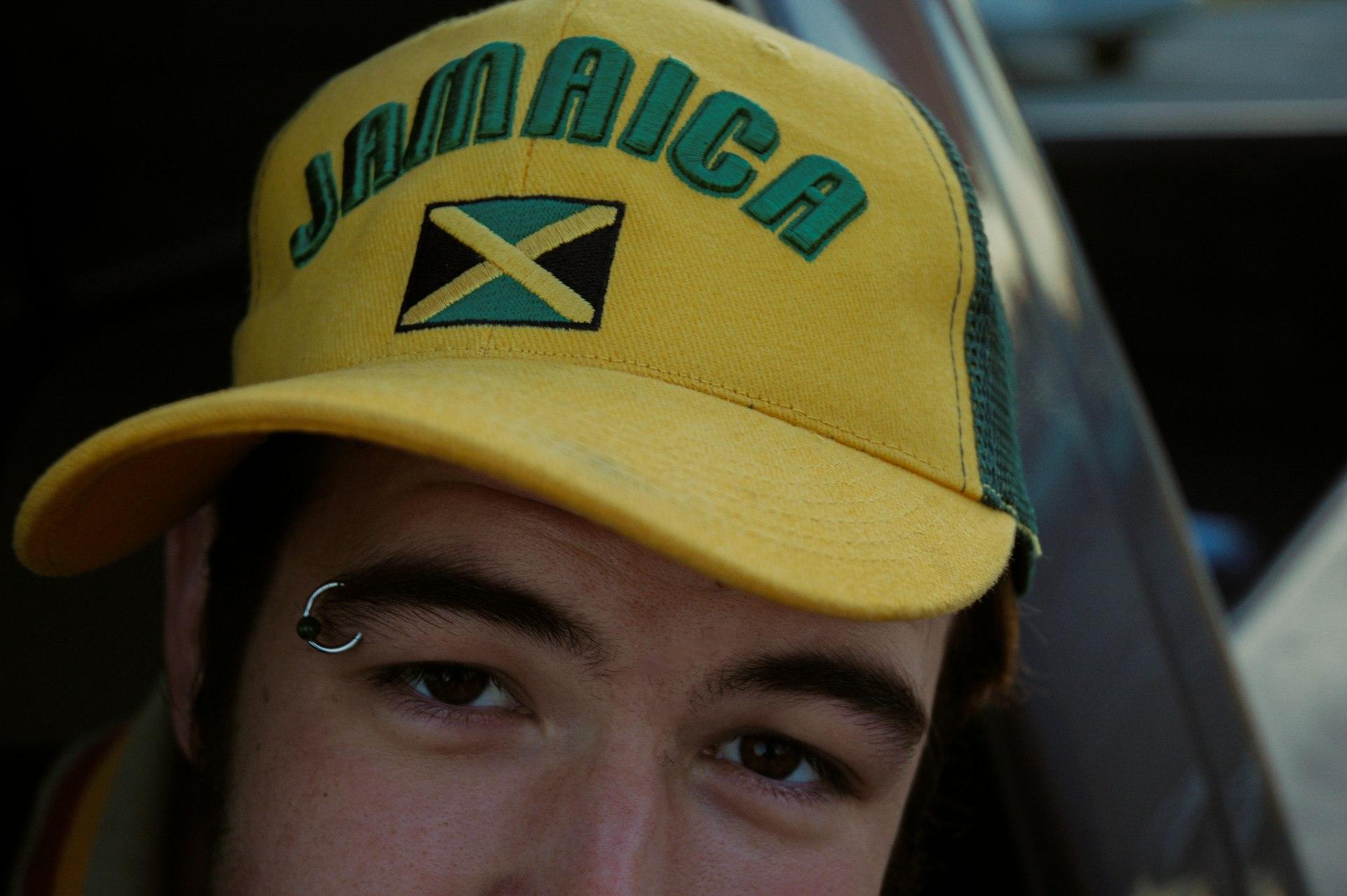
Hotels in Jamaica
4 cities · 41 hotels
Photo by Rohit Tandon on Unsplash
Jamaica: Caribbean Island of Blue Mountains and Coral Reefs
Jamaica sits 145 km south of Cuba in the Caribbean Sea, covering 10,990 sq km with a population of roughly 3 million. The island stretches 235 km east to west, packing rainforest, limestone karst, sugarcane plains, and over 200 km of coastline into a single landmass. Kingston, the capital, anchors the southeast; the resort strip of Montego Bay commands the northwest coast. Between them lie nine parishes that each reward travelers willing to leave the beach.
Cities Worth Exploring
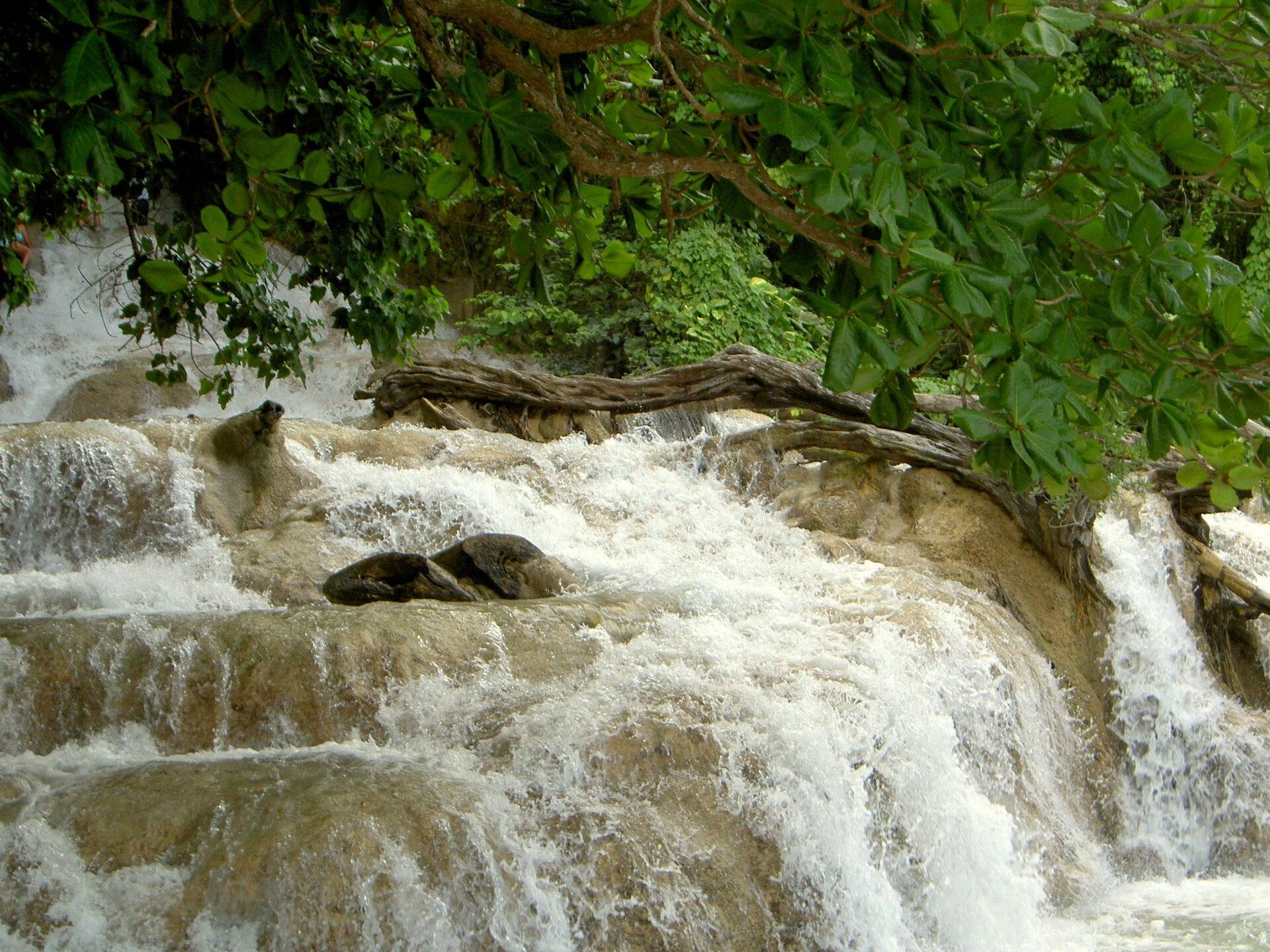
Montego Bay draws the largest share of international arrivals via Sangster International Airport, the island's busiest gateway. Hip Strip hotels line Gloucester Avenue, while Doctor's Cave Beach — named for the physician who promoted its mineral waters in 1906 — remains the social anchor. Forty km east, Ocho Rios is the cruise port closest to Dunn's River Falls, the 180-metre terraced waterfall that visitors climb in a human chain. Kingston offers a different register entirely: the Bob Marley Museum on Hope Road occupies the singer's former home, and New Kingston concentrates the island's business hotels and live-music venues. Negril, at Jamaica's westernmost tip, is known for the Seven Mile Beach and the limestone cliffs of West End, where cliff-diving at Rick's Café has drawn crowds since 1974.
Regions and Landscape
The Blue Mountains rise to Blue Mountain Peak at 2,256 m, the highest point in the Caribbean island arc. Coffee grown between 900 m and 1,700 m elevation is exported to Japan, which purchases roughly 70% of the annual harvest. The Cockpit Country in Trelawny parish — a protected 1,300 sq km of conical limestone hills — was the stronghold of the Maroon communities who negotiated formal autonomy from British colonial authority in 1739. The South Coast, spanning Black River and Treasure Beach, receives far fewer visitors than the north shore and borders the Great Morass, a wetland where American crocodiles are routinely sighted.
When to Visit Jamaica
The dry season runs mid-December through April, coinciding with peak hotel rates. Average temperatures in Montego Bay hover between 24°C and 30°C year-round, but the mountains stay noticeably cooler. The Atlantic hurricane season officially runs June 1 to November 30; Jamaica sits inside the main development zone, and significant storms have made landfall roughly once per decade historically. The Reggae Sumfest festival in Montego Bay typically occupies late July, filling north-coast hotels weeks in advance. Jamaica Carnival follows the Easter weekend calendar each spring.
Practical Tips for Visiting Jamaica
- Getting around: Route taxis (shared minivans) connect most towns cheaply but run on no fixed schedule; private taxis quote fares before departure.
- Currency: The Jamaican dollar (JMD) is the legal tender; US dollars are widely accepted in tourist areas but often at unfavorable rates.
- Entry requirements: Most nationals from the US, UK, Canada, and EU receive a 90-day stamp on arrival; confirm current visa status before travel.
- Health: Tap water is generally treated in major towns; bottled water is advisable in rural parishes.
- Altitude: Pack a light layer for evenings in the Blue Mountains, where temperatures drop below 15°C after dark.
- Beach fees: Many public beaches charge a small entrance fee; hotel beaches are typically reserved for guests.
Frequently Asked Questions
Q: What is the main airport for arriving in Jamaica? A: Sangster International Airport in Montego Bay handles the majority of international flights. Norman Manley International Airport in Kingston serves regional and some transatlantic routes.
Q: Which part of Jamaica is best for resort hotels? A: Montego Bay and Negril concentrate the largest number of all-inclusive and resort properties. Ocho Rios offers mid-range options close to waterfall and river attractions.
Q: Is the Blue Mountains area accessible for day trips? A: The Blue Mountains start roughly 20 km north of Kingston city centre. A guided sunrise hike to Blue Mountain Peak requires an early-morning start (around 2 a.m.) and typically takes 3–4 hours one way from Whitfield Hall.
Q: When does Reggae Sumfest take place? A: Reggae Sumfest is held in Montego Bay each July, generally in the third or fourth week of the month. Book accommodation three to six months ahead during festival dates.
Q: What currency should travelers carry? A: Jamaican dollars cover everyday expenses most efficiently. ATMs dispensing JMD are available in Kingston, Montego Bay, and Ocho Rios; carry small denominations for markets and route taxis.