
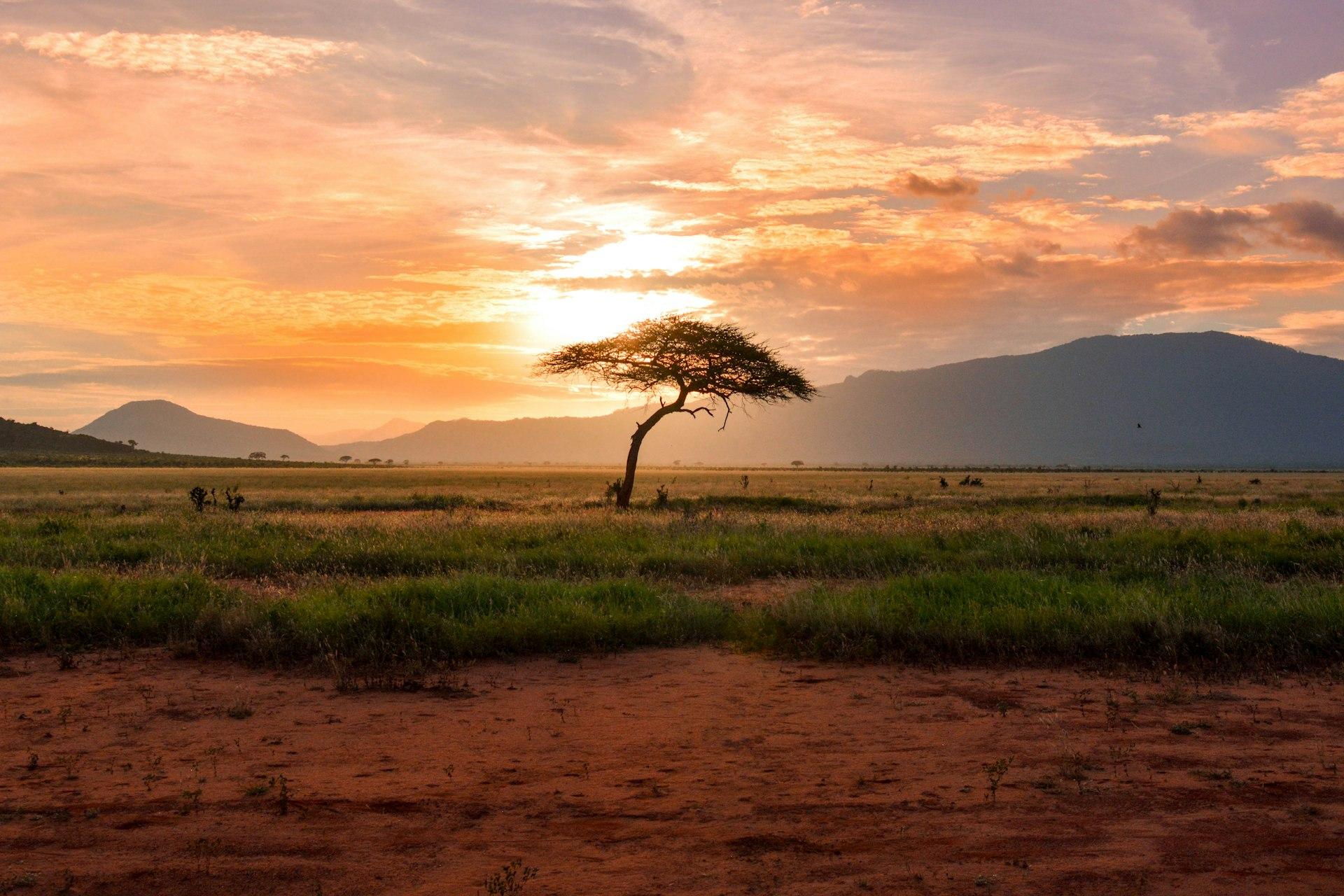
Hotels in Kenya
10 cities · 87 hotels
Photo by Damian Patkowski on Unsplash
Kenya: Savannah, Coast, and the Great Rift Valley
Kenya straddles the equator in East Africa, covering 582,646 sq km from the Indian Ocean shoreline to the snow-capped peak of Mount Kenya at 5,199 m. The country shares borders with Tanzania to the south, Uganda to the west, and Somalia to the northeast. Nairobi, the capital, sits at 1,795 m elevation — making it one of the highest capital cities in Africa — and serves as the primary gateway, with Jomo Kenyatta International Airport handling most international arrivals.
Cities Worth Exploring
Nairobi anchors the country's hotel market. The Westlands and Upper Hill neighborhoods concentrate most 4-star and 5-star properties, while the Karen suburb south-west of the CBD offers boutique guesthouses near the Karen Blixen Museum. Mombasa, Kenya's second city and principal port, commands the coast; the Old Town's 16th-century Fort Jesus (a UNESCO World Heritage Site since 2011) sits minutes from beach resort strips along Diani Beach to the south and Nyali to the north. Kisumu, on the eastern shore of Lake Victoria, draws visitors exploring the lake and Kisumu Impala Sanctuary.
Safari Regions and the Rift Valley
The Maasai Mara National Reserve in the south-west records the annual wildebeest migration between July and October, when roughly 1.5 million wildebeest cross from Tanzania's Serengeti. Amboseli National Park, 240 km south-east of Nairobi near the Tanzania border, frames large elephant herds against Kilimanjaro (3,700 m visible on the Kenyan side). The Great Rift Valley bisects the country north to south; Lake Nakuru hosts flamingo populations and black rhino, while Lake Naivasha — 90 km north-west of Nairobi — offers boat safaris among hippo pods. Samburu National Reserve in the north presents arid-zone species such as Grevy's zebra not found in southern parks.
The Coast and Lamu Archipelago
Kenya's Indian Ocean coastline extends approximately 536 km. The Lamu Archipelago, a UNESCO World Heritage Site designated in 2001, preserves Swahili architecture dating to the 14th century on car-free Lamu Island. Malindi, 120 km north of Mombasa, has operated as a resort town since the 1960s and retains a distinct Italian-expat community. Coral reef systems run parallel to the shoreline from Watamu Marine National Park south to Kisite-Mpunguti, supporting diving and snorkelling from November to March when seas calm.
Practical Tips for Visiting Kenya
- Visa: Most nationalities obtain an East Africa Tourist Visa (USD 100) or Kenya e-Visa online before travel; processing takes 3–5 business days.
- Currency: Kenyan Shilling (KES); USD widely accepted at lodges and major hotels.
- Getting around: Domestic flights connect Nairobi's Wilson Airport to Mara, Amboseli, and Lamu in under 90 minutes. Matatus (shared minibuses) cover city routes; metered taxis and ride-hailing apps operate in Nairobi and Mombasa.
- Climate: Long rains fall April–May; short rains October–November. July–September is dry and cool — peak safari season. Coast humidity peaks February–March.
- Health: Yellow fever vaccination certificate required if arriving from endemic countries; malaria prophylaxis advised outside Nairobi.
- Altitude: Pack a light layer for Nairobi evenings; temperatures drop to 10°C in June–July at elevation.
Frequently Asked Questions
Q: When is the best time to visit Kenya for wildlife? A: July to October coincides with the wildebeest migration in the Maasai Mara and dry conditions across most parks, making wildlife easier to spot. January and February offer a secondary dry season with fewer visitors.
Q: Do travelers need a visa to visit Kenya? A: Citizens of most countries require a visa, available as an e-Visa at evisa.go.ke for USD 50 (single entry) or USD 100 (East Africa Tourist Visa covering Kenya, Uganda, and Rwanda). Apply at least five days before departure.
Q: Which Kenyan city has the most hotel options? A: Nairobi holds the largest concentration of hotels, from budget guesthouses in Ngara to international chains in Westlands and Upper Hill. Mombasa and the Diani Beach corridor rank second for total accommodation supply.
Q: Is the Kenyan coast safe for swimming year-round? A: Coral reefs and sandbanks protect most beaches from strong surf; however, April–May brings rough seas during the long rains. Rip currents occur at unpatrolled stretches — swim at beaches with lifeguard flags posted.
Q: What currency and payment methods work best in Kenya? A: The Kenyan Shilling is the official currency. M-Pesa mobile payments dominate local commerce. USD cash is accepted at game lodges and larger hotels; Visa and Mastercard work at ATMs in Nairobi and Mombasa.
Cities in Kenya
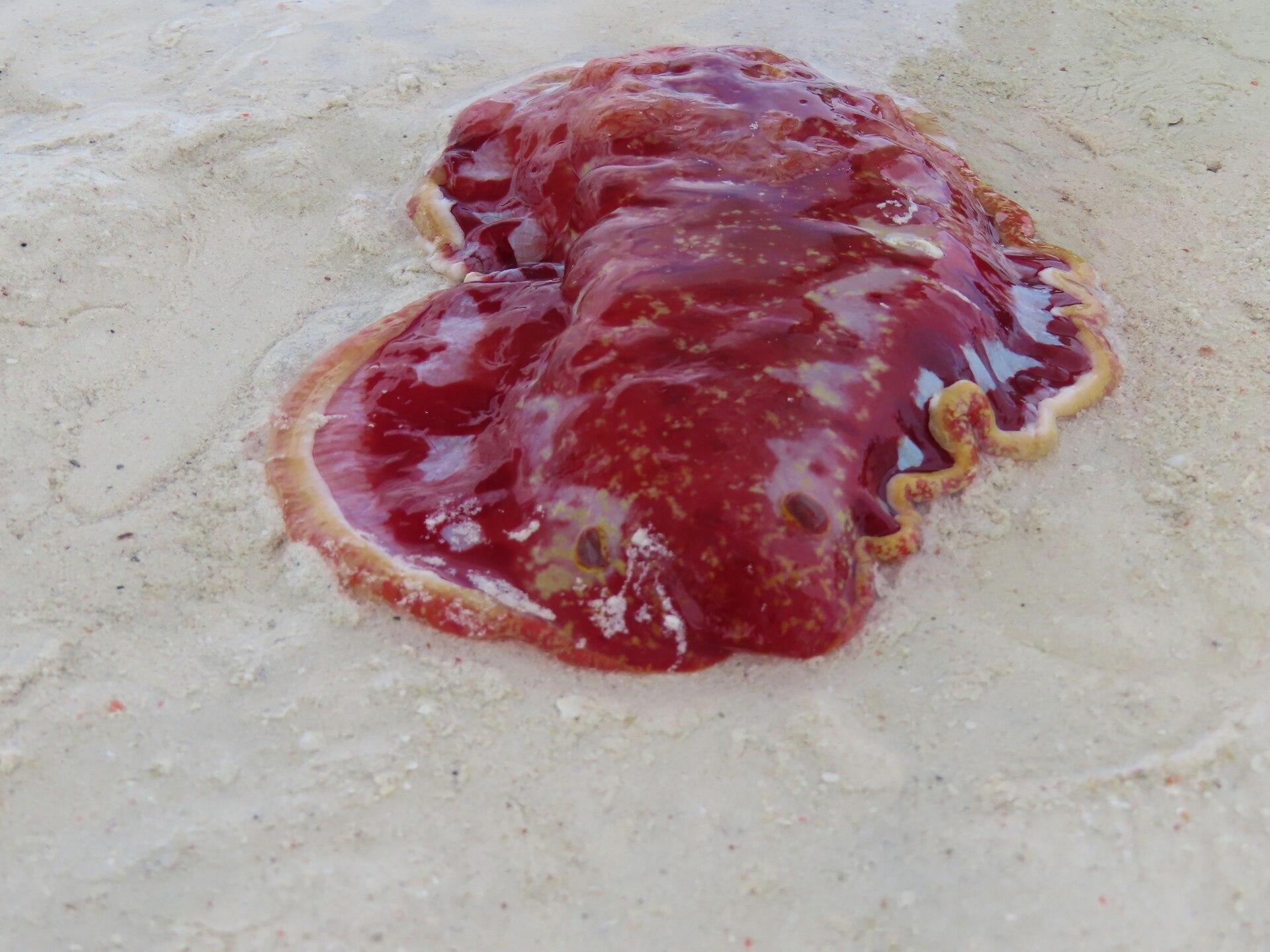
Watamu hotels
Kenya · 20 hotels
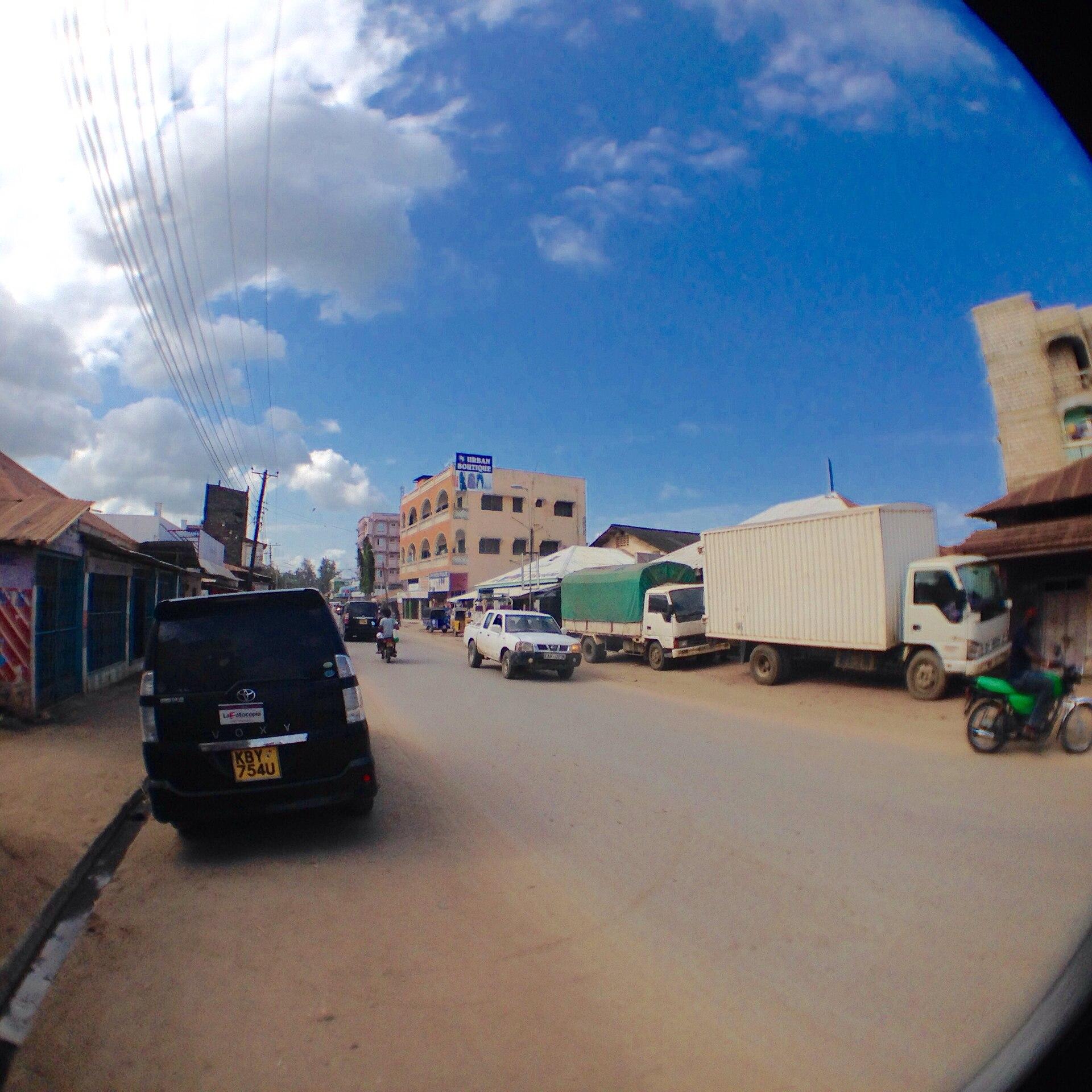
Malindi hotels
Kenya · 18 hotels
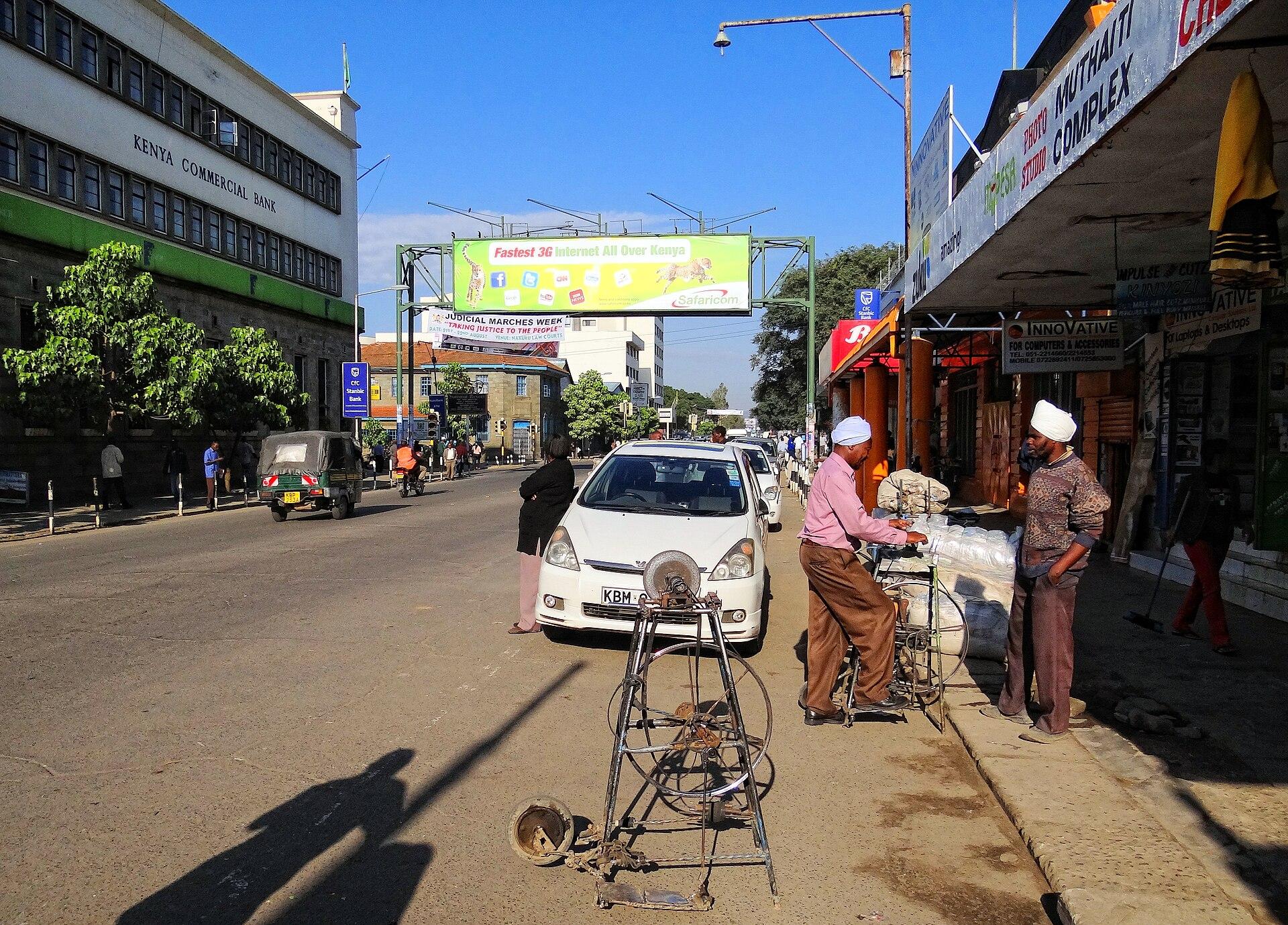
Nakuru hotels
Kenya · 18 hotels
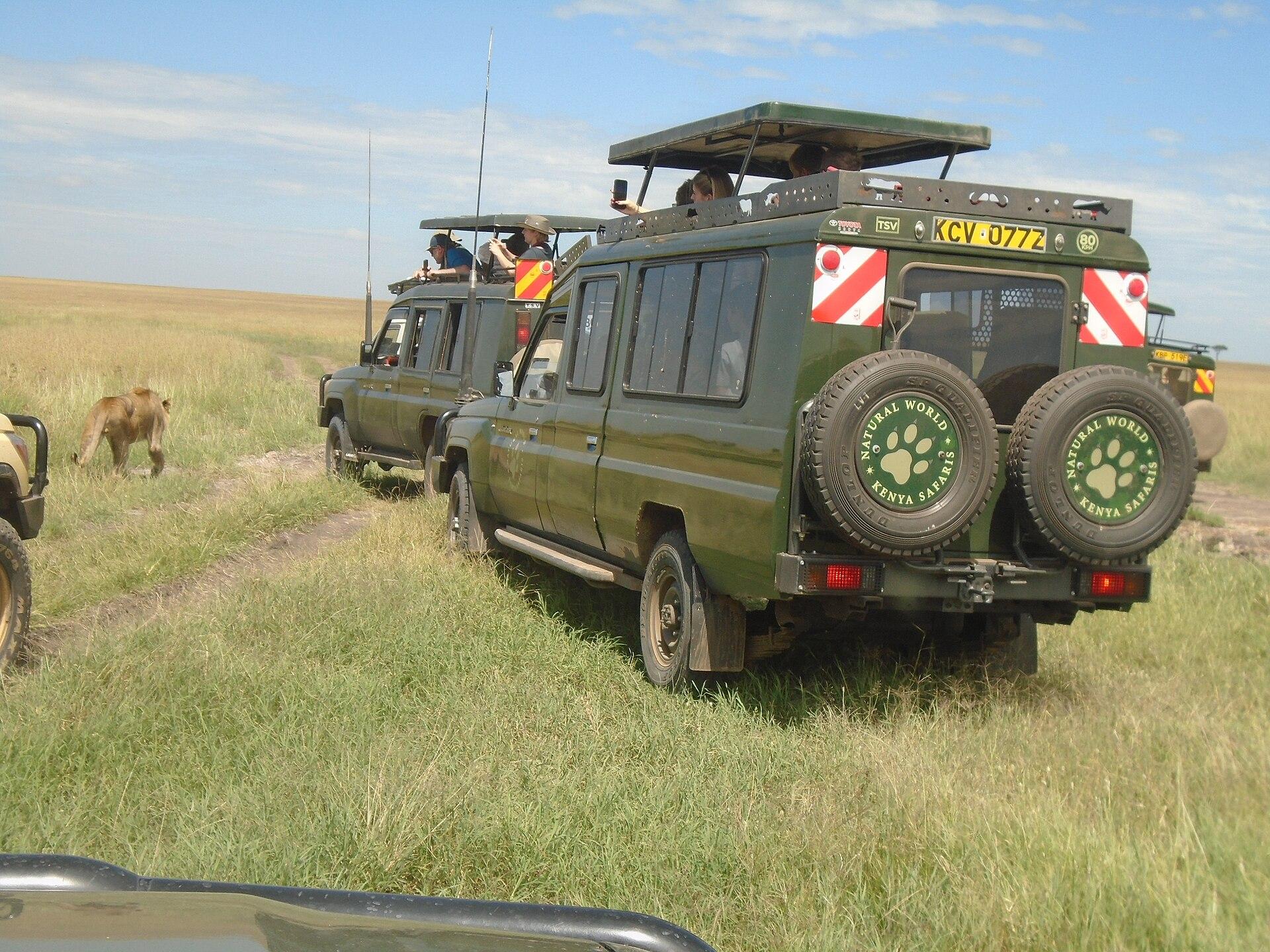
Masai Mara hotels
Kenya · 9 hotels
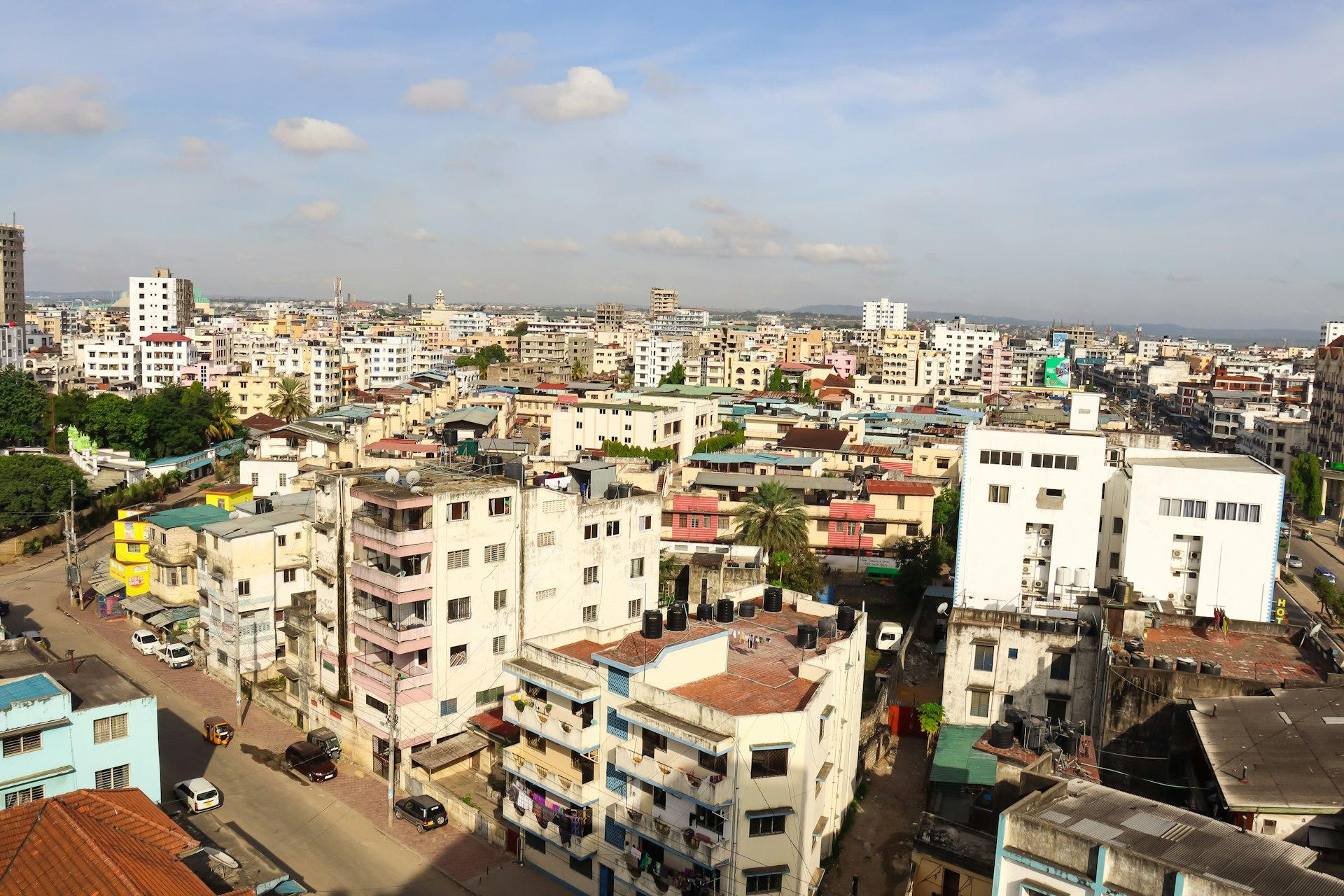
Mombasa hotels
Kenya · 7 hotels
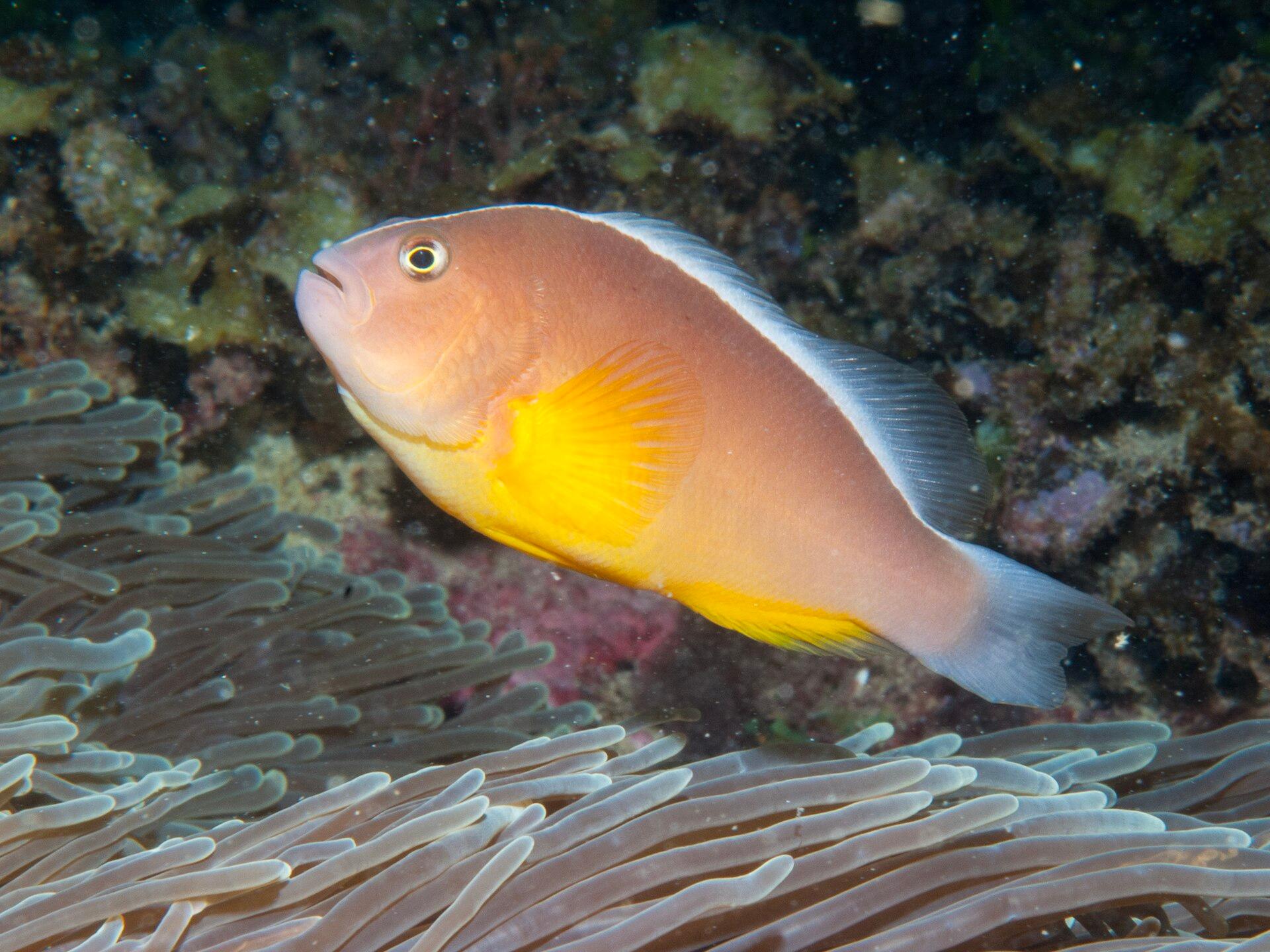
Diani Beach hotels
Kenya · 5 hotels
Nairobi hotels
Kenya · 5 hotels

Lamu hotels
Kenya · 3 hotels
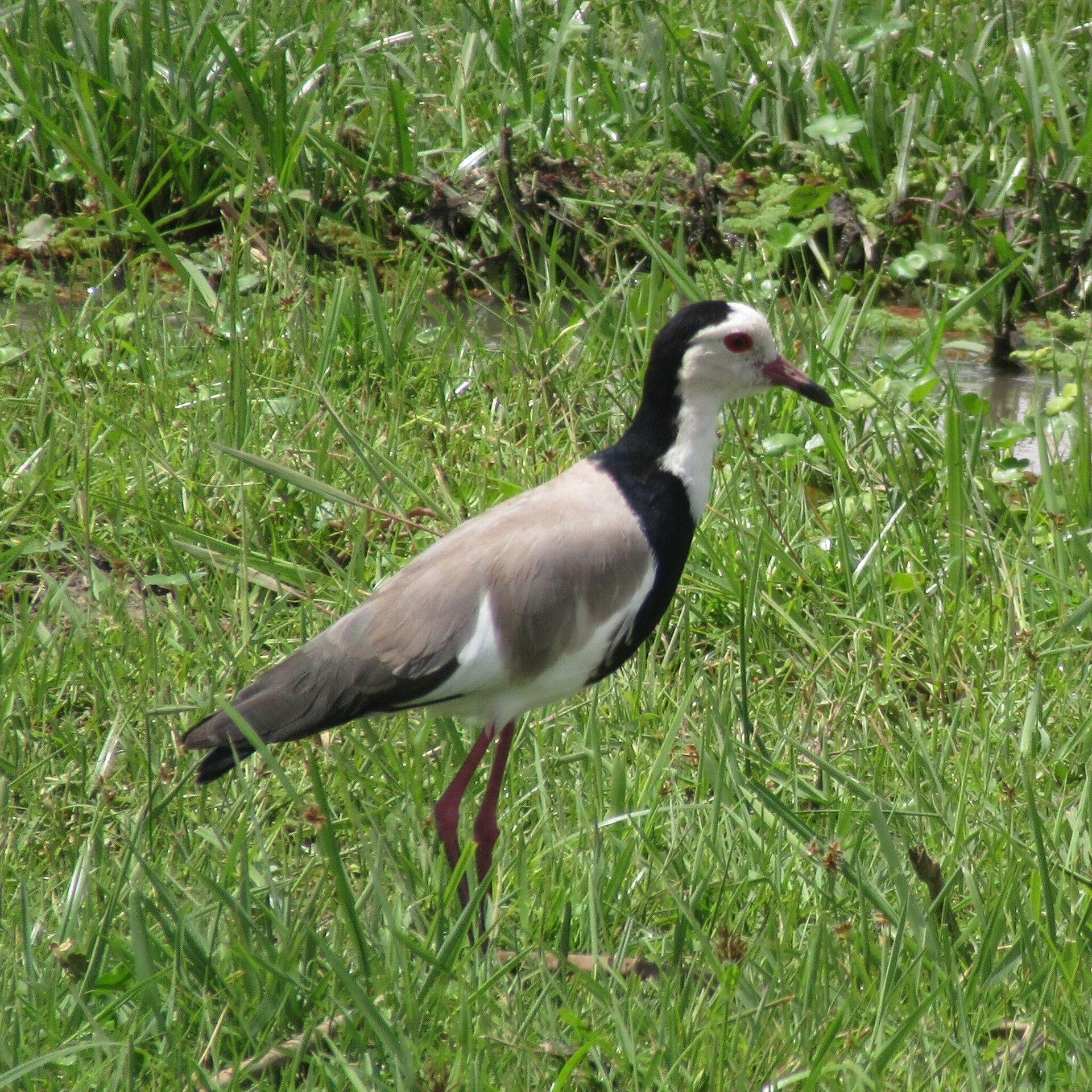
Amboseli hotels
Kenya · 1 hotels
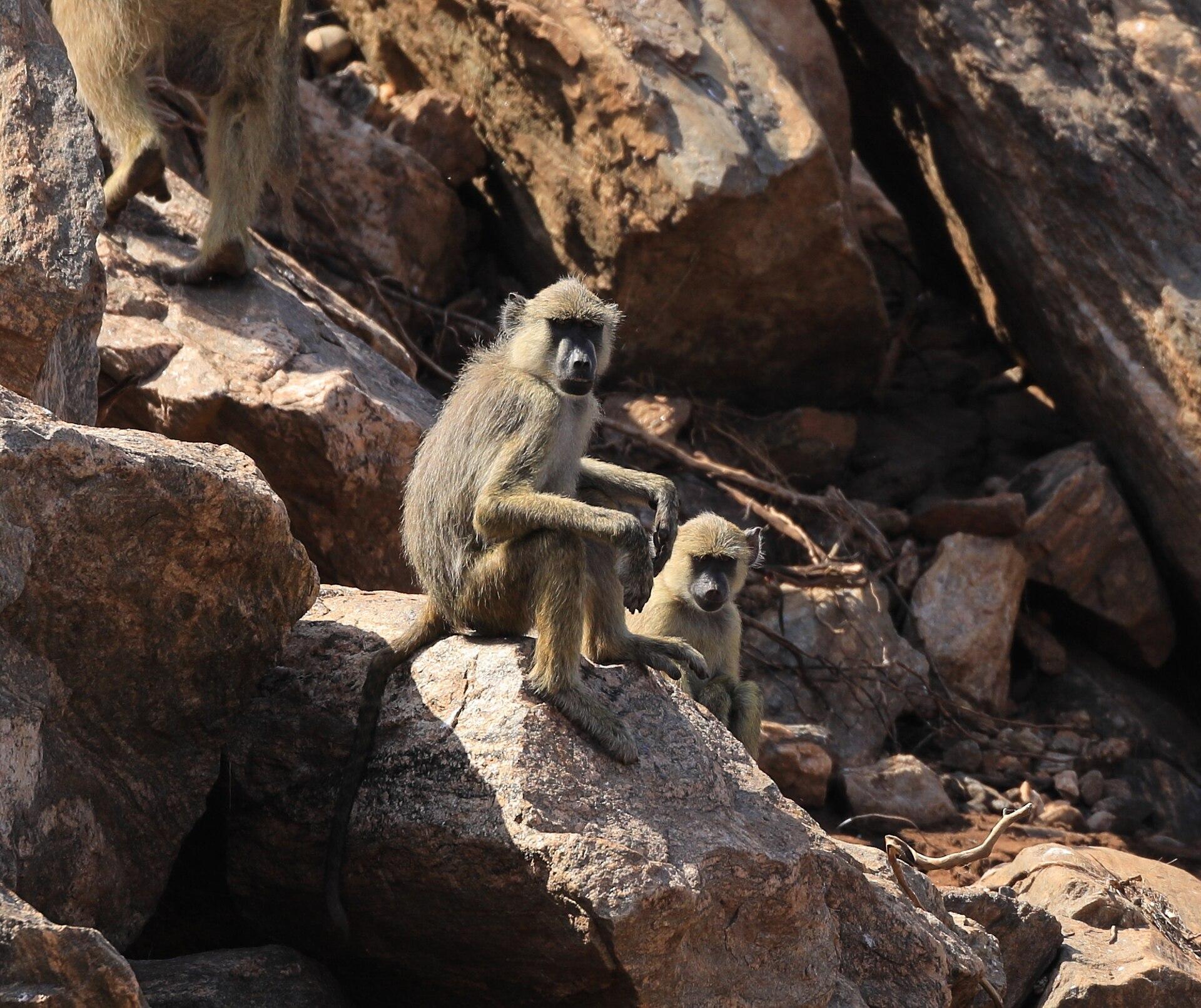
Tsavo hotels
Kenya · 1 hotels