Hotels in Lebanon
4 cities · 1 hotels
Photo by Hobi industri on Unsplash
Lebanon: Cedar Mountains, Ancient Ports & a Table That Never Empties
Lebanon occupies 10,452 sq km between the Mediterranean Sea and the Anti-Lebanon range — smaller than Connecticut, yet it holds Phoenician ruins, Ottoman souks, ski resorts, and some of the Arab world's most celebrated restaurant streets within a two-hour drive of each other. Beirut, the capital, sits on a peninsula roughly 85 km south of the Syrian border and anchors the country's hotel stock, nightlife, and financial district. The Bekaa Valley, 50 km east of Beirut across the Mount Lebanon range, produces wine grapes at 900–1,100 m elevation and shelters Baalbek, whose Roman temple complex — including the Temple of Jupiter, dating to around 27 BCE — ranks among the largest Roman religious sites in the world.
Cities Worth Exploring
Beirut divides into distinct neighborhoods that travelers move between on foot or by shared taxi. Gemmayzeh and Mar Mikhael line a narrow ridge east of the port, filled with early-20th-century French Mandate buildings housing wine bars and galleries. Hamra, west of Bliss Street near the American University of Beirut campus, offers independent bookshops and all-day cafés. The reconstructed Beirut Central District around Martyr's Square contains the Mohammad Al-Amin Mosque (2008) and the excavated Phoenician and Roman ruins visible through glass panels in the pavement.
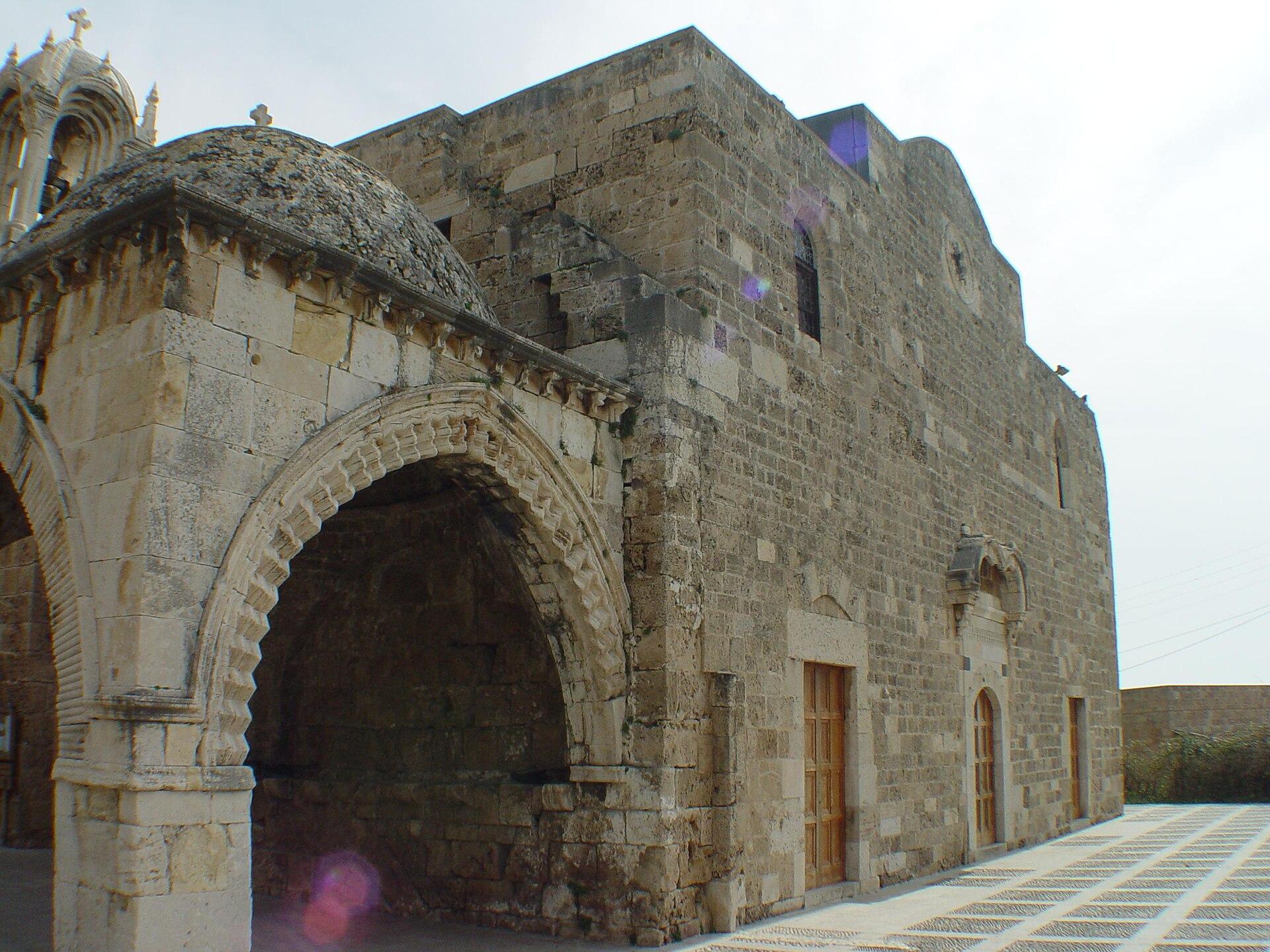
Tripoli, 85 km north of Beirut, holds the largest medieval souk complex in Lebanon, built during the Mamluk period (13th–16th century). The Khan Al-Saboun soap market and Great Mosque of Tripoli — converted from a Crusader cathedral around 1289 — draw architecture researchers and history travelers. Sidon (Saida), 40 km south of Beirut, has a Sea Castle built by Crusaders in 1228 on a small island connected to the shore by a causeway.
The Bekaa Valley and Mountain Villages
The Bekaa Valley stretches roughly 120 km north to south and averages 900 m in elevation. Zahlé, the valley's main city, lines the banks of the Berdawni River with open-air restaurants serving mezze and arak. The Château Ksara winery, founded by Jesuits in 1857 and now the country's largest producer, offers daily cellar tours through Roman-era caves. Northwest of Baalbek, the village of Tannourine sits inside a cedar reserve protecting one of Lebanon's remaining Cedrus libani stands — the same species on the national flag.
Ski resorts cluster in Mount Lebanon. Mzaar Kfardebian, 47 km northeast of Beirut at up to 2,465 m, is the largest ski area in the Middle East by piste count, typically operating December through March.
When to Visit Lebanon
Spring (April–May) and autumn (September–October) deliver mild temperatures coast-to-mountain and coincide with the harvest and cultural festival seasons. The Baalbek International Festival, held each July–August since 1956 in the Roman temple courtyard, has hosted Ella Fitzgerald, Fairuz, and major orchestras. Summer (June–August) is peak season on the coast; expect higher hotel rates in Beirut and Jounieh. Winter brings snow above 1,500 m and quieter archaeological sites.
Practical Tips for Visiting Lebanon
- Currency: Lebanese Pound (LBP) and USD circulate in parallel; carry small USD bills for taxis and small vendors.
- Getting around: Shared service taxis (collectively called service) cover main routes for a fixed low fare; apps like Mtaxi operate in Beirut.
- Language: Arabic is official; French and English are widely spoken in Beirut and tourist areas.
- Electricity: 220V, Type C/D plugs; bring a European adapter.
- Border crossings: Check current advisories before planning overland travel; the Beirut–Damascus highway through Masnaa crossing is the main land route.
Frequently Asked Questions
Q: What is the best area to stay in Beirut? A: Gemmayzeh and Mar Mikhael suit travelers who want walkable access to restaurants, bars, and galleries. Hamra offers quieter streets and proximity to the American University of Beirut campus.
Q: Is it possible to ski and swim on the same day in Lebanon? A: Yes — Mzaar Kfardebian is about 47 km from the Beirut coast, making a same-day combination feasible in late winter or early spring when sea temperatures reach around 18°C.
Q: How far is Baalbek from Beirut? A: Baalbek is approximately 85 km northeast of Beirut via the Beirut–Damascus highway, a drive of roughly 1.5–2 hours depending on traffic and the route over Dahr El Baidar pass.
Q: Do Lebanese wineries accept visitors? A: Several Bekaa Valley wineries offer tours and tastings. Château Ksara (founded 1857) and Château Kefraya both receive visitors; advance booking is advised, especially on weekends.
Q: What currency should travelers carry in Lebanon? A: USD and LBP are both accepted widely. ATMs dispense both currencies in Beirut; smaller towns may prefer LBP for everyday purchases.