Hotels in Lithuania
6 cities · 154 hotels
Photo by Ivars Utināns on Unsplash
Lithuania: Baltic Forests, Baroque Capitals, and Curonian Dunes
Lithuania sits at the geographic centre of Europe — a fact marked by a stone monument 26 km north of Vilnius in the village of Purnuškės. The country covers 65,300 km² between Latvia to the north, Belarus to the east, Poland to the south, and the Baltic Sea to the west. Around 2.8 million people live here, and Lithuanian is one of the oldest living Indo-European languages still spoken today. The capital Vilnius holds a UNESCO-listed Old Town — one of the largest surviving Baroque ensembles in northern Europe, covering 3.6 km² of cobbled lanes, church spires, and courtyards.
Cities Worth Exploring
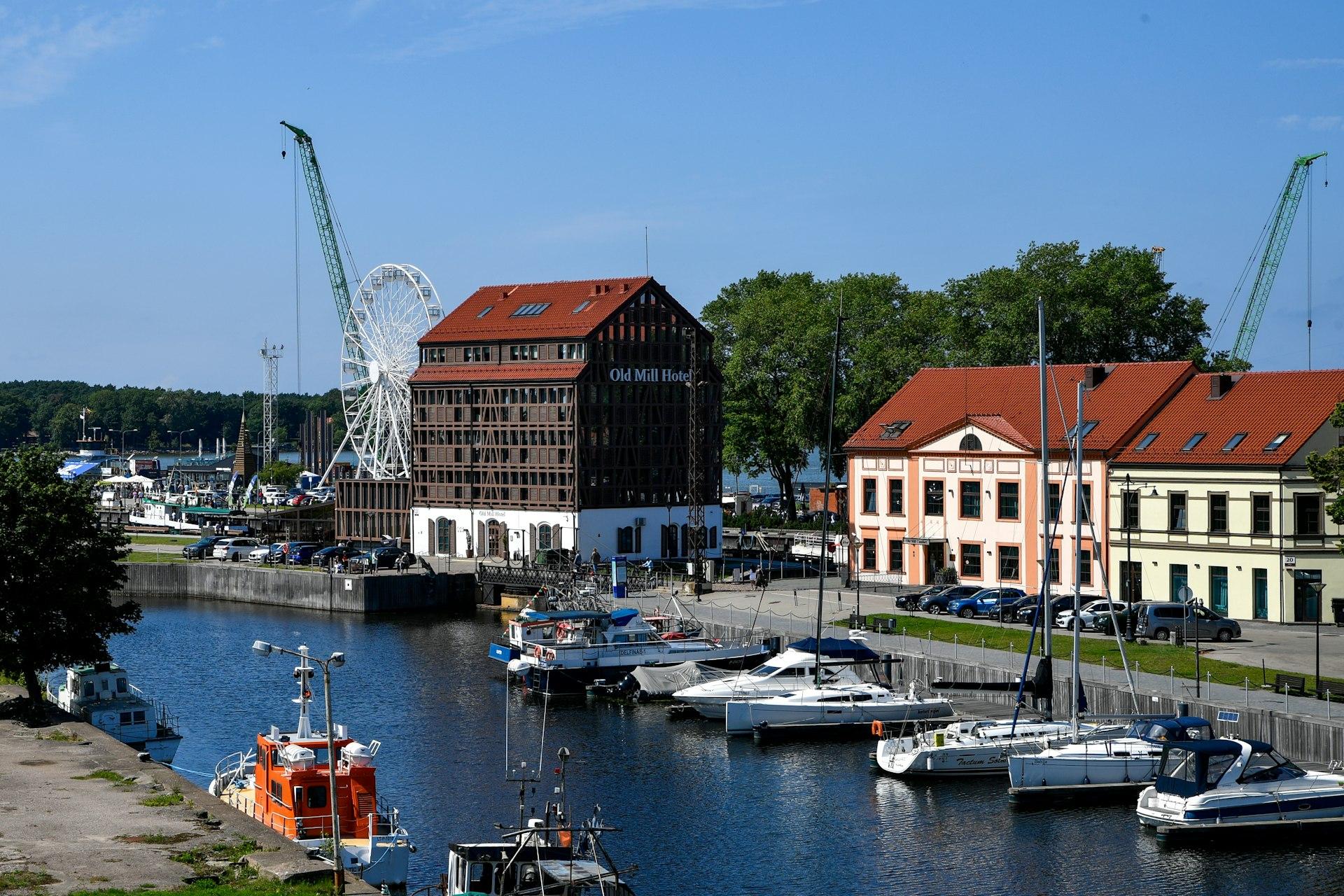
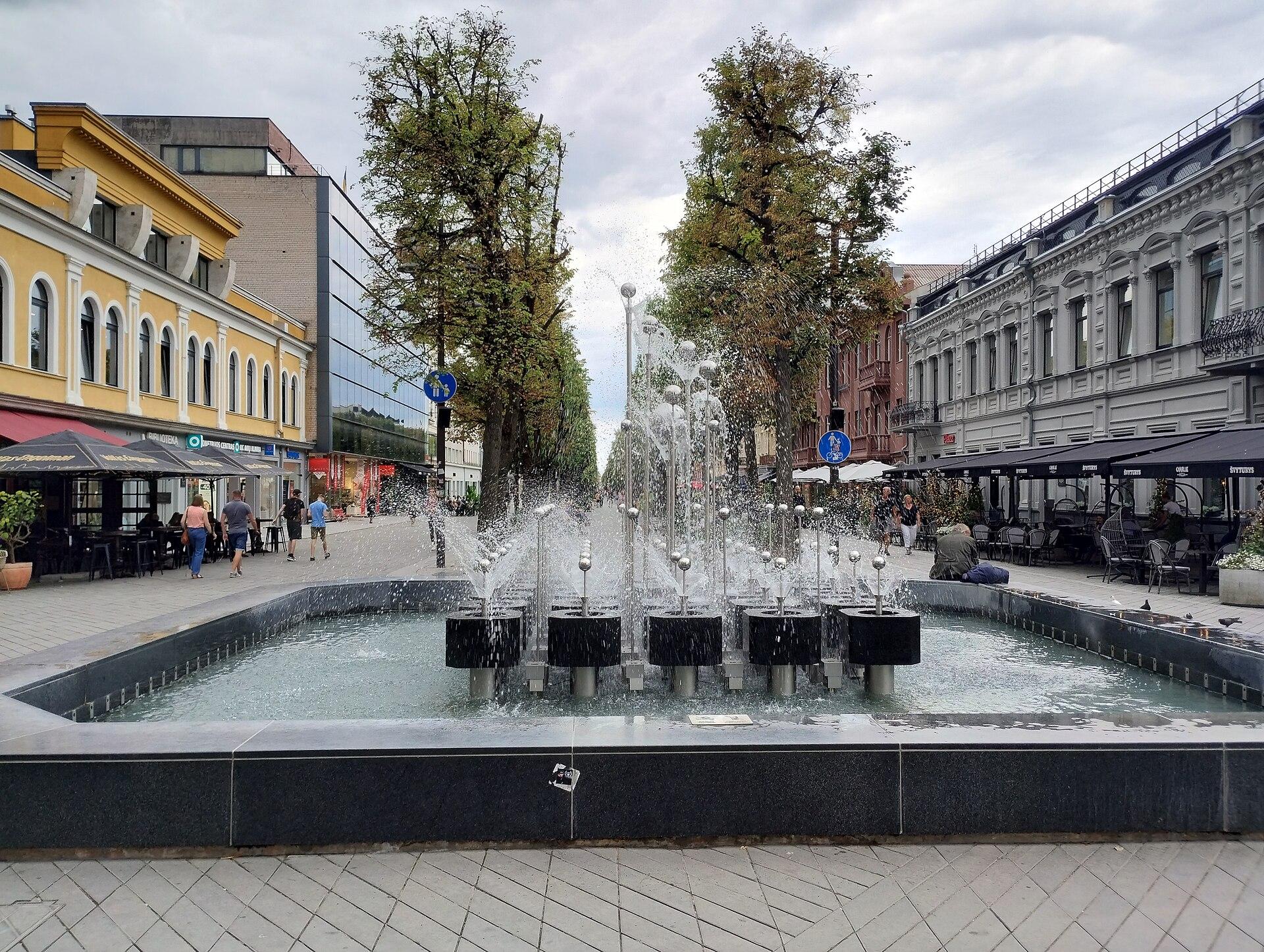
Vilnius anchors the country's south-east. Gediminas Castle Tower, dating to the early 15th century, overlooks the confluence of the Neris and Vilnia rivers. The Užupis district — self-declared a republic in 1997 — draws artists and independent travellers with gallery cafés and a constitution posted on mirrored plaques in 23 languages. Kaunas, Lithuania's second city 100 km west of Vilnius, served as the provisional capital between 1920 and 1939; its interwar modernist architecture earned a place on the UNESCO Creative Cities network in 2015. Klaipėda, the sole ice-free Baltic port, sits 315 km from Vilnius and serves as the gateway to the Curonian Spit.
The Curonian Spit and Aukštaitija National Park
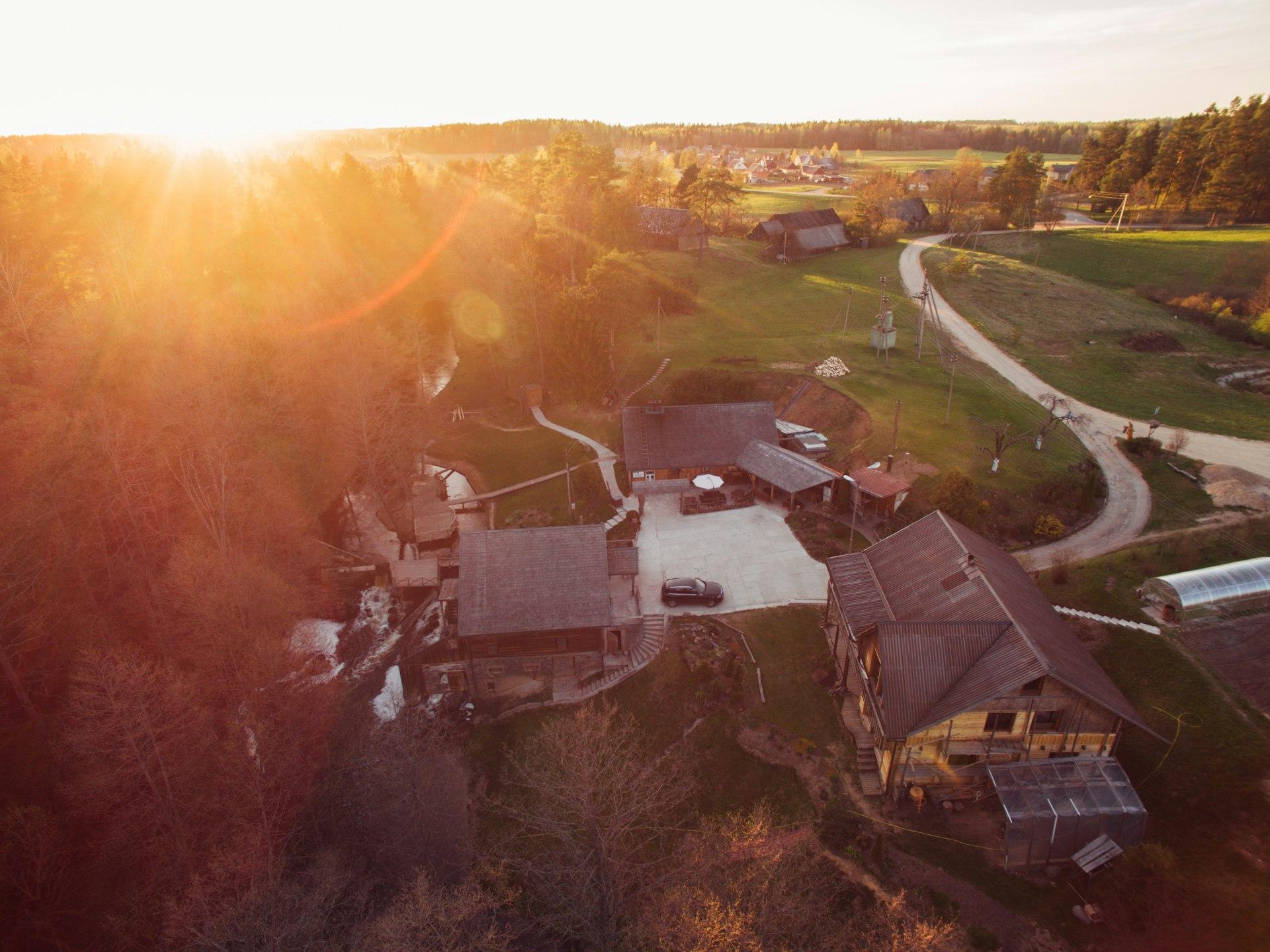
The Curonian Spit is a 98 km sand-dune peninsula shared with Russia's Kaliningrad region. Lithuanian authorities manage 52 km of it as a national park established in 1991. Dunes reach 67 m at Parnidis Dune near Nida, where a stone sundial marks the spot. The spit earned UNESCO World Heritage status in 2000. Inland, Aukštaitija National Park — Lithuania's oldest, founded in 1974 — covers 405 km² of pine forest and over 100 lakes in the country's north-east. Wooden farmsteads and apiary museums inside the park document rural life stretching back several centuries.
When to Visit Lithuania
Summer (June–August) delivers the longest daylight hours — Vilnius sees around 17 hours of daylight in late June — and warmest temperatures averaging 20–22 °C. The Kaunas Jazz Festival runs each April; Vilnius Festival (classical music) fills June. Autumn (September–October) brings amber-yellow forests and smaller crowds. Winter centres on the Vilnius Christmas Market in Cathedral Square, running from late November through early January. The Hill of Crosses near Šiauliai — a pilgrimage site holding an estimated 100,000 crosses — attracts visitors year-round and sits 214 km north-west of Vilnius.
Practical Tips for Visiting Lithuania
- Currency: Euro (€); Lithuania joined the Eurozone on 1 January 2015.
- Getting around: Intercity coaches connect Vilnius, Kaunas, and Klaipėda in under 3 hours; the Vilnius–Kaunas rail journey takes about 1 hour 20 minutes.
- Ferry to the Spit: A short ferry from Klaipėda Old Ferry Port crosses to the Curonian Spit in 5 minutes; book the crossing separately from accommodation on the spit.
- Language: English is widely spoken in hotels, restaurants, and tourist areas in Vilnius and Kaunas.
- Pack layers: Evening temperatures drop quickly even in July; a light jacket is advisable after 9 pm.
Frequently Asked Questions
Q: What is the main airport serving Lithuania? A: Vilnius International Airport (VNO) is the largest, located 7 km south of the Old Town. Kaunas Airport (KUN) serves several low-cost carriers from western Europe.
Q: Is Lithuania part of the Schengen Area? A: Yes. Lithuania has been a Schengen member since 21 December 2007, meaning EU and Schengen passport holders cross borders without checks.
Q: How many days are needed to see Lithuania's highlights? A: Five to seven days allows time for Vilnius Old Town (2 days), Kaunas modernist centre (1 day), and the Curonian Spit (2 days), with a half-day detour to the Hill of Crosses.
Q: What currency does Lithuania use? A: Lithuania uses the euro (€) since 2015. Cards are accepted in most hotels, supermarkets, and restaurants; cash remains useful in rural markets and smaller guesthouses.
Q: When did Vilnius Old Town receive UNESCO status? A: UNESCO inscribed the Historic Centre of Vilnius on the World Heritage List in 1994, citing its outstanding Baroque architecture and medieval street pattern.