Hotels in Netherlands
14 cities · 18 hotels
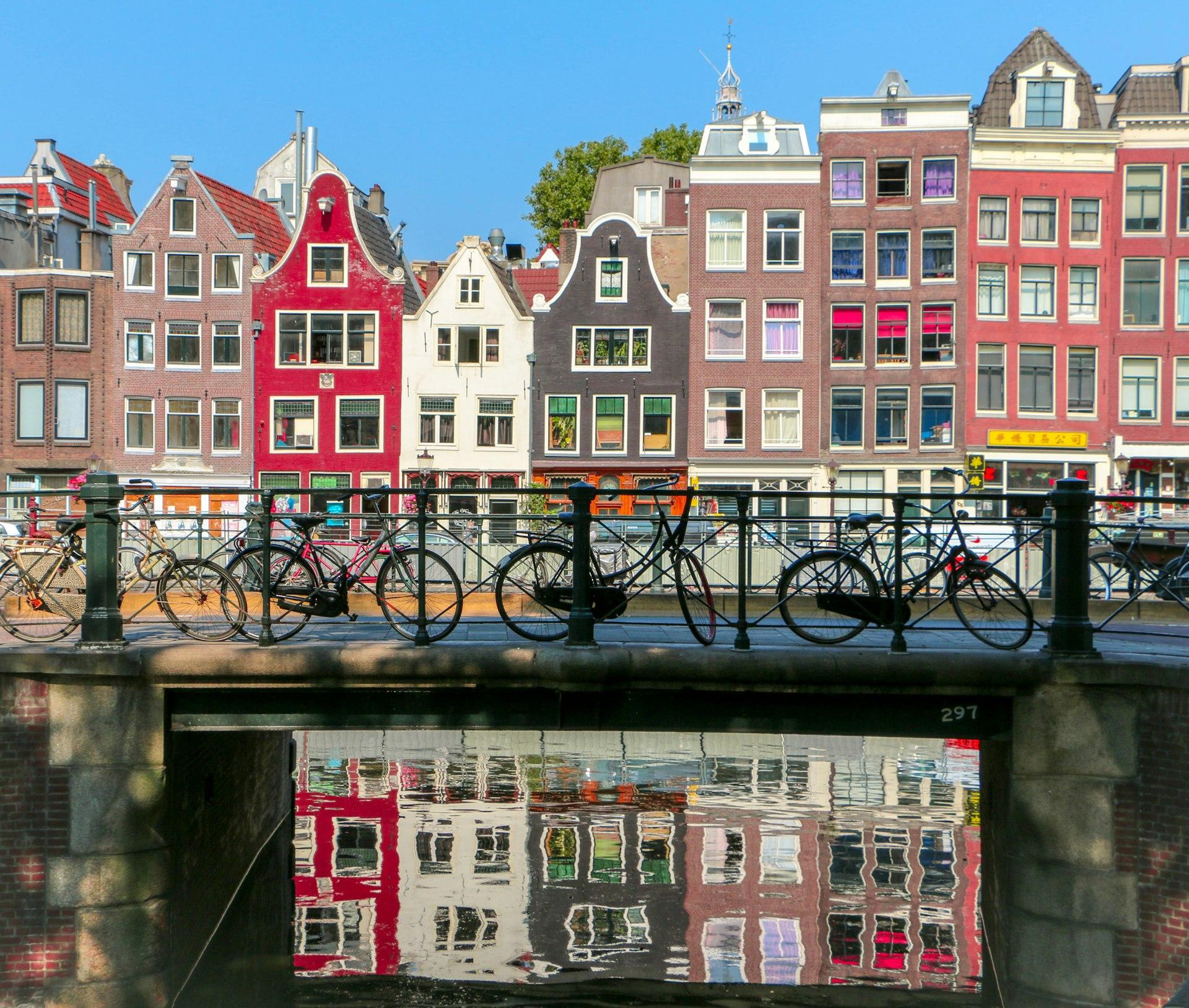
Photo by chris robert on Unsplash
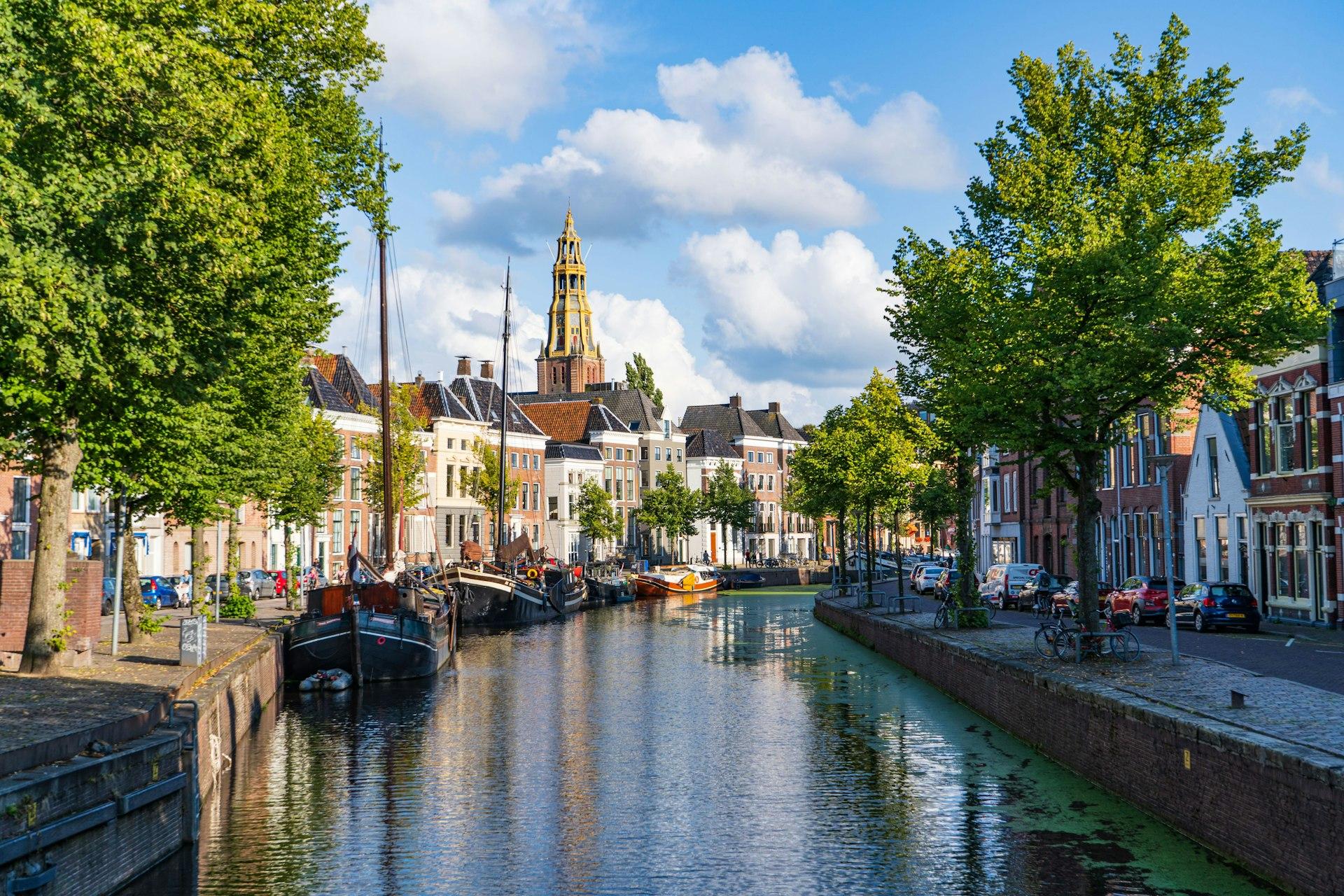
Netherlands: Canals, Cycling, and Four Centuries of Golden Age Architecture
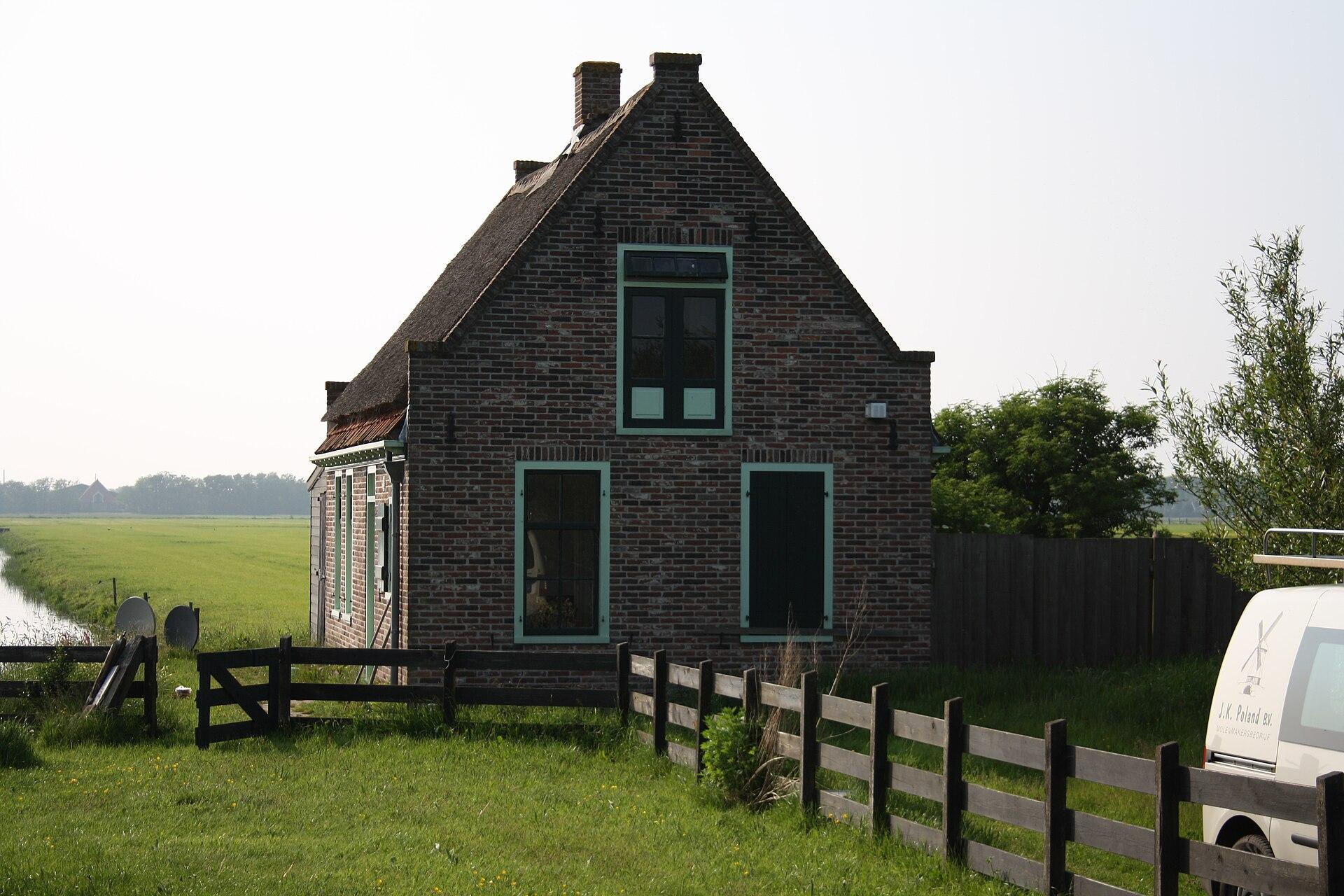
The Netherlands packs extraordinary geographic and cultural density into 41,543 square kilometres. More than half the country lies at or below sea level, a fact that shaped everything from its Delta Works flood barriers — completed in 1997 and recognised as a modern engineering wonder — to the flat cycling infrastructure that carries residents 15 billion kilometres per year. Eleven provinces stretch from the Wadden Sea islands in the north to the hills of South Limburg near the Belgian border, offering travellers a wider range of landscapes than the tulip-and-windmill shorthand suggests.
Cities Worth Exploring
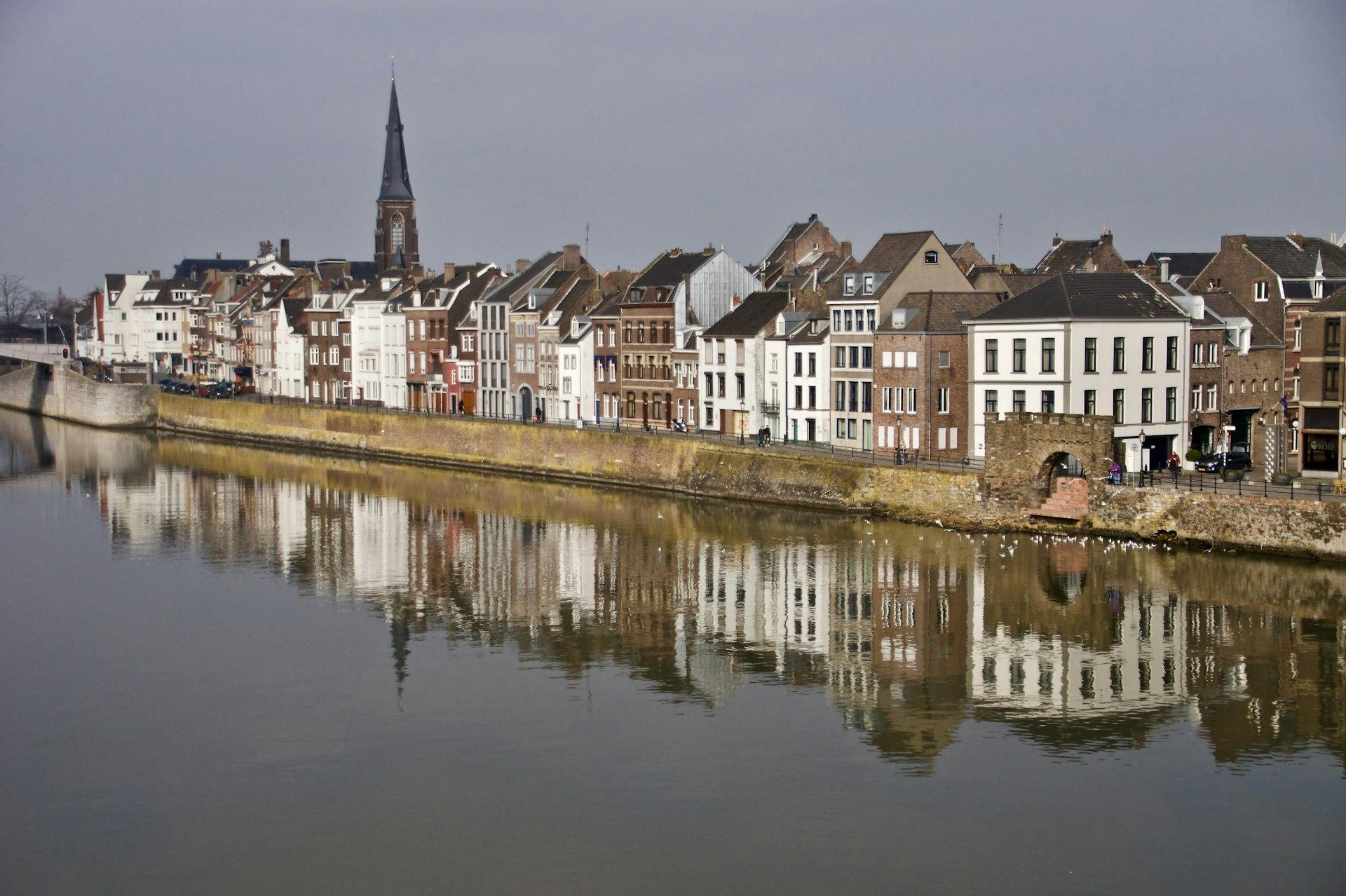
Amsterdam, the capital, anchors the country's hotel market with roughly 450 properties across 165 neighbourhoods. The Grachtengordel (Canal Ring), added to the UNESCO World Heritage List in 2010, runs in four concentric arcs through the city centre; most 4-star hotels sit within a ten-minute walk of it. Rotterdam, 75 km south, rebuilt its centre after 1940 wartime bombing and now hosts some of Europe's most photographed contemporary architecture, including the Markthal food hall (opened 2014) and the Erasmusbrug cable-stayed bridge. The Hague (Den Haag) functions as the seat of government and international courts, drawing corporate and diplomatic travellers year-round. Utrecht, 35 km southeast of Amsterdam, centres on a 14th-century Domtoren cathedral tower and a dense concentration of mid-range hotels within cycling distance of the old city.
Regions and Seasonal Highlights
The Randstad — the urban ring connecting Amsterdam, Rotterdam, The Hague, and Utrecht — handles the majority of international arrivals and hotel bookings. Beyond it, Zeeland in the southwest offers tidal inlets and seafood towns such as Middelburg, while Friesland in the north maintains its own recognised language and a chain of navigable lakes popular with sailing tourists.
Peak season runs April through August. The Keukenhof gardens near Lisse open for eight weeks each spring (typically late March to mid-May), drawing nearly 1.5 million visitors annually and pushing Amsterdam hotel rates to their yearly high. The King's Day national holiday on 27 April floods Amsterdam streets with orange-clad crowds. Shoulder months — September, October, and February — offer lower rates and fewer queues at the Rijksmuseum and Van Gogh Museum, both located on Museumplein in Amsterdam's Oud-Zuid district.
What Travellers Come For
The country's draw is layered. Art museum density is among the highest in Europe: the Mauritshuis in The Hague holds Vermeer's Girl with a Pearl Earring (c. 1665); Museum Boijmans Van Beuningen in Rotterdam spans Hieronymus Bosch to contemporary photography. Cycling infrastructure means hotel guests can rent a bike at Amsterdam Centraal station and reach most inner-city sights in under 20 minutes. Food travellers head to Rotterdam's Fenix Food Factory on the Katendrecht peninsula or to Gouda (40 km northeast of Rotterdam) for its Thursday cheese market, running since the 14th century.
Practical Tips for Visiting Netherlands
- Getting around: Intercity trains connect Amsterdam, Rotterdam, Utrecht, and The Hague every 15 minutes; a single journey costs roughly €5–€18 depending on distance. Book online via NS.nl to avoid ticket machine queues.
- Currency: Euro (€). Most hotels and restaurants accept contactless payment; carry small cash for some markets and smaller cafés.
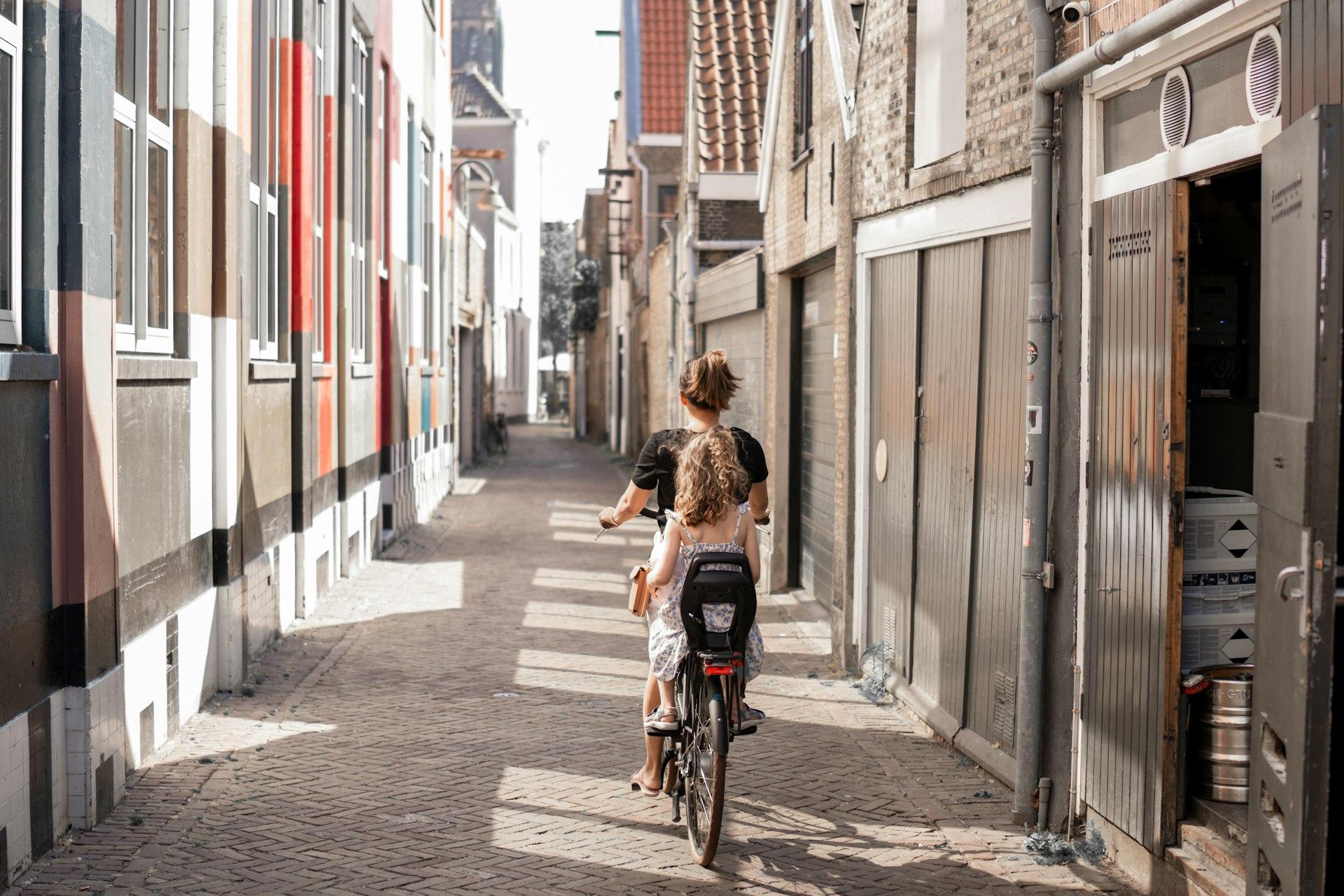
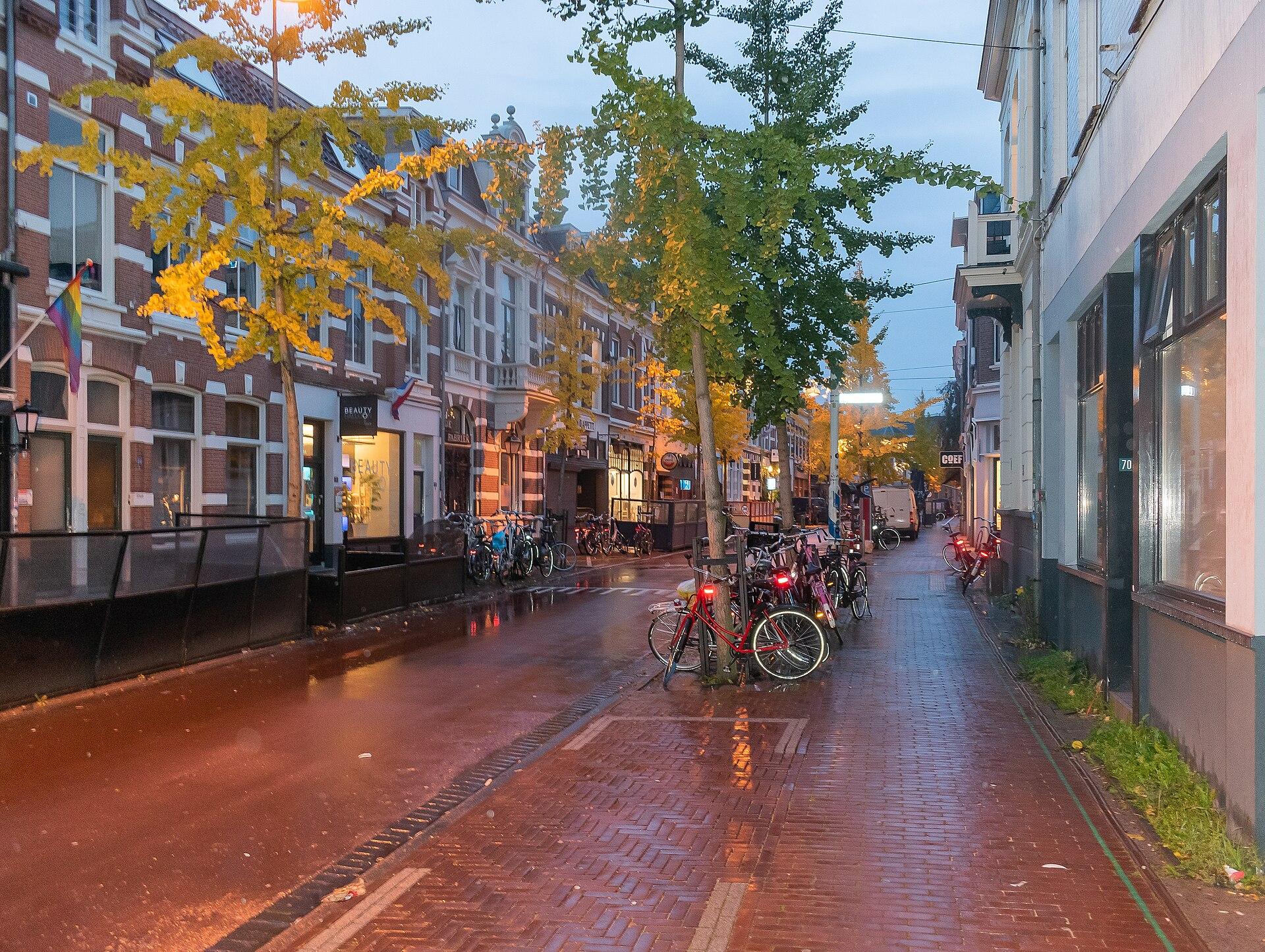
- Cycling: Rental shops cluster near every major train station. Bike lanes are separate from car lanes — follow traffic signals designed for cyclists, not pedestrians.
- Canal boat rules: Privately hired canal boats in Amsterdam require a boating licence for vessels over 15 metres; most day-hire skippers need only a basic safety briefing.
- Language: Dutch is official; English is widely spoken in hotels, restaurants, and shops across all major cities.
Frequently Asked Questions
Q: What is the best time to book hotels in the Netherlands? A: April and May see the highest demand, driven by Keukenhof and King's Day on 27 April. Booking 8–12 weeks ahead secures better rates; September and October offer significantly lower hotel prices with mild weather.
Q: Which Dutch city has the most hotel options? A: Amsterdam holds the largest inventory, followed by Rotterdam and The Hague. Utrecht suits travellers wanting central access to multiple cities via its major rail junction.
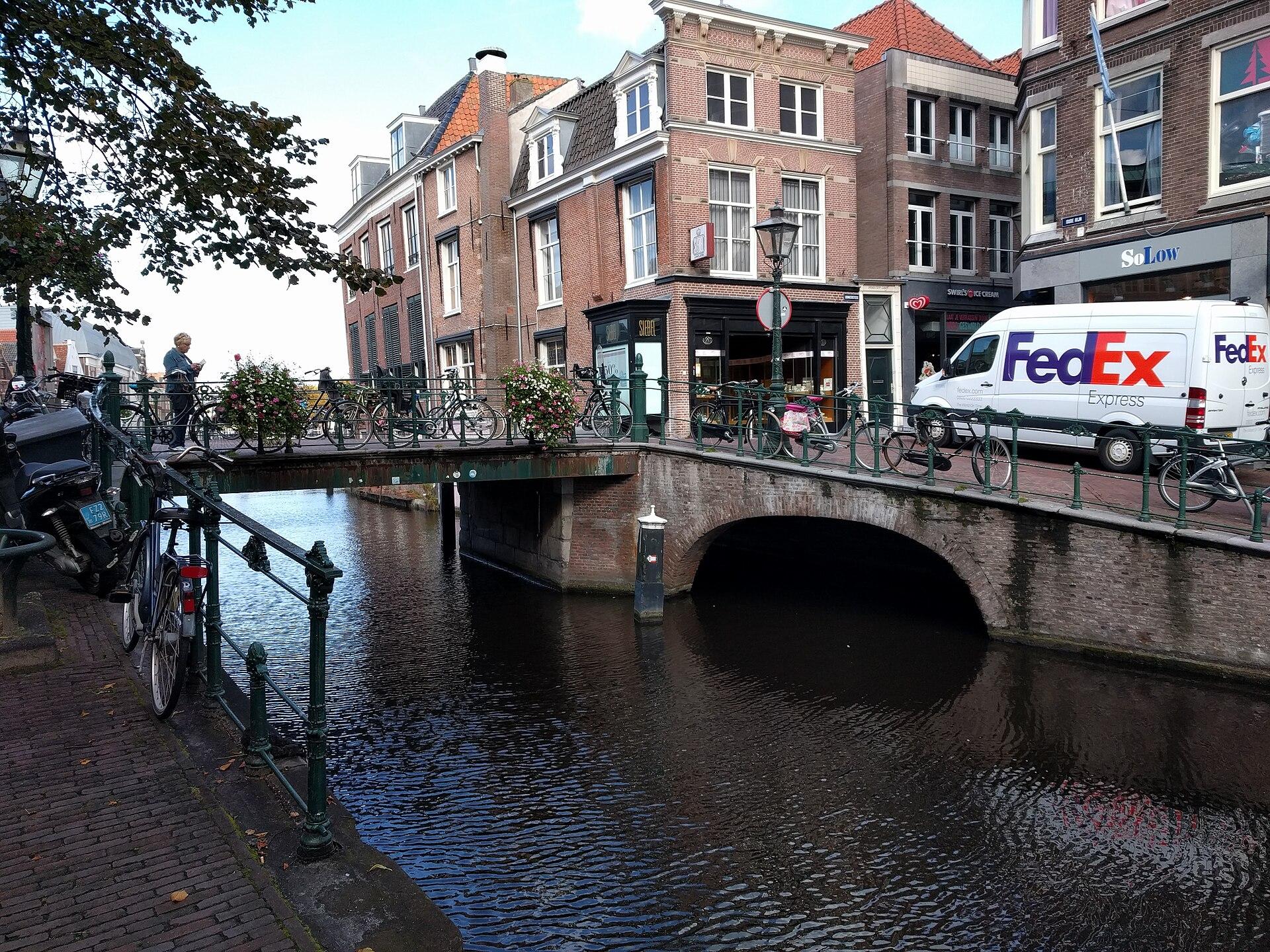
Q: Is the Netherlands suitable for non-Amsterdam travel? A: Intercity trains make day trips straightforward. Delft, Haarlem, and Leiden each sit within 30–45 minutes of Amsterdam and offer their own historic centres and smaller hotel selections.
Q: What currency and payment methods work in Dutch hotels? A: All hotels accept the Euro. International credit and debit cards are standard; some budget properties charge a small card fee, so confirm at booking.
Q: How do travellers get from Amsterdam Airport Schiphol to the city centre? A: A direct train from Schiphol Airport station reaches Amsterdam Centraal in approximately 17 minutes, running around the clock with departures every 10–15 minutes.