
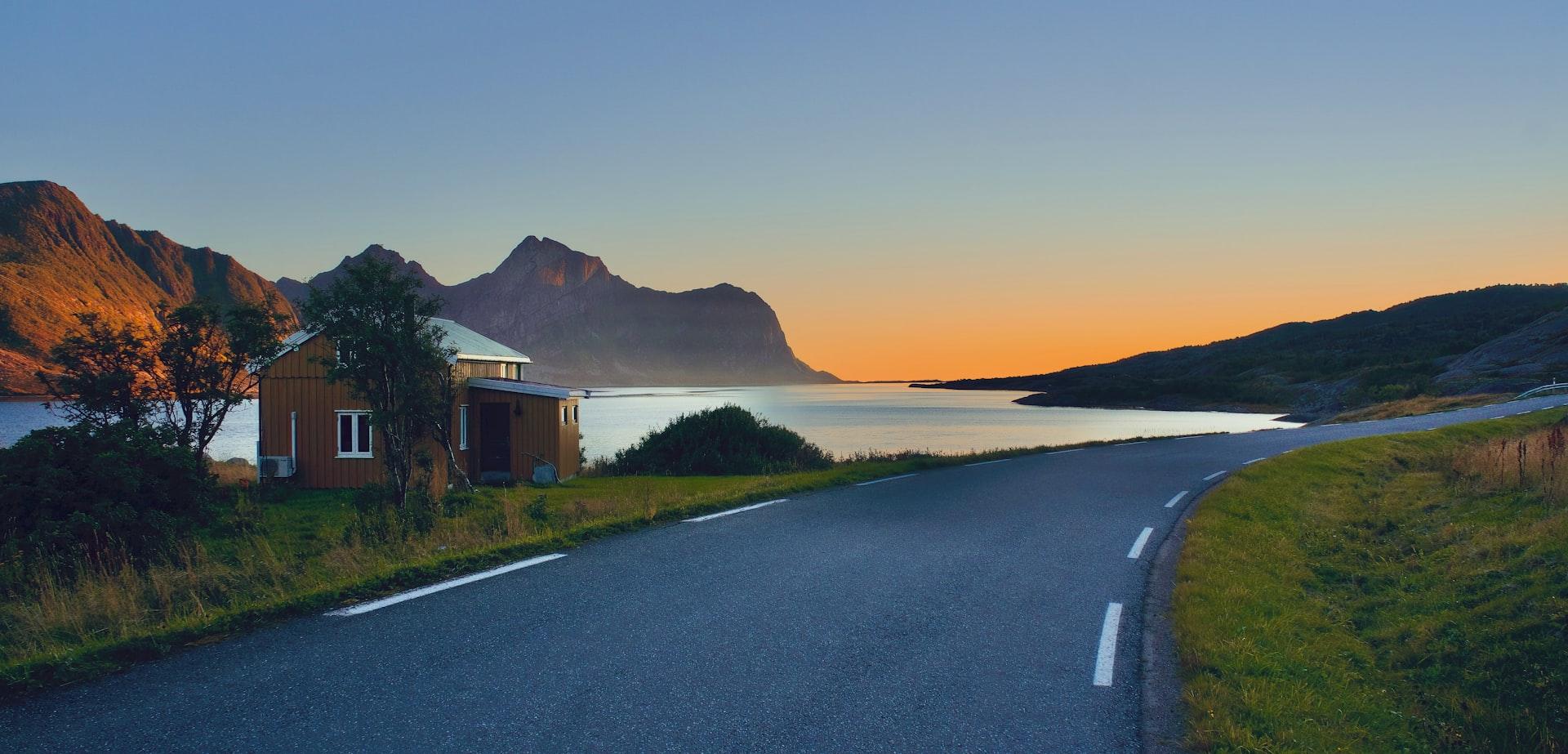
Hotels in Norway
10 cities · 74 hotels
Photo by Jorn Eriksen on Unsplash
Norway: Fjords, Arctic Light, and Medieval Stave Churches
Norway stretches 1,752 km from the Skagerrak strait in the south to the North Cape at 71°N, making it one of Europe's longest countries by latitude. The landscape compresses glaciers, deep fjords, and subarctic plateaus into a country of just 5.5 million people. Oslo, the capital, sits at the head of the Oslofjord and anchors the cultural and commercial south. Bergen, wedged between seven mountains on the western coast, serves as the historic gateway to the Sognefjord — at 204 km long and 1,308 m deep, the lengthiest and deepest fjord in Norway.
Cities Worth Exploring
Oslo holds the Viking Ship Museum on the Bygdøy Peninsula, where three ninth-century vessels excavated from burial mounds stand intact. The Aker Brygge waterfront district and the Grünerløkka neighborhood — roughly 2 km northeast of the central station — concentrate independent restaurants, record shops, and gallery spaces. Bergen's Bryggen wharf, a UNESCO World Heritage site since 1979, lines the eastern harbor with 14th-century Hanseatic wooden buildings. Further north, Tromsø at 69°N hosts Norway's largest urban Arctic population and sits within the aurora oval, making it a reliable winter base for northern lights observation between late September and late March.
Regional Landscapes and Seasonal Draws
The Western Fjords region — including Geirangerfjord (UNESCO, 2005) and Nærøyfjord — draws the majority of summer visitors between June and August when ferry routes fully open and temperatures in the valleys reach 18–22 °C. The Lofoten Islands, an archipelago 200 km north of the Arctic Circle, attract photographers for red-painted fishermen's cabins called rorbuer and cod-drying racks that have operated since the 13th century. The Hardangervidda plateau, spanning roughly 8,000 km², is Europe's largest mountain plateau and supports the continent's largest wild reindeer herd.
Winter draws a separate traveler segment. The Sámi cultural heartland around Kautokeino and Karasjok in Finnmark operates reindeer herding traditions documented back to at least the 17th century. Dog-sledding operators in Finnmark and Svalbard (78°N) run expeditions from November through April. The Hurtigruten coastal ferry, operating since 1893, connects Bergen to Kirkenes near the Russian border in 12 days, calling at 34 ports.
Practical Tips for Visiting Norway
- Currency: Norwegian krone (NOK); card payments accepted almost universally, including rural ferries.
- Getting around: The Bergen Railway (Bergen–Oslo, 7 hours) ranks among Europe's highest rail crossings at 1,301 m. Book NSB/Vy tickets 3–4 weeks ahead for discounted fares.
- Ferry passes: The Norway in a Nutshell route combines rail, fjord ferry, and bus; book components separately for lower cost.
- Daylight: Midnight sun above the Arctic Circle runs roughly 20 May–23 July in Tromsø. Polar night (no sun) covers late November to mid-January.
- Accommodation costs: Oslo hotel rates average NOK 1,200–2,500 per night; Bergen and Tromsø slightly lower. Advance booking essential July–August.
- Svalbard entry: No visa required for any nationality under the Svalbard Treaty (1920), but travel insurance covering Arctic evacuation is strongly advised.
Frequently Asked Questions
Q: When is the best time to see the northern lights in Norway? A: The aurora borealis is visible from late September through late March, when nights are dark enough north of the Arctic Circle. Tromsø and Alta offer the most accessible bases, with organized chase tours departing nightly during the season.
Q: Do travelers need a visa to visit Norway? A: Norway is part of the Schengen Area but not the European Union. EU and EEA citizens travel freely; many nationalities including US, UK, and Canadian citizens receive 90-day visa-free access within any 180-day period.
Q: How do travelers get between the fjords? A: Regional ferries connect most fjord villages year-round; the Nærøyfjord and Aurlandsfjord routes operate daily services. Car ferries cross frequently between Fodnes and Mannheller (20 minutes) and between Dragsvik and Hella.
Q: Is Norway expensive for accommodation? A: Norway ranks among Europe's higher-cost destinations. Budget travelers use DNT mountain huts (staffed and unstaffed) along hiking routes from roughly NOK 250 per night. City hotels range from NOK 900 (hostel private room) to over NOK 4,000 (city-center 4-star).
Q: What is the Hurtigruten and how does it work? A: Hurtigruten is a daily coastal express service operating since 1893, sailing from Bergen north to Kirkenes and back. Passengers board or disembark at any of 34 ports; cabins and meals are bookable as full packages or point-to-point segments.
Cities in Norway
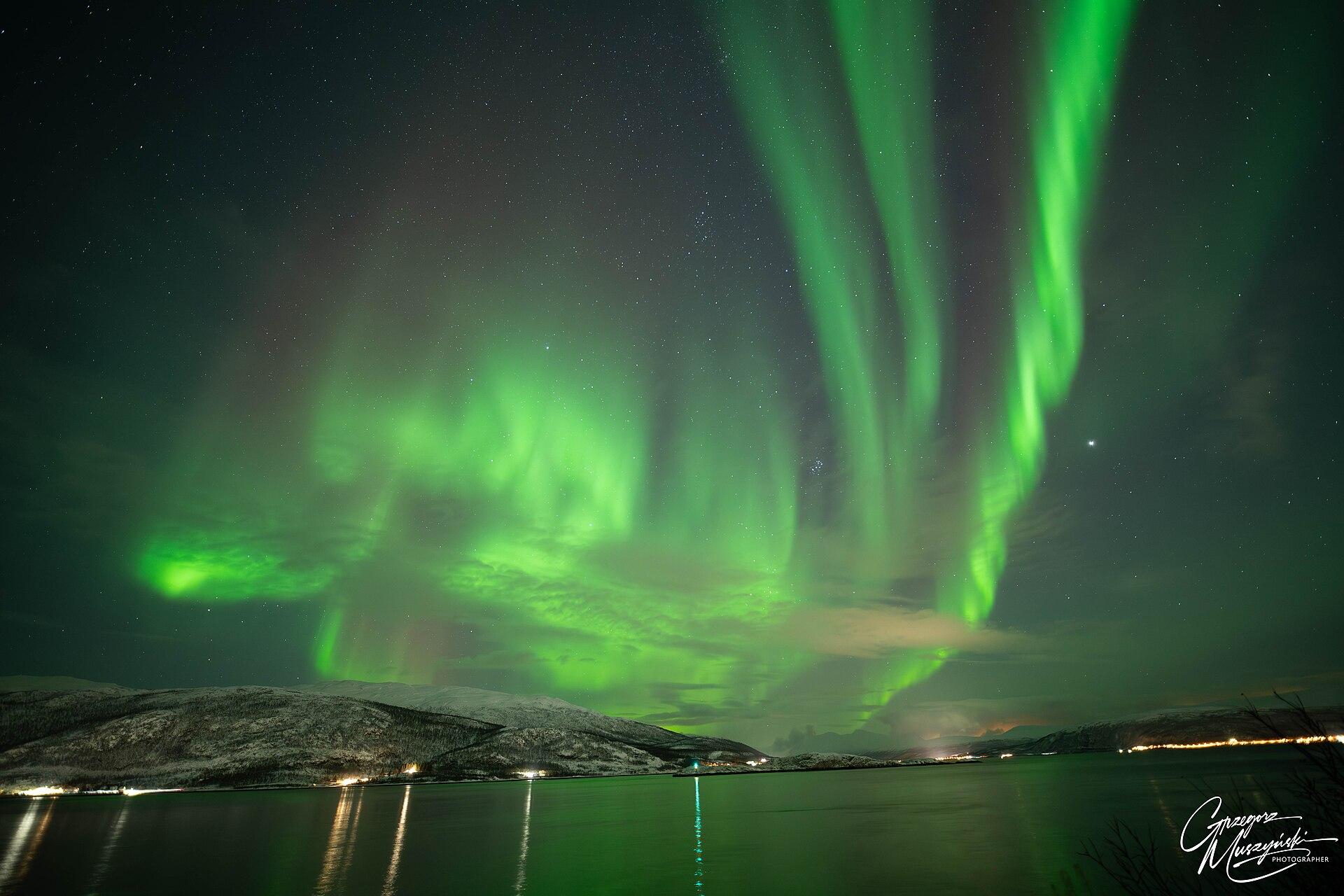
Tromsø hotels
Norway · 39 hotels
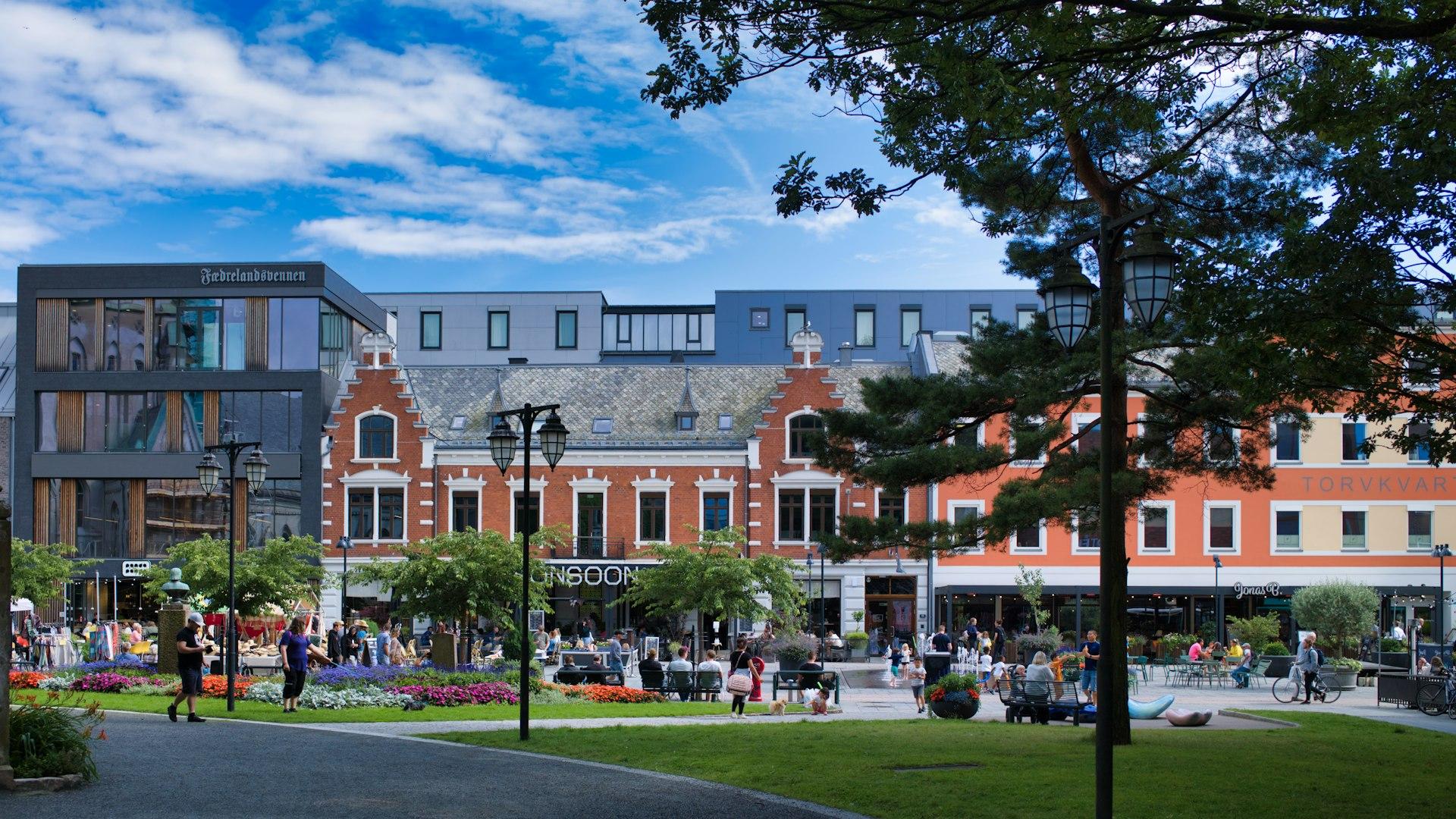
Kristiansand hotels
Norway · 8 hotels
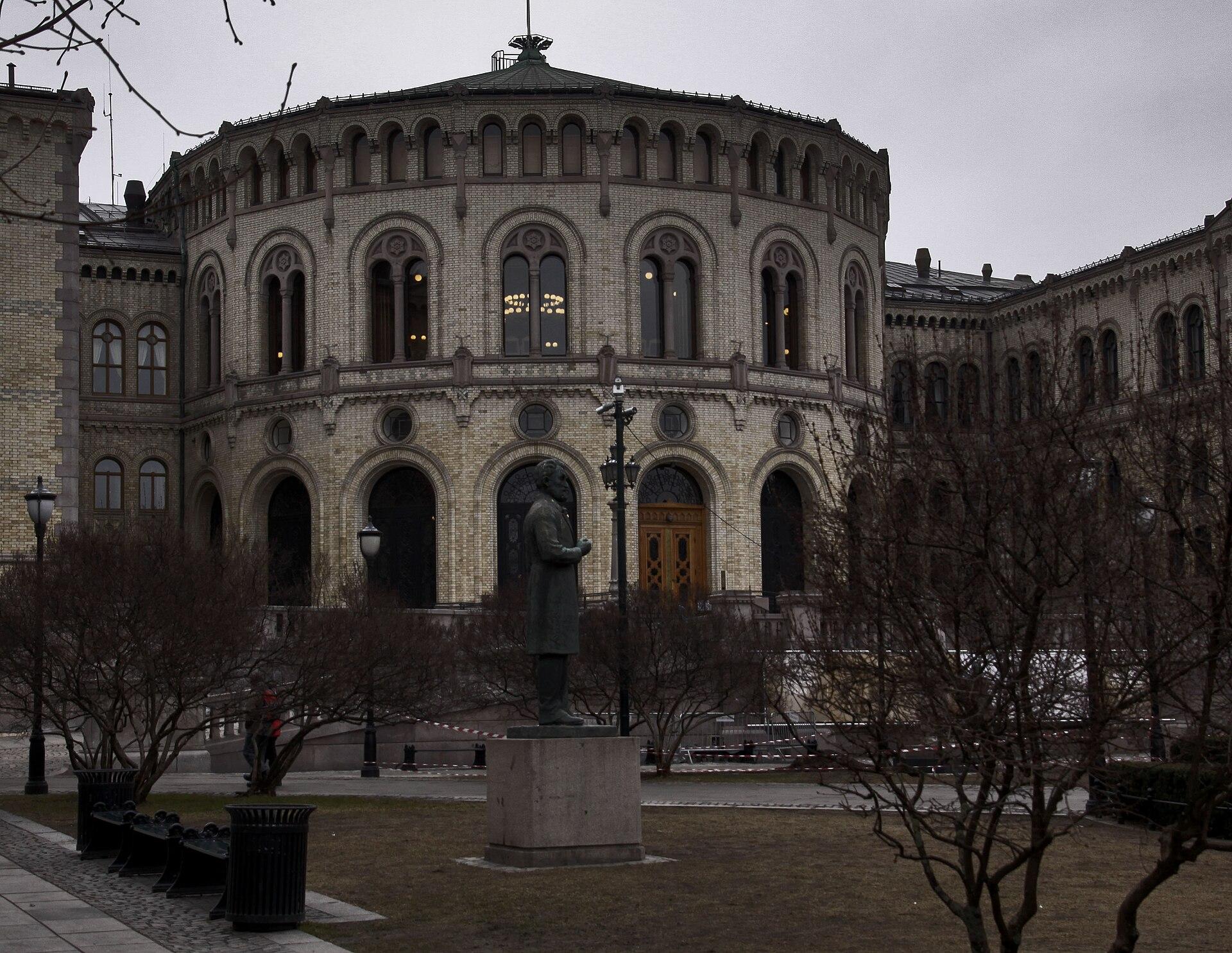
Oslo hotels
Norway · 6 hotels
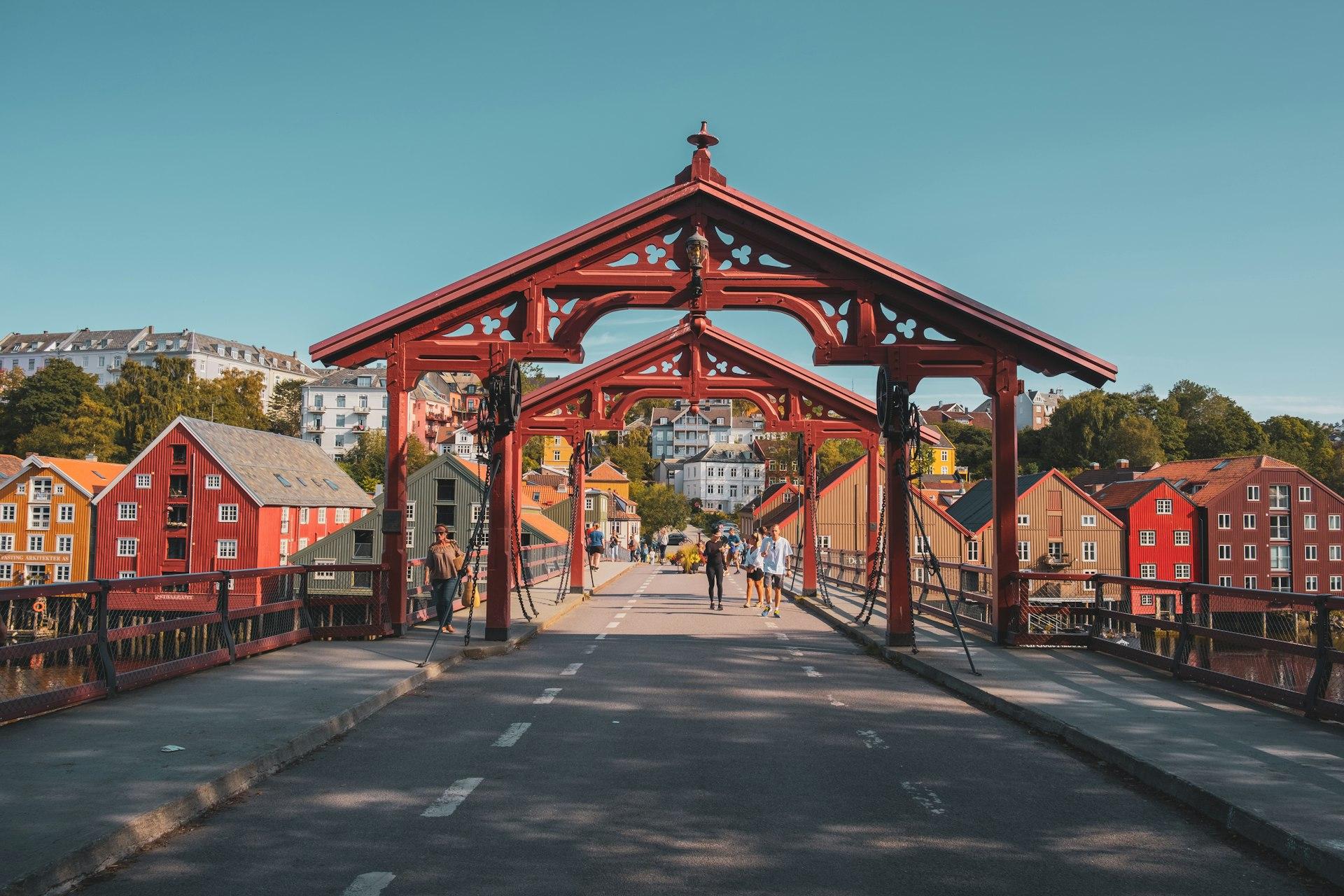
Trondheim hotels
Norway · 5 hotels
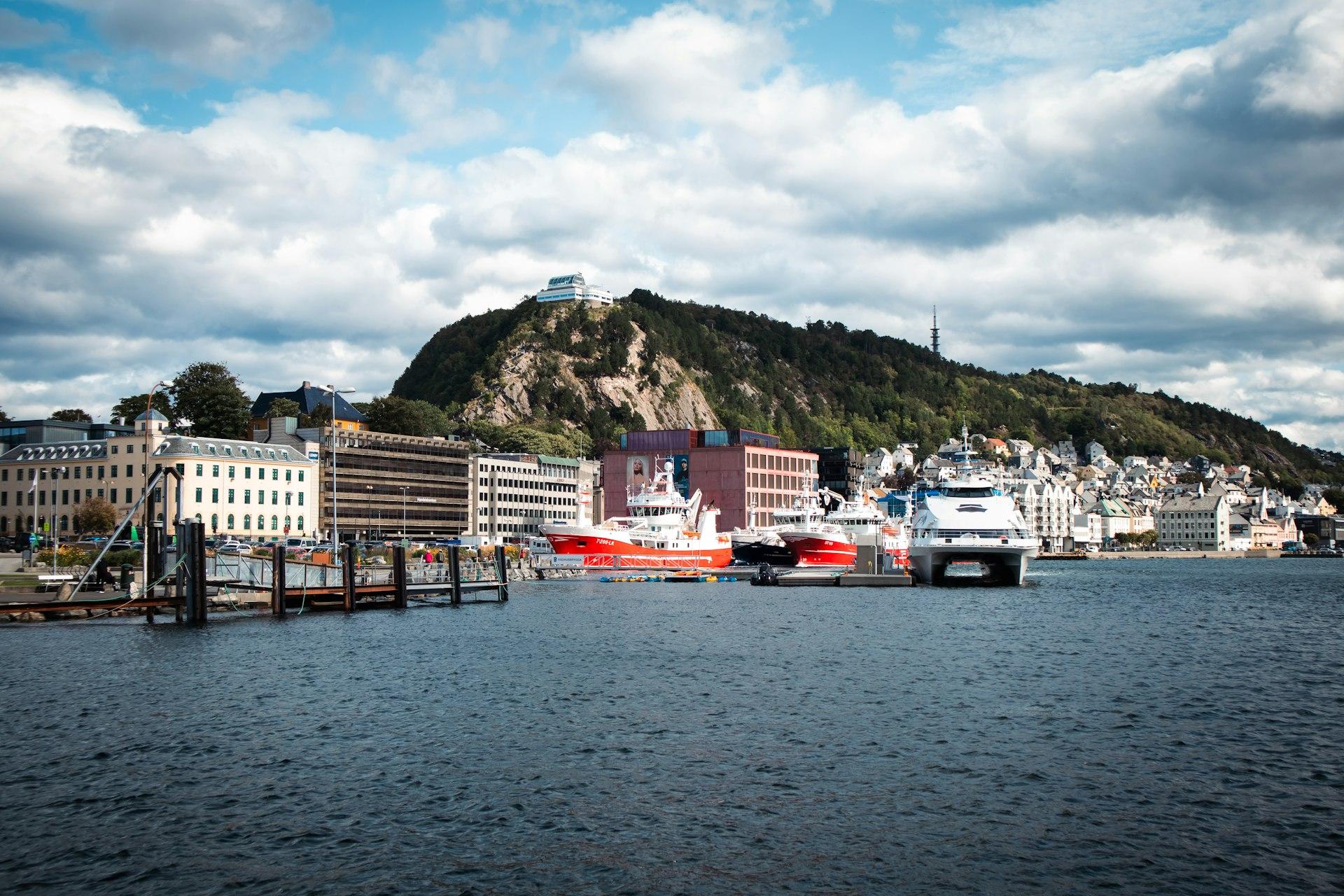
Ålesund hotels
Norway · 4 hotels
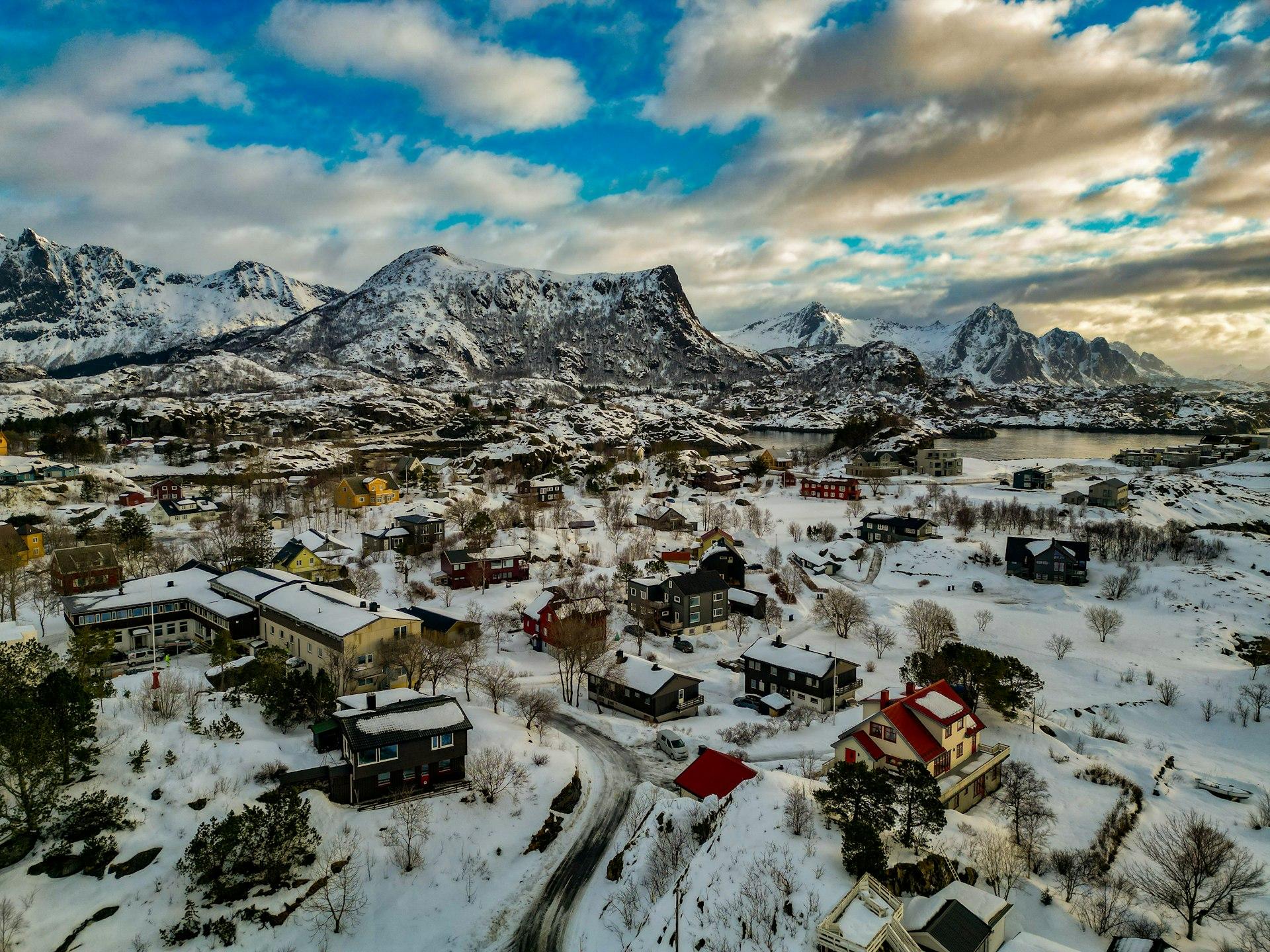
Lofoten hotels
Norway · 4 hotels
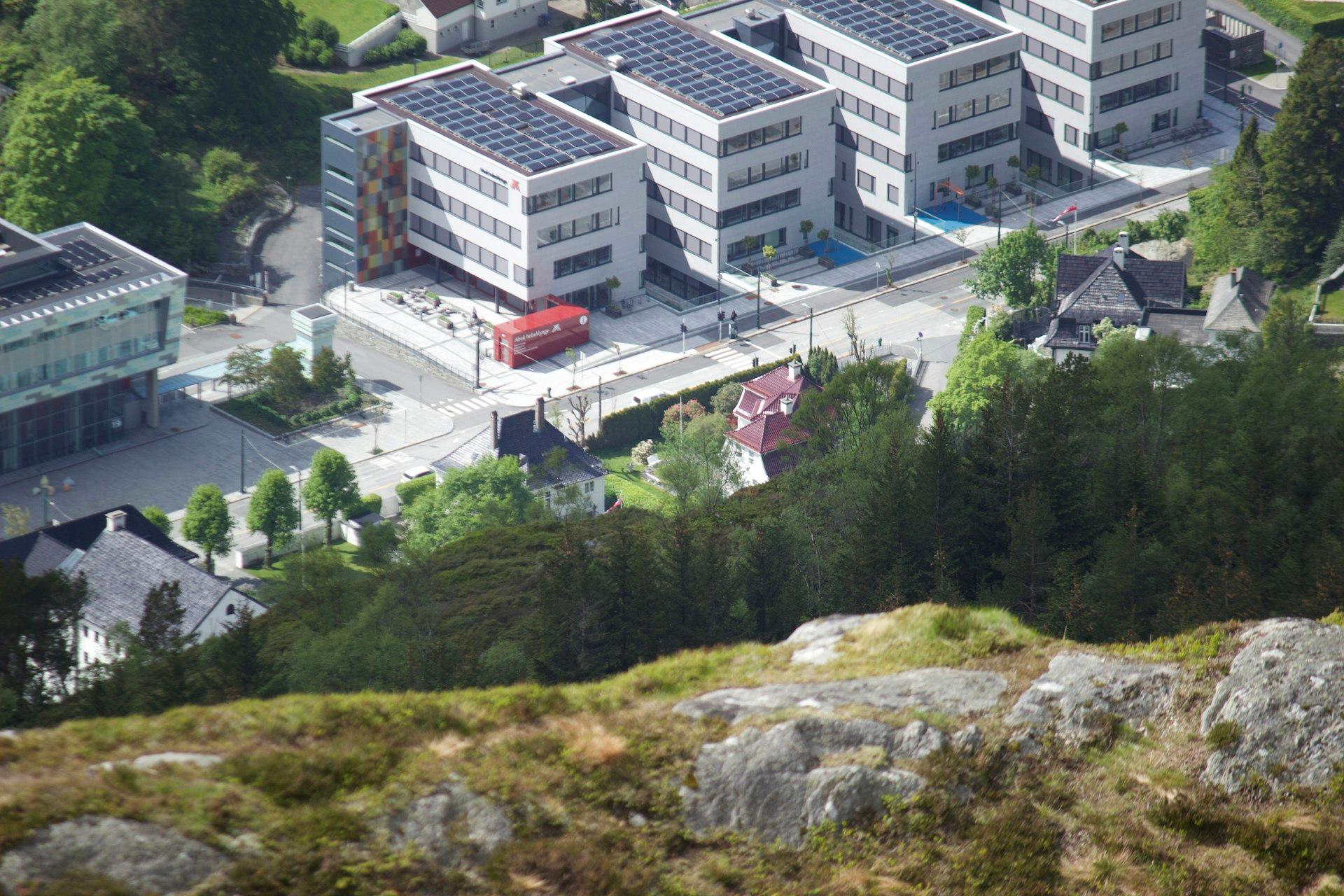
Bergen hotels
Norway · 3 hotels
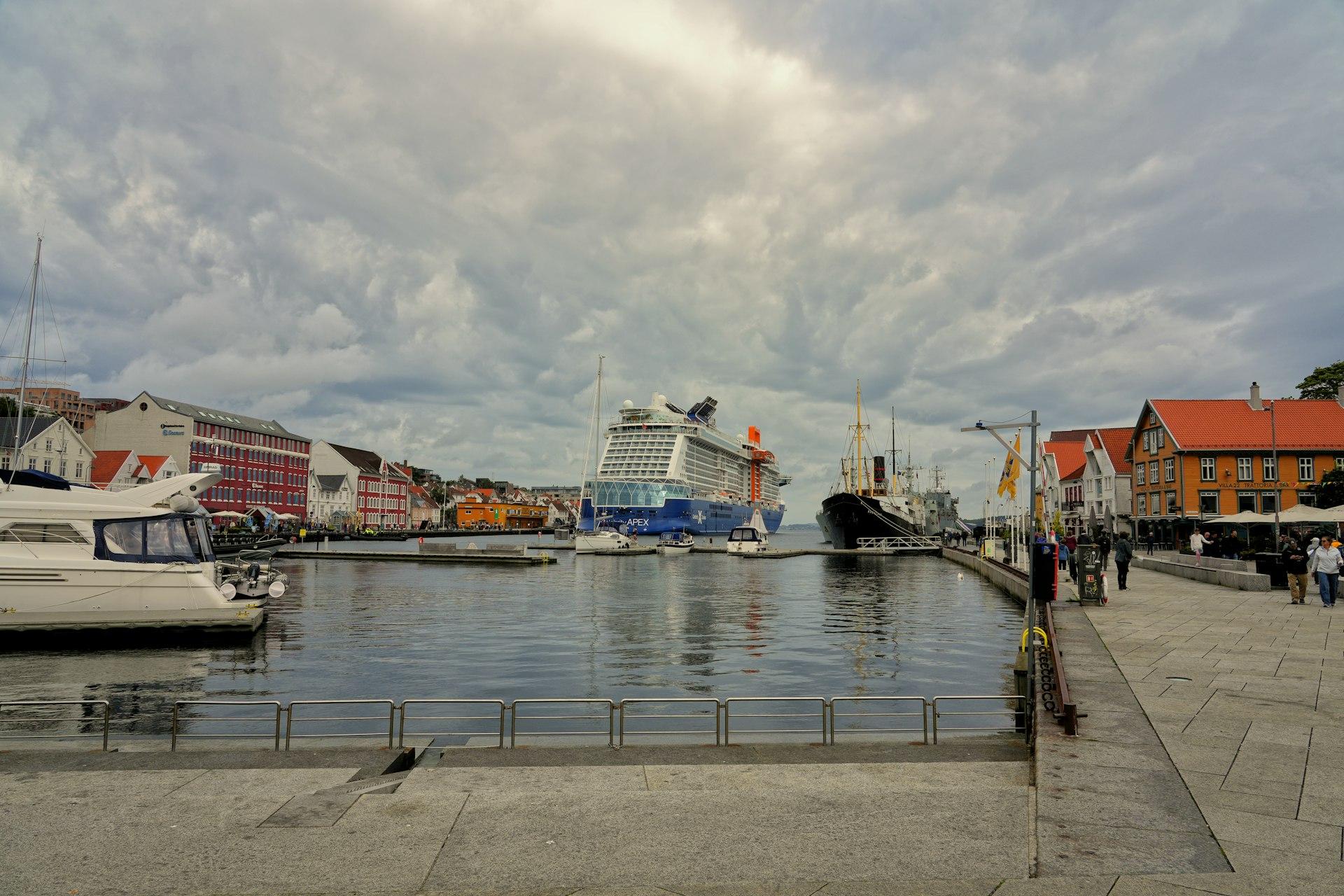
Stavanger hotels
Norway · 2 hotels
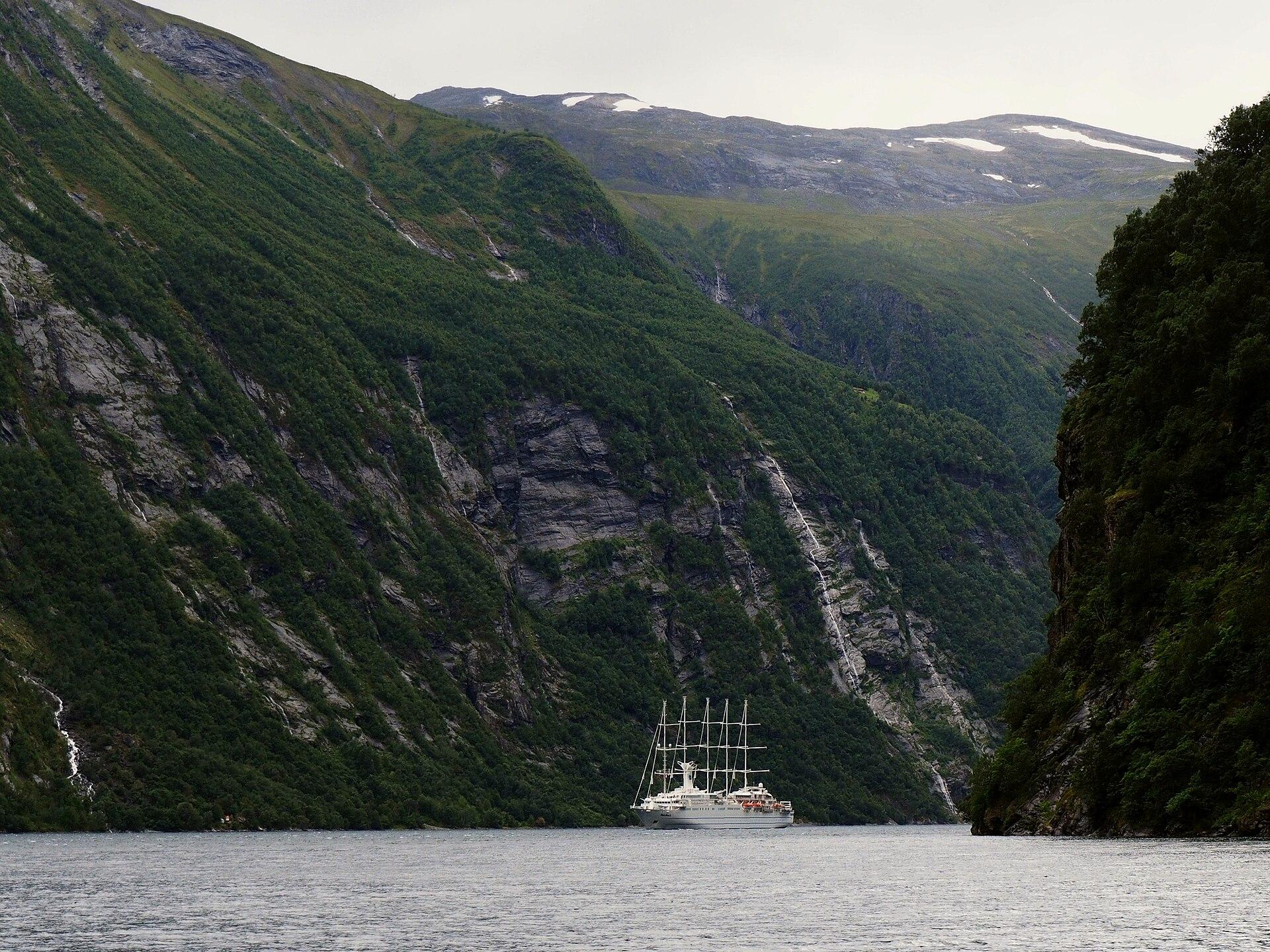
Geiranger Fjord hotels
Norway · 2 hotels
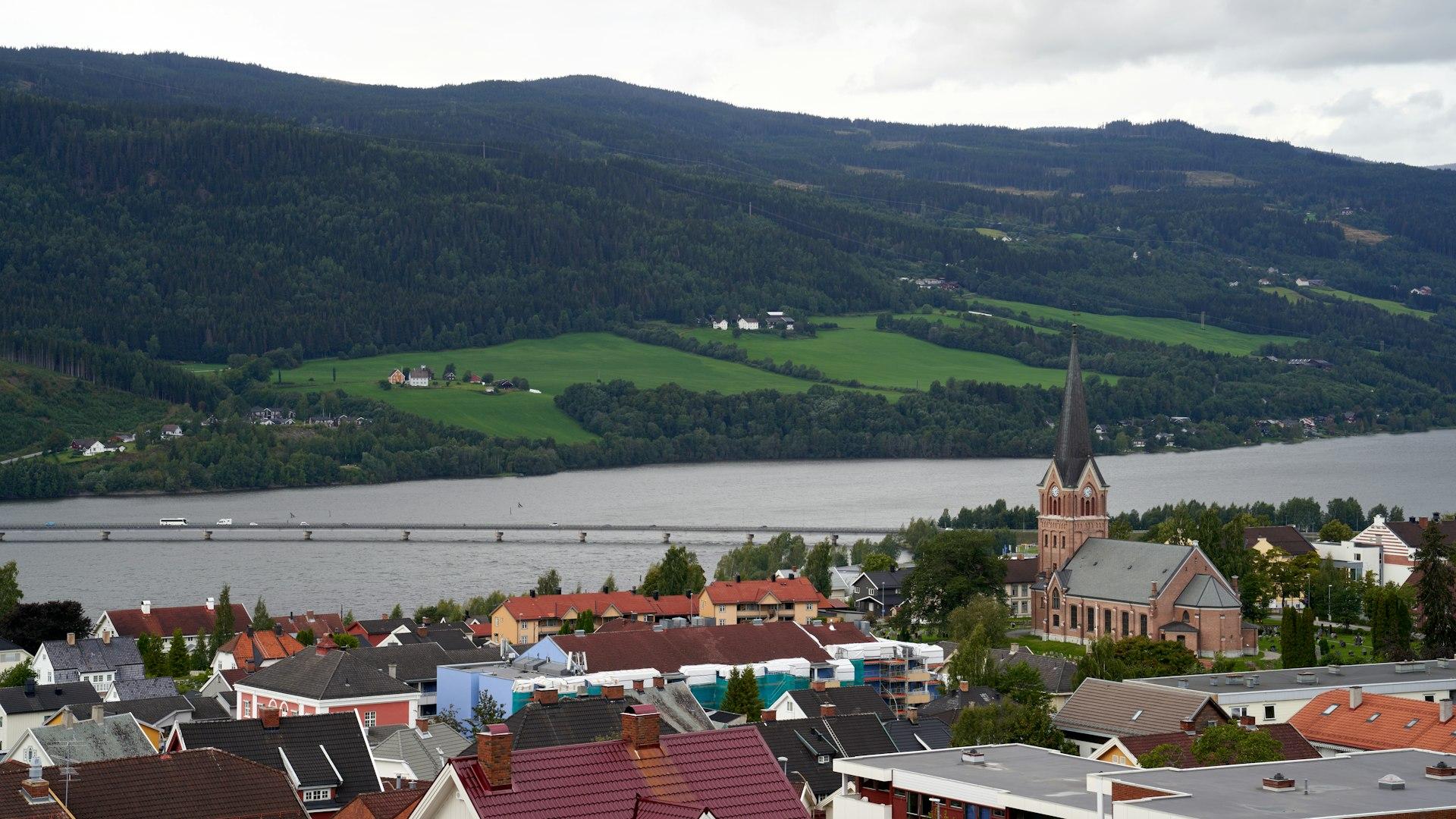
Lillehammer hotels
Norway · 1 hotels