Hotels in Samoa
2 cities · 1 hotels
Photo by Wikimedia Commons on Unsplash
Samoa: Polynesia's Volcanic Archipelago in the South Pacific
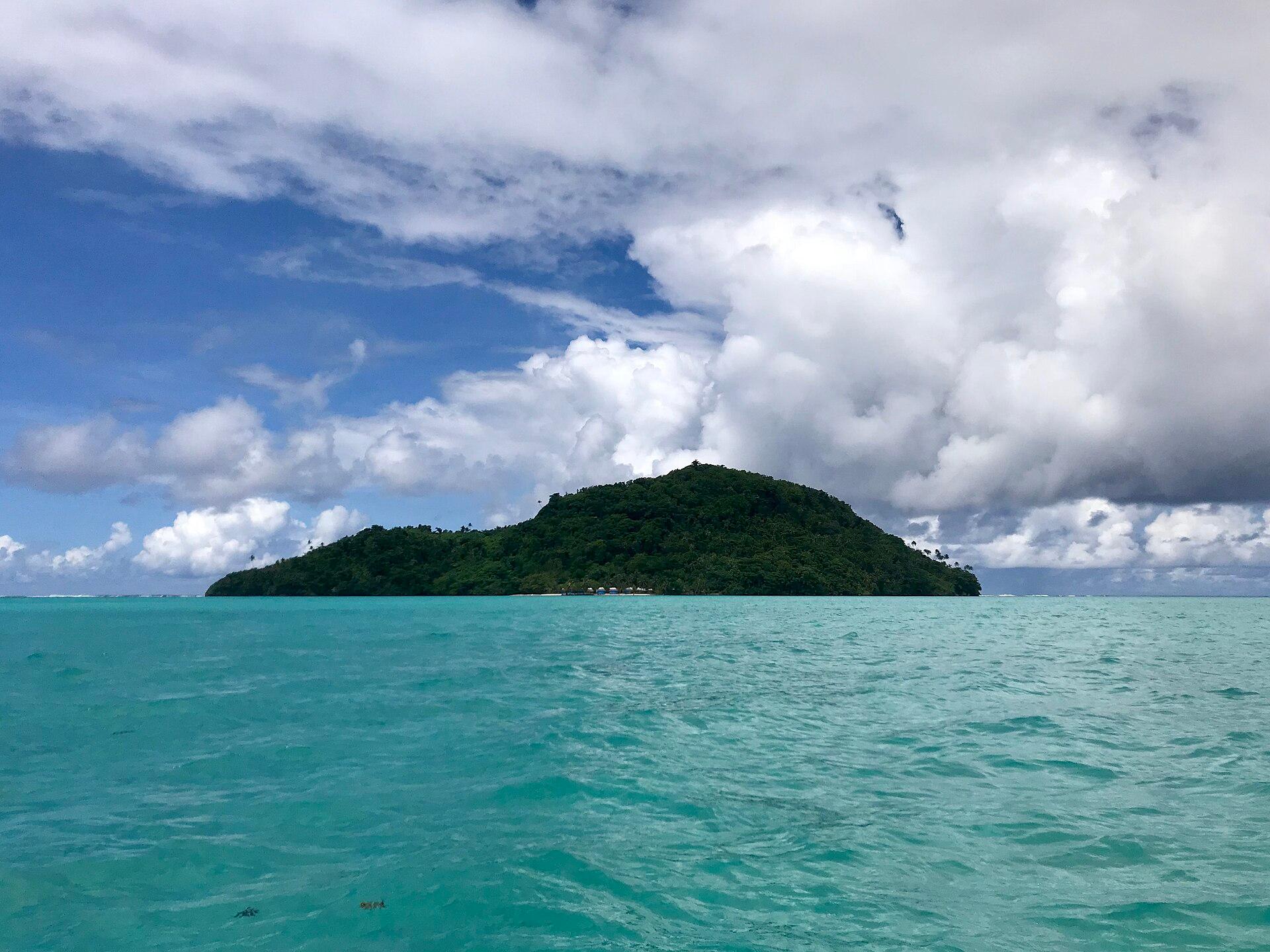
Samoa sits roughly 2,900 km northeast of Auckland, straddling the International Date Line in the heart of Polynesia. The independent nation comprises two main islands — Upolu and Savai'i — plus seven smaller islets, covering 2,842 km² of volcanic terrain. Ancient fa'a Samoa (the Samoan Way) governs daily life here more visibly than anywhere else in the Pacific: village councils called fono still manage land and custom, and Sunday church services draw entire communities in white dress. This living culture is the single strongest draw for travelers who arrive expecting more than beach time.
Cities Worth Exploring
Apia, the capital, occupies the north coast of Upolu and is home to roughly 36,000 residents. The waterfront Mulinu'u Peninsula holds Parliament House and the tomb of author Robert Louis Stevenson, who spent the last four years of his life here and died in 1894. The Fugalei Market in central Apia sells taro, palusami, and fine woven mats every morning except Sunday. Most international flights land at Faleolo Airport, 35 km west of Apia along the coast road. The smaller island of Savai'i is reached by a 22 km ferry crossing from Mulifanua wharf; its main settlement Salelologa provides the gateway to the Taga Blowholes and the Saleaula Lava Fields, where a 1905 eruption buried two villages under basalt.
Landscapes and Natural Features
Upolu's southern coast holds To Sua Ocean Trench, a 30-metre-deep swimming hole connected to the sea by a lava tube — one of the most-photographed natural sites in Polynesia. The interior of both islands is dense rainforest; O Le Pupu-Pu'e National Park on Upolu protects flying foxes, tooth-billed pigeons, and the lava tube system at Peapea Cave. Savai'i is geologically younger and more rugged: Mount Silisili reaches 1,858 m, making it the highest peak in Polynesia outside Hawaii. Coral reefs line the northern shores of both islands; the clearest dive sites cluster around Palolo Deep Marine Reserve, 1 km offshore from Apia.
When to Visit Samoa
The dry season runs May through October, with southeast trade winds keeping coastal temperatures around 27 °C and humidity manageable. The wet season (November–April) brings cyclone risk; Cyclone Evan in December 2012 caused severe damage to Apia and Savai'i. The Teuila Festival, held each September in Apia, is Samoa's largest cultural event, featuring fire-knife dancing, traditional tattooing, and outrigger canoe races. The Palolo worm spawning, timed to the October–November lunar calendar, draws local harvesters to reef edges each year and is considered a seasonal delicacy.
Practical Tips for Visiting Samoa
- Getting around: Rental cars are available in Apia; driving is on the left (switched from right in 2009). Inter-island ferries run twice daily from Mulifanua to Salelologa.
- Currency: Samoan Tālā (WST). ATMs are available in Apia and Salelologa but rare in villages.
- Dress code: Cover shoulders and knees when entering villages. A lavalava (wraparound cloth) is practical and widely sold at Fugalei Market.
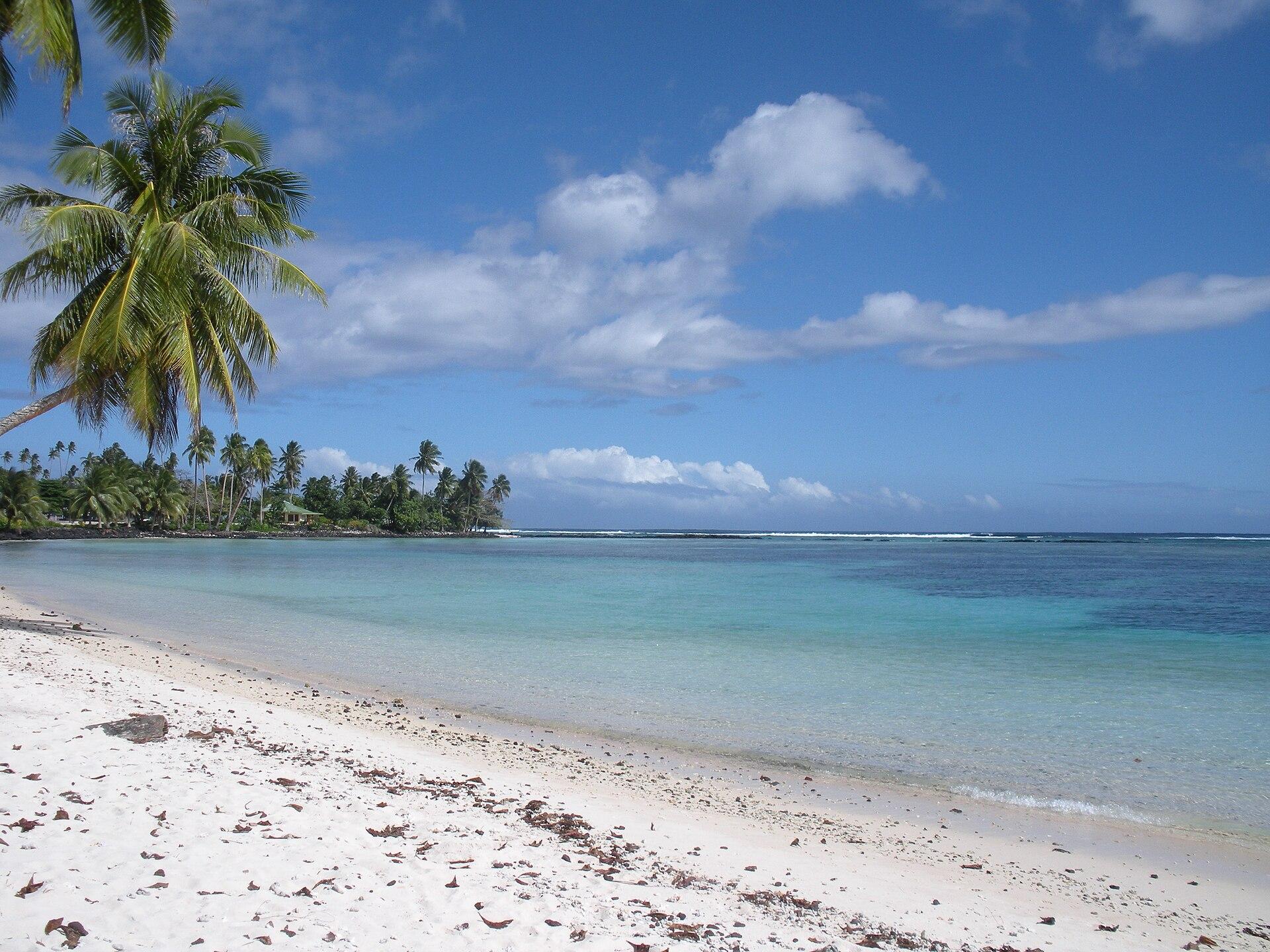
- Accommodation: Apia anchors the largest hotel concentration; south-coast beach fales on Upolu offer open-air stays directly on the water.
- Entry: Visitors from most countries receive a free 60-day entry permit on arrival.
Frequently Asked Questions
Q: What is the best area to stay in Samoa? A: Apia suits travelers who want restaurants, ATMs, and transport connections. The south coast of Upolu, particularly around Lotofaga and Lalomanu, offers beach fale accommodation within 90 minutes of the capital.
Q: How do travelers get between Upolu and Savai'i? A: The Samoa Shipping Corporation ferry runs from Mulifanua wharf on Upolu to Salelologa on Savai'i. The crossing takes about one hour and operates roughly twice daily.
Q: Is Samoa the same as American Samoa? A: No. Independent Samoa (country code WS) is a sovereign nation with Apia as its capital. American Samoa (country code AS) is a separate US territory centered on Pago Pago, about 120 km to the east.
Q: What currency does Samoa use? A: The Samoan Tālā (WST). Major hotels in Apia accept credit cards, but cash is essential in rural villages and on Savai'i.
Q: When does cyclone season affect travel? A: Cyclone risk is highest from November through April. Travel insurance covering weather disruption is strongly advised during these months.