Hotels in Slovenia
5 cities · 57 hotels
Photo by Arnaud STECKLE on Unsplash
Slovenia: Alpine Lakes, Karst Caves, and the Adriatic Coast
Slovenia occupies 20,273 sq km at the crossroads of Central Europe, bordered by Austria, Italy, Hungary, and Croatia. Despite its compact size, the country holds four distinct landscapes: the Julian Alps in the northwest, the limestone Karst plateau south of Ljubljana, the vine-covered Styrian hills to the east, and a 47-km Adriatic coastline anchored by the port town of Piran. This geographic compression means travelers can ski a glacier, explore a 24-km cave system, and swim in the sea within a single day.
Cities Worth Exploring
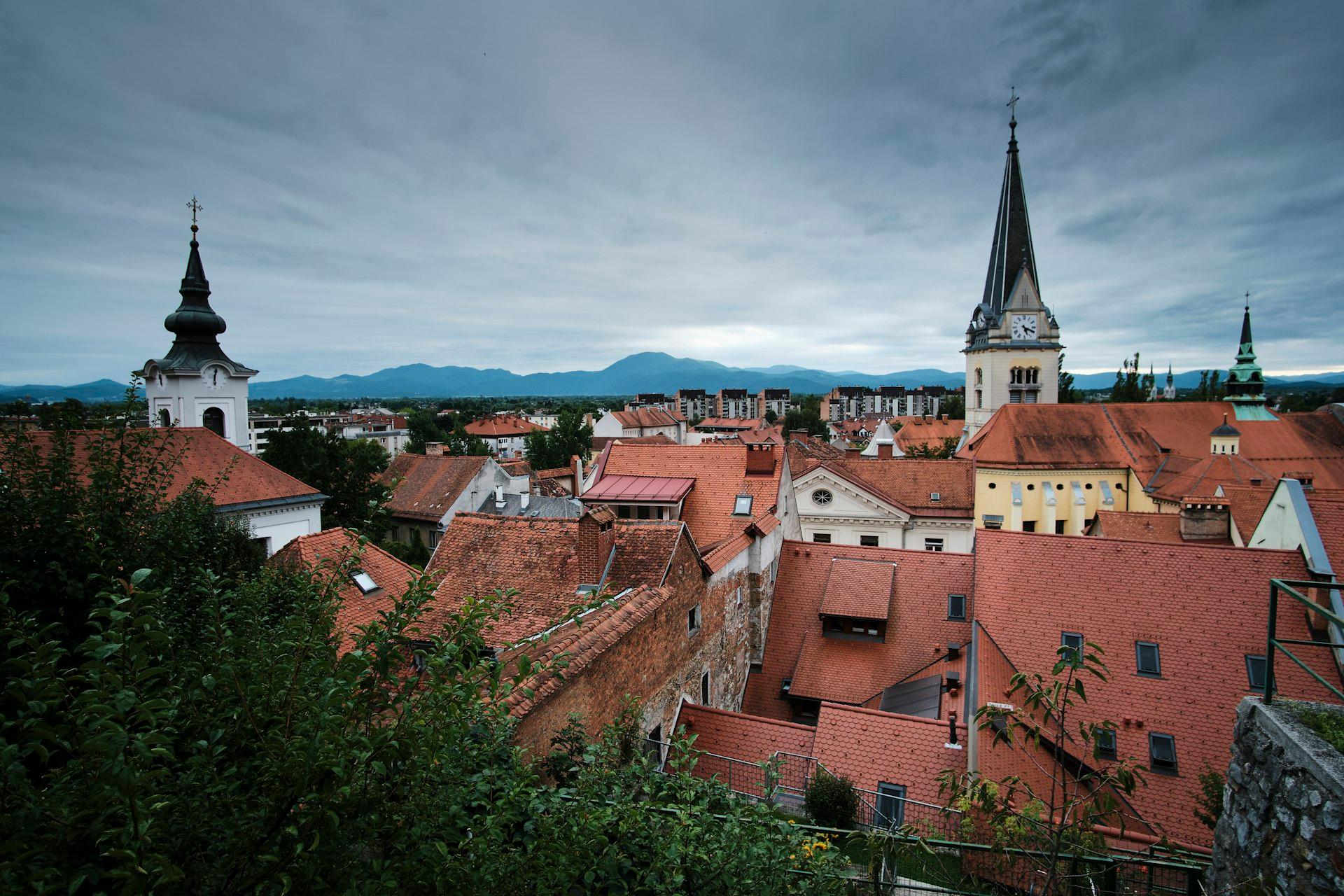
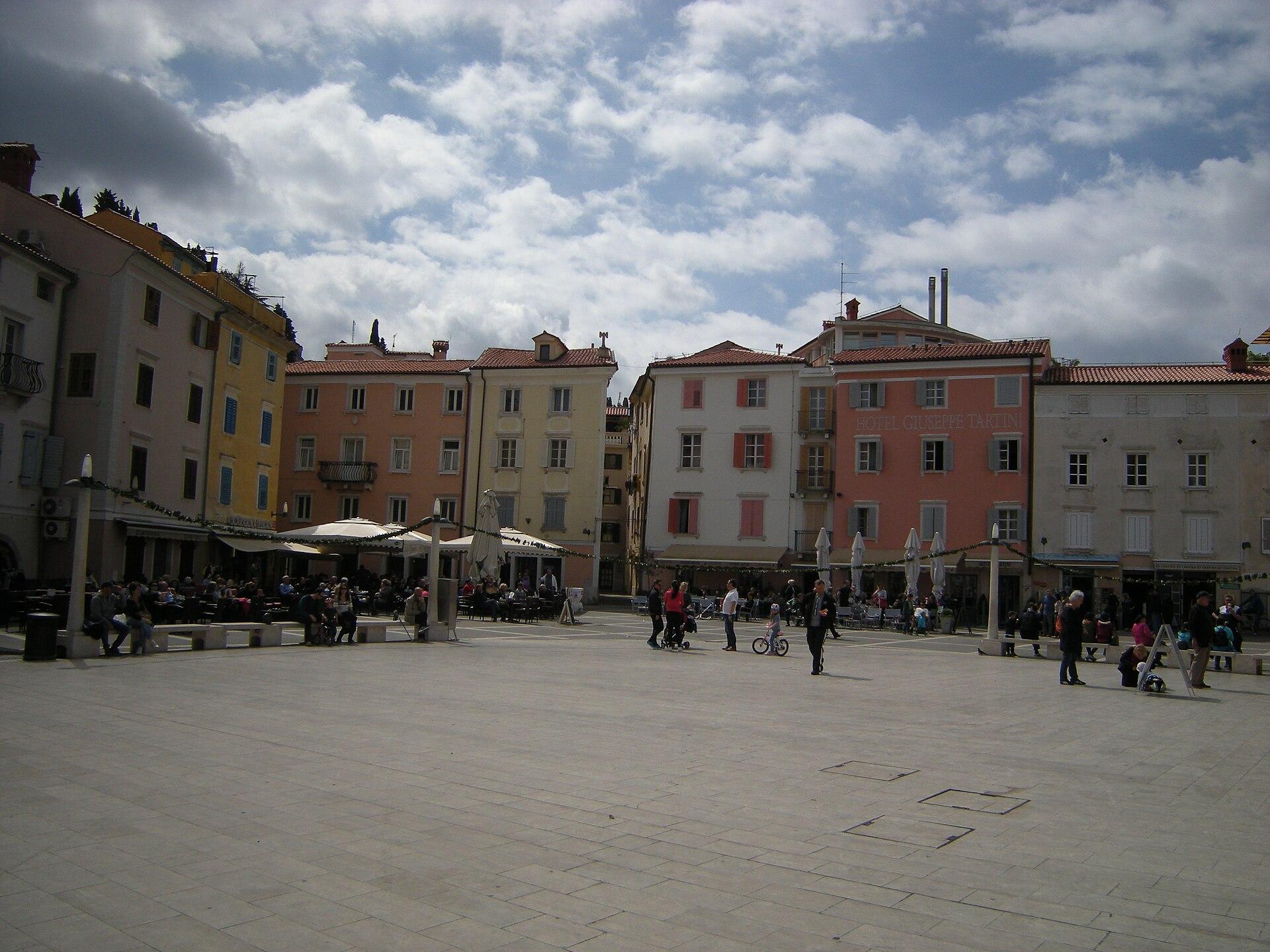
Ljubljana, the capital, sits in the Ljubljana Basin at 298 m elevation. The medieval Ljubljana Castle overlooks a compact old town of Baroque and Art Nouveau facades along the Ljubljanica River. The Metelkova arts district, a former Yugoslav army barracks converted in 1993, anchors the city's gallery and live-music scene. Maribor, Slovenia's second city, stands in the Drava Valley and hosts the Old Vine House, home to the world's oldest documented grape vine — planted over 400 years ago and still producing wine. Piran, on the Istrian peninsula, retains Venetian Gothic architecture around Tartini Square, named after composer Giuseppe Tartini, born here in 1692.
Regions and Natural Landmarks
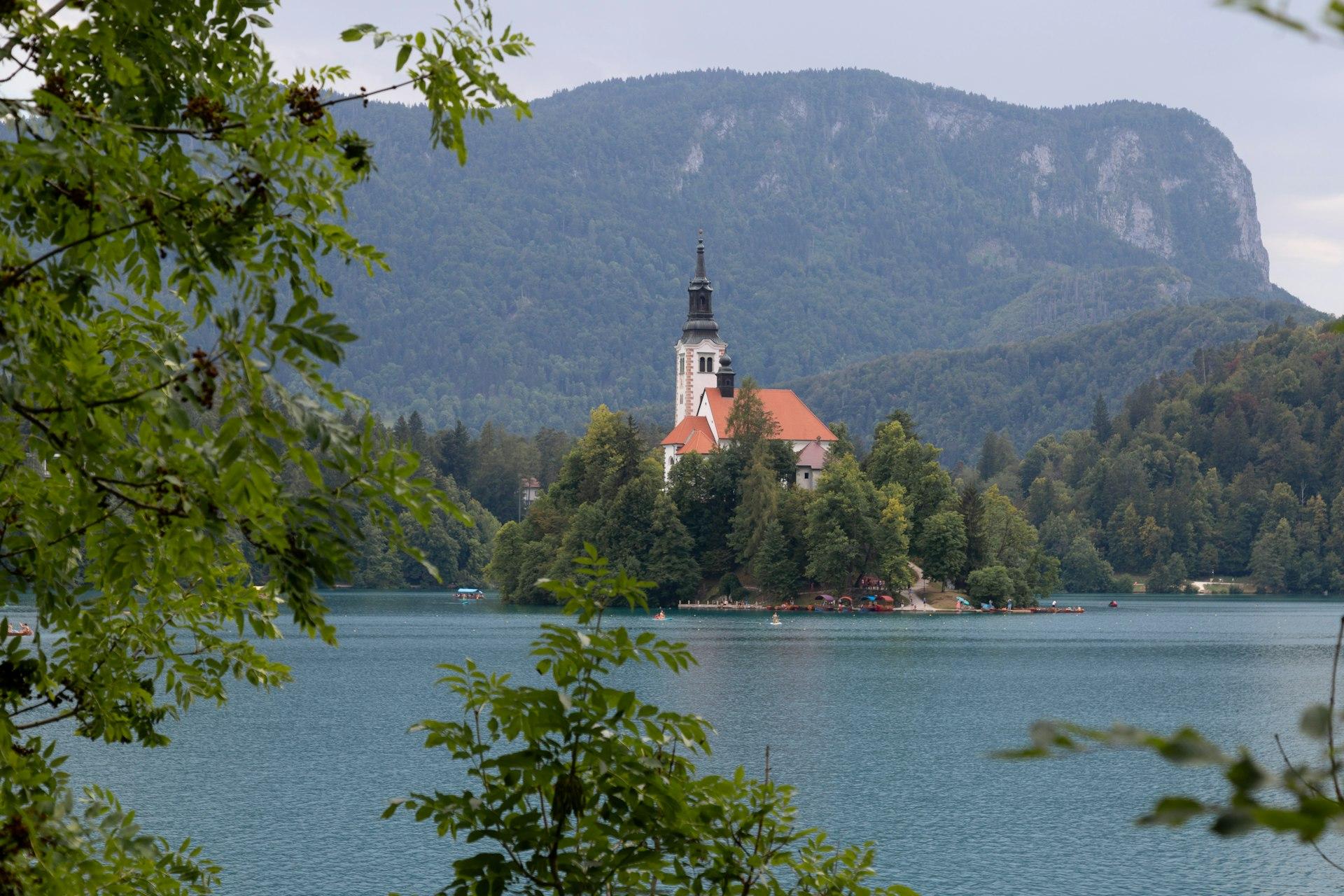
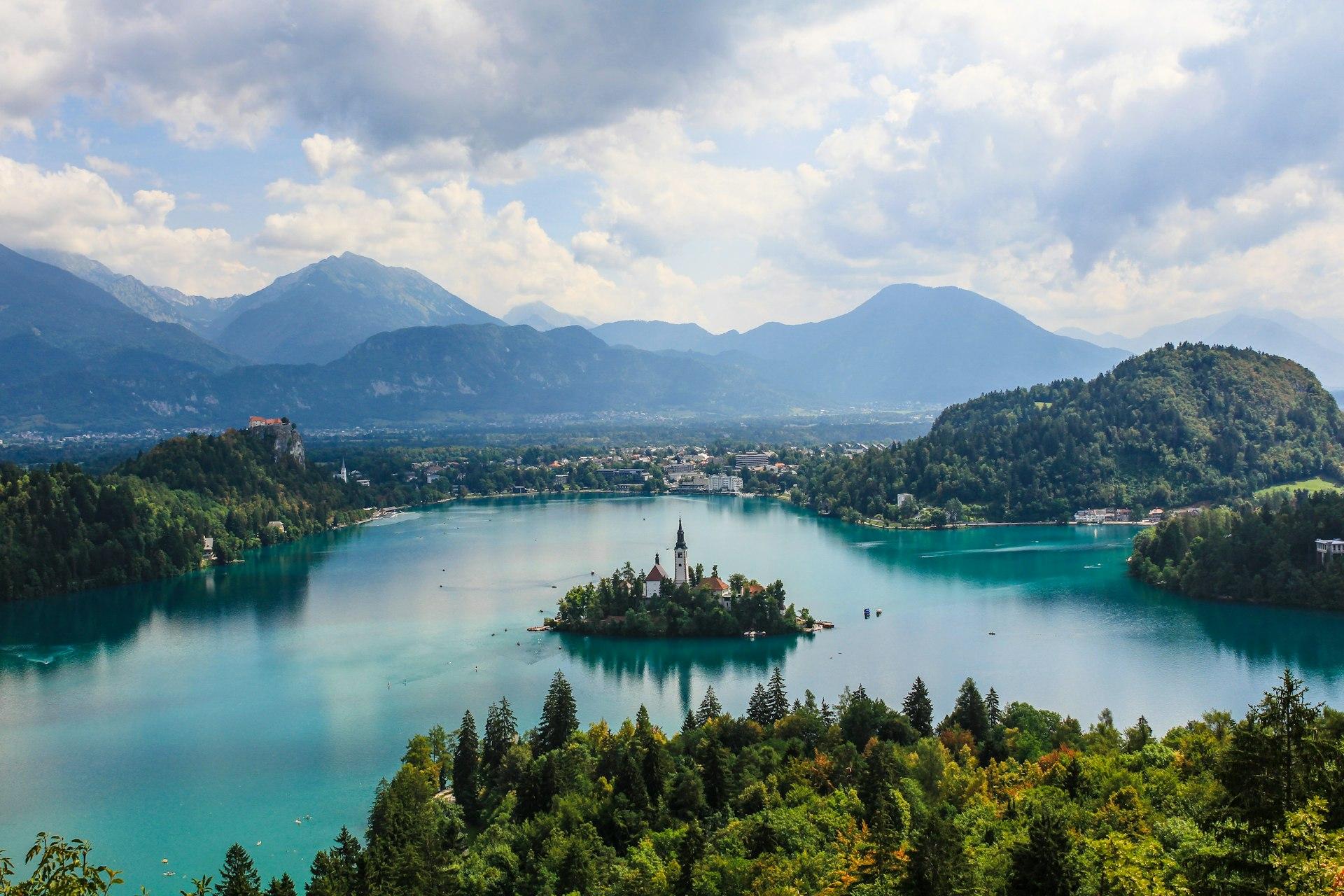
Lake Bled, 55 km northwest of Ljubljana, draws more visitors than any other single site in the country. The glacial lake sits at 475 m and measures 2.1 km in length; the 17th-century Bled Castle perches 130 m above the water. Triglav National Park, established in 1924, covers 838 sq km of alpine terrain including Mount Triglav at 2,864 m — Slovenia's highest peak and national symbol. Forty kilometers south of Ljubljana, Postojna Cave extends 24 km of passages carved in Cretaceous limestone and shelters the aquatic cave salamander Proteus anguinus. Adjacent Predjama Castle, built into a 123-m cliff face, dates to the 12th century. The Soča Valley in the west offers Class III–IV whitewater on the emerald Soča River, alongside the ruins of World War I Isonzo Front positions.
When to Visit Slovenia
June through September brings warm temperatures (18–28 °C) and peak crowds at Bled and Piran. The Ljubljana Jazz Festival runs in late June; the Kurentovanje carnival in Ptuj — Slovenia's oldest city — takes place in February before Lent. Late September and October offer cooler hiking conditions and the grape harvest in the Vipava Valley and Brda wine regions. Ski season at Kranjska Gora and Krvavec (40 km from Ljubljana) typically runs December through March.
Practical Tips for Visiting Slovenia
- Getting around: Trains connect Ljubljana to Maribor in 1 hr 45 min; buses serve Bled and Postojna. Renting a car is advisable for the Soča Valley and Karst region.
- Currency: The euro (€) has been Slovenia's currency since 2007; ATMs are widely available.
- Language: Slovenian is the official language; English is spoken widely in hotels and tourist areas.
- Borders: Slovenia is in the Schengen Area; EU and EEA citizens cross without passport checks.
- Accommodation range: Budget hostels in Ljubljana start around €20/night; lakeside hotels at Bled average €120–€200/night in summer.
Frequently Asked Questions
Q: Do travelers need a visa to visit Slovenia? A: Citizens of EU, EEA, and most Western countries (including the US, Canada, and Australia) can enter visa-free for up to 90 days. Slovenia joined the Schengen Area in 2007, so no internal border checks apply when traveling from neighboring EU states.
Q: What is the best base for visiting Lake Bled? A: The town of Bled itself offers the closest hotels to the lake, with properties ranging from guesthouses to the historic Villa Bled (former Tito residence). Ljubljana is 55 km away and serves as a practical hub with better transport connections.
Q: How long does the Postojna Cave tour take? A: The standard guided tour lasts approximately 1 hour 40 minutes, covering 5.3 km — part by electric train. The cave maintains a constant 10 °C year-round; a light jacket is advisable.
Q: Which wine regions are worth visiting? A: Slovenia has three main wine regions. Primorska in the west (including Brda and Vipava Valley) produces fuller reds and orange wines. Podravje in the northeast is known for aromatic whites including Šipon (Furmint). Posavje in the southeast specializes in the light semi-dry red Cviček.
Q: Is Slovenia suitable for hiking beginners? A: Yes. The Triglav National Park has marked trails ranging from easy valley walks along the Soča River to the technical 2-day ascent of Mount Triglav (2,864 m), which requires a guide and basic alpine equipment. Most trails around Bled and Bohinj are accessible to casual walkers.