
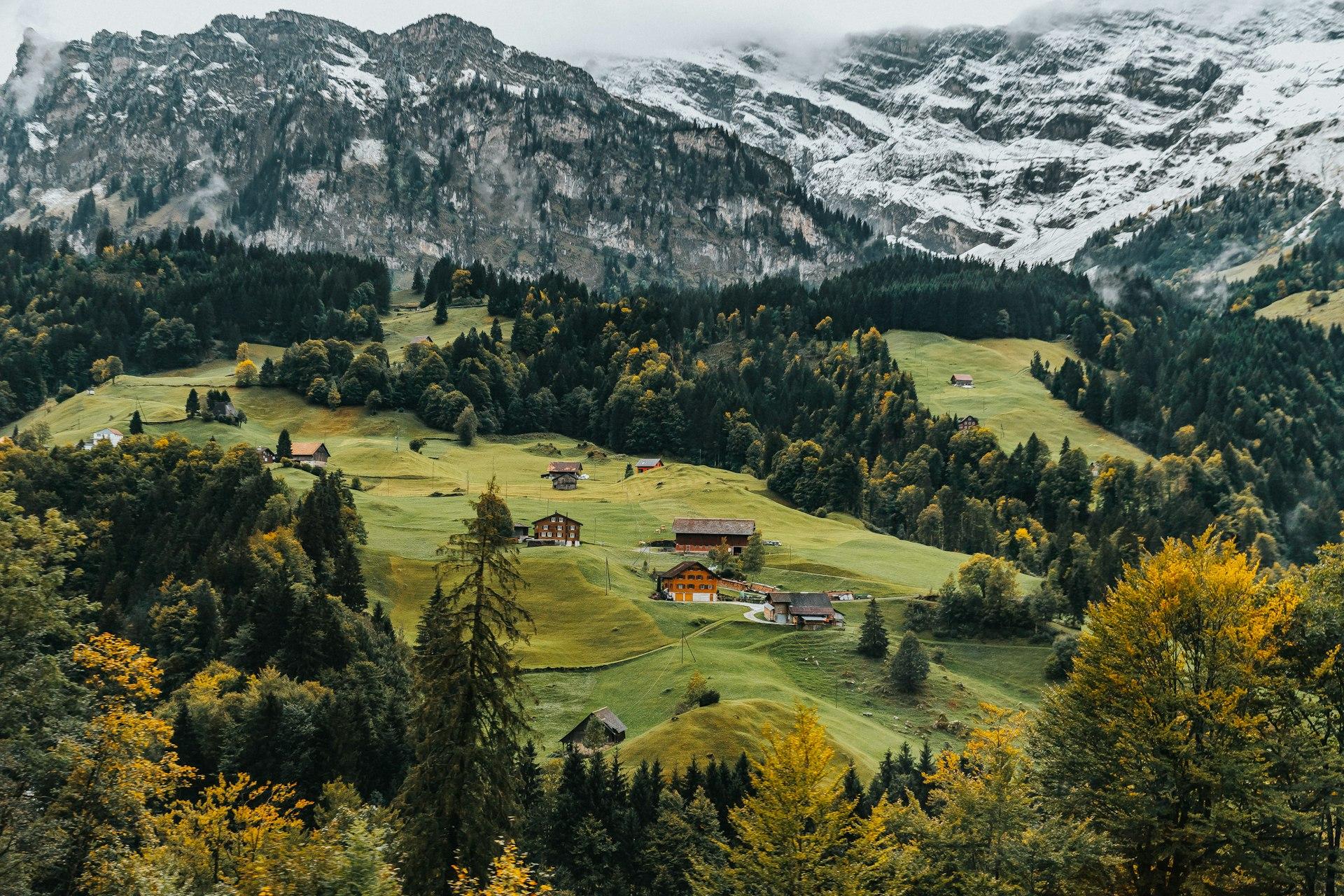
Hotels in Switzerland
20 cities · 63 hotels
Switzerland: Alpine Passes, Medieval Cities, and Four Language Regions
Switzerland occupies 41,285 km² at the crossroads of Western Europe, bordered by Germany, France, Italy, Austria, and Liechtenstein. The country divides into four linguistic regions — German-speaking in the north and east, French-speaking Romandy in the west, Italian-speaking Ticino in the south, and Romansh-speaking enclaves in Graubünden. That cultural layering gives each region a distinct character: Basel feels Germanic and museum-dense, Lausanne carries a French-Swiss elegance beside Lac Léman, and Lugano reads almost like a northern Italian lake town.
Cities Worth Exploring
Zurich, Switzerland's largest city with roughly 440,000 residents, anchors the German-speaking north along the Limmat River. The Altstadt (Old Town) spreads across both riverbanks, with the twin towers of the Grossmünster visible from most neighbourhoods. Geneva, 280 km southwest, hosts over 40 international organisations including the United Nations European headquarters; the Jet d'Eau fountain shoots 140 metres above Lac Léman. Bern, the federal capital, preserves 6 km of arcaded sandstone walkways (the Lauben) that earned UNESCO World Heritage status in 1983. Lucerne sits where the Reuss River exits Lake Lucerne, 57 km south of Zurich, and the 14th-century Chapel Bridge remains one of Europe's oldest surviving wooden bridges.
Mountain Regions and Scenic Corridors
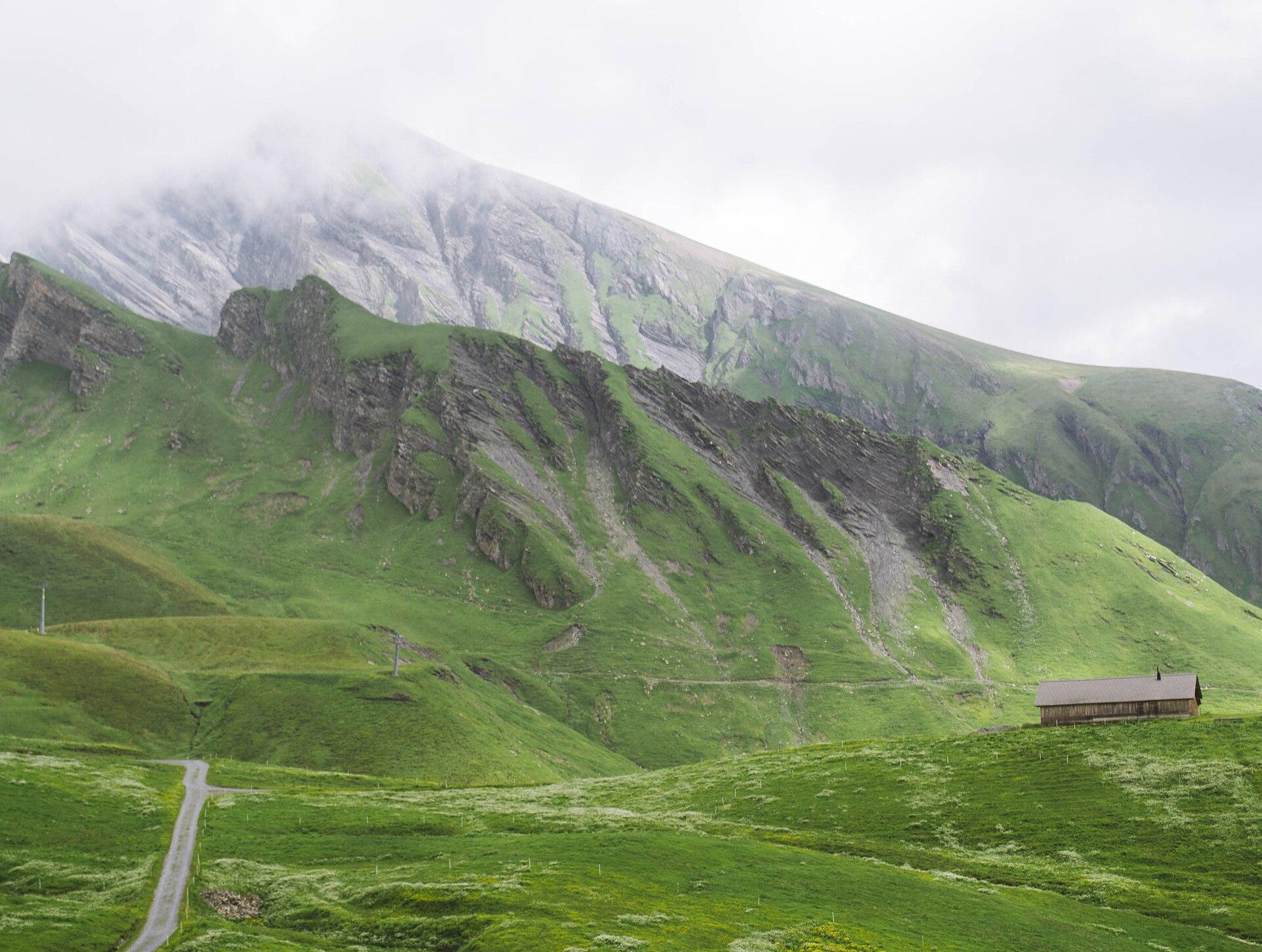
The Bernese Oberland concentrates the country's most recognised Alpine scenery: the Eiger (3,967 m), Mönch (4,107 m), and Jungfrau (4,158 m) stand in a single ridgeline above Grindelwald and Interlaken. The Jungfraujoch station at 3,454 m, reached by rack railway, is the highest railway station in Europe. In the east, Graubünden covers 7,105 km² — Switzerland's largest canton — and contains the car-free resort of Zermatt, where the Matterhorn (4,478 m) rises on the Italian border. The Glacier Express slow train connects Zermatt to St. Moritz in approximately eight hours across 291 km of mountain rail.
The southern canton of Ticino averages 300 sunshine days per year and sits below the main Alpine divide, giving it a Mediterranean microclimate. Bellinzona, Ticino's capital, holds three UNESCO-listed medieval castles — Castelgrande, Montebello, and Sasso Corbaro — all within walking distance of the train station.
Practical Tips for Visiting Switzerland
- Getting around: The Swiss Travel Pass covers trains, buses, boats, and most mountain railways; book at least two weeks ahead for summer and ski season.
- Currency: Swiss franc (CHF). Switzerland is not in the EU and does not use the euro, though some border merchants accept it at unfavourable rates.
- Language zones: German, French, Italian, and Romansh are all official. Most hotel staff in cities and resorts speak English.
- Altitude awareness: Elevations above 2,500 m can cause mild altitude sickness; allow a day of acclimatisation before strenuous hikes.
- Seasonal timing: Summer (June–September) suits hiking and lake swimming; winter (December–March) centres on ski resorts. Spring sees snow at altitude until May.
- Customs: Visitors arriving from non-EU countries may bring up to 300 cigarettes and 1 litre of spirits duty-free.
Frequently Asked Questions
Q: What is the best time of year to visit Switzerland? A: June to September offers reliable weather for hiking, cycling, and lake activities. December to March suits skiers, with resorts like Verbier and Zermatt operating full lift systems from late November.
Q: Do visitors need a visa to enter Switzerland? A: Switzerland is part of the Schengen Area. Citizens of the EU, USA, Canada, Australia, and the UK can enter visa-free for up to 90 days; other nationalities should check with a Swiss embassy at least three months before travel.
Q: How expensive are hotels in Switzerland? A: Budget hotels in Zurich and Geneva average CHF 120–180 per night; mid-range properties run CHF 200–350. Ski resort hotels in Zermatt or St. Moritz can exceed CHF 500 per night during peak season. Direct booking via hotel websites often bypasses platform fees.
Q: Is Switzerland easy to navigate without a car? A: The Swiss Federal Railways (SBB) network reaches nearly every town; PostBus coaches extend coverage to mountain villages. The Swiss Travel Pass provides unlimited travel on most routes and is cost-effective for stays of four or more days.
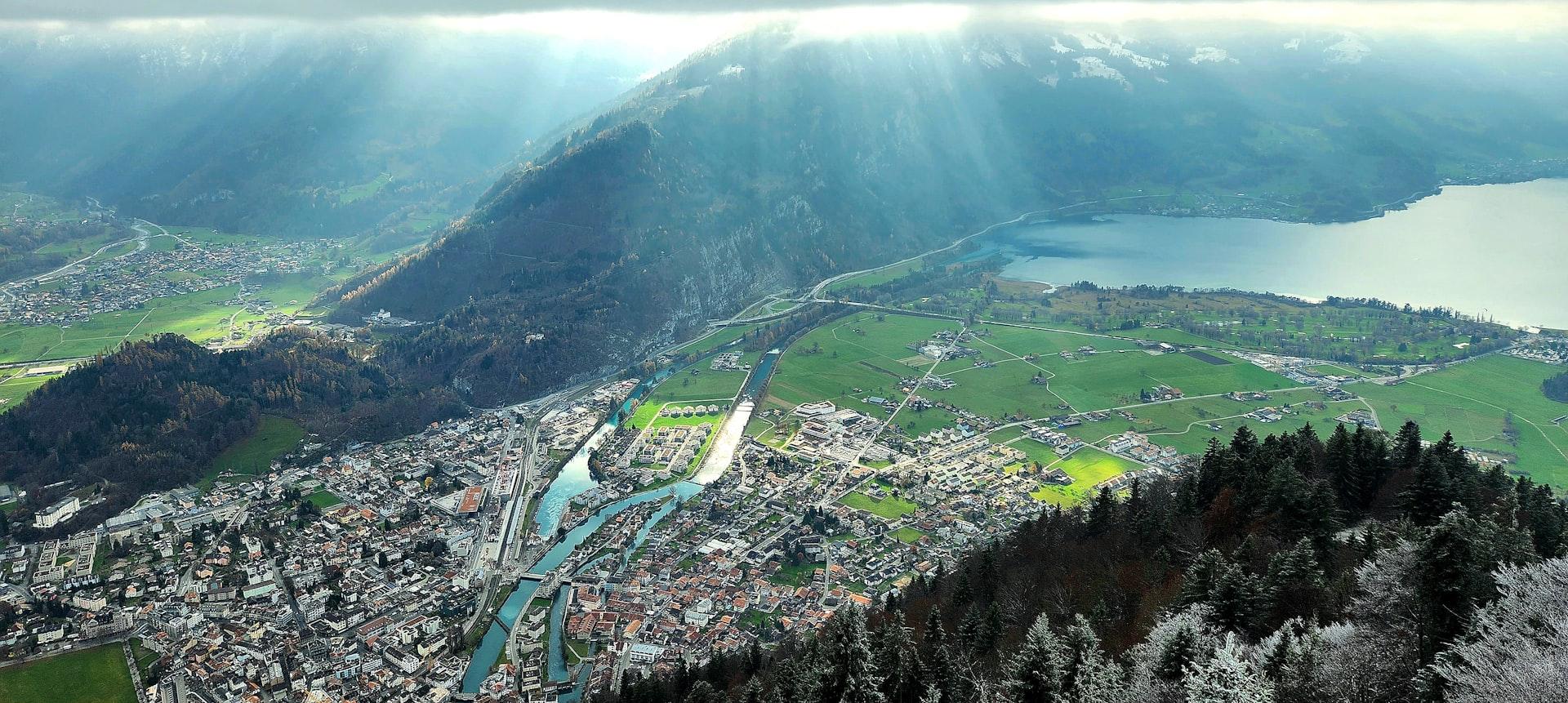
Q: Which Swiss city has the most hotels? A: Zurich carries the largest hotel inventory, followed by Geneva and Lucerne. Interlaken functions as a hub for Bernese Oberland accommodation with connections to Grindelwald and Lauterbrunnen valley.
Cities in Switzerland
Sion hotels
Switzerland · 14 hotels
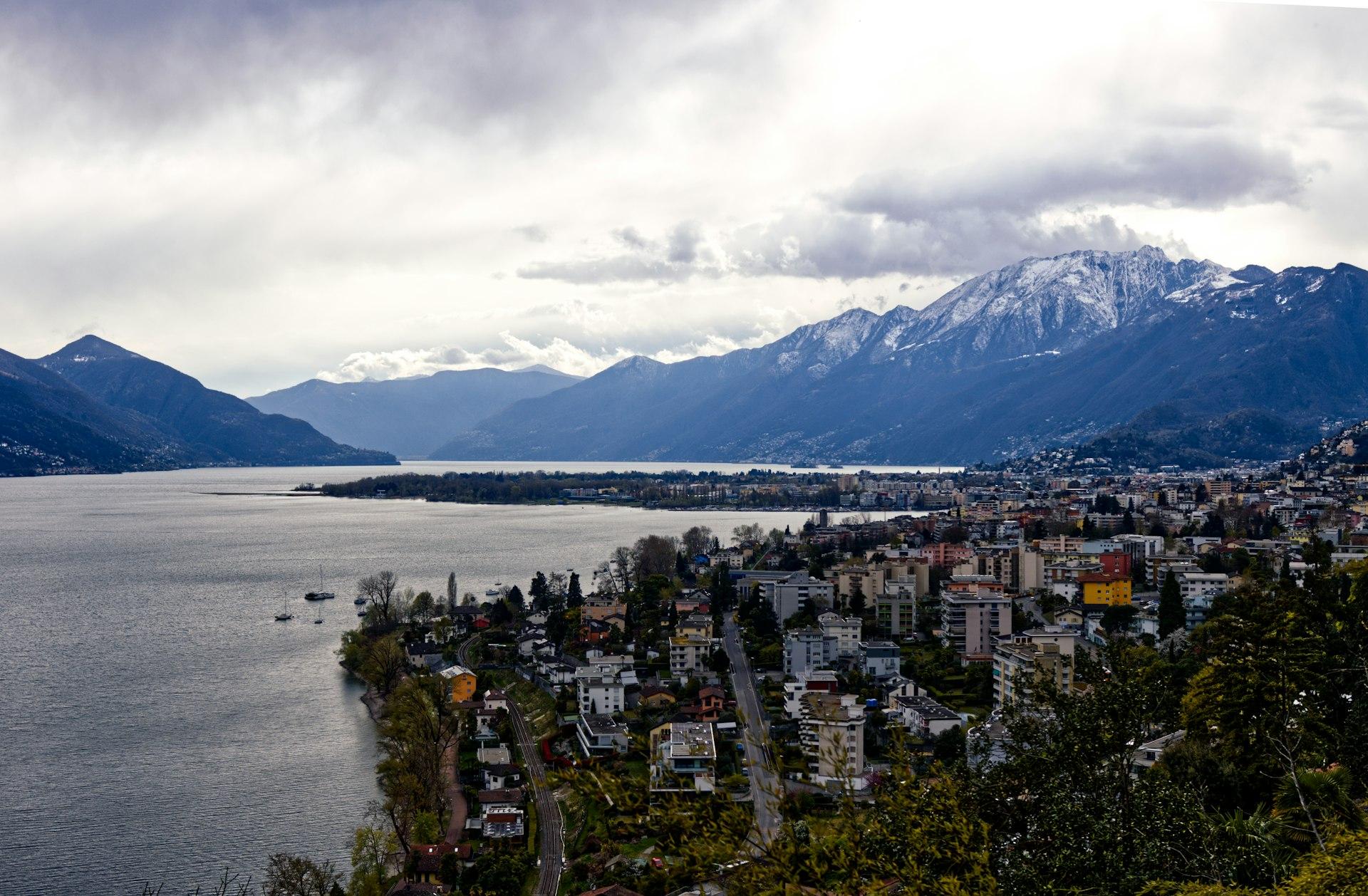
Locarno hotels
Switzerland · 7 hotels
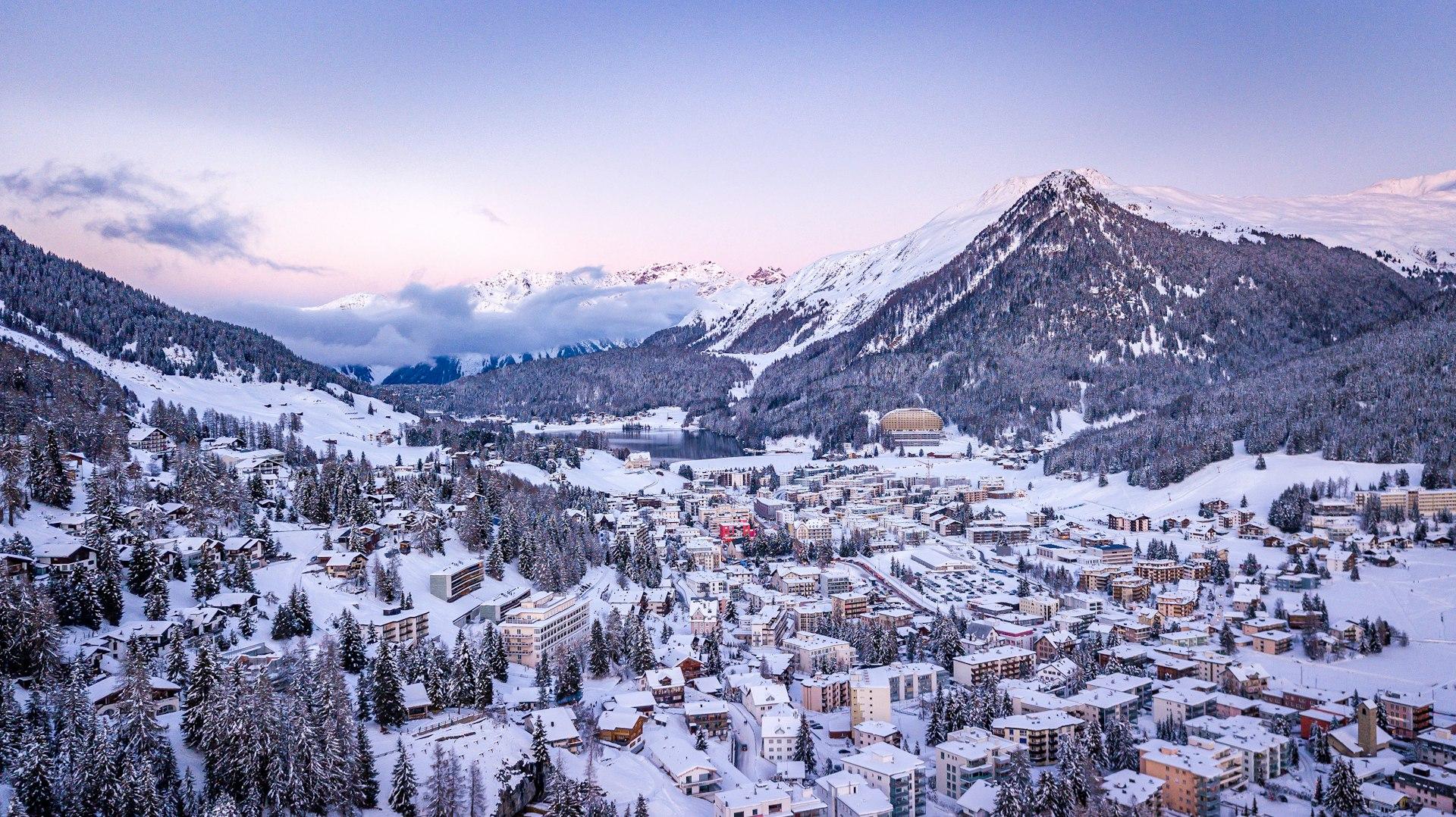
Davos hotels
Switzerland · 7 hotels
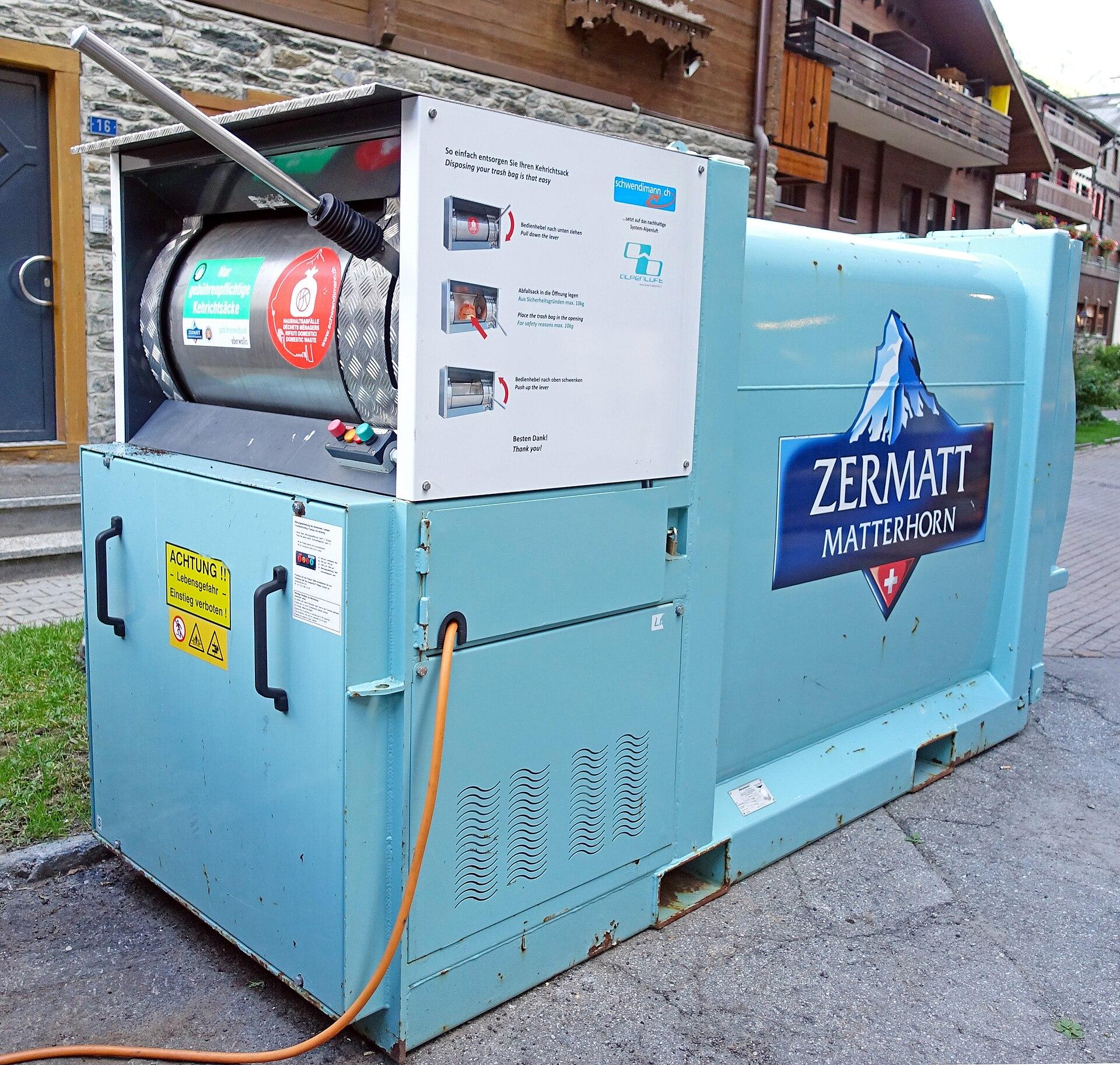
Zermatt hotels
Switzerland · 5 hotels
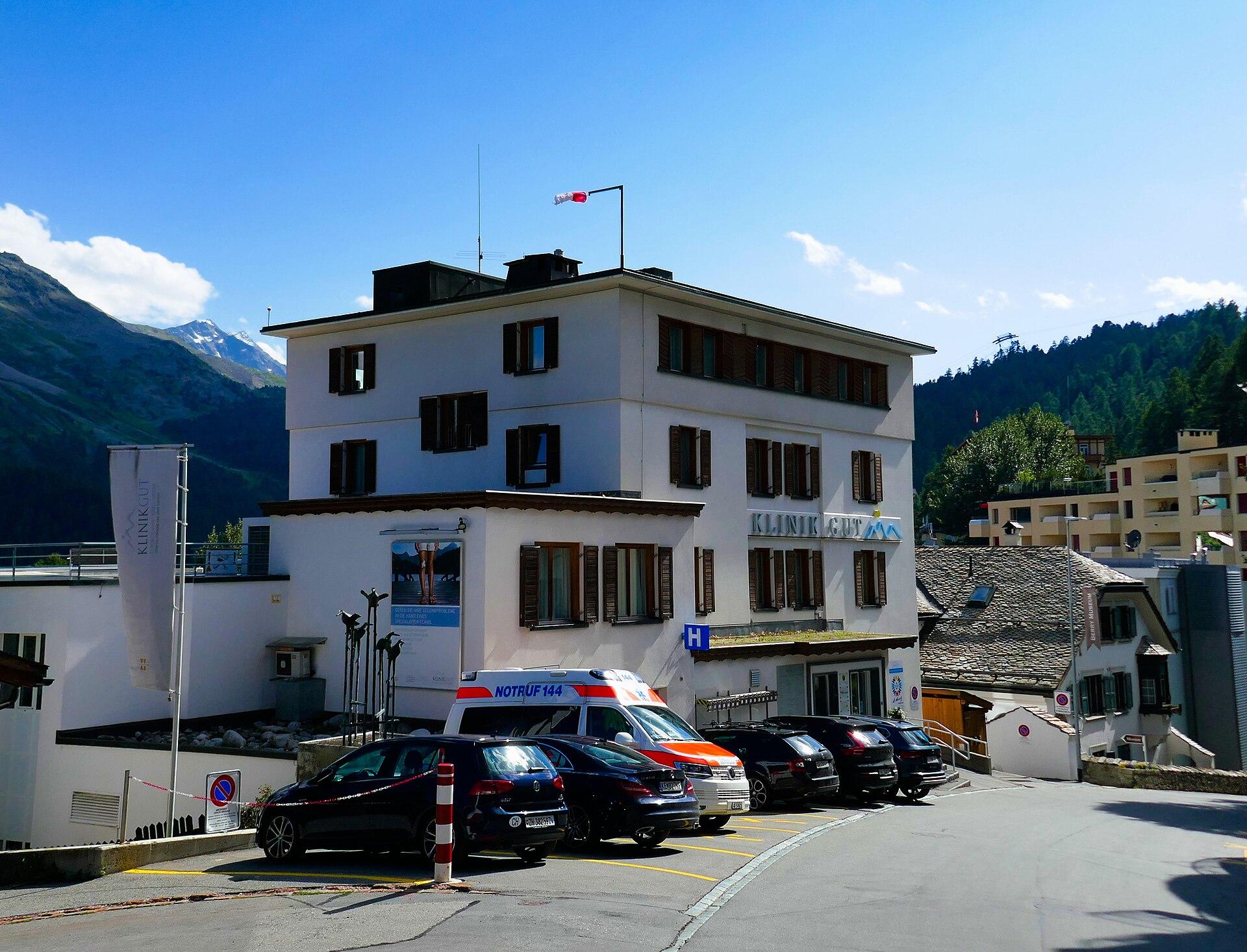
St. Moritz hotels
Switzerland · 5 hotels
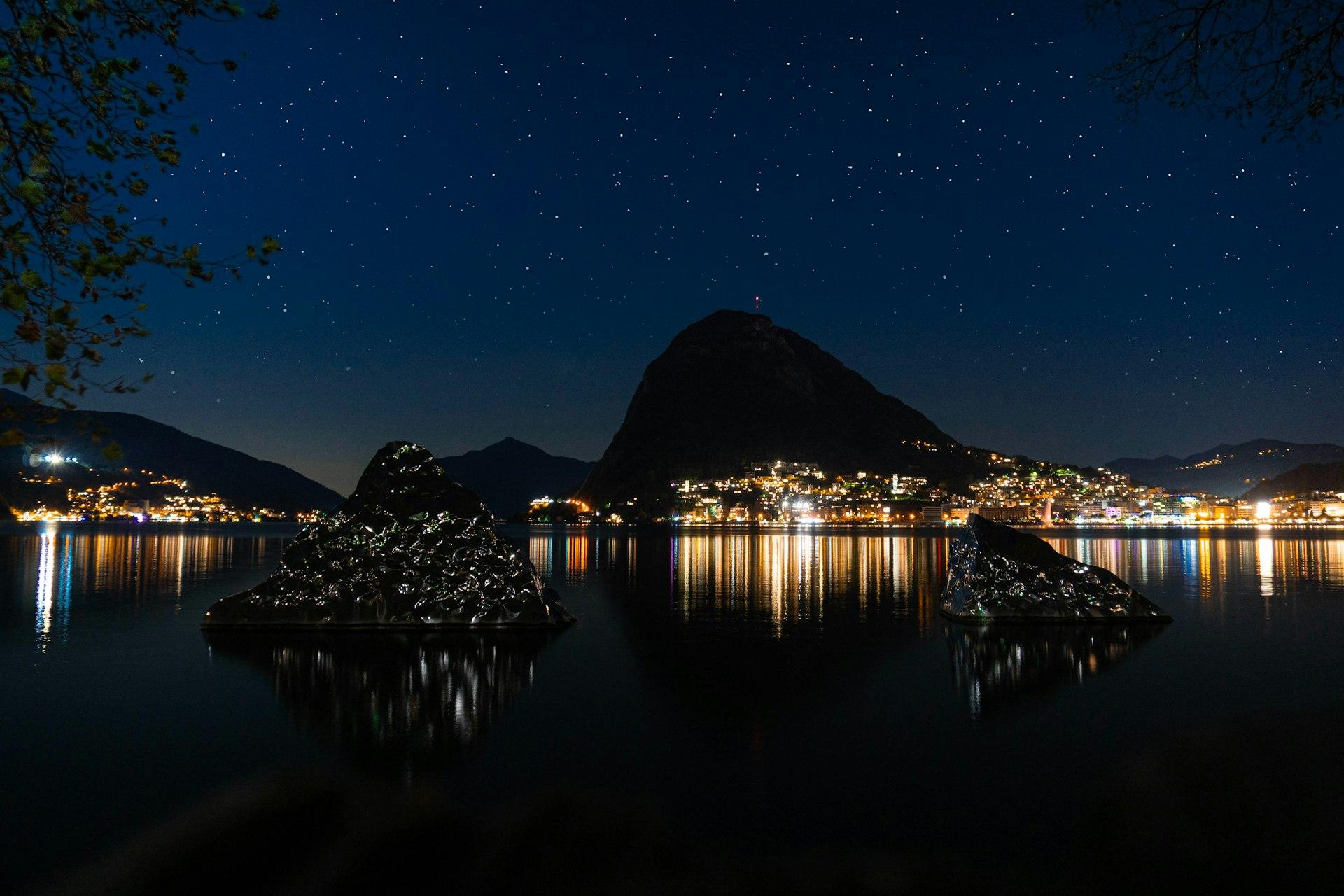
Lugano hotels
Switzerland · 5 hotels
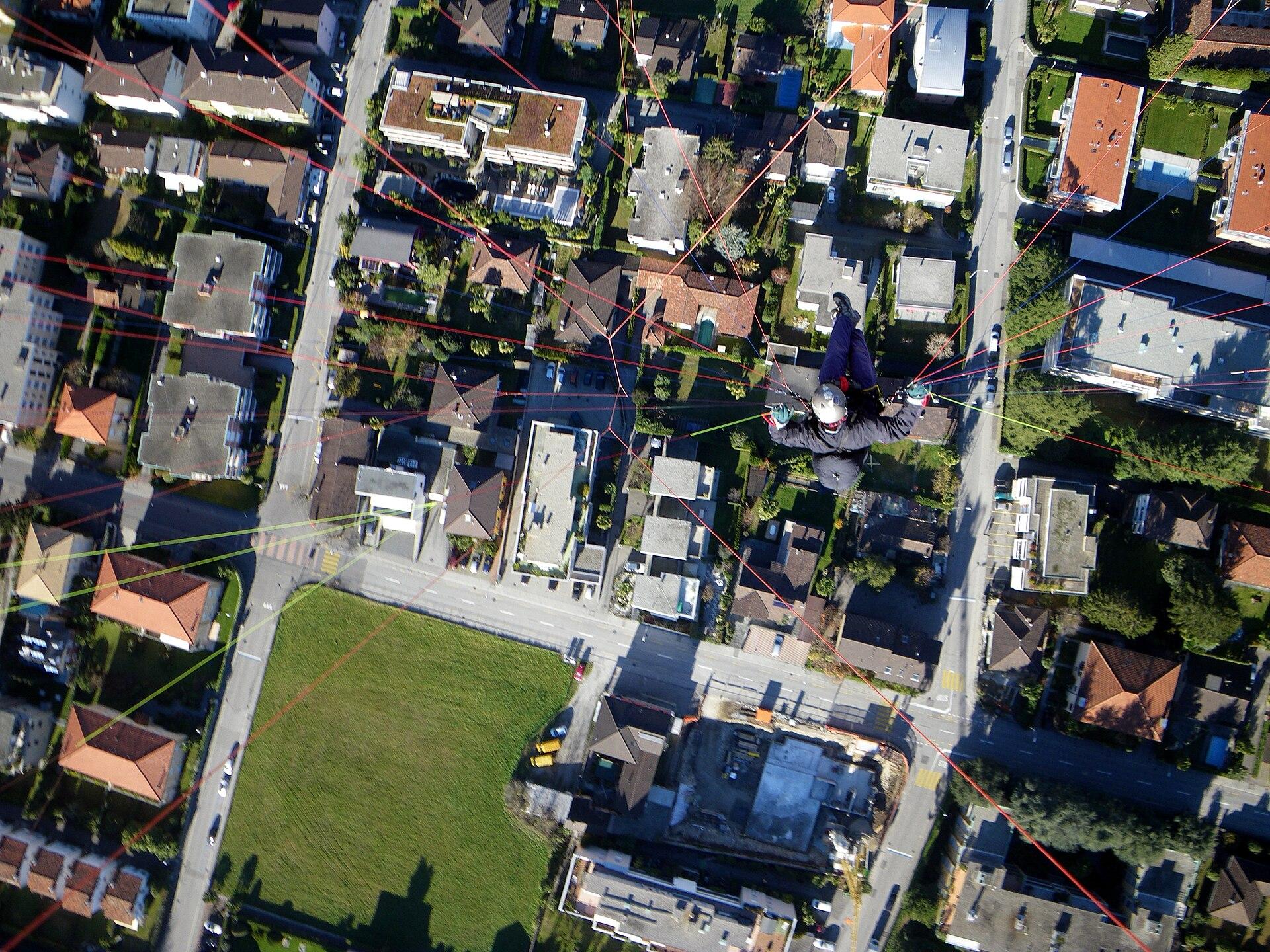
Ascona hotels
Switzerland · 4 hotels

Rothenburg hotels
Switzerland · 3 hotels
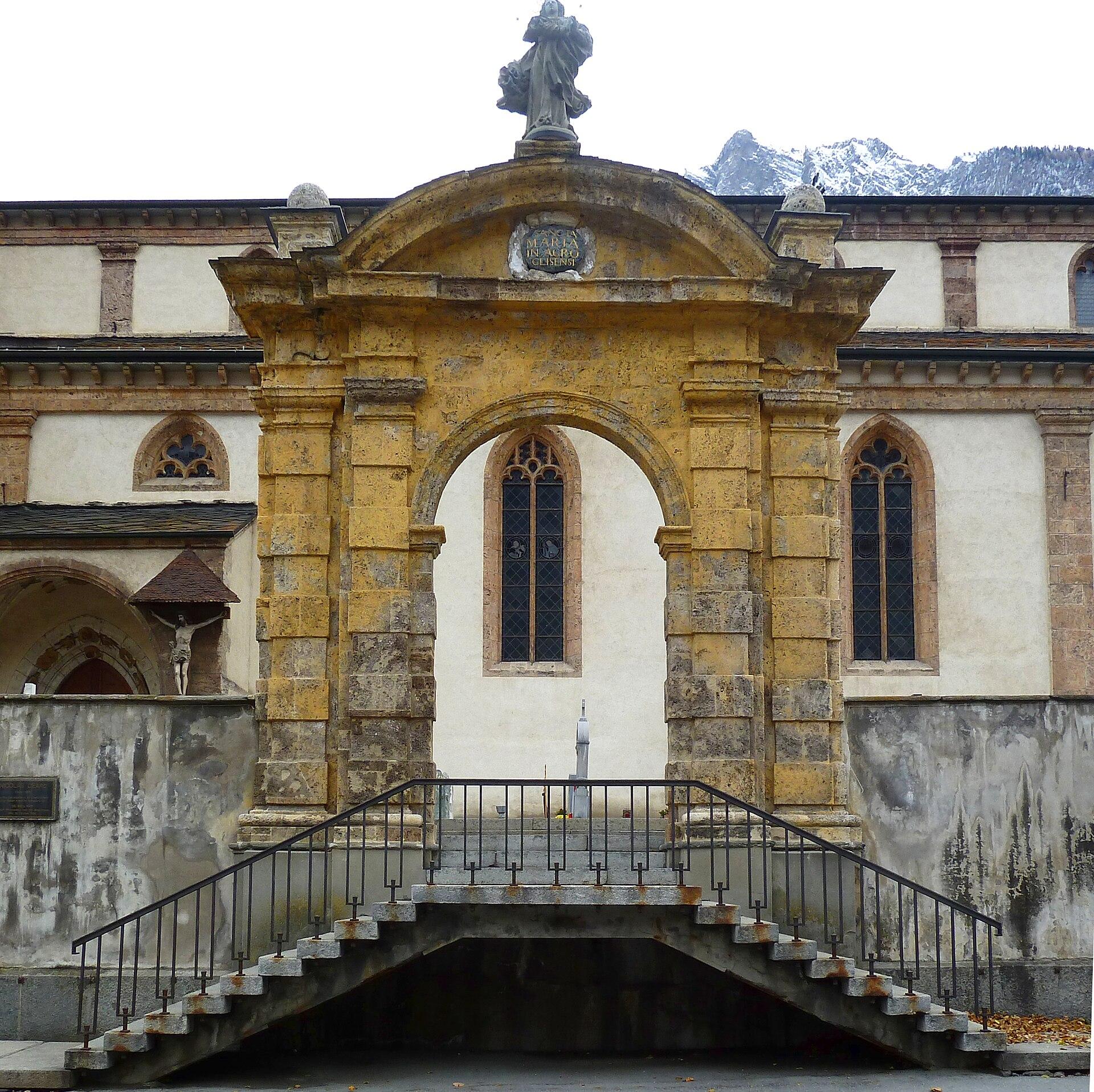
Viganello hotels
Switzerland · 3 hotels
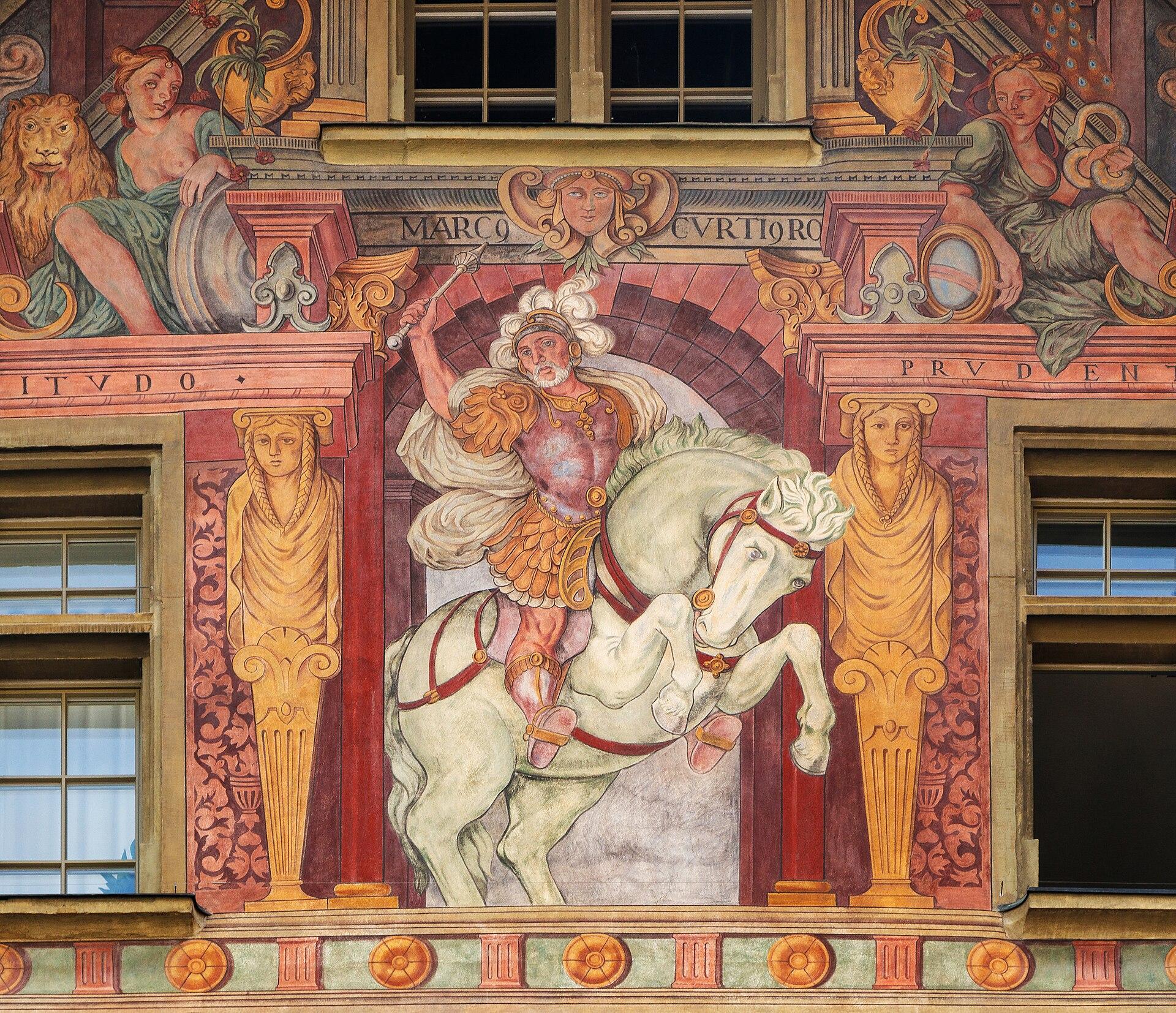
Schaffhausen hotels
Switzerland · 3 hotels
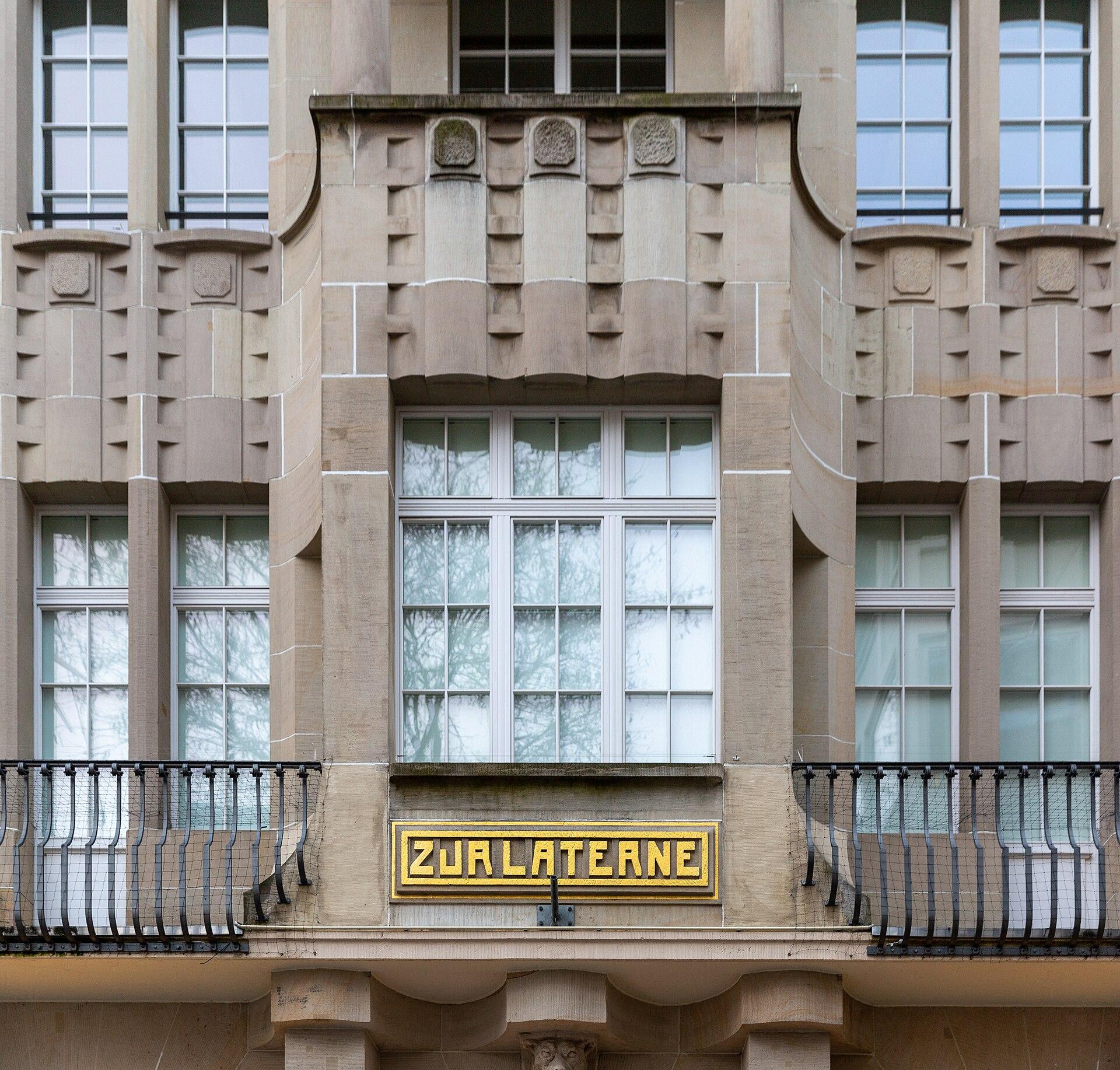
St. Gallen hotels
Switzerland · 3 hotels
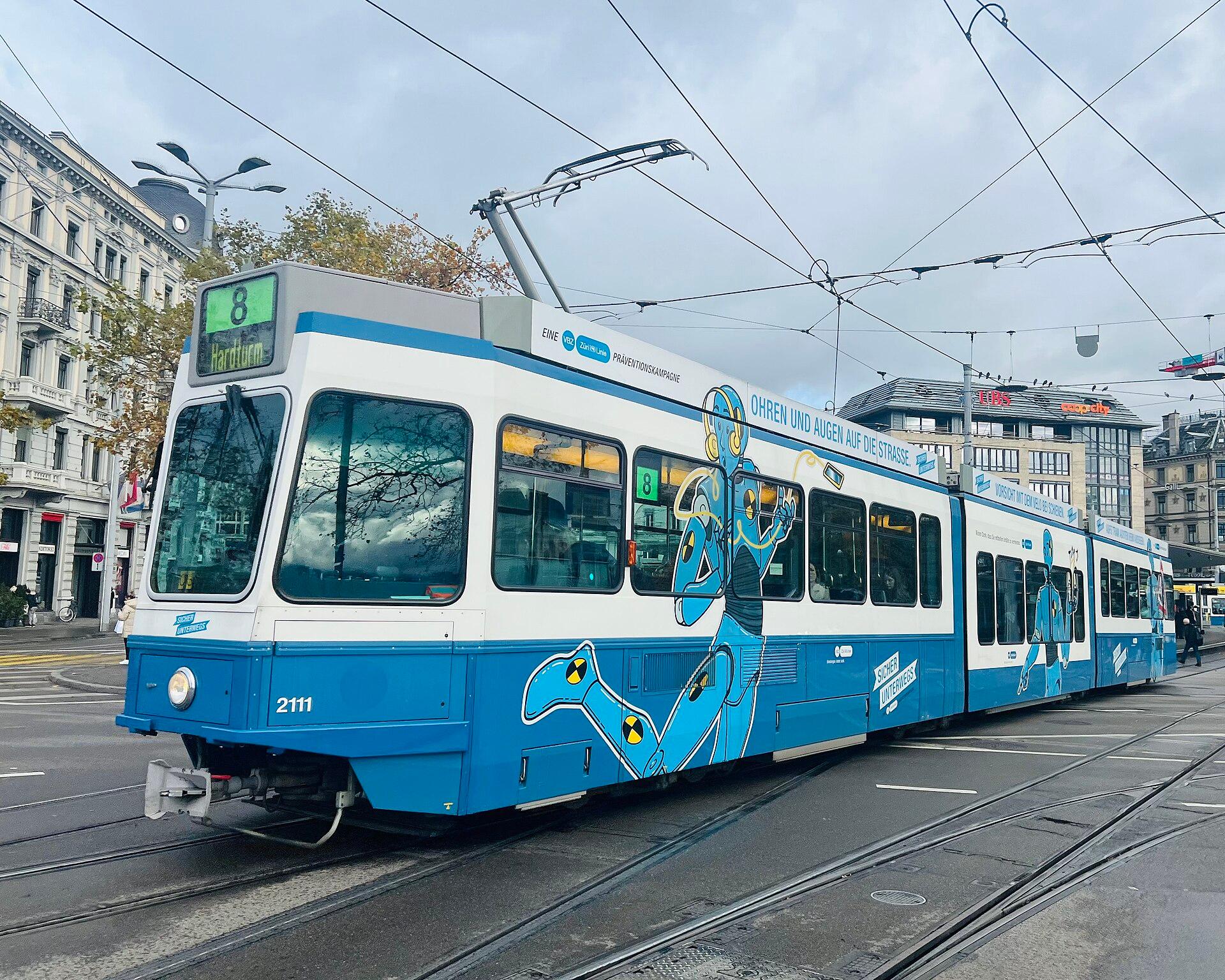
Zürich hotels
Switzerland · 2 hotels
Interlaken hotels
Switzerland · 1 hotels
Grindelwald hotels
Switzerland · 1 hotels