Hotels in Tunisia
4 cities · 20 hotels
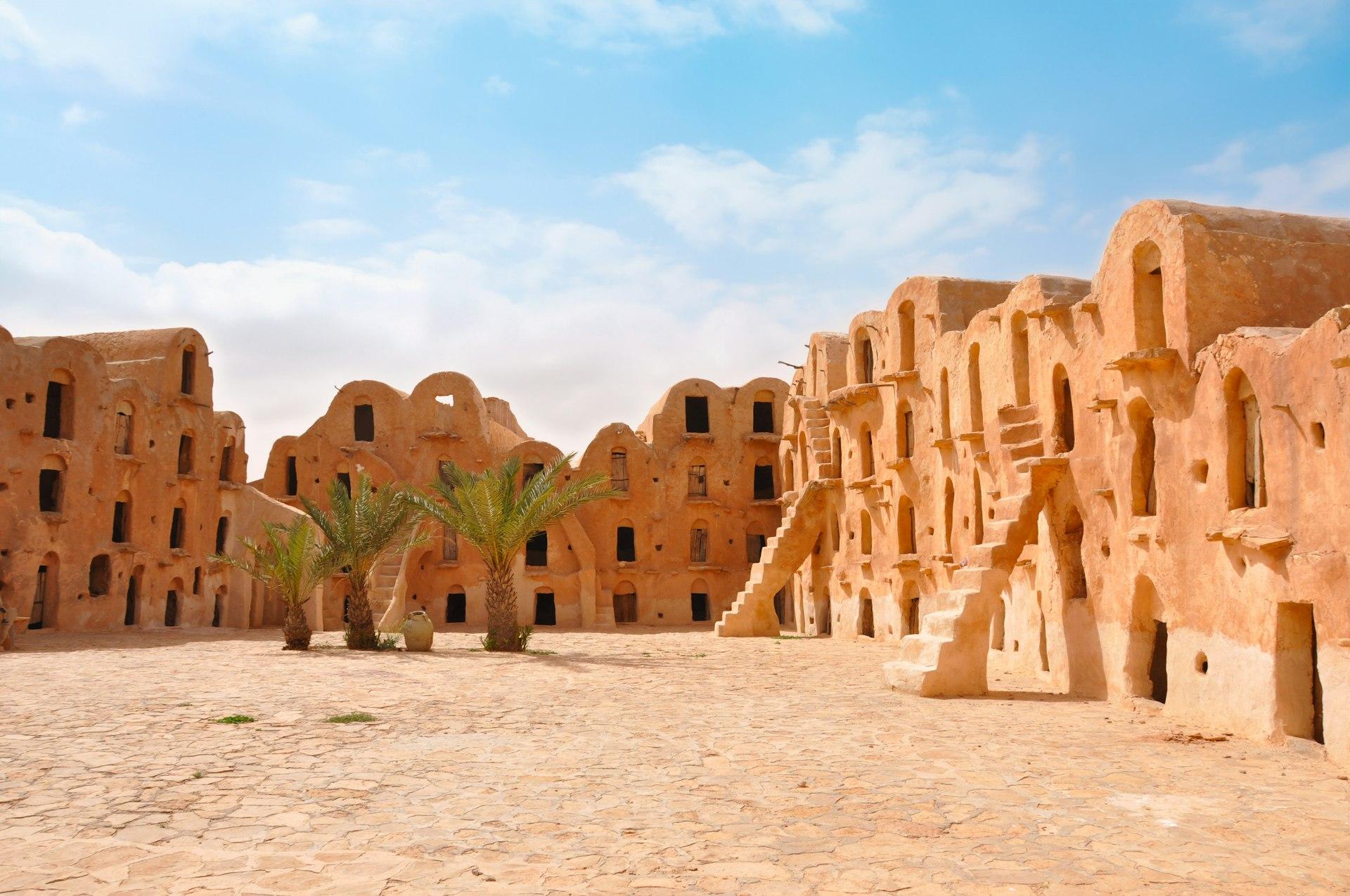
Photo by Francesca Noemi Marconi on Unsplash
Tunisia: North Africa's Mediterranean Crossroads
Tunisia sits at the northeastern tip of Africa, separated from Sicily by just 140 km of the Strait of Sicily. The country spans roughly 163,610 km², stretching from the olive-covered hills of the Tell in the north to the Grand Erg Oriental sand dunes near the Algerian border. That geographical range — Mediterranean coast, steppe plateau, salt lakes, and true Sahara — means travelers can move between beach resorts and desert camps within a single day by road.
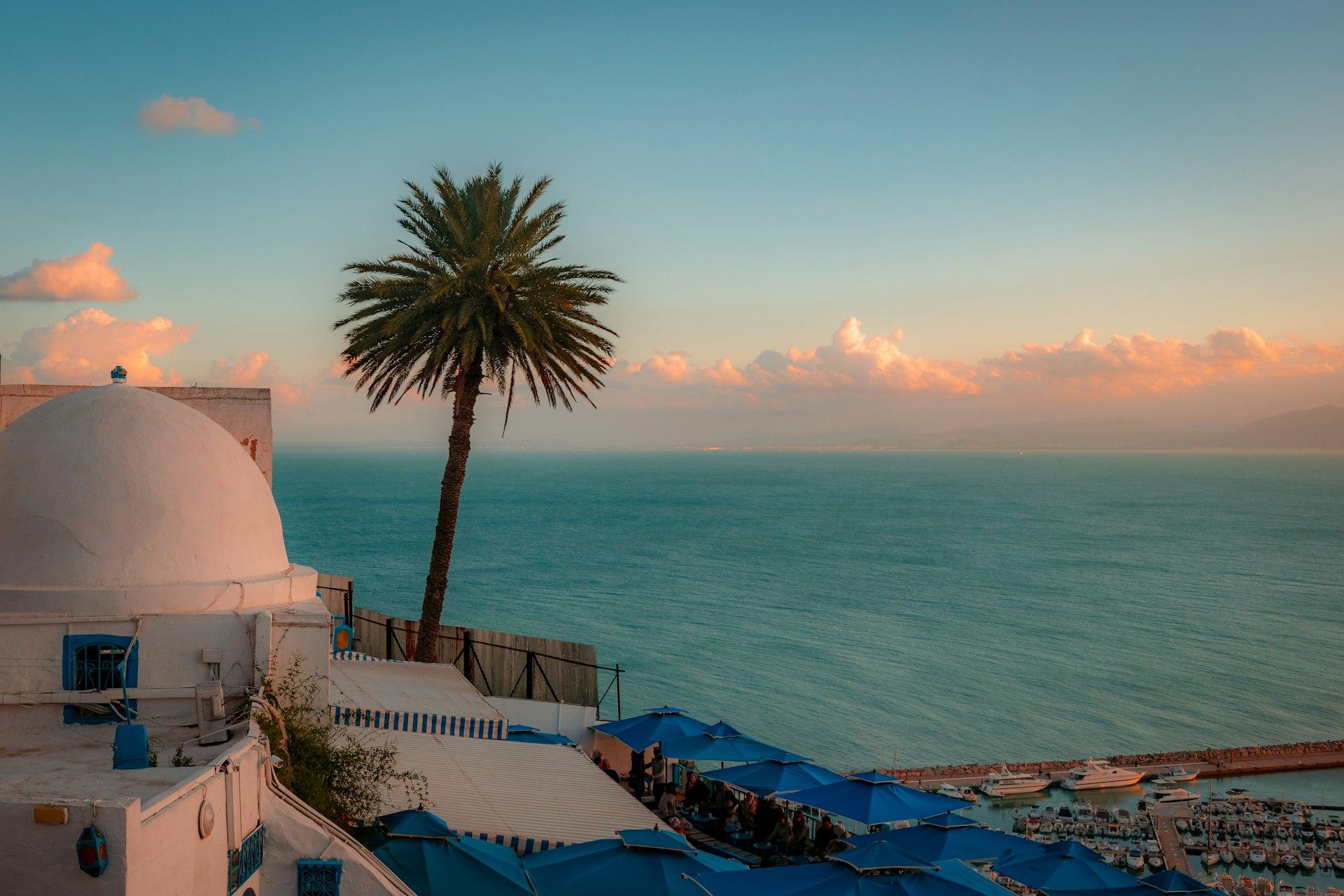
The capital, Tunis, anchors the northeast. Its Medina, a UNESCO World Heritage Site since 1979, covers approximately 270 hectares and contains the Zitouna Mosque (founded 732 CE), the main souks for perfume, cloth, and metalwork, and dozens of 13th–17th-century merchant palaces. Twelve kilometres north, the suburb of Carthage preserves Punic and Roman ruins including the Antonine Baths — the third-largest Roman baths ever built. A short tramway ride further brings visitors to Sidi Bou Said, the clifftop town of cobalt shutters and whitewashed walls that overlooks the Gulf of Tunis.
Cities Worth Exploring
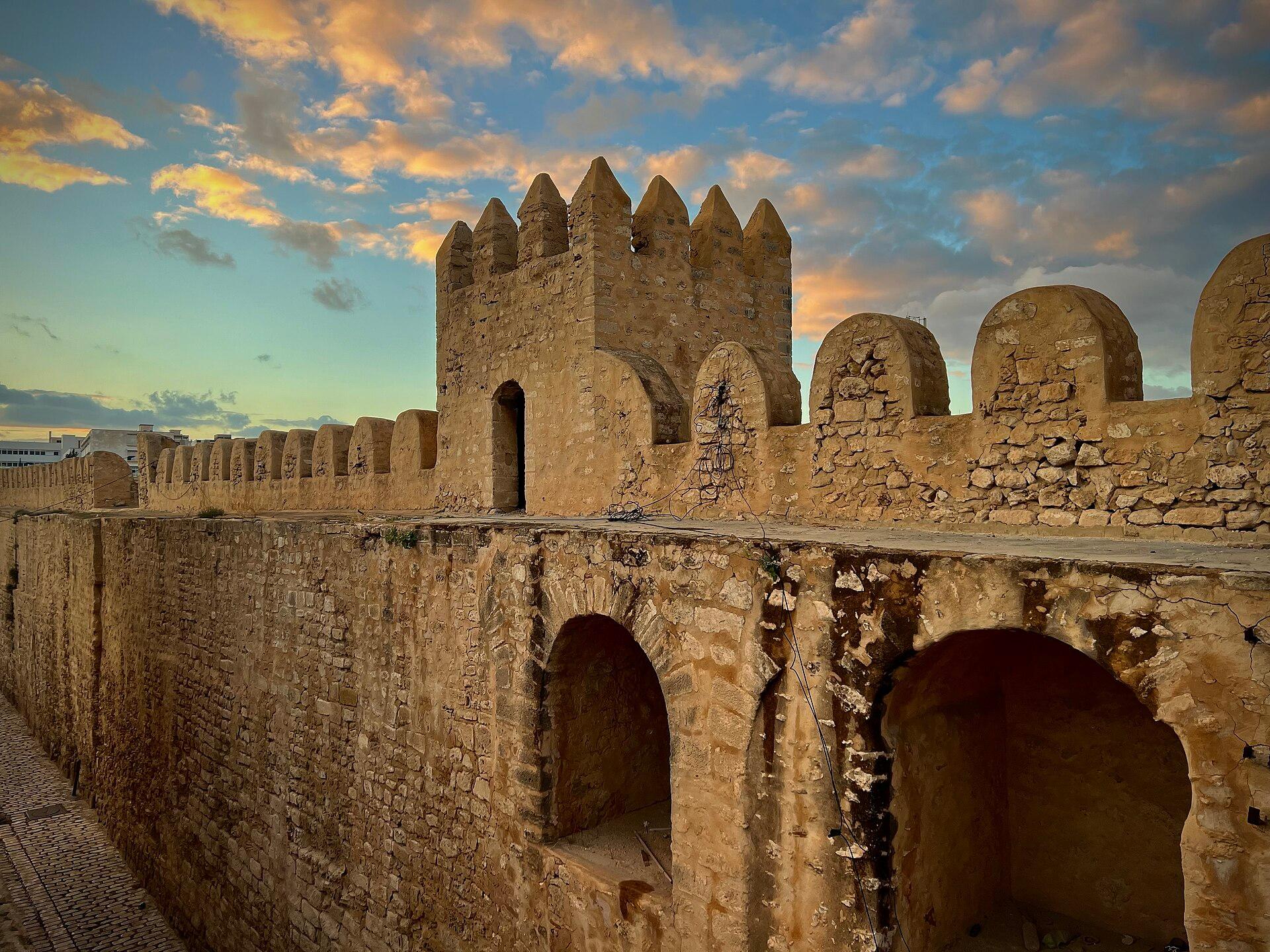
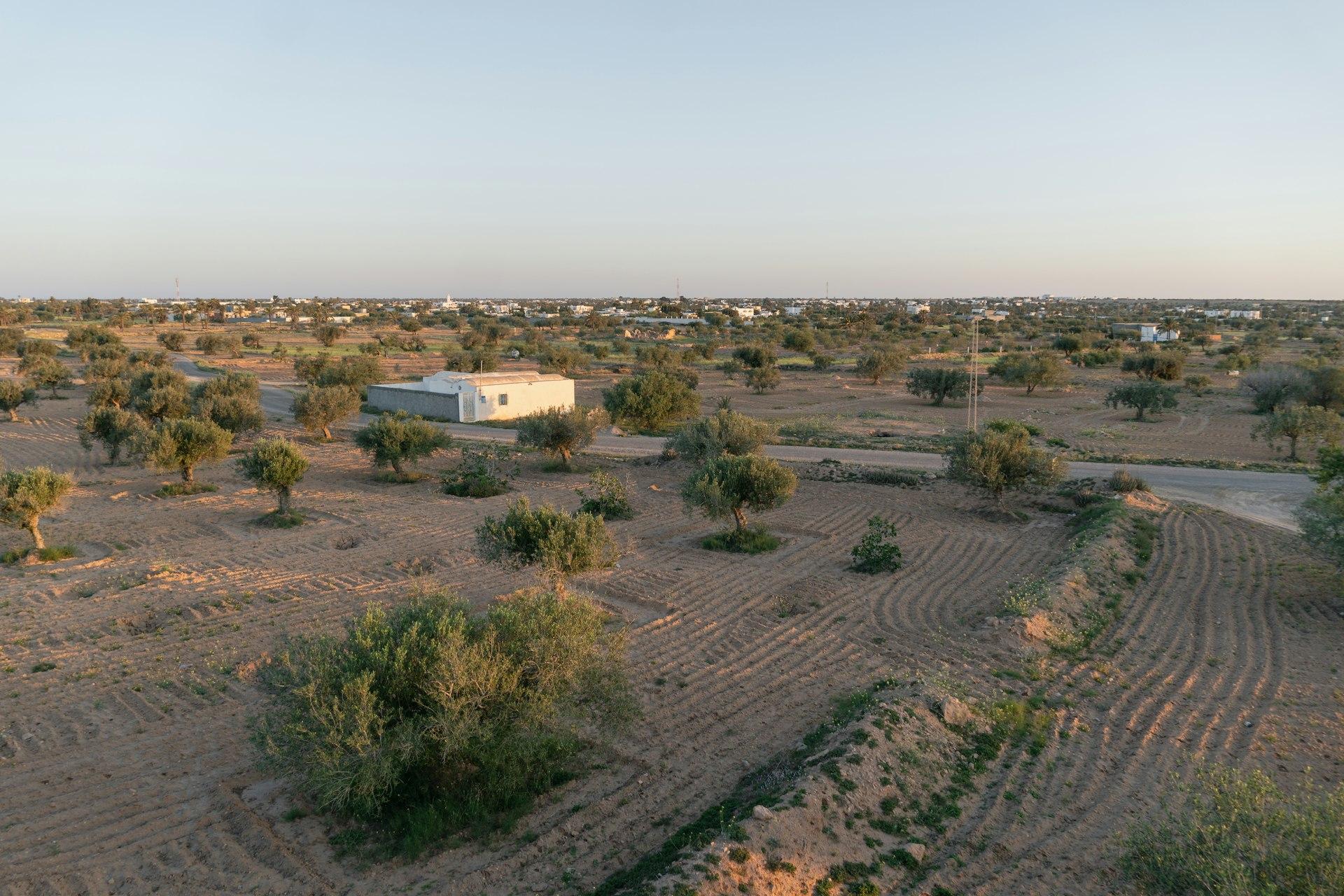
Sousse, 140 km south of Tunis along the Gulf of Hammamet, holds its own UNESCO medina and the Ribat of Sousse (dating to 821 CE), one of the oldest surviving Islamic fortresses in North Africa. Monastir, 20 km further south, contains the Mausoleum of Habib Bourguiba, Tunisia's first post-independence president. On the southern coast, the island of Djerba — connected to the mainland by a Roman causeway — hosts the El-Ghriba Synagogue, one of the oldest in the world, and a slow-paced medina centered on Houmt Souk.
Sahara Gateway: Tozeur and the Chott El-Jerid
The oasis town of Tozeur, roughly 440 km southwest of Tunis, serves as the main departure point for Saharan excursions. The surrounding Chott El-Jerid salt lake spans nearly 5,000 km² and appears bone-white in the dry season. Several Star Wars exterior scenes were filmed near Tozeur and the adjacent villages of Nefta and Douz during the 1970s productions. Desert camps in the Ksar Ghilane oasis, accessible via a 2–3 hour 4×4 track from Douz, offer overnight stays among dunes that reach 15–20 metres.
Practical Tips for Visiting Tunisia
- Currency: Tunisian Dinar (TND); credit cards accepted at hotels in Tunis and coastal resorts, but carry cash in medinas and desert towns.
- Language: Arabic is official; French is widely used in hotels, menus, and signage.
- When to visit: Spring (March–May) and autumn (September–November) offer mild temperatures of 18–25 °C on the coast; summer peaks above 40 °C in the south.
- Getting around: Trains connect Tunis, Sousse, Sfax, and Monastir; shared louages (long-distance taxis) cover most other routes efficiently.
- Dress codes: Pack a lightweight scarf for medina visits and mosque entrances; shorts are acceptable at beach resorts.
- Health: Tap water is treated but many travelers prefer bottled water outside major hotels.
Frequently Asked Questions
Q: What is the best area to stay in Tunis? A: The Medina and adjacent Lafayette district place visitors within walking distance of the main souks and the Bardo National Museum. The northern suburb of La Marsa offers quieter seafront accommodation about 20 km from the city centre.
Q: Is Tunisia a year-round destination? A: Coastal areas like Hammamet and Djerba attract travelers from April through October. The Sahara south is more comfortable October through March, when daytime temperatures stay below 30 °C.
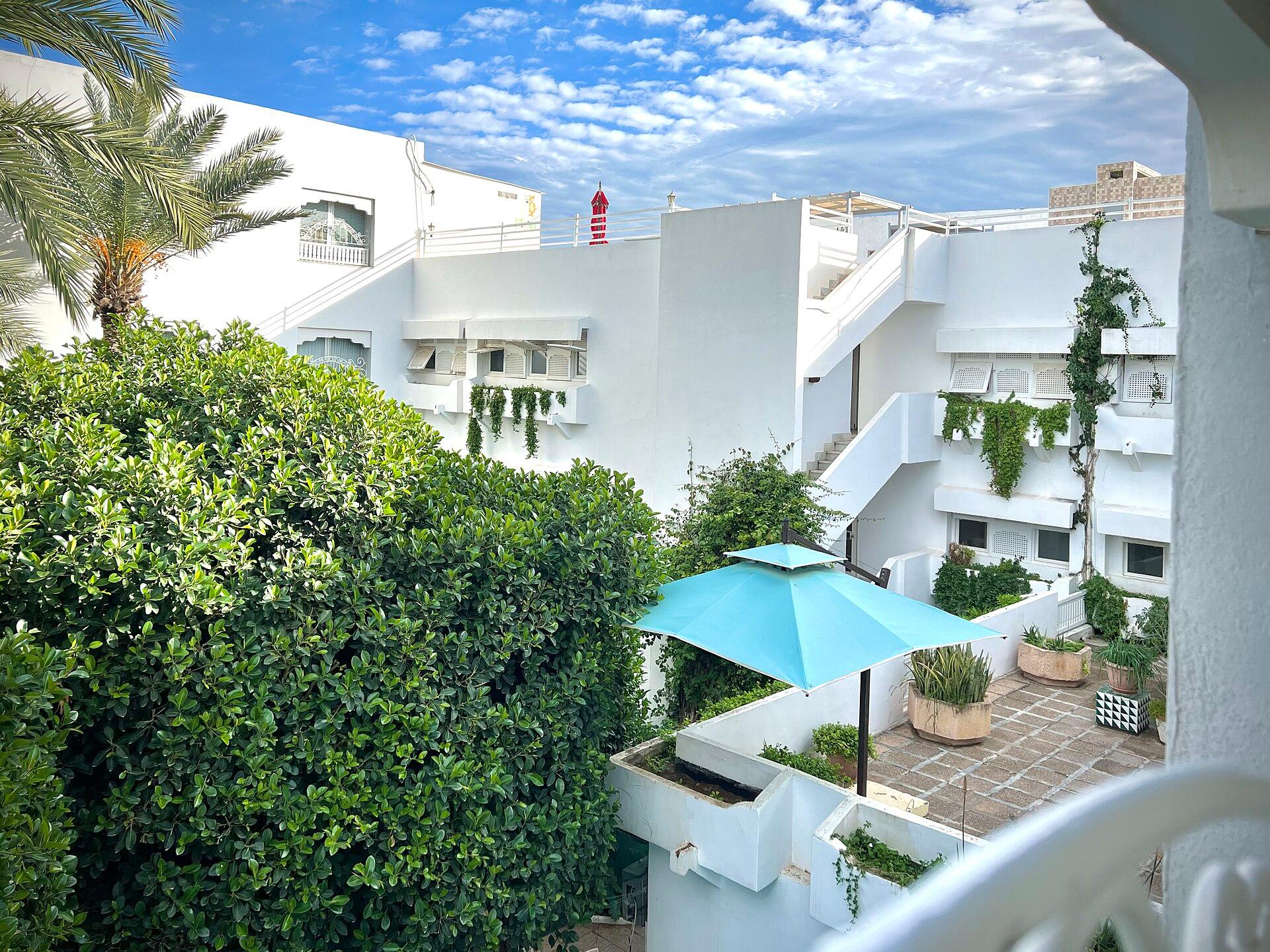
Q: Do Tunisian hotels suit budget travelers? A: Yes. Medina guesthouses (riads) in Tunis start around USD 30–50 per night, while 4-star beach resorts in Sousse average USD 80–120 on a half-board basis.
Q: Are visas required for Tunisia? A: Citizens of the EU, UK, USA, and around 60 other countries receive a free 90-day visa-on-arrival stamp at Tunis-Carthage International Airport. Always verify current requirements before travel.
Q: What currency should travelers carry? A: Tunisian Dinars are non-convertible outside Tunisia; exchange money on arrival at the airport or at licensed bureau de change offices in city centres.