
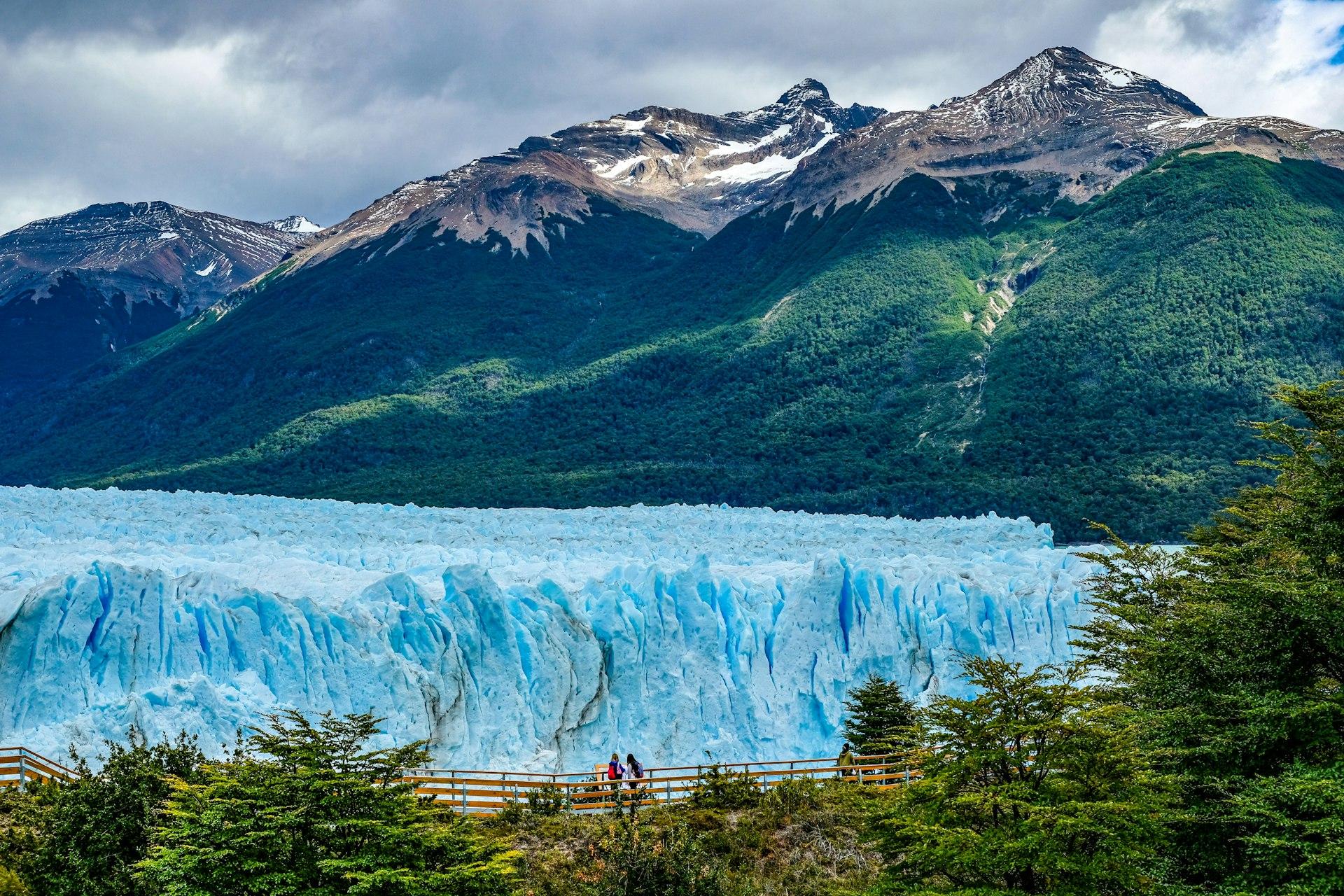
Hotels in Argentina
14 cities · 253 hotels
Photo by Hans-Jürgen Weinhardt on Unsplash
Argentina: Patagonia, Pampas, and the Rio de la Plata
Argentina stretches 3,700 km from the subtropical north to the sub-Antarctic tip of Tierra del Fuego, making it the eighth-largest country on Earth. The Andes run the full western border, peaking at Aconcagua (6,961 m), the tallest summit outside Asia. This geographic range means travelers can stand in a vineyard in Mendoza, cross a glacier in El Calafate, and watch wildlife in Peninsula Valdés — all within one itinerary.
Cities Worth Exploring
Buenos Aires, the capital on the Río de la Plata estuary, anchors Argentine tourism. The neighborhood of Palermo concentrates boutique hotels, restaurants, and weekend markets; San Telmo preserves 19th-century cobblestones and a Sunday antiques fair that fills the entire Plaza Dorrego. The country's second city, Córdoba, sits 700 km northwest and draws visitors to a UNESCO-listed Jesuit block and a university district with active nightlife along Calle Rondeau. Rosario, on the Paraná River, claims the birthplace of Ernesto Che Guevara and a 2.5 km riverside park called Parque de España.
Regional Highlights
The Lake District around Bariloche in northern Patagonia offers ski runs on Cerro Catedral (1,995 m vertical drop) between June and October, and trekking through Nahuel Huapi National Park in summer. Iguazú Falls, on the border with Brazil, spans 2.7 km and includes 275 individual cascades — the widest waterfall system in the world. Salta in the northwest anchors the Andean cultural corridor known as the Quebrada de Humahuaca, a UNESCO World Heritage landscape of polychrome rock formations. Wine travelers gravitate to Mendoza Province, which produces roughly 70% of Argentine wine; Malbec from the Luján de Cuyo sub-region is the country's signature varietal.
When to Visit Argentina
Argentina's climate varies sharply by latitude. Buenos Aires is most comfortable March–May and September–November, with temperatures between 14–24 °C. Patagonia (El Calafate, Torres del Paine border crossings) runs peak trekking season November–February when daylight extends past 9 pm. Bariloche ski season runs mid-June to mid-October. The Iguazú region is accessible year-round; rainfall peaks November–March, swelling the falls but increasing humidity.
Practical Tips for Visiting Argentina
- Currency: The Argentine peso fluctuates significantly; travelers should verify official exchange rates on arrival and use bank ATMs linked to local accounts where possible.
- Getting around: Long-distance buses (cama class) cover routes like Buenos Aires–Córdoba (9 hours) and Buenos Aires–Mendoza (14 hours) with flat-bed seats at reasonable fares; domestic flights save time on Patagonia routes.
- Accommodation: Hotel categories range from estancias (working cattle ranches repurposed as guesthouses) to 5-star urban properties in Puerto Madero, Buenos Aires.
- Tipping: 10% is conventional in restaurants; taxis do not expect tips but rounding up is common.
- Entry: Most nationalities enter visa-free for up to 90 days; confirm current reciprocity fees before travel.
Frequently Asked Questions
Q: What is the currency in Argentina? A: The official currency is the Argentine peso (ARS). Exchange rates can shift considerably; travelers should check current rates through official channels before and after arrival.
Q: Is Argentina safe for travelers? A: Urban areas like Buenos Aires require standard big-city caution — pickpocketing occurs in crowded markets and on public transport. Patagonian trekking areas have low crime but require preparation for remote conditions and weather changes.
Q: Which airport serves Buenos Aires? A: Most international flights land at Aeropuerto Internacional Ministro Pistarini (Ezeiza), 35 km south of the city center. Aeroparque Jorge Newbery, 2 km from Palermo, handles domestic and some regional routes.
Q: Do travelers need a visa for Argentina? A: Citizens of the EU, USA, Canada, UK, and most of Latin America enter visa-free for up to 90 days. A small number of nationalities require advance visas — checking with the nearest Argentine consulate before departure is advisable.
Q: What language is spoken in Argentina? A: Spanish is the official language. Argentine Spanish is distinctive, using voseo (the pronoun vos instead of tú) and an Italian-influenced intonation in Buenos Aires. English is spoken in major hotels and tourist areas.
Cities in Argentina
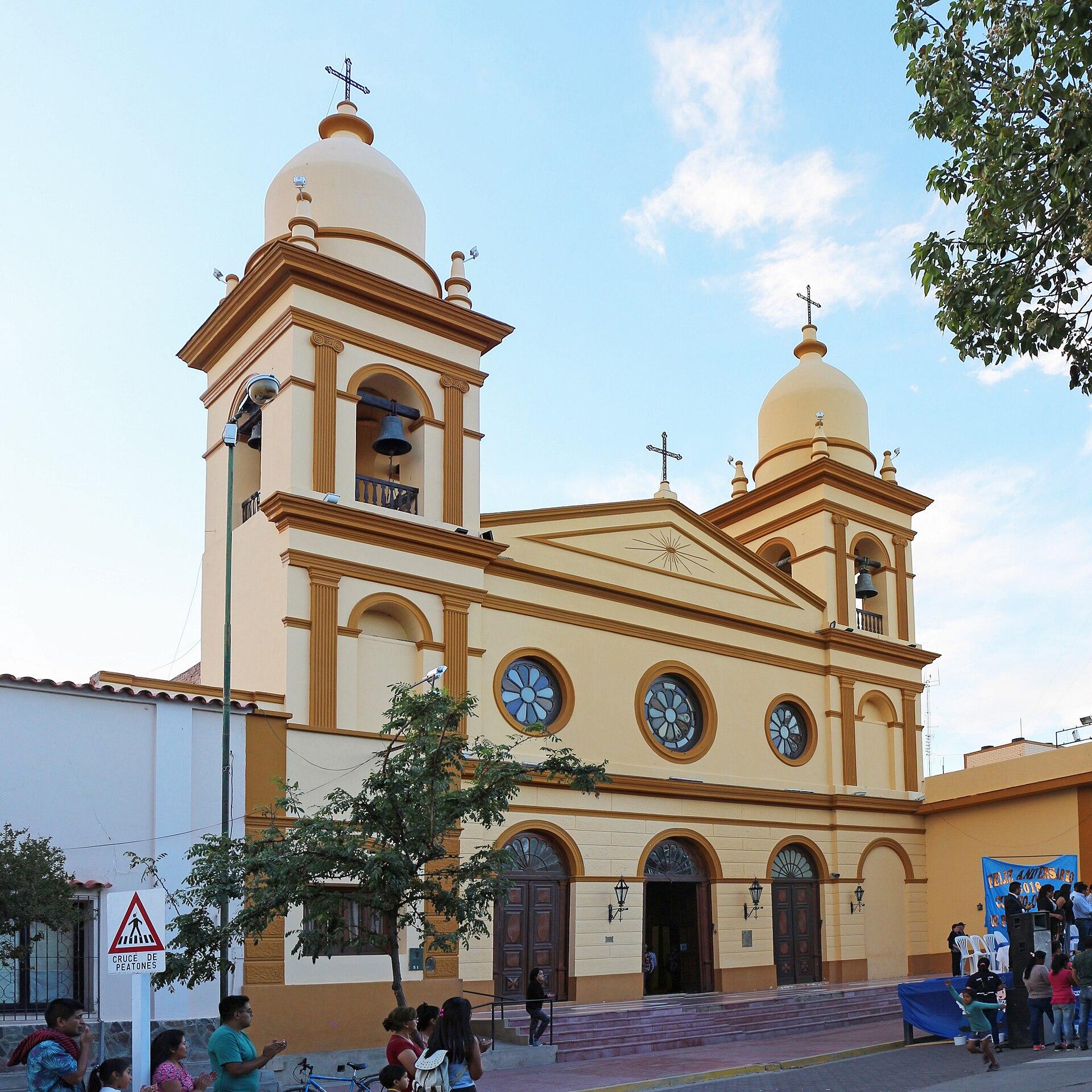
Cafayate hotels
Argentina · 47 hotels
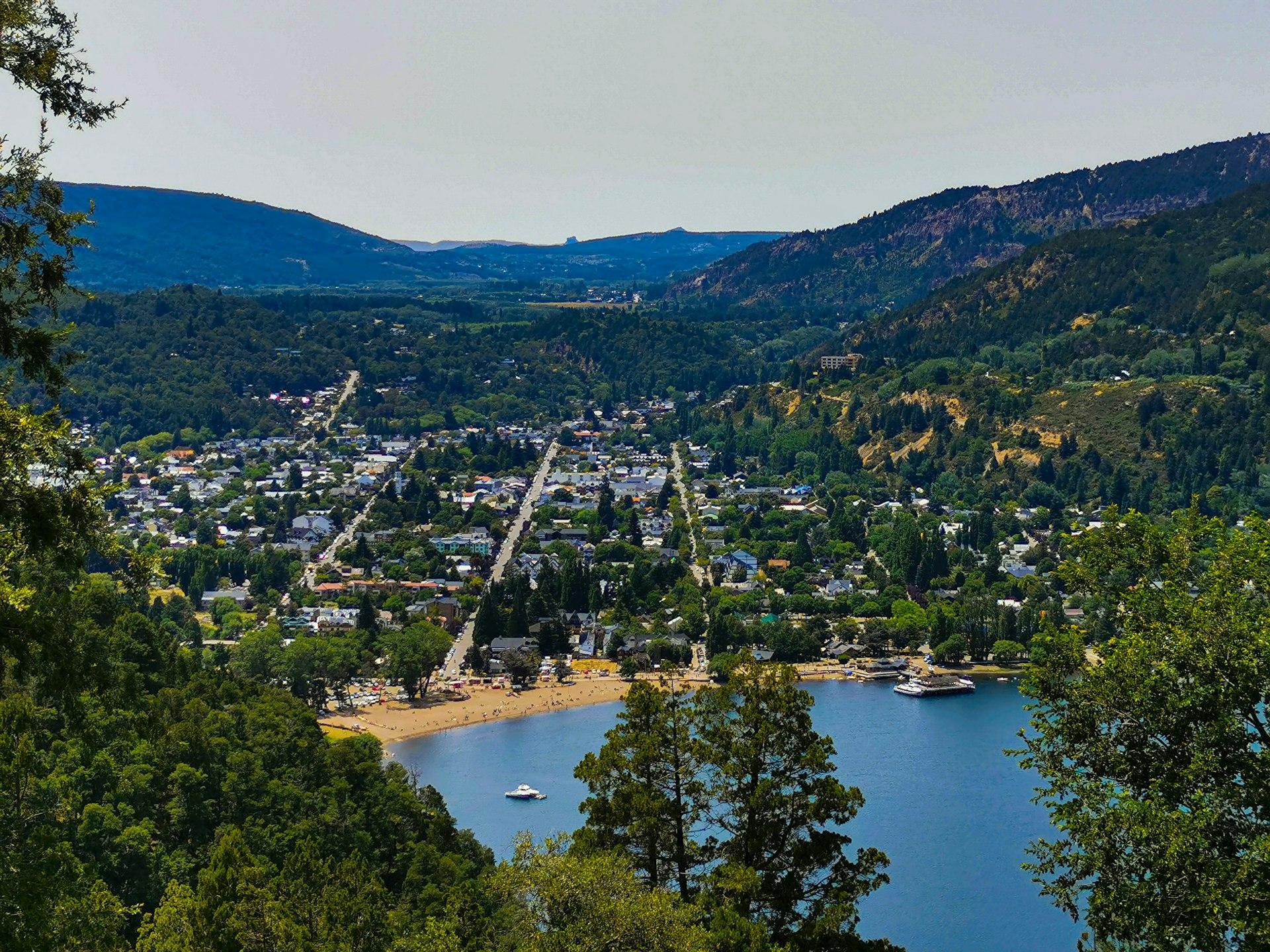
San Martín de los Andes hotels
Argentina · 35 hotels
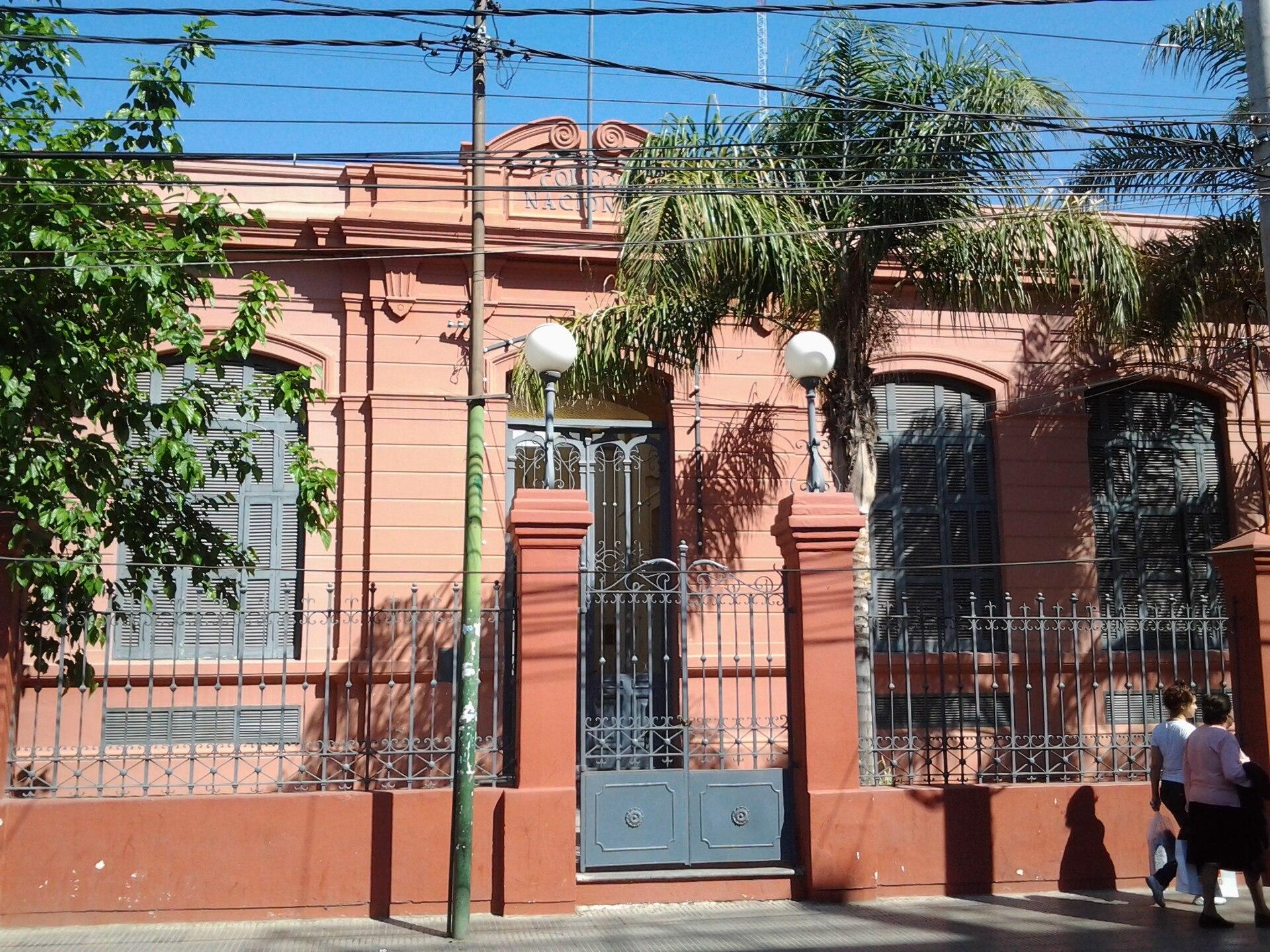
La Rioja hotels
Argentina · 31 hotels
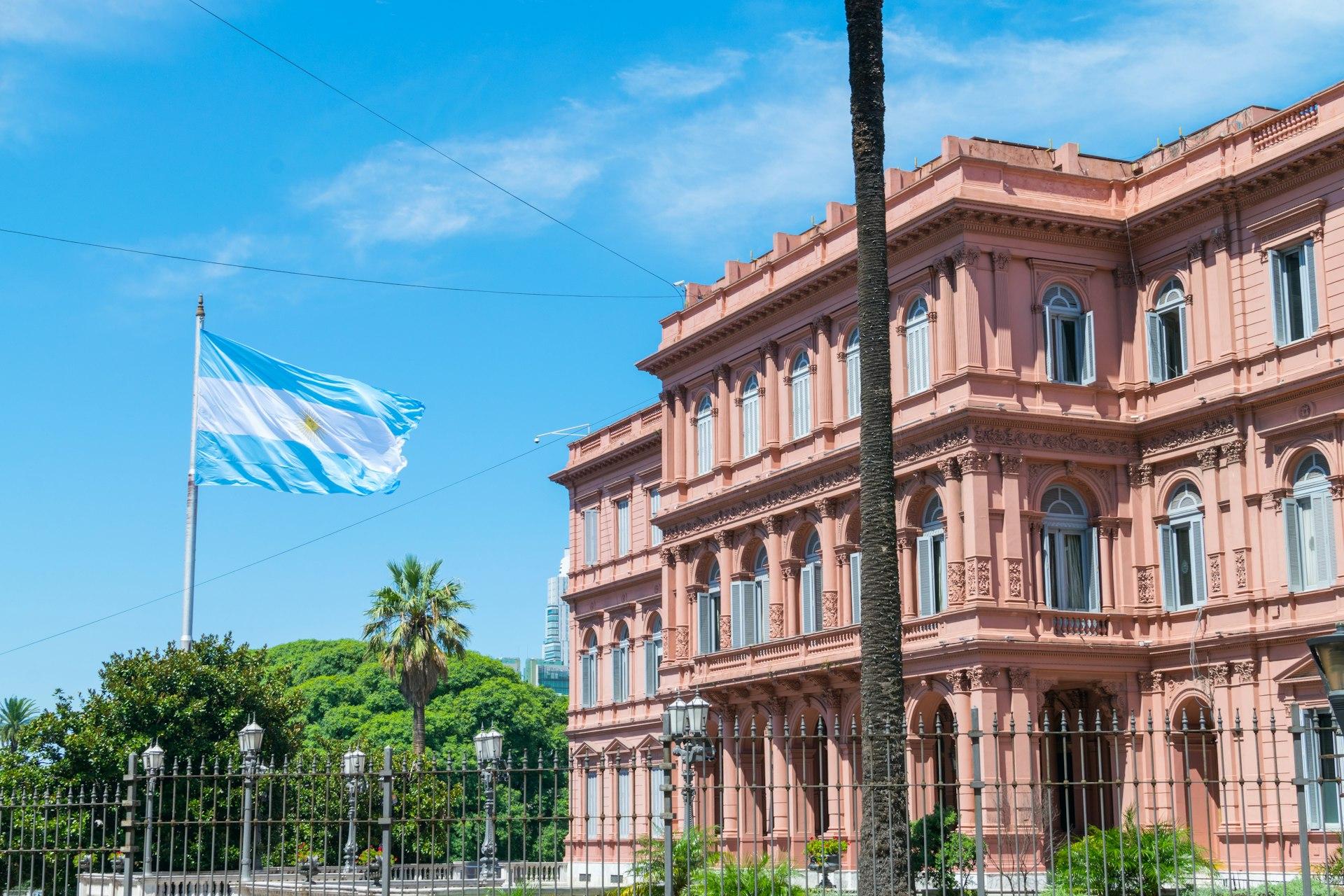
Buenos Aires hotels
Argentina · 26 hotels
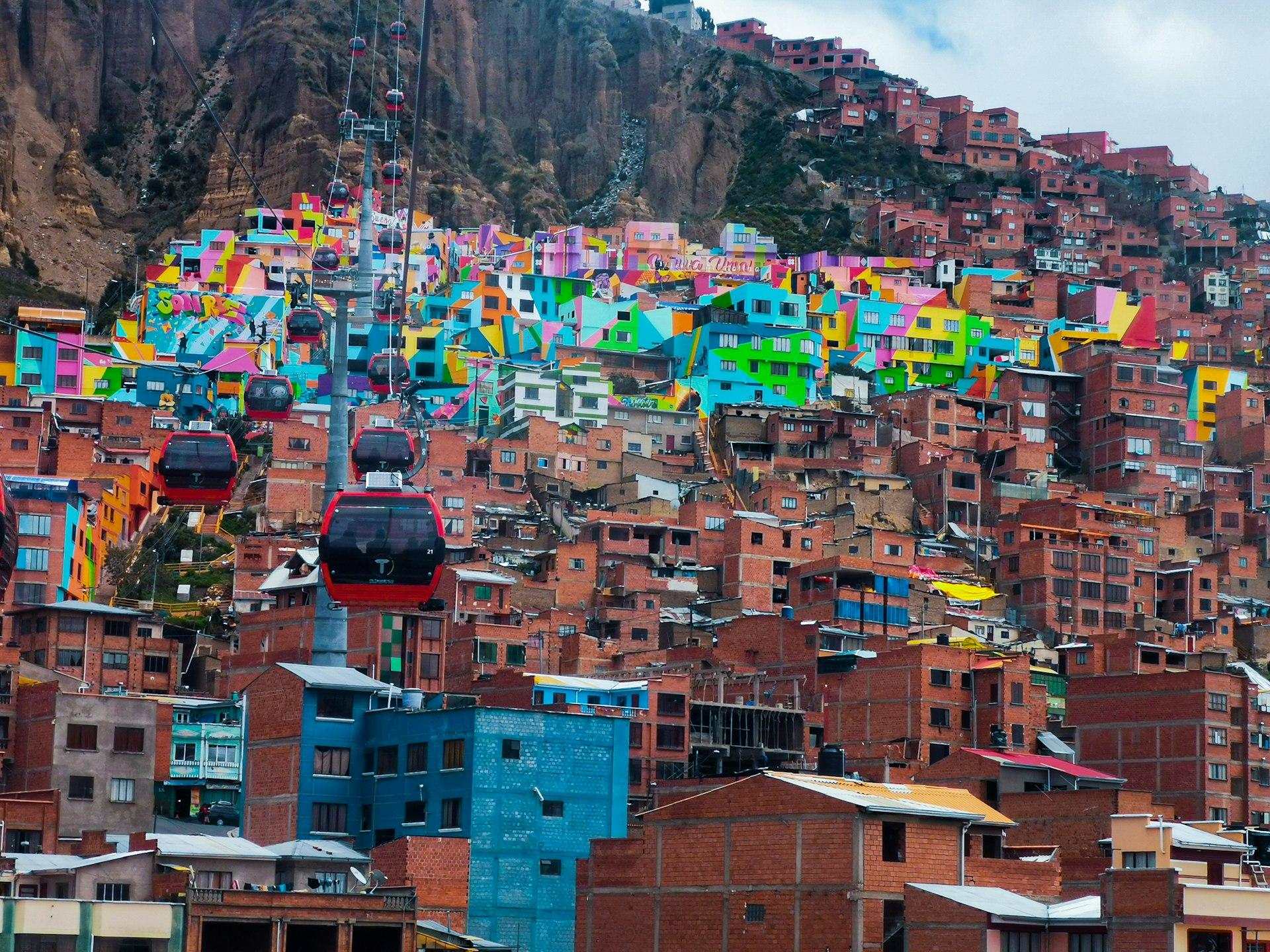
La Paz hotels
Argentina · 25 hotels
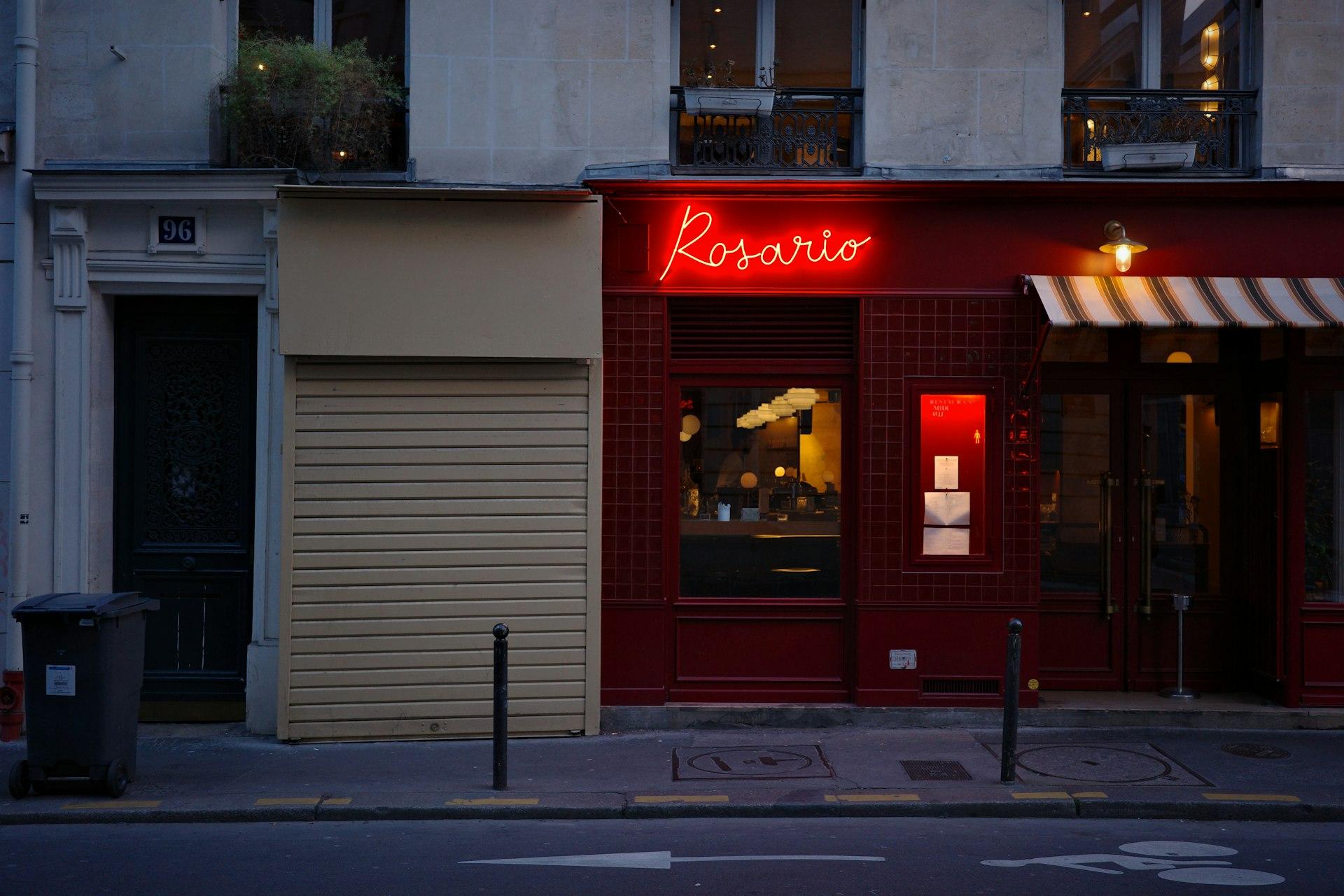
Rosario hotels
Argentina · 20 hotels
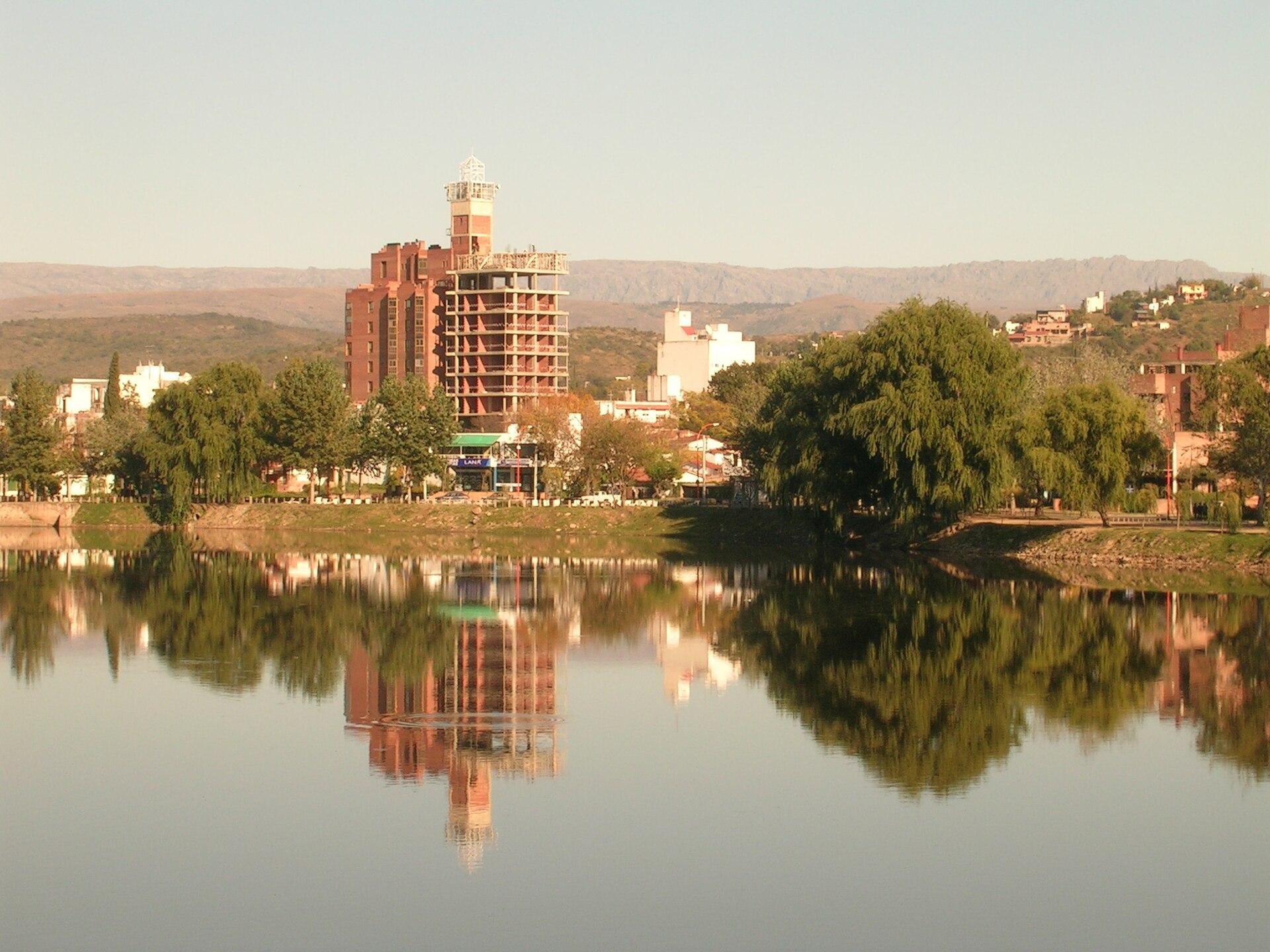
Villa Carlos Paz hotels
Argentina · 18 hotels
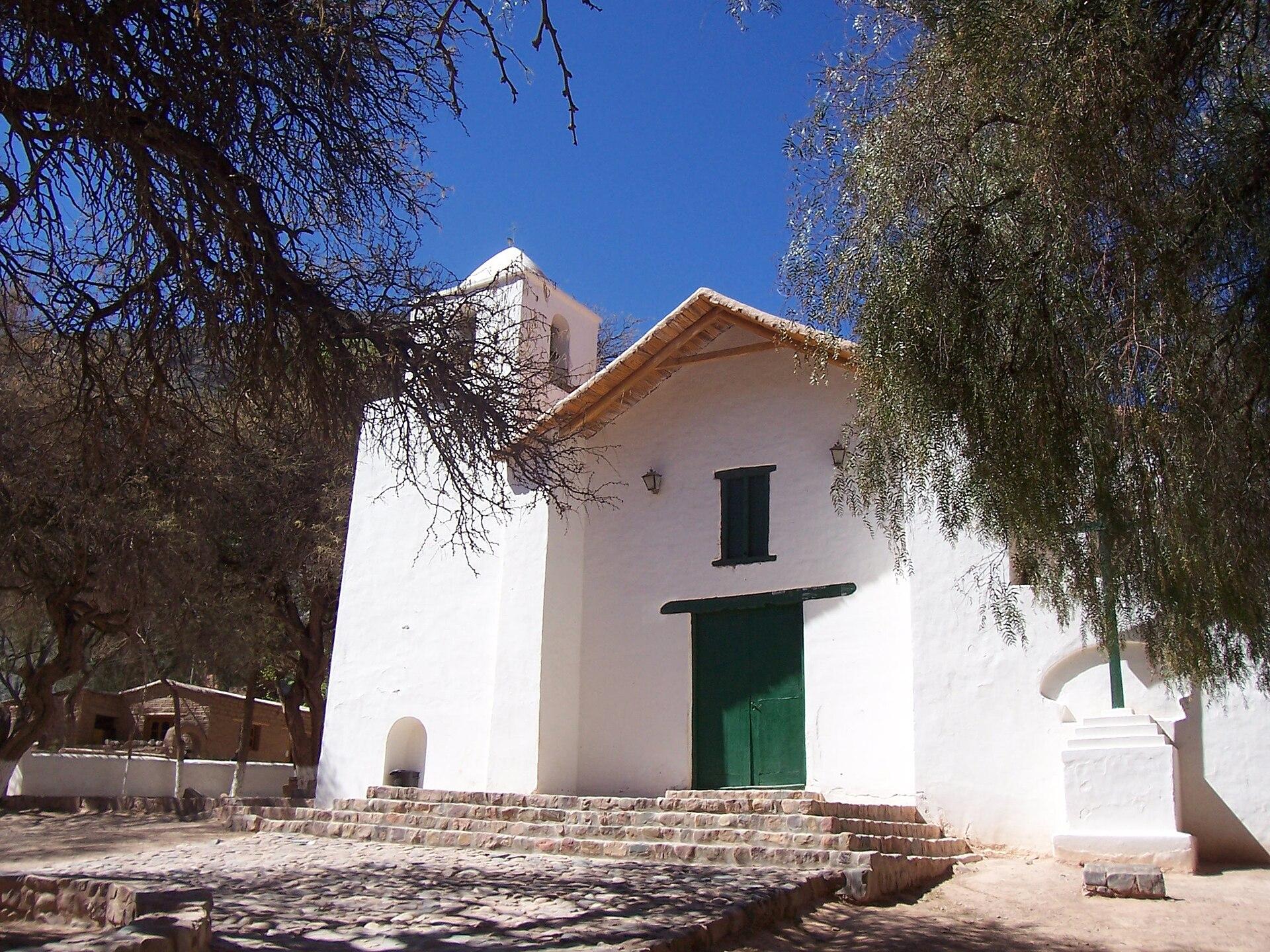
Purmamarca hotels
Argentina · 18 hotels
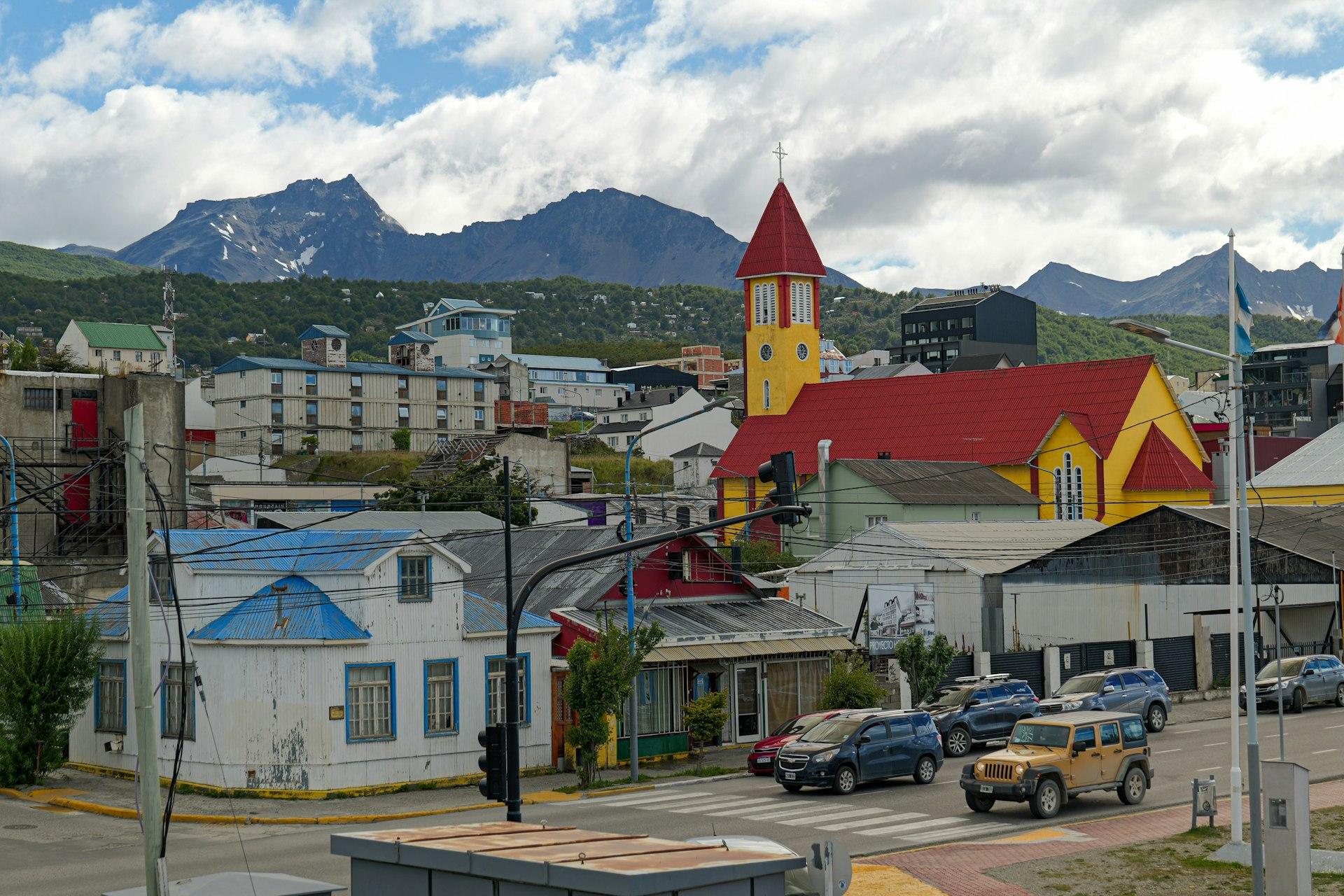
Ushuaia hotels
Argentina · 12 hotels
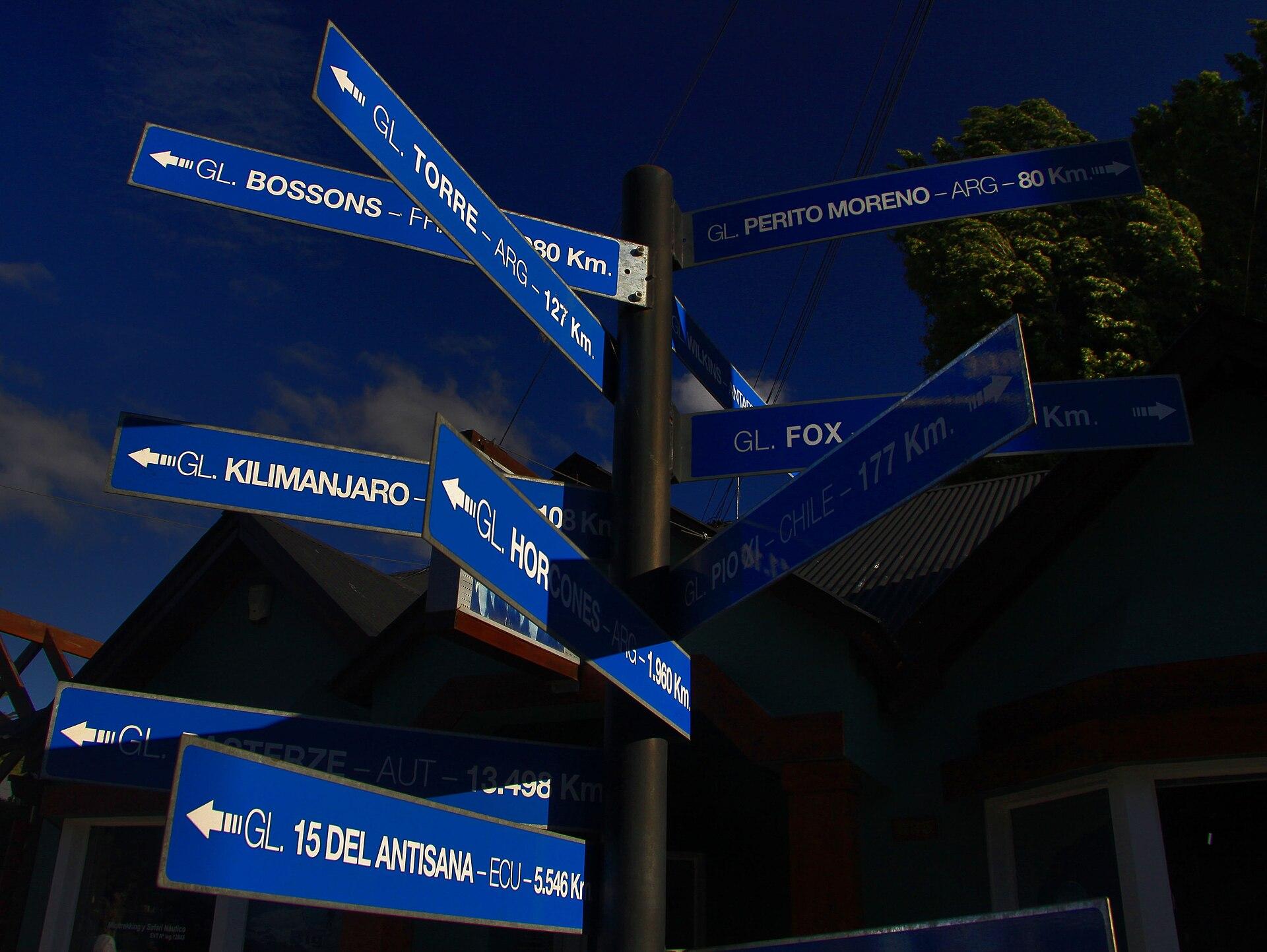
El Calafate hotels
Argentina · 8 hotels
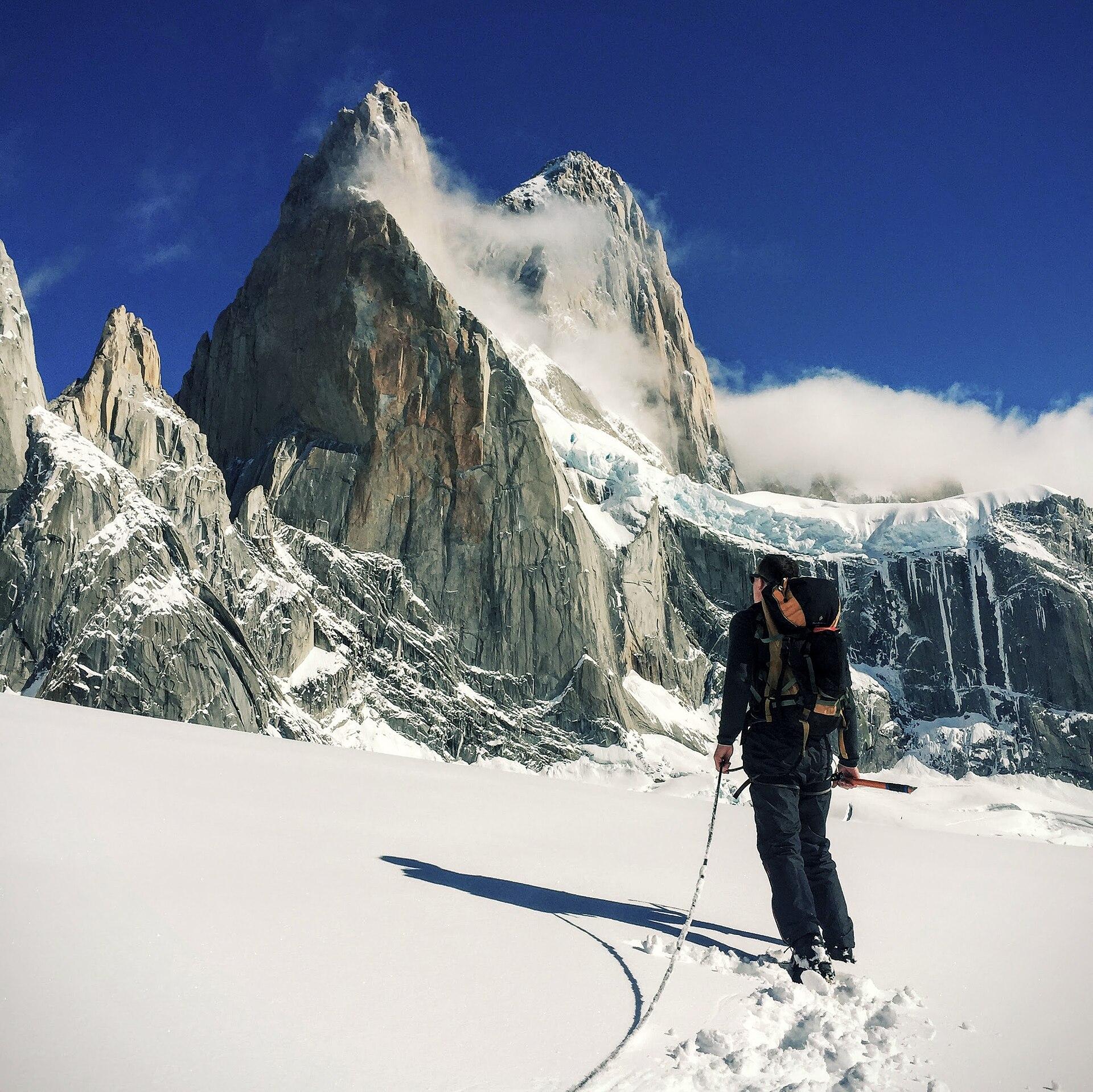
El Chalten hotels
Argentina · 8 hotels
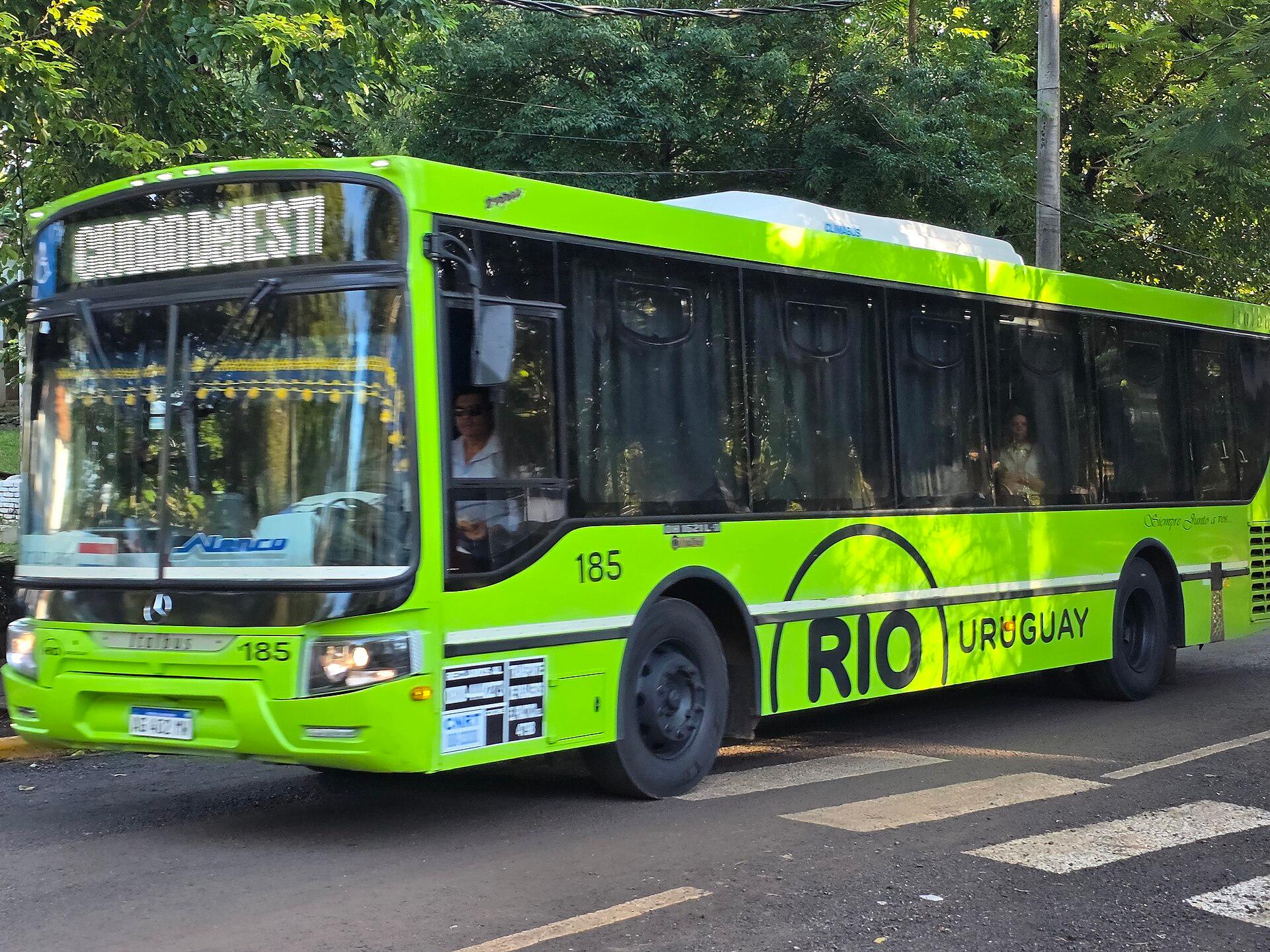
Puerto Iguazú hotels
Argentina · 4 hotels
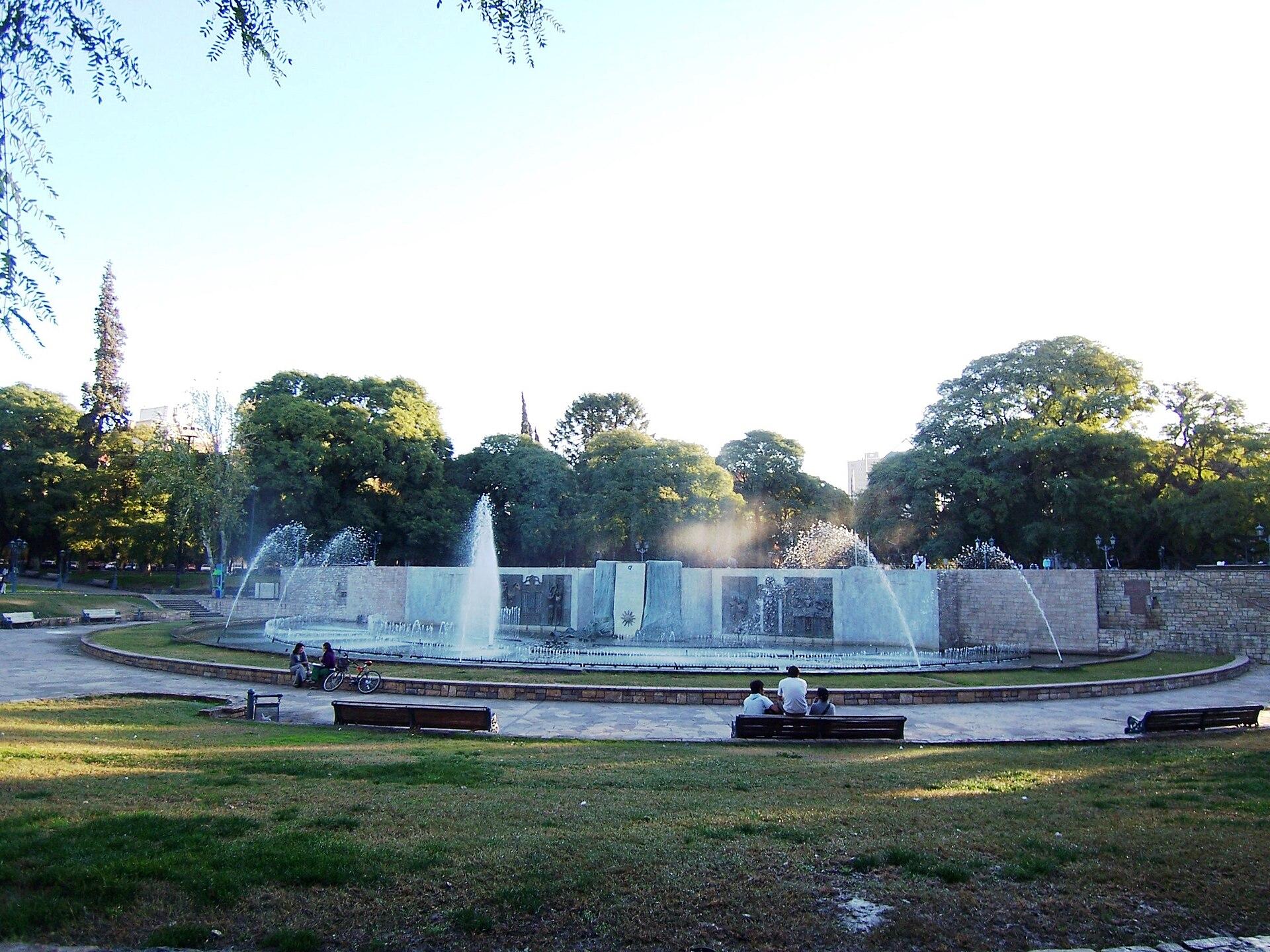
Mendoza hotels
Argentina · 1 hotels