Hotels in Denmark
7 cities · 9 hotels
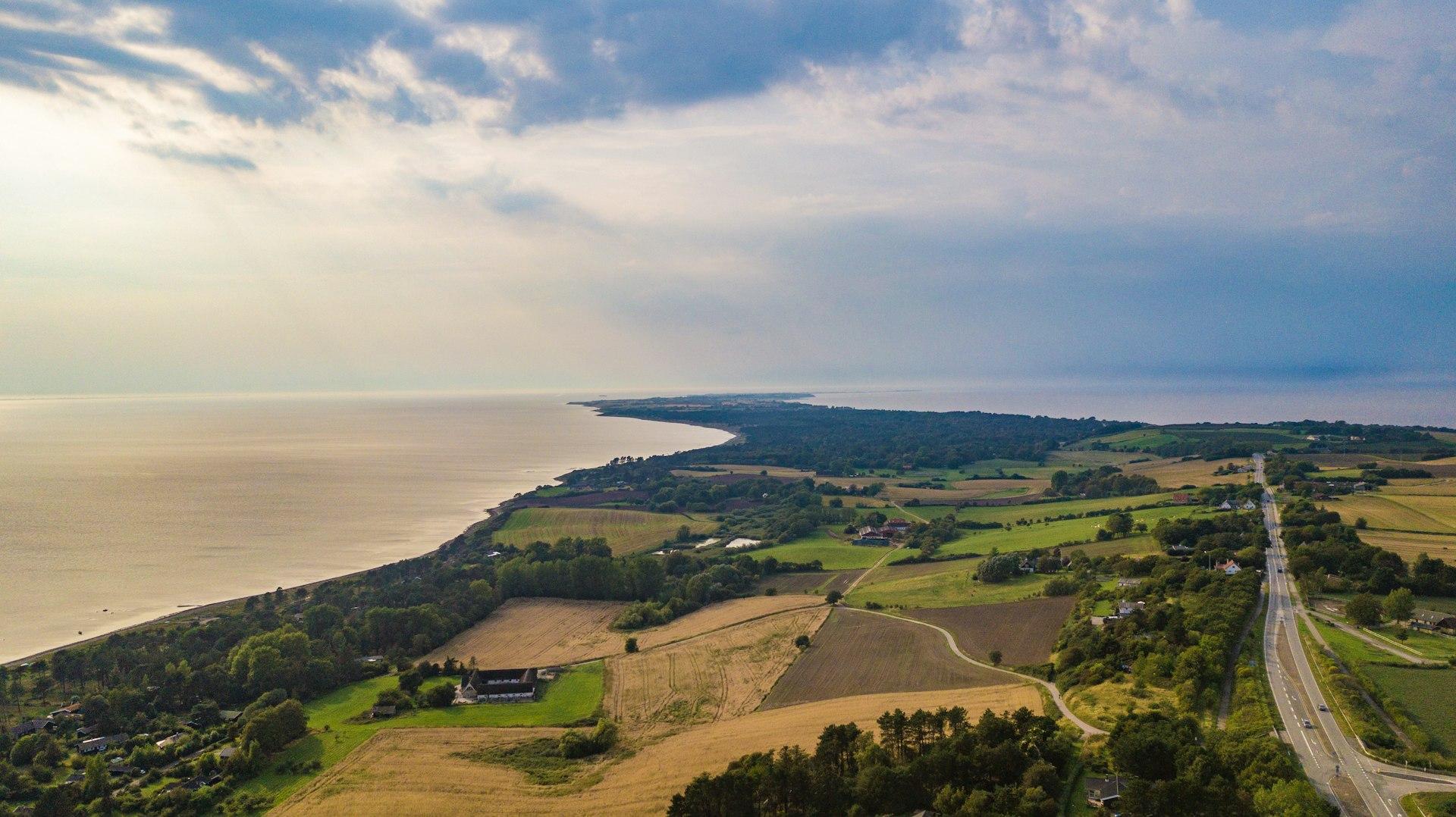
Photo by Absent Wall on Unsplash
Denmark: Scandinavia's Compact Kingdom of Coastline and Design
Denmark occupies the Jutland Peninsula plus 443 named islands, covering 42,924 km² — making it the smallest of the Nordic countries yet one of the most varied. The kingdom shares a single land border with Germany to the south; the rest is coastline, some 7,314 km of it. Copenhagen anchors the east on Zealand, while Aarhus anchors the Jutland interior 187 km to the west. Between them lies a country of flat farmland, beech forests, coastal dunes, and medieval market towns that reward slow travel.
Cities Worth Exploring
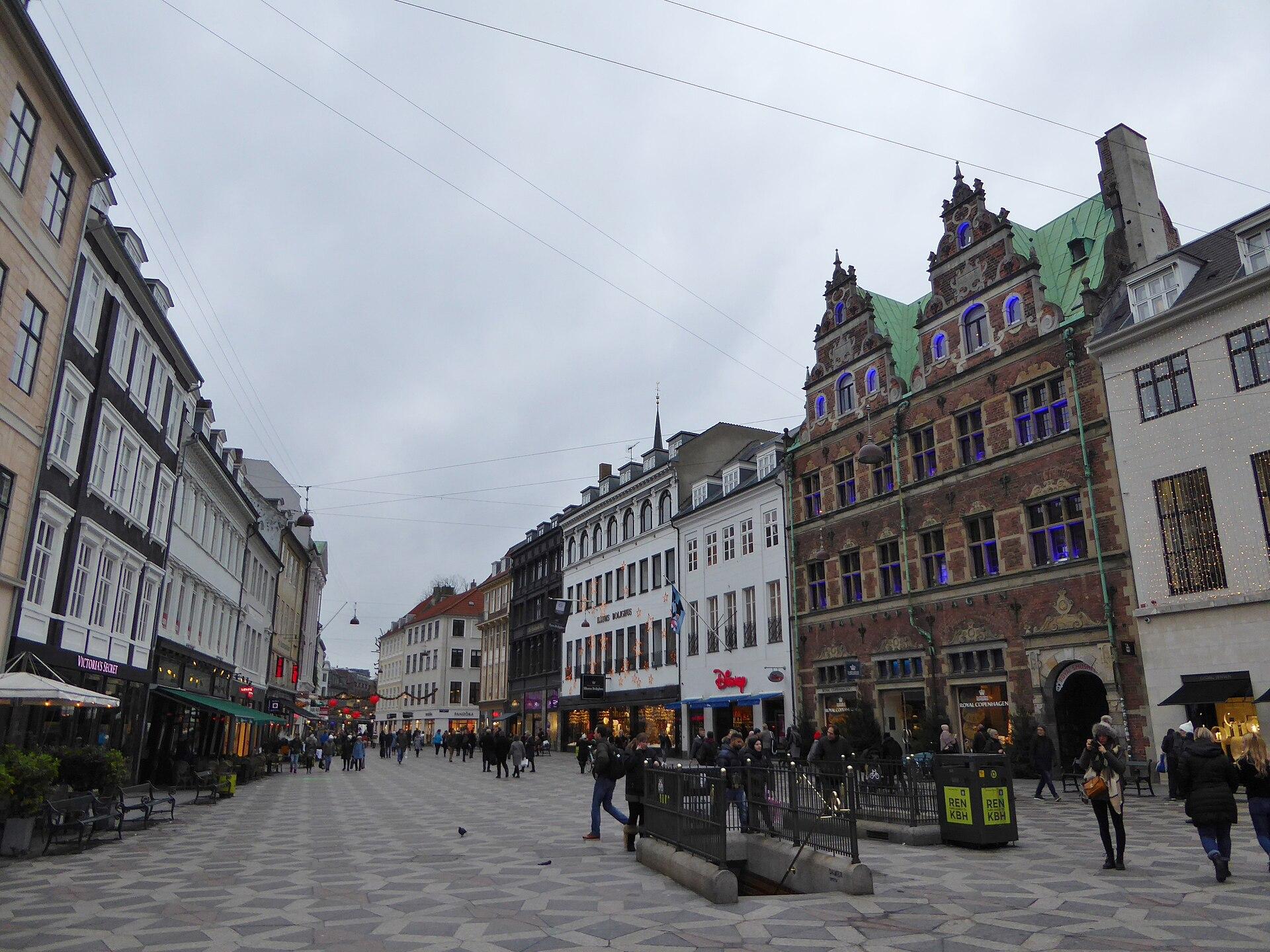
Copenhagen draws the majority of hotel bookings. The city's Tivoli Gardens, opened in 1843, sits within walking distance of Strøget, one of Europe's longest pedestrian shopping streets at 1.1 km. The Nørreport district connects the city's metro and S-train lines, placing Nørrebro, Frederiksberg, and the waterfront Christianshavn neighbourhood within 15 minutes of the centre. Aarhus, Denmark's second city, hosts the open-air museum Den Gamle By and the ARoS Aarhus Art Museum, whose rainbow panorama walkway opened in 2011. Odense on Funen island is the birthplace of Hans Christian Andersen (born 1805) and holds a compact historic quarter within cycling distance of the central station.
Regions and Islands
North Jutland terminates at Grenen, the northernmost point of Denmark, where the Skagerrak and Kattegat seas meet visibly. The nearby town of Skagen has attracted painters since the 1870s; the Skagens Museum holds the largest collection of the Skagen Painters. Bornholm, a granite island 200 km east of Copenhagen in the Baltic Sea, is reached by a 1.5-hour ferry from Ystad, Sweden, or a 5.5-hour overnight ferry from Copenhagen. The island's round churches — four survive from the 12th century — and smoked herring tradition draw travellers from late May through September. The Faroe Islands and Greenland are autonomous territories within the Danish realm and require separate entry planning.
When to Visit Denmark
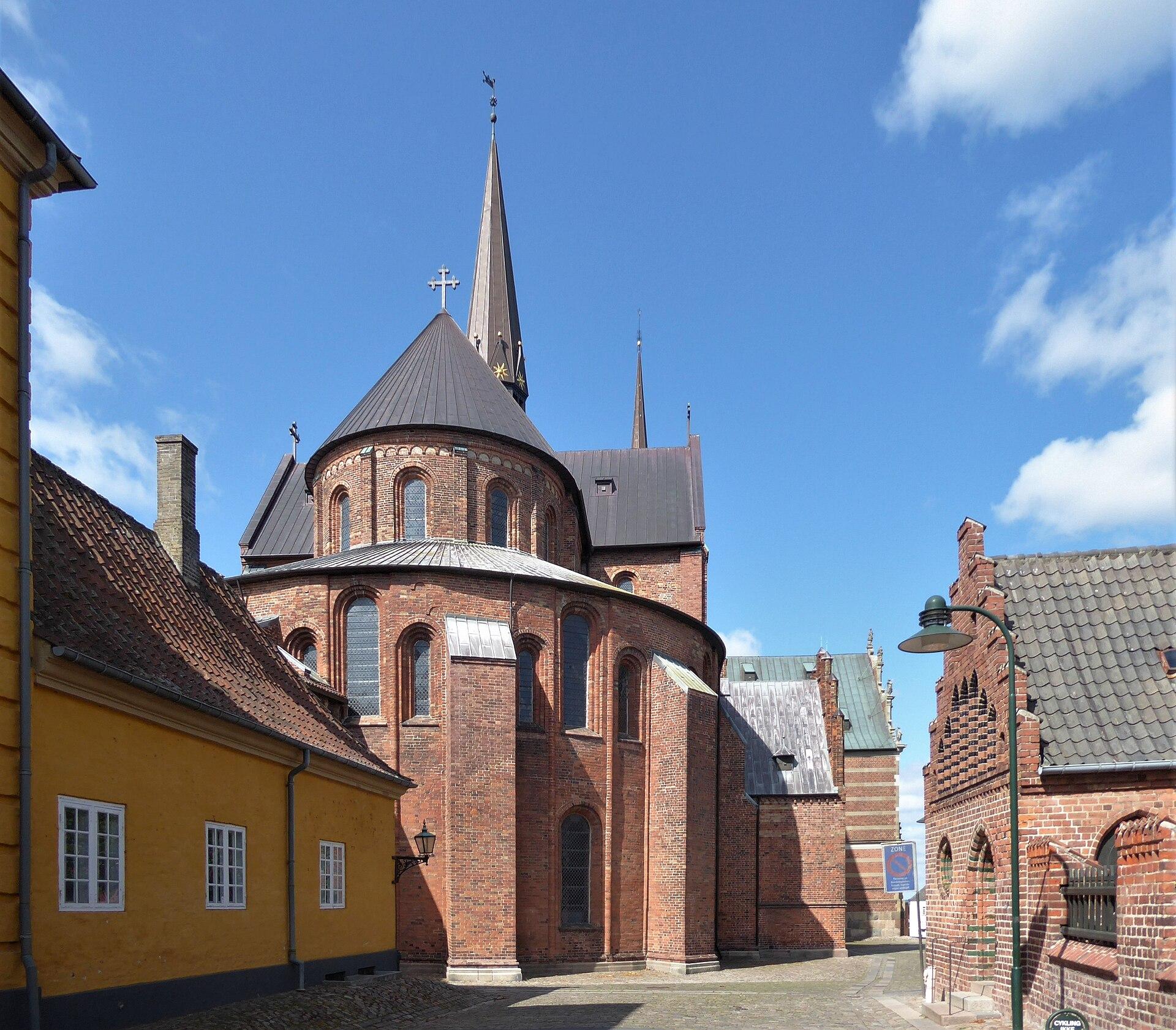
Summer (June–August) delivers the longest daylight hours — Copenhagen sees up to 17.5 hours of daylight around the June solstice — and temperatures averaging 20–22 °C. The Roskilde Festival, held annually in late June or early July since 1971, is Northern Europe's largest music festival and draws over 130,000 attendees to the town of Roskilde, 30 km west of Copenhagen. Spring (April–May) offers fewer crowds and flowering landscapes across Funen, often called the Garden of Denmark. Winter travel centres on Copenhagen and Aarhus, where Christmas markets open from late November in Tivoli and around Aarhus Cathedral.
Practical Tips for Visiting Denmark
- Currency: Danish krone (DKK); euro not accepted except in some border areas of southern Jutland.
- Getting around: The DSB rail network connects Copenhagen, Odense, and Aarhus in under 3 hours; Copenhagen's metro runs 24 hours on weekends.
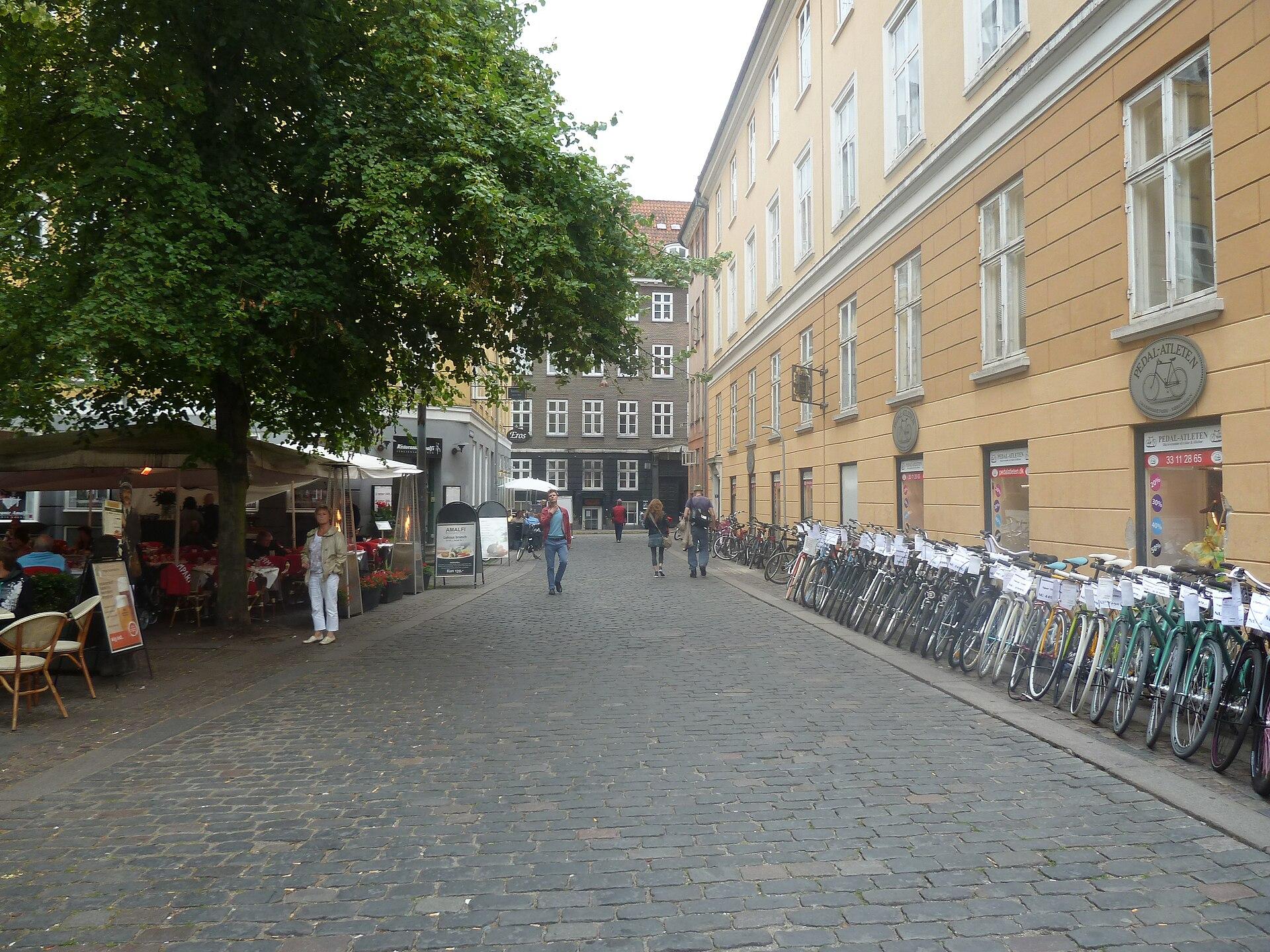
- Cycling: Copenhagen has 390 km of dedicated cycle lanes; rental stations are available citywide.
- Language: Danish is official; English is widely spoken across all regions.
- Accommodation: Copenhagen holds the greatest concentration of hotels; book at least 6–8 weeks ahead for summer or Roskilde Festival dates.
Frequently Asked Questions
Q: What is the best base for exploring Denmark? A: Copenhagen serves as the main gateway with the largest hotel supply and direct international flights. Aarhus offers a quieter alternative for Jutland exploration.
Q: Do visitors need a visa to enter Denmark? A: Denmark is part of the Schengen Area. Citizens of EU countries and many others, including the US, Canada, and Australia, may enter visa-free for up to 90 days.
Q: How far is Aarhus from Copenhagen? A: By train it is approximately 3 hours and 15 minutes; by car via the Storebælt Bridge the distance is roughly 298 km.
Q: Is Denmark expensive for travellers? A: Denmark ranks among the higher-cost European destinations. Budget hotels in Copenhagen start around DKK 700–900 per night; mid-range options average DKK 1,200–1,800.
Q: What ferry connections exist to Danish islands? A: Regular ferries serve Bornholm from Copenhagen (5.5 hours) and Ystad (1.5 hours). Fanø is reached by a 12-minute ferry from Esbjerg. The Faroe Islands are accessible by flight from Copenhagen in approximately 2 hours.