Hotels in Ireland
9 cities · 34 hotels
Photo by Nils Nedel on Unsplash
Ireland: Atlantic Coastlines, Ancient Passage Tombs, and Georgian Cities
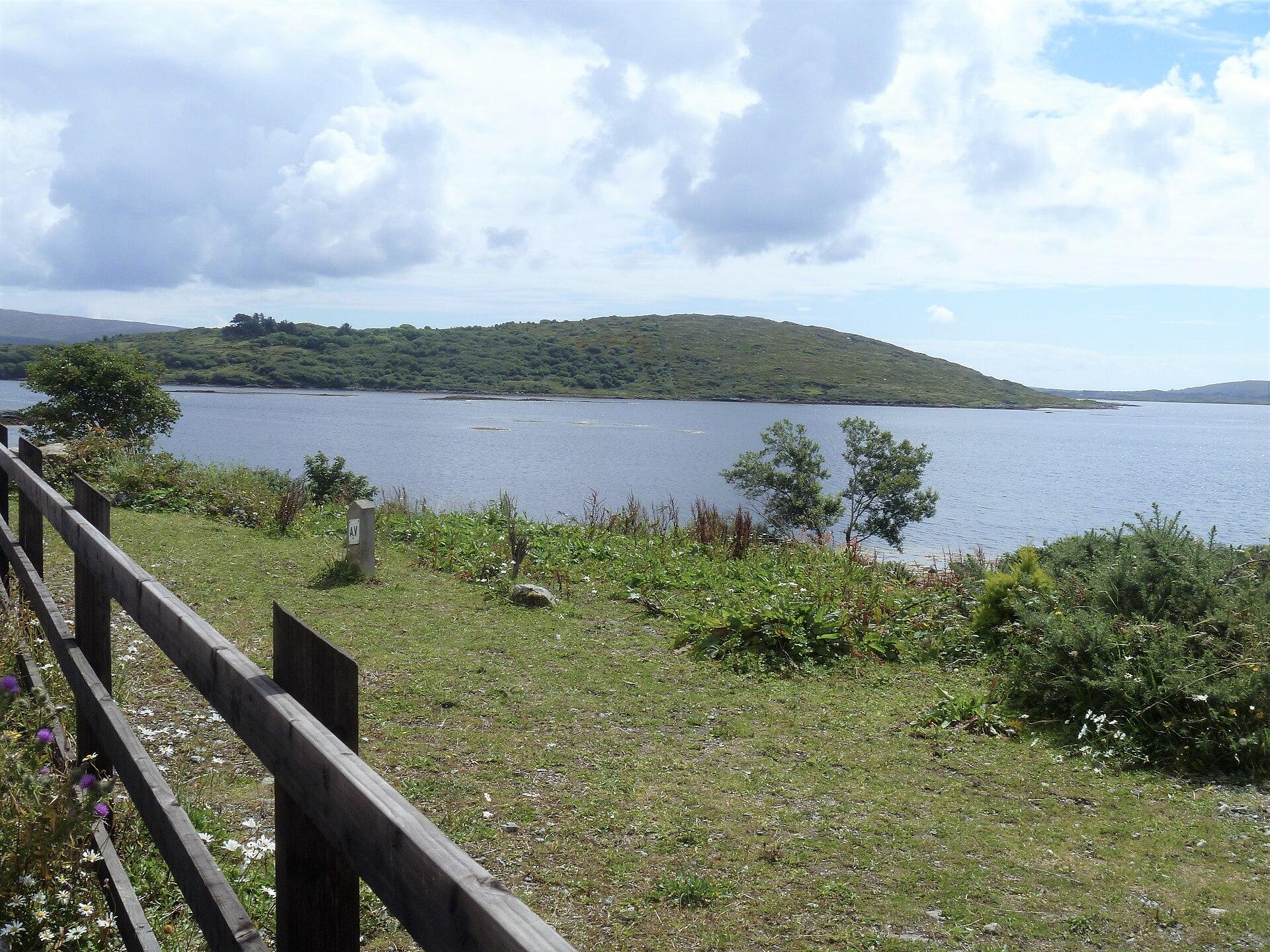
Ireland occupies the westernmost edge of Europe, covering 70,273 km² on an island shared with Northern Ireland. The River Shannon, at 360 km the longest river in Britain or Ireland, divides the midlands from the west. The country's population of roughly 5.1 million is concentrated in the east, while the west and northwest remain among the least densely settled landscapes in Europe. Atlantic weather shapes daily life — mild winters, cool summers, and the green that defines every county.
Cities Worth Exploring
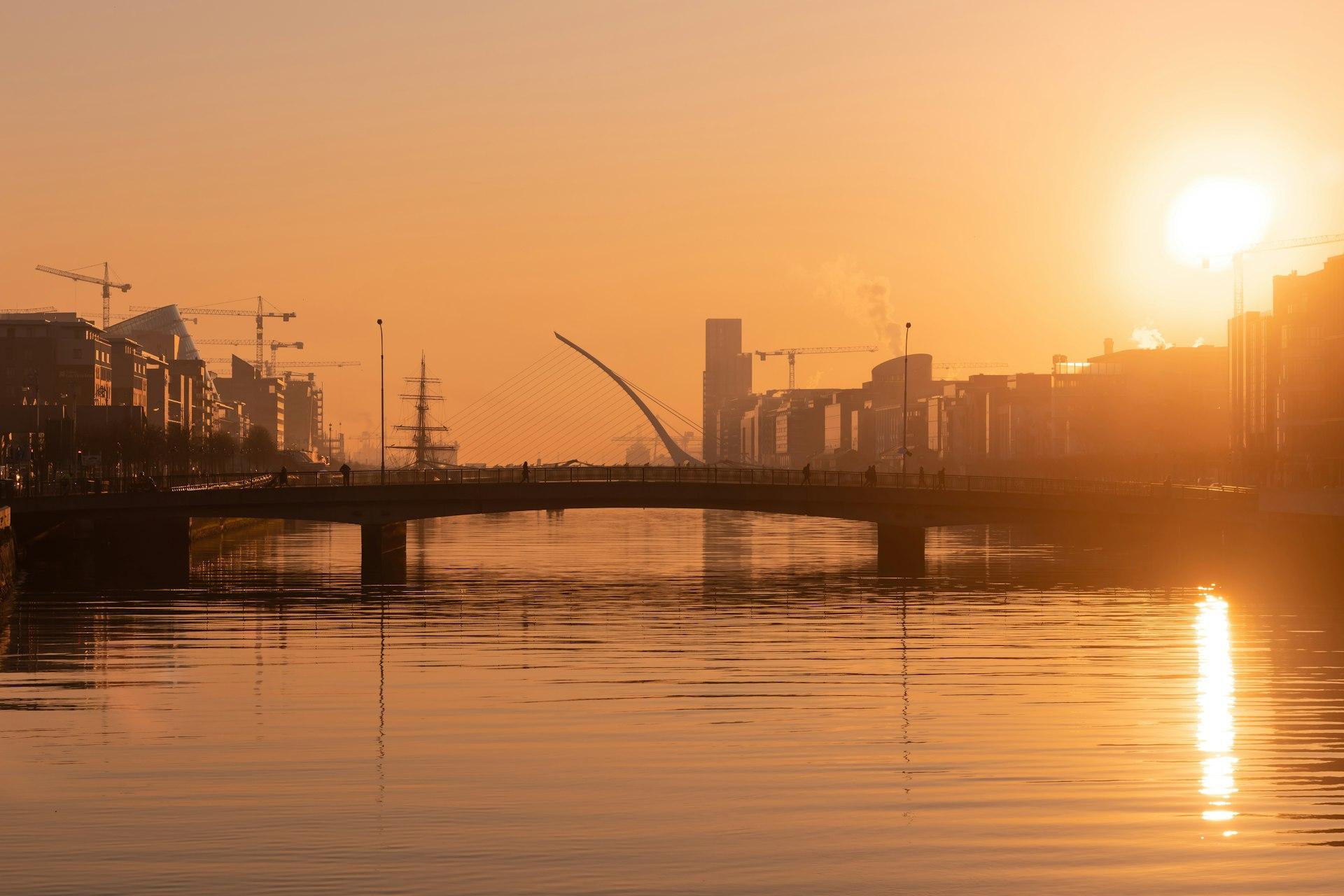
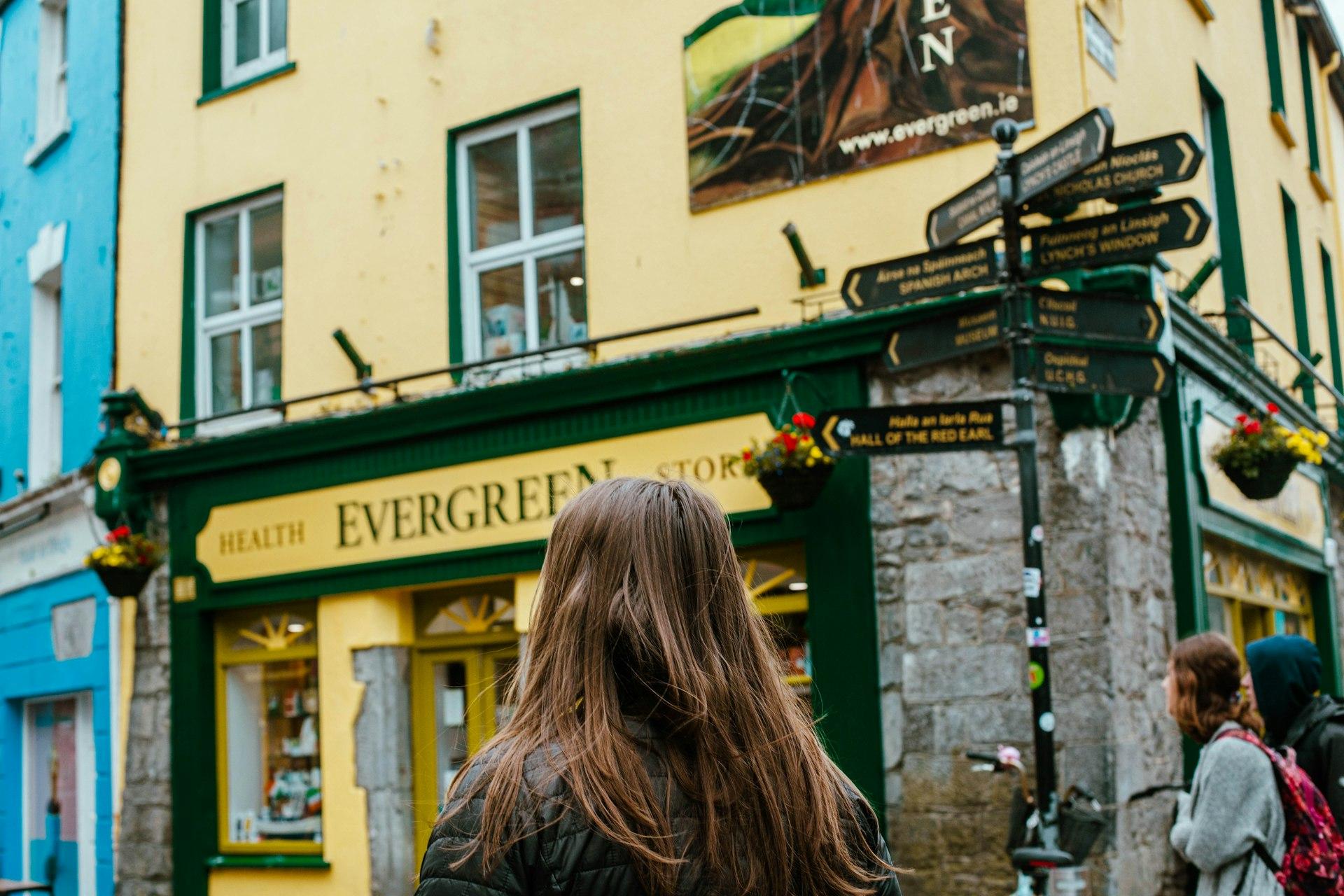
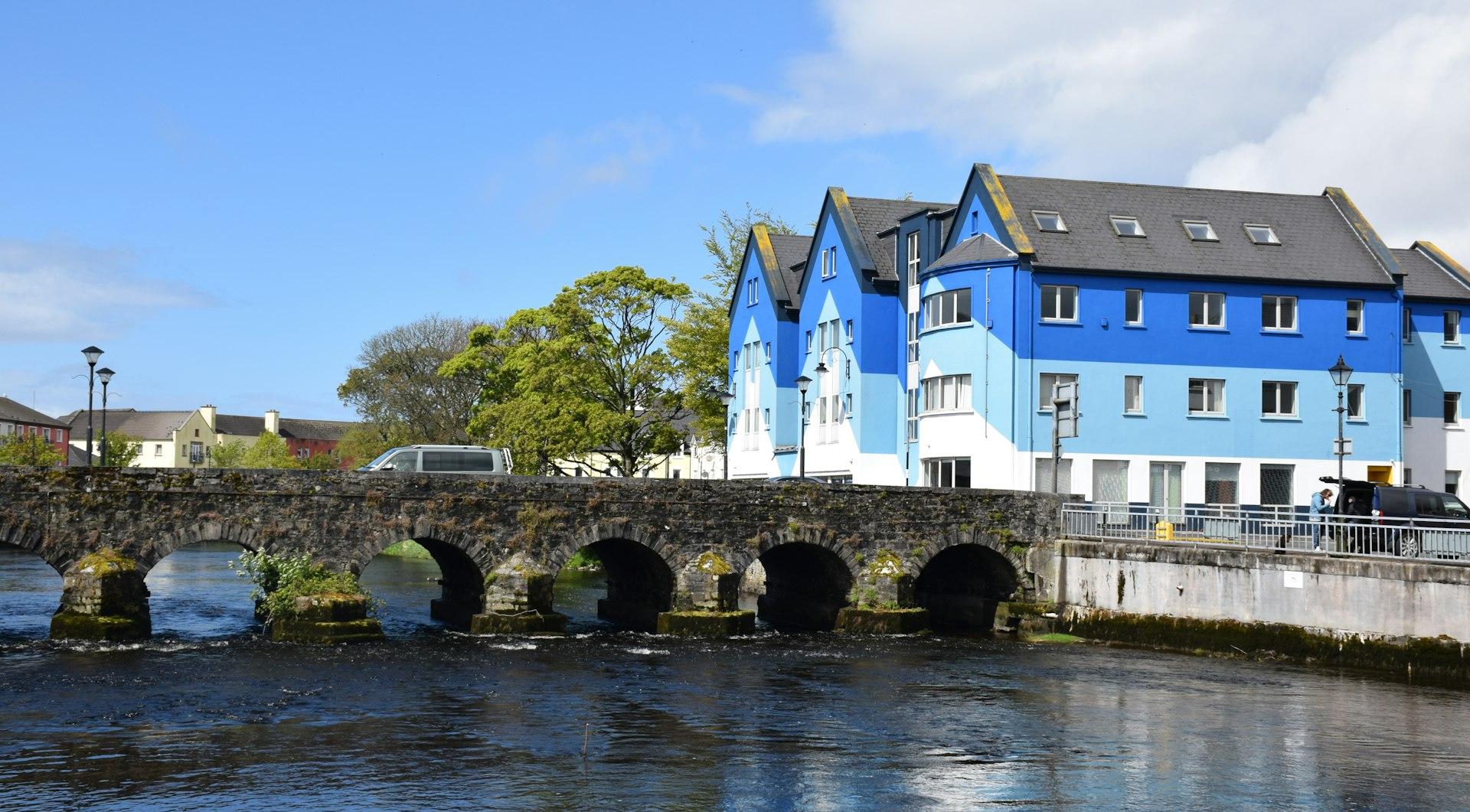
Dublin, the capital, sits on Dublin Bay at the mouth of the River Liffey. The Guinness Storehouse on James's Street received 1.7 million visitors in a recent year, making it the Republic's single most-visited fee-charging attraction. Temple Bar, the cobbled quarter south of the Liffey, concentrates live-music venues and weekend markets. Cork, 256 km southwest of Dublin by road, is the Republic's second city; the English Market, a covered food hall trading since 1788, anchors the city centre. Galway, on the west coast facing Galway Bay, is the gateway to Connemara and hosts the Galway International Arts Festival each July.
Regions That Reward Slower Travel
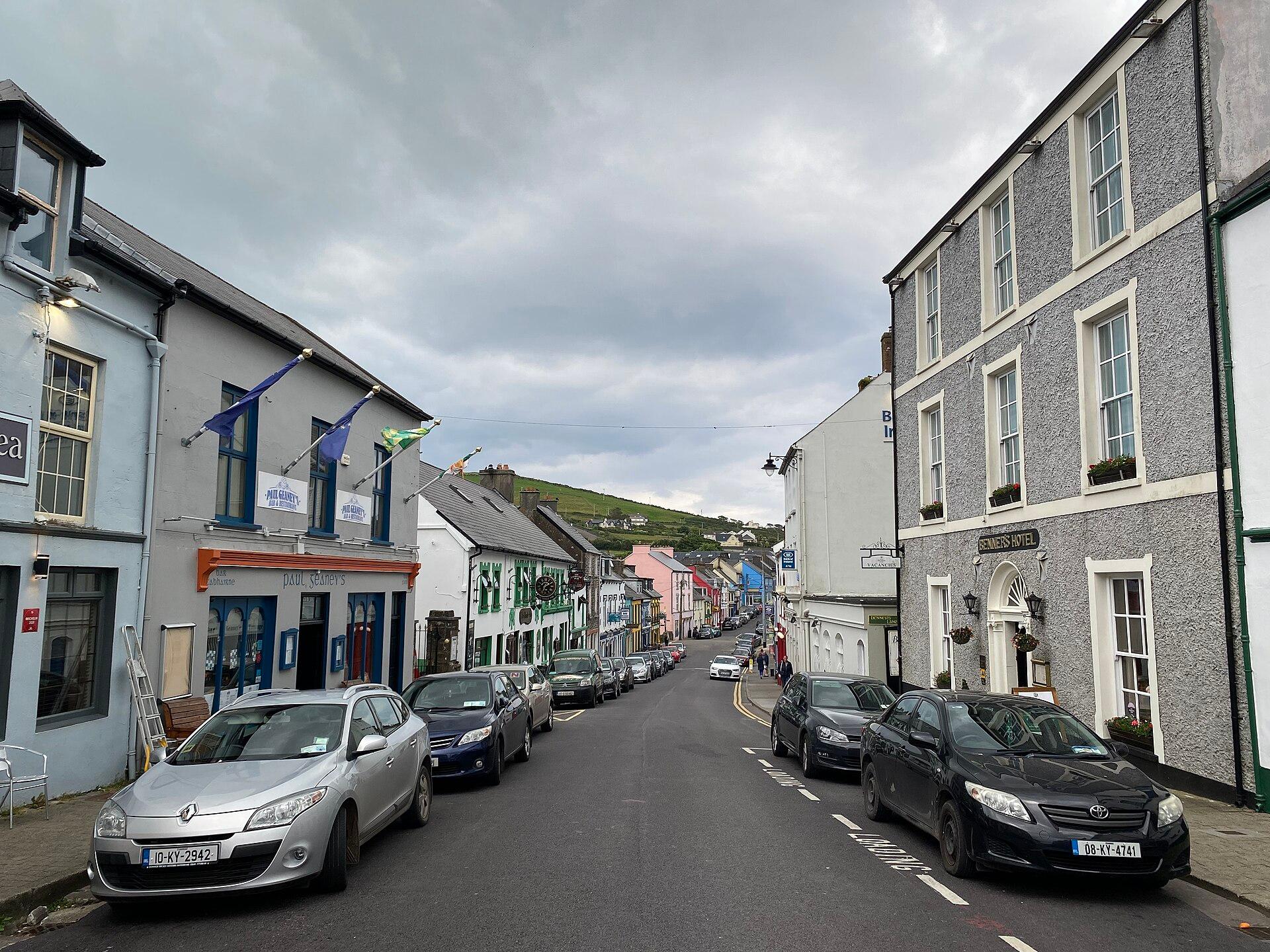
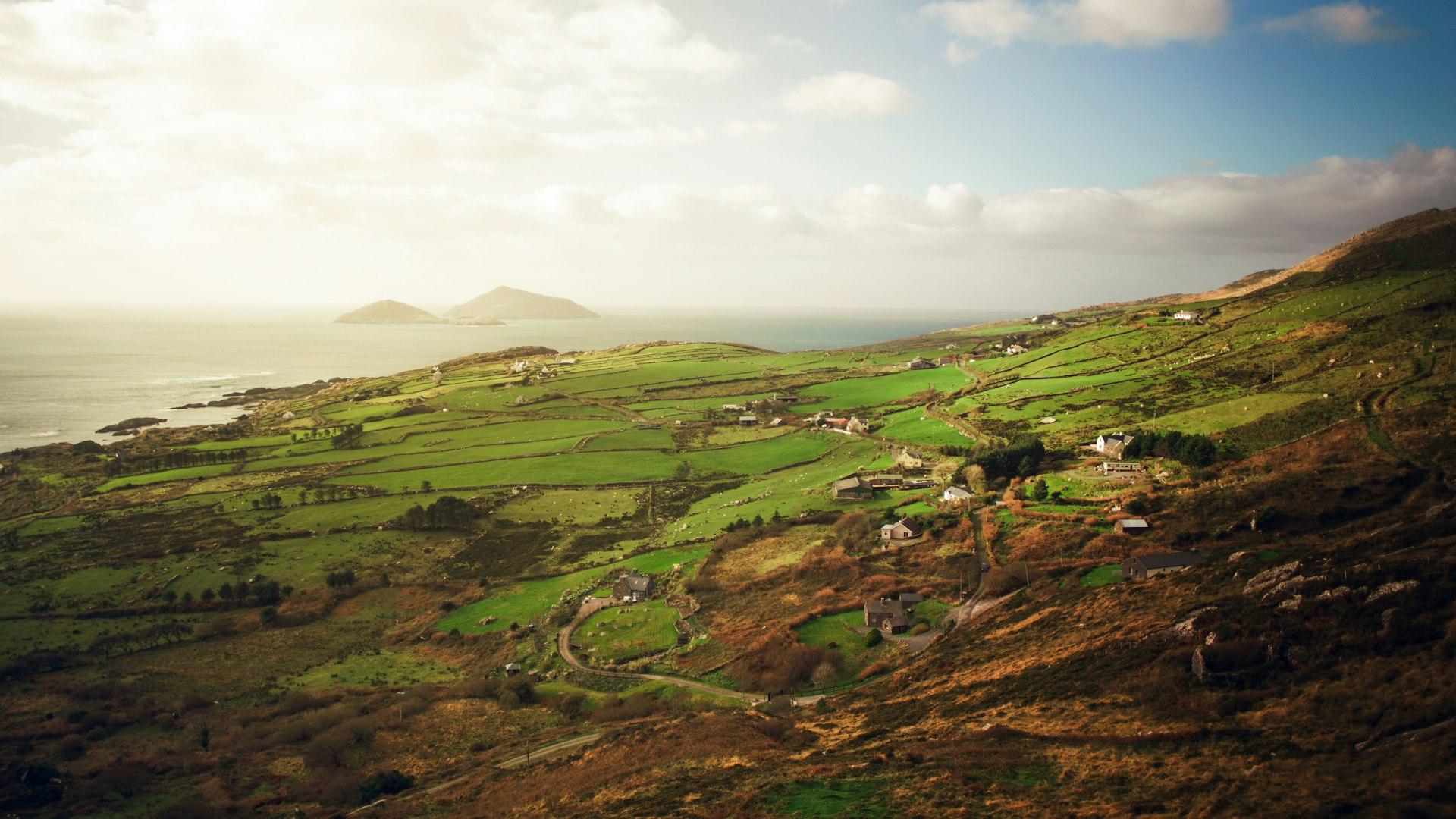
The Wild Atlantic Way, a signed coastal route stretching 2,500 km from Donegal in the north to Kinsale in County Cork, passes sea cliffs, offshore islands, and small fishing harbors. Skellig Michael, 12 km off the Kerry coast, is a UNESCO World Heritage Site and 6th-century monastic settlement accessible by boat from Portmagee between May and September. The Boyne Valley in County Meath contains Newgrange, a Neolithic passage tomb aligned to the winter solstice sunrise and predating the Egyptian pyramids by around 500 years. The Aran Islands — Inis Mór, Inis Meáin, and Inis Oírr — lie at the mouth of Galway Bay and preserve the Dún Aonghasa stone fort on a 100-metre cliff edge.
When to Visit Ireland
June through August delivers the longest daylight hours — up to 17 hours in late June — and the warmest temperatures, averaging 18–20 °C in Dublin. Coastal roads and popular sites such as the Cliffs of Moher in County Clare see peak crowds from late June. September and early October offer shorter queues, stable weather, and autumn color across the Wicklow Mountains. St. Patrick's Day on 17 March draws large street festivals in Dublin, Cork, and Galway but compresses accommodation availability weeks in advance.
Practical Tips for Visiting Ireland
- Getting around: Intercity rail connects Dublin Heuston to Cork (2 hr 30 min) and Dublin Connolly to Galway (2 hr 10 min); rural areas require a rental car.
- Currency: Euro (€); Northern Ireland uses the British pound.
- Driving: Traffic moves on the left; road signs use kilometres in the Republic.
- Accommodation range: Budget hostels in Dublin start around €25–€35 per dorm bed; mid-range hotels average €120–€180 per double night in high season.
- Ferry routes: Stena Line and Irish Ferries operate crossings from Holyhead to Dublin Port (3 hr 10 min fast ferry) and Fishguard to Rosslare.
Frequently Asked Questions
Q: What is the best base for exploring the west of Ireland? A: Galway city serves as the main hub for Connemara, the Aran Islands, and the Cliffs of Moher. The cliffs are 90 km south of Galway via the N67 coastal road.
Q: Do travelers need a visa to enter Ireland? A: EU and EEA citizens enter freely. UK citizens also enter without a visa under the Common Travel Area agreement. US, Canadian, and Australian passport holders receive a 90-day stamp on arrival.
Q: Is a car essential for visiting Ireland? A: Rail and bus cover the main cities, but the Wild Atlantic Way and most heritage sites require a car or an organized tour. Car hire is available at Dublin, Cork, and Shannon airports.
Q: How far is Dublin from the Cliffs of Moher? A: The Cliffs of Moher are approximately 230 km west of Dublin — around 3 hours by car via the M18 motorway and R478.
Q: When can visitors access Skellig Michael? A: Boats depart from Portmagee and Ballinskelligs between May and late September, subject to sea conditions. The site limits daily visitor numbers; booking months ahead is advisable.