
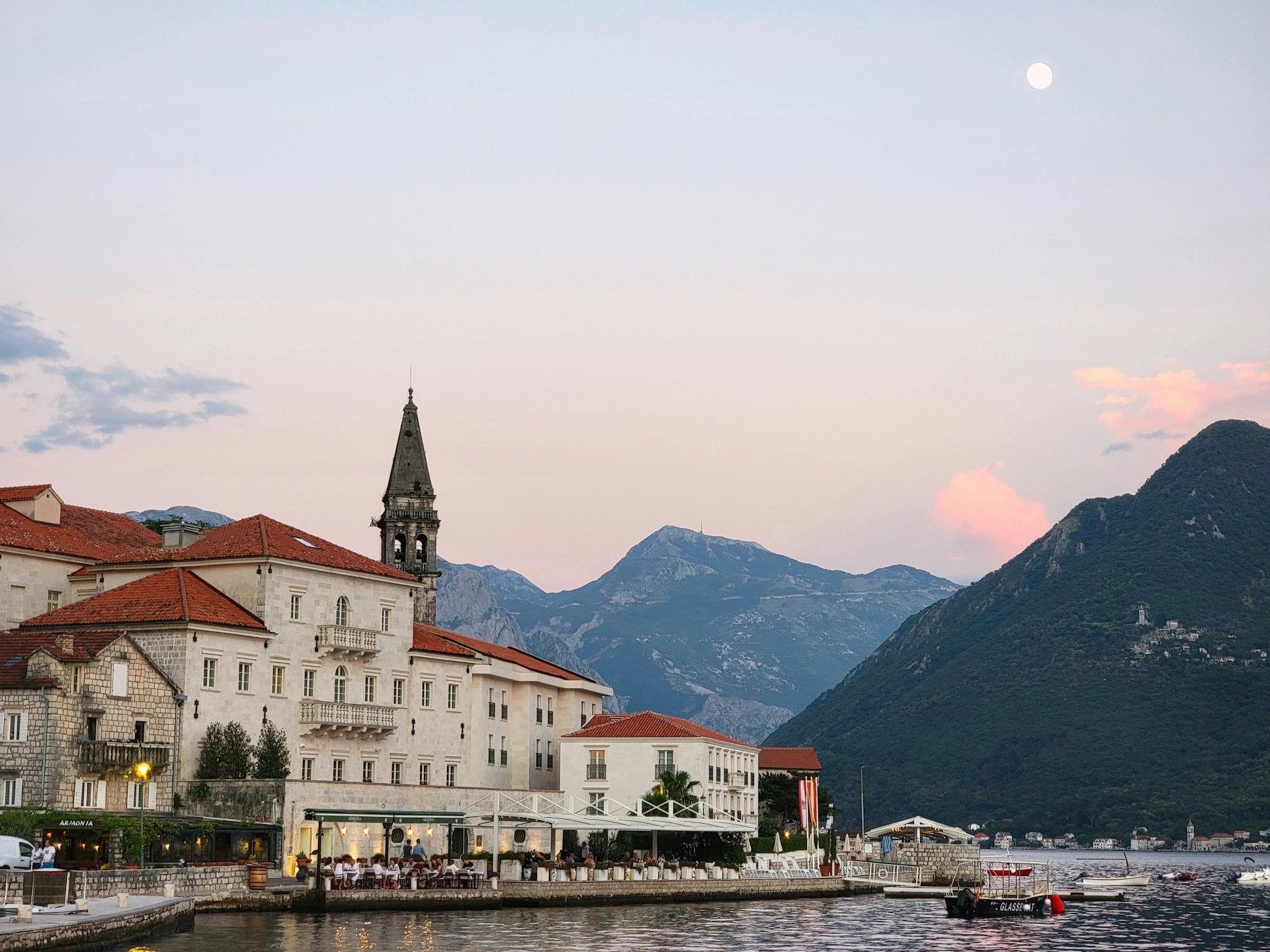
Hotels in Montenegro
8 cities · 178 hotels
Photo by Vladan Raznatovic on Unsplash
Montenegro: Adriatic Coast, Medieval Towns and Black Lake Wilderness
Montenegro covers just 13,812 km² — one of Europe's smallest countries — yet compresses Adriatic coastline, limestone canyon walls, and alpine meadows into a single border. The Bay of Kotor, a drowned river canyon often mistaken for a fjord, cuts 28 km inland from the Adriatic and frames the country's most-photographed skyline: the walled medieval city of Kotor, a UNESCO World Heritage site since 1979. From Kotor's old town, the road climbs 25 hairpin bends to the fortress of San Giovanni at 260 m, offering a direct view across the entire bay.
Cities Worth Exploring
The capital, Podgorica, sits at the confluence of the Ribnica and Morača rivers and holds the country's main transport hub. Most international arrivals connect onward to the coast or the mountains rather than staying long in Podgorica itself. Budva, 60 km south of Kotor along the Adriatic Highway, anchors the party and beach strip — its old town walls date to the 5th century BC. Herceg Novi, at the bay's western entrance, is known for its hydrangea-lined streets and the 15th-century Forte Mare fortress. Inland, Cetinje, the historic royal capital, preserves the 1895 Biljarda palace of Prince-Bishop Petar II Petrović-Njegoš at 670 m altitude.
Northern Highlands and Durmitor
Durmitor National Park, established in 1952 and a UNESCO World Heritage site, covers 390 km² of karst plateau north of Žabljak — the highest town in the Balkans at 1,456 m. The Tara River Canyon drops 1,300 m and stretches 82 km, making it the deepest canyon in Europe. Black Lake (Crno jezero) sits 1,416 m above sea level, 2 km from Žabljak, and freezes in winter. Skiers arrive at Žabljak from December through March; hikers and rafters fill the same roads from May to September.
When to Visit Montenegro
The Adriatic coast peaks in July and August when sea temperatures reach 26 °C and Budva and Sveti Stefan fill quickly — book hotels two to three months ahead for these months. June and September offer warm water, lower rates, and shorter queues at the Kotor old-town gates. The northern highlands suit summer hiking (June–September) and winter skiing (December–March). Spring, especially April and May, brings waterfalls at full flow in Durmitor and empty beaches along the coast.
Practical Tips for Visiting Montenegro
- Currency: The euro (€) is the official currency despite Montenegro not being an EU member state.
- Getting around: Coastal towns connect by frequent buses; the Bar–Belgrade railway crosses the Morača Canyon via 254 tunnels and is a rail journey in its own right.
- Border crossings: Queues at the Croatian and Serbian borders can extend 2–3 hours in August — allow extra time.
- Accommodation: Kotor and Budva hold the largest hotel concentrations on the coast; Žabljak serves the Durmitor region.
- Visa: Citizens of the EU, US, UK, and most Commonwealth countries enter visa-free for up to 90 days.
- Language: Montenegrin; Serbian, Croatian, and Bosnian are mutually intelligible. Italian is widely understood on the coast.
Frequently Asked Questions
Q: What is the closest airport to Kotor and the Bay of Kotor? A: Tivat Airport sits 8 km from Kotor and handles direct flights from multiple European cities seasonally. Podgorica Airport, 90 km away, operates year-round with broader connections.
Q: Is Montenegro safe for travelers? A: Montenegro records low levels of violent crime against tourists. Standard precautions apply in crowded areas of Budva during summer.
Q: What currency does Montenegro use? A: Montenegro uses the euro (€) as its official currency. ATMs are available in all major towns including Kotor, Budva, and Podgorica.
Q: Can travelers visit Durmitor National Park in winter? A: Yes. Žabljak has ski infrastructure and accommodation open December through March. Some hiking trails are snow-covered and require equipment beyond that period.
Q: How long does it take to travel from Podgorica to Kotor by road? A: The drive covers approximately 90 km and takes around 1.5 hours via the Adriatic Highway, subject to summer traffic near the coast.
Cities in Montenegro
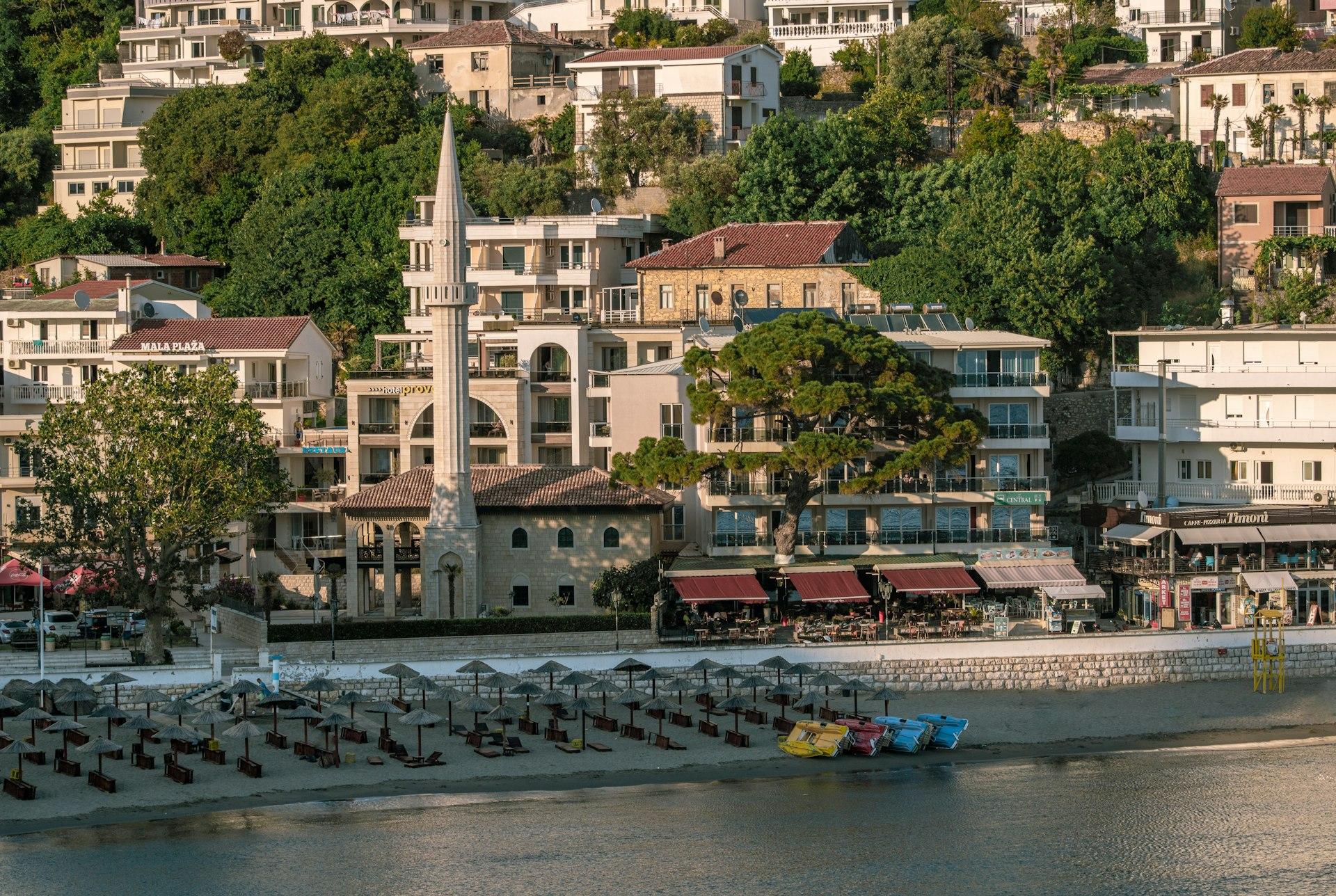
Ulcinj hotels
Montenegro · 44 hotels
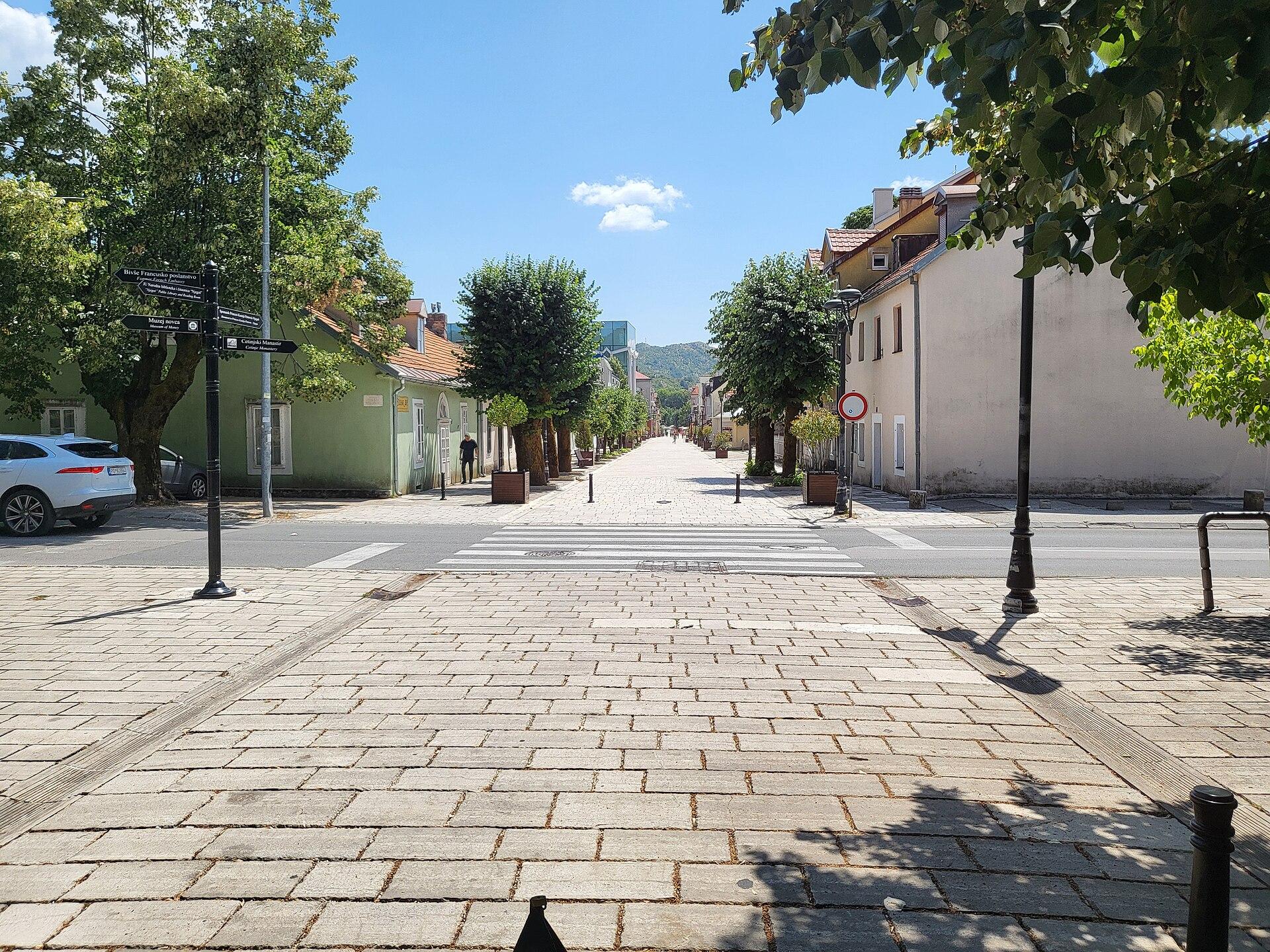
Cetinje hotels
Montenegro · 38 hotels
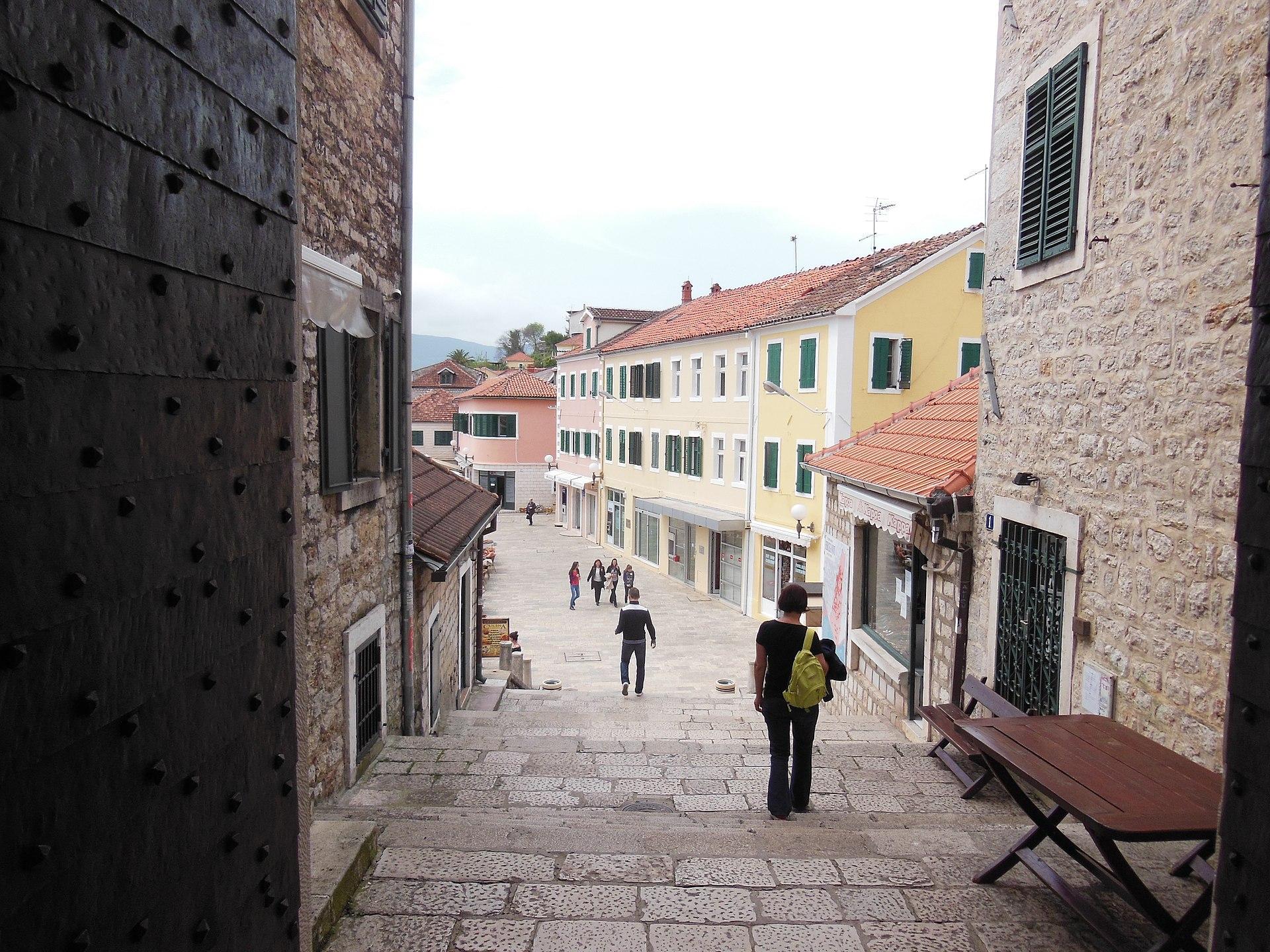
Herceg-Novi hotels
Montenegro · 36 hotels
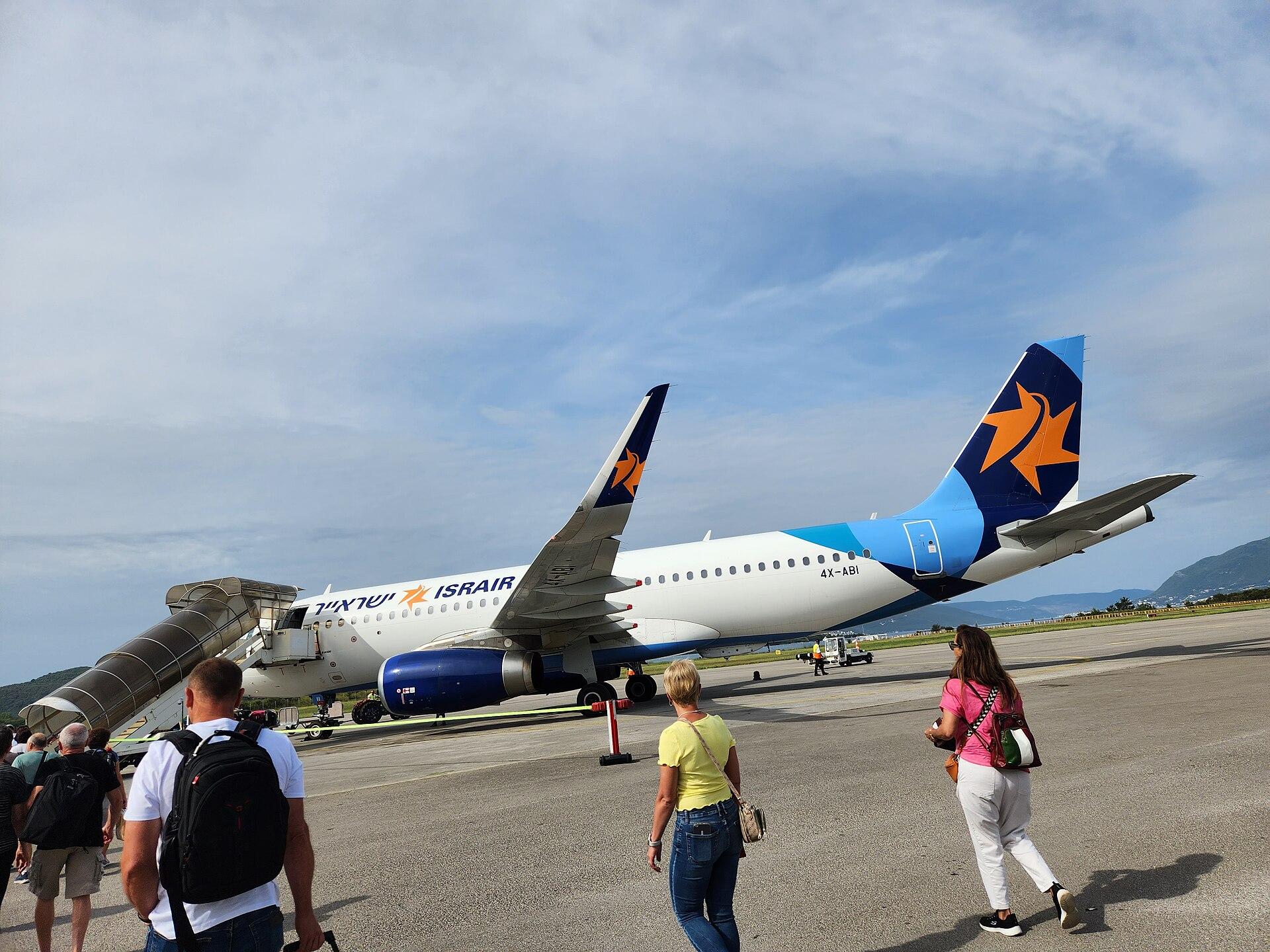
Vladivostok Apartments hotels
Montenegro · 16 hotels
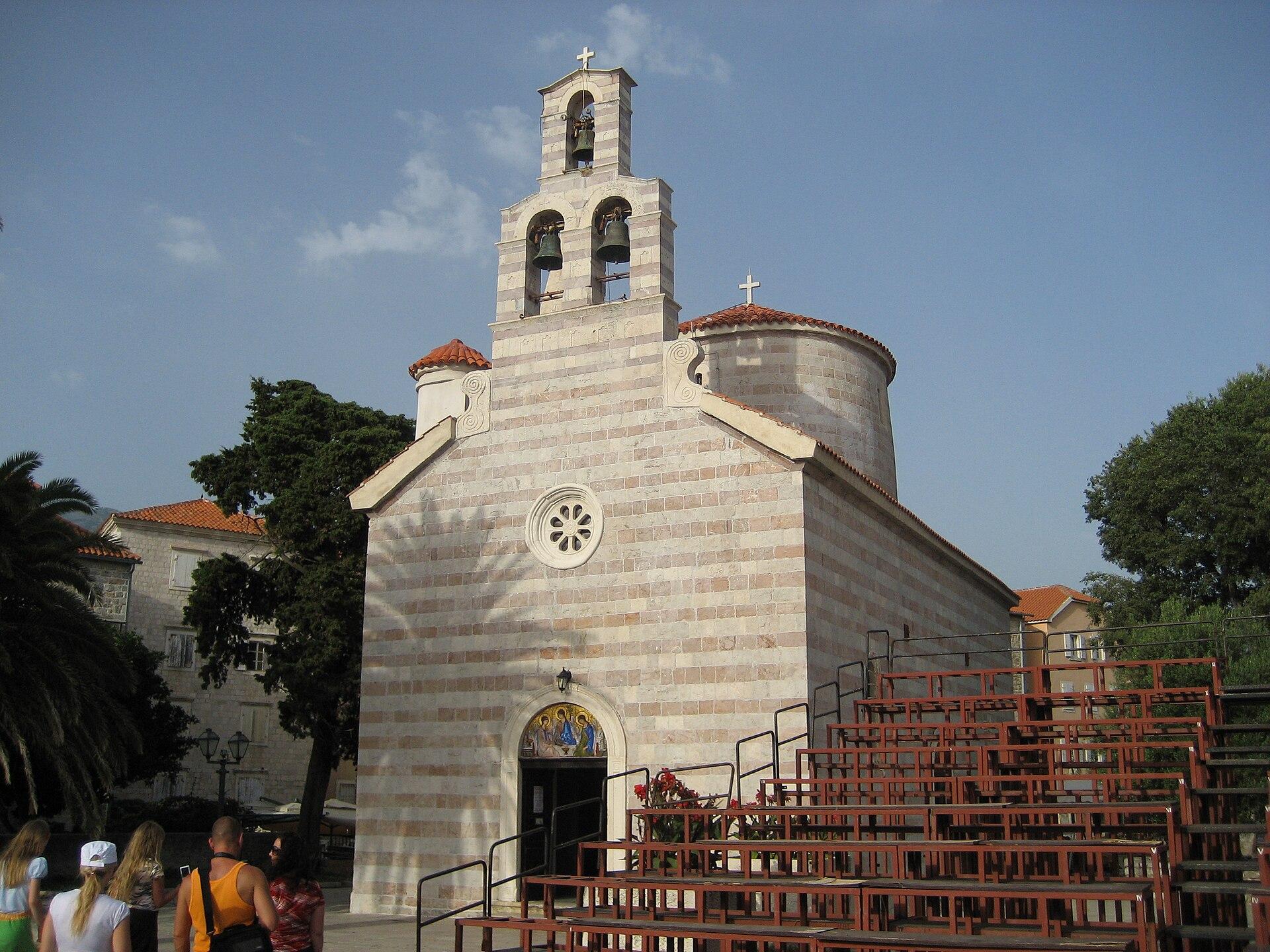
Budva hotels
Montenegro · 15 hotels
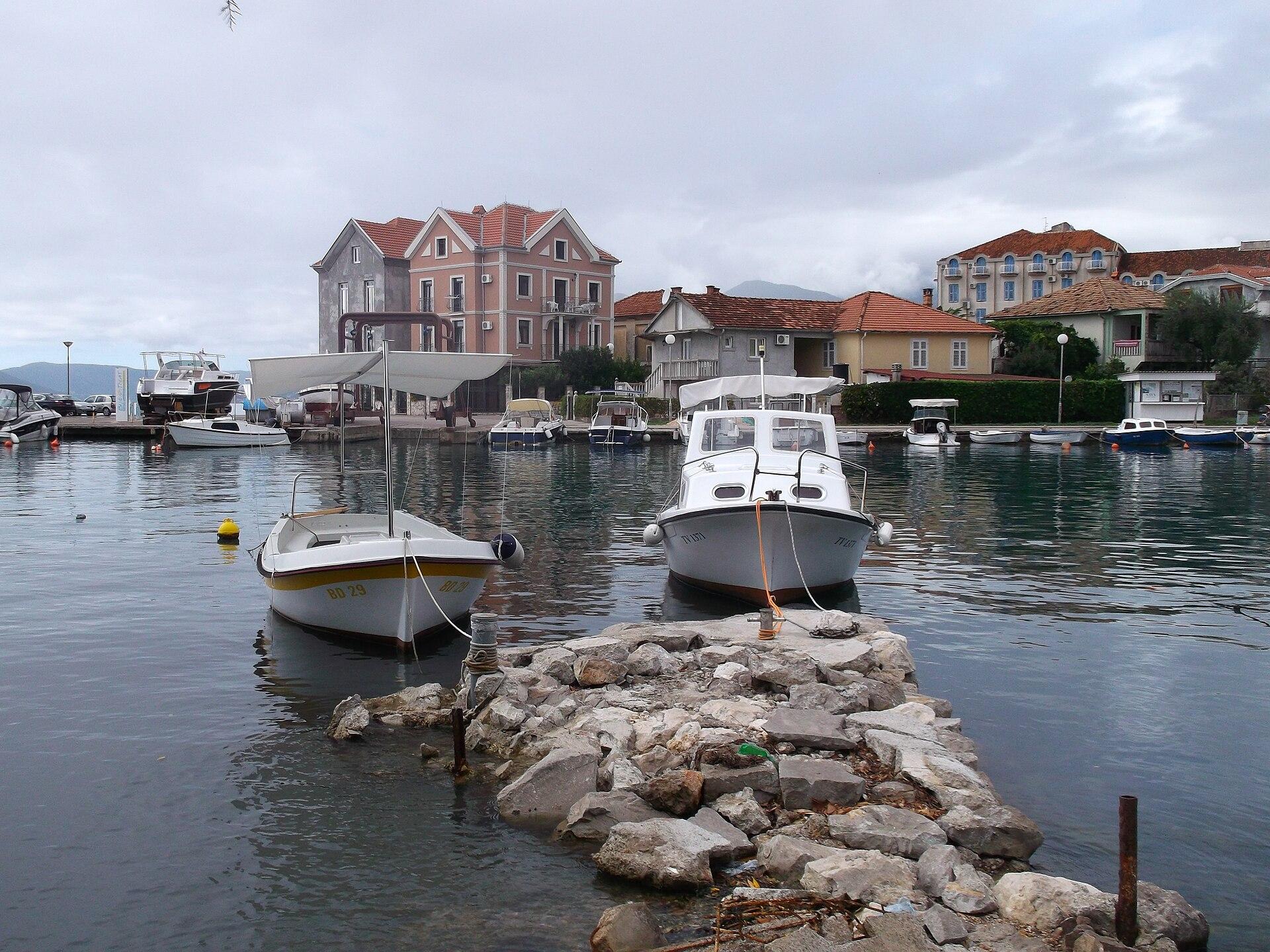
Tivat hotels
Montenegro · 15 hotels
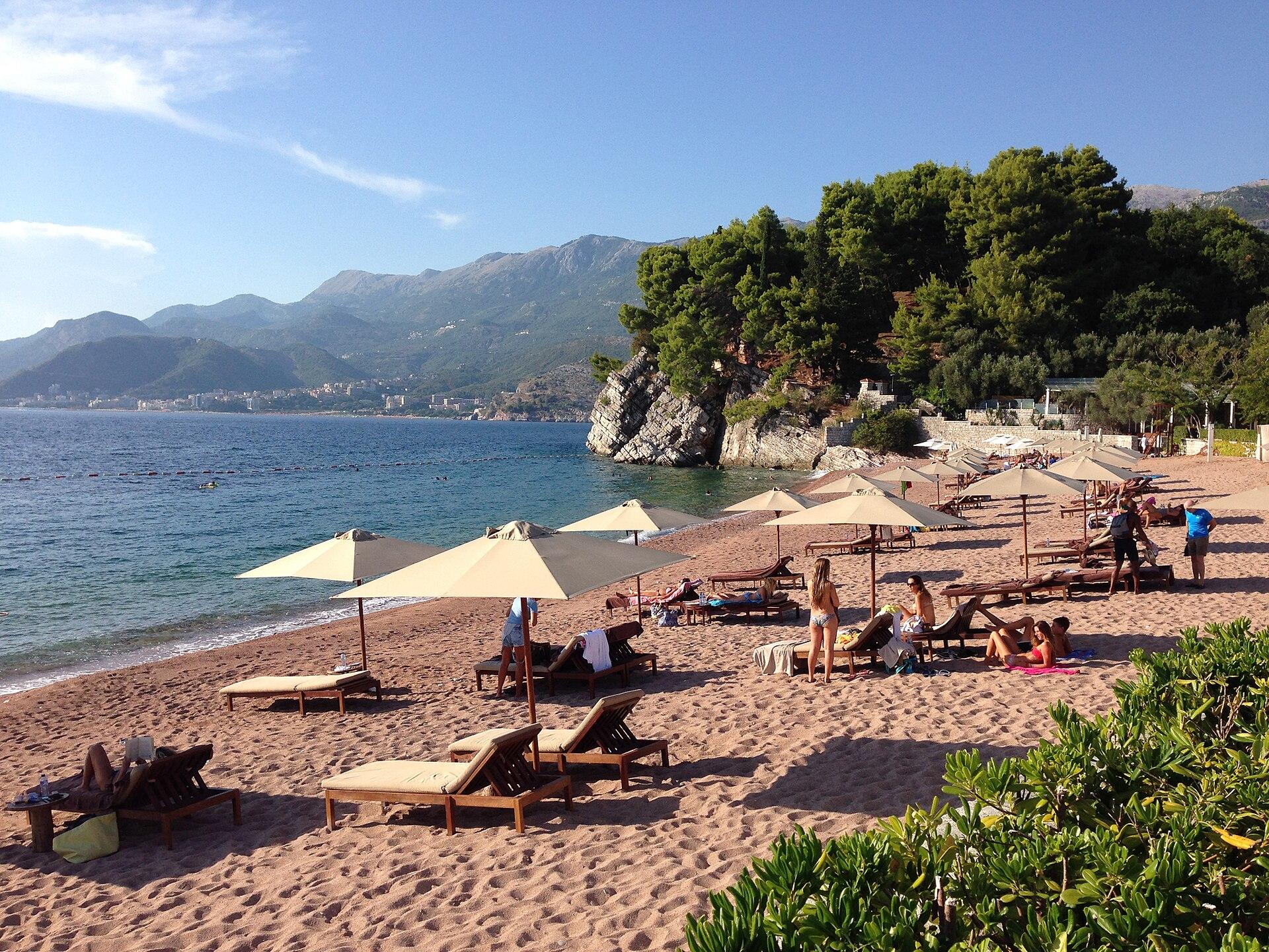
Sveti Stefan hotels
Montenegro · 10 hotels
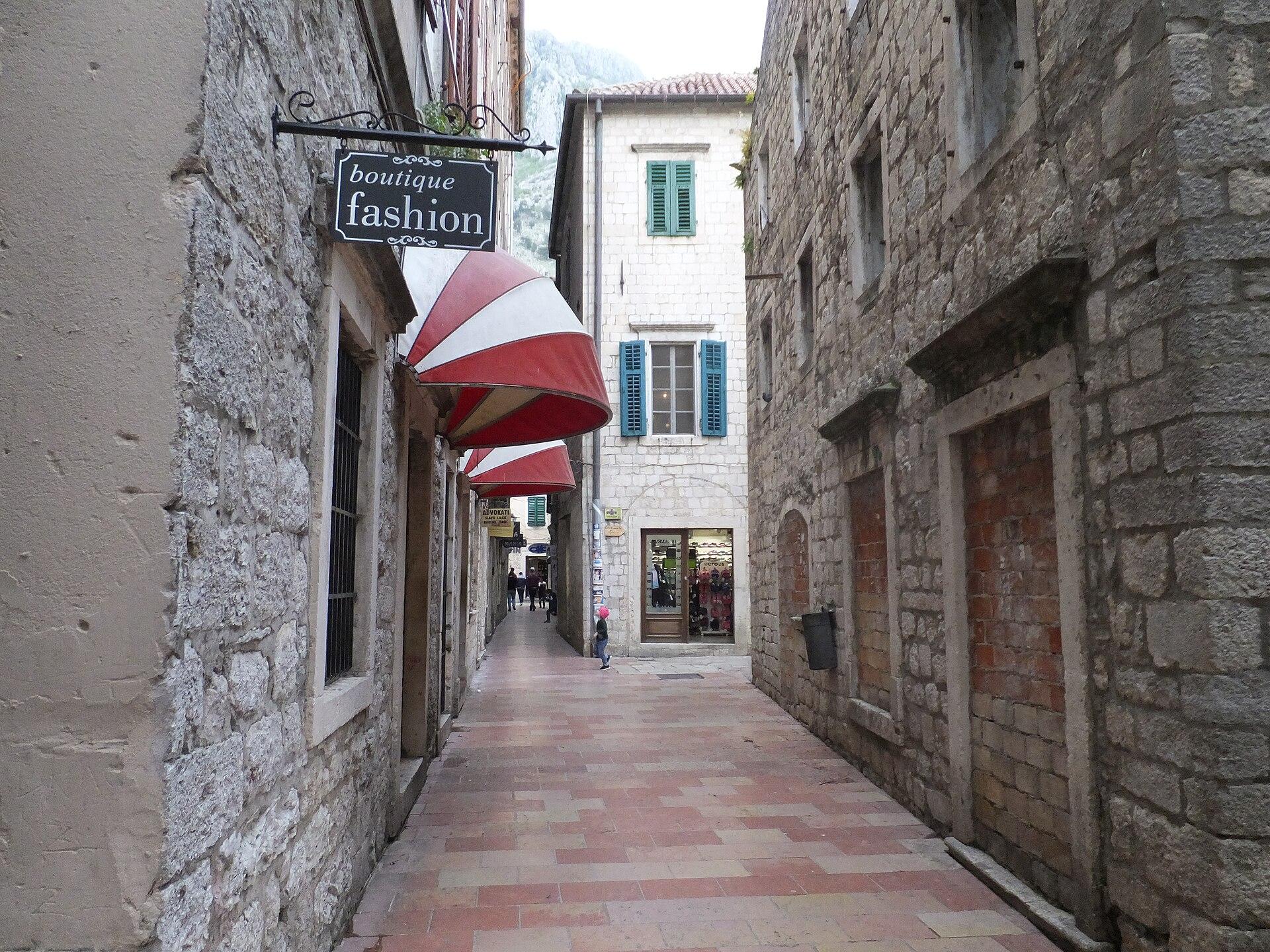
Kotor hotels
Montenegro · 4 hotels