
Hotels in Peru
13 cities · 176 hotels
Peru: Andes, Amazon, and Ancient Empires
Peru sits on South America's Pacific coast, bordered by Ecuador, Colombia, Brazil, Bolivia, and Chile. The country spans three sharply distinct zones: a narrow coastal desert, the Andes cordillera rising above 6,700 metres at Huascarán, and the vast Amazon basin covering roughly 60% of national territory. That geographic range—compressed into a country roughly twice the size of Texas—makes Peru one of the most ecologically layered destinations on earth.
Cities Worth Exploring
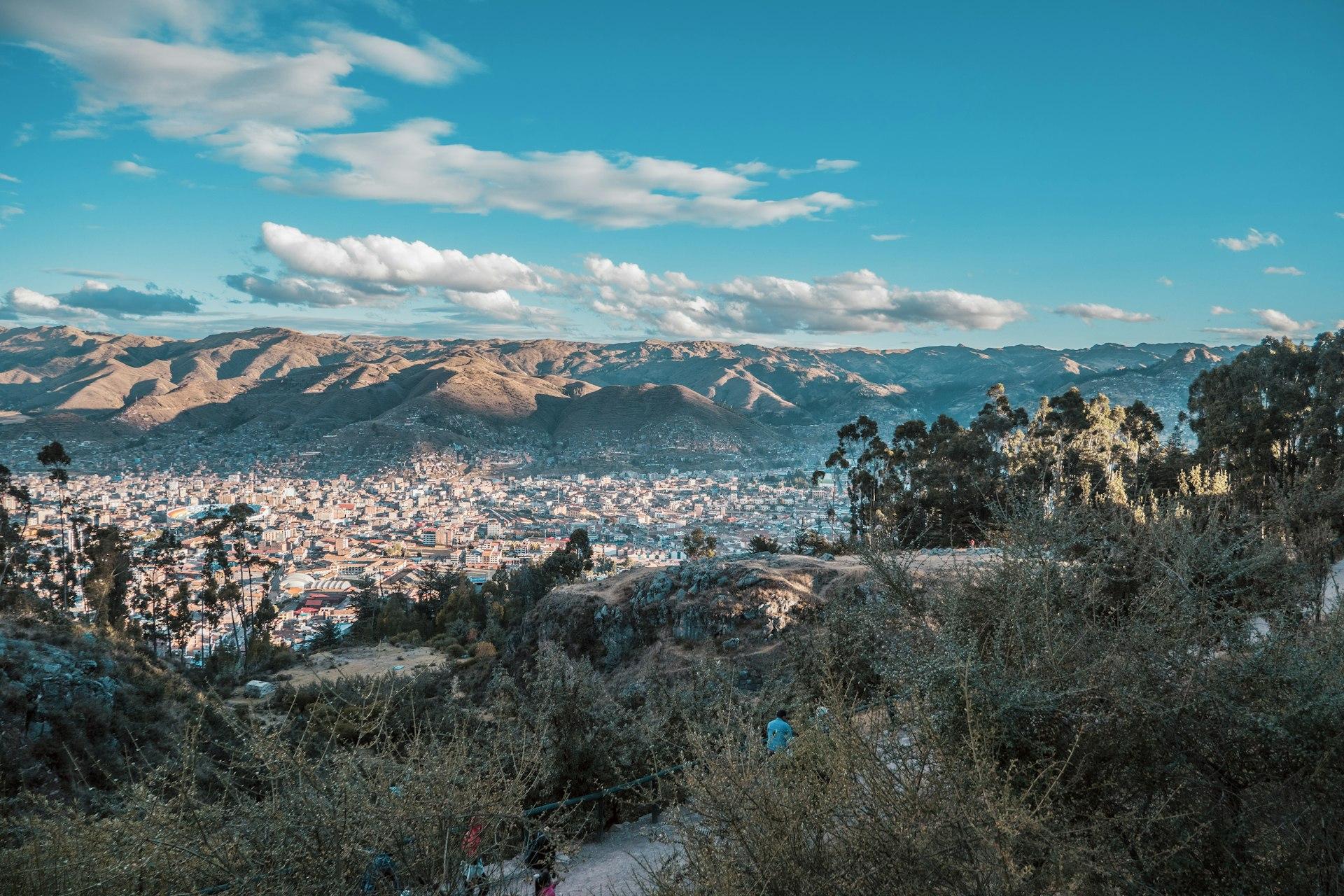
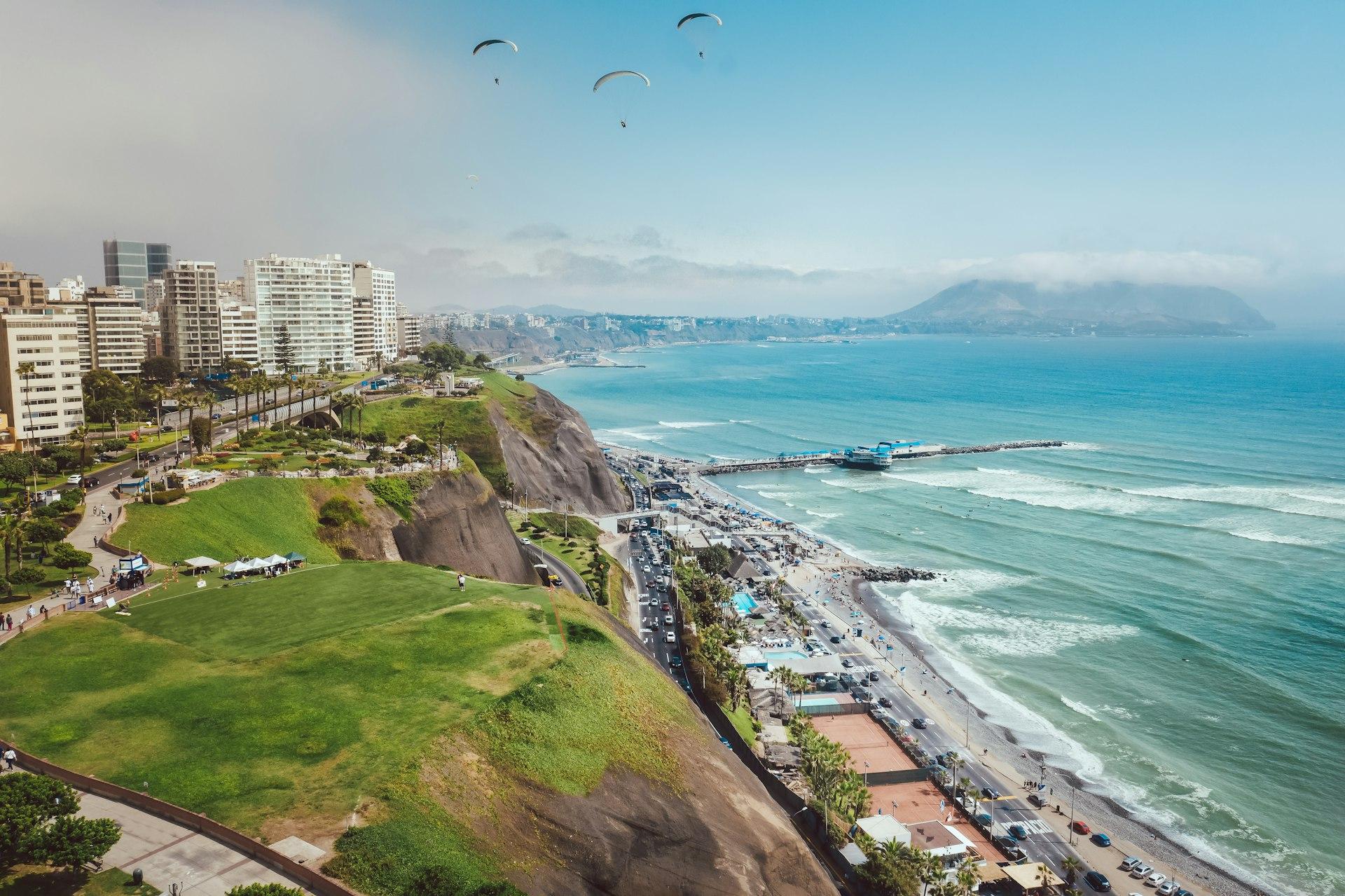
Lima, the capital of 10 million people, anchors the Pacific coast. Its colonial centre, a UNESCO World Heritage Site since 1988, clusters around the Plaza Mayor and the 16th-century Cathedral of Lima. The Miraflores and Barranco districts hold the majority of the city's hotels, restaurants, and galleries, with Barranco's cliff-top boardwalk overlooking the Pacific. Cusco, at 3,400 metres elevation in the southeastern Andes, served as the capital of the Inca Empire from the 13th century until the Spanish conquest of 1532. Arequipa, 1,009 km southeast of Lima, is built largely from white volcanic sillar stone and sits at the foot of the El Misti volcano (5,822 m). Iquitos, accessible only by river or air, is the largest city in the world with no road connection to the national highway network and serves as the gateway to northern Amazon lodges.
The Inca Trail and Highland Regions
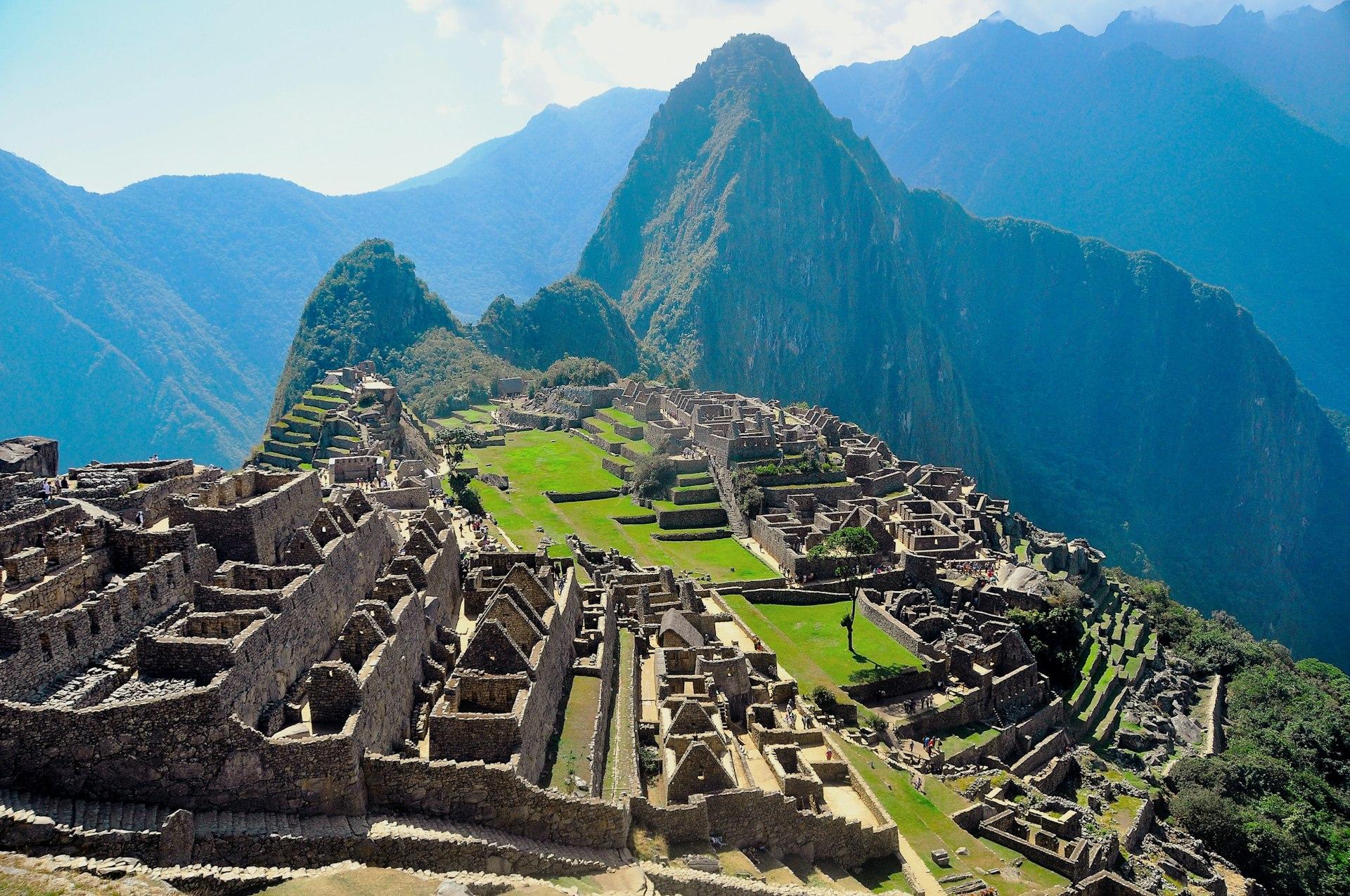
The Sacred Valley of the Incas stretches roughly 60 km northwest of Cusco along the Urubamba River, passing the market town of Pisac and the fortress of Ollantaytambo before reaching the trailhead for the Inca Trail. The classic four-day trek covers 43 km and reaches its endpoint at Machu Picchu, the 15th-century citadel perched at 2,430 metres on a ridge above cloud forest. Peru's Ministry of Culture caps daily Inca Trail permits at 500 people (including guides and porters); permits typically sell out three to four months in advance. The Lake Titicaca basin, shared with Bolivia at 3,812 metres above sea level, offers a second highland circuit centred on the port city of Puno and the inhabited floating islands of the Uros.
When to Visit Peru
Peru's coastal and highland seasons run in rough opposition. Along the coast, including Lima, the driest months fall between December and April. In the highlands—Cusco, Machu Picchu, Arequipa—the dry season runs May through October, with July drawing the largest visitor volumes. The Amazon lowlands receive rain year-round, but high water from December to May actually improves wildlife viewing by pushing animals to higher ground. Inti Raymi, the Inca Festival of the Sun, takes place in Cusco on 24 June each year and draws tens of thousands of visitors; booking accommodation eight to twelve weeks ahead is advisable for that period.
Practical Tips for Visiting Peru
- Altitude acclimatisation: Spend at least two nights in Cusco before trekking; altitude sickness affects visitors arriving from sea level.
- Currency: The sol (PEN) is the national currency; ATMs are widely available in Lima, Cusco, and Arequipa but rare in smaller Amazon towns.
- Getting around: Domestic flights connect Lima with Cusco in roughly 1 hour 20 minutes; the overland journey is 20–22 hours by bus.
- Inca Trail permits: Book through a licensed operator at least three to four months ahead; independent trekking on the trail is not permitted.
- Visas: Citizens of the US, EU, UK, Canada, and Australia receive a 90-day stamp on arrival at no cost as of 2026.
Frequently Asked Questions
Q: What is the best time to visit Machu Picchu? A: The dry season, May through October, offers the clearest skies and easiest trekking conditions. July is the busiest month; visiting in May, June, or September reduces crowds while keeping good weather.
Q: Do visitors need a visa for Peru? A: Citizens of the United States, most EU countries, the United Kingdom, Canada, and Australia do not require a visa for stays up to 90 days. A valid passport is required.
Q: How far is Cusco from Machu Picchu? A: Cusco lies approximately 112 km by road from Aguas Calientes, the town at the base of Machu Picchu. Travelers typically take a train from Cusco or Ollantaytambo to Aguas Calientes (1.5–3.5 hours), then a 25-minute bus up the switchback road to the citadel entrance.
Q: Is Lima worth visiting beyond the airport? A: Lima warrants two to three days. The Larco Museum holds the largest collection of pre-Columbian gold in Latin America, and the Miraflores seafront hosts some of Peru's highest-rated restaurants, including multiple entries on the Latin America's 50 Best list.
Q: What currency does Peru use? A: Peru uses the sol (PEN). US dollars are accepted at many hotels and tour operators in tourist zones, but paying in soles typically yields a better effective rate.
Cities in Peru
Cusco hotels
Peru · 61 hotels
Lima hotels
Peru · 25 hotels
Huaraz hotels
Peru · 23 hotels
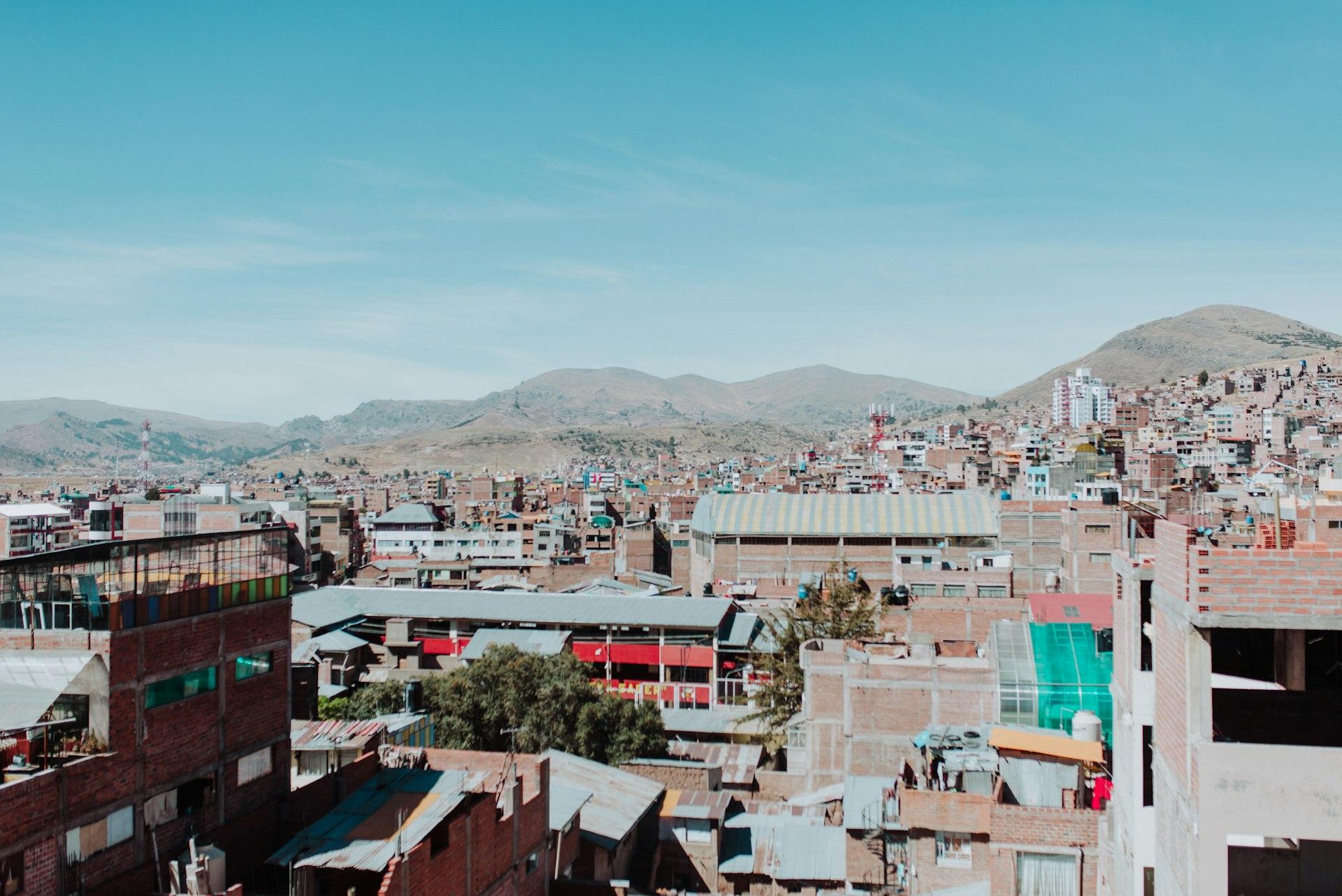
Puno hotels
Peru · 21 hotels
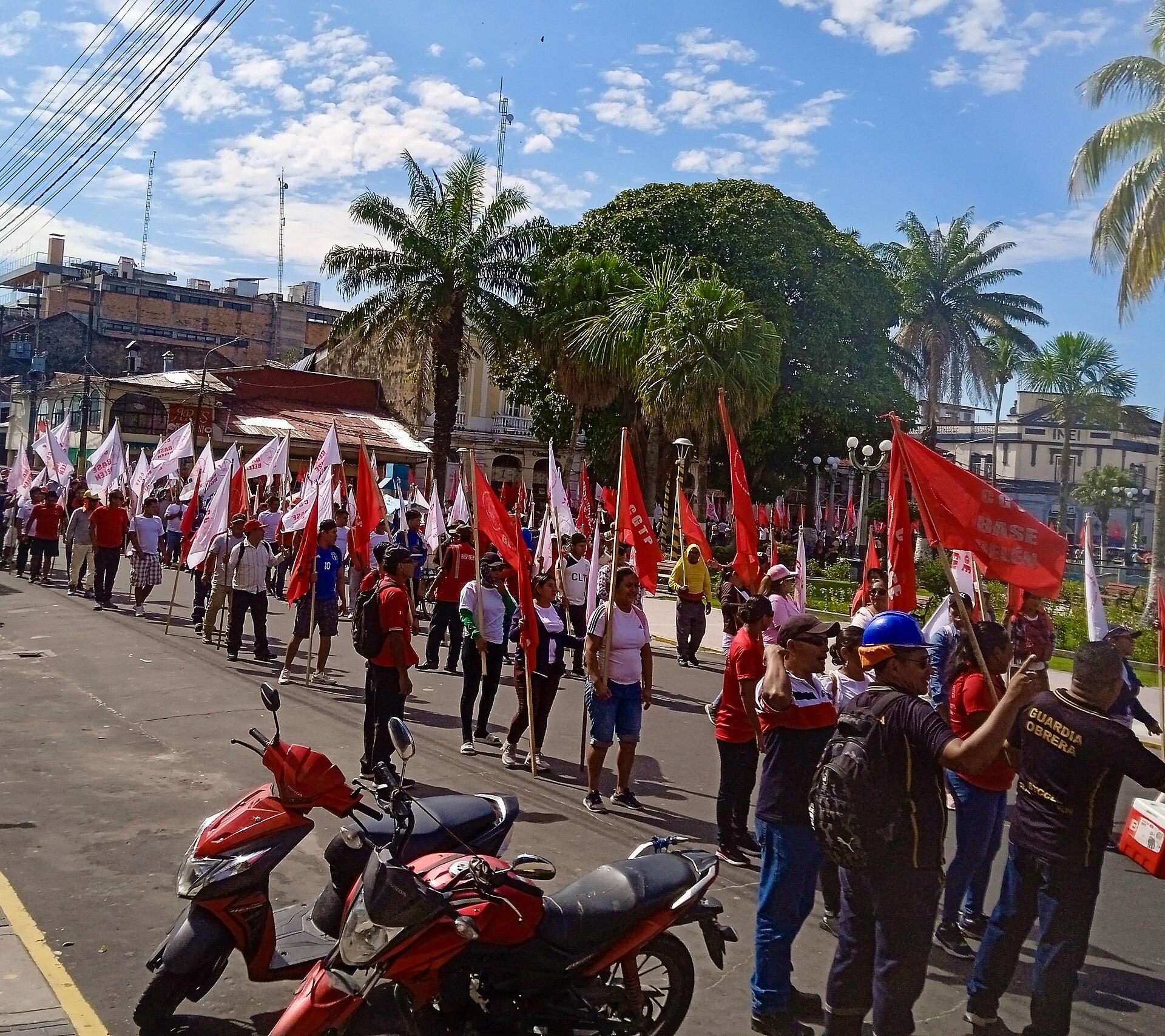
Iquitos hotels
Peru · 14 hotels
Batanes hotels
Peru · 10 hotels
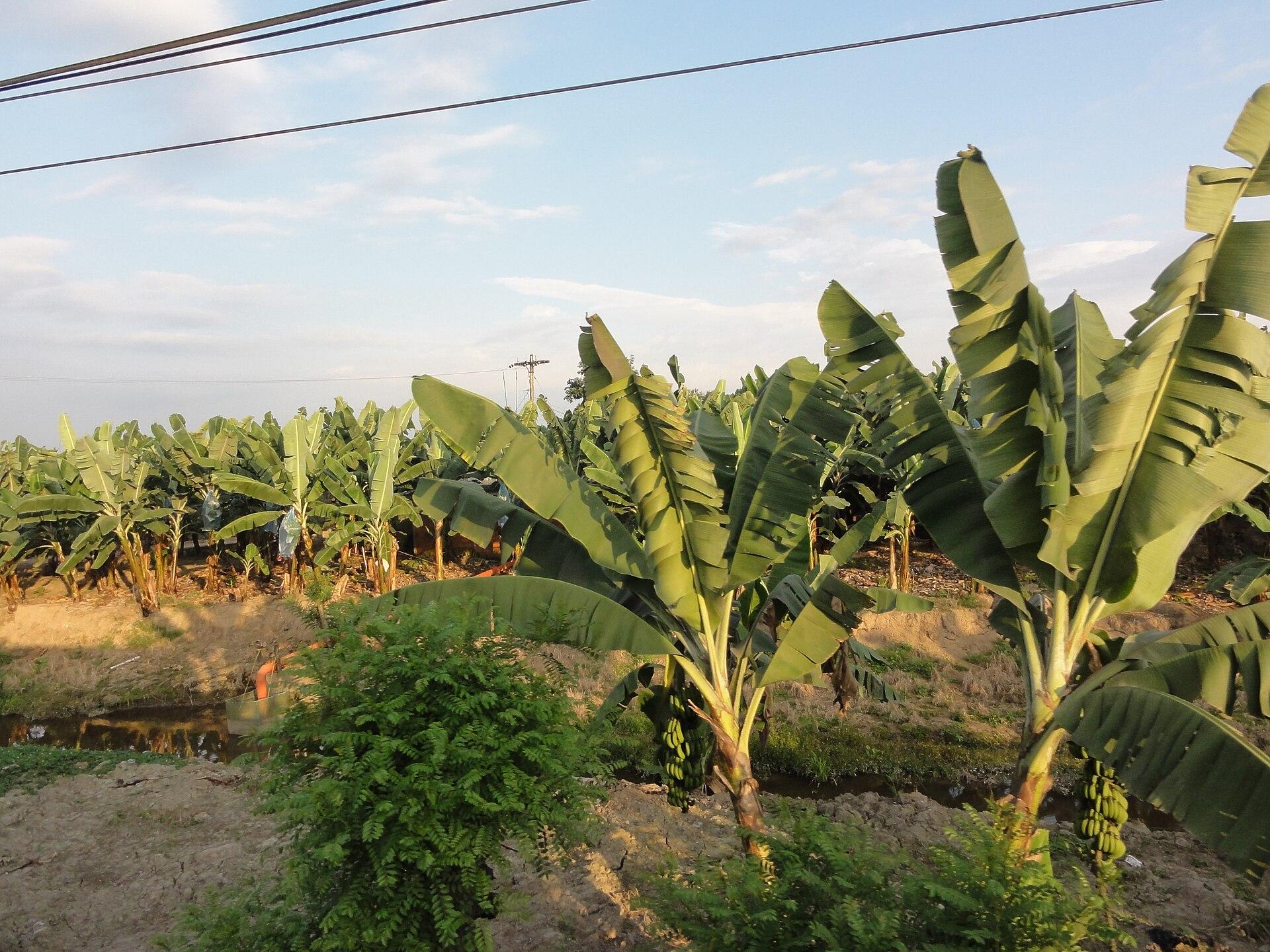
Máncora hotels
Peru · 8 hotels
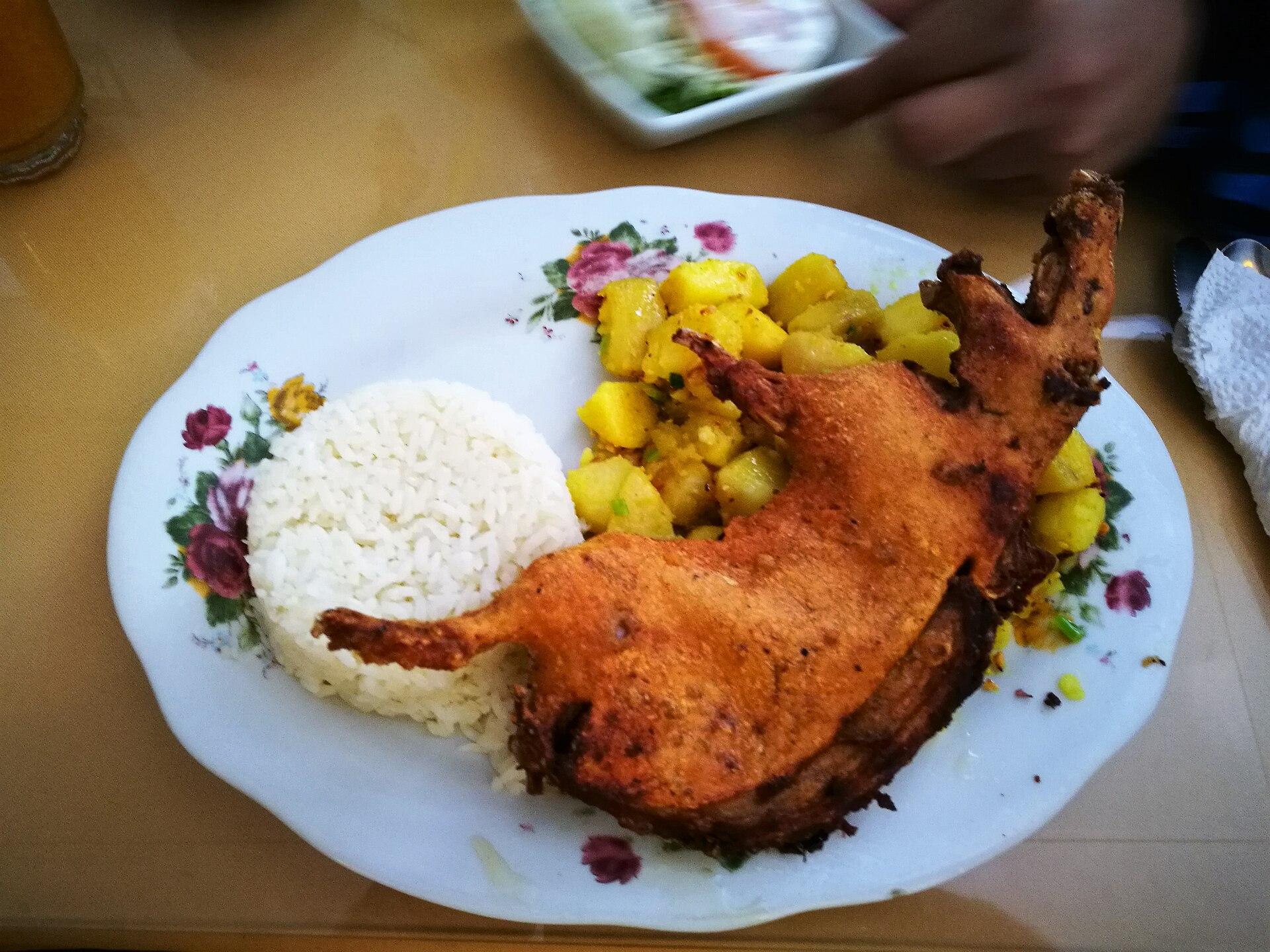
Chachapoyas hotels
Peru · 6 hotels
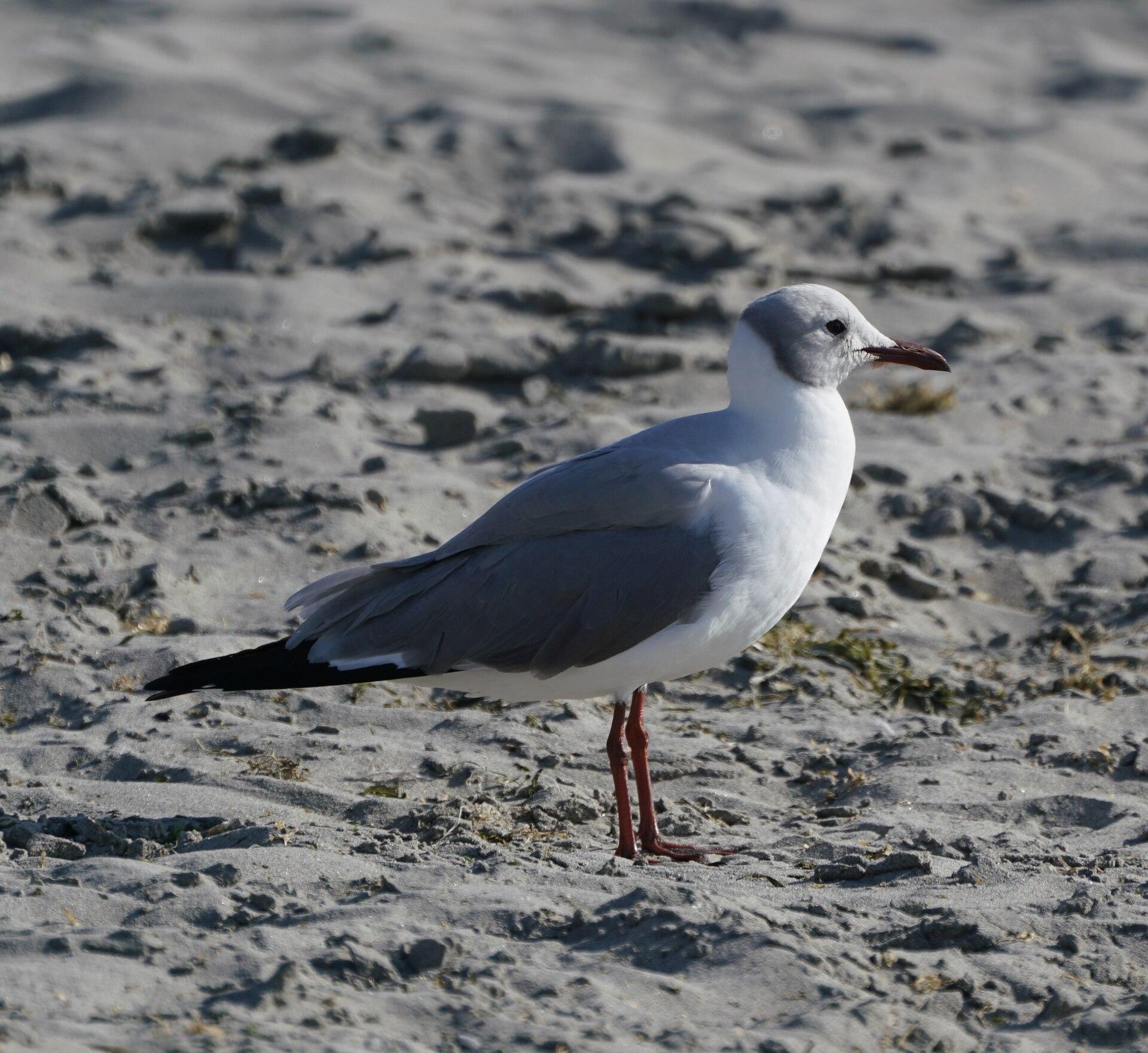
Paracas hotels
Peru · 3 hotels
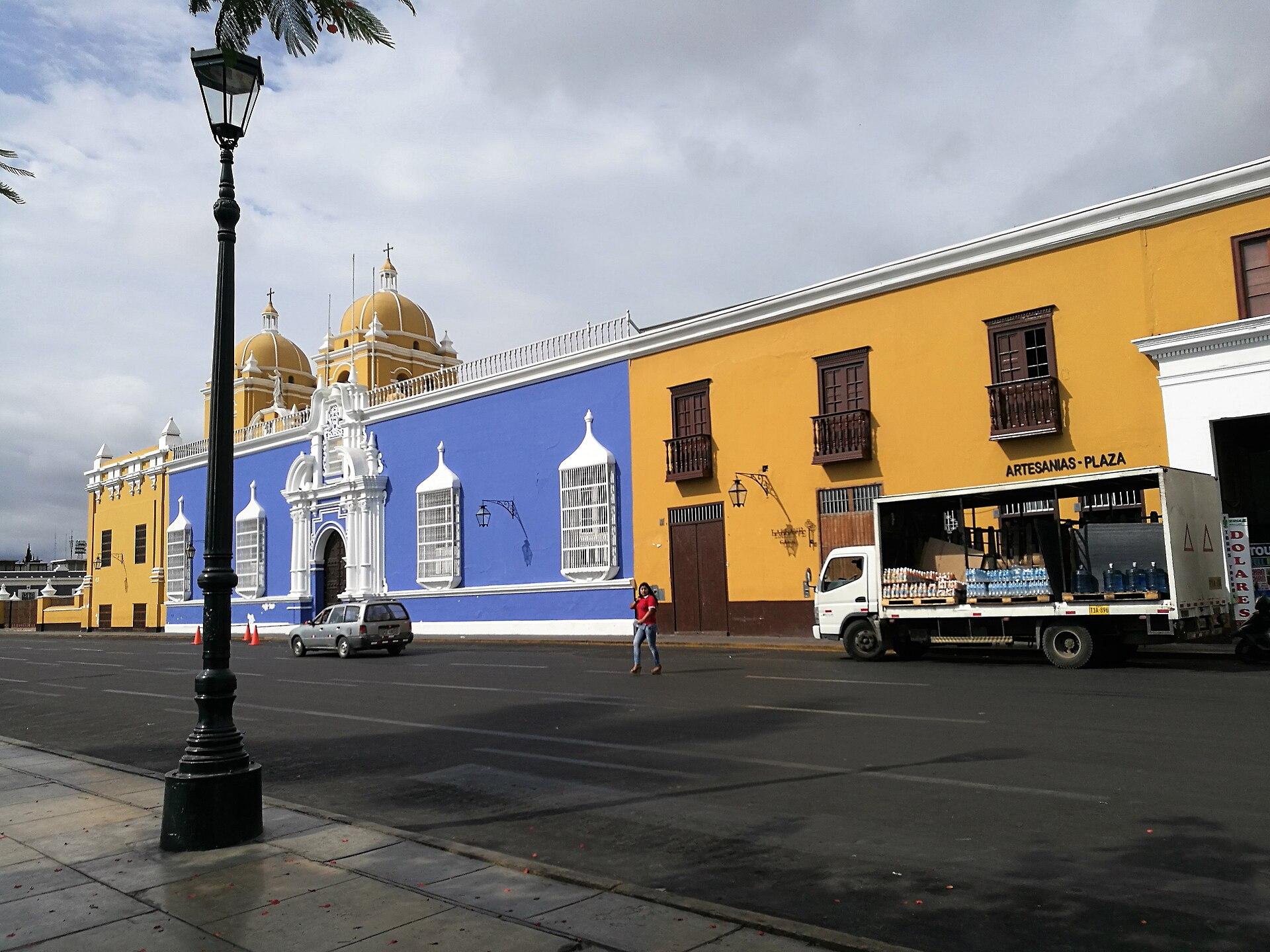
Trujillo hotels
Peru · 2 hotels
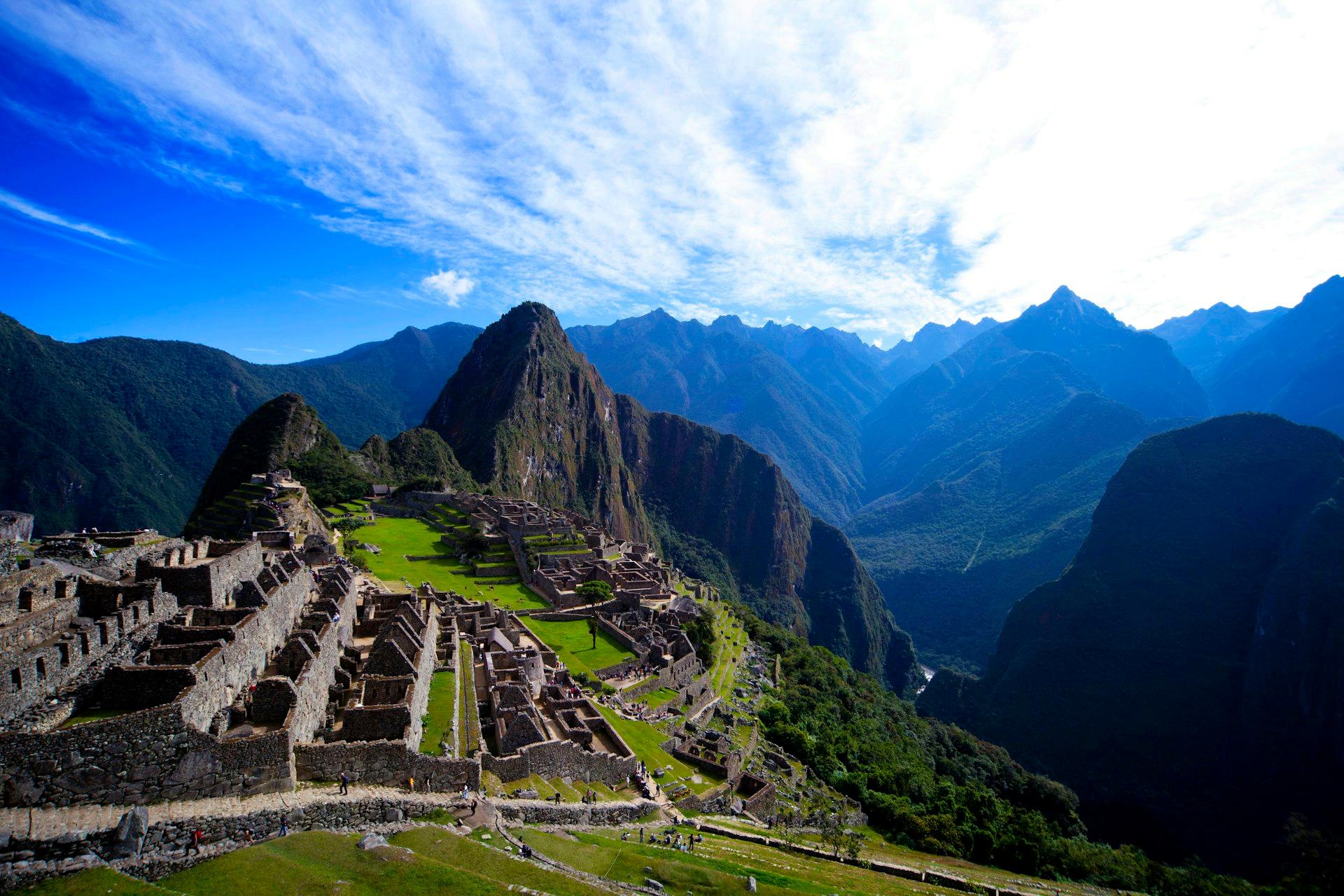
Machu Picchu hotels
Peru · 2 hotels
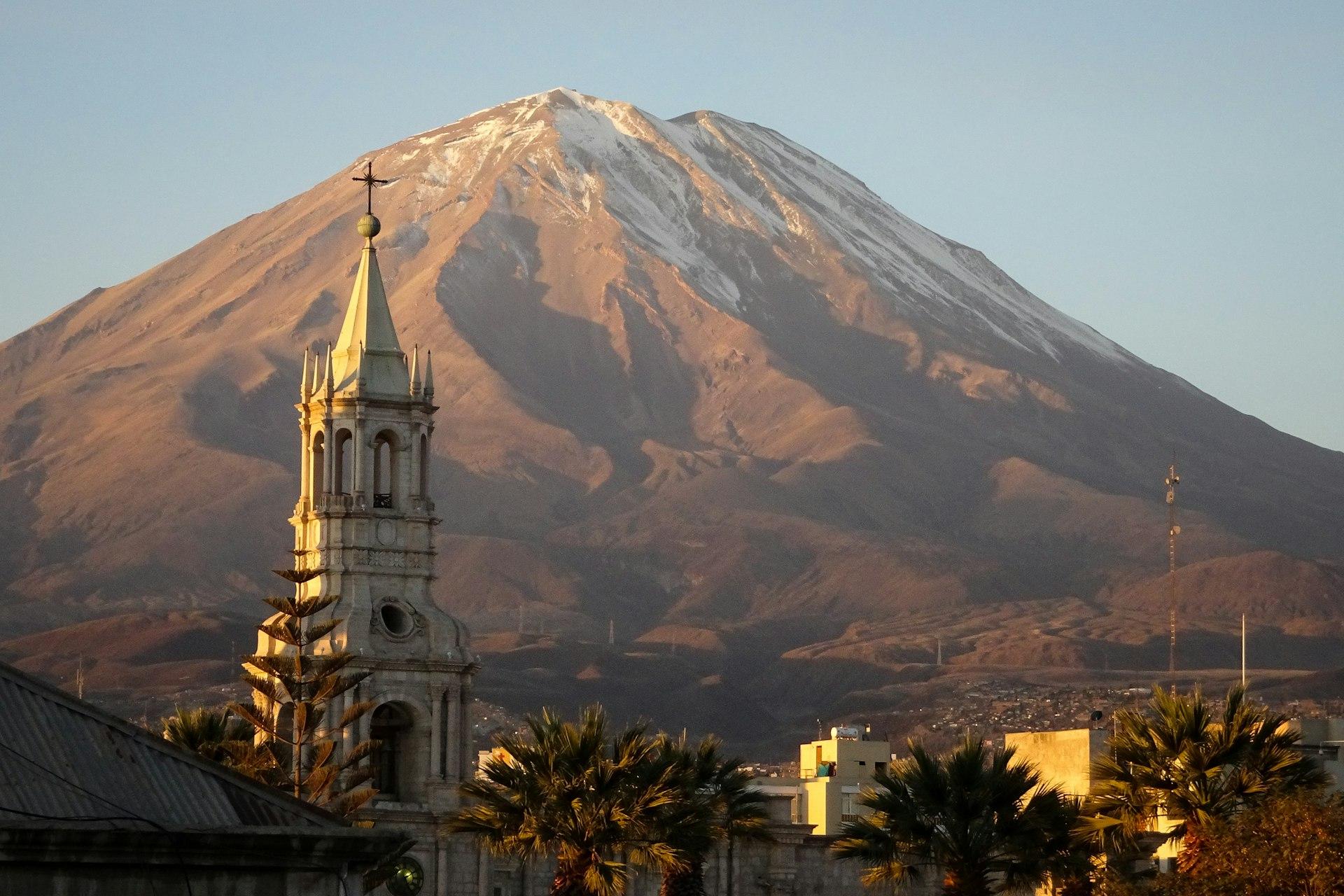
Arequipa hotels
Peru · 1 hotels