
Hotels in South Africa
20 cities · 187 hotels
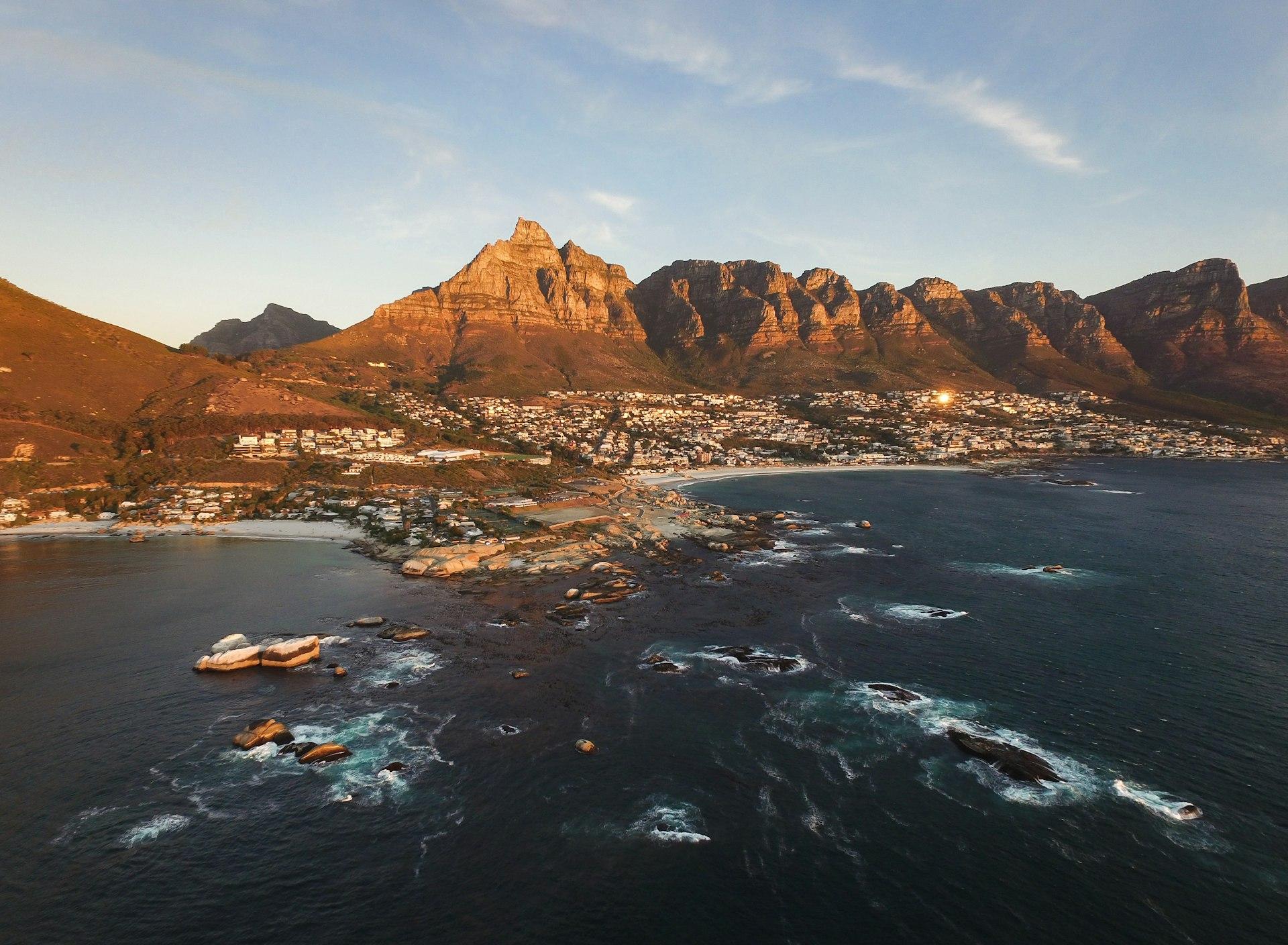
Photo by Finding Dan | Dan Grinwis on Unsplash
South Africa: Cape Peaks, Savanna, and the Garden Route
South Africa occupies the southern tip of the African continent, spanning 1.22 million km² across nine provinces. The country shares borders with Namibia, Botswana, Zimbabwe, Mozambique, Eswatini, and Lesotho, and its coastline stretches more than 2,500 km between the Atlantic and Indian Oceans. Three capital cities divide government functions: Pretoria (executive), Cape Town (legislative), and Bloemfontein (judicial). Eleven official languages reflect a population of roughly 62 million people across Zulu, Xhosa, Afrikaans, English, and seven other tongues.
Cities Worth Exploring
Cape Town anchors the southwestern tip of the country beneath the flat-topped Table Mountain, which rises 1,086 m above sea level and draws cable-car visitors year-round. The V&A Waterfront sits 2 km from the city centre and hosts over 450 retail and dining outlets alongside working harbour docks. North along the N1 highway, Johannesburg is the country's economic engine, home to the Apartheid Museum in the southern suburb of Gold Reef City and the regenerated Maboneng Precinct in the inner east. Durban, on the KwaZulu-Natal coast, holds the busiest container port on the African continent and a Golden Mile beachfront extending roughly 6 km along the Indian Ocean.
Wildlife, Wine, and the Garden Route
The Kruger National Park covers nearly 20,000 km² in Limpopo and Mpumalanga provinces — one of Africa's largest game reserves — and supports populations of lion, elephant, leopard, rhino, and buffalo collectively called the Big Five. Private lodges border the park on its western edge through the Sabi Sand and Timbavati concessions. South of the Kruger, the Panorama Route passes the Blyde River Canyon, the third-largest canyon on Earth at roughly 800 m deep and 26 km long.
The Cape Winelands begin 45 km east of Cape Town in Stellenbosch, a university town founded in 1679, and extend north through Franschhoek and Paarl. The region produces Chenin Blanc, Pinotage, and Cabernet Sauvignon across more than 300 cellars. Further east, the Garden Route runs approximately 300 km from Mossel Bay to Storms River, threading through coastal forests, lagoons, and the town of Knysna, known for its oyster beds and tidal estuary.
When to Visit
South Africa's climate varies sharply by region. The Western Cape follows a Mediterranean pattern: dry summers (November–February) and wet winters (June–August), making October and April the shoulder sweet spots. The interior plateau and Kruger receive summer rains between November and March; the dry winter months of May to September offer the clearest wildlife viewing because vegetation thins. The KwaZulu-Natal coast is warm year-round, with a rainy season peaking between November and March.
Practical Tips for Visiting South Africa
- Getting around: Domestic flights connect Cape Town, Johannesburg (O.R. Tambo International), and Durban in under two hours; self-drive is the most practical option for the Garden Route and Winelands.
- Currency: The South African rand (ZAR) is the official currency; card payments are widely accepted in cities and tourist corridors.
- Visa: Citizens of the EU, UK, USA, and many other countries receive a 90-day visitor's permit on arrival; check requirements at least six weeks before travel.
- Safety: Stick to well-trafficked areas after dark in Johannesburg's CBD and central Durban; townships tours are best arranged through registered operators.
- Electrical: South Africa uses Type M plugs (three large round pins) at 230 V; pack an adapter for European or North American devices.
Frequently Asked Questions
Q: What is the best base for a safari in South Africa? A: Nelspruit (Mbombela) in Mpumalanga serves as the main gateway to the southern Kruger National Park, roughly 80 km from the Malelane and Crocodile Bridge gates. Private lodge guests often fly directly into Skukuza Airport inside the park.
Q: How many days are needed for the Garden Route? A: Most travelers allow five to seven days to drive the 300 km stretch from Mossel Bay to Storms River, with overnight stops in George, Knysna, and Plettenberg Bay. Adding the Tsitsikamma National Park requires at least one extra night.
Q: Is Cape Town safe for tourists? A: The V&A Waterfront, Bo-Kaap, Camps Bay, and the cable-car precinct on Signal Hill Road are considered low-risk for visitors during daylight hours. Avoid the Cape Flats townships without a guided tour.
Q: What currency should travelers carry for South Africa? A: The South African rand (ZAR) is accepted everywhere. ATMs dispense rand at O.R. Tambo, Cape Town International, and in every major town; withdrawing locally typically gives a better rate than airport exchange desks.
Q: Do visitors need vaccinations before traveling to South Africa? A: No vaccinations are legally required unless arriving from a yellow-fever zone. Malaria prophylaxis is recommended for travel to Kruger, Limpopo, and low-lying KwaZulu-Natal areas between November and April; consult a travel health clinic at least four weeks before departure.
Cities in South Africa
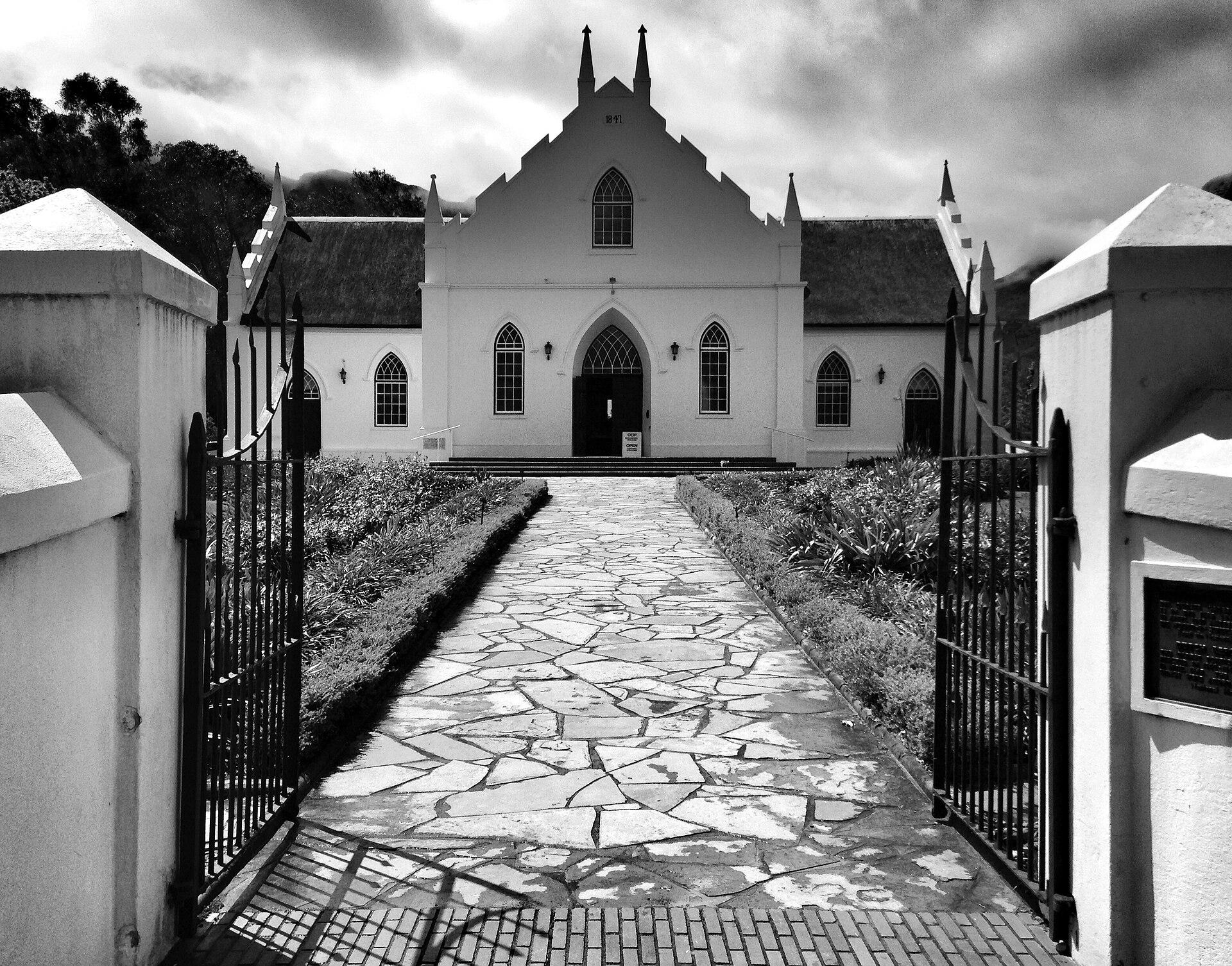
Franschhoek hotels
South Africa · 47 hotels
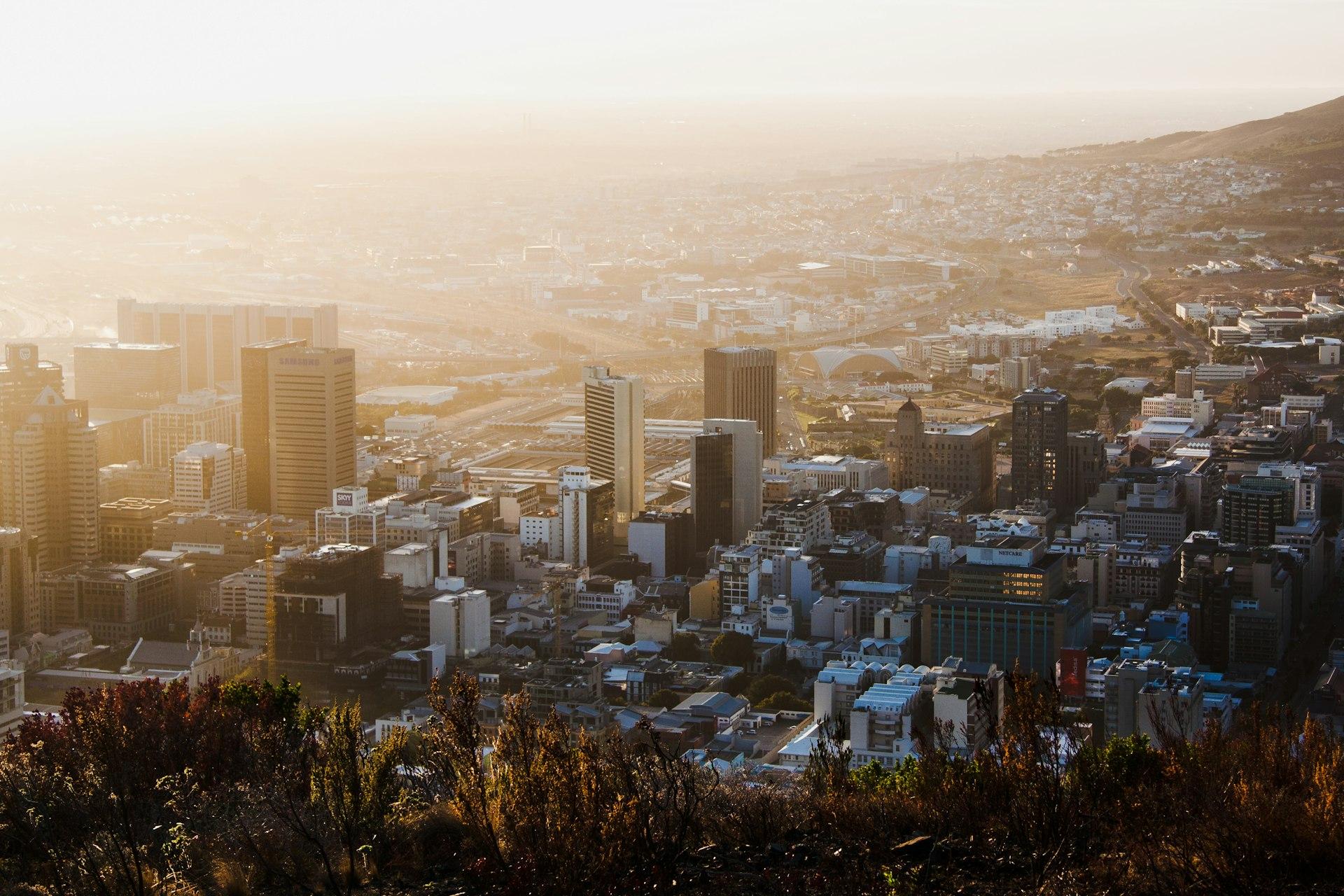
Cape Town hotels
South Africa · 34 hotels
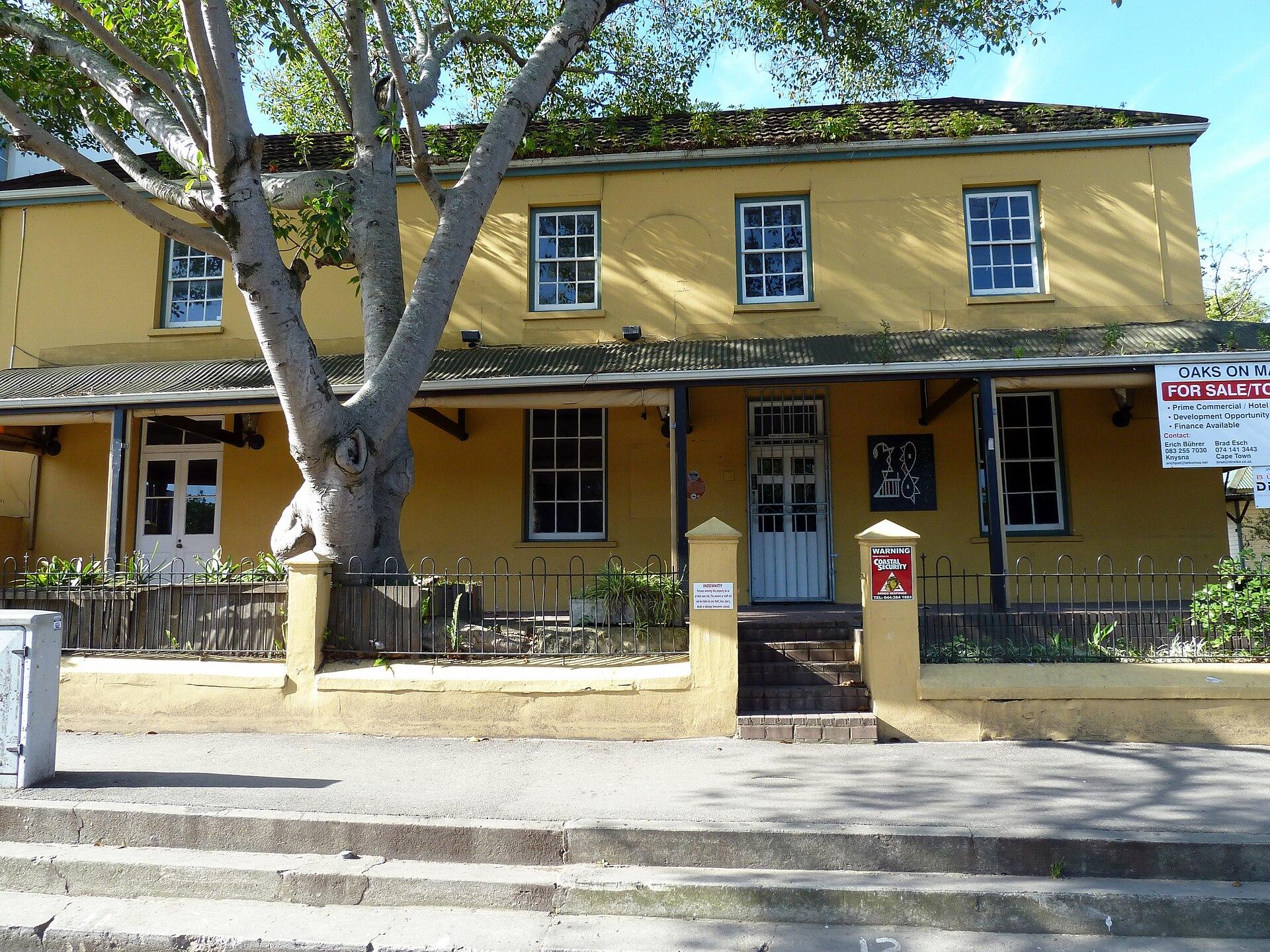
Knysna hotels
South Africa · 20 hotels
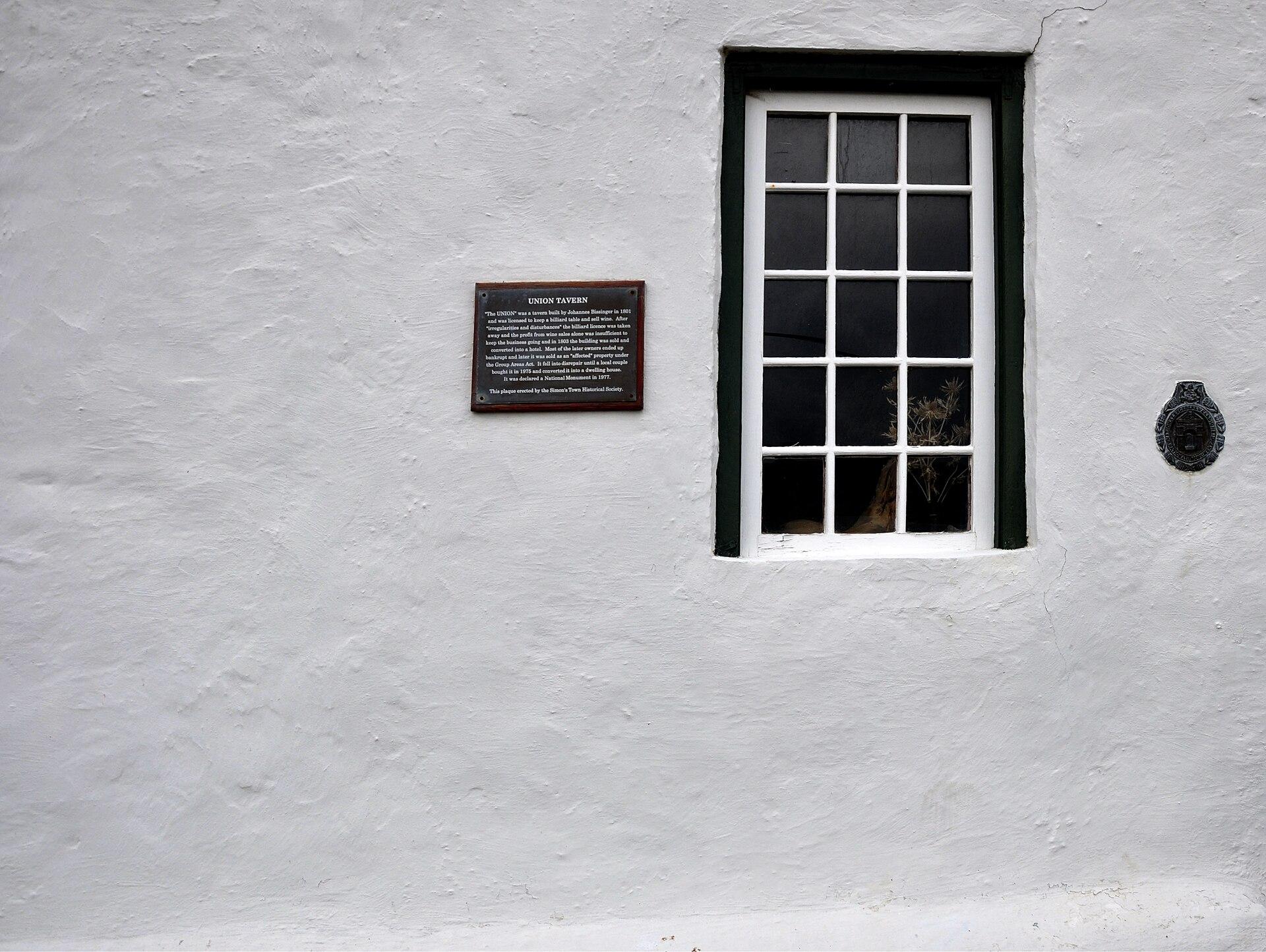
Simonʼs Town hotels
South Africa · 14 hotels
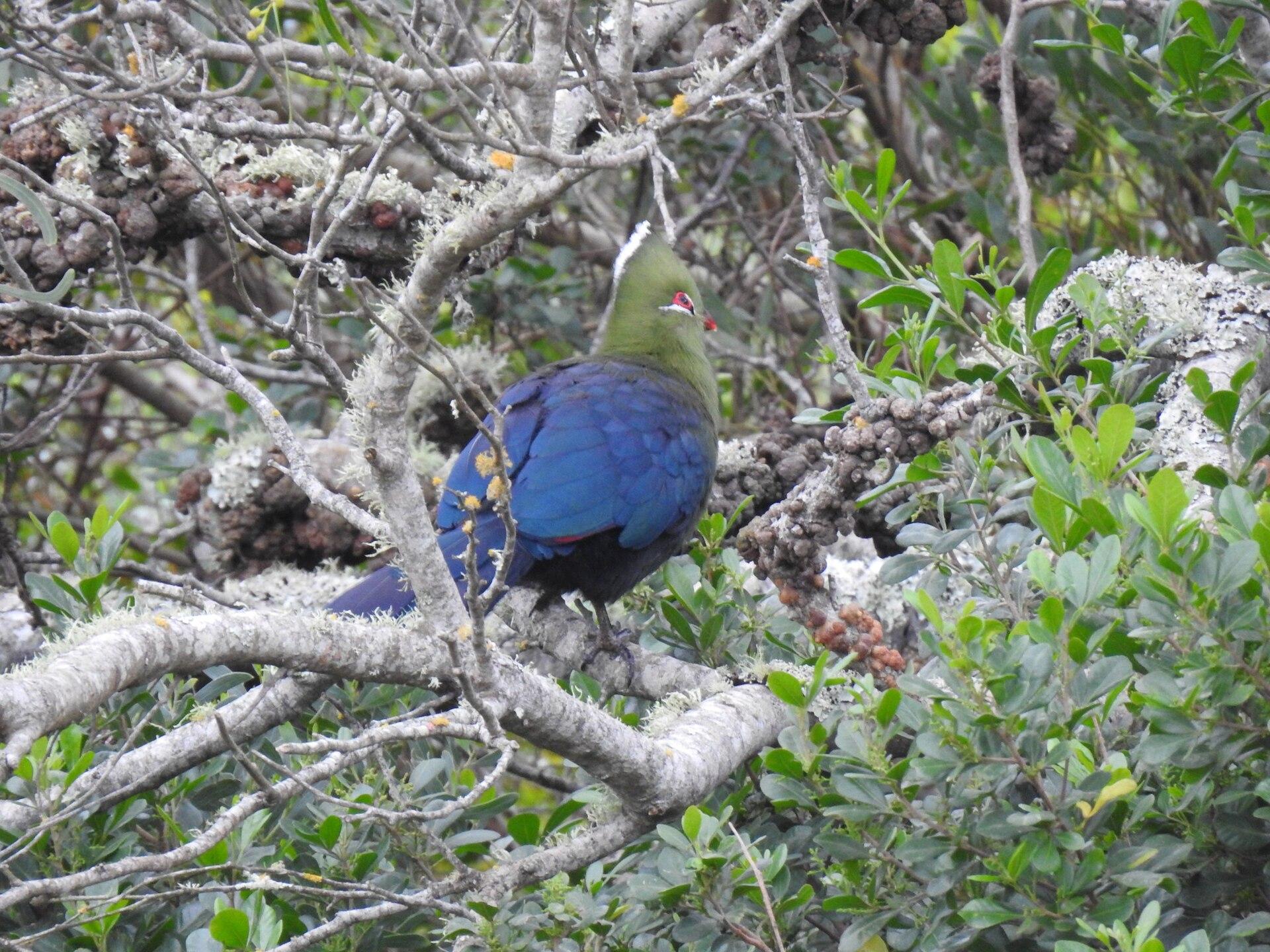
Plettenberg Bay hotels
South Africa · 10 hotels
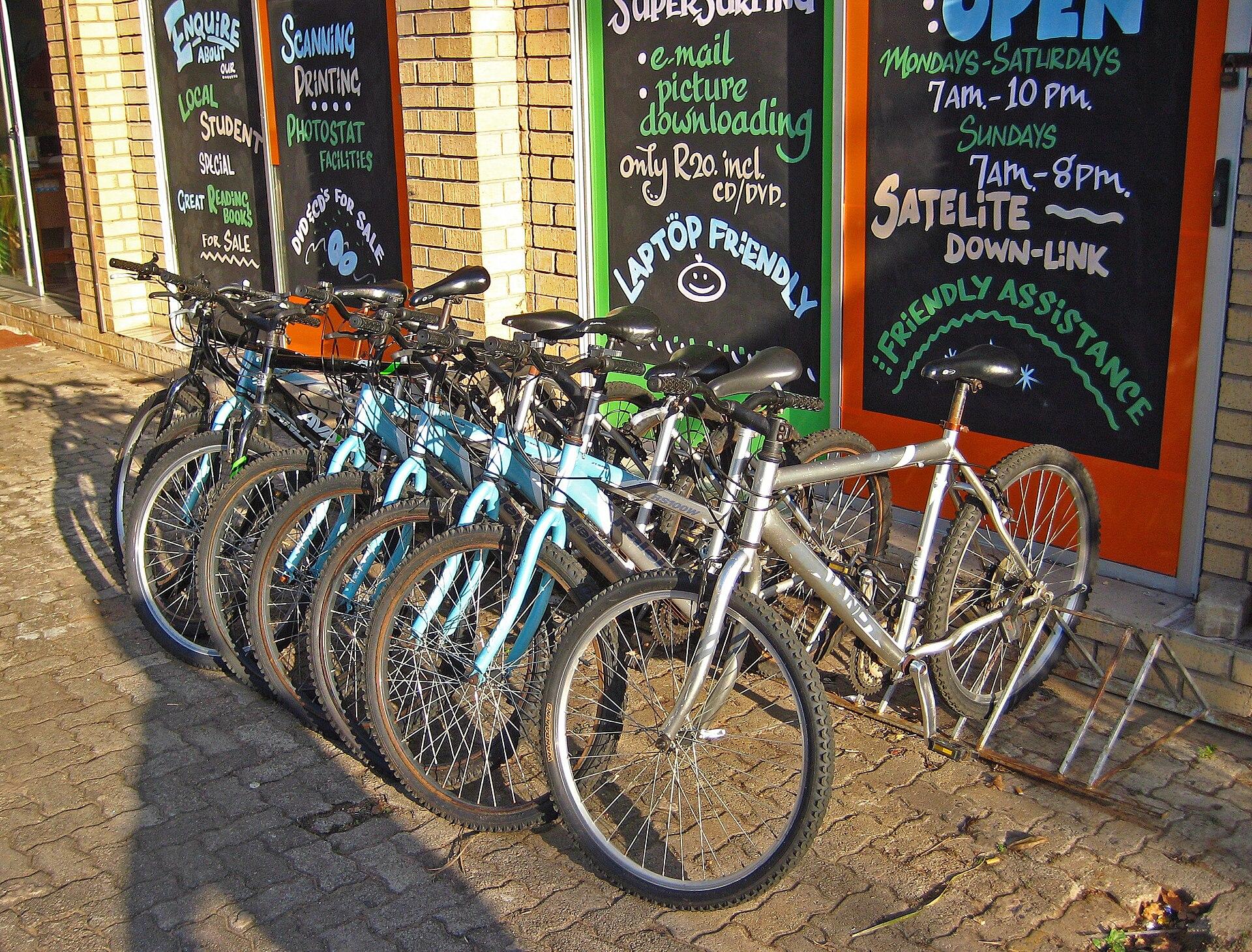
St Lucia hotels
South Africa · 10 hotels
Paternoster hotels
South Africa · 10 hotels
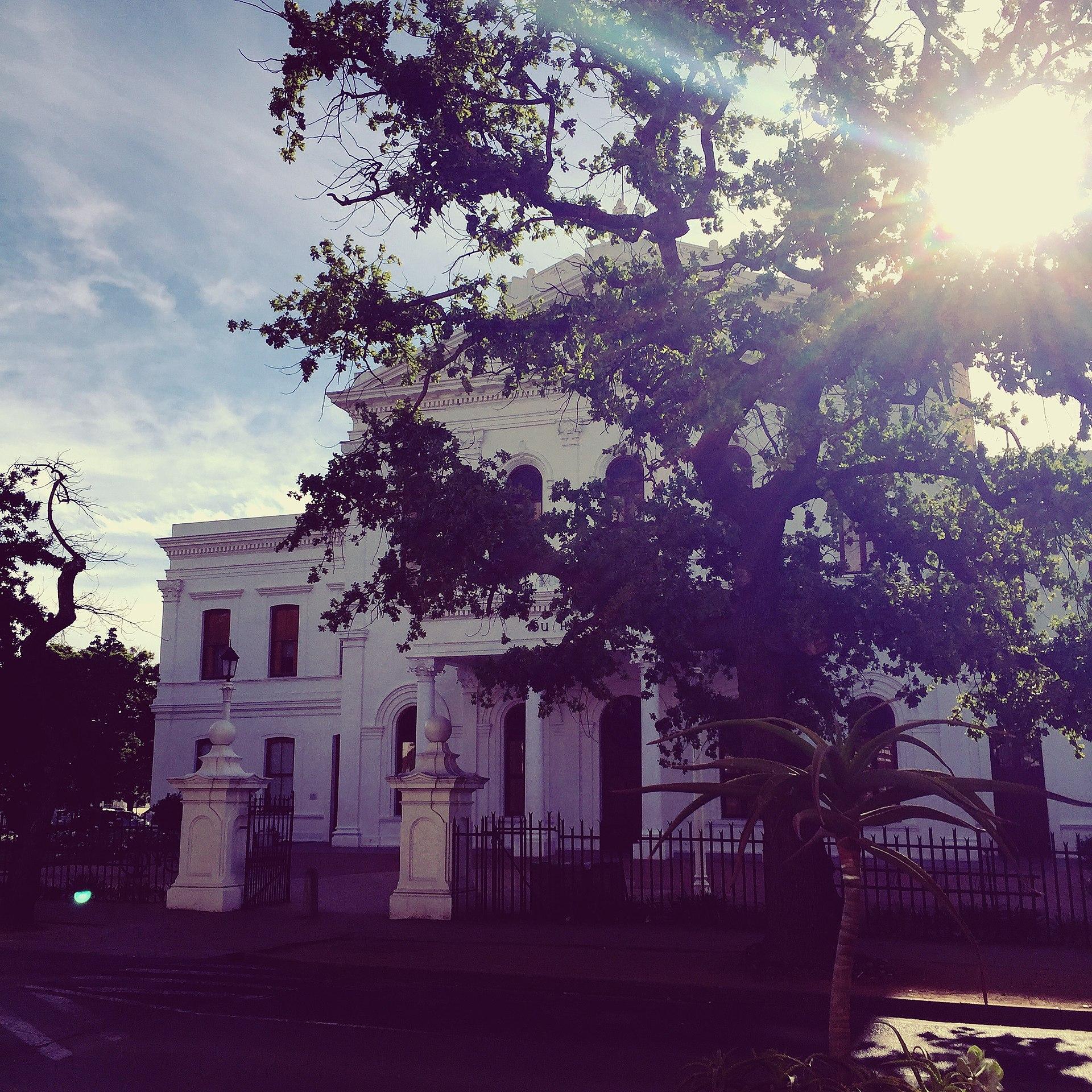
Stellenbosch hotels
South Africa · 8 hotels
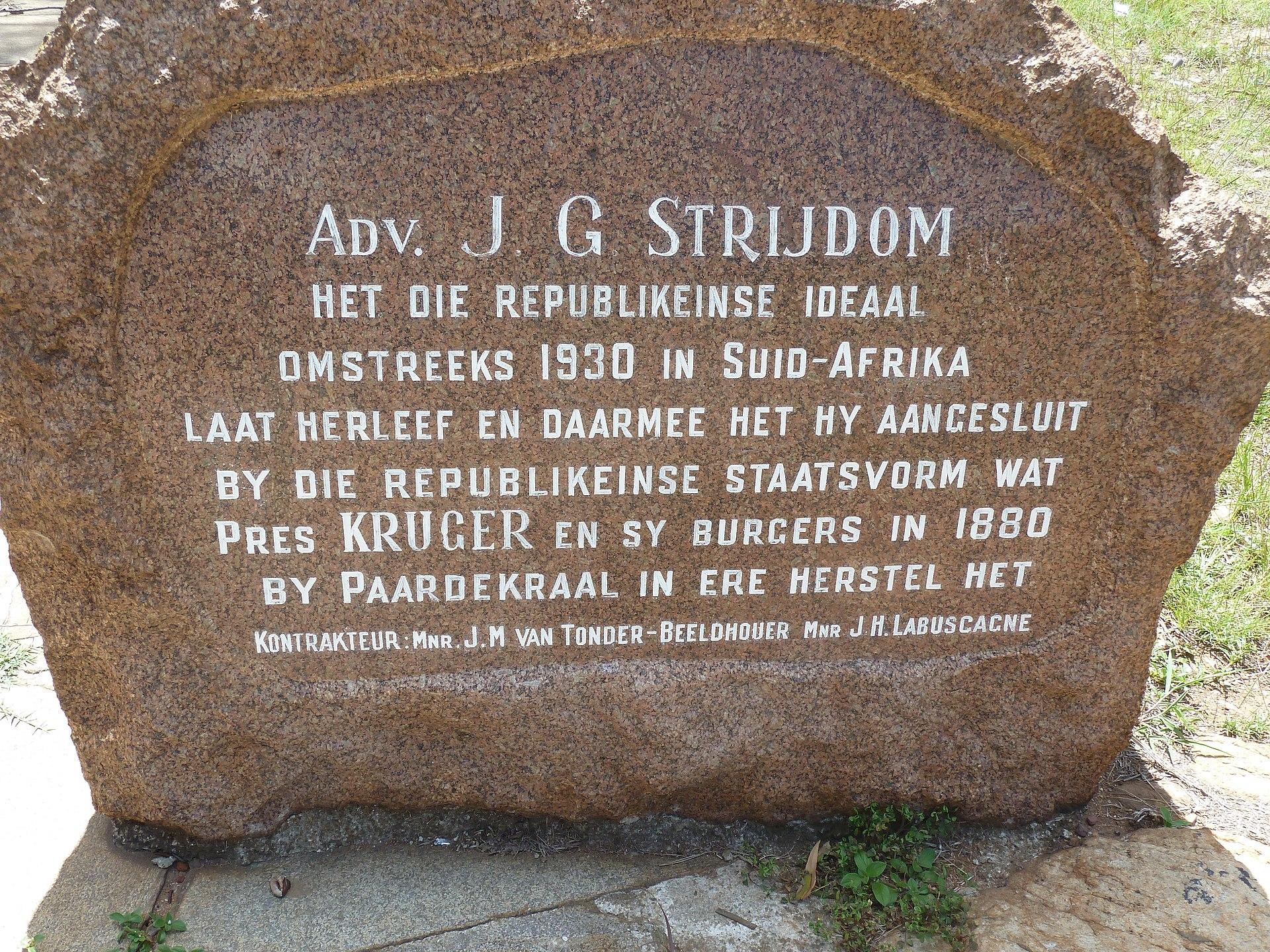
Krugersdorp hotels
South Africa · 7 hotels
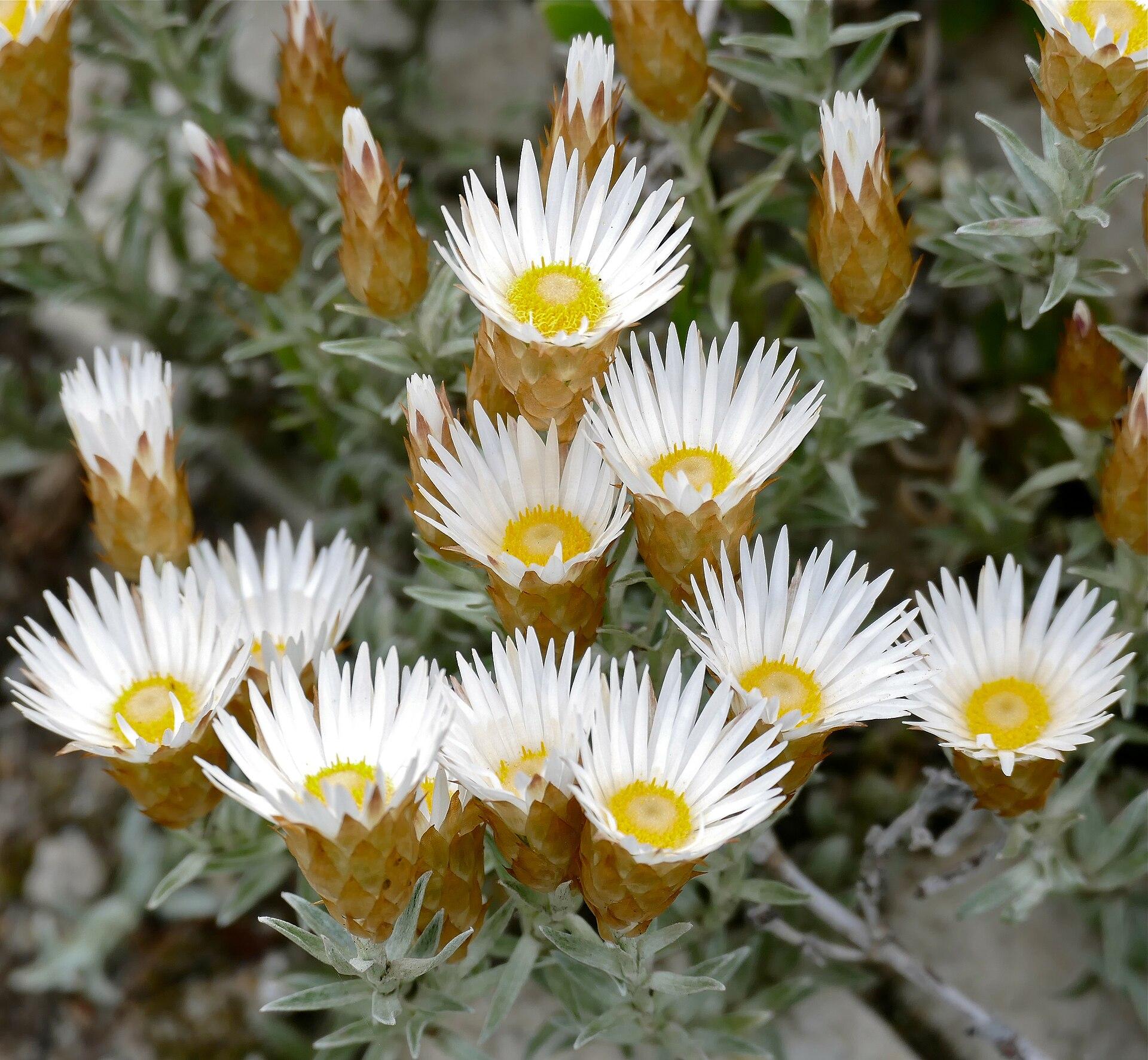
Hermanus hotels
South Africa · 7 hotels
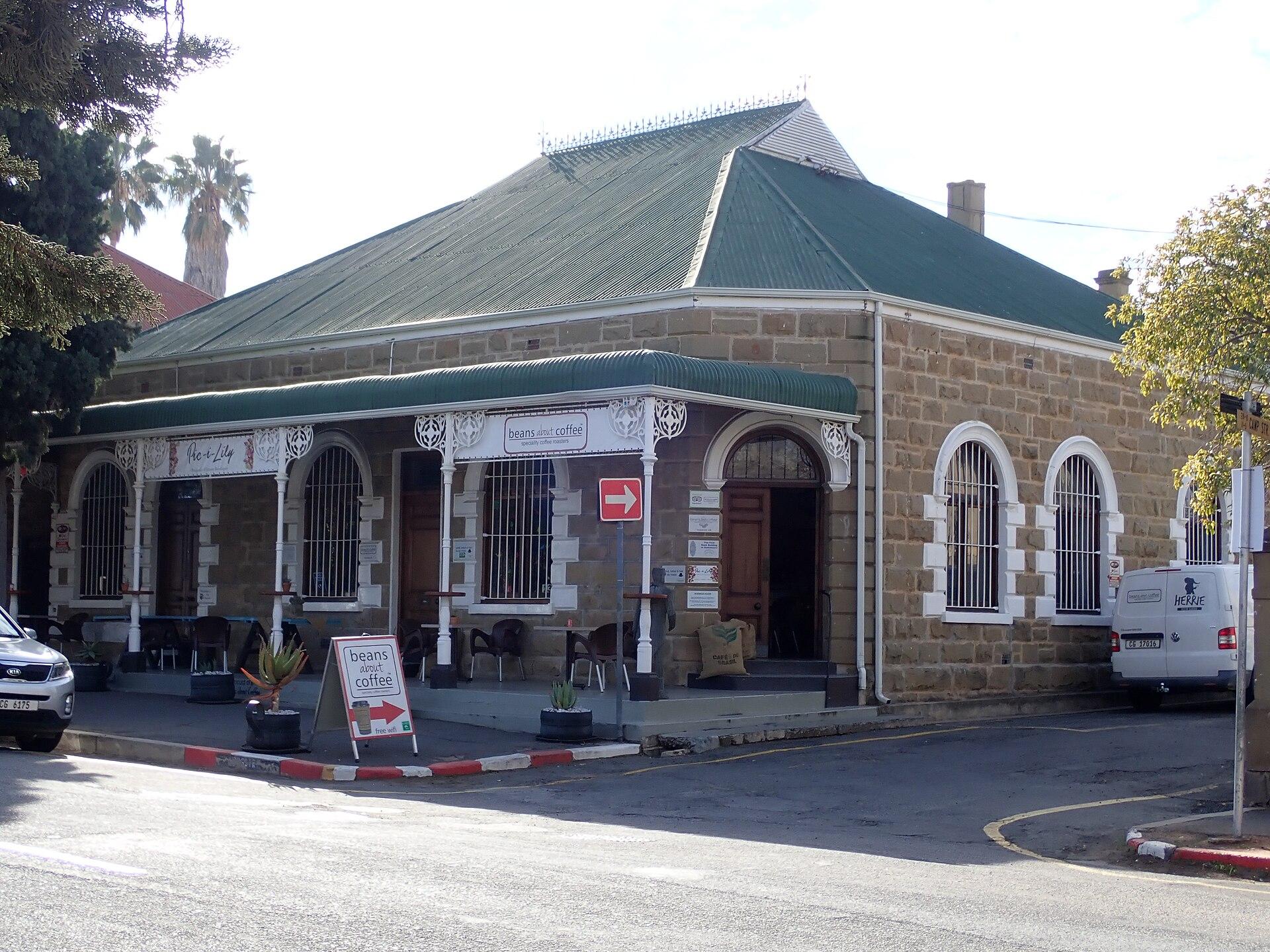
Oudtshoorn hotels
South Africa · 5 hotels
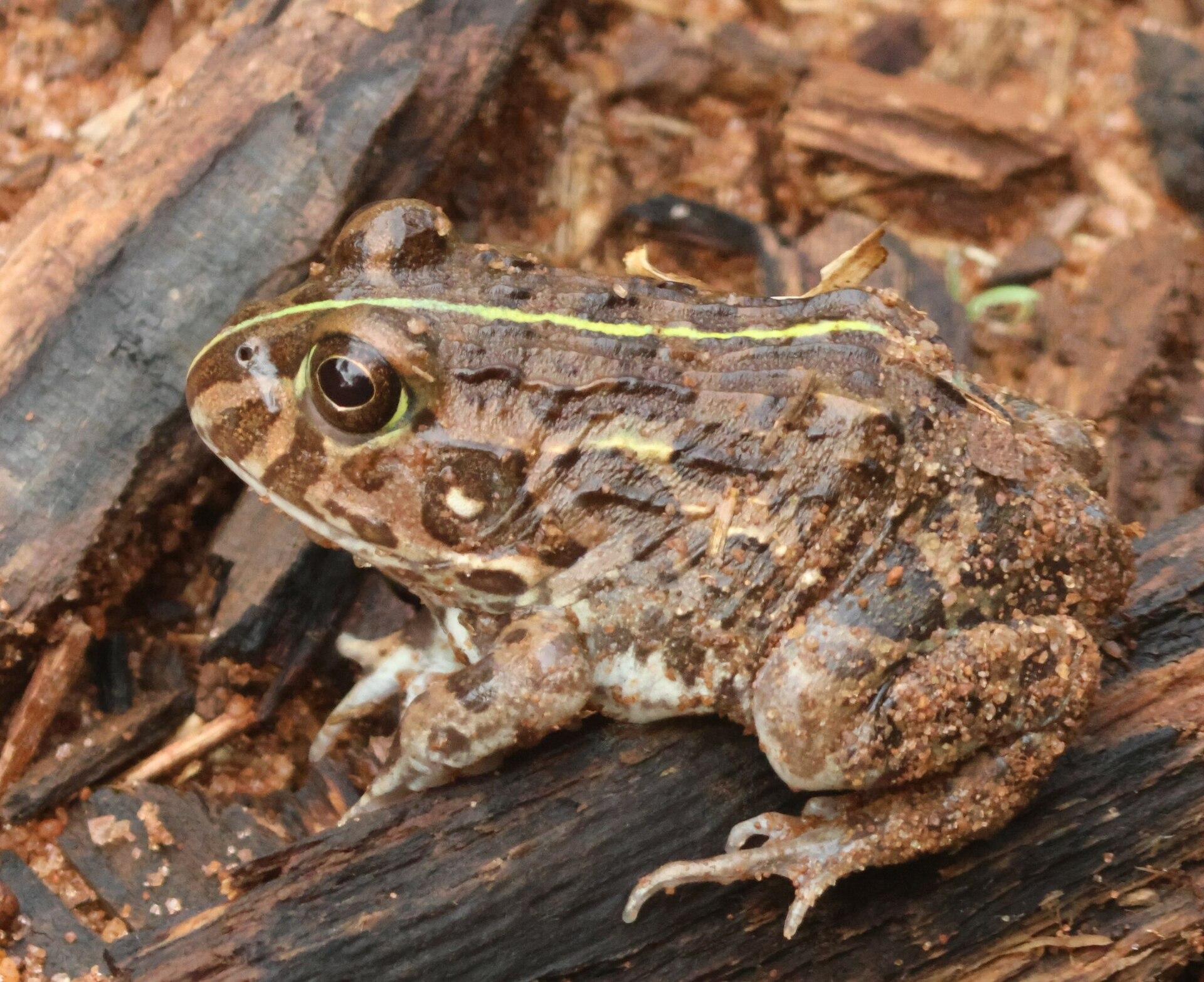
Hluhluwe hotels
South Africa · 5 hotels
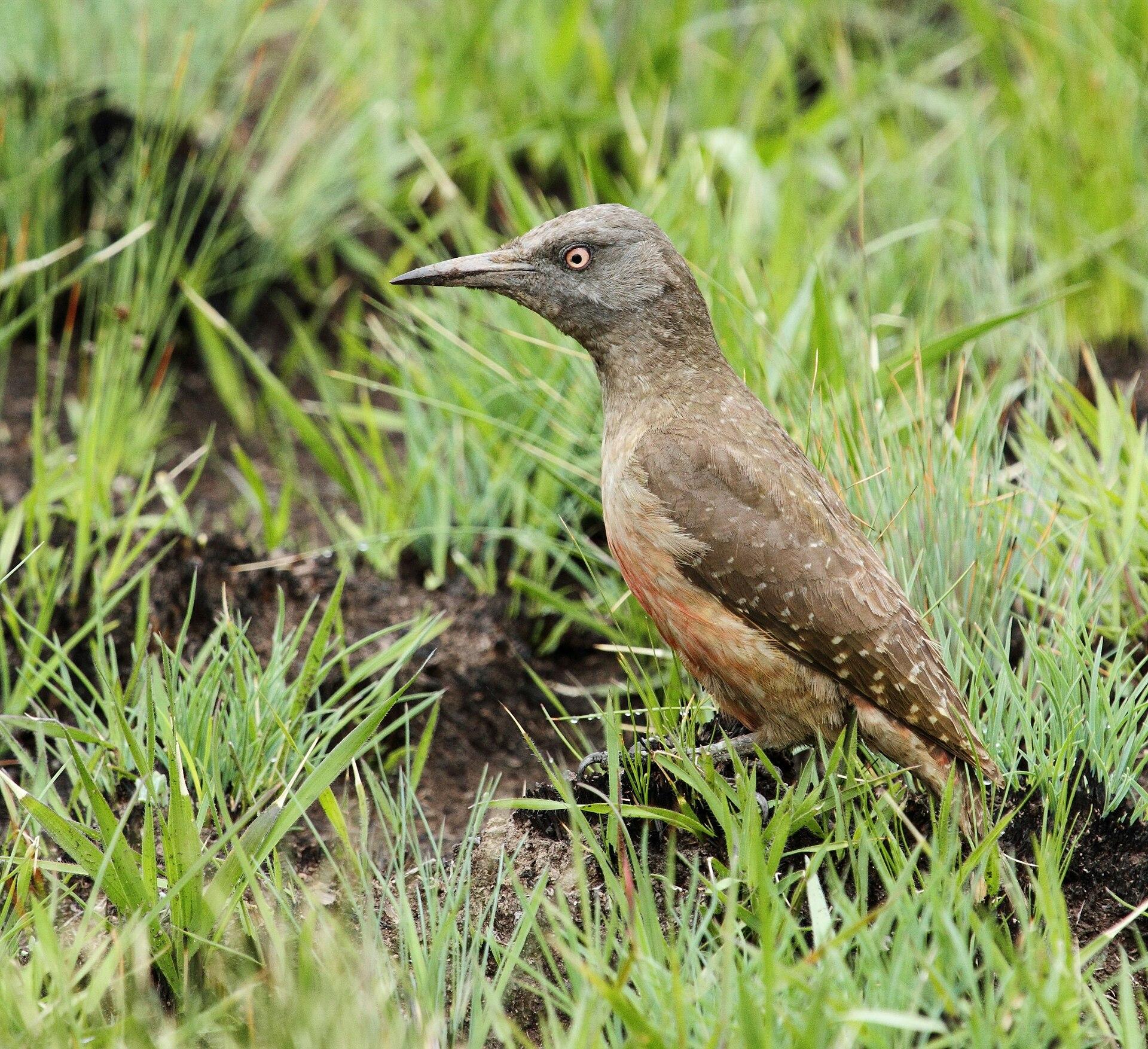
Drakensberg Garden hotels
South Africa · 4 hotels
Pretoria hotels
South Africa · 2 hotels
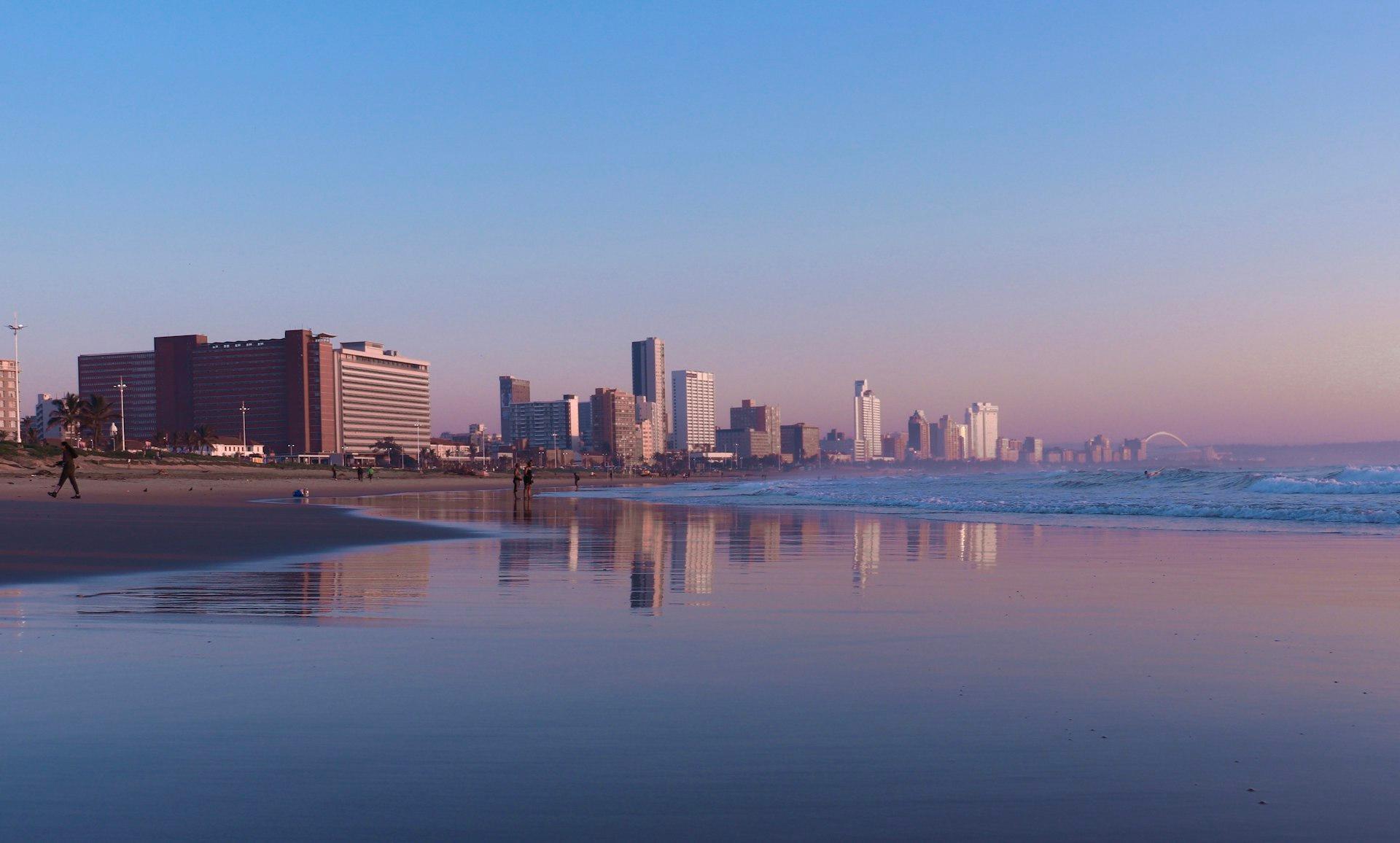
Durban hotels
South Africa · 2 hotels
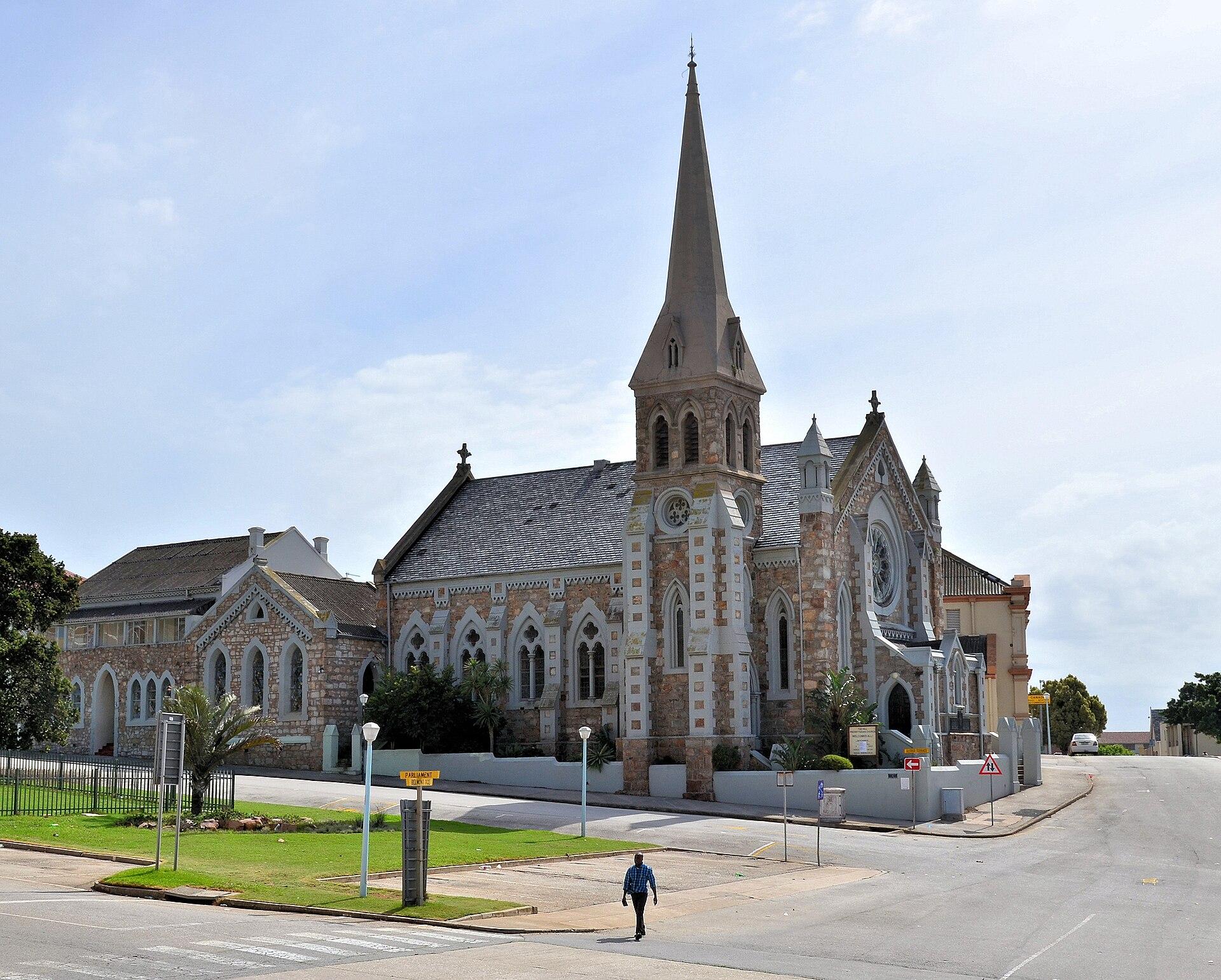
Port Elizabeth hotels
South Africa · 1 hotels
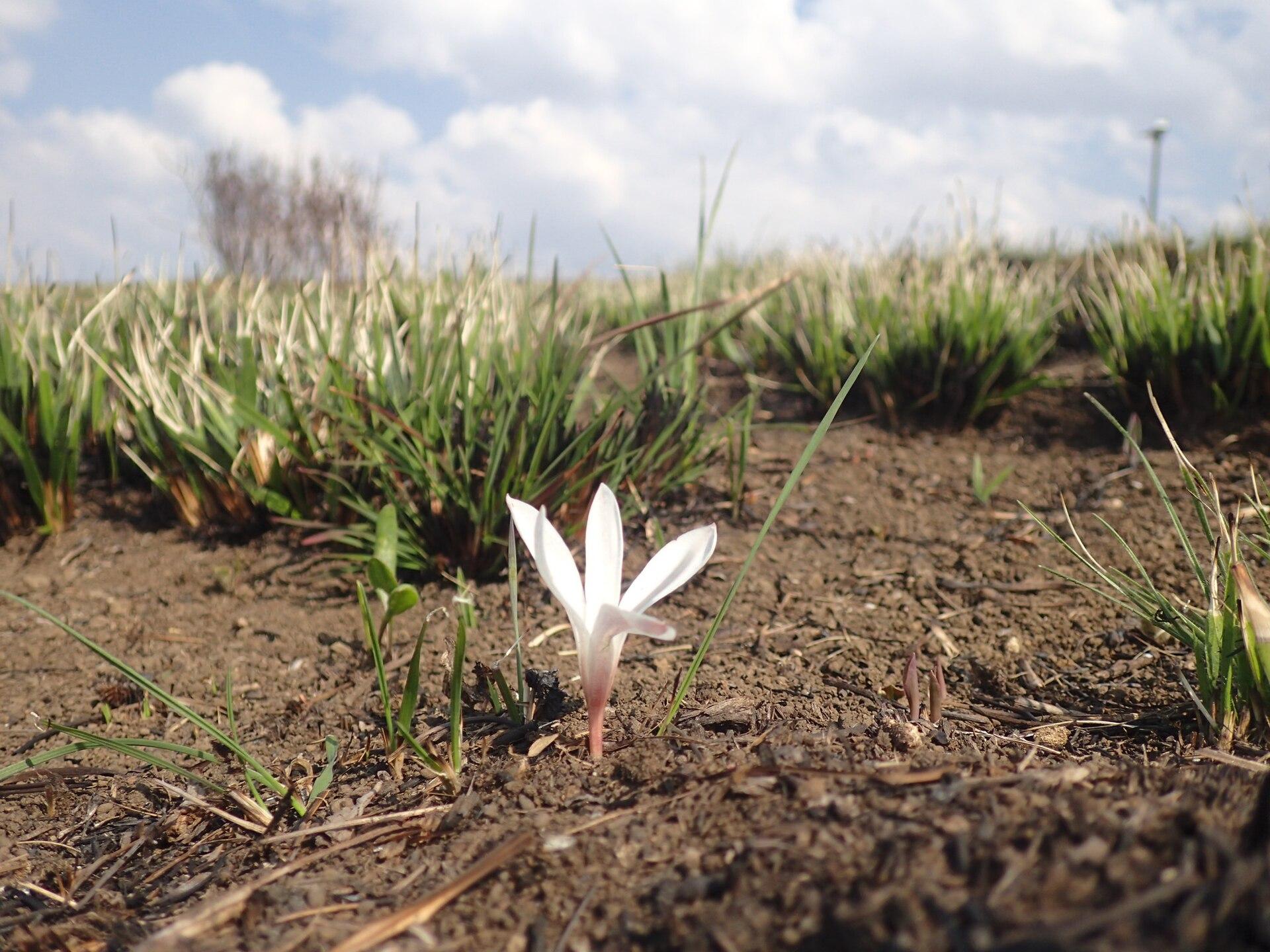
Nottingham Road hotels
South Africa · 1 hotels