Hotels in Uzbekistan
7 cities · 251 hotels
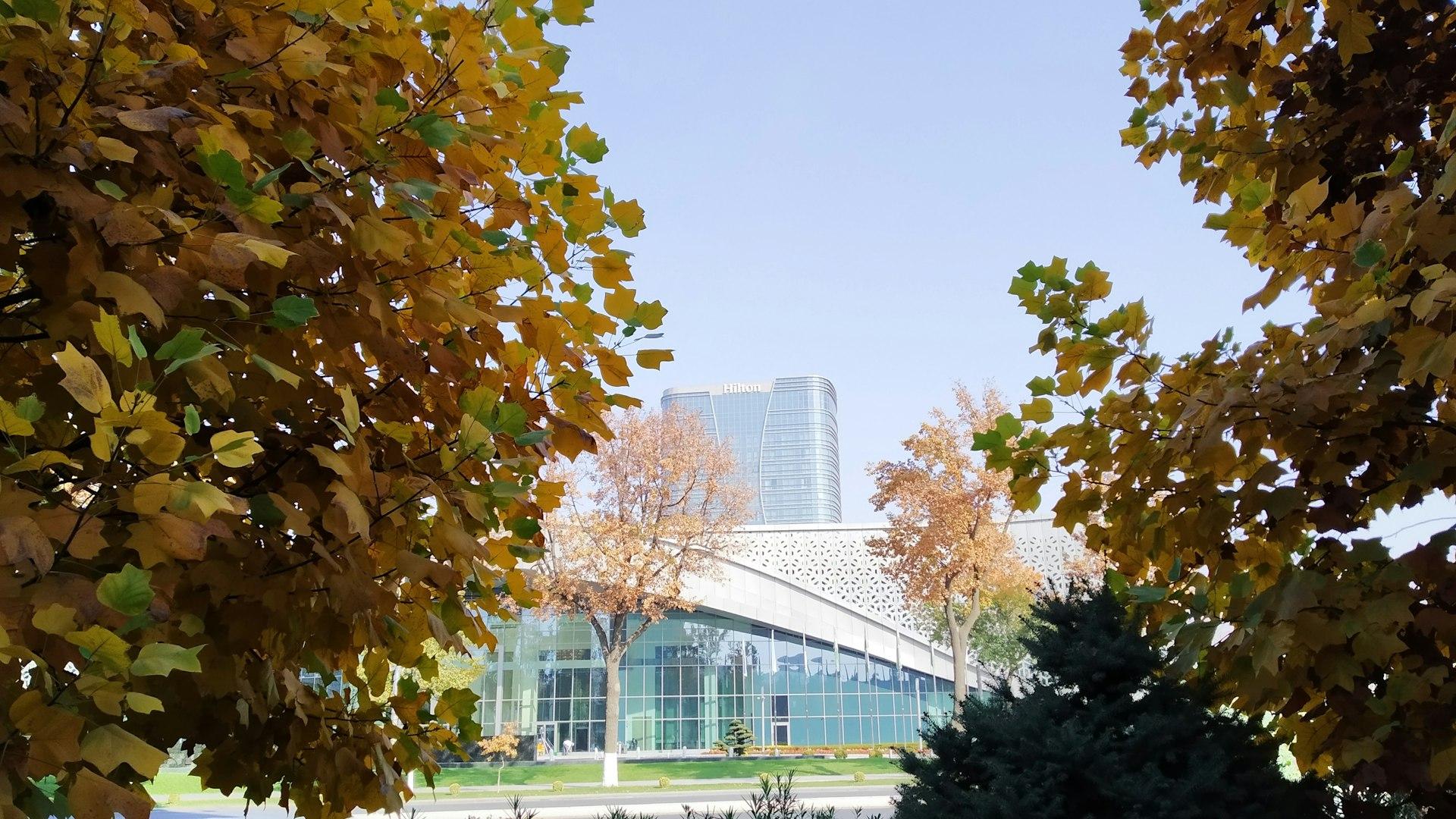
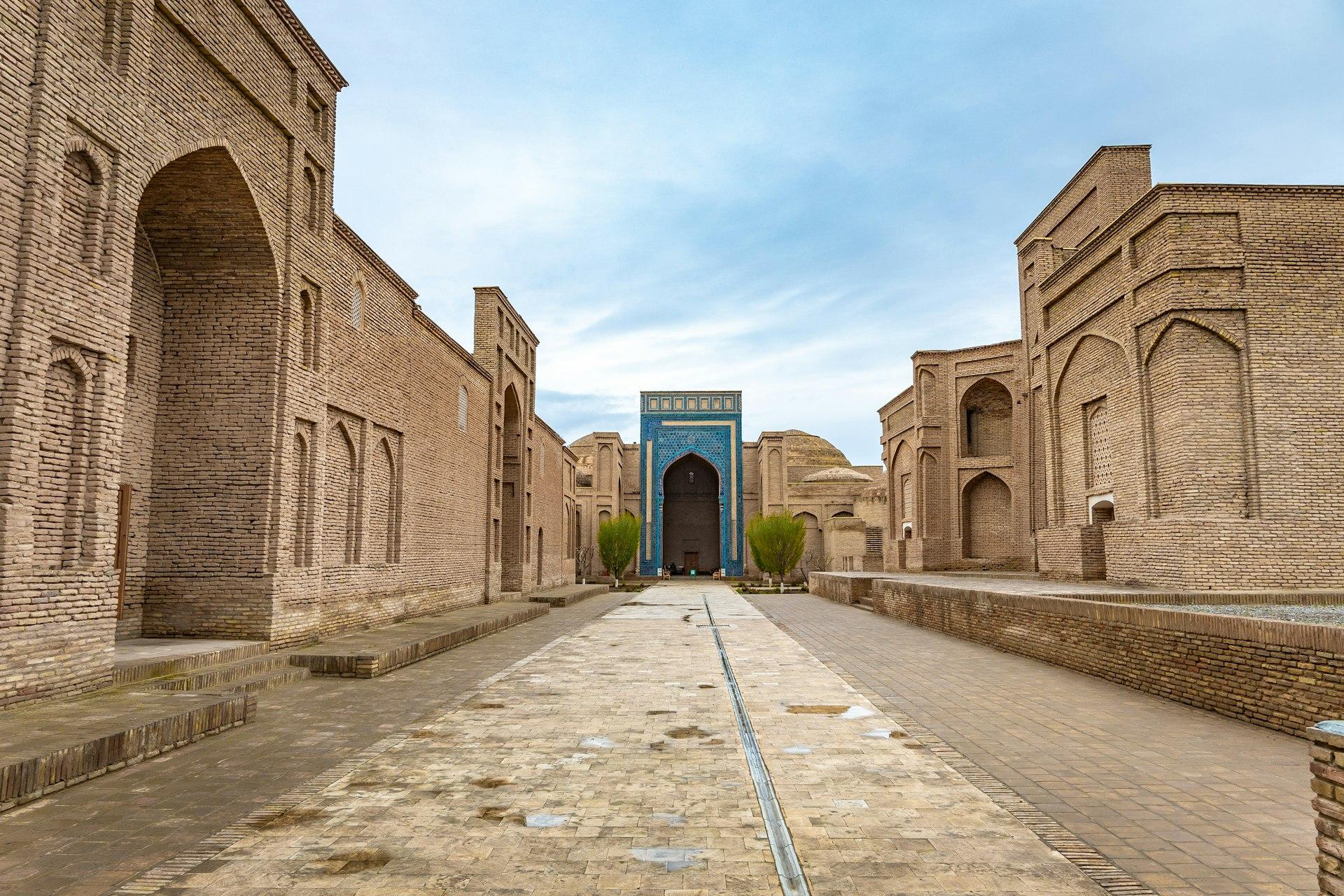
Photo by Far Chinberdiev on Unsplash
Uzbekistan: Silk Road Cities and Central Asian Steppe
Uzbekistan sits at the geographic heart of Central Asia, landlocked between Kazakhstan to the north and Afghanistan to the south. The country covers 448,900 sq km and holds roughly 36 million people. Its cities — Samarkand, Bukhara, Khiva, and the capital Tashkent — were staging posts on the ancient Silk Road trade routes connecting China to the Mediterranean. That history left behind some of the most complete medieval Islamic architecture anywhere in the world, now drawing travelers who bypass more familiar European circuits.
Cities Worth Exploring
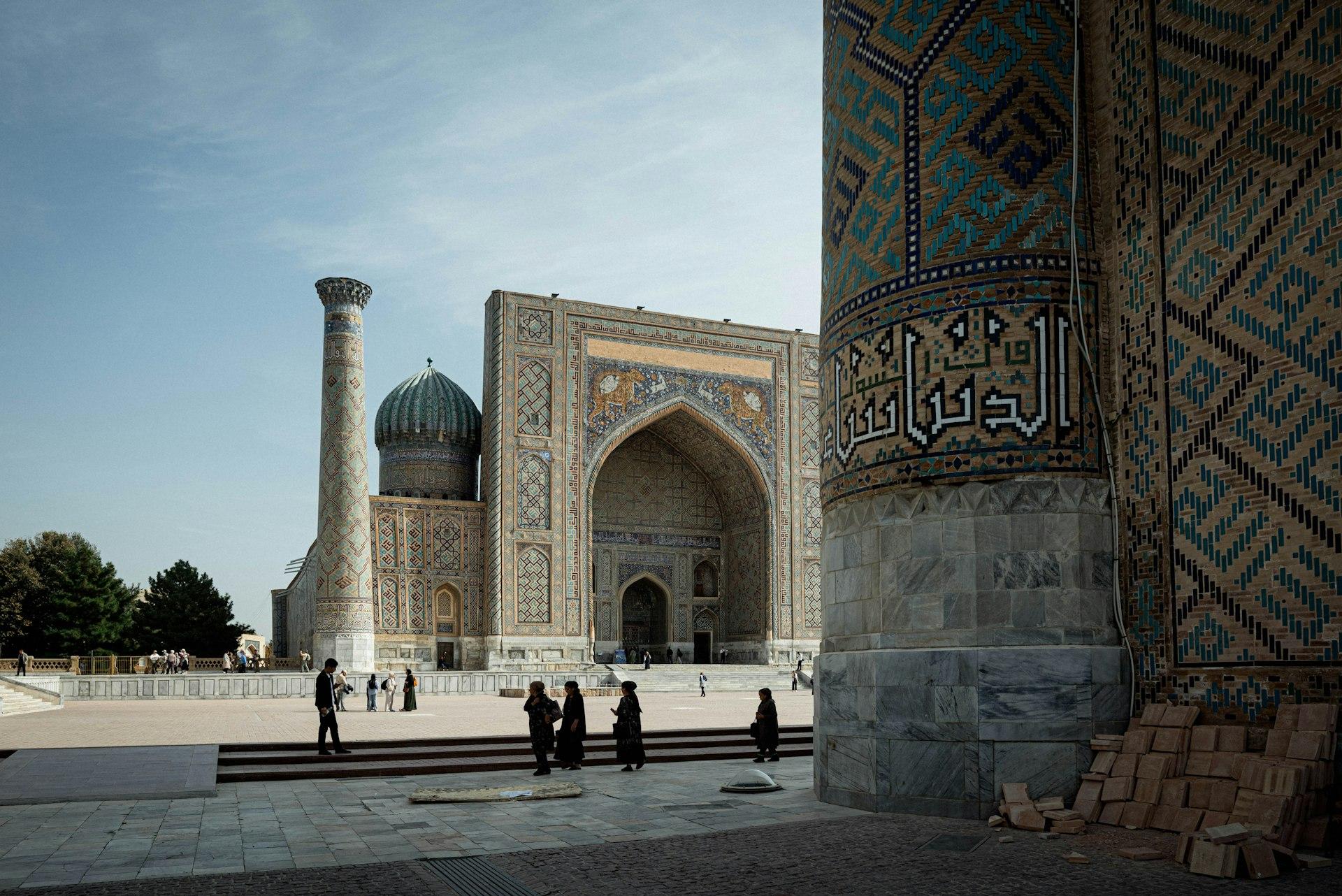
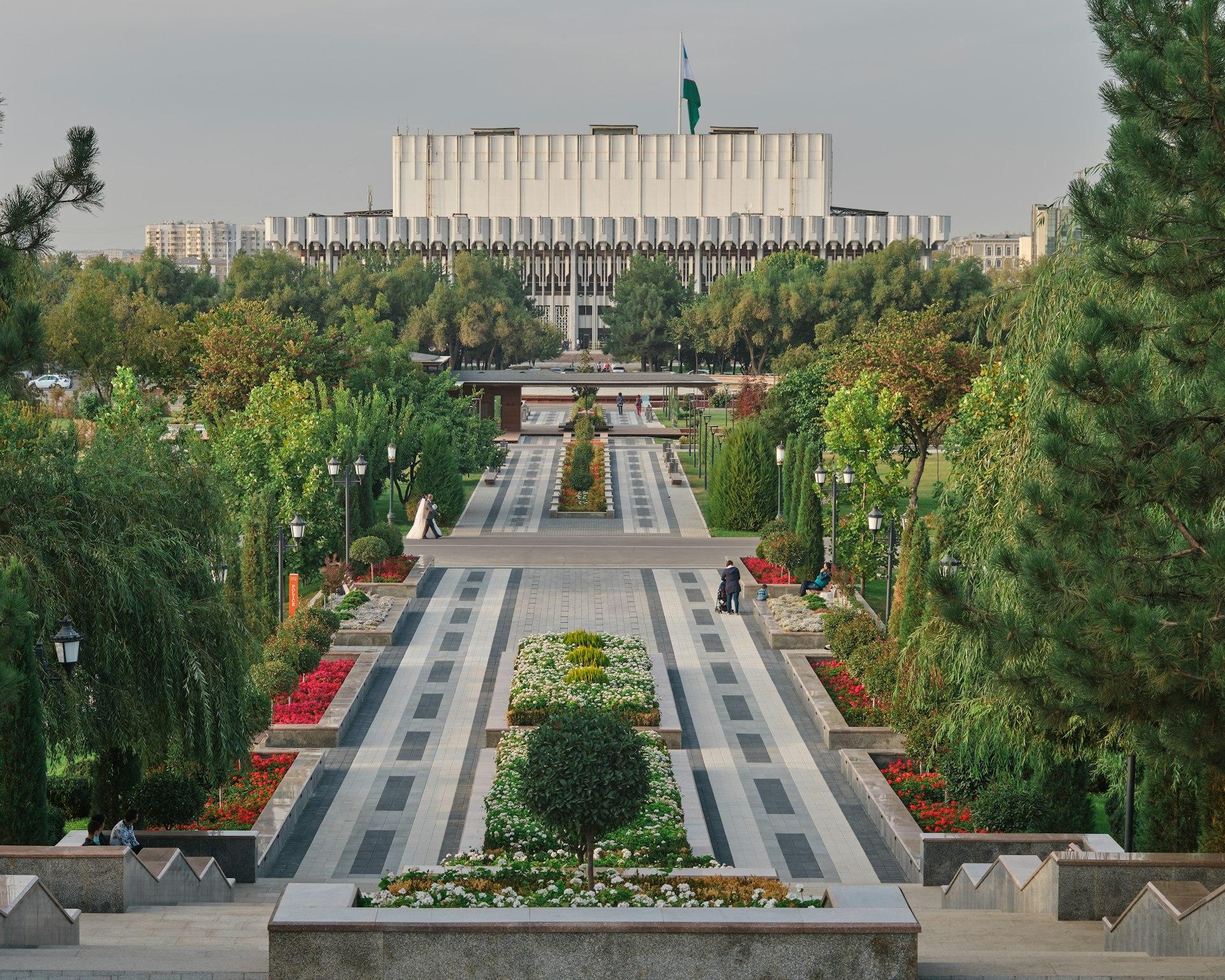
Samarkand, 300 km southwest of Tashkent by road, anchors most itineraries. The Registan — a square flanked by three madrasahs built between 1370 and 1660 — represents the clearest surviving example of Timurid urban design. Shah-i-Zinda, a necropolis of 11 mausoleums dating to the 9th–15th centuries, lines a narrow lane north of the city center. Bukhara, a further 270 km west, preserves over 140 protected monuments within a compact old town, including the Kalon Minaret (1127) and the Ark citadel. Khiva, near the Turkmenistan border, functions almost as an open-air museum: the inner walled city of Itchan Kala became a UNESCO World Heritage Site in 1990. Tashkent, the capital and largest city with 3 million residents, offers the Chorsu Bazaar, where traders sell spices, dried fruit, and handwoven textiles under a blue-tiled dome.
Fergana Valley and the Kyzylkum Desert
The Fergana Valley in eastern Uzbekistan is the country's agricultural core — responsible for significant cotton and silk production. The town of Margilan has operated silk workshops for over 2,000 years; the Yodgorlik Silk Factory still runs hand-loomed production open to visitors. West of Bukhara, the Kyzylkum Desert covers 298,000 sq km shared with Kazakhstan and hosts yurt-camp stays that allow travelers to observe nocturnal wildlife and clear desert skies far from any city light. The Aral Sea remnant — once the world's fourth-largest lake, now reduced by over 90% — lies in the far northwest near Nukus, whose Savitsky Museum holds one of the largest collections of Russian avant-garde art outside Moscow.
When to Visit Uzbekistan
Spring (April–May) and autumn (September–October) offer the most manageable temperatures, typically 18–25 °C across the lowland cities. Summer heat in Samarkand and Bukhara regularly exceeds 40 °C, making outdoor monument visits uncomfortable in July and August. Winter temperatures in Tashkent drop below 0 °C in January, but crowds are minimal and accommodation rates fall. The Navruz spring festival on 21 March features public celebrations throughout the country, with folk music and traditional sumalak wheat-paste ceremonies.
Practical Tips for Visiting Uzbekistan
- Getting around: High-speed Afrosiyob trains connect Tashkent–Samarkand in 2 hours 10 minutes and Samarkand–Bukhara in under 1.5 hours; book tickets at least one week ahead through the Uzbekistan Railways portal.
- Visa: Citizens of over 90 countries receive a 30-day e-visa; apply through e-visa.gov.uz at least 3 business days before travel.
- Currency: The Uzbekistani som (UZS) is not convertible outside the country; exchange currency upon arrival at banks or licensed exchange booths.
- Accommodation: Tashkent anchors the widest hotel range, from international chains to family-run guesthouses; Bukhara and Samarkand offer boutique properties in restored merchant houses.
- Dress: Cover shoulders and knees when visiting active mosques and madrasahs regardless of season.
Frequently Asked Questions
Q: Is Uzbekistan safe for travelers? A: The country ranks consistently low for petty crime directed at visitors. Travelers should follow standard precautions around crowded bazaars and keep documents secure.
Q: What language is spoken in Uzbekistan? A: Uzbek is the official language; Russian remains widely used in Tashkent and among older residents across all cities. English is spoken at major hotels and tourist sites.
Q: What currency is used and can travelers pay by card? A: The Uzbekistani som is the local currency. Card acceptance has expanded in Tashkent hotels and larger restaurants, but cash is essential in bazaars, small guesthouses, and rural areas.
Q: How many UNESCO World Heritage Sites does Uzbekistan have? A: Uzbekistan holds five UNESCO-designated sites, including Itchan Kala (Khiva), the Historic Centre of Bukhara, and Samarkand — Crossroads of Cultures.
Q: What is the food like in Uzbekistan? A: Plov — a rice dish cooked with lamb, carrots, and onions in a large cast-iron kazan — is the national dish. Samsa (baked pastries), lagman (hand-pulled noodle soup), and shashlik skewers feature on most menus across all regions.