
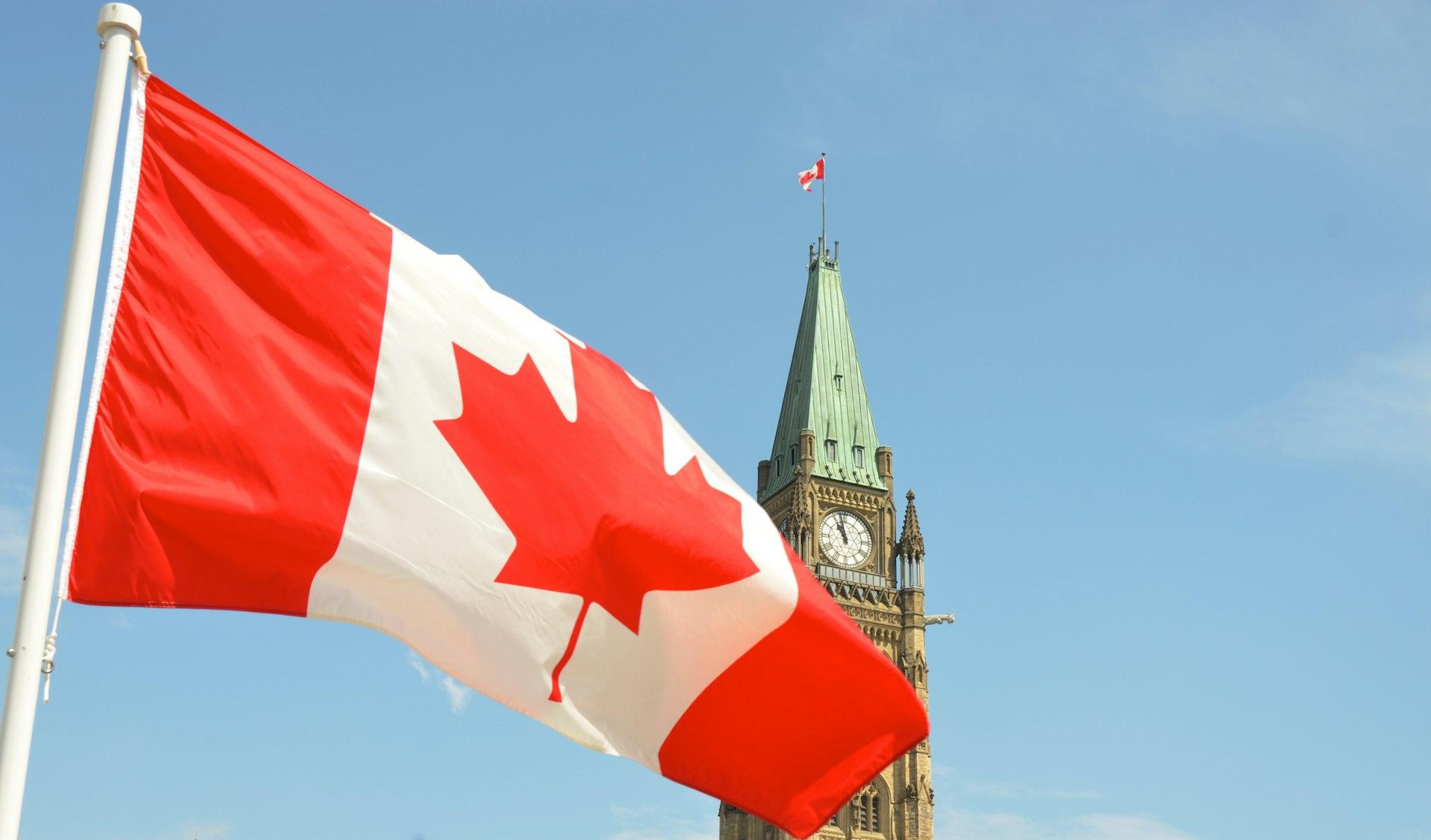
Hotels in Canada
30 cities · 119 hotels
Photo by Jason Hafso on Unsplash
Canada: Six Time Zones, One Booking Decision
Canada covers 9.98 million km², the second-largest country by area on Earth. Its population of 40 million clusters along a narrow southern band, leaving boreal forests, tundra, and mountain ranges largely uninhabited. Three cities — Toronto, Montreal, and Vancouver — account for roughly one-third of all residents and anchor most hotel demand.
Cities Worth Exploring
Toronto, on the northwestern shore of Lake Ontario, holds Canada's tallest free-standing structure: the CN Tower at 553 metres. The Distillery District, a preserved Victorian industrial complex east of downtown, clusters galleries, cafés, and boutique hotels across 44 heritage buildings. Montreal operates the world's largest underground pedestrian network — 33 km of sheltered corridors linking hotels, metro stations, and shopping beneath Rue Sainte-Catherine. Quebec City, 250 km northeast of Montreal, contains the only walled city north of Mexico, with the Château Frontenac (opened 1893) defining its skyline. On the Pacific coast, Vancouver sits between the Coast Mountains and the Strait of Georgia, placing ski terrain at Whistler Blackcomb — 120 km north — within two hours of ocean-side hotels.
Regions That Shape an Itinerary
Alberta draws travelers to Banff National Park, established 1885, where the Icefields Parkway runs 230 km through glaciated terrain from Lake Louise to Jasper. British Columbia's Vancouver Island holds Victoria — a city of 92,000 — with Edwardian architecture concentrated around the Inner Harbour. The Canadian Maritimes — Nova Scotia, New Brunswick, and Prince Edward Island — sit beside Fundy National Park, where tidal ranges reach 16 metres, the highest recorded anywhere on Earth. Yukon Territory offers reliable northern lights viewing between late August and April, with Whitehorse as the regional base.
When to Visit Canada
Summer (June–August) delivers peak daylight and temperatures of 25–30 °C across southern Ontario and Quebec. National parks fill quickly; Banff lodges routinely book three to six months ahead for July. Autumn (September–October) brings foliage across the Laurentian Mountains north of Montreal, with hotel rates easing after Labour Day. Winter funnels skiers to Whistler Blackcomb, which averages 11 metres of annual snowpack. The Quebec Winter Carnival, held each February since 1955, is North America's largest winter festival, generating concentrated hotel demand across the old city for three consecutive weekends.
Practical Tips for Visiting Canada
- Currency: Canadian dollar (CAD); USD is accepted informally at many border towns but at unfavorable rates.
- Getting around: VIA Rail links Toronto, Montreal, and Quebec City; the Canadian train covers Toronto–Vancouver in three nights. Domestic flights are more efficient for distances over 800 km.
- Entry requirements: Citizens of 60+ countries travel visa-free but require an eTA (Electronic Travel Authorization, CAD $7) for air arrivals.
- Time zones: Canada spans six — from Newfoundland Standard Time (UTC−3:30) to Pacific Standard Time (UTC−8).
- Tipping: 15–20% is standard at restaurants; hotel housekeeping CAD $2–5 per night is customary.
Frequently Asked Questions
Q: What is the closest airport to Banff National Park? A: Calgary International Airport (YYC) sits 128 km east of Banff town via the Trans-Canada Highway — approximately 90 minutes by shuttle or car. Several companies run daily shared transfers between YYC and Banff.
Q: Do visitors need travel insurance for Canada? A: Provincial health care does not cover foreign nationals. A single emergency room visit can cost CAD $3,000–10,000 without coverage, making comprehensive travel insurance strongly advisable.
Q: How far is Niagara Falls from Toronto? A: The falls are approximately 130 km southwest of downtown Toronto — roughly 90 minutes by car or two hours by GO Bus from Union Station.
Q: Is French spoken outside Quebec? A: French is a national official language, but New Brunswick is the only fully bilingual province outside Quebec. In Ontario and western Canada, English is the primary language of hotel and retail service.
Cities in Canada
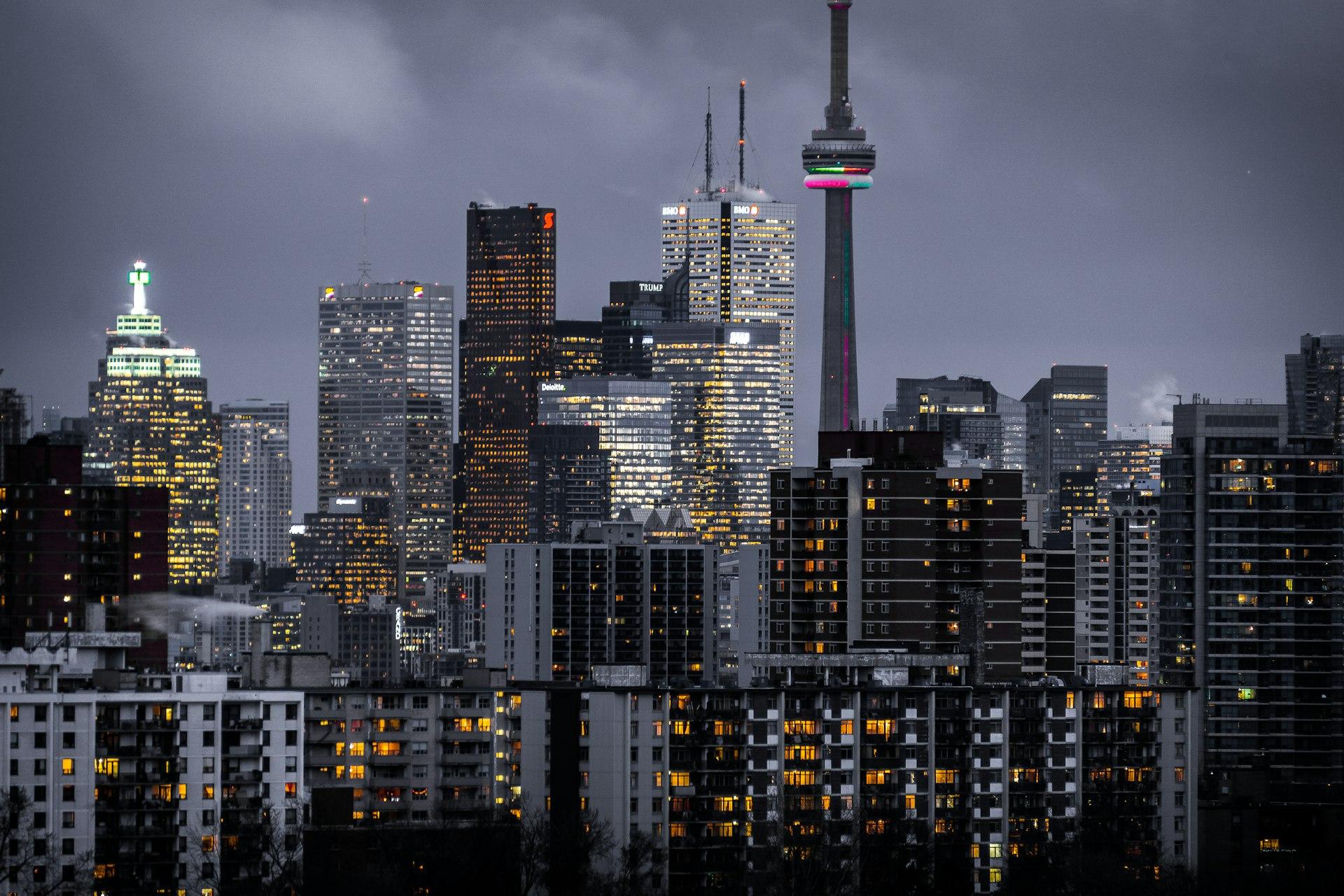
Toronto hotels
Canada · 31 hotels
Niagara on the Lake hotels
Canada · 21 hotels

Canmore hotels
Canada · 13 hotels
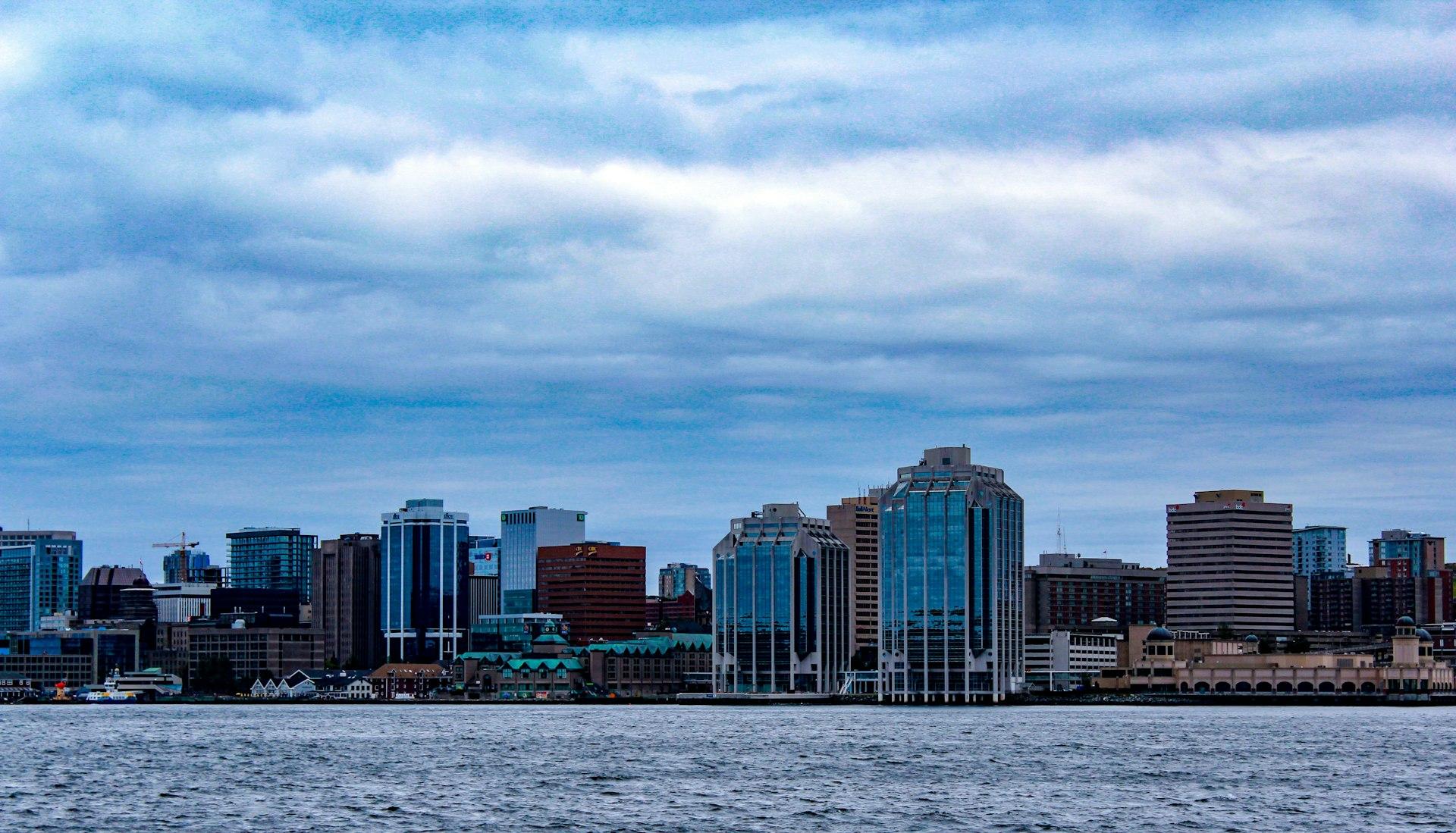
Halifax hotels
Canada · 8 hotels
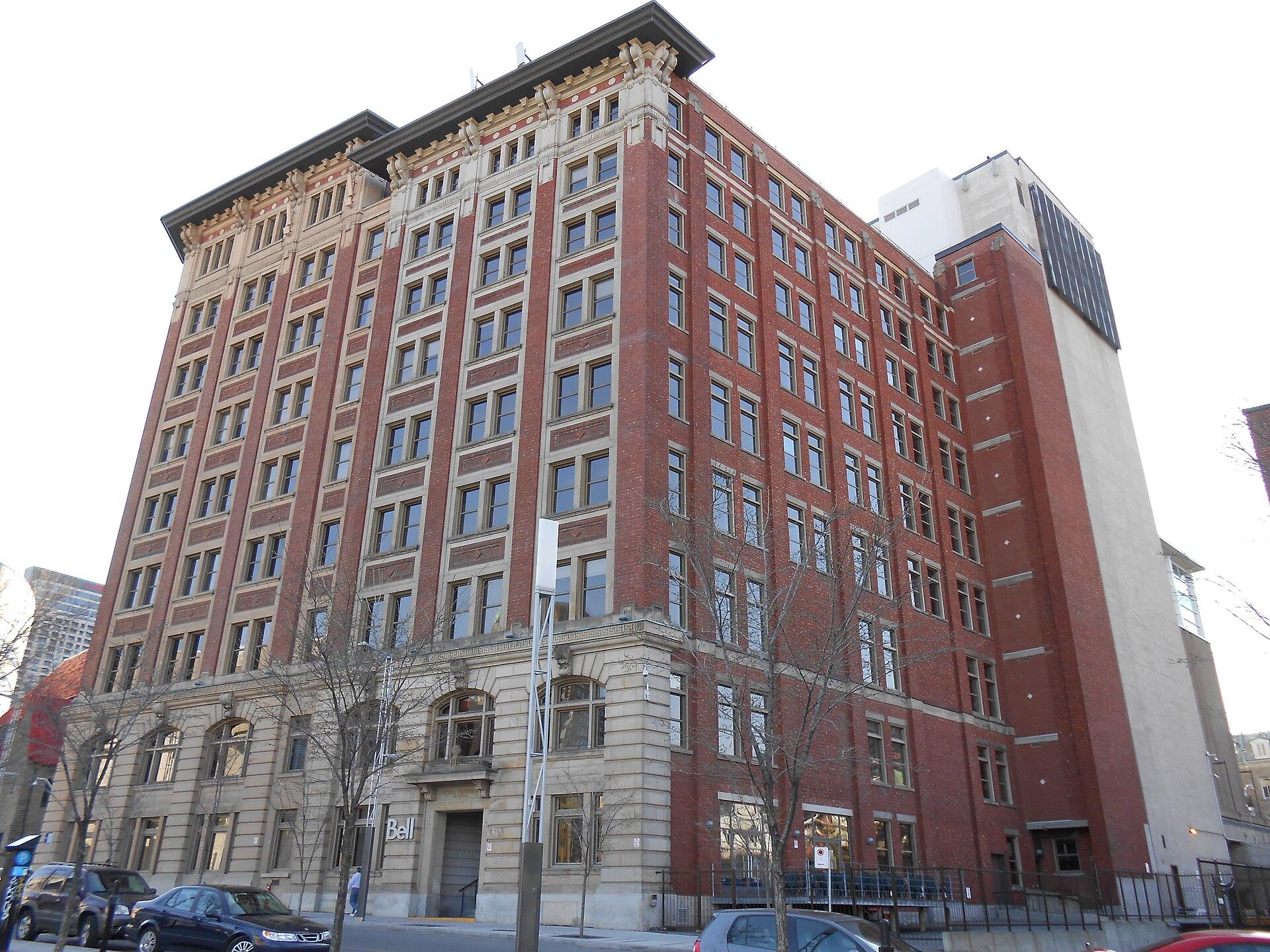
Montréal hotels
Canada · 7 hotels
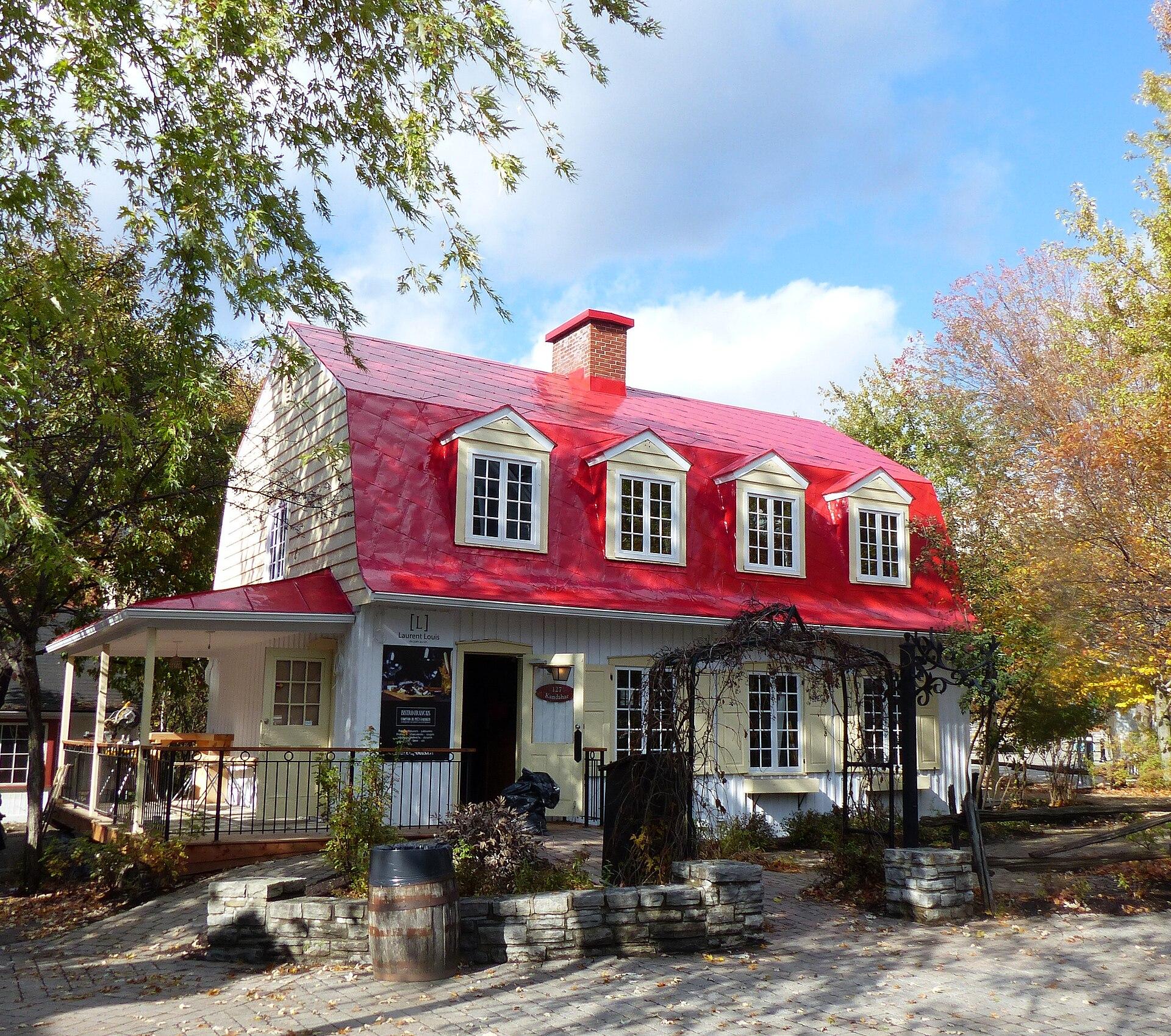
Mont-Tremblant hotels
Canada · 6 hotels
Brighton hotels
Canada · 4 hotels
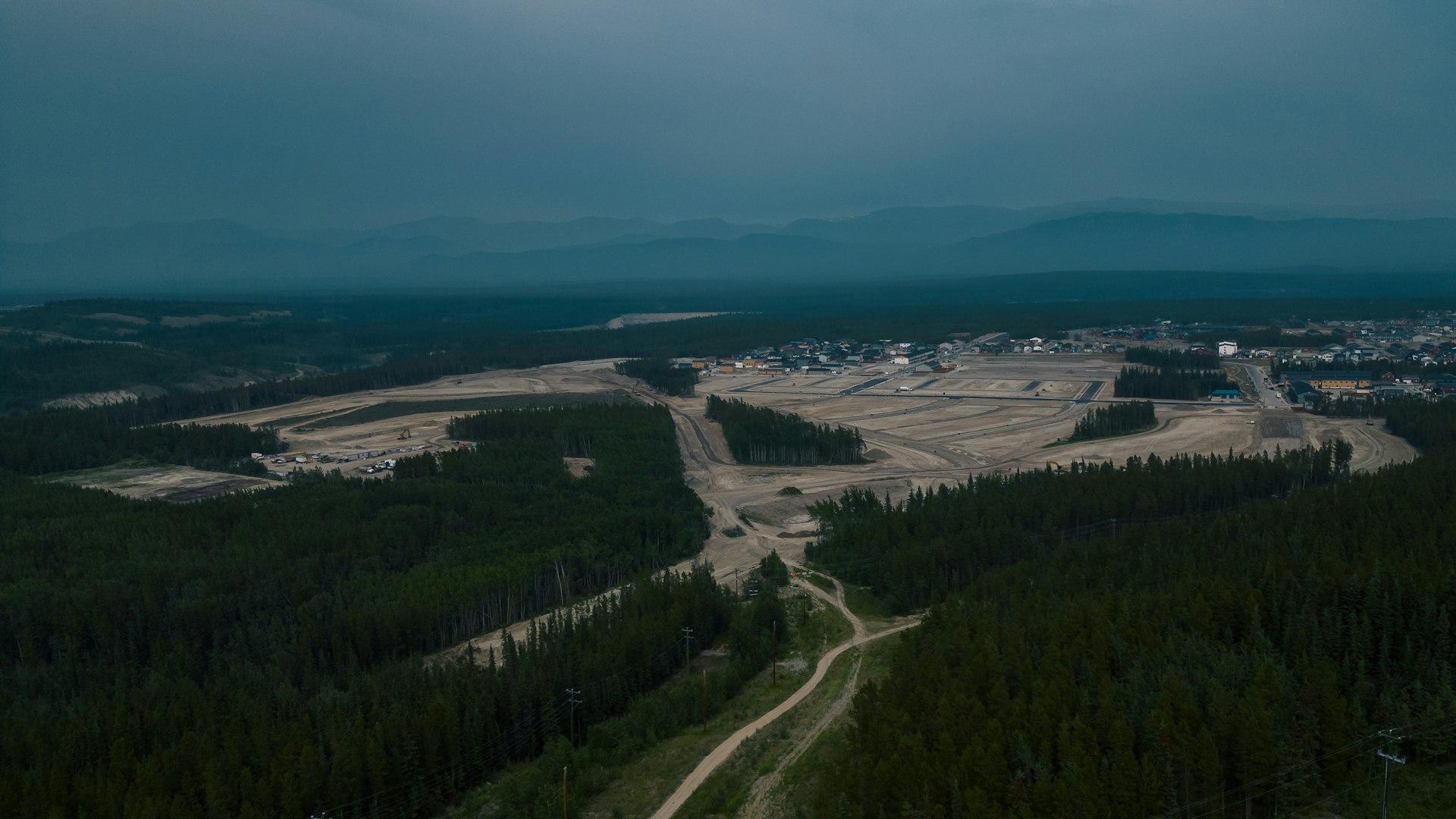
Whitehorse hotels
Canada · 3 hotels
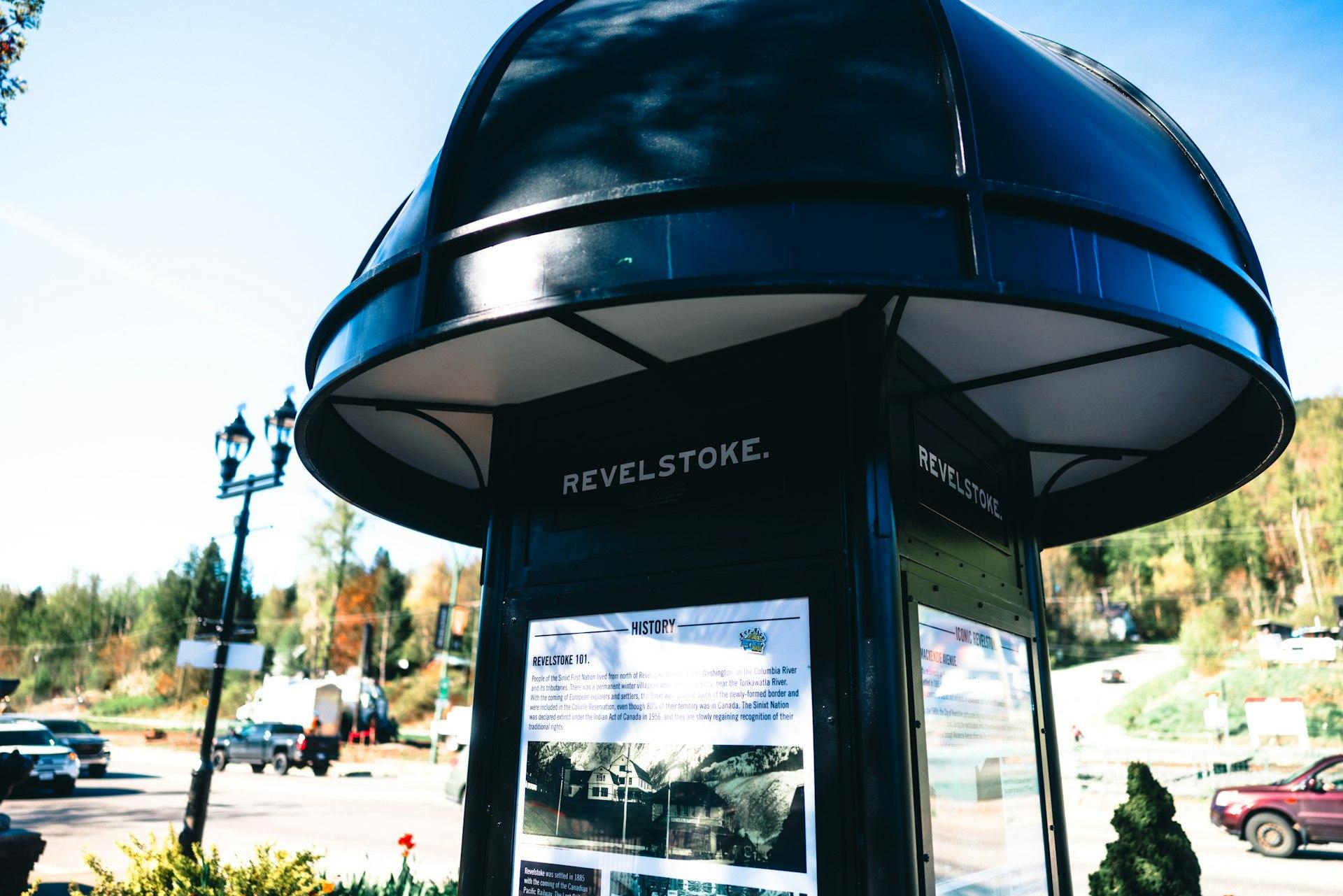
Revelstoke hotels
Canada · 3 hotels
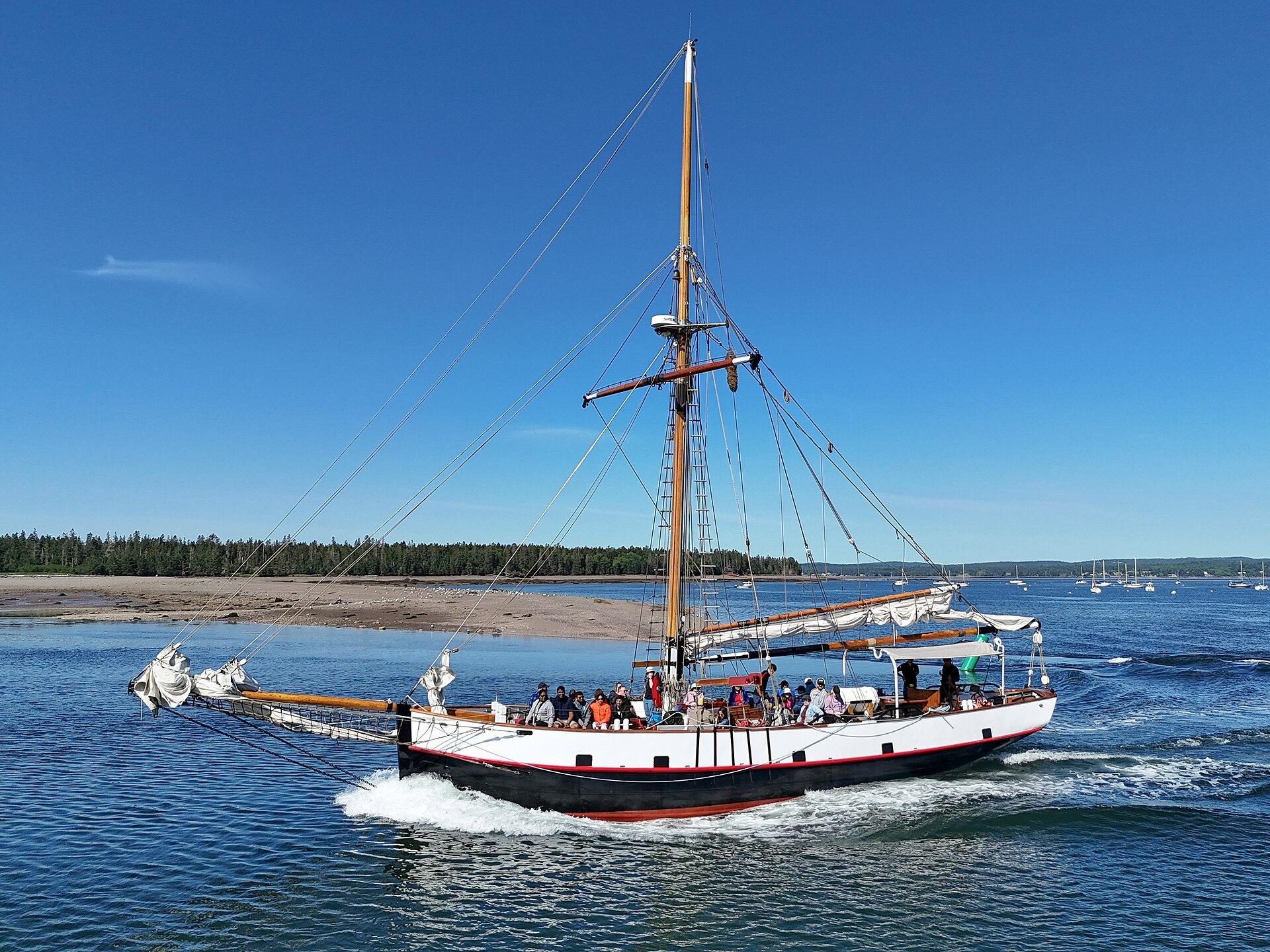
Saint Andrews hotels
Canada · 3 hotels
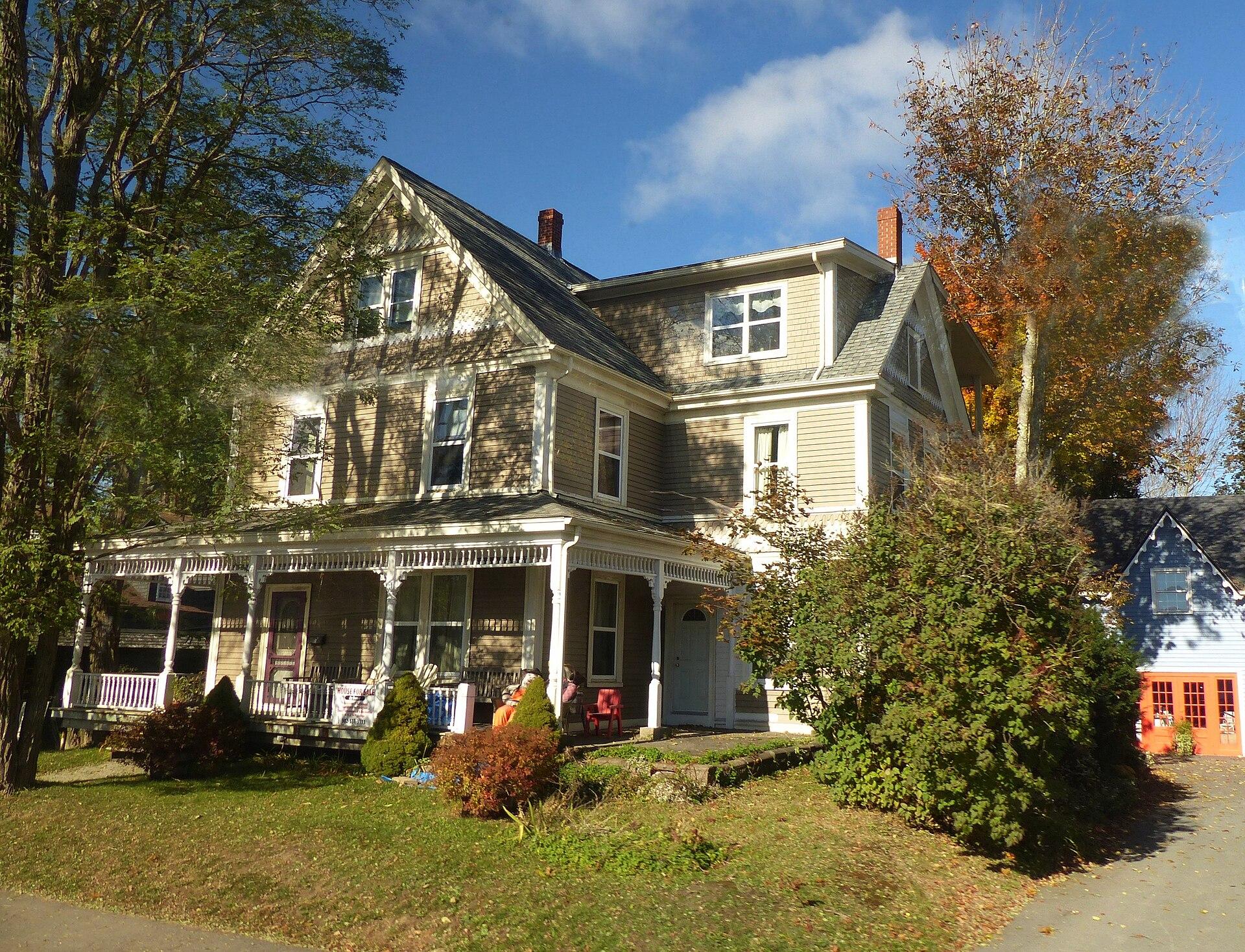
Mahone Bay hotels
Canada · 3 hotels
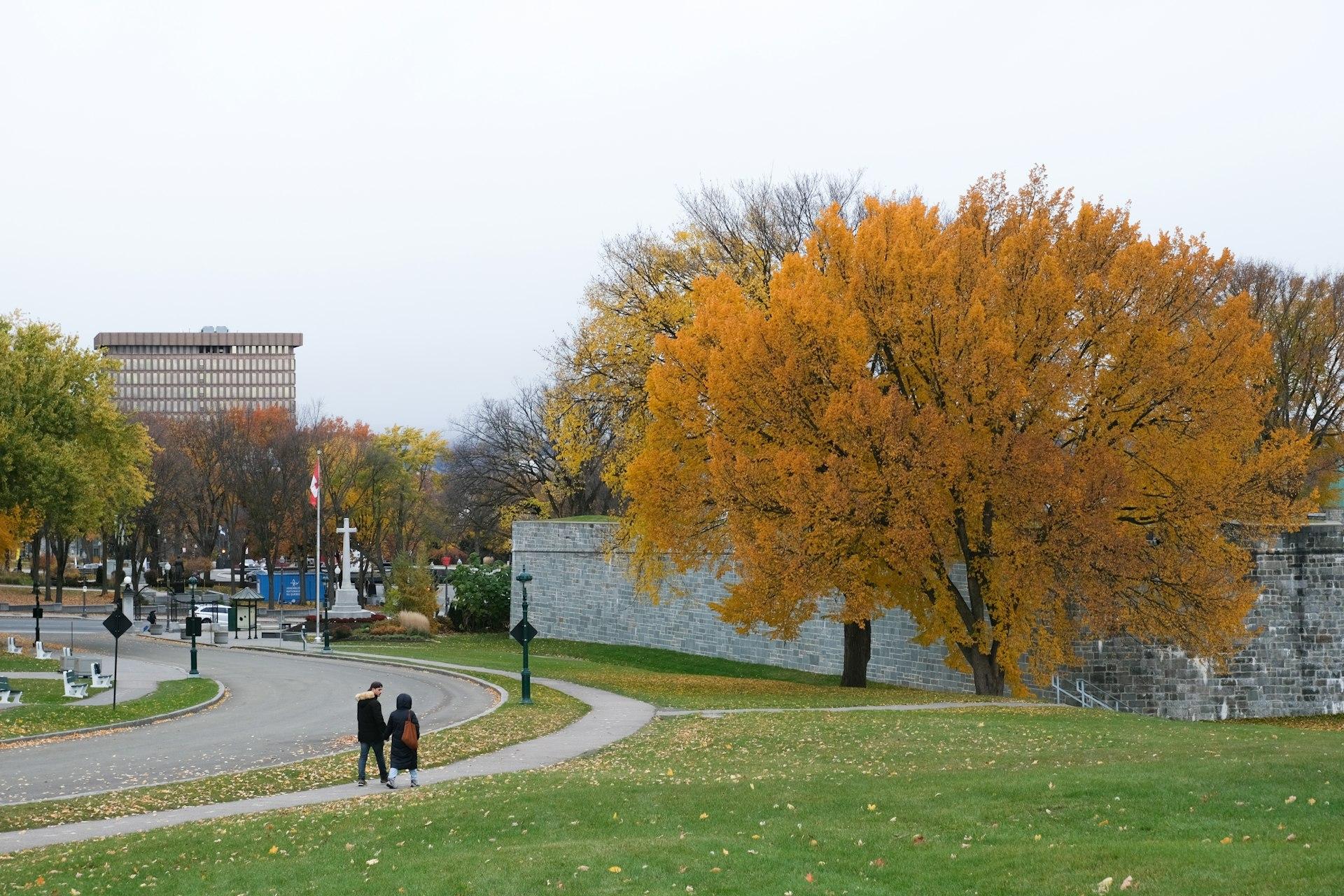
Quebec City hotels
Canada · 2 hotels

Whistler hotels
Canada · 2 hotels

Oshawa hotels
Canada · 2 hotels
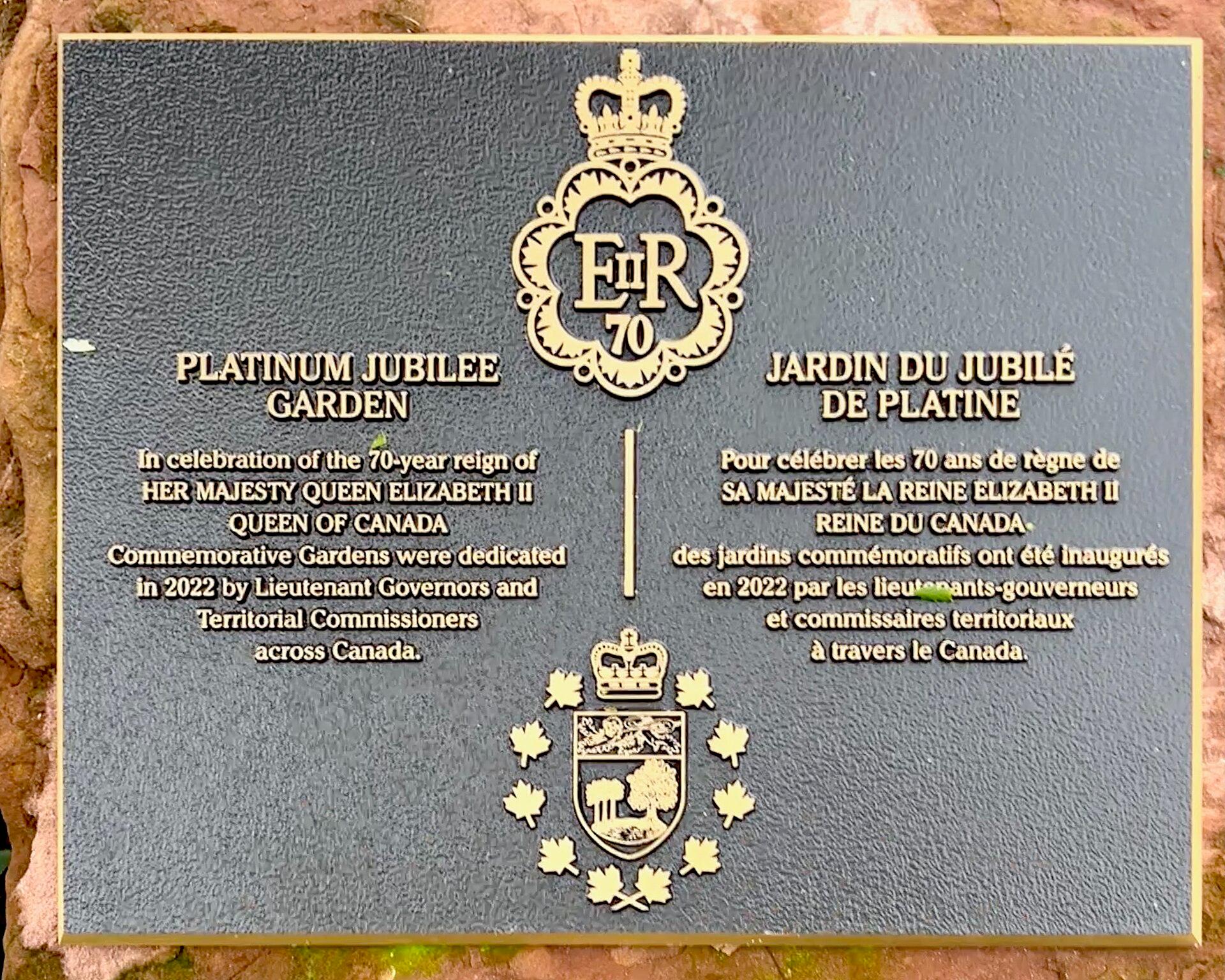
Charlottetown hotels
Canada · 2 hotels

Sun Peaks hotels
Canada · 2 hotels
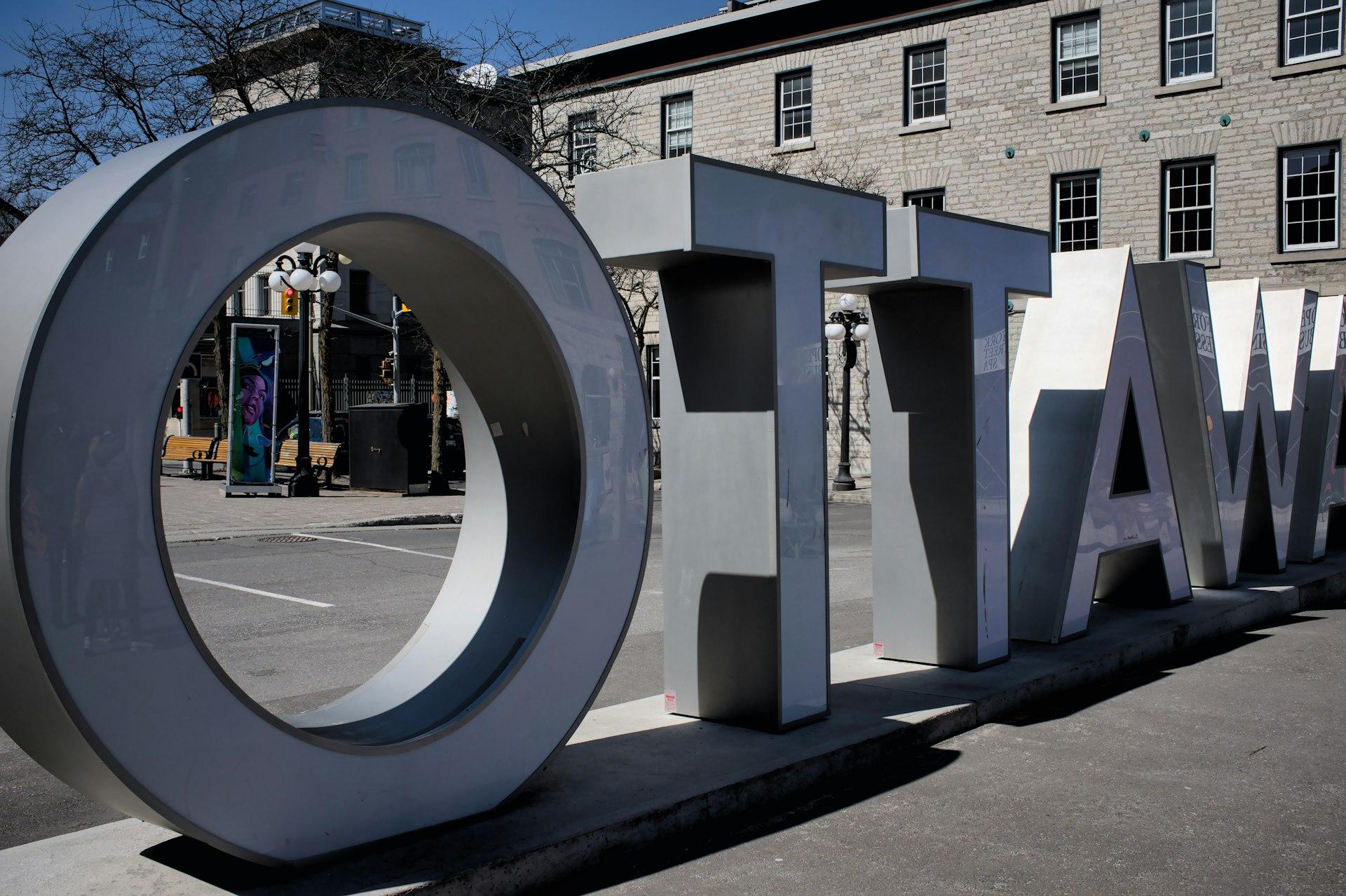
Ottawa hotels
Canada · 1 hotels
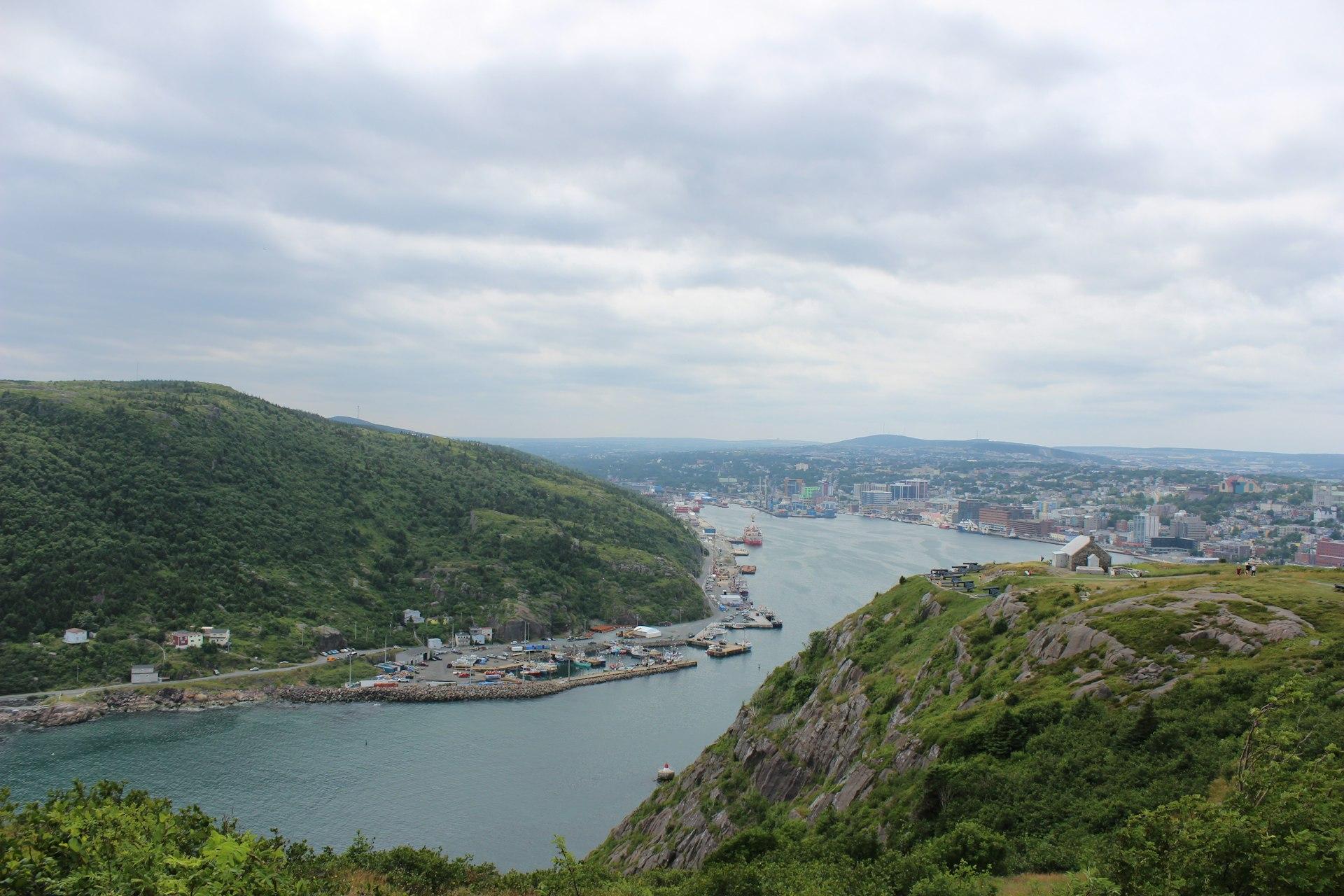
St. John's hotels
Canada · 1 hotels
Cape Breton hotels
Canada · 1 hotels
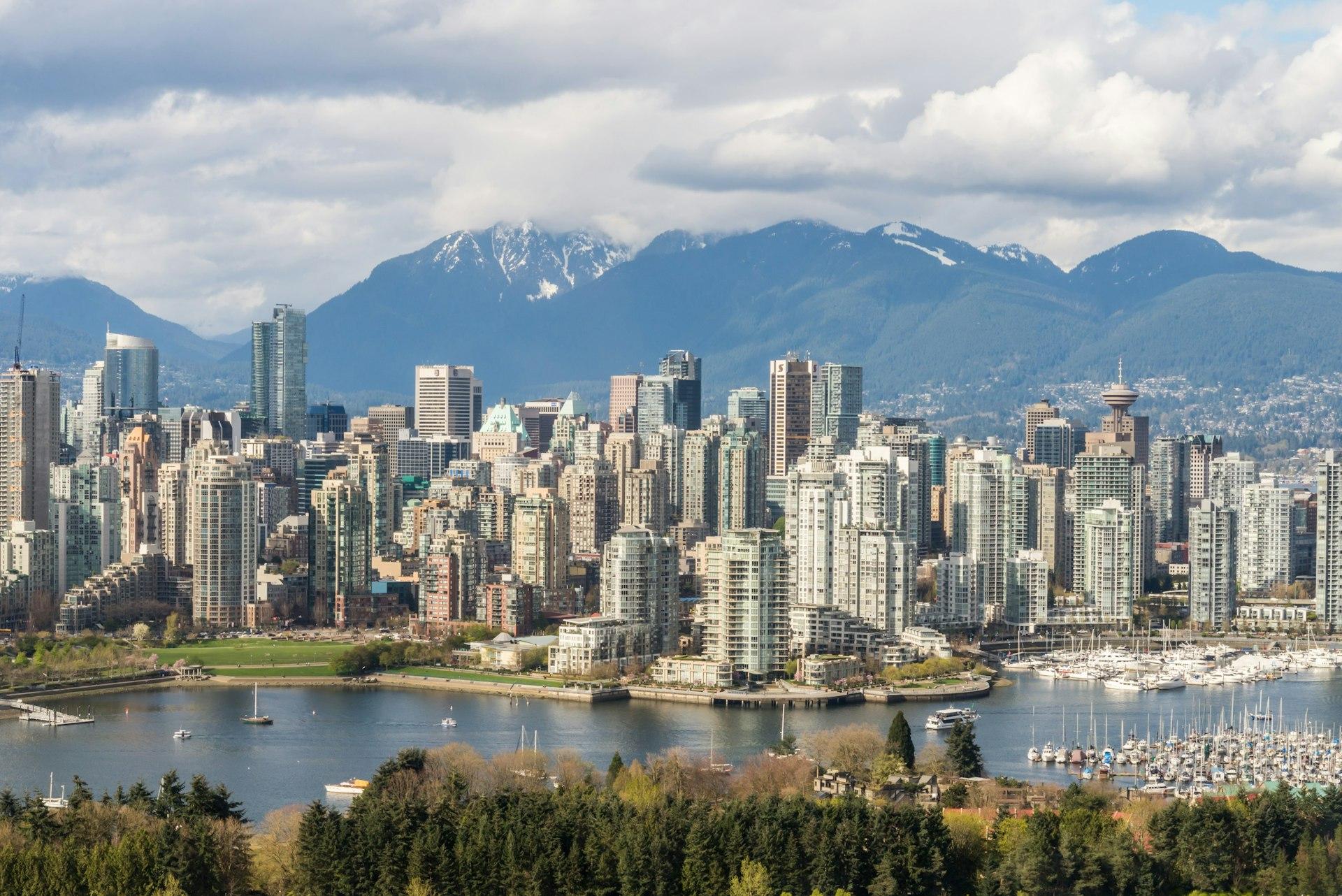
Vancouver hotels
Canada · 1 hotels
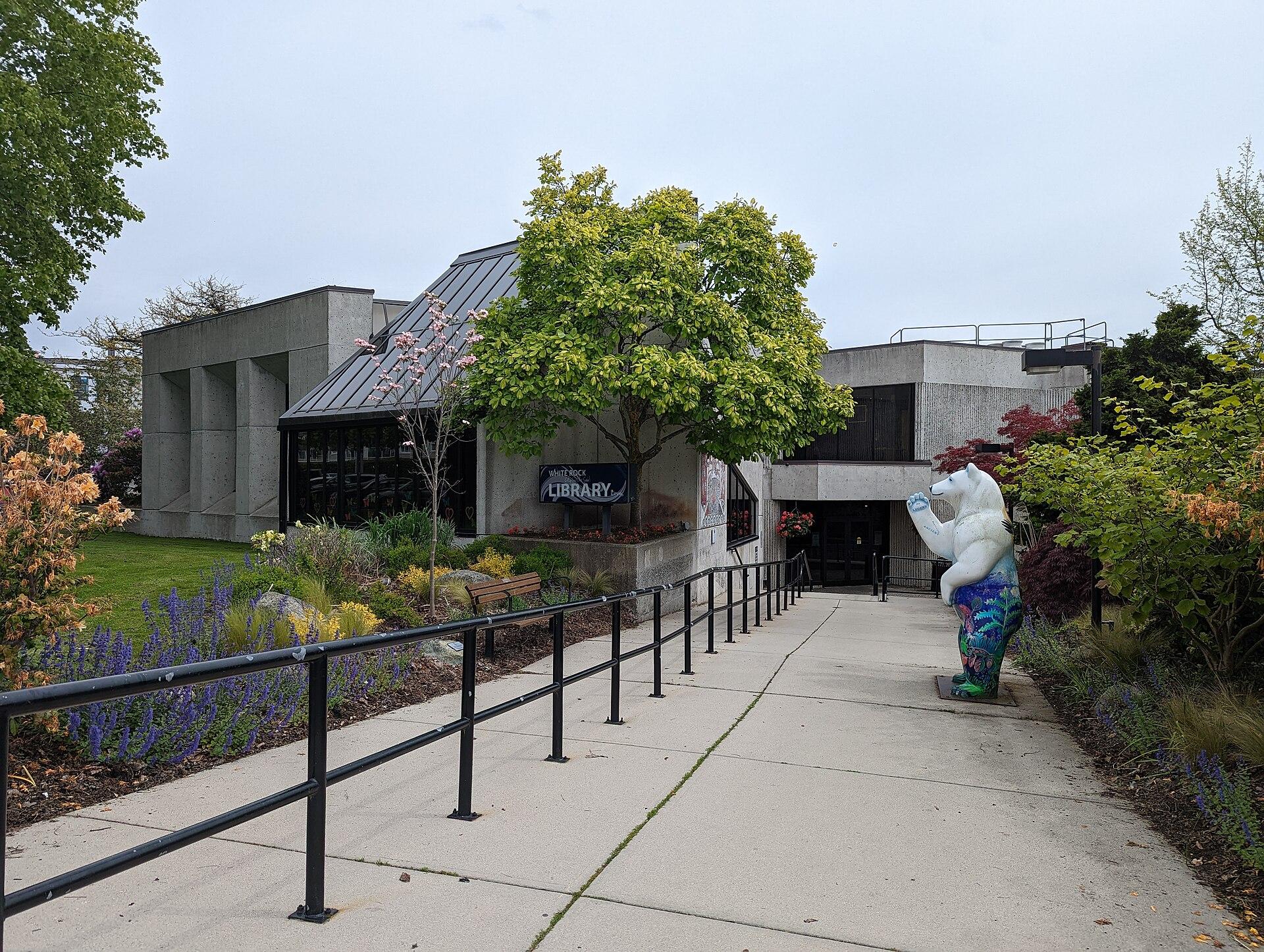
White Rock hotels
Canada · 1 hotels
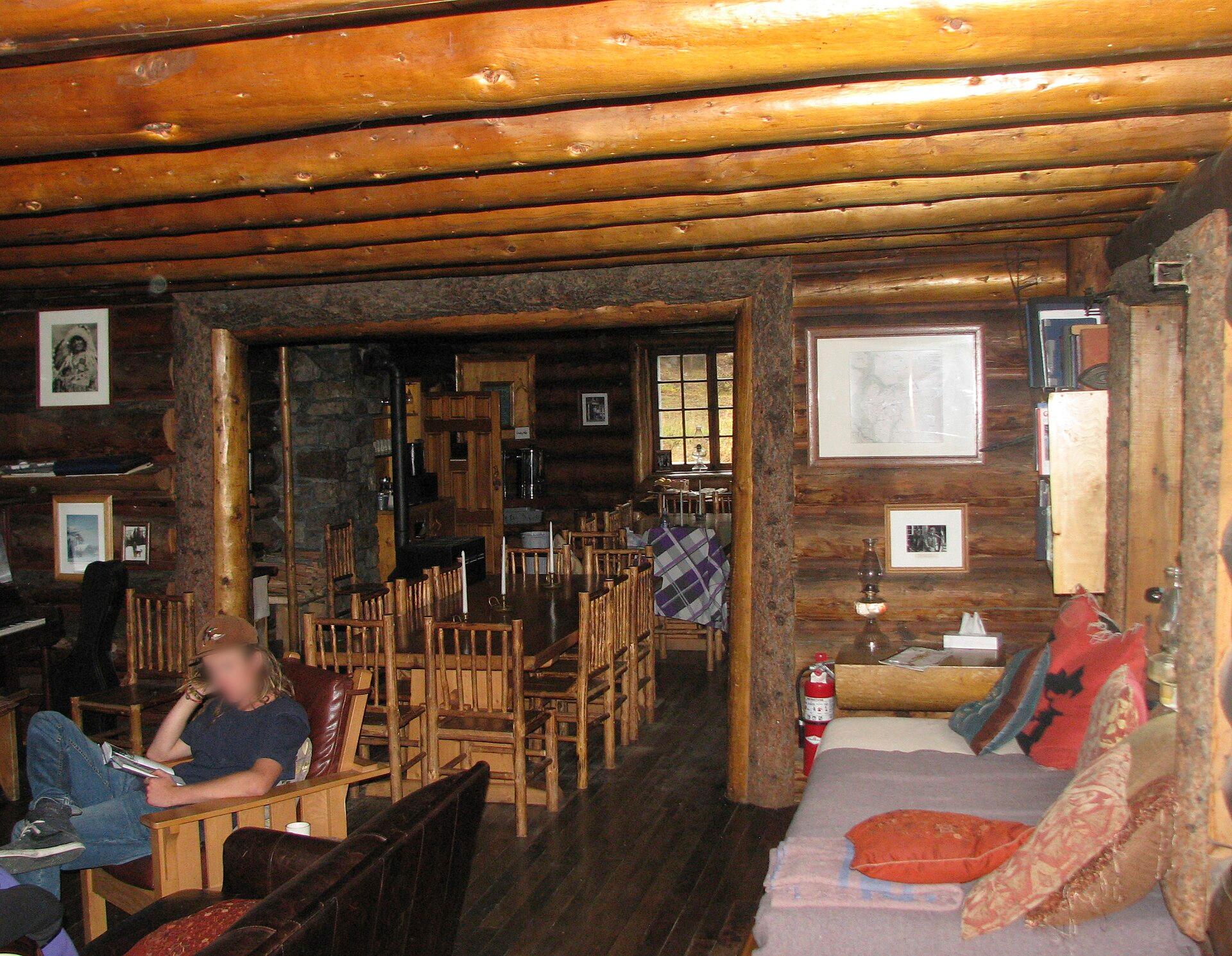
Banff National Park hotels
Canada · 1 hotels
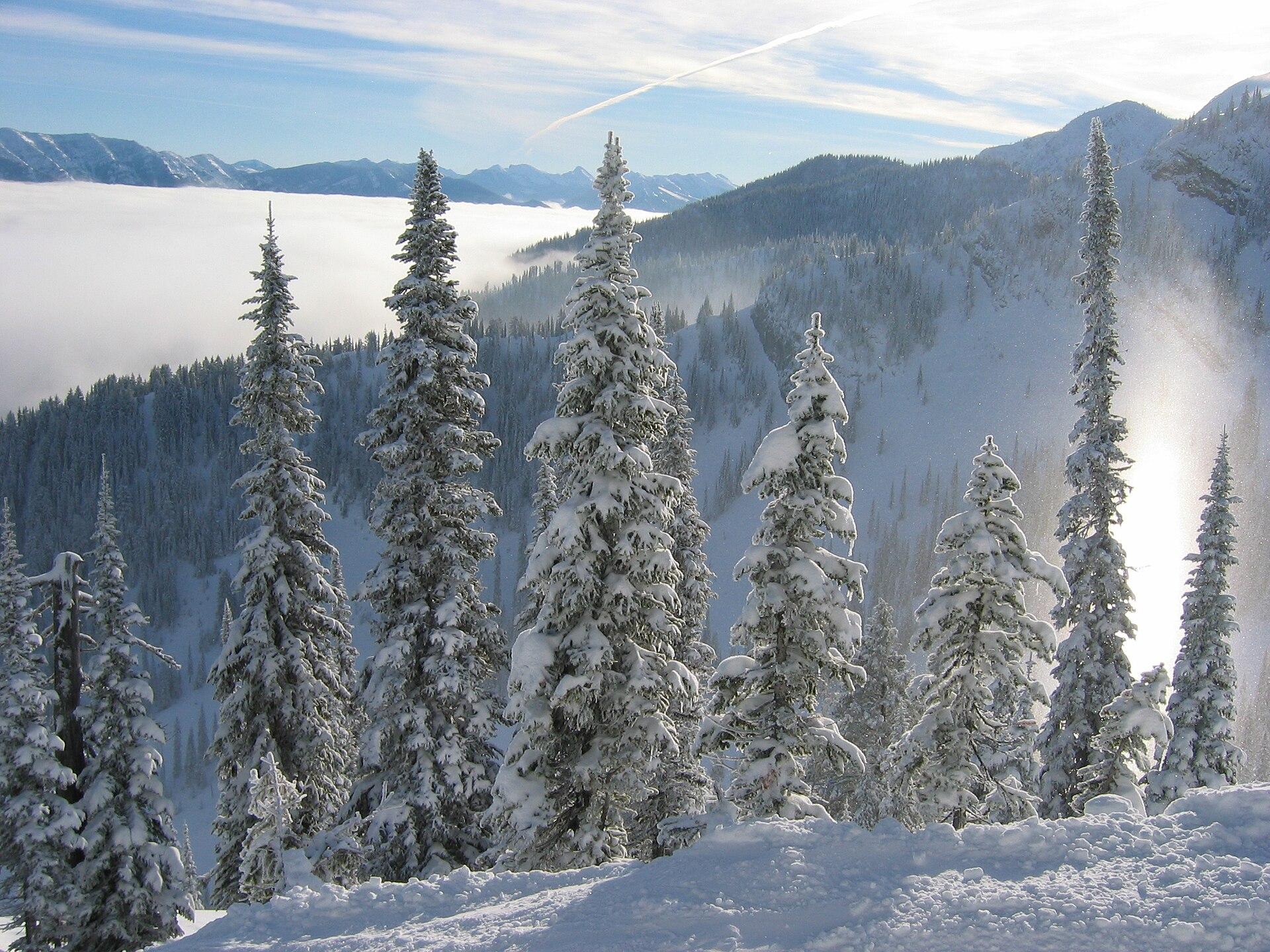
Fernie hotels
Canada · 1 hotels