Hotels in Czech Republic
7 cities · 91 hotels
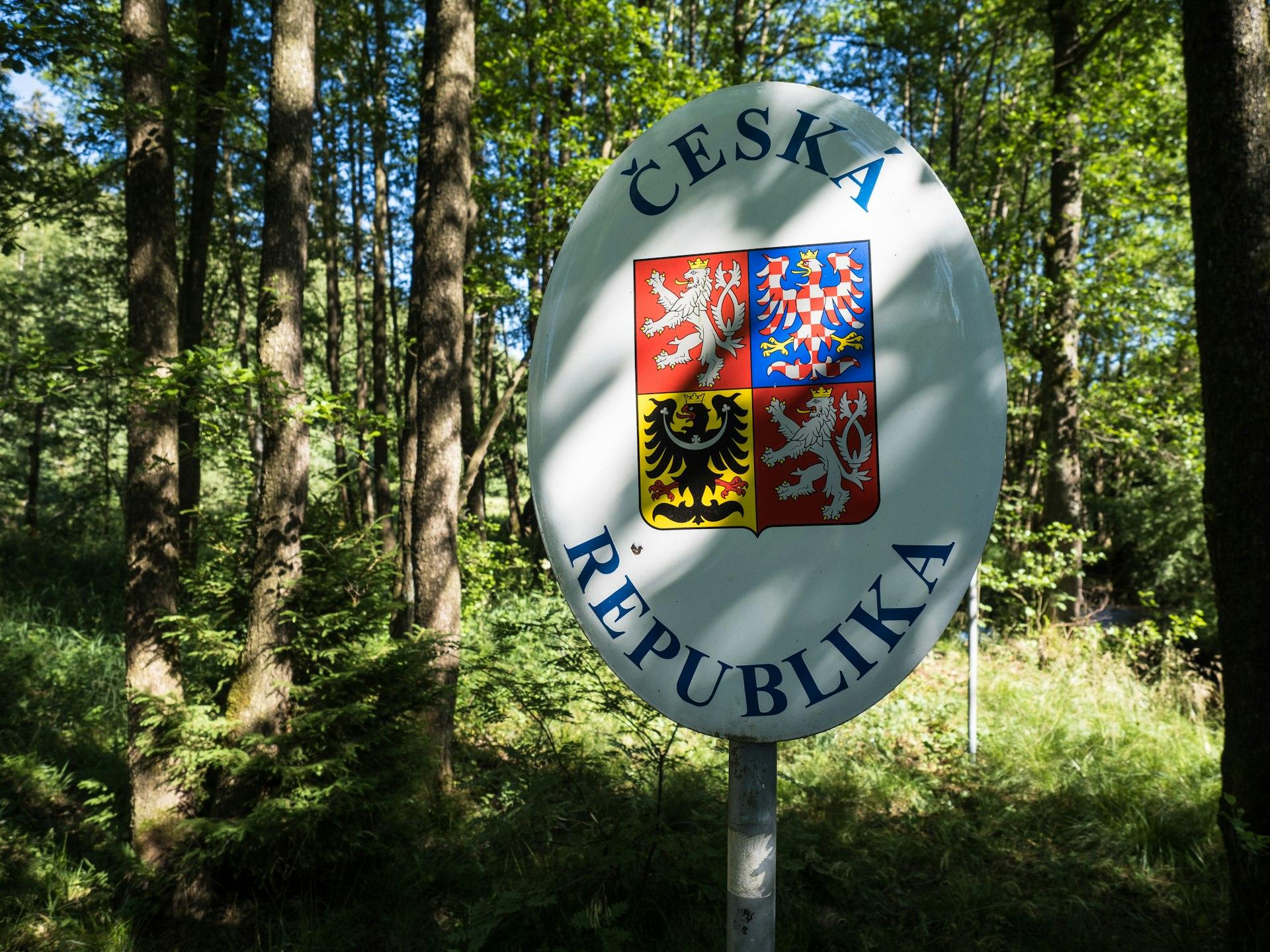
Photo by Hansjörg Keller on Unsplash
Czech Republic: Central Europe's Medieval Crossroads
The Czech Republic — officially Czechia since 2016 — occupies 78,866 sq km at the heart of Central Europe, bordered by Germany, Austria, Slovakia, and Poland. The country divides into four historic lands: Bohemia in the west, Moravia in the east, Silesia in the northeast, and the smaller Czech Silesia corridor. Prague, the capital, sits on the Vltava River roughly 280 km east of Munich. The country holds 14 UNESCO World Heritage Sites, more per capita than most European nations.
Cities Worth Exploring
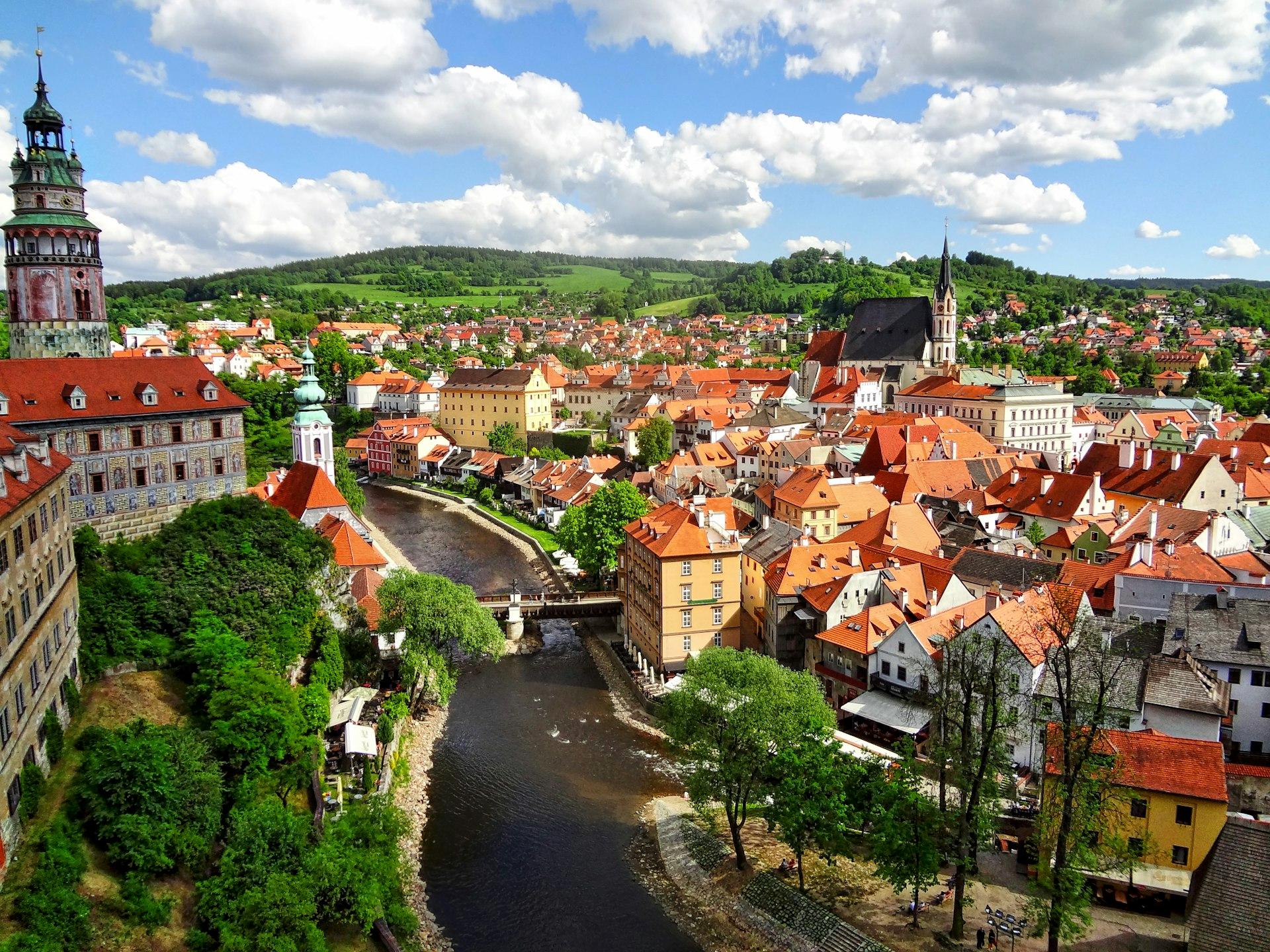
Prague anchors the country's hotel market with more than 700 registered accommodation properties across neighborhoods from the medieval Staré Město (Old Town) to the art-nouveau avenues of Vinohrady. The Charles Bridge, completed in 1402, connects the Old Town to Malá Strana and the hilltop Prague Castle complex — at 70,000 sq m, one of the largest castle complexes in the world. Brno, Moravia's capital 200 km southeast of Prague, is the country's second-largest city and hosts the annual Grand Prix of Brno motorcycle race circuit. Český Krumlov, 170 km south of Prague in South Bohemia, clusters around a 13th-century castle above the Vltava river bend and draws visitors year-round despite a population under 14,000. Olomouc in central Moravia contains the Holy Trinity Column, a Baroque monument inscribed on the UNESCO list in 2000.
Bohemia and Moravia: Two Distinct Landscapes
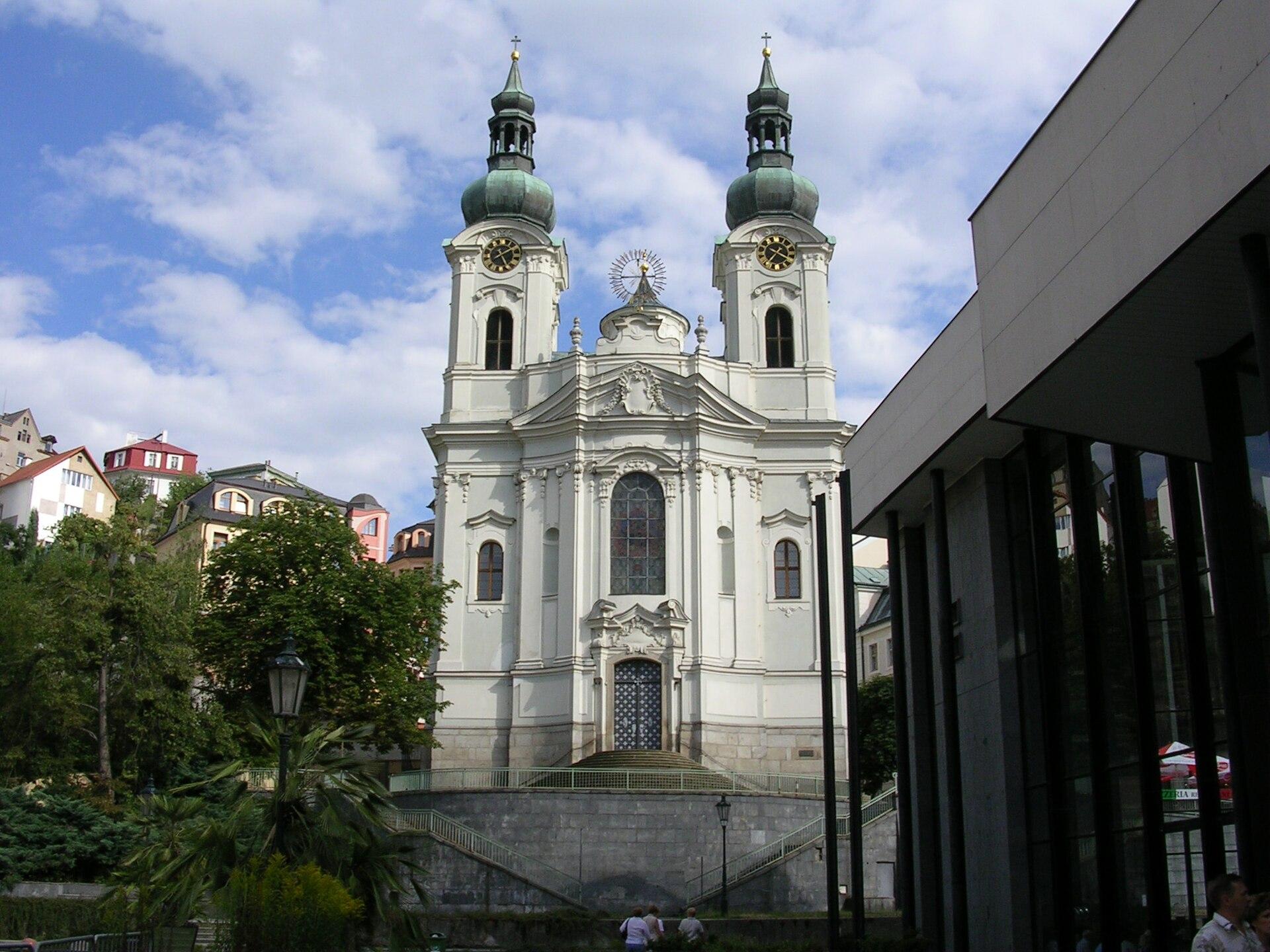
Western Bohemia contains the Karlovy Vary spa triangle — Karlovy Vary, Mariánské Lázně, and Františkovy Lázně — where colonnaded springs have treated guests since the 14th century. The Bohemian Switzerland National Park along the German border preserves sandstone rock formations and the Pravčická brána, the largest natural sandstone arch in Europe at 26.5 m wide. Eastern Moravia produces the country's primary wine output: the Pálava hills and Slovácká wine sub-region account for roughly 96% of Czech vineyard area. The Moravian Karst north of Brno includes the Macocha Abyss, a collapsed doline 138 m deep, accessible by boat through the Punkva Caves.
When to Visit the Czech Republic
Prague's peak tourist season runs May through September, when average temperatures reach 20–25 °C and outdoor terraces open along the riverbank. July and August bring the heaviest crowds to the Old Town Square; hotel rates typically peak during this period. December draws visitors for the Old Town Square Christmas market, operating since 1993. Shoulder months — April and October — offer lower hotel rates and shorter queues at castle entrances. Ski resorts in the Krkonoše (Giant Mountains) operate roughly December through March, with the highest point at Sněžka, 1,603 m above sea level.
Practical Tips for Visiting the Czech Republic
- Currency: The Czech koruna (CZK) remains the official currency; the euro is not accepted at most establishments despite EU membership.
- Getting around: Czech Railways (ČD) connects Prague to Brno in under 2.5 hours; book tickets via the CD Eshop app at least a week ahead for lower fares.
- Visa: Czechia is a Schengen Area member; travelers from non-Schengen countries should confirm entry requirements before travel.
- Language: Czech is the official language; English is widely spoken in Prague hotels and tourist areas, less so in smaller Moravian towns.
- Tipping: A 10% tip is customary in restaurants; rounding up the bill is standard practice.
Frequently Asked Questions
Q: What is the best base for exploring the Czech Republic? A: Prague provides the most extensive hotel choice and direct rail and bus connections to Brno, Český Krumlov, and Karlovy Vary. For wine-region visits, Brno or a guesthouse in the Pálava hills cuts travel time significantly.
Q: Is the Czech Republic expensive for travelers? A: Costs are moderate by Western European standards. Budget hotel rooms in Prague start around CZK 900–1,200 per night; Brno and Olomouc run roughly 20–30% cheaper.
Q: Do I need to speak Czech to get around? A: English signage covers Prague's metro, tram, and main rail stations. Outside major cities, a translation app is helpful for menus and regional transport timetables.
Q: What should travelers know about Prague Castle? A: Prague Castle is free to enter the courtyards; individual palaces and the St. Vitus Cathedral require separate tickets. Morning visits before 10:00 avoid the densest tour groups.
Q: When does Karlovy Vary Film Festival take place? A: The Karlovy Vary International Film Festival runs annually in late June to early July; hotel rates in the spa town increase sharply during the festival week, so book at least two months in advance.