
Hotels in Brazil
36 cities · 824 hotels
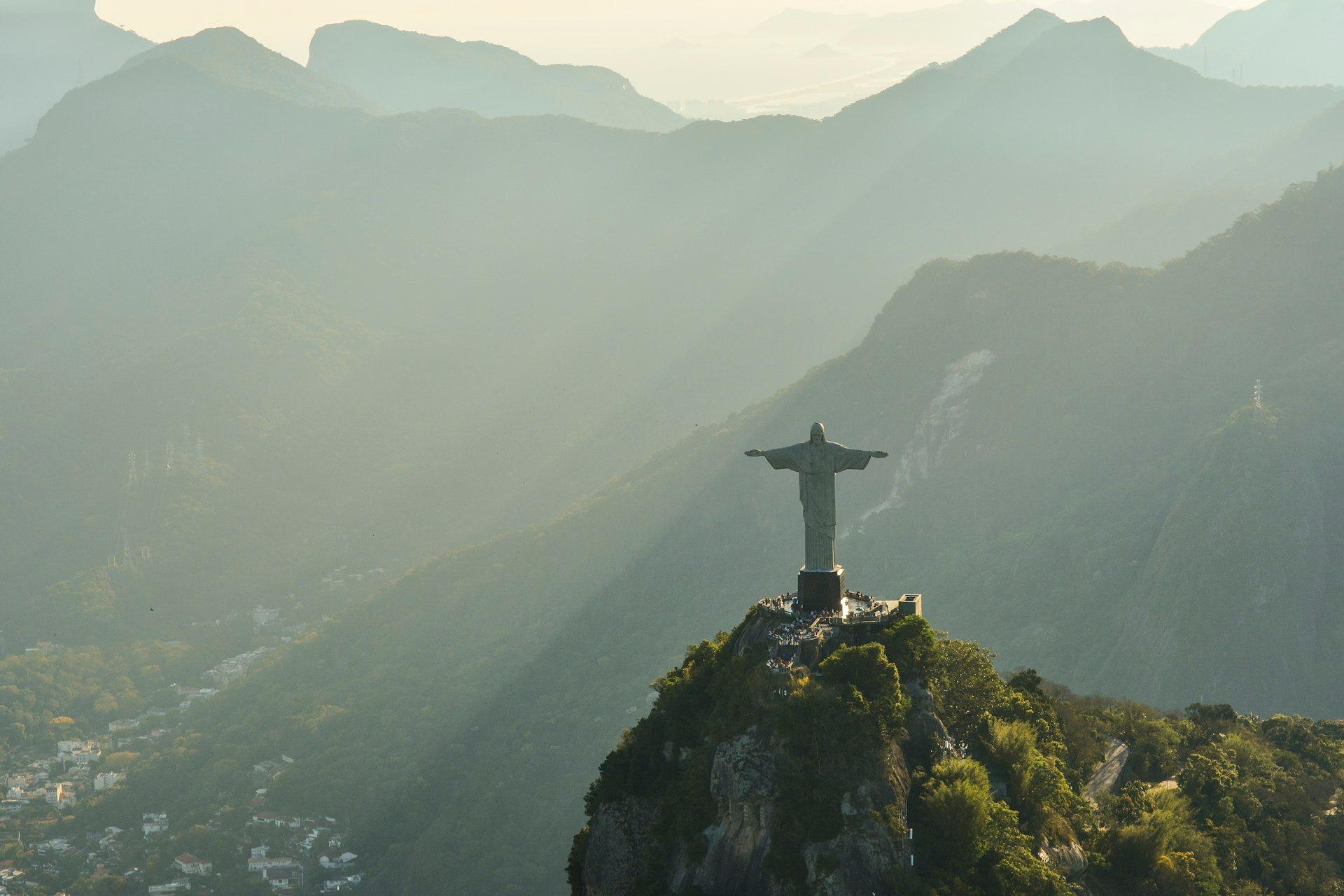
Photo by Raphael Nogueira on Unsplash
Brazil: Eight Million Square Kilometres of Contrast
Brazil is the fifth-largest country on Earth, covering 8.5 million km² across five distinct geographic regions. The Amazon Basin in the north holds roughly 60% of the world's largest tropical rainforest. The Cerrado savanna of the interior spans over 2 million km². The south drops to subtropical latitudes where winter frost is possible in Rio Grande do Sul. Between these extremes sit 7,491 km of Atlantic coastline, colonial hilltowns, and 20+ UNESCO World Heritage Sites.
Cities Worth Exploring
Rio de Janeiro sits between Tijuca National Park — 3,953 hectares of Atlantic Forest inside a city — and Guanabara Bay. The Cristo Redentor statue on Corcovado (710 m) and the Pão de Açúcar cable car define its skyline. São Paulo, 429 km inland, is Brazil's financial capital and home to the largest Japanese diaspora outside Japan, concentrated in the Liberdade neighbourhood. Salvador, capital of Bahia state, preserves the Pelourinho colonial centre, a UNESCO site since 1985, and hosts the largest Carnaval outside Rio. Brasília, purpose-built in 1,000 days and inaugurated in April 1960, is a living museum of Oscar Niemeyer's modernist architecture.
Regional Highlights
The Northeast draws visitors with warm water year-round and dune landscapes: Jericoacoara in Ceará is accessible only by 4×4 across sand flats, while the Lençóis Maranhenses in Maranhão fill seasonal lagoons between white dunes from January to September. The Pantanal — the world's largest tropical wetland at roughly 150,000 km² — straddles Mato Grosso and Mato Grosso do Sul, offering jaguar sightings along the Transpantaneira road. The Iguaçu Falls, shared with Argentina, drop across 275 separate cascades over a 2.7 km arc; the Brazilian side provides the widest panoramic view.
When to Visit Brazil
Brazil's size means no single travel window suits every region. Rio de Janeiro and the southeast are most temperate from April to October, avoiding the January–March rainy season. Carnaval falls in February or early March (date shifts annually with Easter) and books hotels in Rio and Salvador more than six months ahead. The Amazon near Manaus receives rain year-round, but the high-water season (March–June) allows boat access deeper into flooded forest. The Pantanal is most accessible in the dry season, July–October, when wildlife concentrates around water.
Practical Tips for Visiting Brazil
- Visa: Citizens of the US, Canada, and Australia require an e-visa; EU passport holders entered visa-free from 2024 under a reciprocal agreement.
- Currency: The Brazilian Real (BRL). ATMs in airports and city centres are widely available; carry some cash for smaller towns and national park entrances.
- Getting around: Domestic flights connect major cities efficiently; buses cover long distances but journeys between São Paulo and Salvador exceed 28 hours by road.
- Health: Yellow fever vaccination is required for entry if arriving from certain countries and recommended for Amazon and Pantanal travel.
- Safety: Keep valuables out of sight in city centres; Copacabana and Centro in Rio require standard urban caution after dark.
- Language: Portuguese is the sole official language; English is spoken in hotels and airports but rarely in rural areas.
Frequently Asked Questions
Q: What is the currency in Brazil and can travellers use cards widely? A: The currency is the Brazilian Real (BRL). Credit cards are accepted in most hotels and restaurants in larger cities, but cash is essential in smaller towns, rural areas, and national park entry points.
Q: How many days are needed to see Brazil's main highlights? A: A minimum of two weeks allows visits to Rio de Janeiro, one Northeast beach destination, and either the Pantanal or the Amazon. Three weeks adds Iguaçu Falls and Salvador without feeling rushed.
Q: Is it safe to travel in Brazil? A: Safety varies significantly by city and neighbourhood. Tourist zones in Rio, São Paulo, and Salvador are patrolled, but petty theft is common in crowded areas. Standard precautions — no visible jewellery, no phone use on the street — reduce risk considerably.
Q: Which Brazilian city has the most hotel options? A: São Paulo has the largest hotel inventory, ranging from international business chains in Jardins and Itaim Bibi to boutique properties in Vila Madalena. Rio de Janeiro concentrates options along Ipanema, Leblon, and Copacabana beaches.
Q: When does Carnaval take place in Brazil? A: Carnaval falls in February or early March, 47 days before Easter Sunday. In 2025 it runs from 28 February to 4 March. Hotel rates in Rio and Salvador surge significantly; book at least six months ahead.
Cities in Brazil

Florianópolis hotels
Brazil · 148 hotels
Salvador hotels
Brazil · 101 hotels
Colombo hotels
Brazil · 94 hotels

Rio de Janeiro hotels
Brazil · 43 hotels
Ilhéus hotels
Brazil · 39 hotels
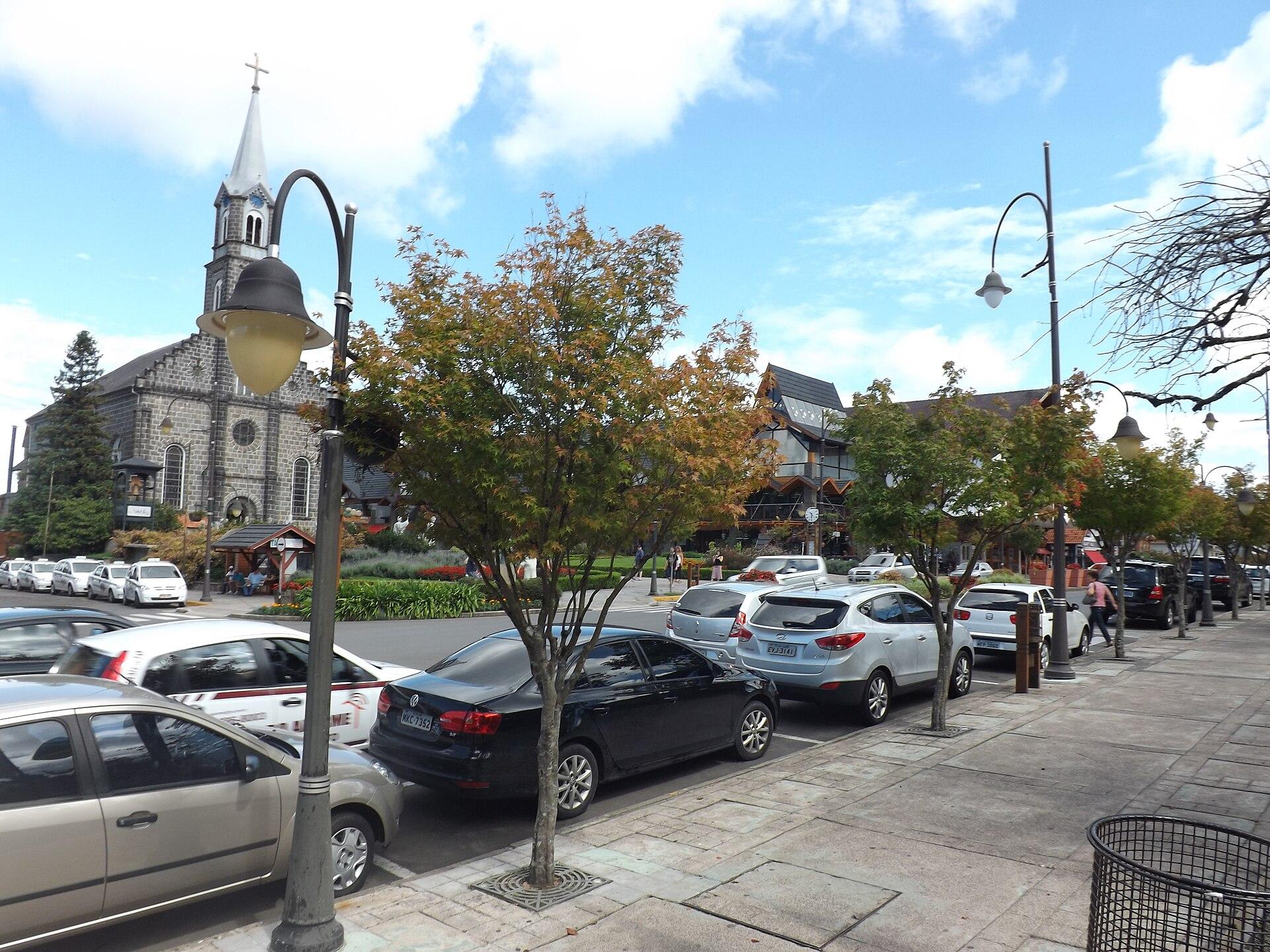
Gramado hotels
Brazil · 39 hotels
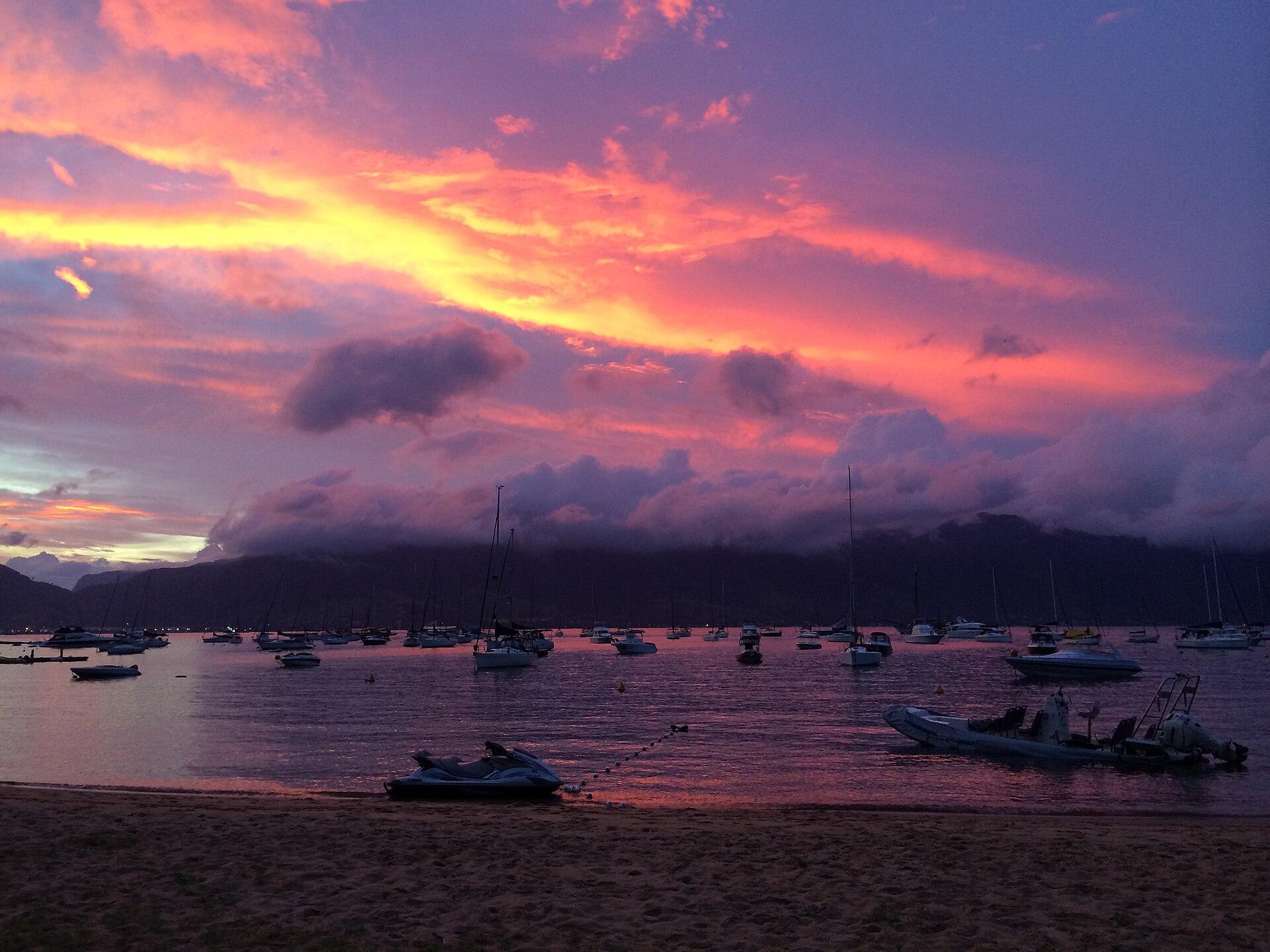
Ilhabela hotels
Brazil · 36 hotels
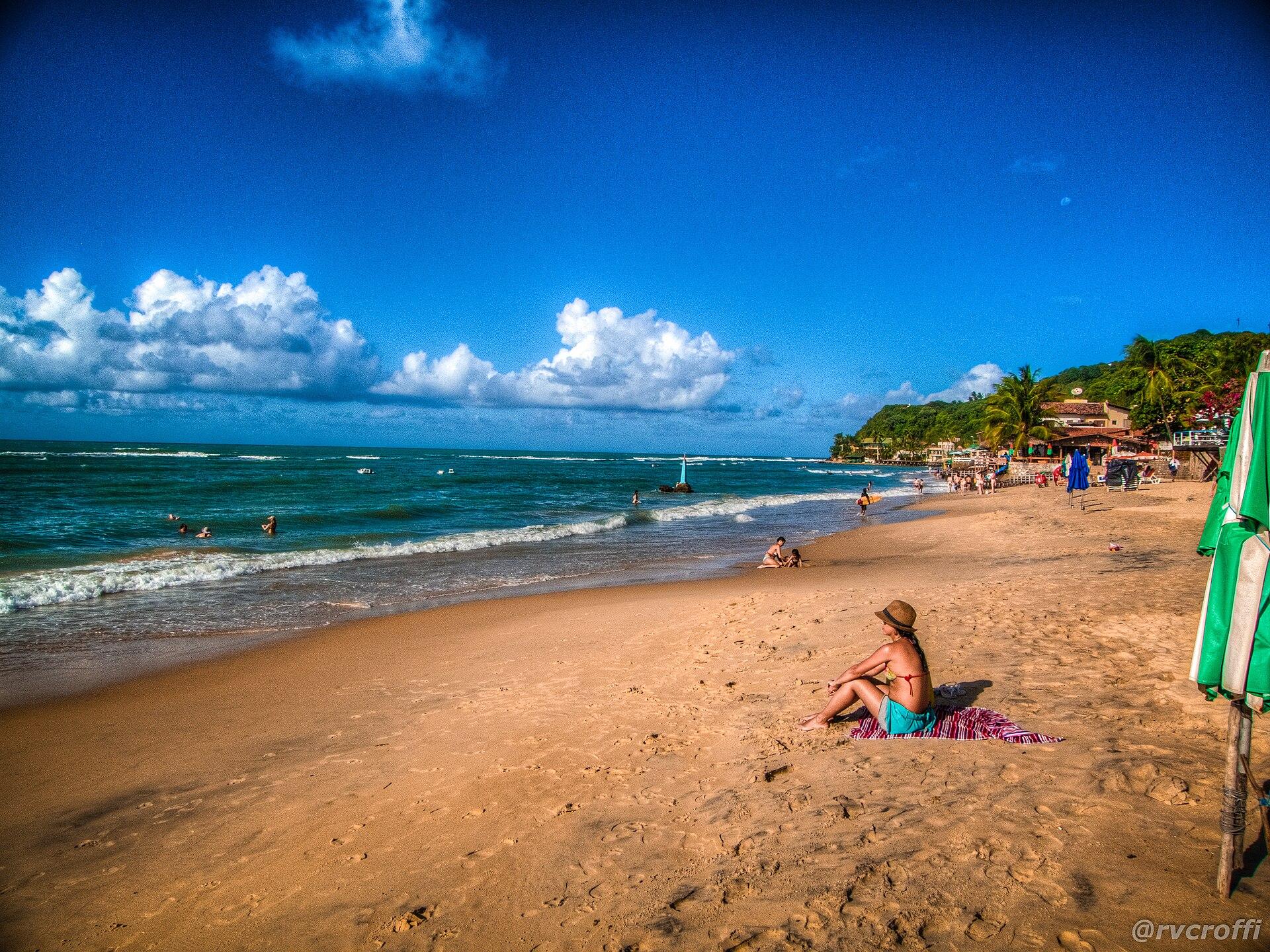
Pipa hotels
Brazil · 34 hotels
Fortaleza hotels
Brazil · 25 hotels
Treviso hotels
Brazil · 23 hotels
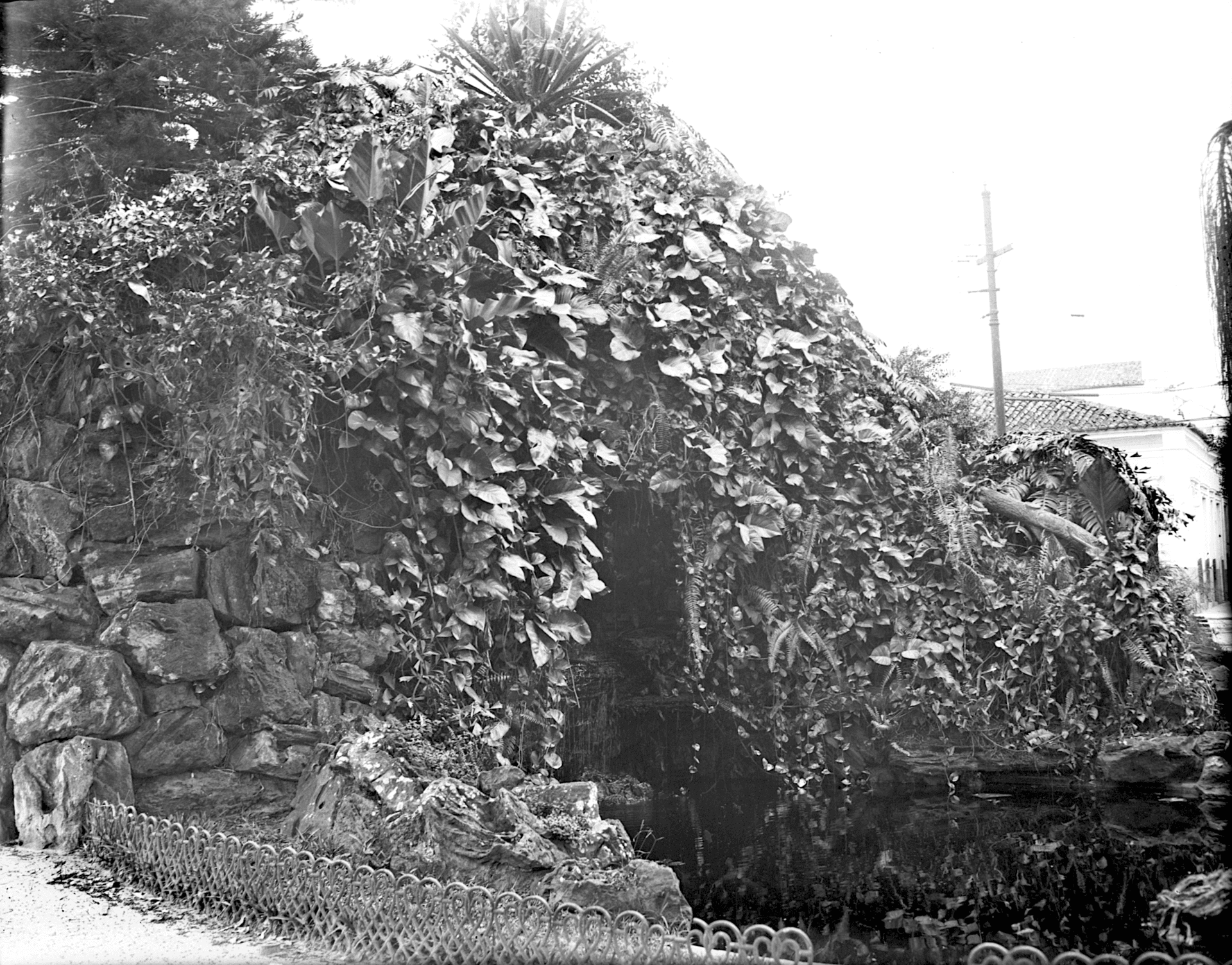
Manaus hotels
Brazil · 21 hotels
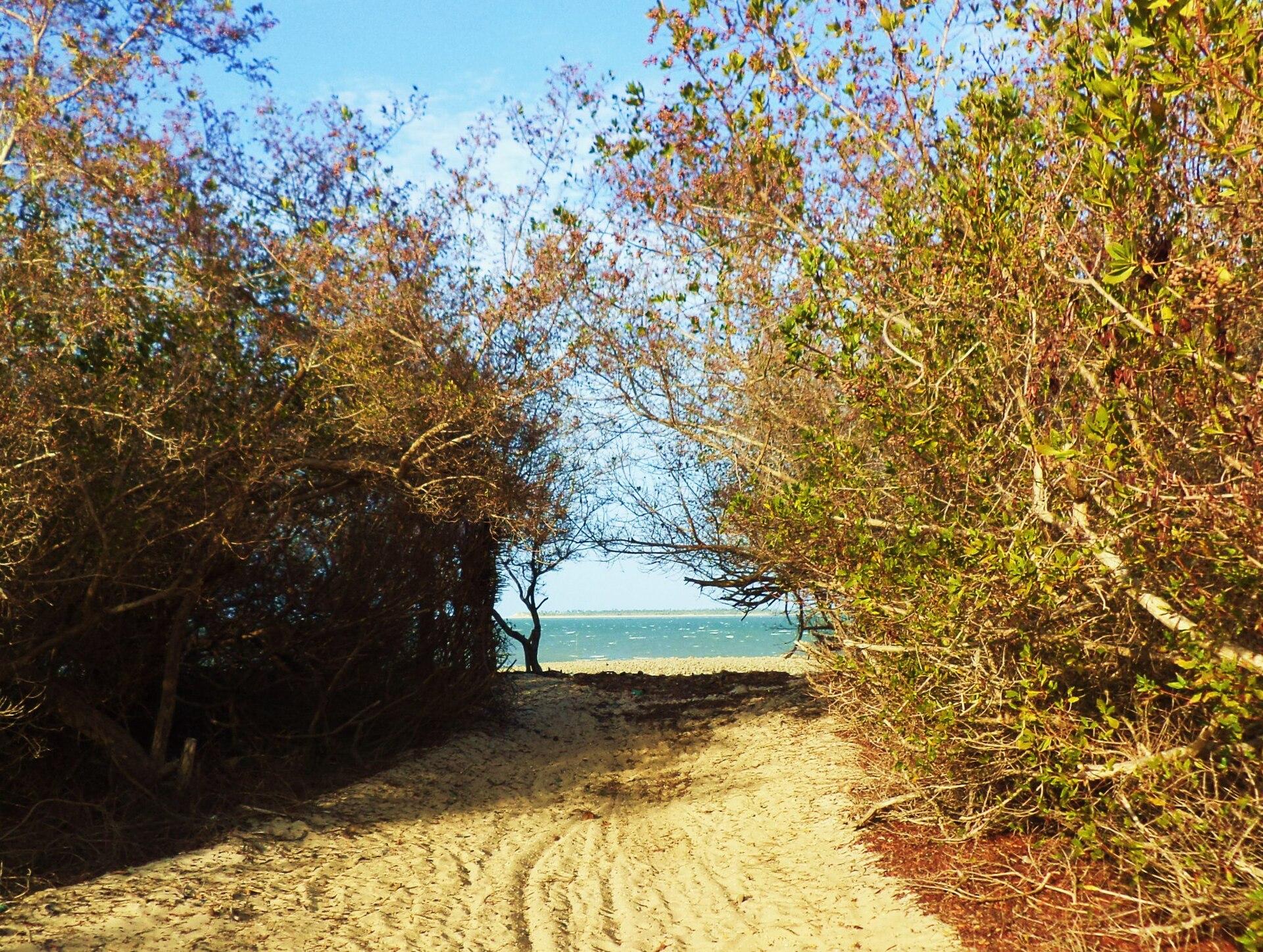
Tamarindo hotels
Brazil · 20 hotels
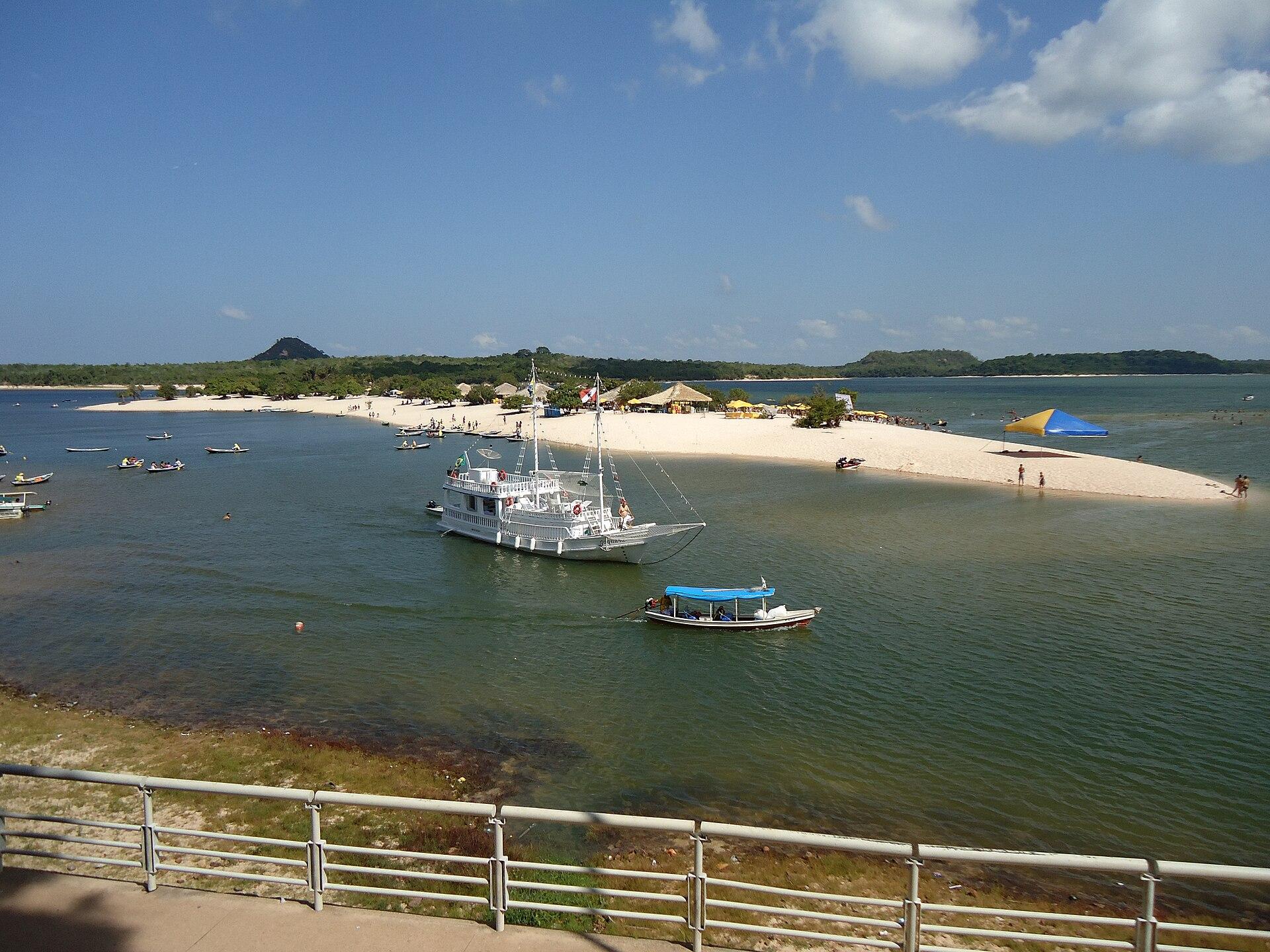
Alter do Chao hotels
Brazil · 19 hotels
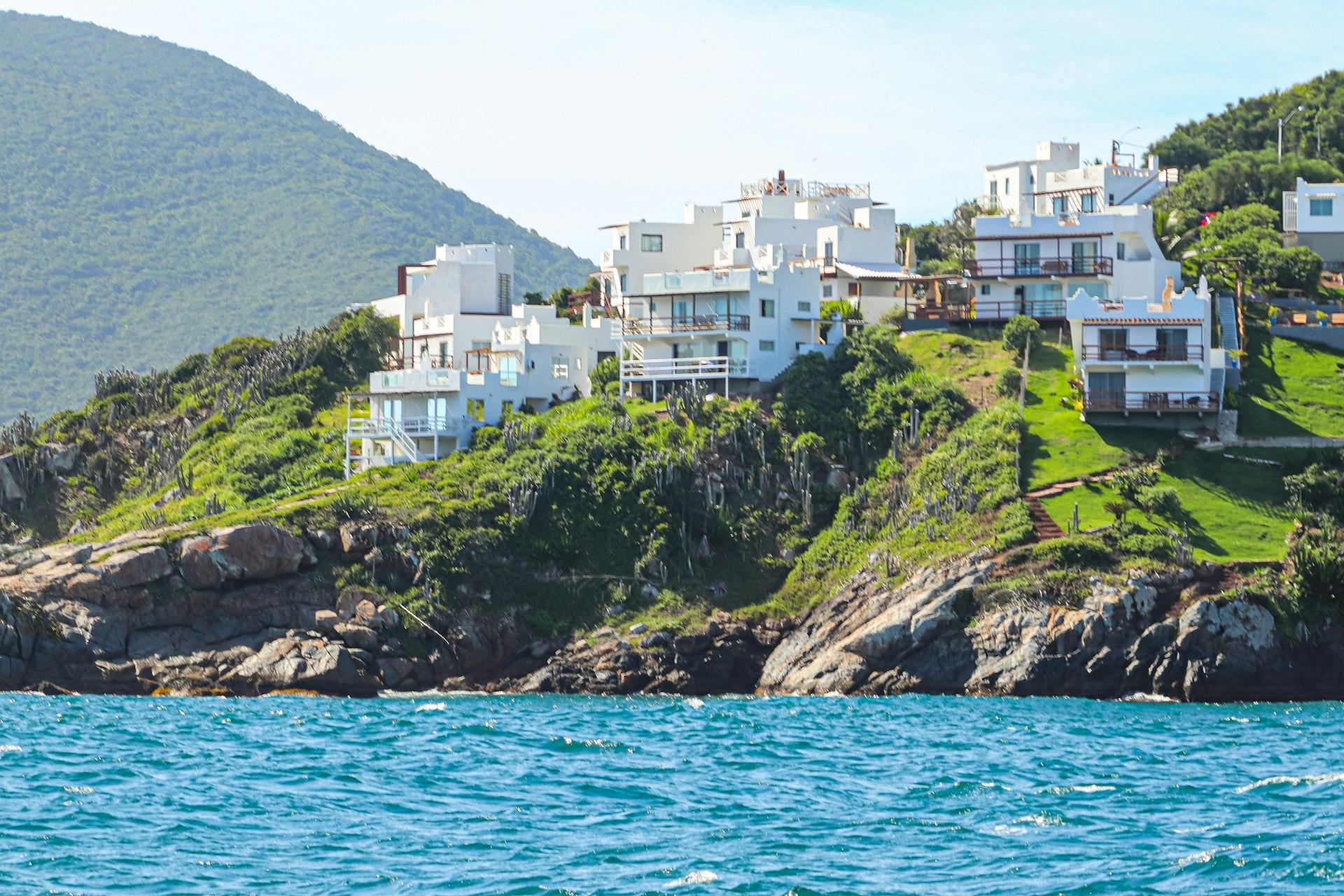
Arraial do Cabo hotels
Brazil · 18 hotels
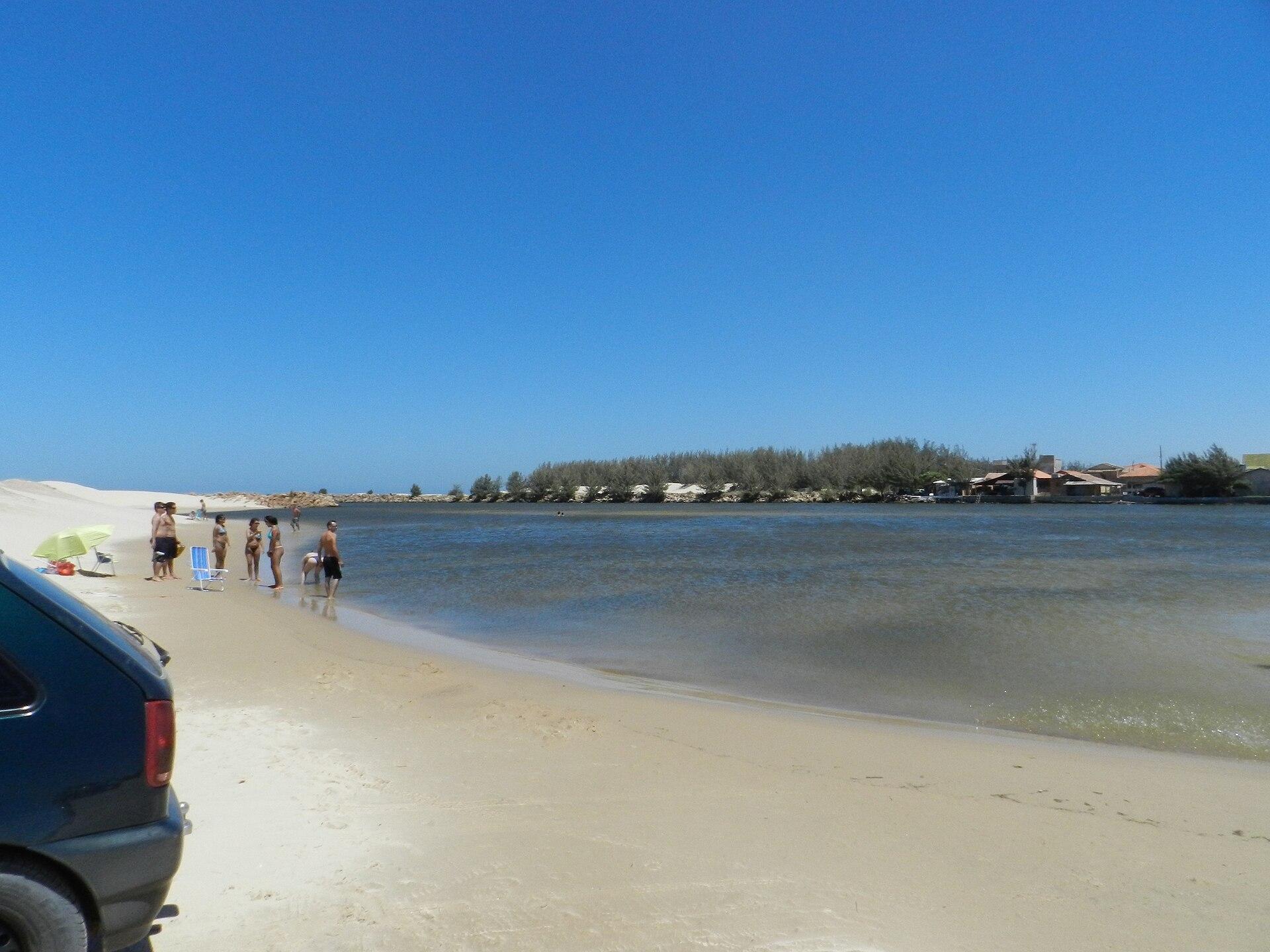
Farol de Santa Marta hotels
Brazil · 18 hotels
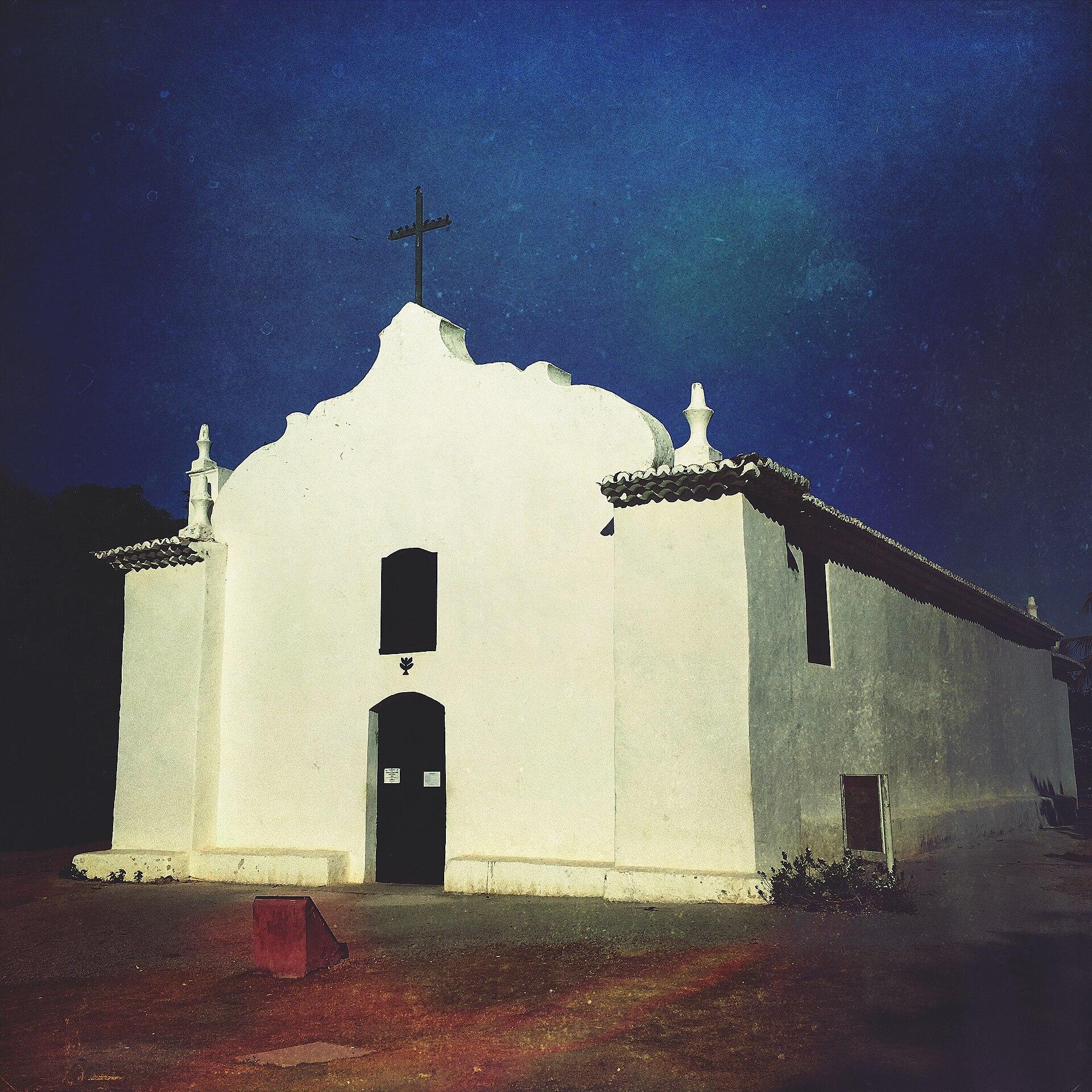
Trancoso hotels
Brazil · 18 hotels
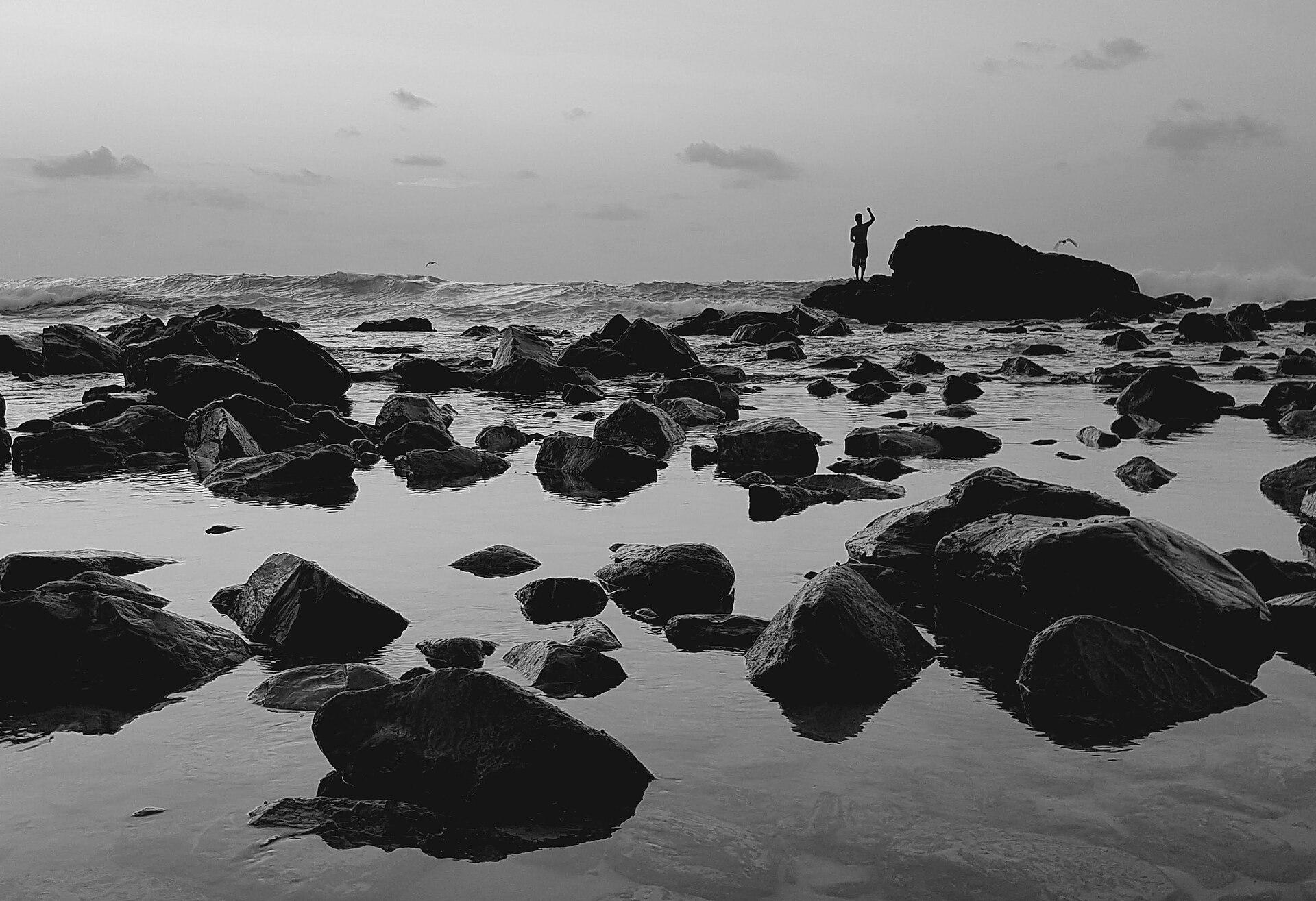
Fernando de Noronha hotels
Brazil · 17 hotels
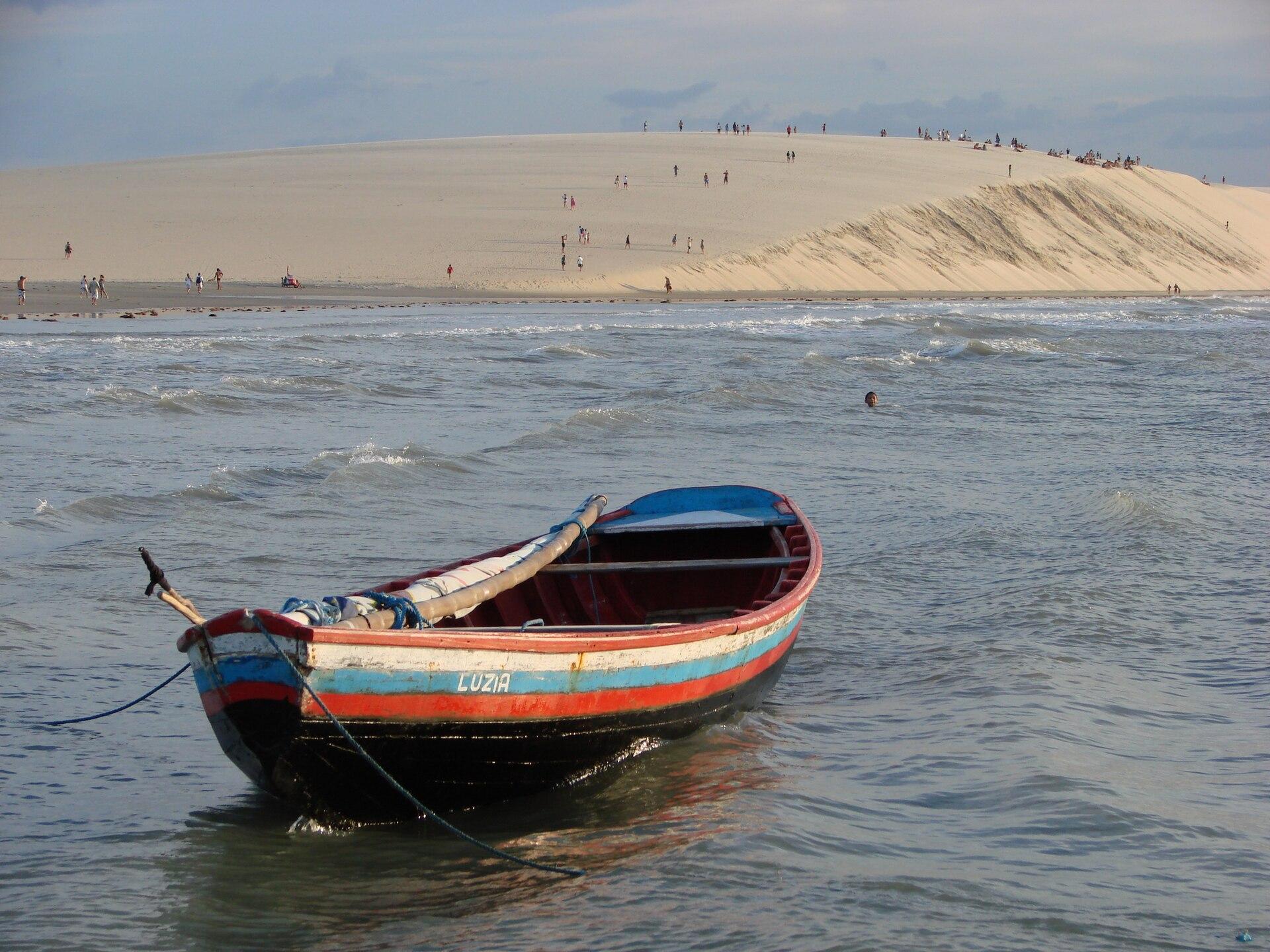
Jericoacoara hotels
Brazil · 15 hotels
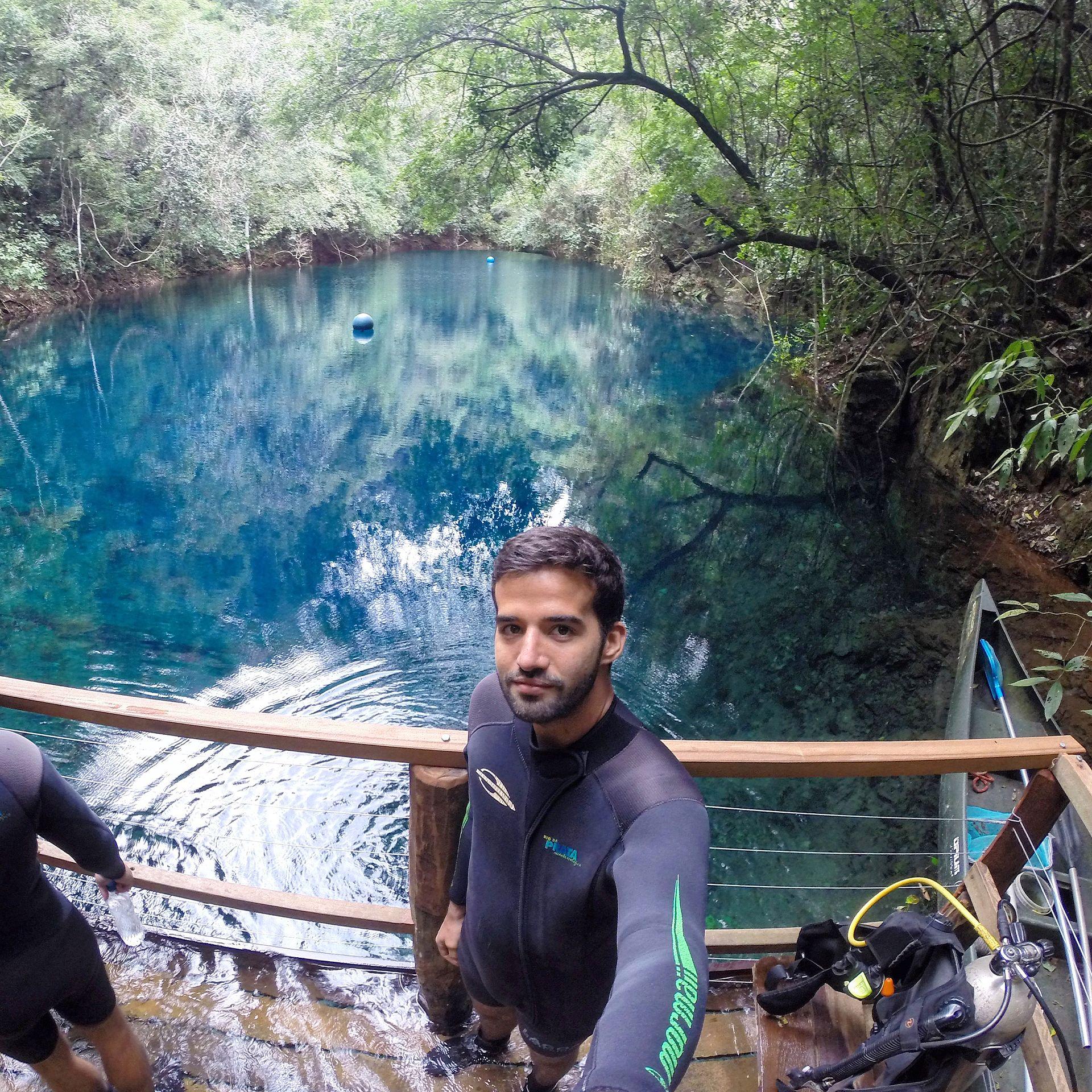
Bonito hotels
Brazil · 15 hotels
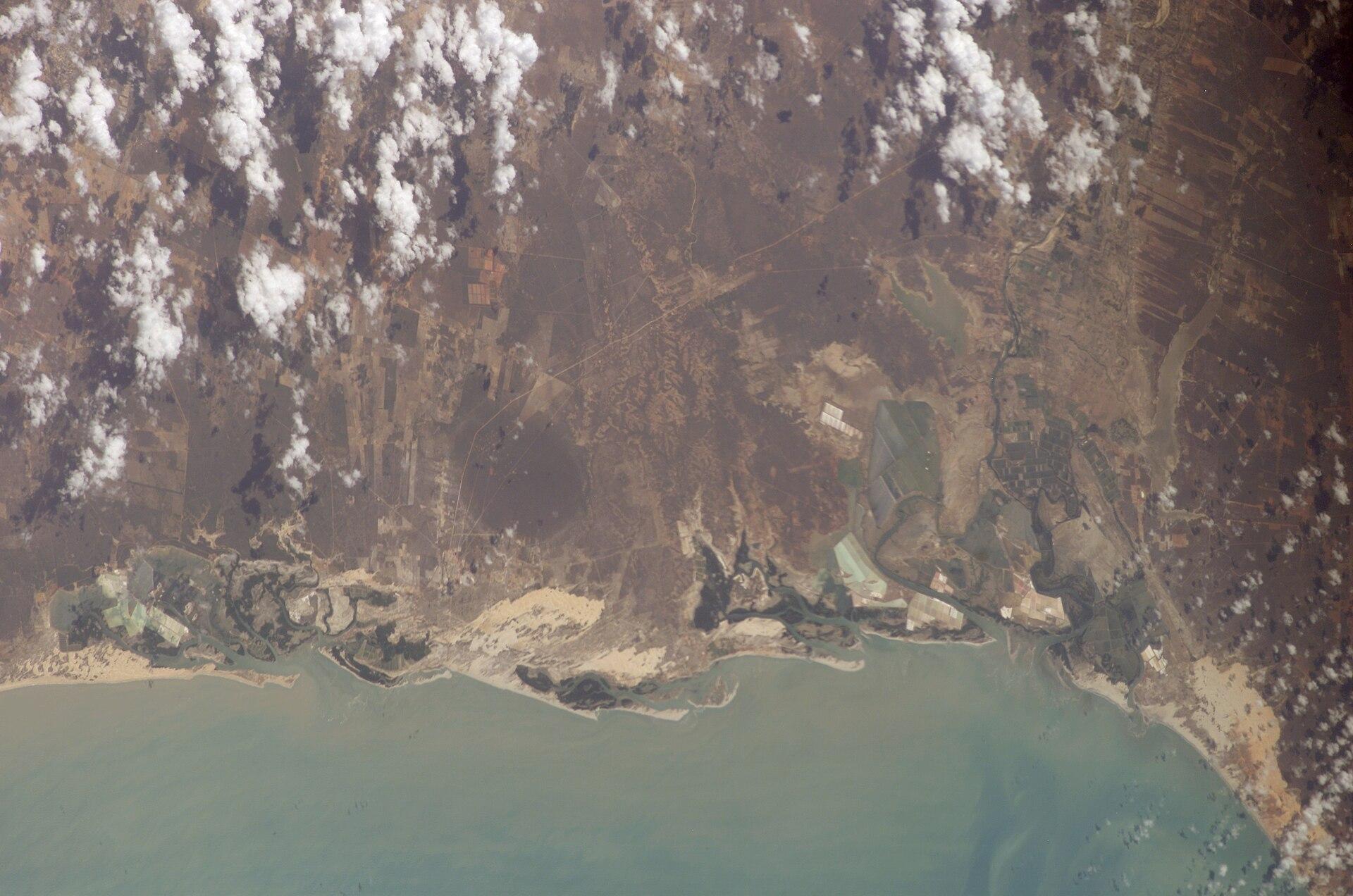
Belém hotels
Brazil · 12 hotels
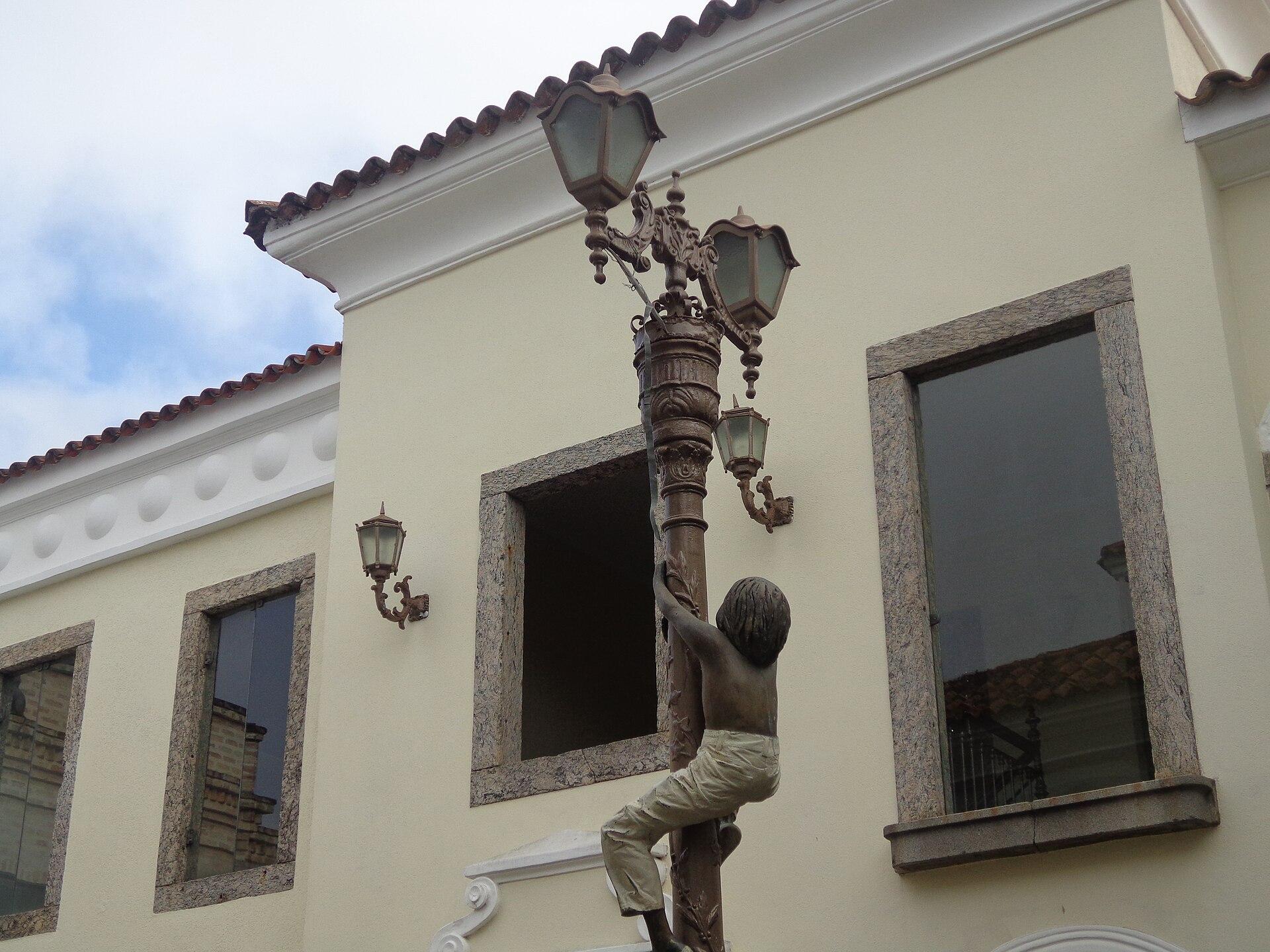
Búzios hotels
Brazil · 11 hotels
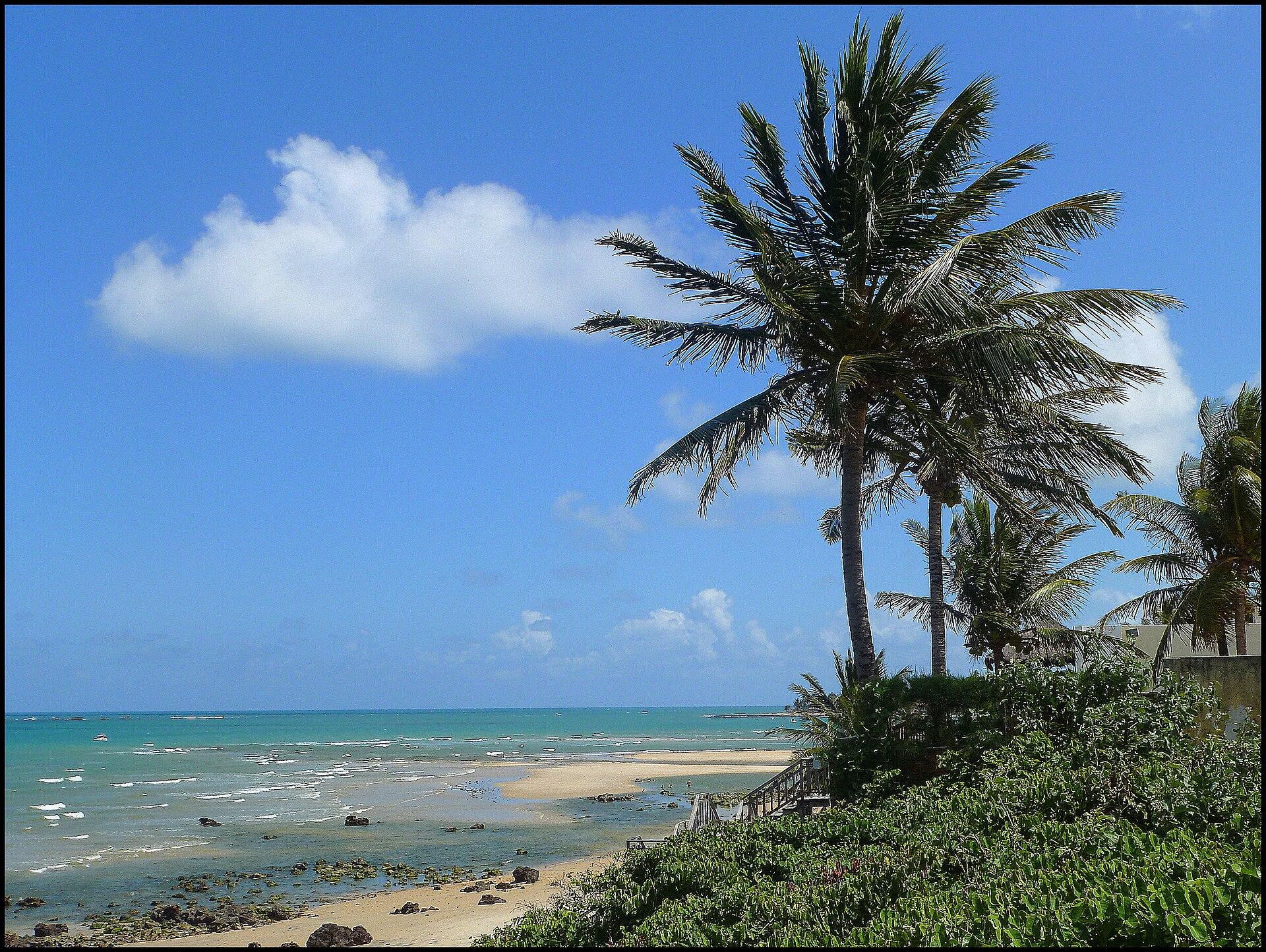
Pirangi do Norte hotels
Brazil · 11 hotels
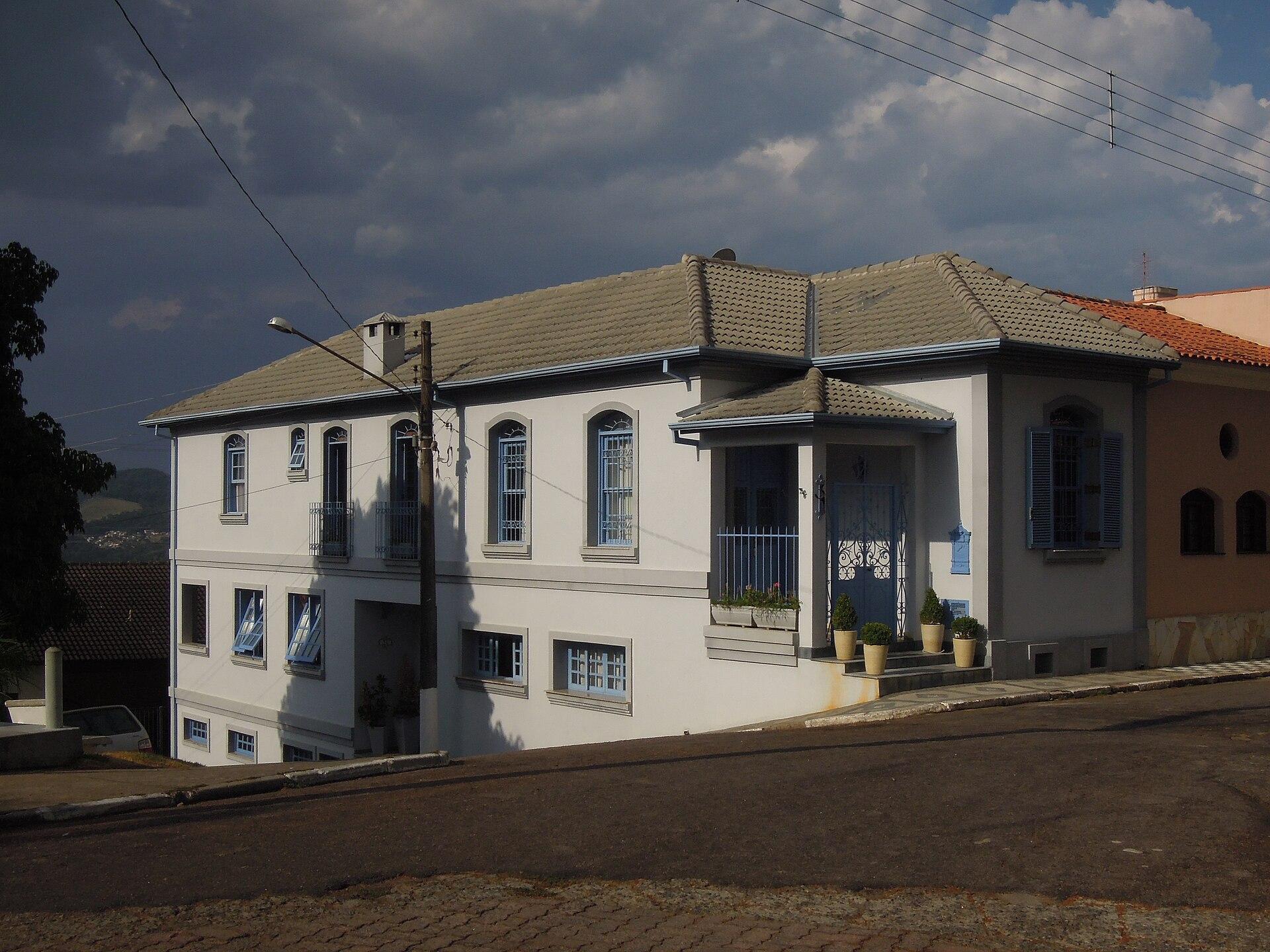
Monte Verde hotels
Brazil · 10 hotels
Rio Bonito hotels
Brazil · 6 hotels
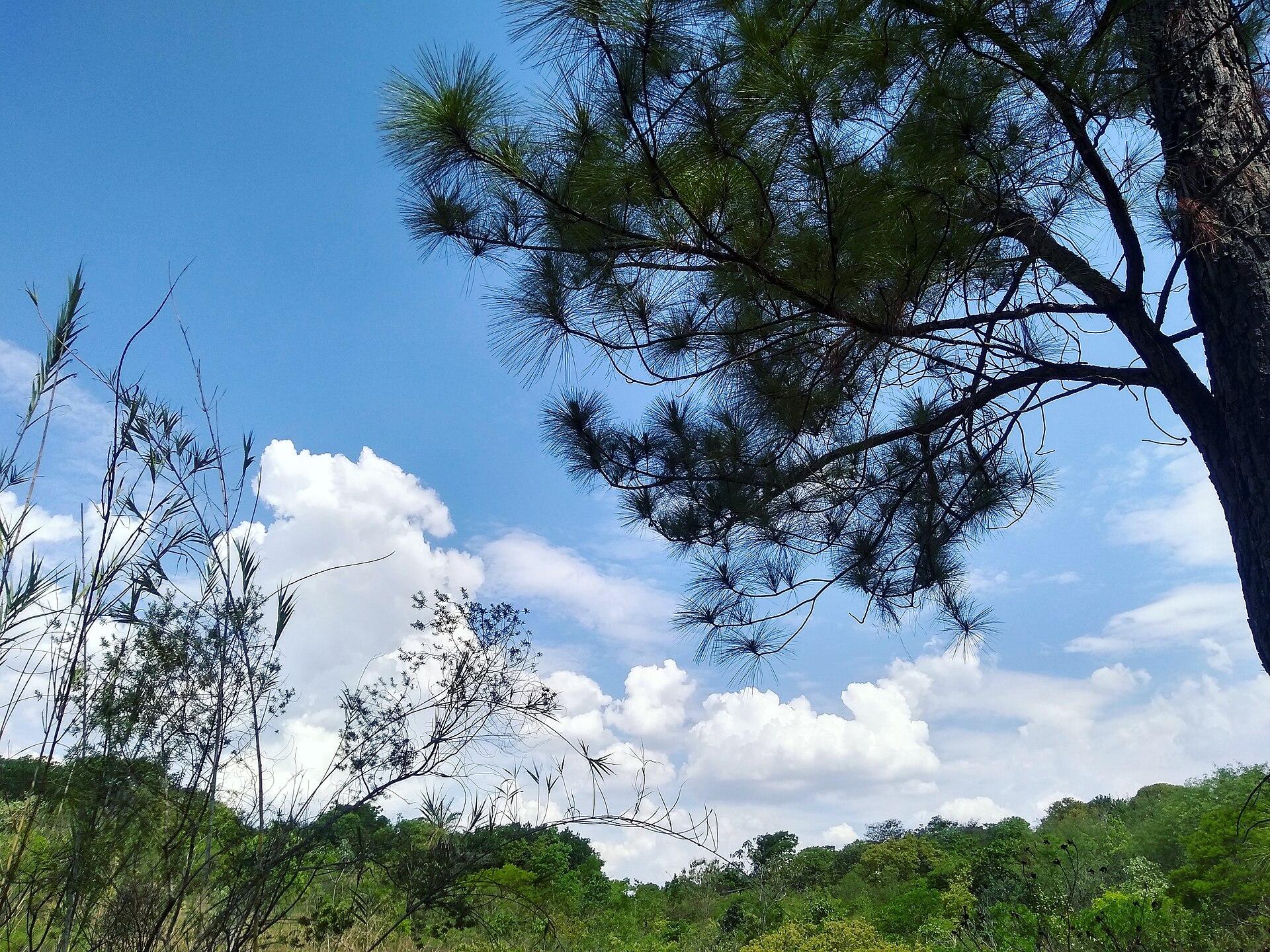
Brasilia hotels
Brazil · 5 hotels
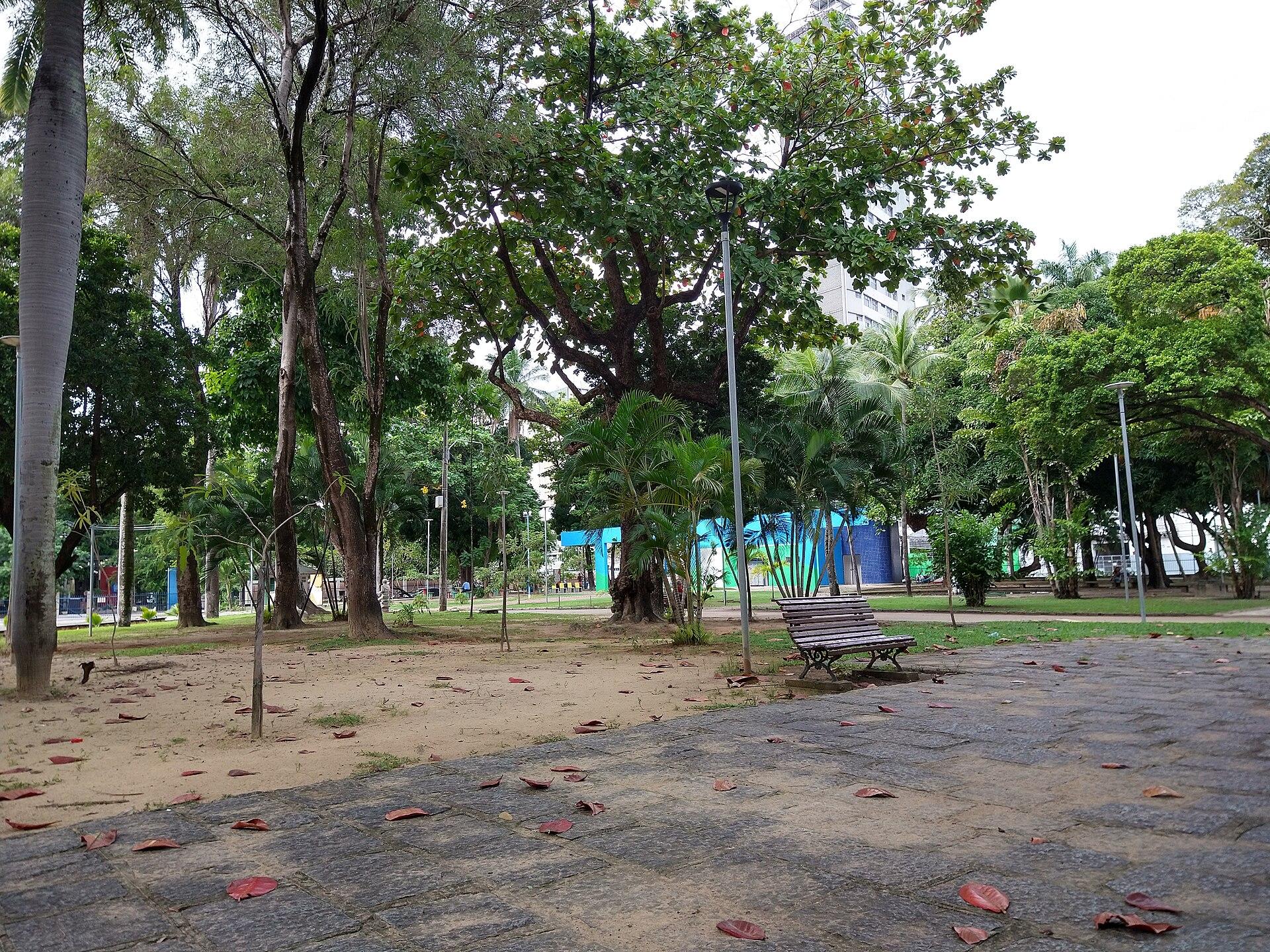
Recife hotels
Brazil · 5 hotels
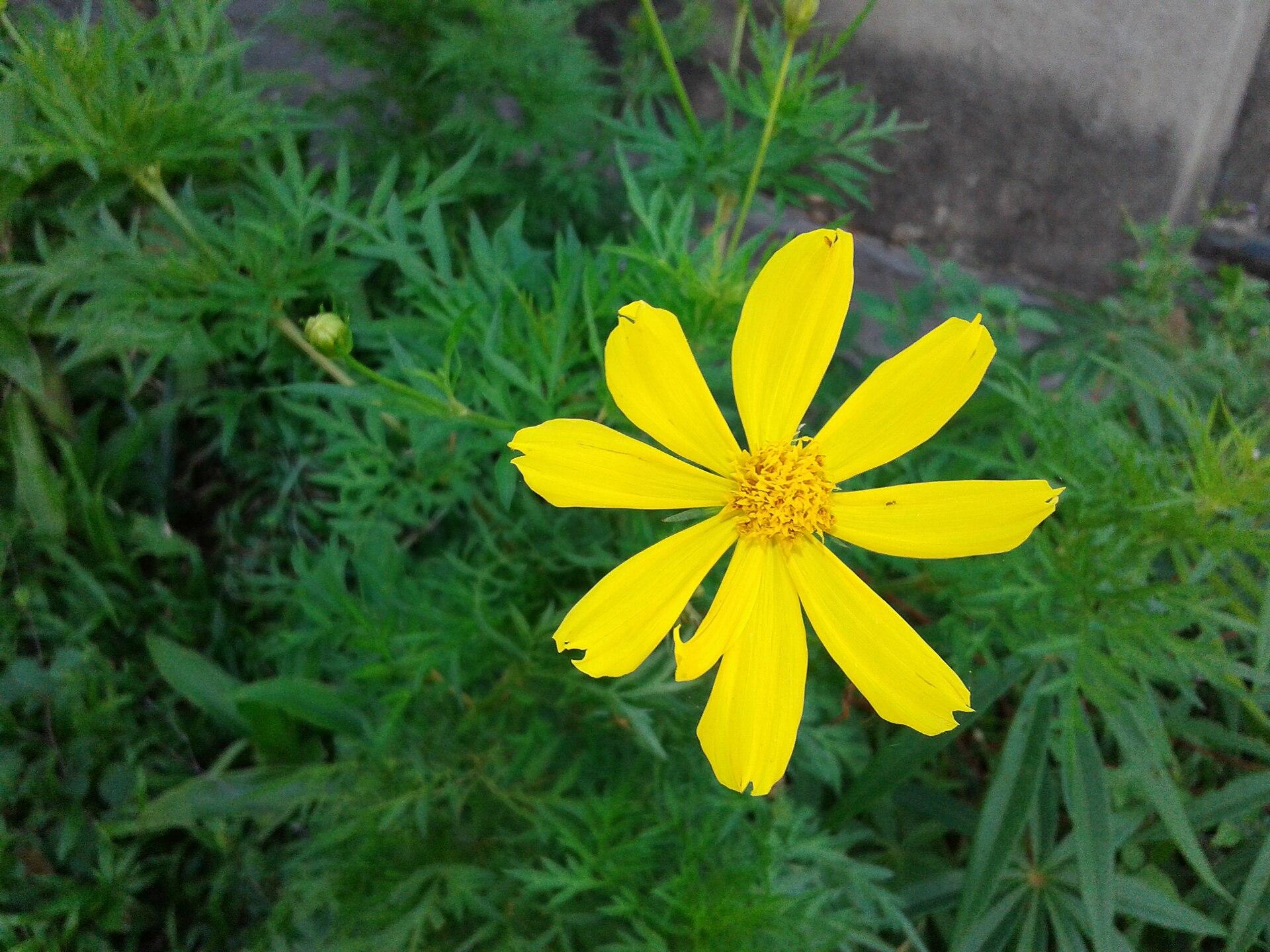
Olinda hotels
Brazil · 4 hotels
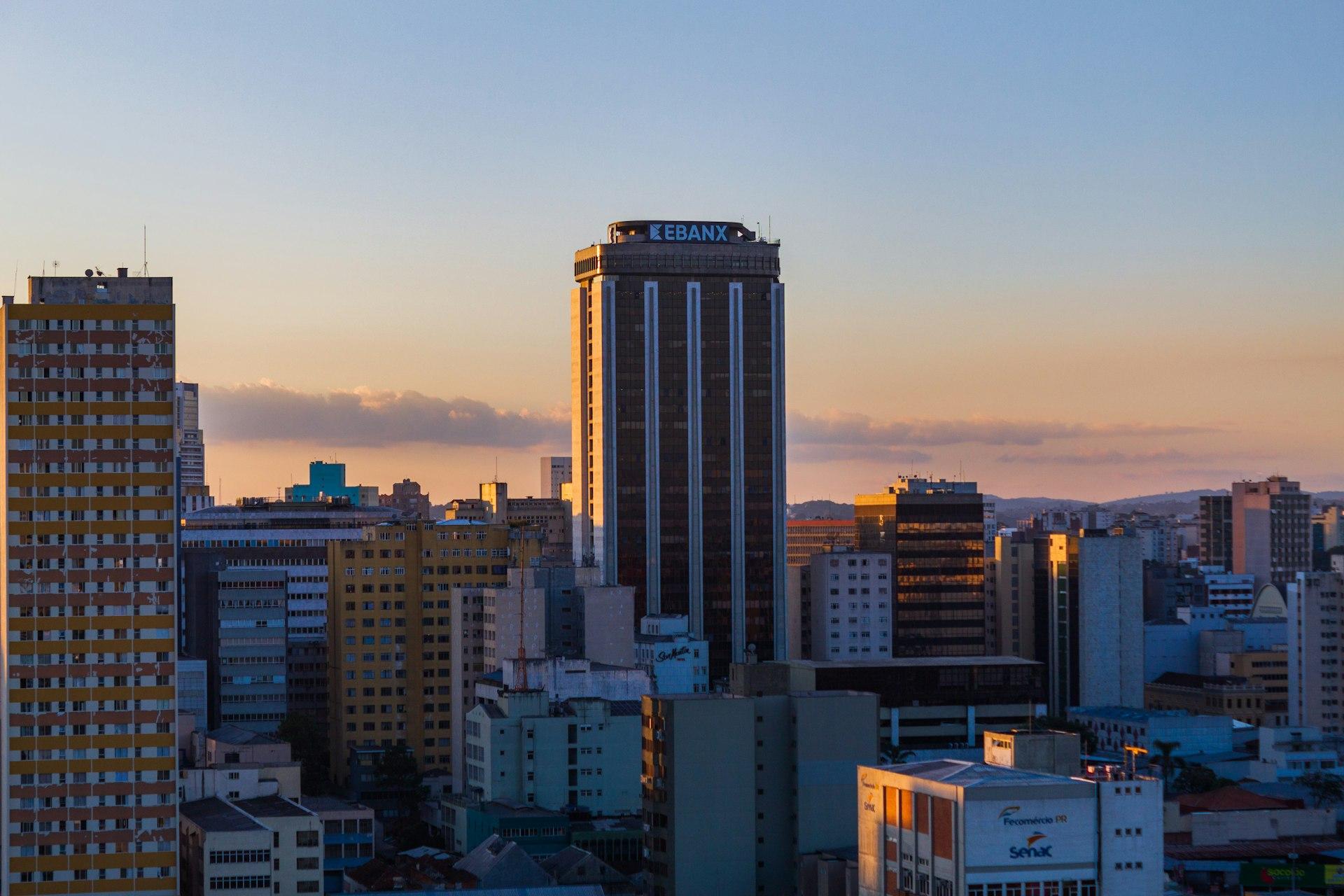
Curitiba hotels
Brazil · 4 hotels
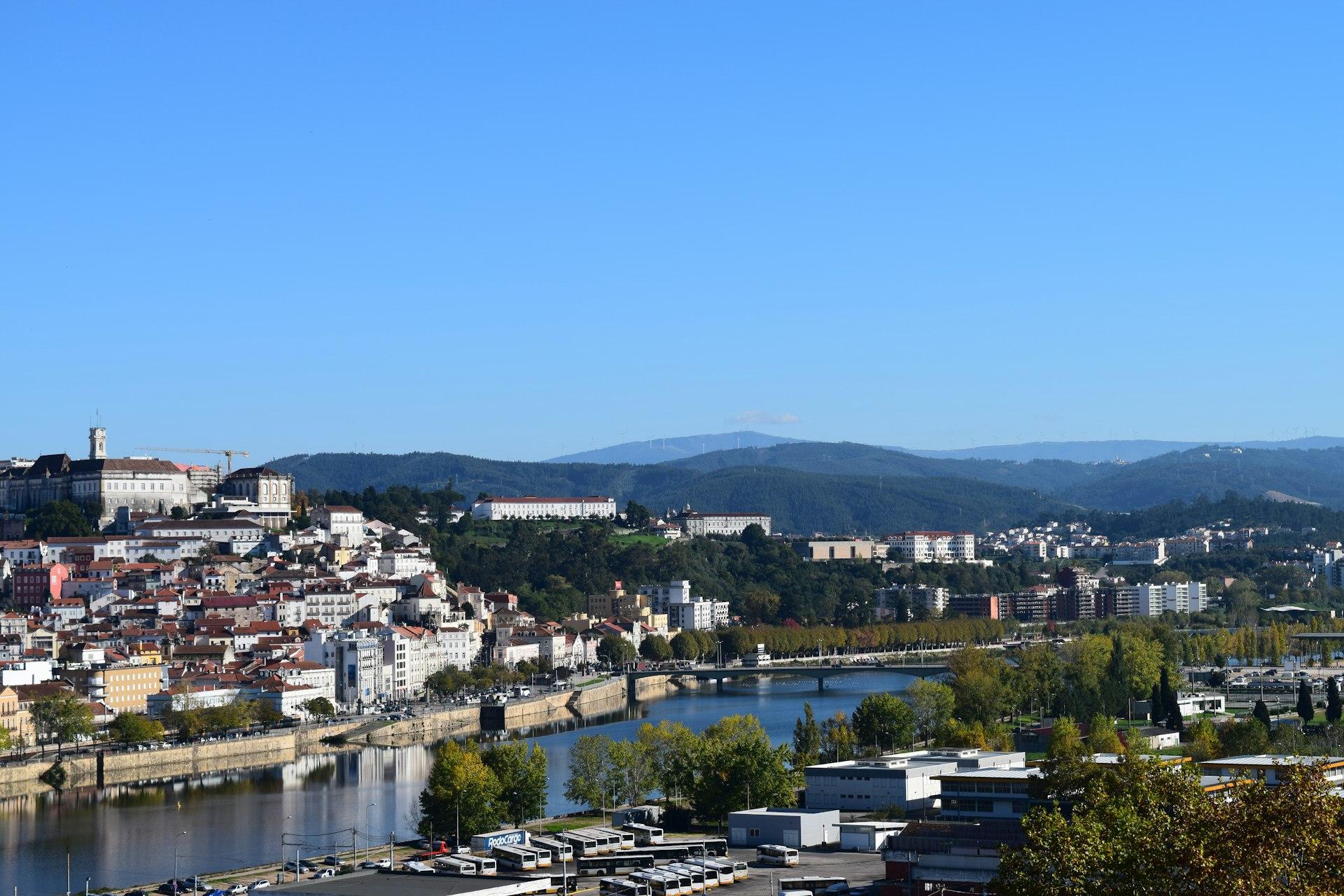
Coimbra hotels
Brazil · 4 hotels
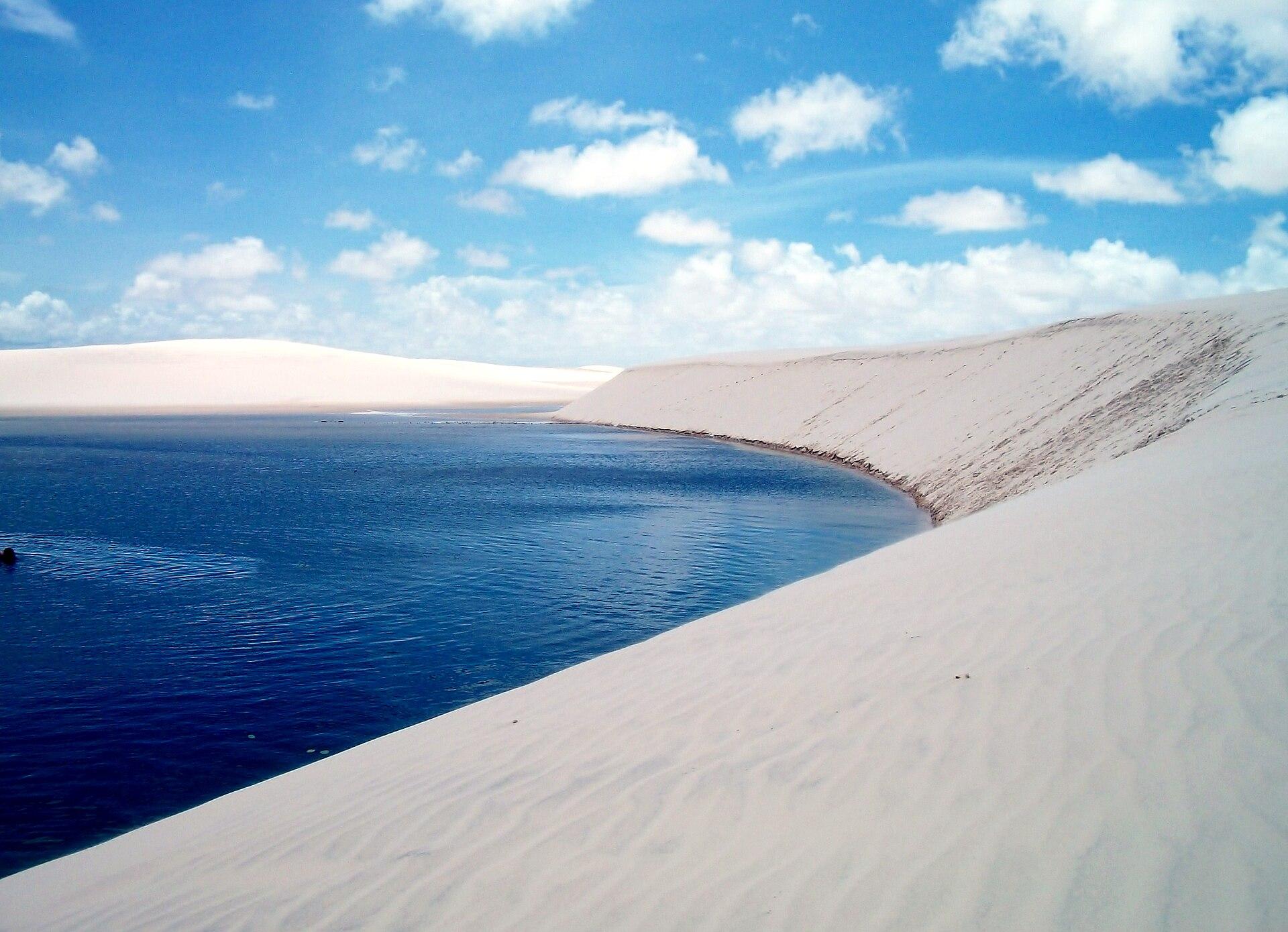
Lençóis Maranhenses National Park hotels
Brazil · 3 hotels
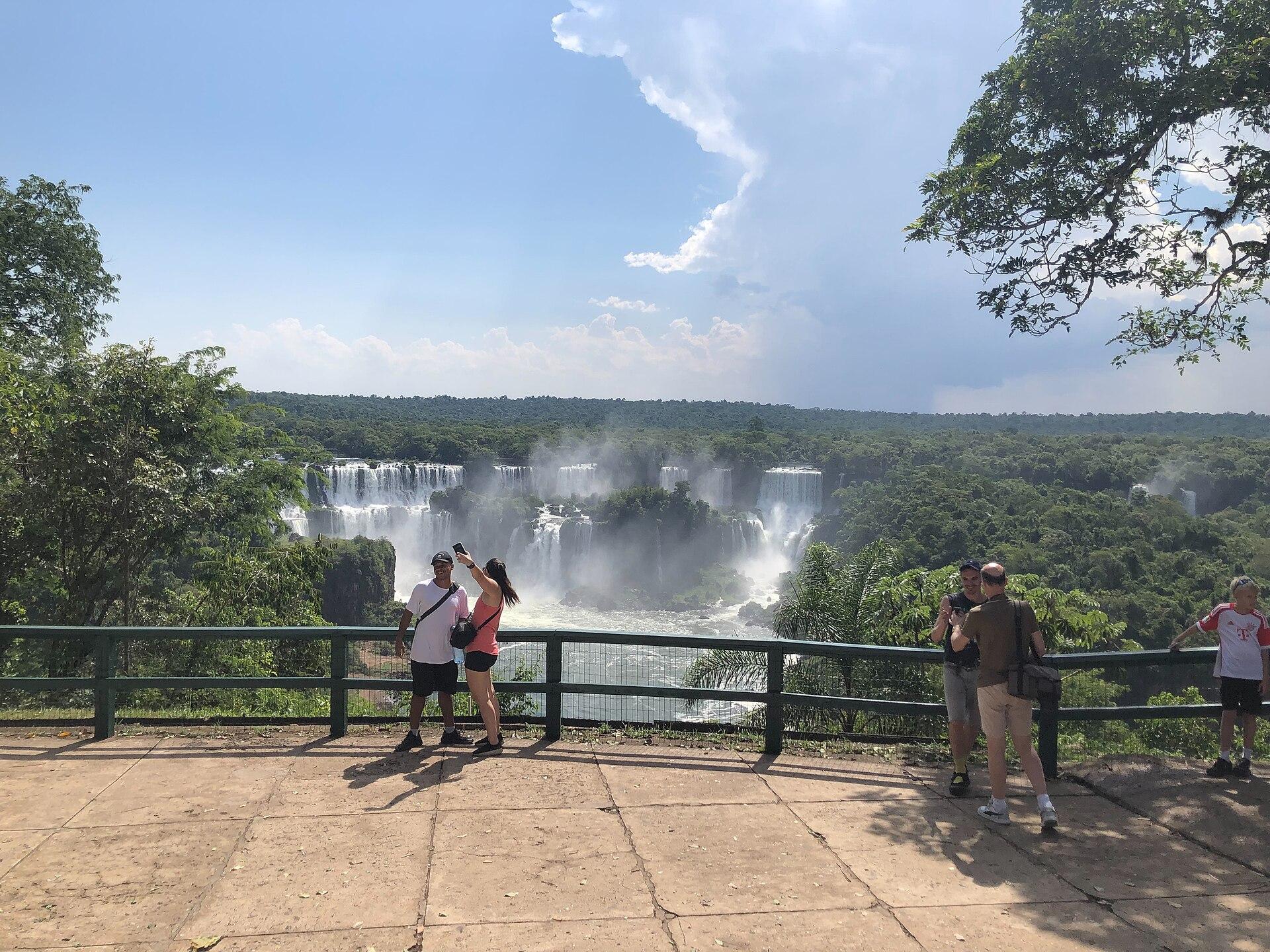
Hotel das Cataratas, A Belmond Hotel, Iguassu Falls hotels
Brazil · 3 hotels
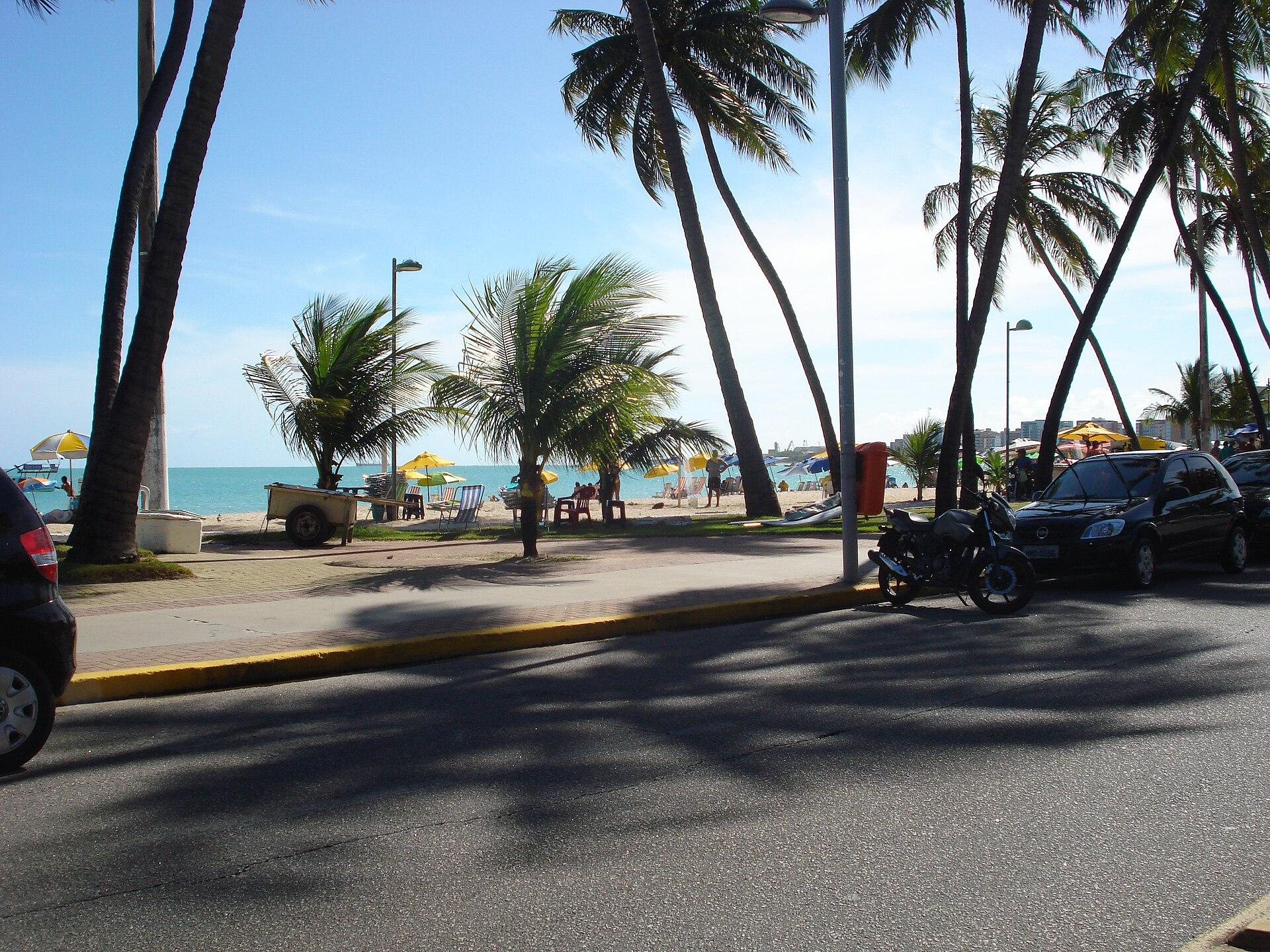
Edifício Tabriz Maceió by QAVI hotels
Brazil · 2 hotels
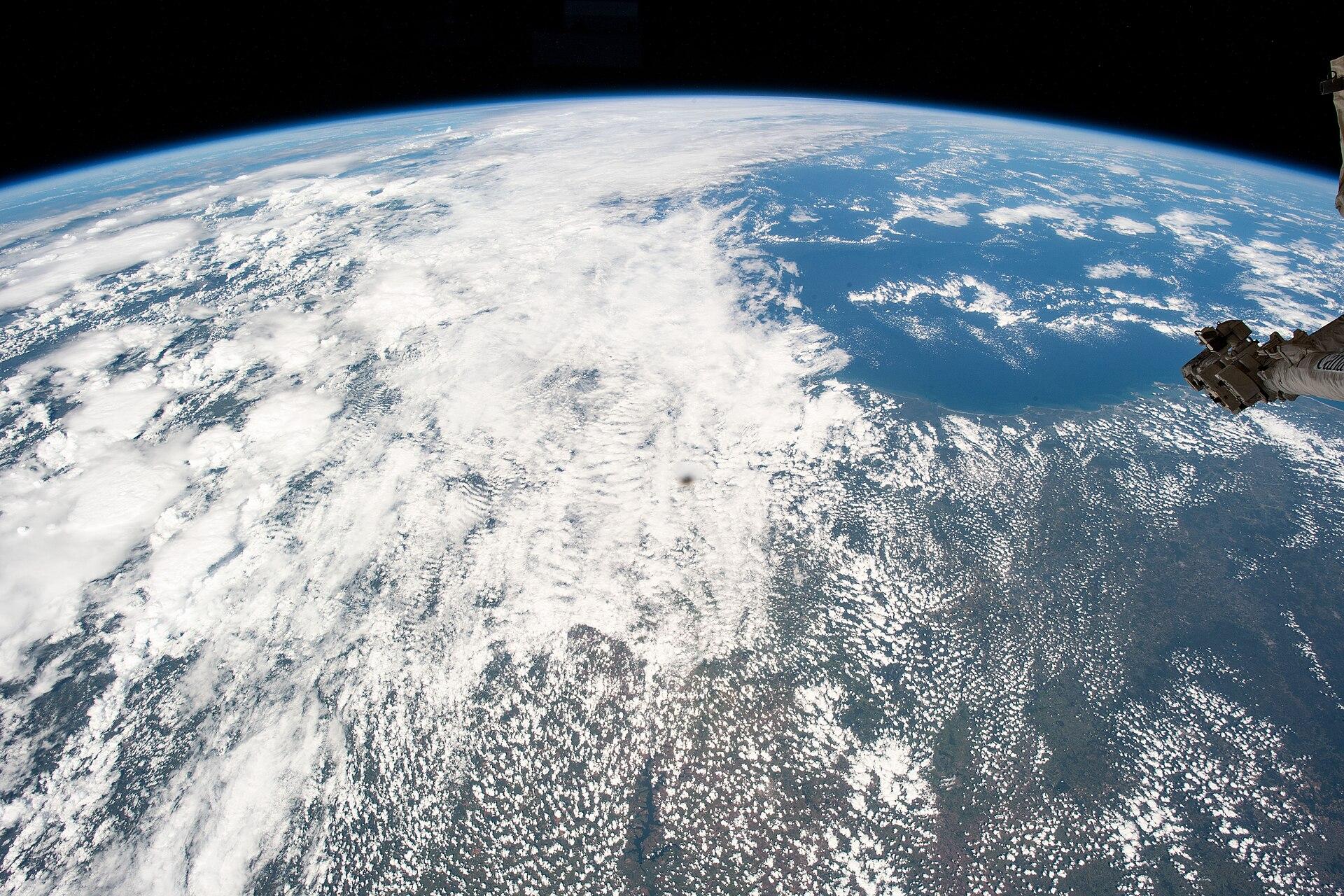
Pantanal hotels
Brazil · 1 hotels