
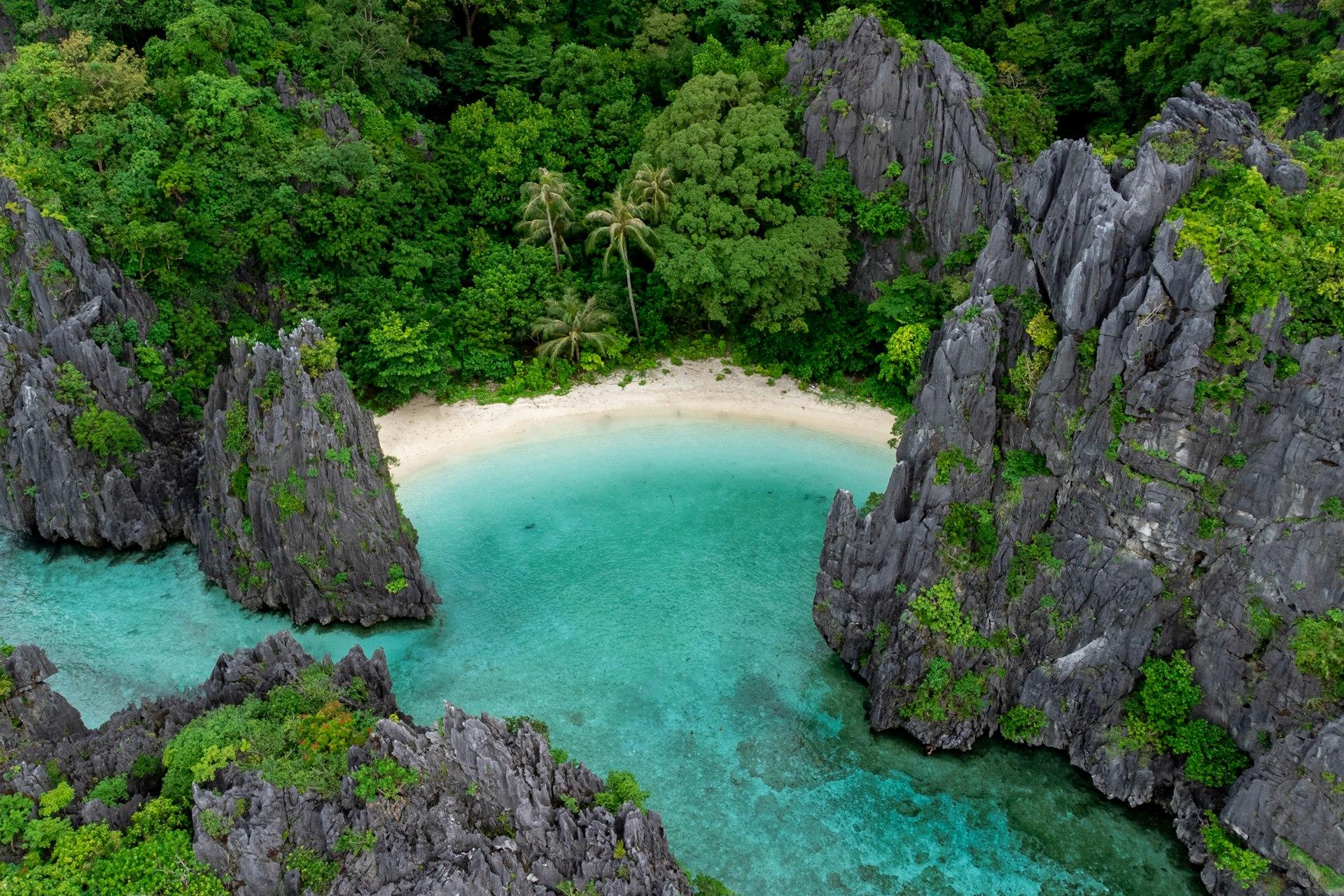
Hotels in Philippines
22 cities · 74 hotels
Photo by Mario von Rotz on Unsplash
Philippines: 7,641 Islands Across the Western Pacific
The Philippines sits between the South China Sea and the Pacific Ocean, comprising 7,641 islands spread across 300,000 square kilometres of water. Three main island groups — Luzon in the north, Visayas in the centre, and Mindanao in the south — contain the bulk of the population and the country's most-visited destinations. Manila, the capital, anchors the northern region with its mix of Spanish colonial history in Intramuros (completed 1571) and a modern financial district in Bonifacio Global City. Travelers can reach most provincial airports in under two hours from Manila's Ninoy Aquino International Airport.
Cities Worth Exploring
Cebu City, the gateway to the Visayas, is the Philippines' second-largest urban centre and sits roughly 570 km south-southeast of Manila. Magellan's Cross, planted in 1521, marks one of the earliest documented moments of Spanish contact in Southeast Asia. North of Cebu, the town of Moalboal draws divers to a sardine run that holds year-round in Pescador Island Marine Sanctuary. On Luzon, Baguio — at 1,540 metres above sea level in the Cordillera mountains — offers cooler temperatures than the lowland coast and a base for trekking to Batad rice terraces, a UNESCO World Heritage landscape carved over 2,000 years ago.
Regions and Landscapes
The Palawan archipelago in the west holds Puerto Princesa Underground River, a UNESCO site stretching 8.2 km through limestone karst. El Nido, 238 km north of Puerto Princesa, sits inside Bacuit Bay, where limestone cliffs rise directly from the water. The Visayas corridor links Bohol — home to the Chocolate Hills, roughly 1,200 conical mounds across 50 square kilometres — with the surf-facing coast of Siargao Island, which hosts the Cloud 9 Surfing Cup each September. Mindanao's Davao City provides direct flights from Manila in 1.5 hours and is the entry point for climbers ascending Mount Apo, the country's highest peak at 2,954 metres.
When to Visit the Philippines
The Philippines has two primary seasons. The dry season (amihan) runs roughly November through April across most of the archipelago, with the coolest months being December and January. The wet season (habagat) peaks July through September, when typhoons can affect Luzon and the eastern Visayas. Palawan and Siargao follow offset rainfall patterns — Palawan is drier June through November, while Siargao's best swells arrive August through October. The Sinulog Festival in Cebu City (third Sunday of January) and the Panagbenga Flower Festival in Baguio (February) draw large domestic and international crowds, so hotel rates in those cities rise during those windows.
Practical Tips for Visiting Philippines
- Getting around: Inter-island travel relies on domestic carriers (Cebu Pacific, Philippine Airlines) and fast ferries; book ferries at least 48 hours ahead during Holy Week.
- Currency: Philippine Peso (PHP); ATMs are widely available in cities but scarce on smaller islands — carry cash before island-hopping.
- Entry: Citizens of over 150 countries receive a 30-day visa-free stay, extendable to 59 days at Bureau of Immigration offices.
- Connectivity: SIM cards from Globe or Smart are sold at most airports; prepaid data plans cover the major islands adequately.
- Health: Consult a travel clinic about dengue prevention; pack reef-safe sunscreen as many marine parks now prohibit oxybenzone-containing products.
- Accommodation range: Budget guesthouses start around USD 15 per night in provincial towns; beachfront resorts in El Nido and Boracay range USD 80–300 per night.
Frequently Asked Questions
Q: What is the best base for island-hopping in the Philippines? A: El Nido in Palawan and Cebu City in the Visayas are the two most practical bases. El Nido gives access to Bacuit Bay and the Calamian group, while Cebu connects to Bohol, Malapascua, and Moalboal within two hours by road or ferry.
Q: How many days are needed to see the Philippines? A: Most travelers allocate 10–14 days to cover one main region properly. Trying to combine Luzon, the Visayas, and Palawan in a single trip under ten days results in more transit than sightseeing.
Q: Is the Philippines suitable for budget travelers? A: Yes. Dormitory beds in Cebu City and Manila run PHP 400–700 (roughly USD 7–12). Street food staples — grilled pork skewers, fish sinigang, rice — cost under USD 2 per meal in most provincial markets.
Q: Which island is best for diving? A: Tubbataha Reef National Park in the Sulu Sea (reachable only by liveaboard, March–June) is rated among the top dive sites in the Pacific. For shore-based diving, Malapascua north of Cebu is well-known for thresher shark sightings at Monad Shoal.
Q: Do travelers need a visa to visit the Philippines? A: Citizens of approximately 157 countries enter visa-free for 30 days. Extensions up to 59 days are processed at Bureau of Immigration offices in Manila, Cebu, and Davao for a fee of around PHP 3,030.
Cities in Philippines
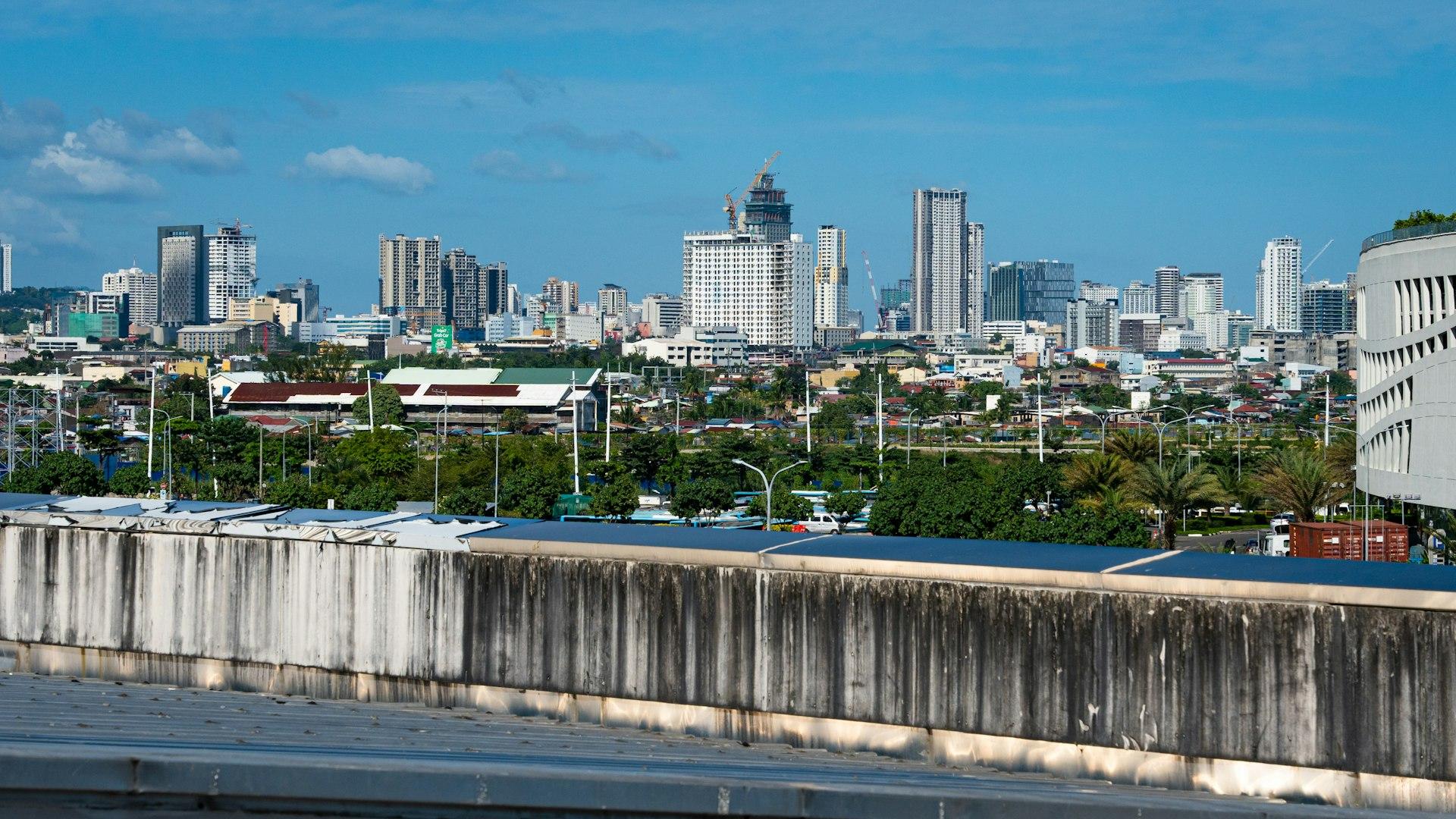
Cebu City hotels
Philippines · 12 hotels
Panglao hotels
Philippines · 12 hotels
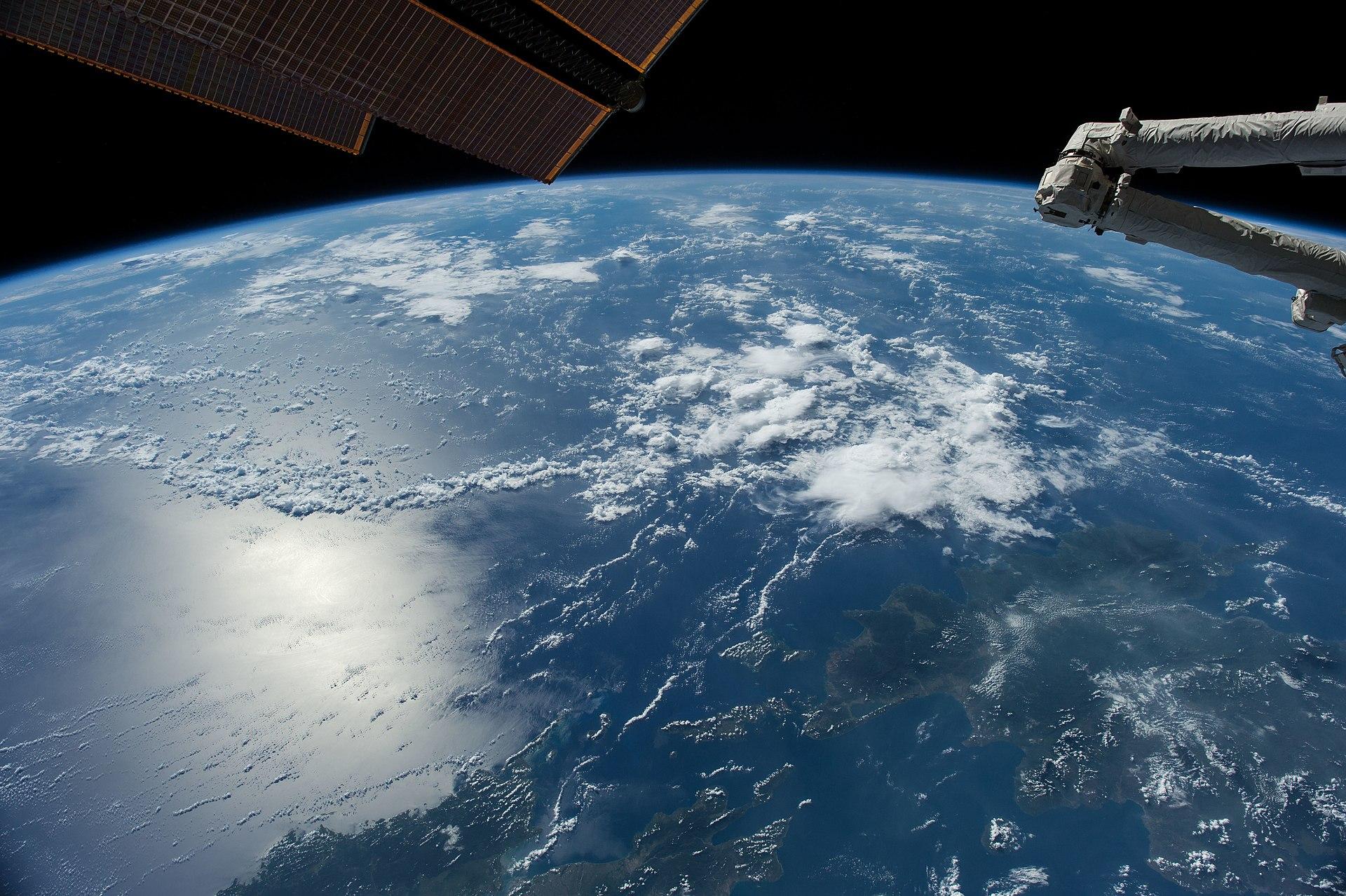
Murcia hotels
Philippines · 11 hotels
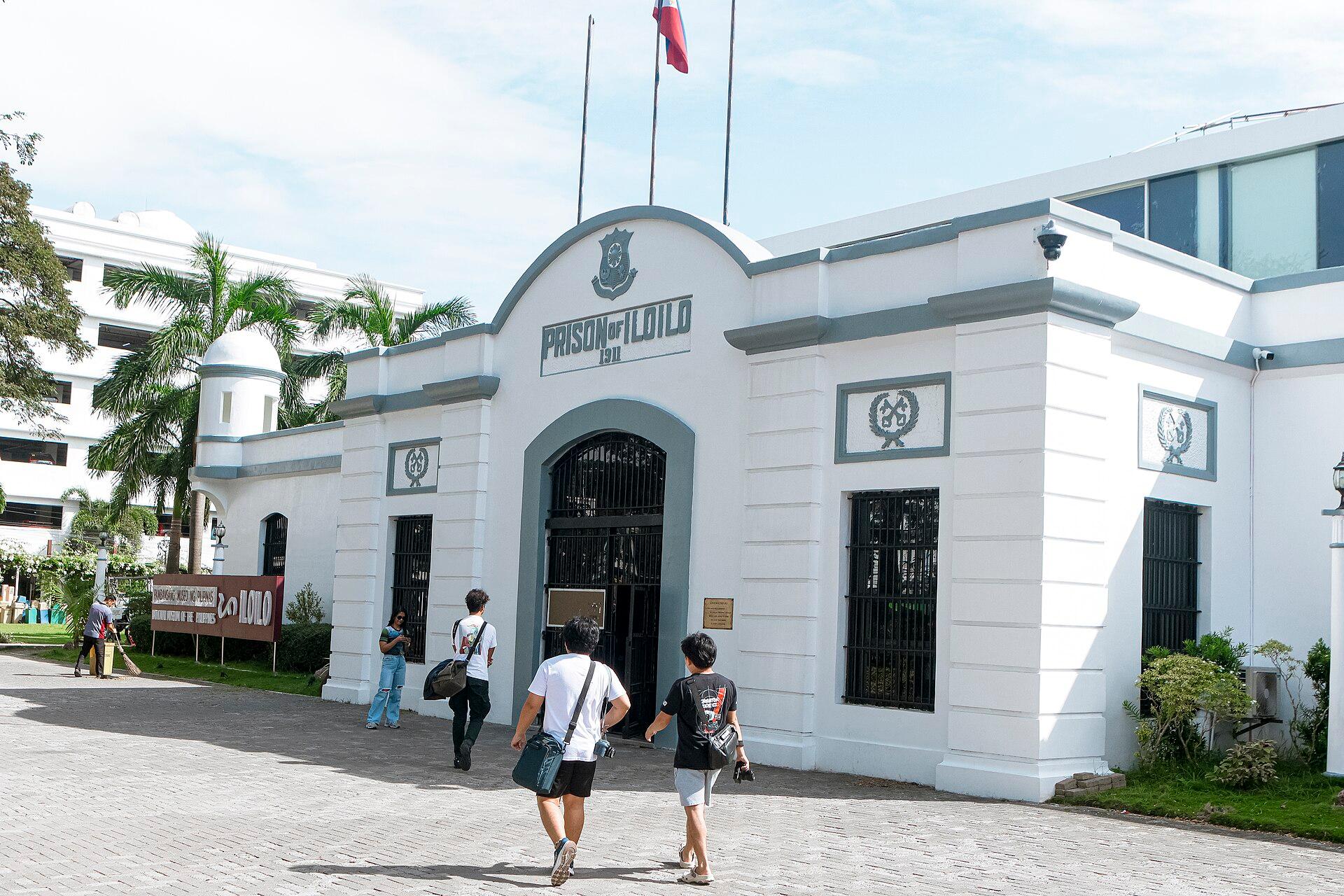
Iloilo City hotels
Philippines · 10 hotels

Palawan hotels
Philippines · 9 hotels
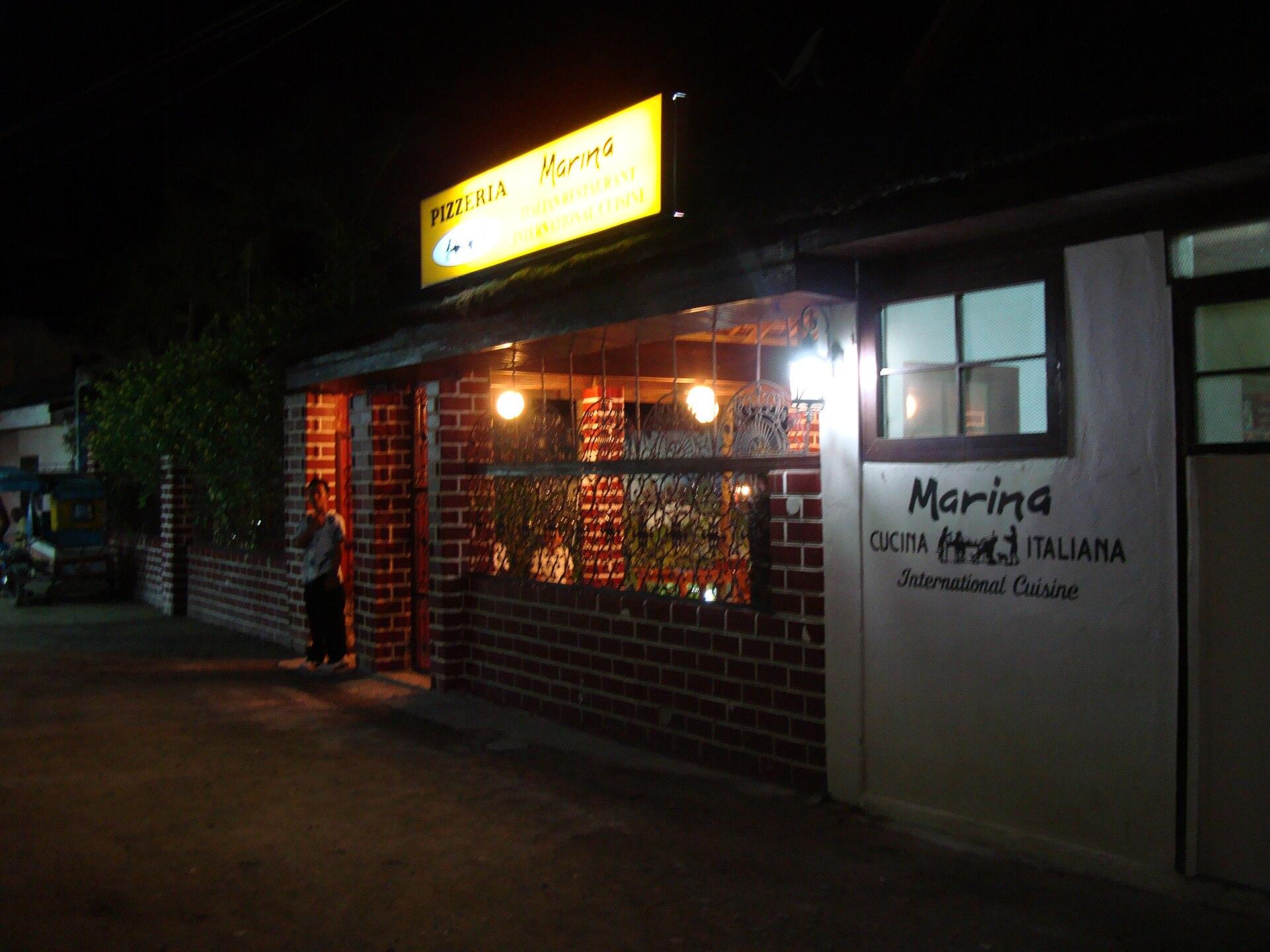
Moalboal hotels
Philippines · 7 hotels
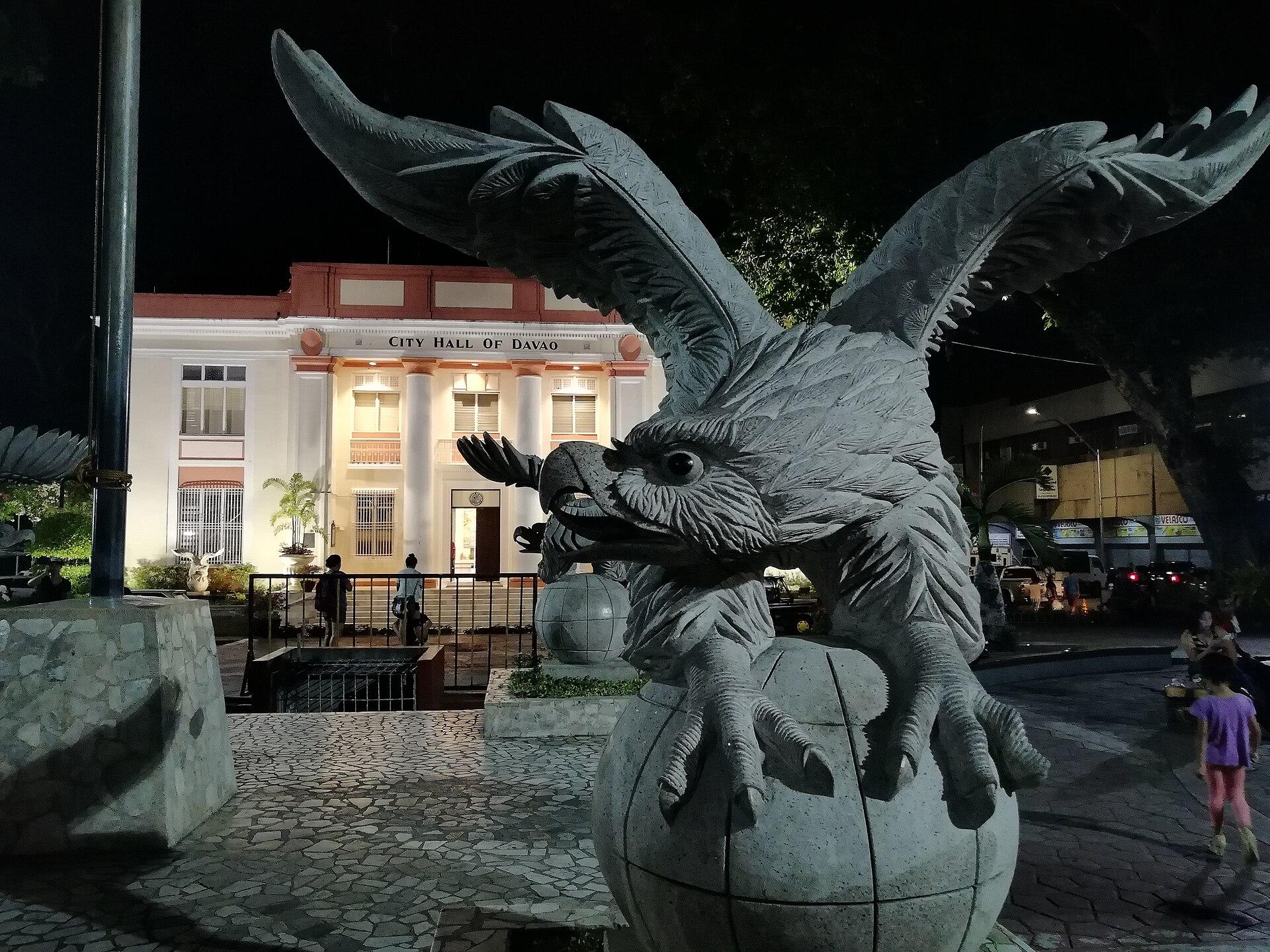
Davao City hotels
Philippines · 5 hotels
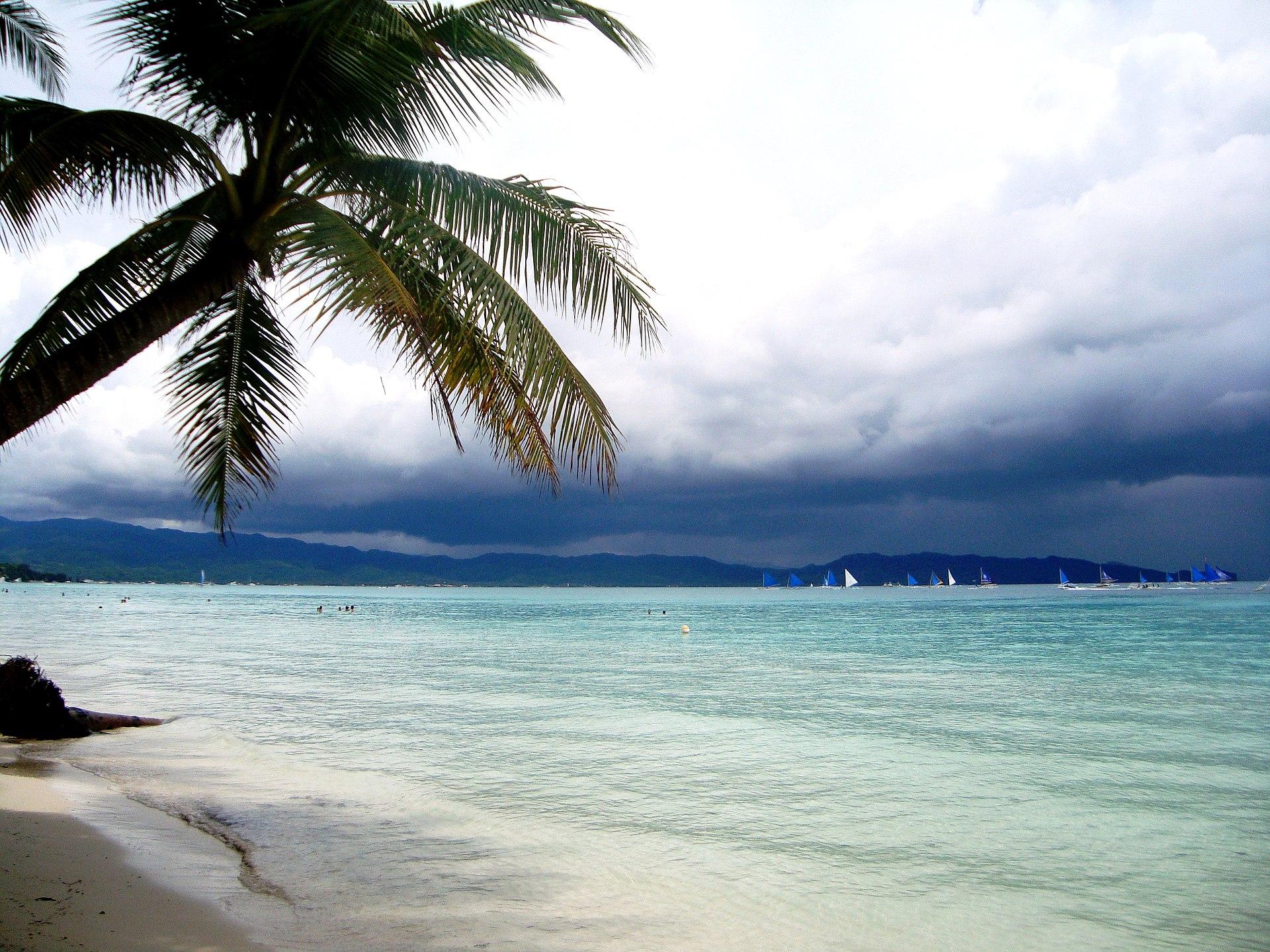
Boracay hotels
Philippines · 4 hotels
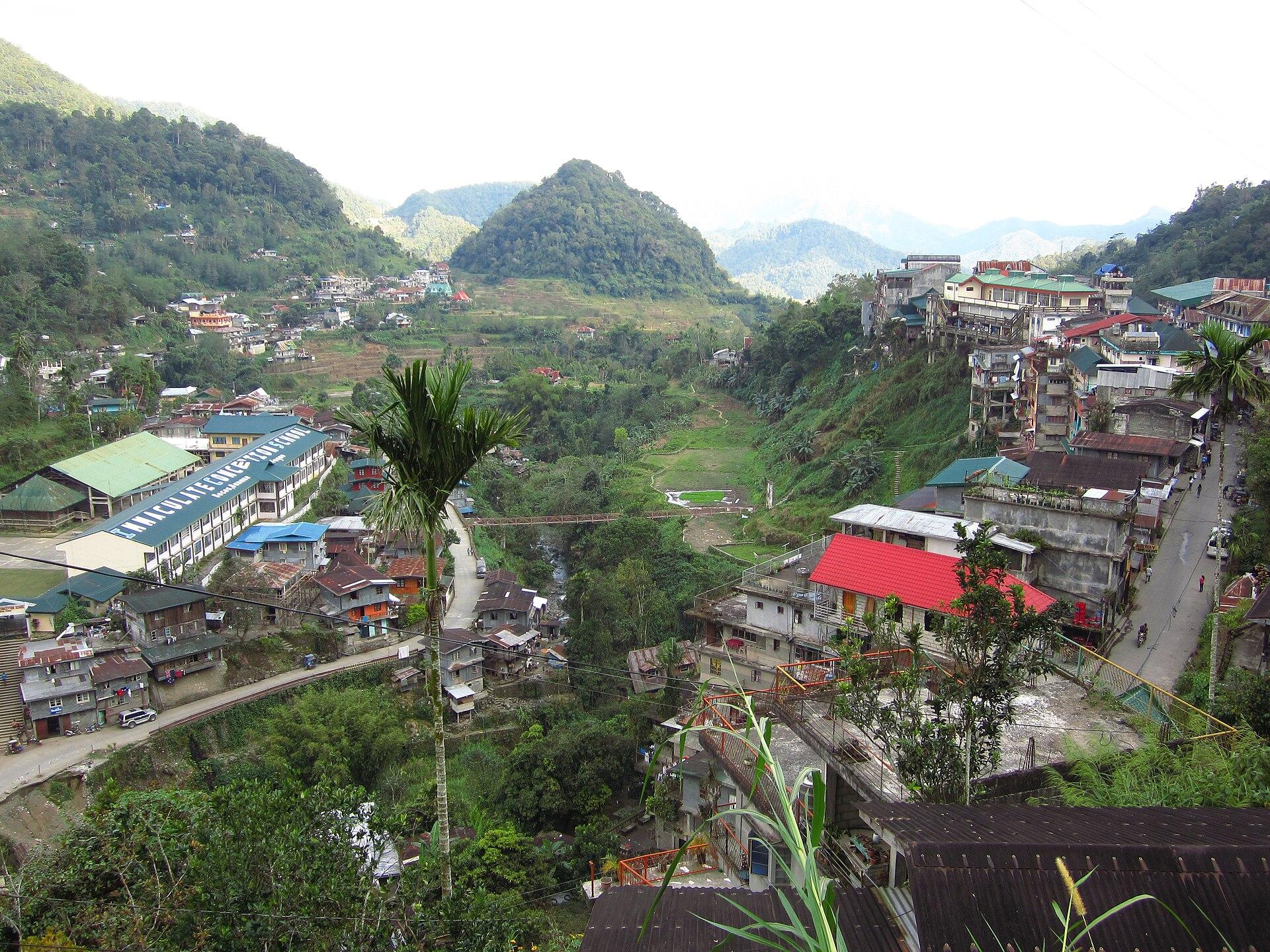
Banaue hotels
Philippines · 2 hotels
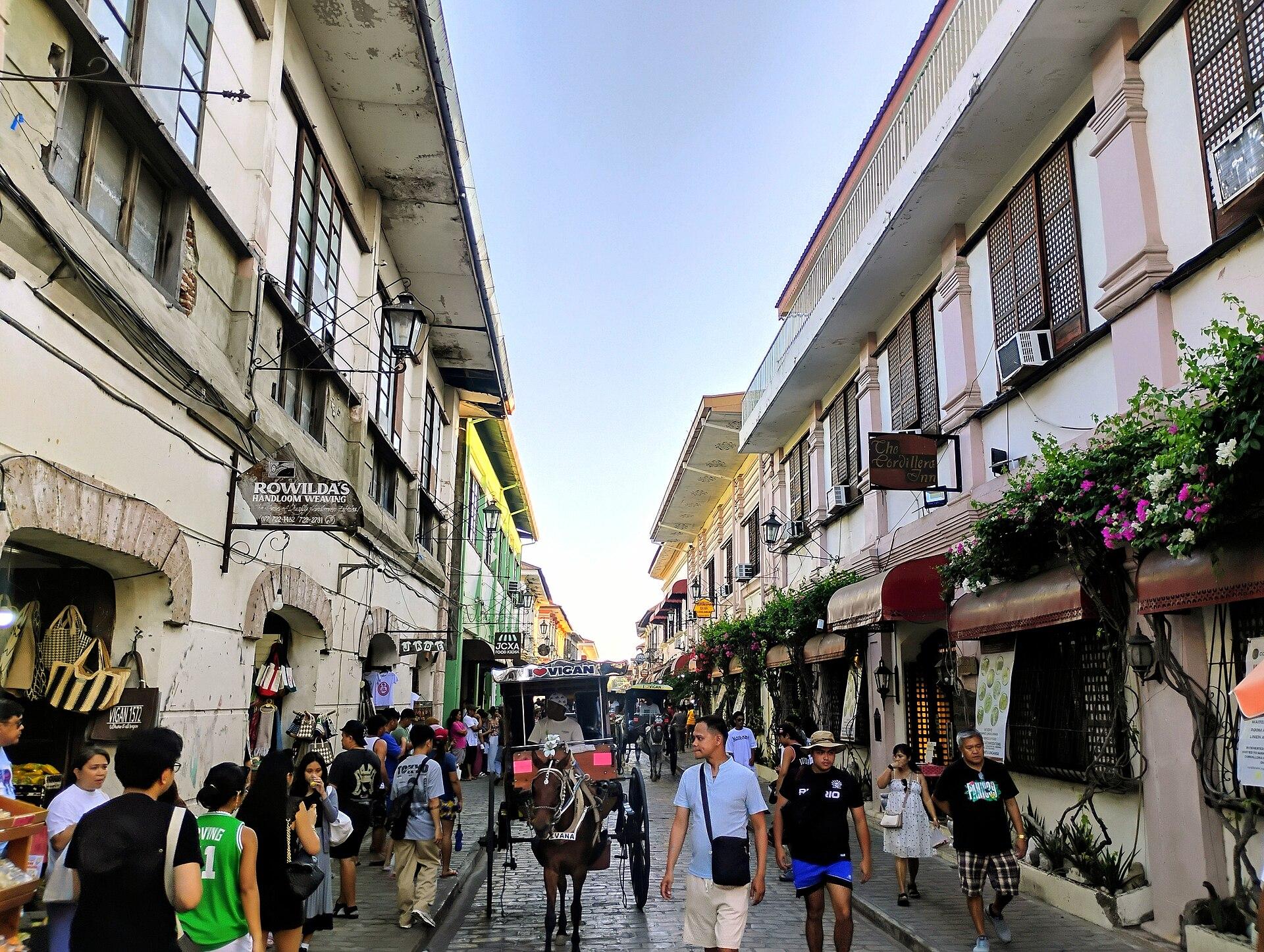
Vigan hotels
Philippines · 1 hotels
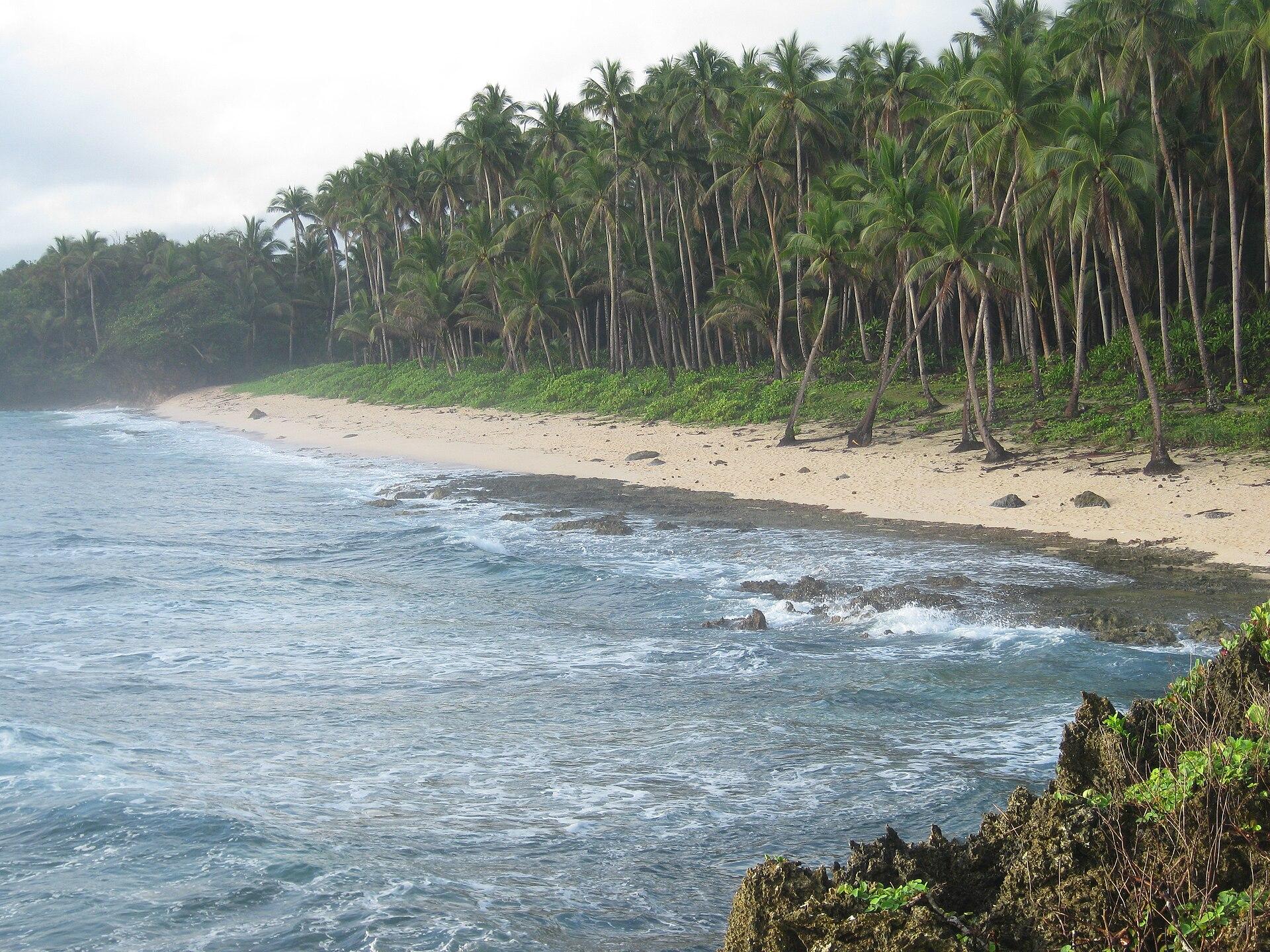
Siargao Island hotels
Philippines · 1 hotels