
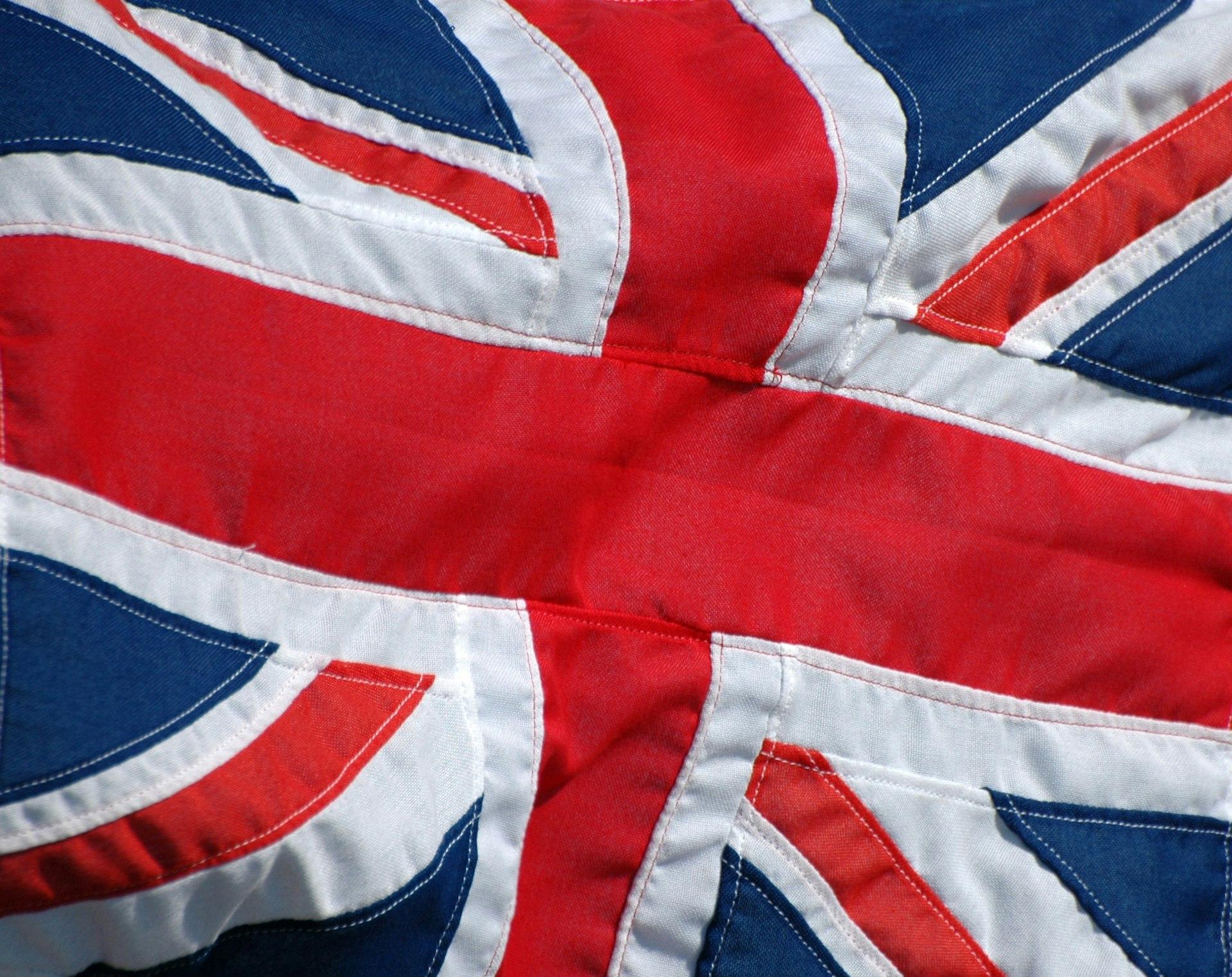
Hotels in United Kingdom
34 cities · 141 hotels
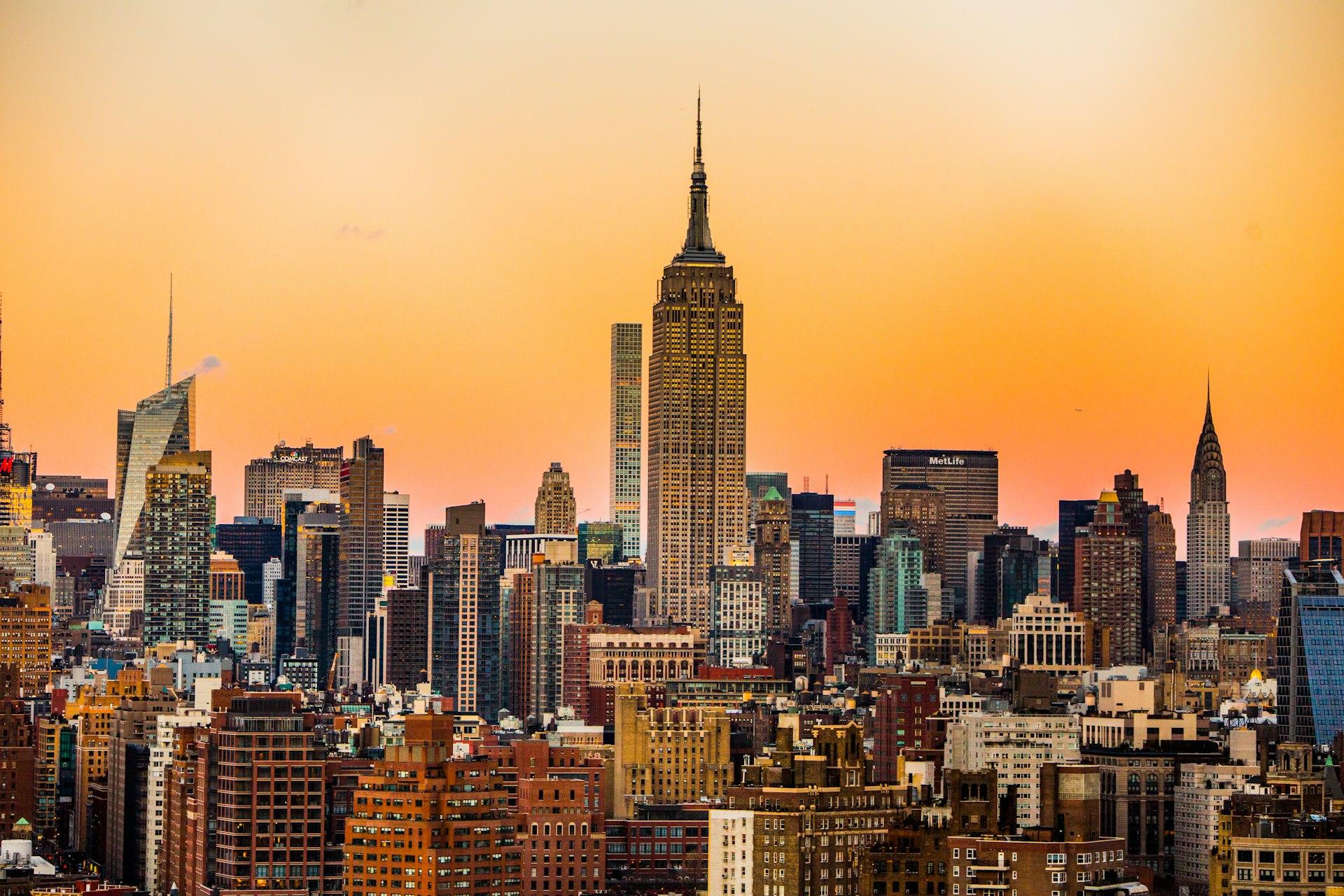
Photo by James Giddins on Unsplash
United Kingdom: Four Nations, One Island Archipelago
The United Kingdom unites England, Scotland, Wales, and Northern Ireland across an archipelago of over 6,000 islands off northwest Europe. London alone draws more than 20 million international visitors per year, yet the country's hotel landscape stretches from the Shetland Islands, 160 km north of mainland Scotland, to the tip of Cornwall in the southwest — a distance of roughly 1,400 km. The UK entered its current constitutional form in 1922 and carries Roman, Viking, Norman, and Industrial-era layers visible in nearly every market town.
Cities Worth Exploring
London anchors the south, with Westminster, Shoreditch, and South Bank each offering distinct atmospheres and accommodation price points. Edinburgh sits 640 km north, its medieval Old Town and Georgian New Town together a UNESCO World Heritage Site since 1995. Manchester drives the northwest — a regional hub with direct rail links to Liverpool (35 minutes by train) and a dense cluster of hotels around Piccadilly and Deansgate. Cardiff serves Wales from its bay-front position, while Belfast pairs Victorian architecture with a growing hotel inventory around the Cathedral Quarter.
Landscapes and Regional Draws
Scotland contributes the most dramatic terrain: Loch Ness stretches 37 km through the Great Glen, and the Cairngorms National Park covers 4,528 sq km — the largest national park in the UK. England's Lake District holds 16 major lakes within 2,292 sq km of upland fells and draws walkers year-round. The Jurassic Coast in Dorset and Devon runs 185 km and is a UNESCO natural World Heritage Site. Wales offers the Brecon Beacons (recently redesignated a National Park covering 1,347 sq km) and the Pembrokeshire Coast, the UK's only coastal national park. Northern Ireland's Causeway Coast includes the Giant's Causeway, a formation of roughly 40,000 basalt columns dated to 50–60 million years ago.
When to Visit
June through August brings the longest daylight hours — up to 18 hours in northern Scotland — and the most reliable conditions for outdoor itineraries. Shoulder months of April–May and September–October offer lower hotel rates in most cities and smaller crowds at heritage sites. Edinburgh Festival Fringe, held every August since 1947, is the world's largest arts festival and fills the city's 13,000+ hotel rooms weeks in advance. Winter travel works well in London, where major museums including the British Museum and the National Gallery remain free to enter year-round.
Practical Tips for Visiting the United Kingdom
- Getting around: The National Rail network connects major cities; book tickets 8–12 weeks ahead for the lowest advance fares between London and Edinburgh or Glasgow.
- Currency: The pound sterling (GBP) is used throughout; Scotland and Northern Ireland issue their own banknotes, accepted across the UK.
- Time zone: GMT (UTC+0) in winter, BST (UTC+1) from late March to late October.
- Driving: Traffic moves on the left; international driving licences are accepted from most countries.
- Tipping: 10–12.5% is standard in restaurants; many venues add a service charge automatically.
Frequently Asked Questions
Q: Do visitors from outside the EU need a visa for the UK? A: Since Brexit took full effect in January 2021, EU citizens no longer have automatic right of residence. Many nationalities can enter visa-free for up to 6 months as tourists, but requirements vary — check the UK government's official visa checker before booking.
Q: What is the cheapest time to book hotels in London? A: January and February typically show the lowest average hotel rates in London, with prices 20–35% below August peaks. Midweek nights also cost less than weekends throughout the year.
Q: How do travelers get from London's airports to the city centre? A: The Heathrow Express reaches Paddington in 15 minutes. Gatwick Express connects to Victoria in 30 minutes. Stansted Express runs to Liverpool Street in 47 minutes. The Elizabeth line now also serves Heathrow directly.
Q: Is Scotland worth visiting separately from England? A: Scotland has distinct legal, educational, and cultural systems and its own national parks, distilleries, and Gaelic heritage. Glasgow and Inverness each offer independent hotel bases for exploring different regions.
Q: What currency should travelers carry in Northern Ireland? A: Northern Ireland uses pound sterling (GBP), not the euro. Some border towns near the Republic of Ireland accept both currencies, but hotels and most retailers price in GBP.
Cities in United Kingdom
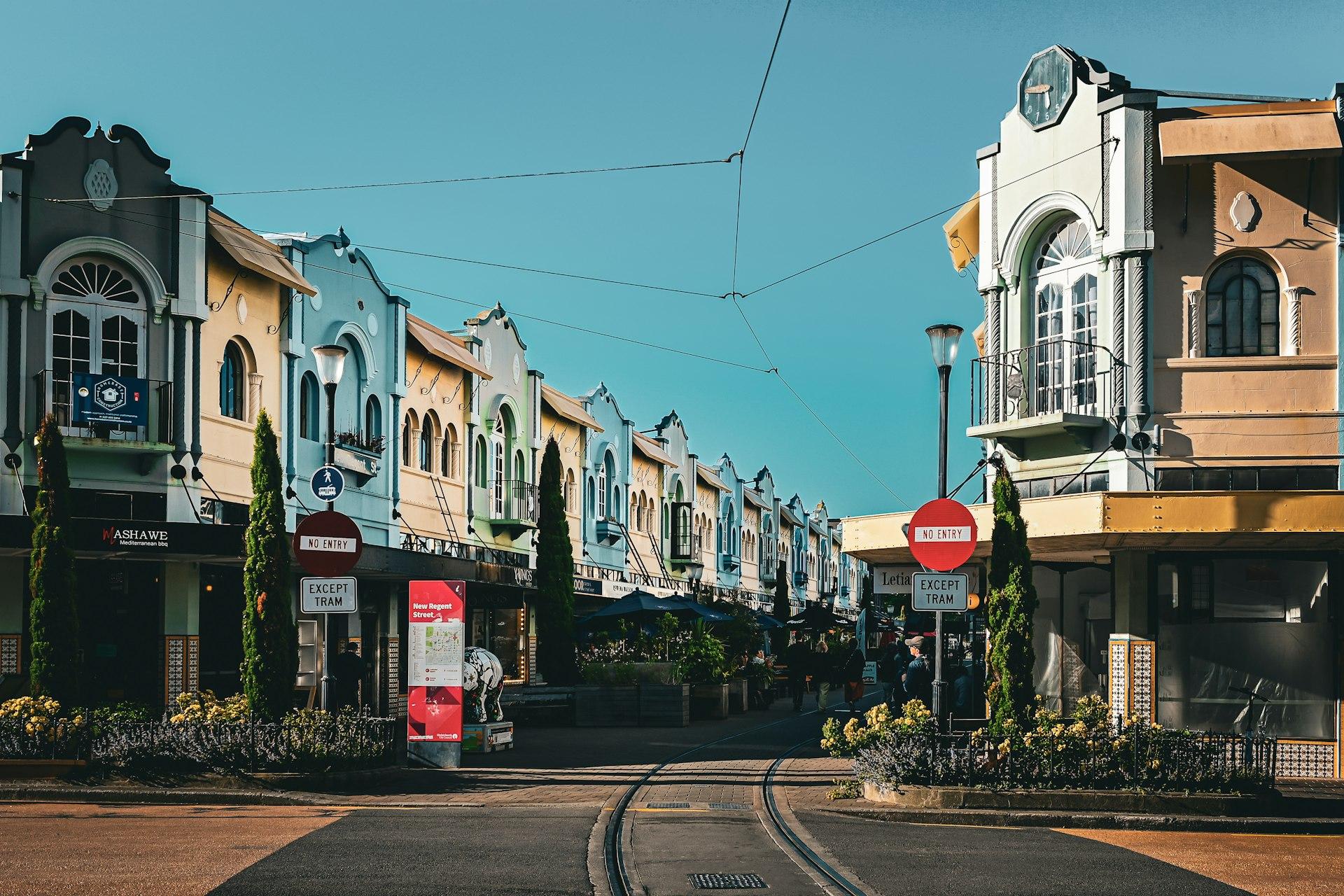
Christchurch hotels
United Kingdom · 21 hotels
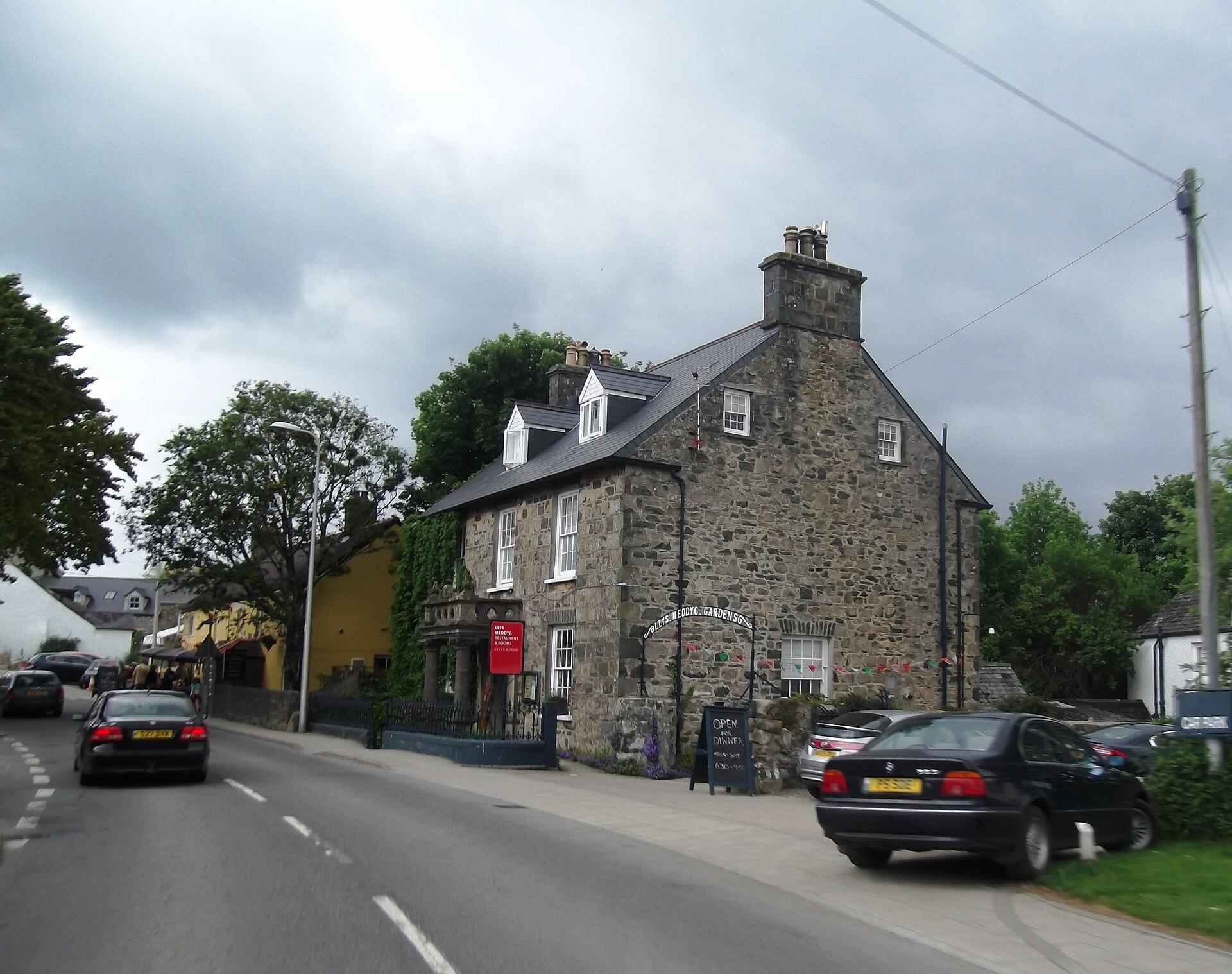
Newport hotels
United Kingdom · 11 hotels
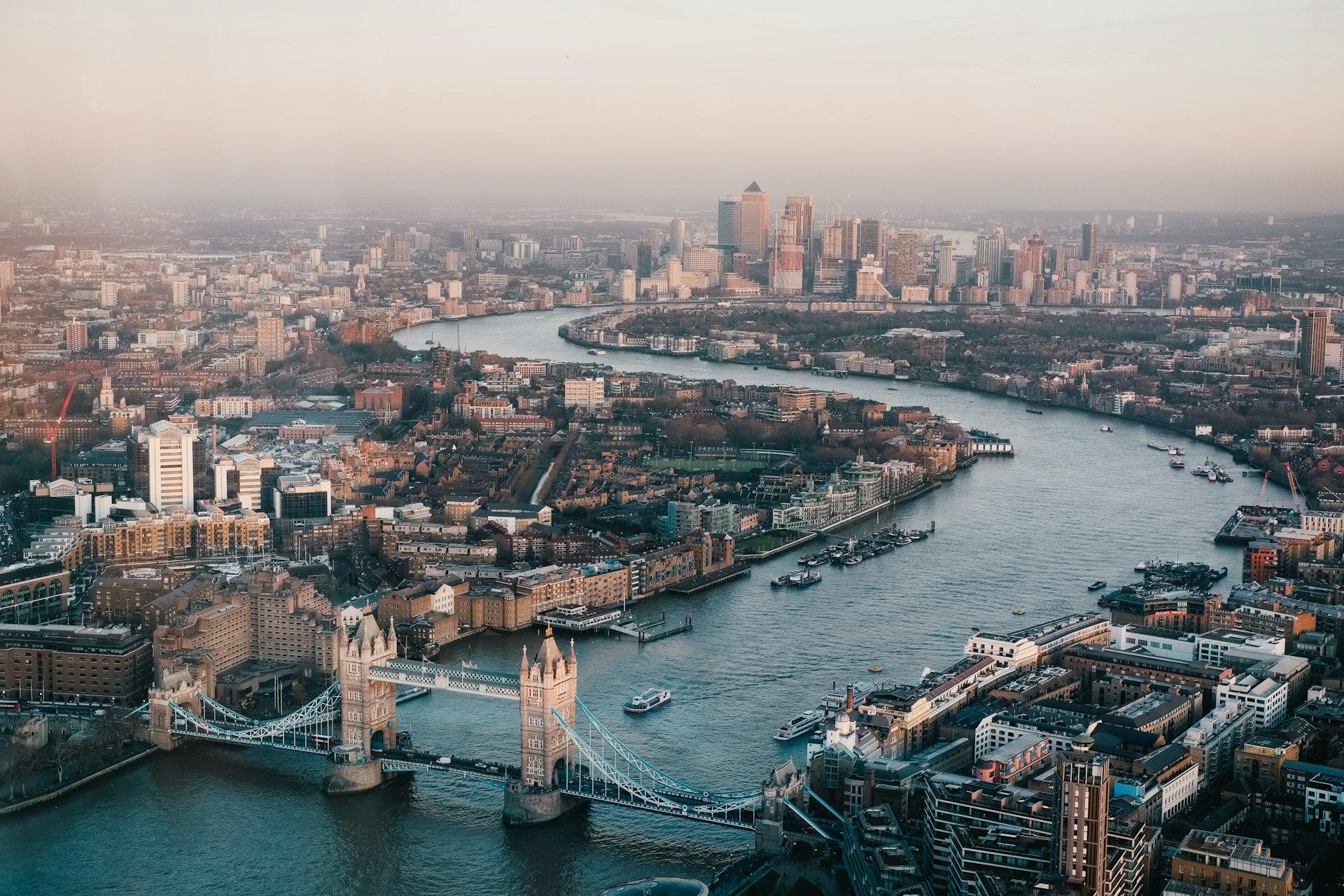
London hotels
United Kingdom · 10 hotels
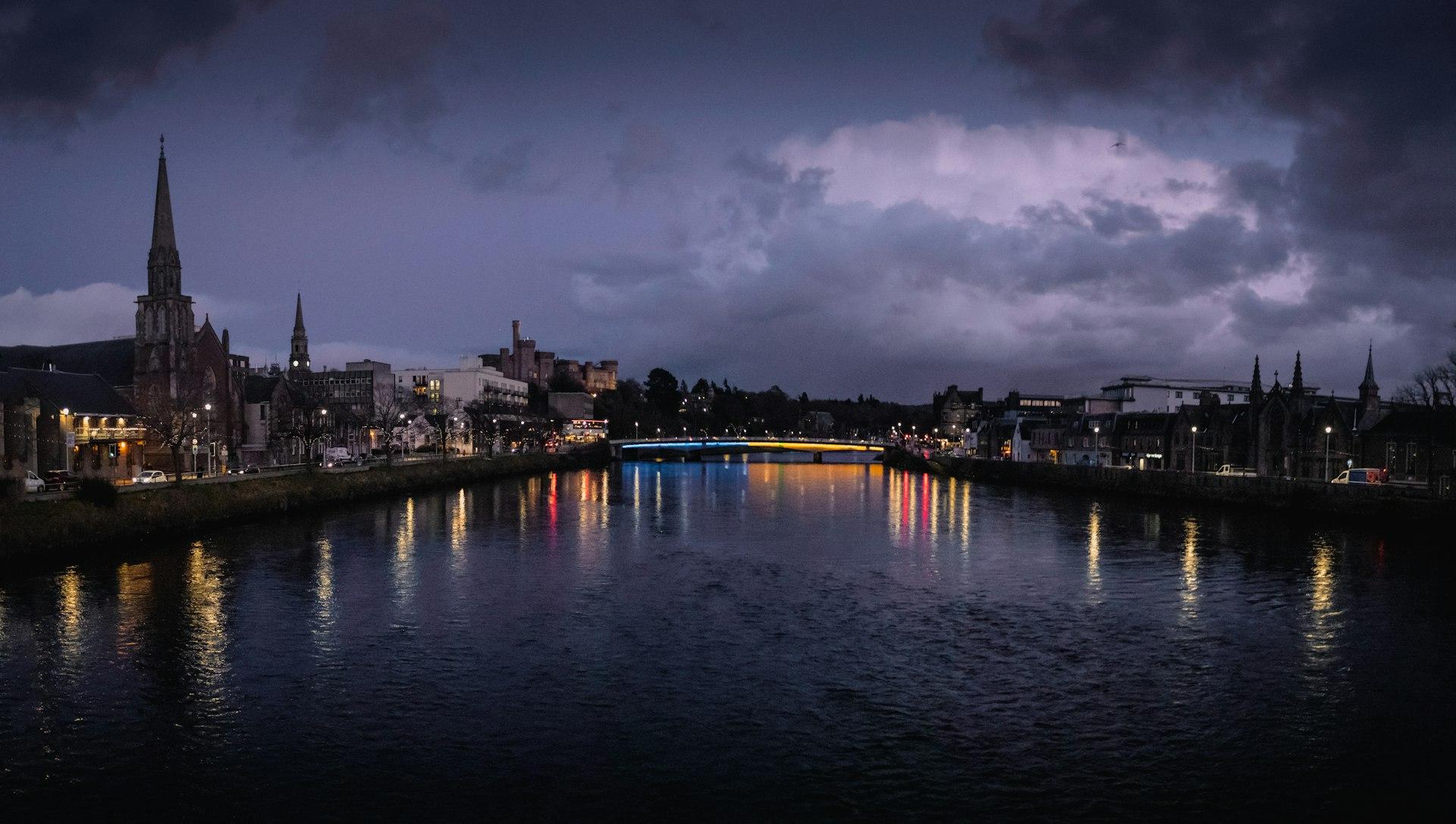
Inverness hotels
United Kingdom · 9 hotels
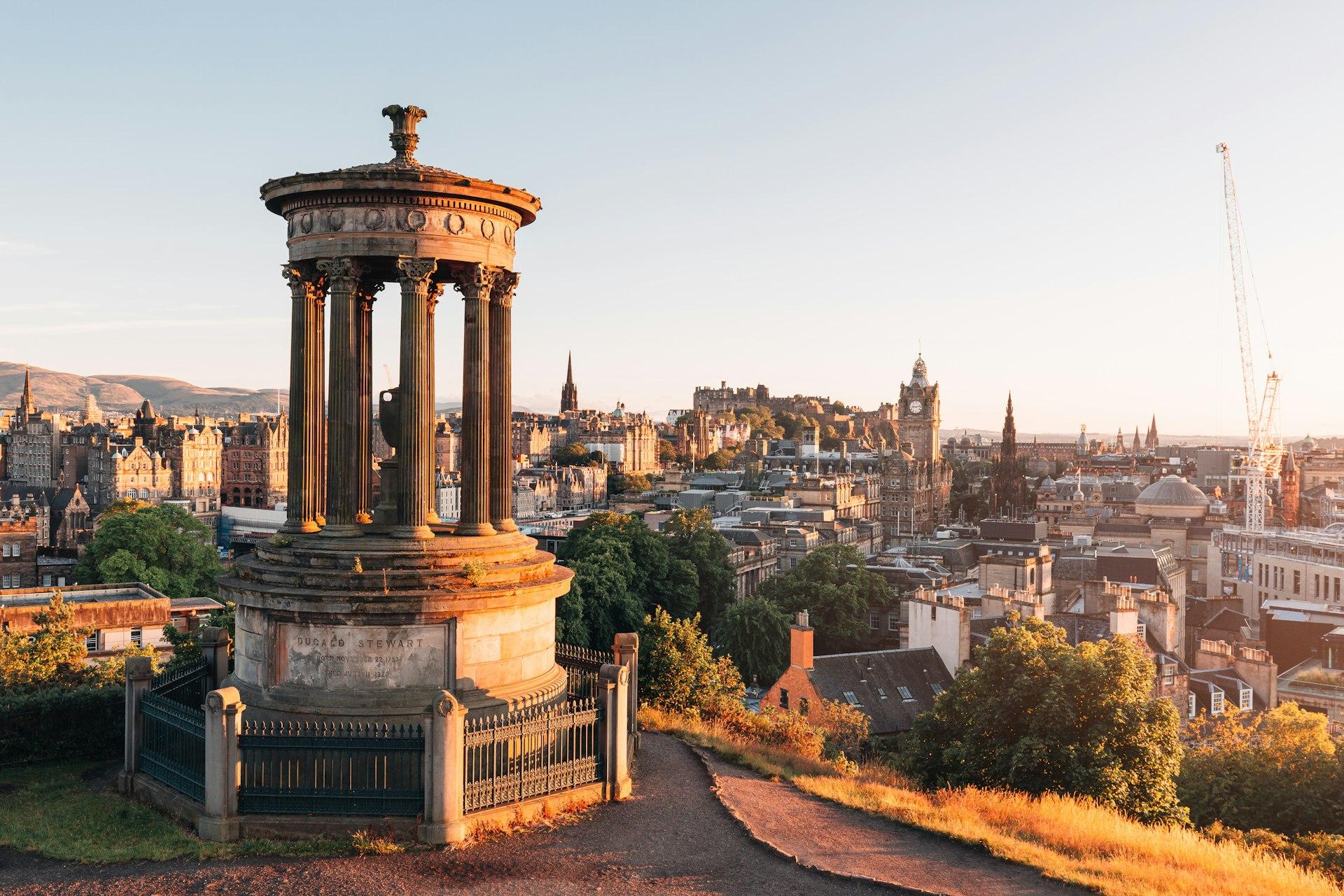
Edinburgh hotels
United Kingdom · 8 hotels
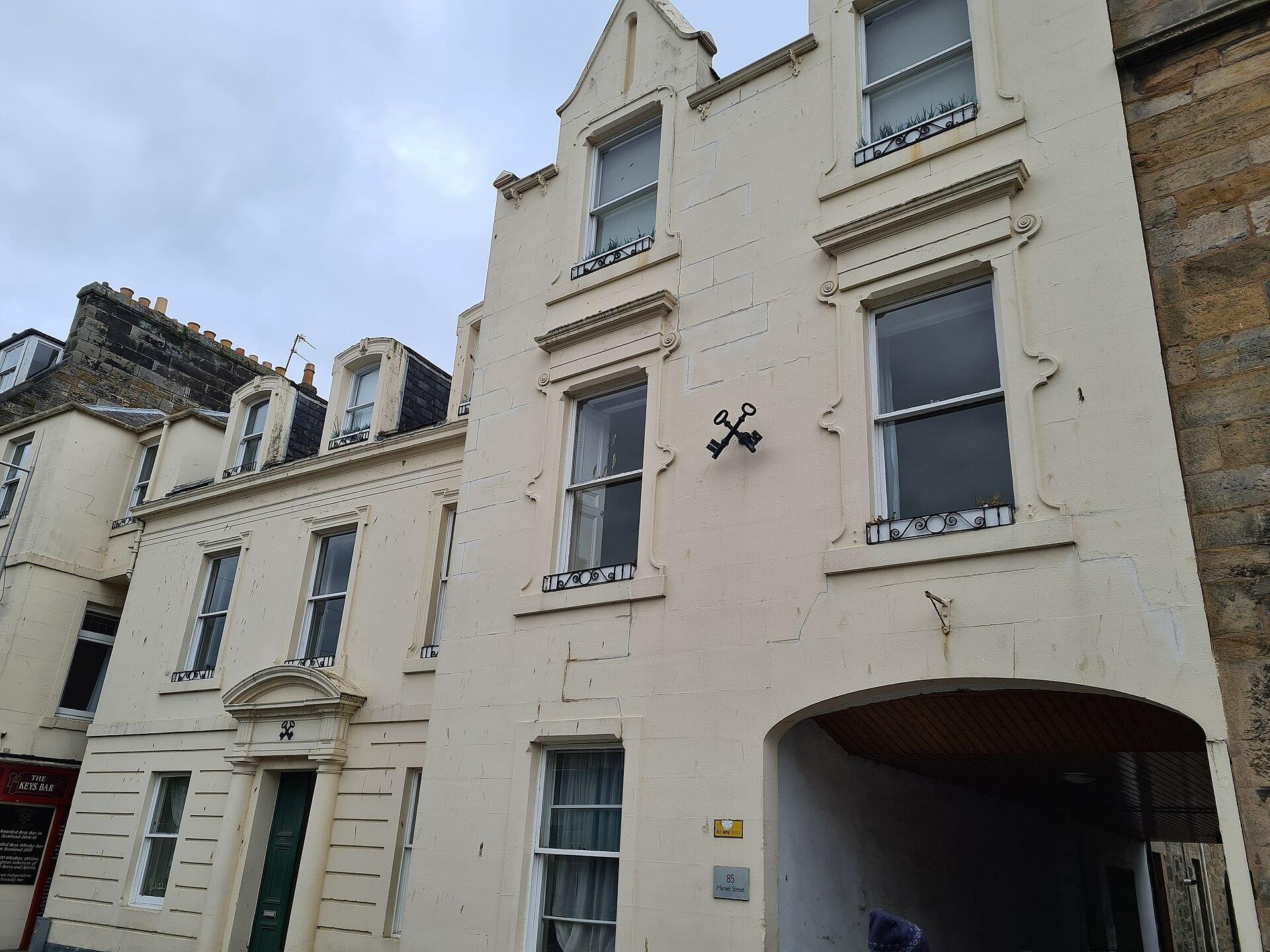
St. Andrews hotels
United Kingdom · 8 hotels

Tyrella hotels
United Kingdom · 8 hotels
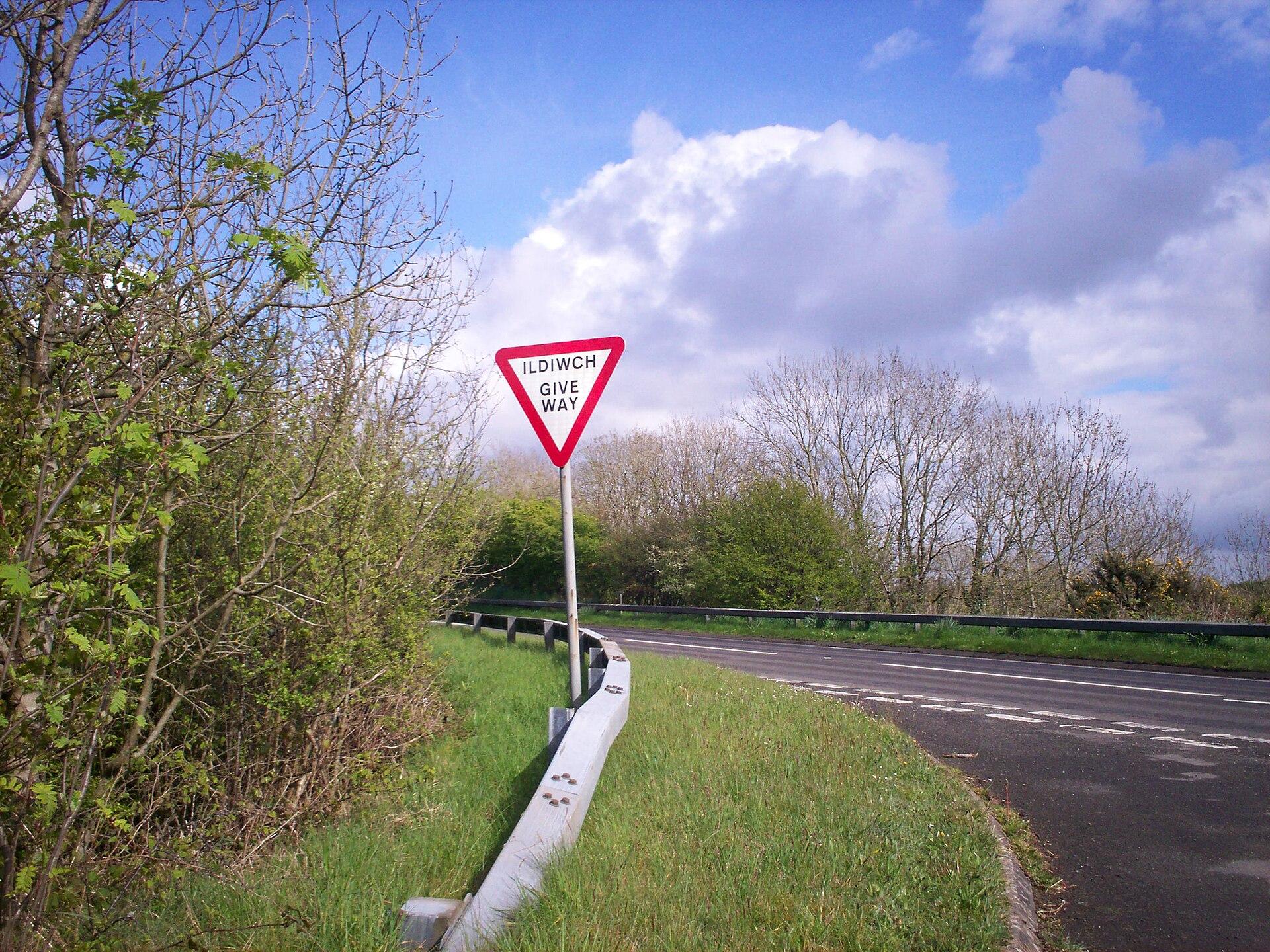
Pembrokeshire hotels
United Kingdom · 6 hotels
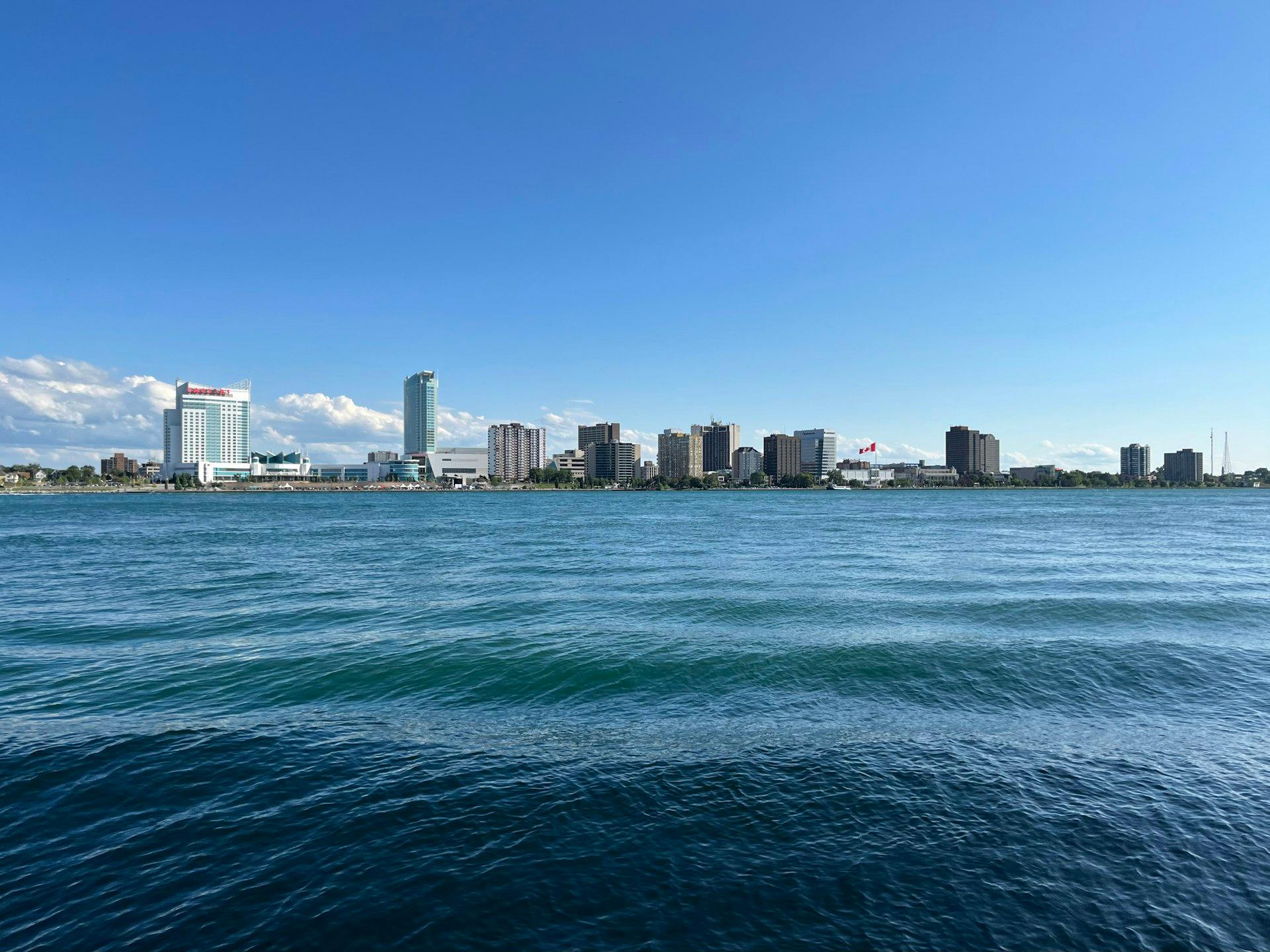
Windsor hotels
United Kingdom · 6 hotels
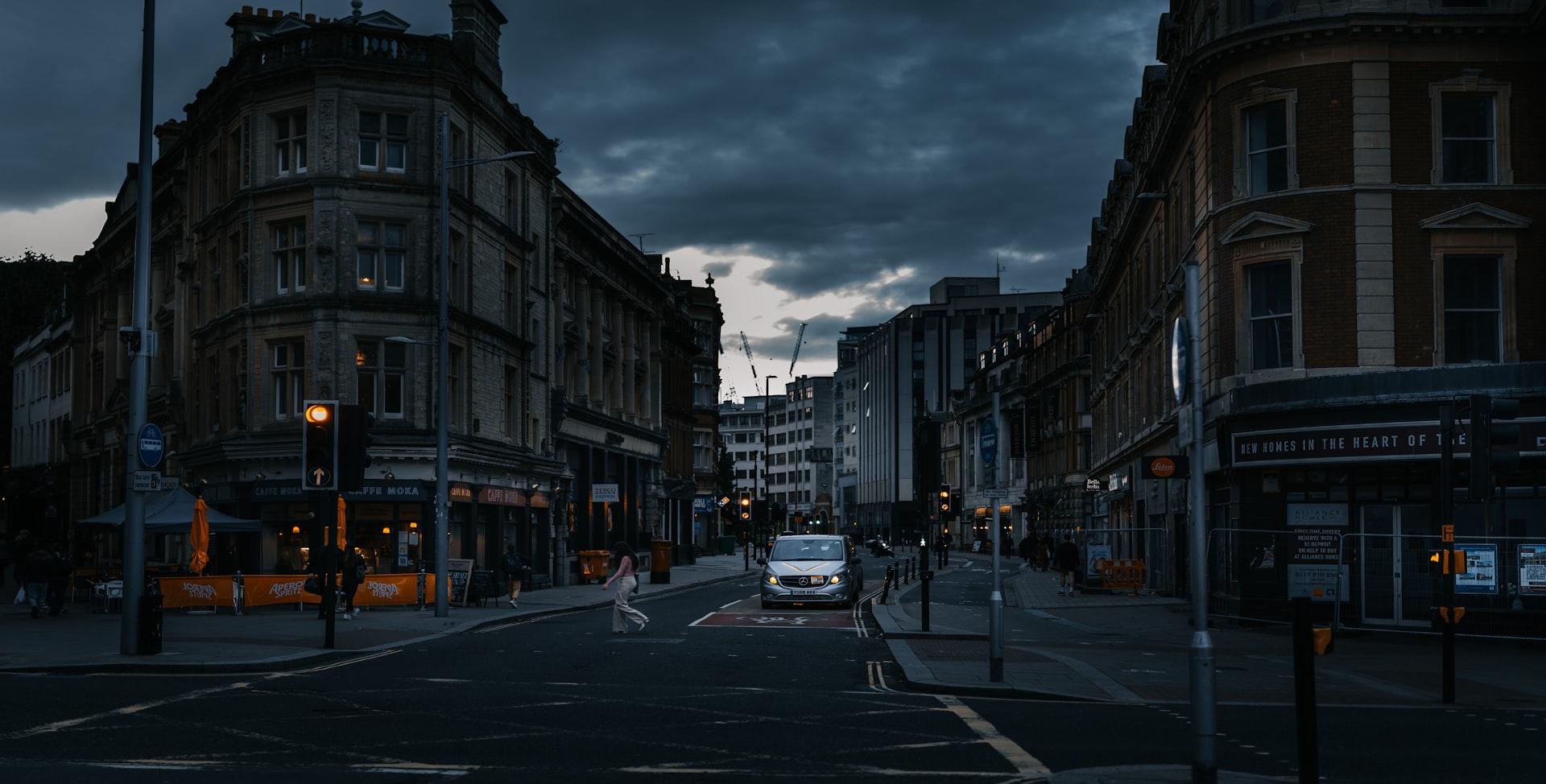
Bristol hotels
United Kingdom · 5 hotels
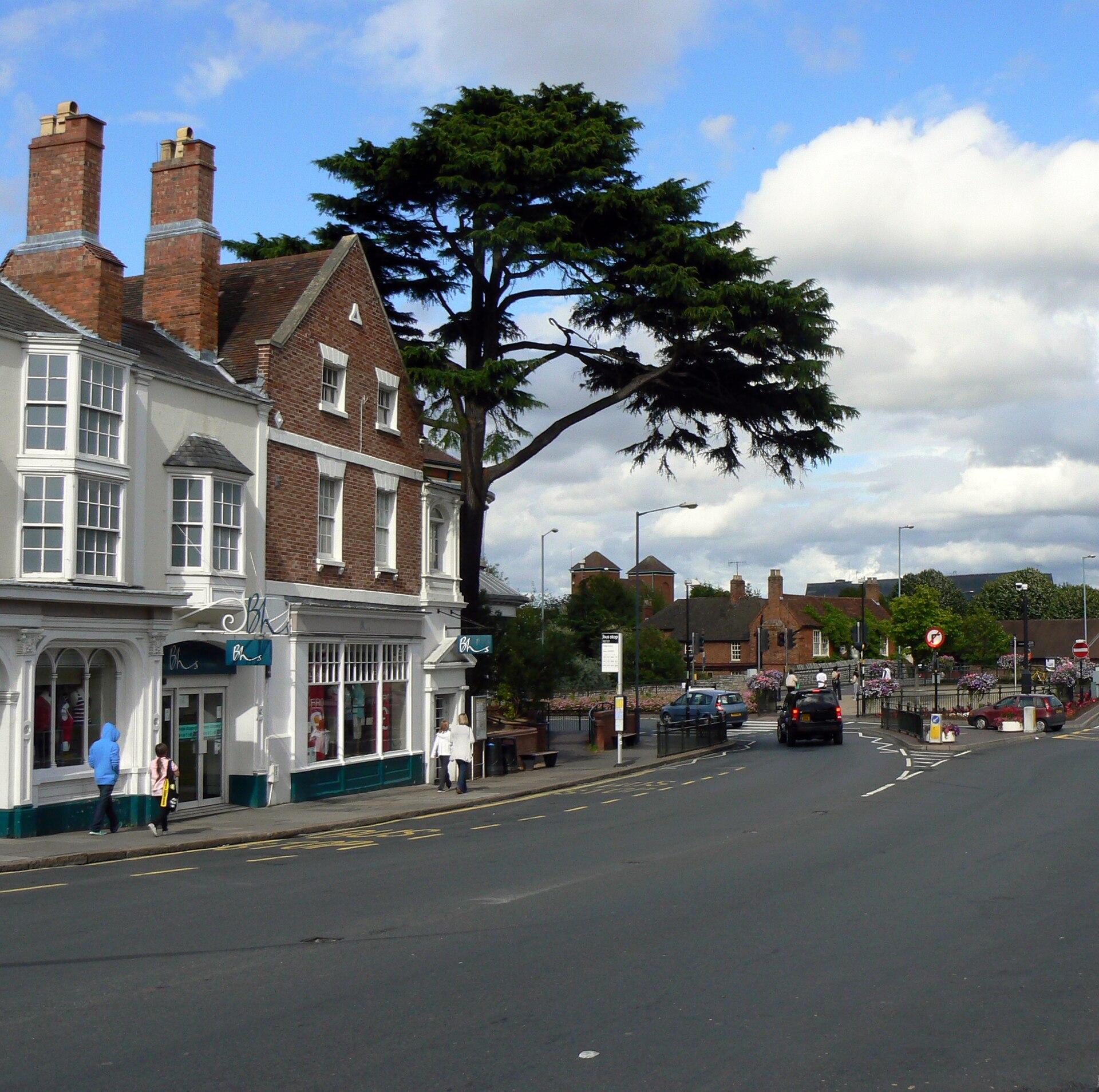
Stratford-upon-Avon hotels
United Kingdom · 5 hotels
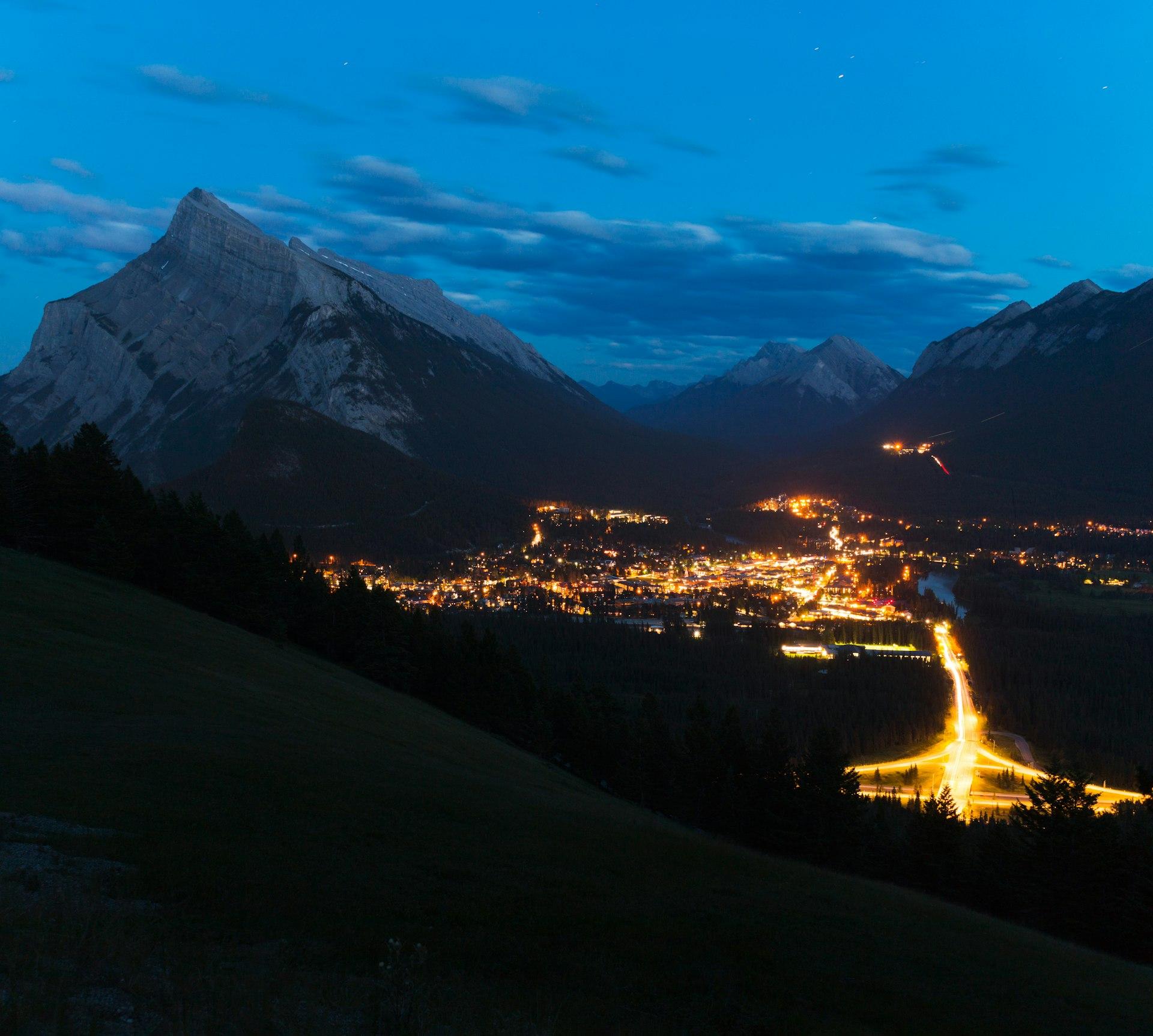
Banff hotels
United Kingdom · 5 hotels
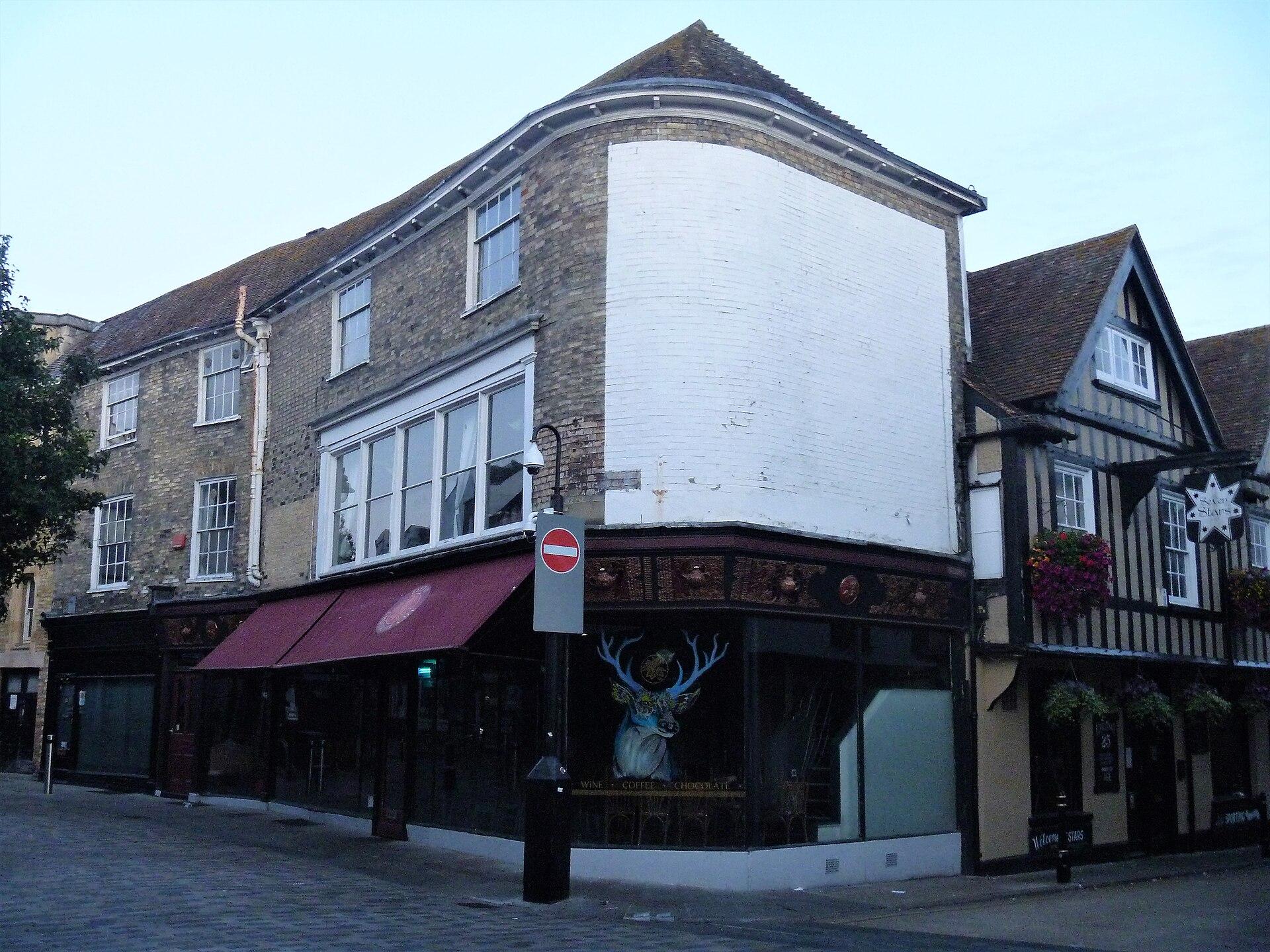
Canterbury hotels
United Kingdom · 4 hotels
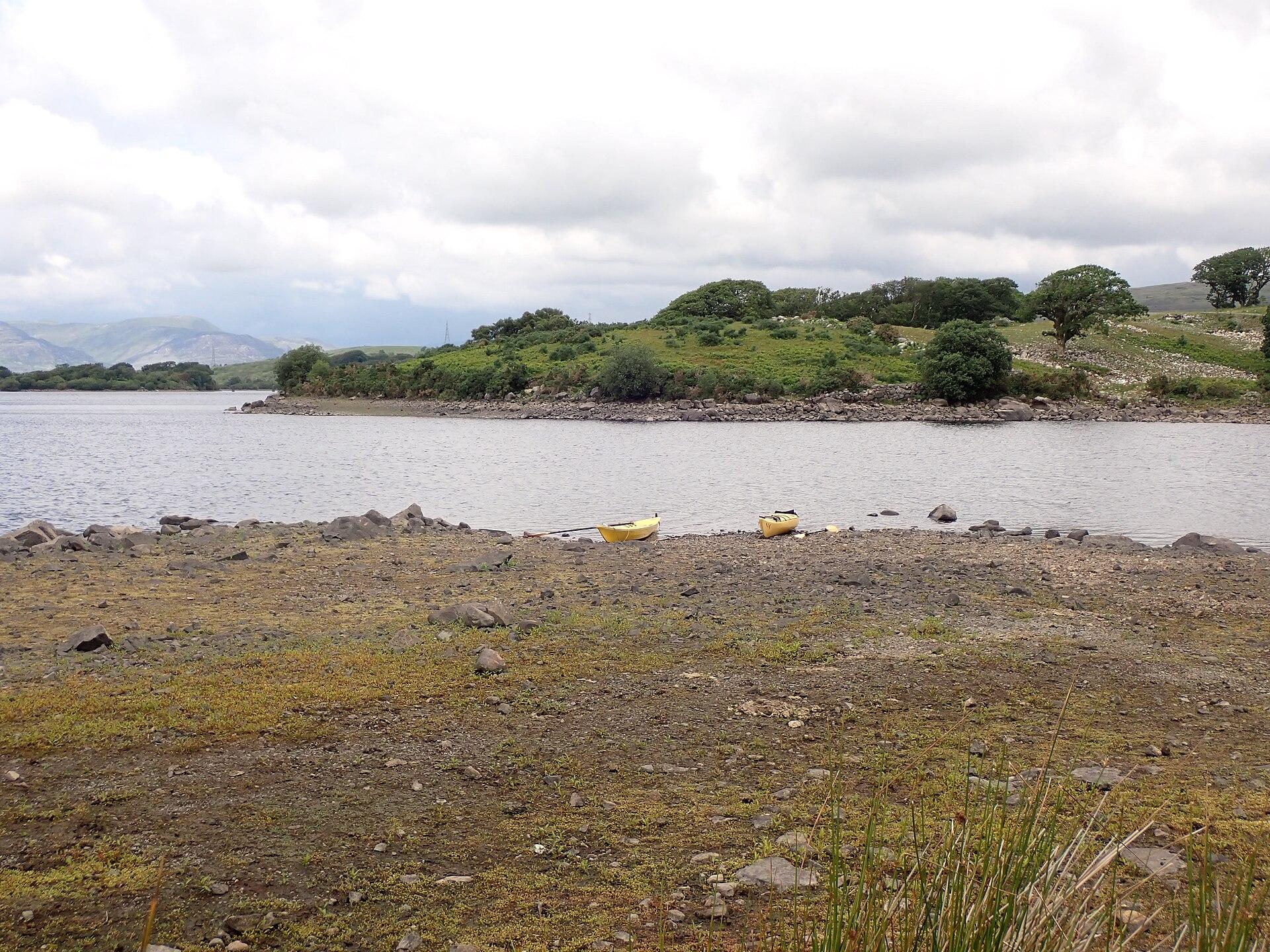
Snowdonia hotels
United Kingdom · 4 hotels
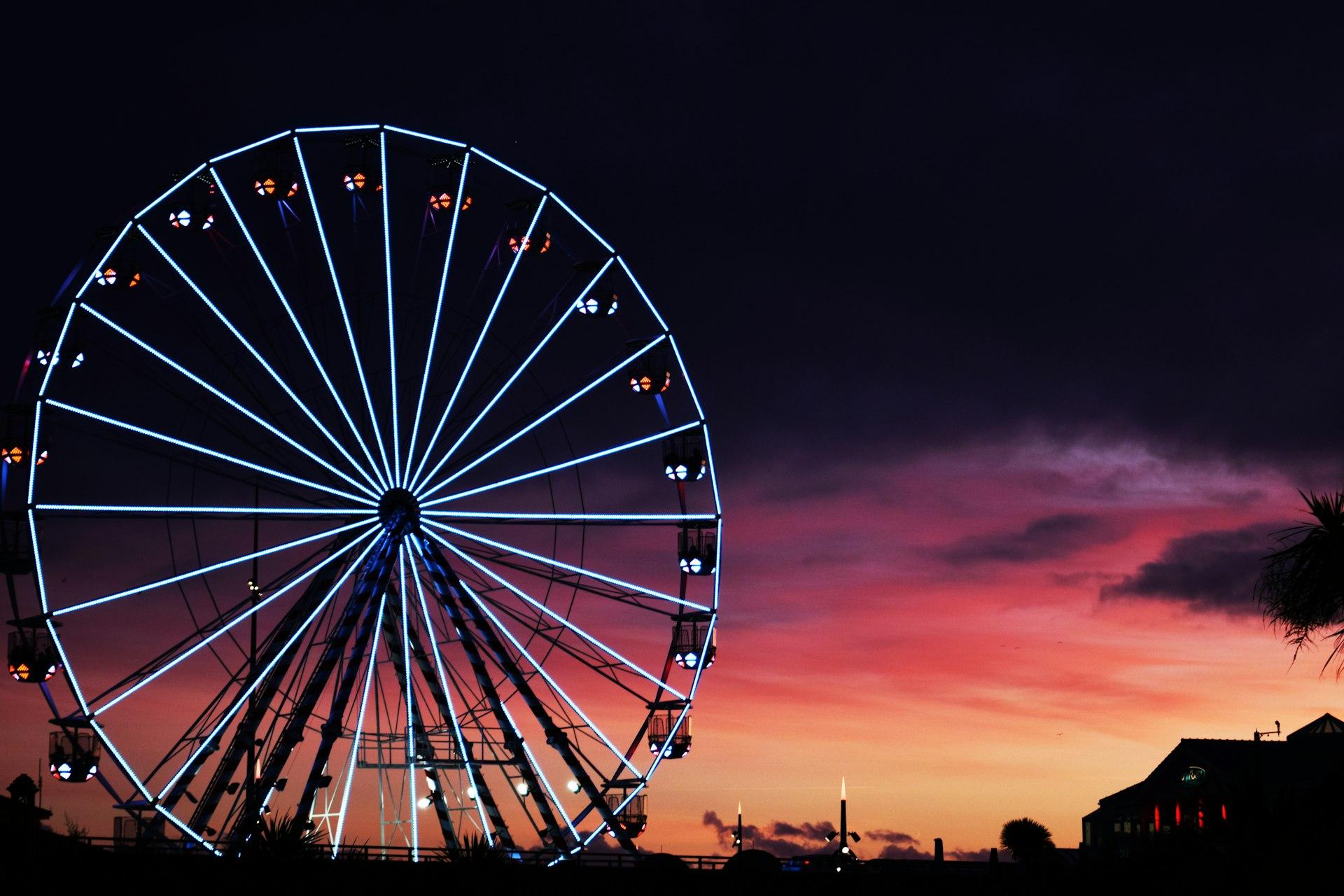
Bournemouth hotels
United Kingdom · 4 hotels

Oxford hotels
United Kingdom · 3 hotels
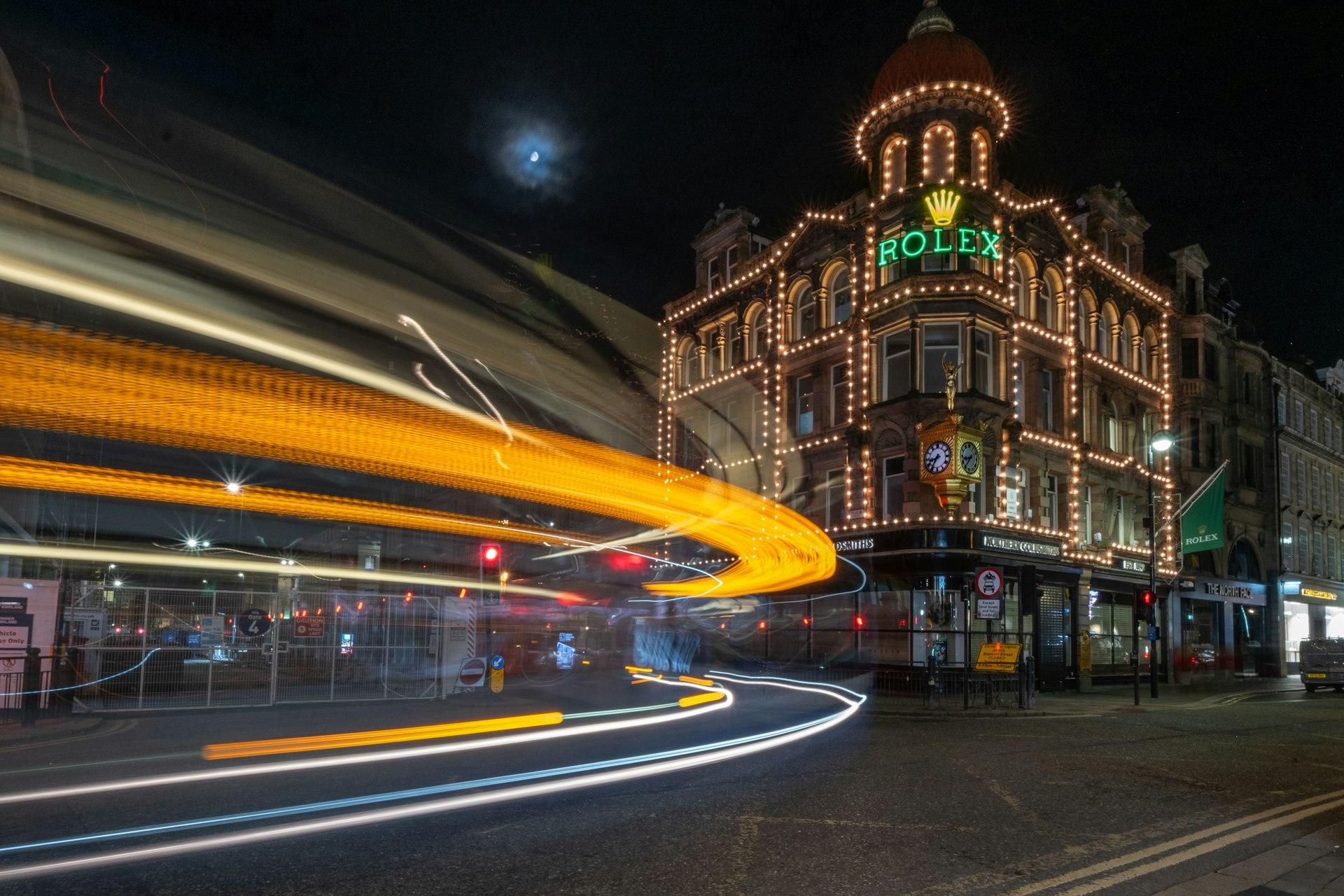
Newcastle upon Tyne hotels
United Kingdom · 3 hotels
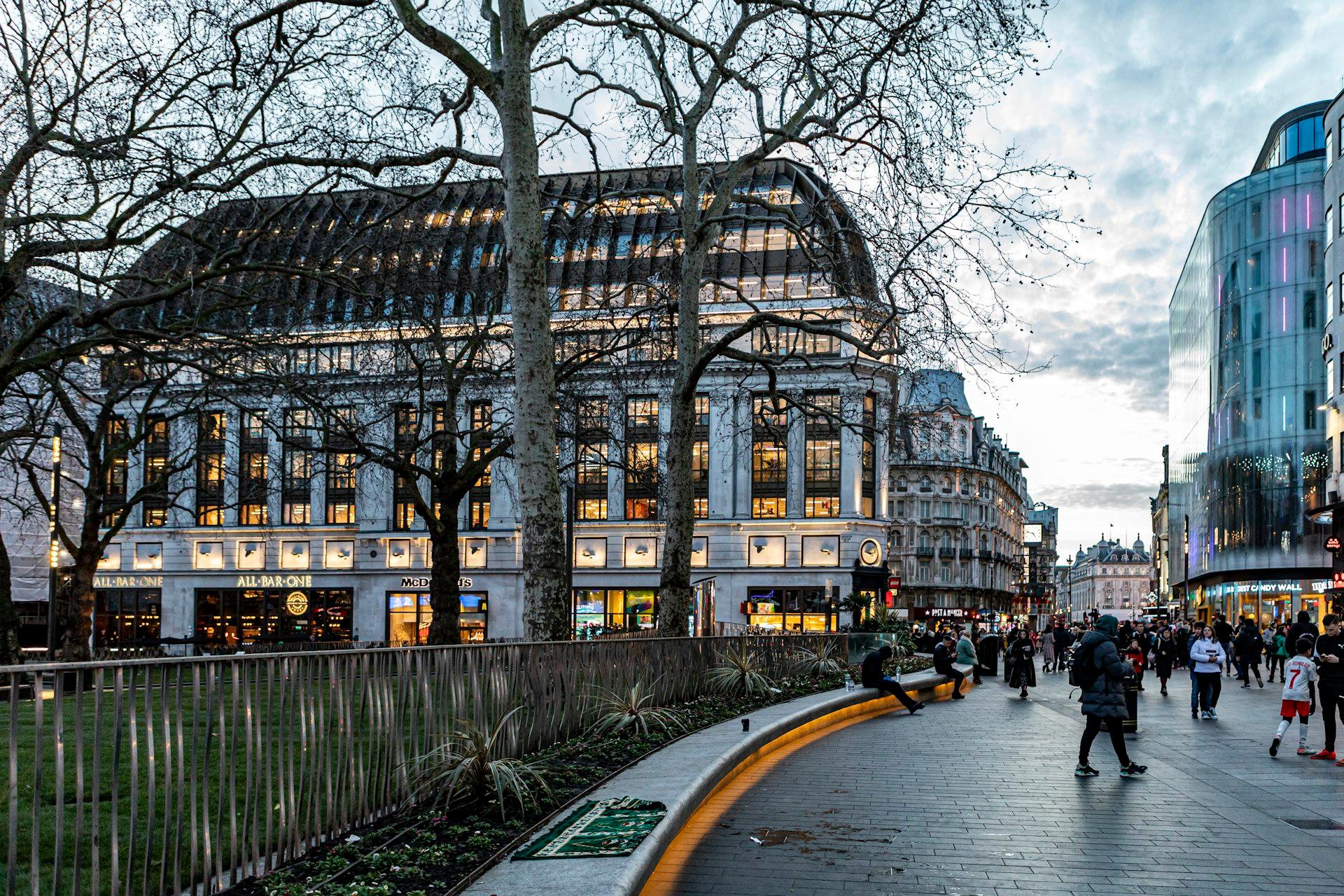
Leicester hotels
United Kingdom · 3 hotels
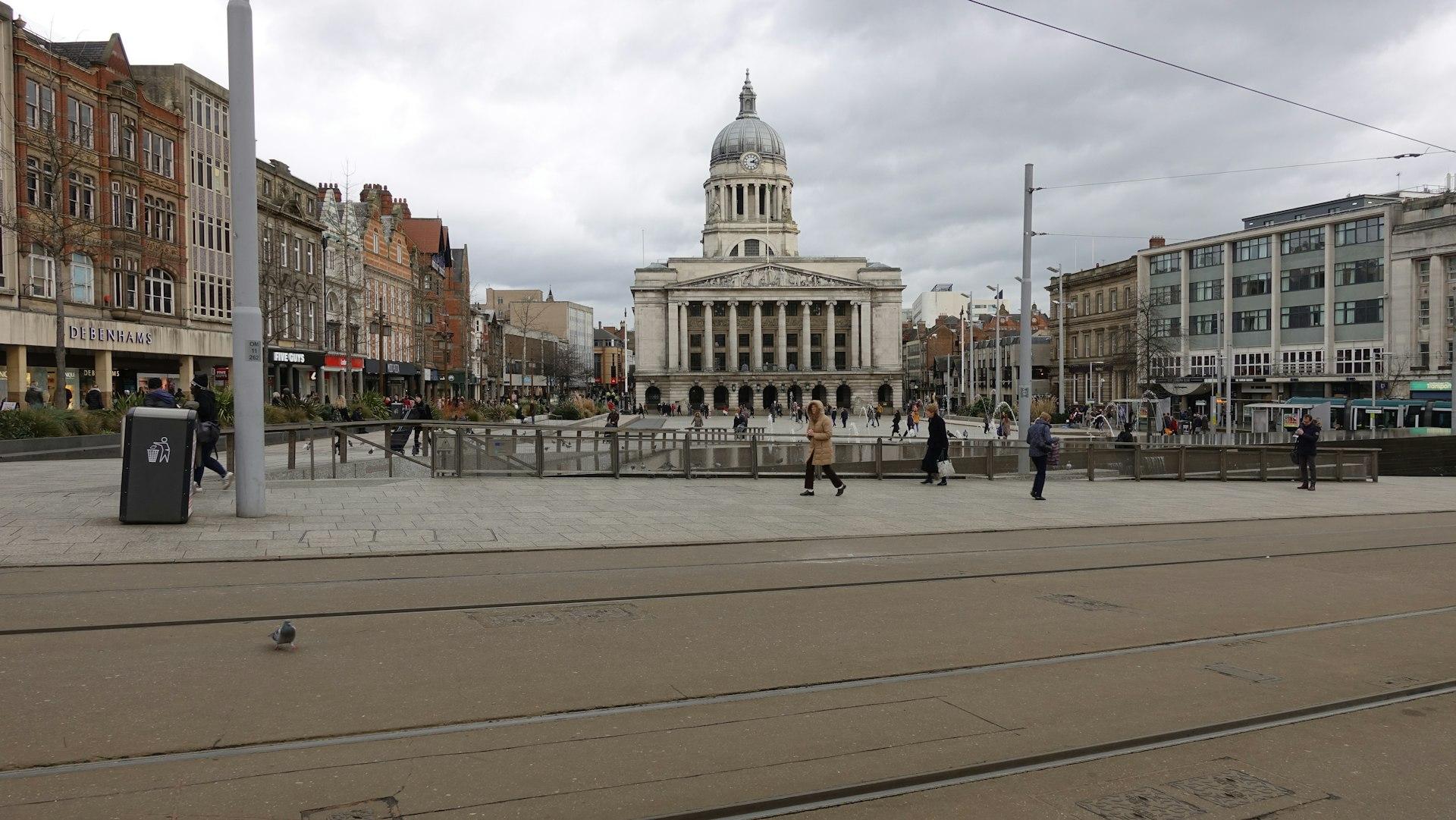
Nottingham hotels
United Kingdom · 3 hotels
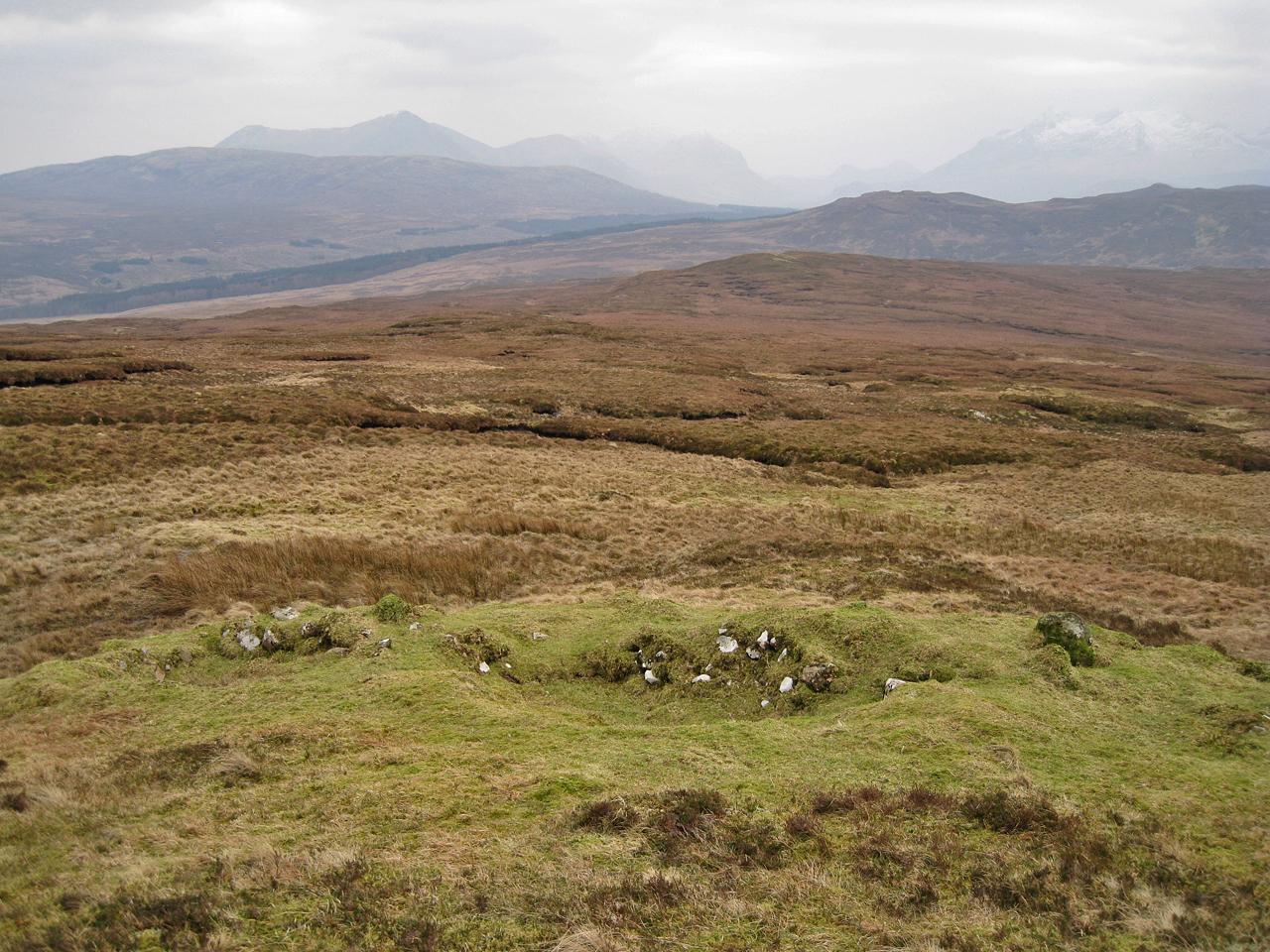
Isle of Skye hotels
United Kingdom · 3 hotels
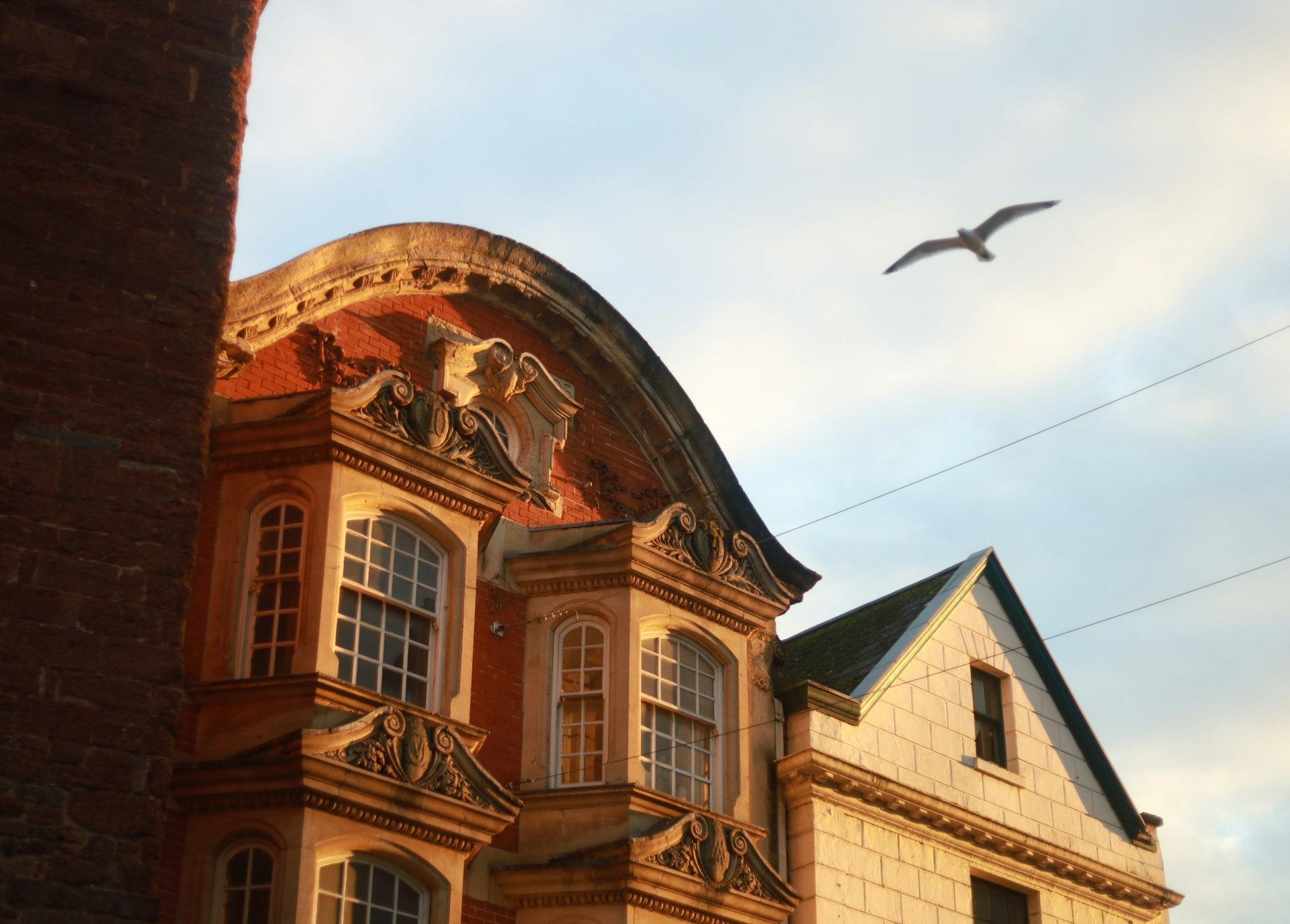
Exeter hotels
United Kingdom · 3 hotels
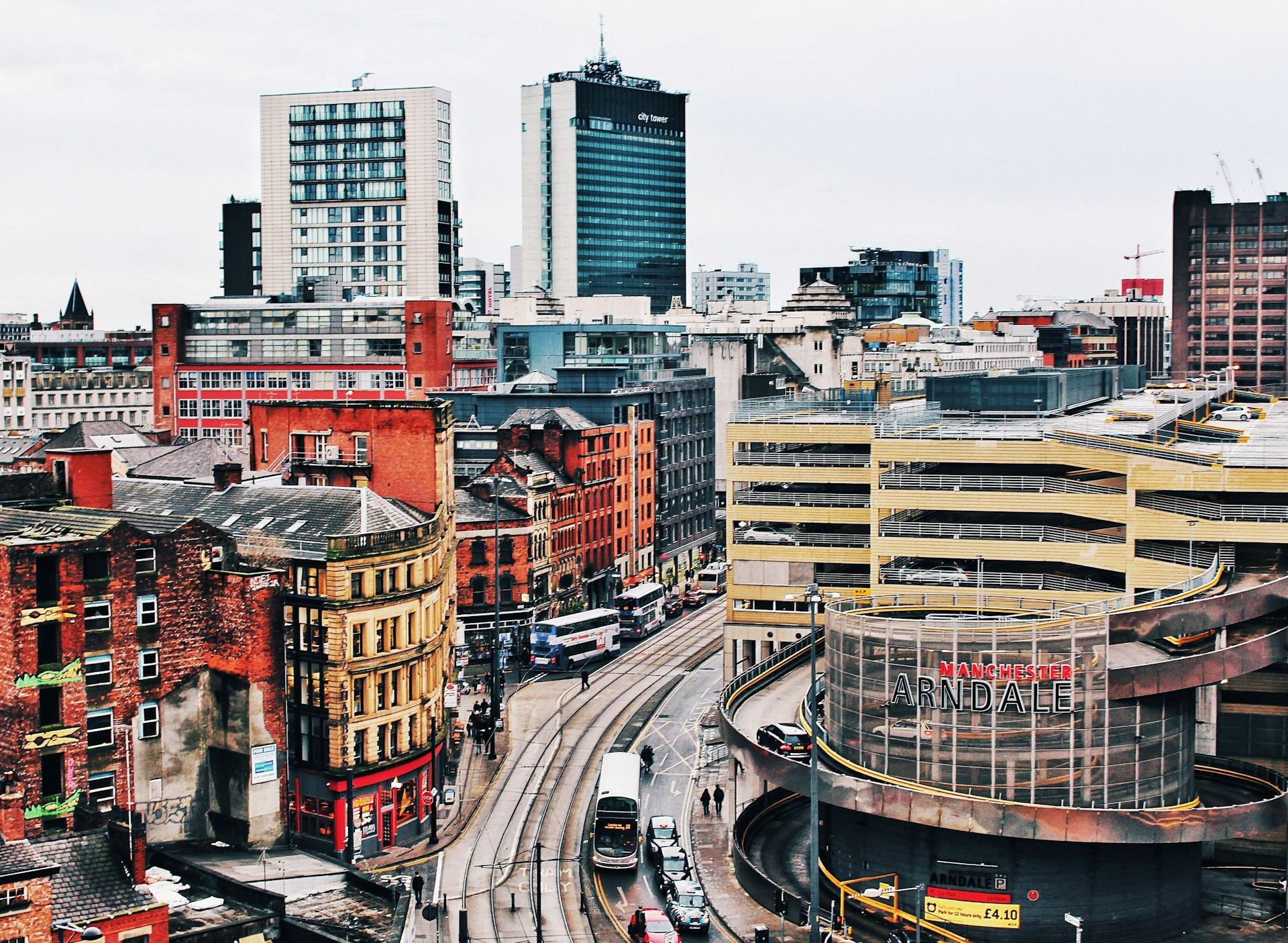
Manchester hotels
United Kingdom · 2 hotels
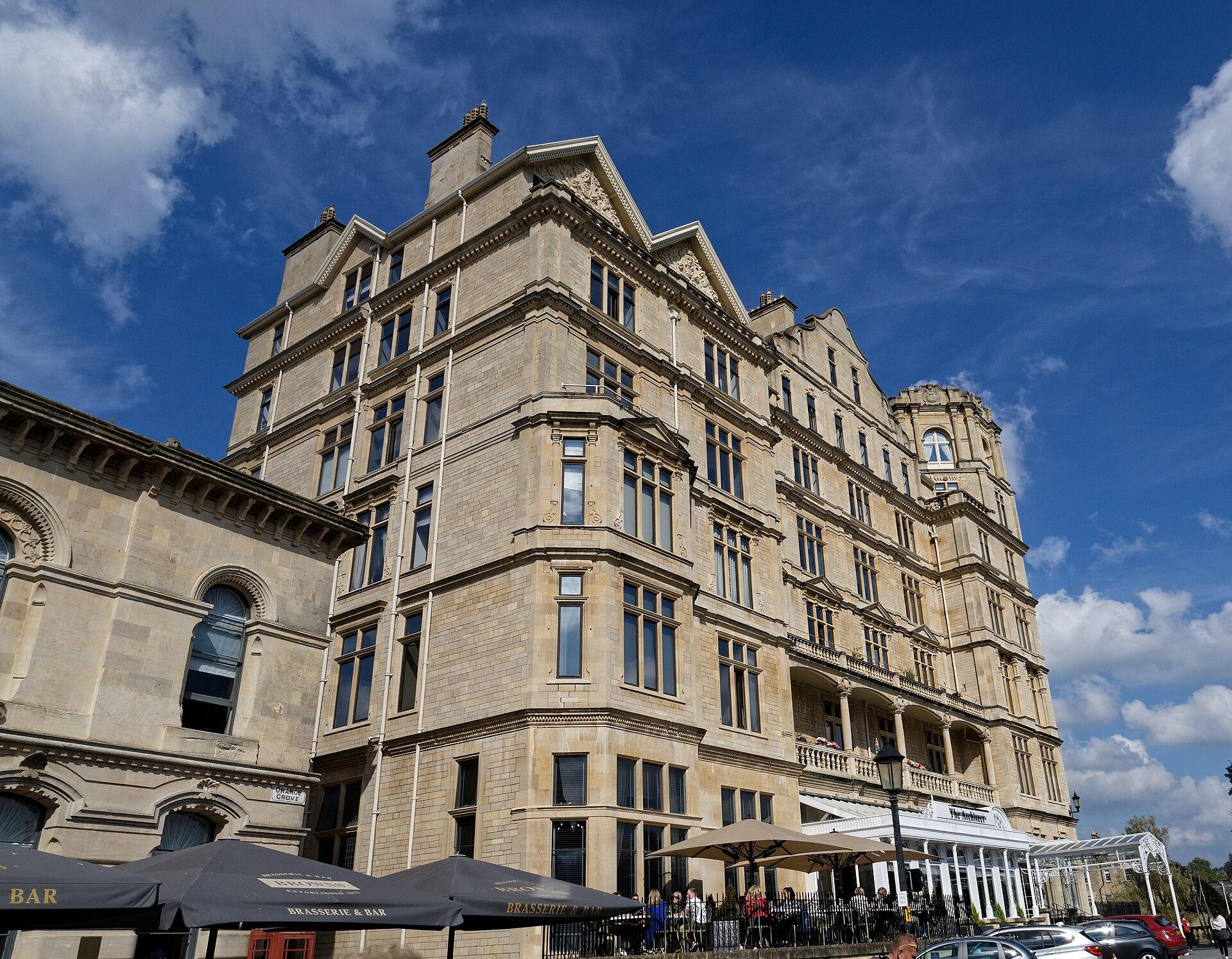
Bath hotels
United Kingdom · 2 hotels
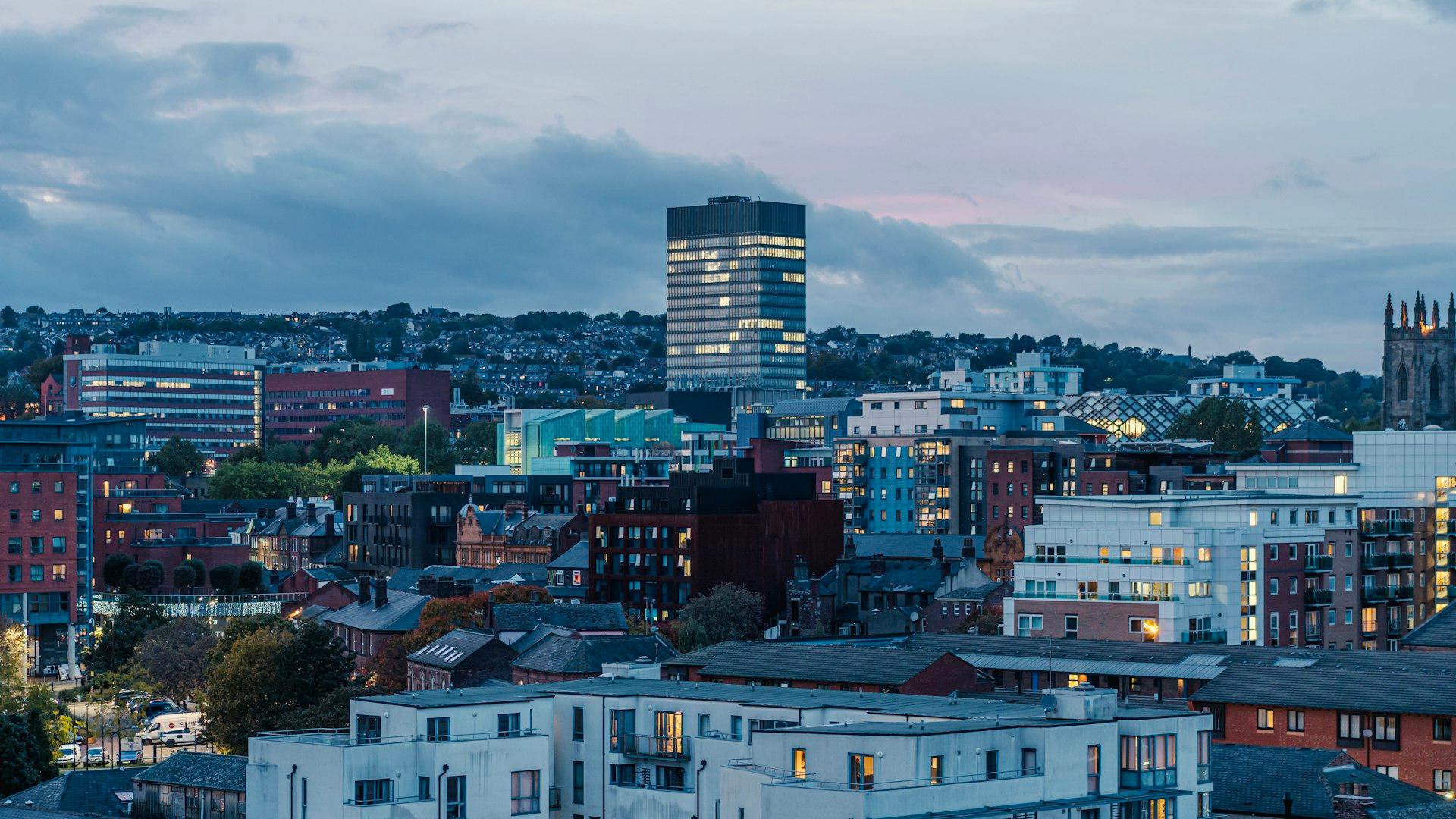
Sheffield hotels
United Kingdom · 1 hotels
Cotswolds hotels
United Kingdom · 1 hotels
Anglesey hotels
United Kingdom · 1 hotels
York hotels
United Kingdom · 1 hotels
Falklands street City centre House-Free Parking hotels
United Kingdom · 1 hotels