
Hotels in China
25 cities · 645 hotels
China: Ancient Civilization Across 9.6 Million Square Kilometres
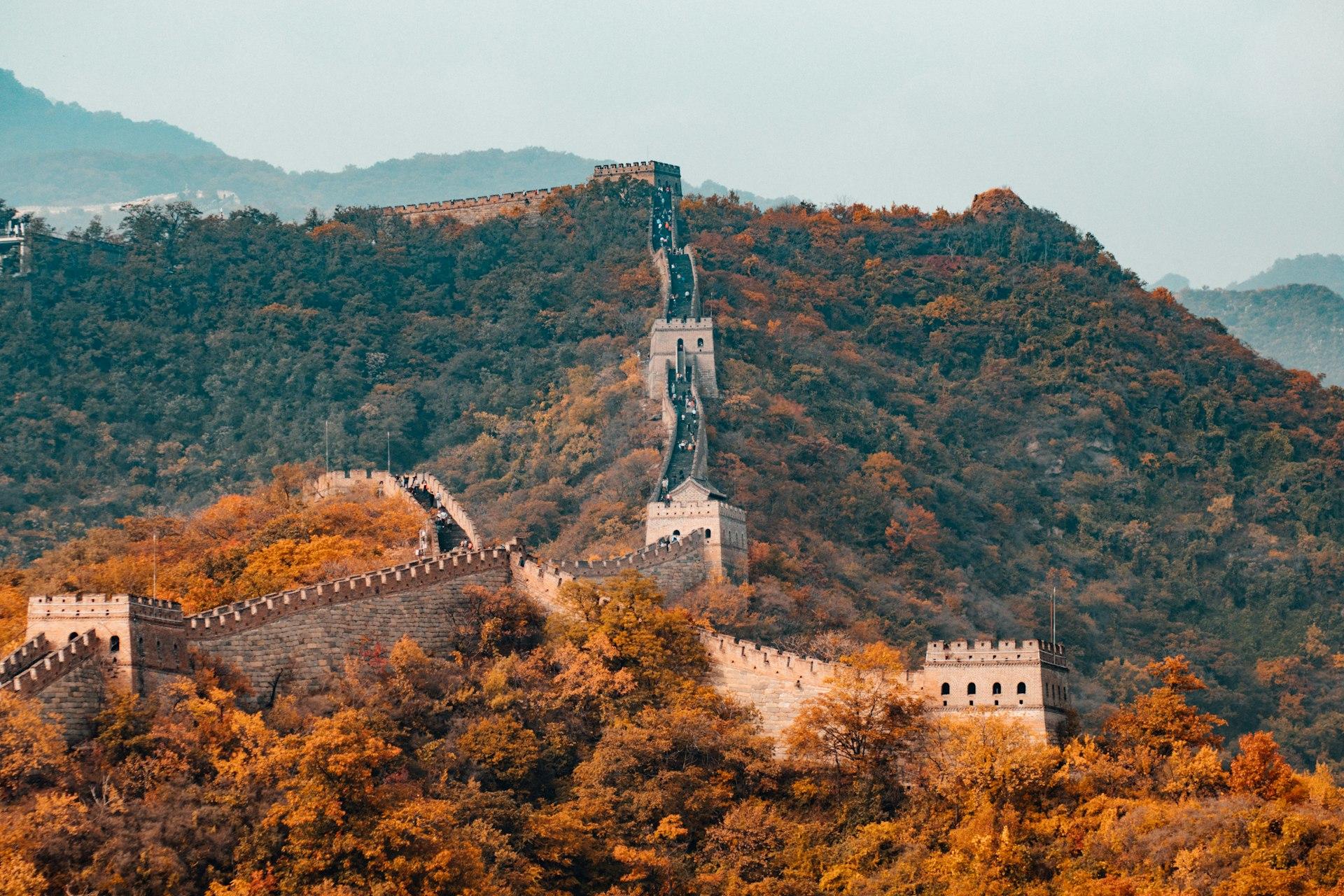
China spans 9.6 million sq km from the Tibetan Plateau in the west to the Pacific coastline in the east, making it the world's third-largest country by area. More than 1.4 billion people live across 34 provincial-level regions, each with distinct cuisine, dialects, and architecture. The country's written history stretches back over 3,500 years, with dynasties that built the Great Wall, the Grand Canal, and the Forbidden City — all still visible today. Travelers arrive through six major international gateway airports: Beijing Capital, Shanghai Pudong, Guangzhou Baiyun, Chengdu Tianfu, Shenzhen Bao'an, and Hong Kong International.
Cities Worth Exploring
Beijing, the capital since 1421, anchors northern China. The Forbidden City covers 72 hectares at the city's centre; the Temple of Heaven sits 4 km to the south. The nearest section of the Great Wall at Mutianyu lies 73 km northeast of the city centre. Shanghai, 1,300 km south by high-speed rail (about 4.5 hours on the G-class trains), offers the Bund waterfront and the former French Concession's plane-tree-lined streets. Further south, Guangzhou has served as a trading port since the 3rd century and hosts the annual Canton Fair each April and October. Chengdu in Sichuan Province is the base for visiting the Giant Panda Breeding Research Base, 10 km north of the city, and for treks toward Jiuzhaigou National Park, 330 km to the north.
Regional Contrasts: Desert, Karst, and Coast
The northwest Xinjiang region holds the Taklamakan Desert — roughly 337,000 sq km — and the Silk Road oasis city of Kashgar, near the Kyrgyzstan border. In the southwest, Yunnan Province borders Myanmar, Laos, and Vietnam and contains Lijiang Old Town, a UNESCO World Heritage Site at 2,400 m elevation. The karst limestone peaks around Guilin and Yangshuo in Guangxi are among the most photographed river landscapes in Asia; the Li River cruise between the two towns covers 83 km. Zhangjiajie National Forest Park in Hunan Province, established in 1982, contains sandstone pillars rising more than 200 m and partly inspired the landscape design for the 2009 film Avatar.
When to Visit China
Spring (March–May) and autumn (September–November) offer the most comfortable conditions across eastern China, with temperatures between 10°C and 25°C in Beijing and Shanghai. Summer (June–August) brings high humidity to southern cities and monsoon rains to much of the country. The Golden Week national holidays — the first week of October and the week around Chinese New Year (January or February, depending on the lunar calendar) — drive domestic travel volumes to record levels; transportation and major sites become heavily congested. Travelers avoiding crowds should target weekdays in April, May, or late September.
Practical Tips for Visiting China
- Visa: Most nationalities require a tourist visa (L-category) obtained in advance; China launched a 144-hour transit visa-free policy at 37 ports of entry as of 2024.
- Currency: The renminbi (CNY/RMB) is the official currency; mobile payment via WeChat Pay and Alipay dominates, though foreign cards are now accepted at more merchants following 2023 reforms.
- Getting around: The high-speed rail network exceeds 45,000 km as of 2025 — the longest in the world — connecting most major cities. Book tickets via the 12306 app or authorised agents.
- Internet access: A VPN is needed for Google, WhatsApp, and most Western social platforms; download and configure one before arrival.
- Language: Mandarin (Putonghua) is the official language; English signage is common at airports, high-speed rail stations, and major tourist sites.
Frequently Asked Questions
Q: Do travelers need a visa to visit China? A: Most nationalities need a tourist visa arranged before travel, though China's 144-hour transit visa-free programme covers 37 ports of entry including Beijing, Shanghai, and Guangzhou. Nationals of 38 countries benefit from broader visa-free or visa-on-arrival arrangements introduced in 2023–2024.
Q: What is the best base city for a first visit to China? A: Beijing suits first-time visitors who want to cover imperial history — the Forbidden City, the Summer Palace, and the Great Wall at Mutianyu. Shanghai is a stronger base for travelers focused on modern architecture and Yangtze Delta day trips.
Q: How long does the high-speed train take between Beijing and Shanghai? A: G-class (Gaotie) trains cover the 1,318 km between Beijing South and Shanghai Hongqiao stations in approximately 4 hours 18 minutes at top speeds of 350 km/h.
Q: When is Chinese New Year in 2027? A: Chinese New Year falls on 17 January 2027, beginning the Year of the Goat. Public holidays run for seven days; expect sold-out transport and hotel rates 30–50% above average in major cities.
Q: Which city is best for Sichuan cuisine? A: Chengdu is the origin city of Sichuan cuisine. The city held UNESCO Creative City of Gastronomy status as of 2010. Signature dishes include mapo tofu, dan dan noodles, and hot pot prepared with Sichuan peppercorns from the local Hanyuan county.
Cities in China
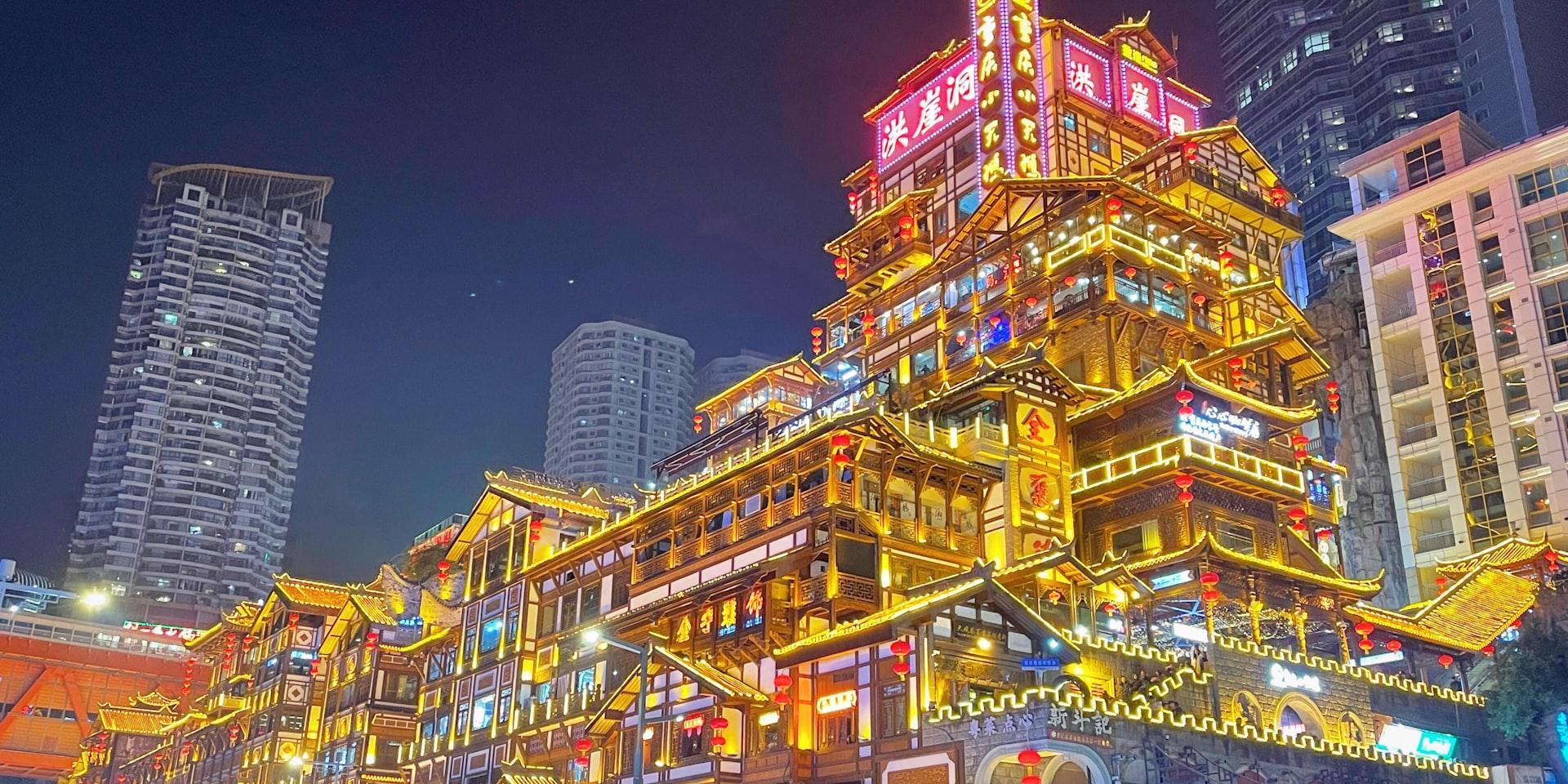
Chongqing hotels
China · 107 hotels

Chengdu hotels
China · 71 hotels
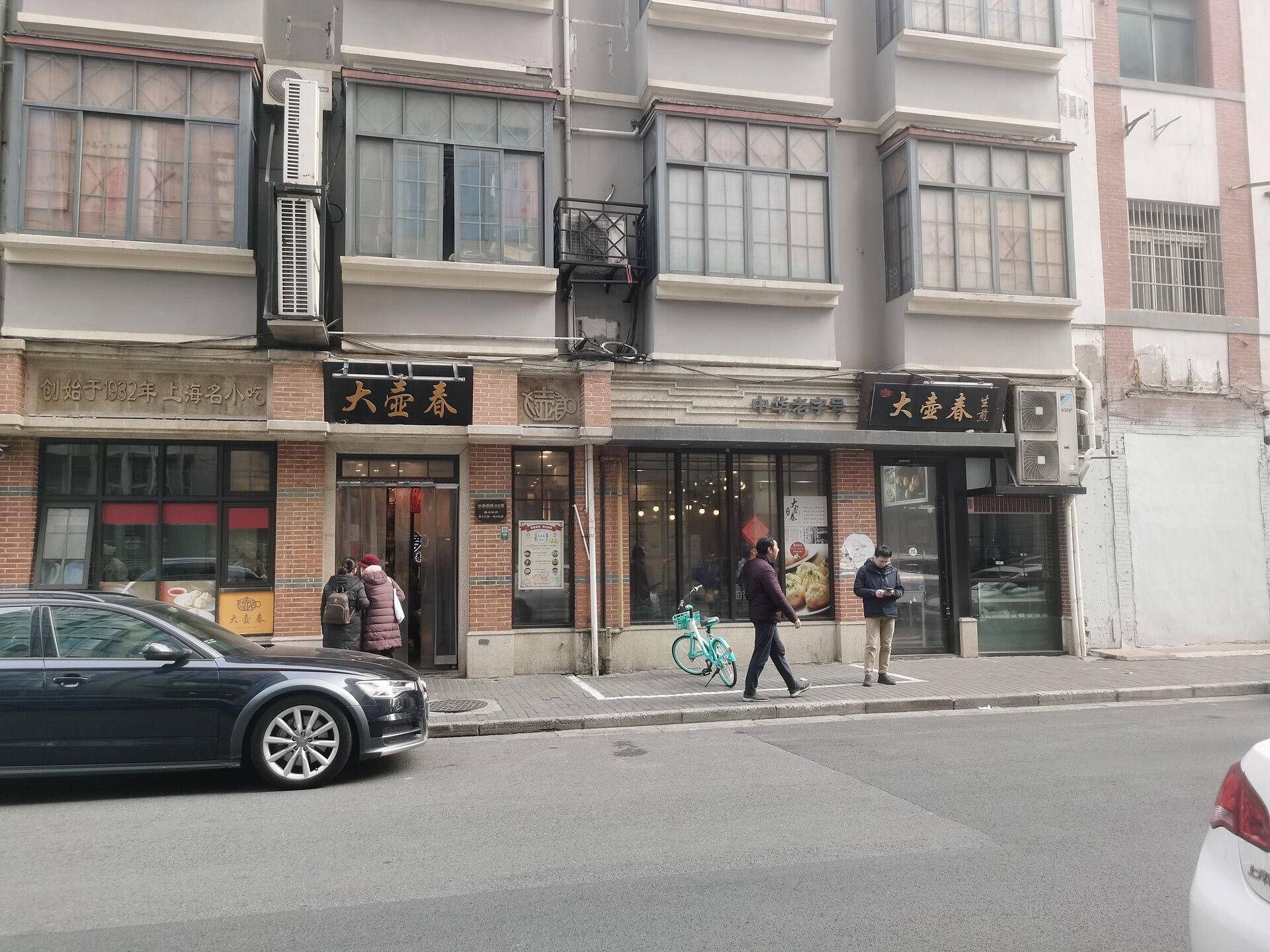
Shanghai hotels
China · 59 hotels
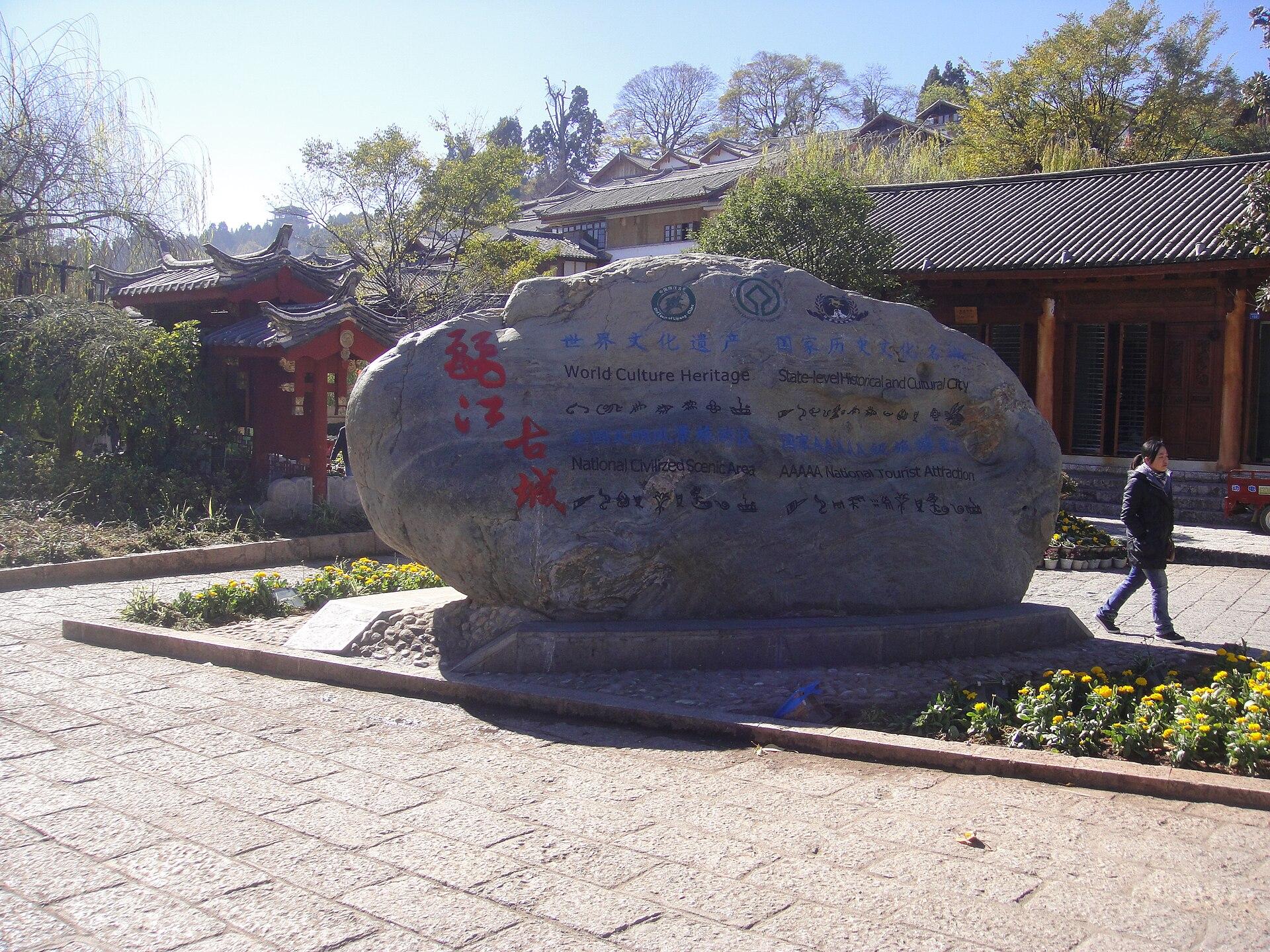
Lijiang hotels
China · 42 hotels
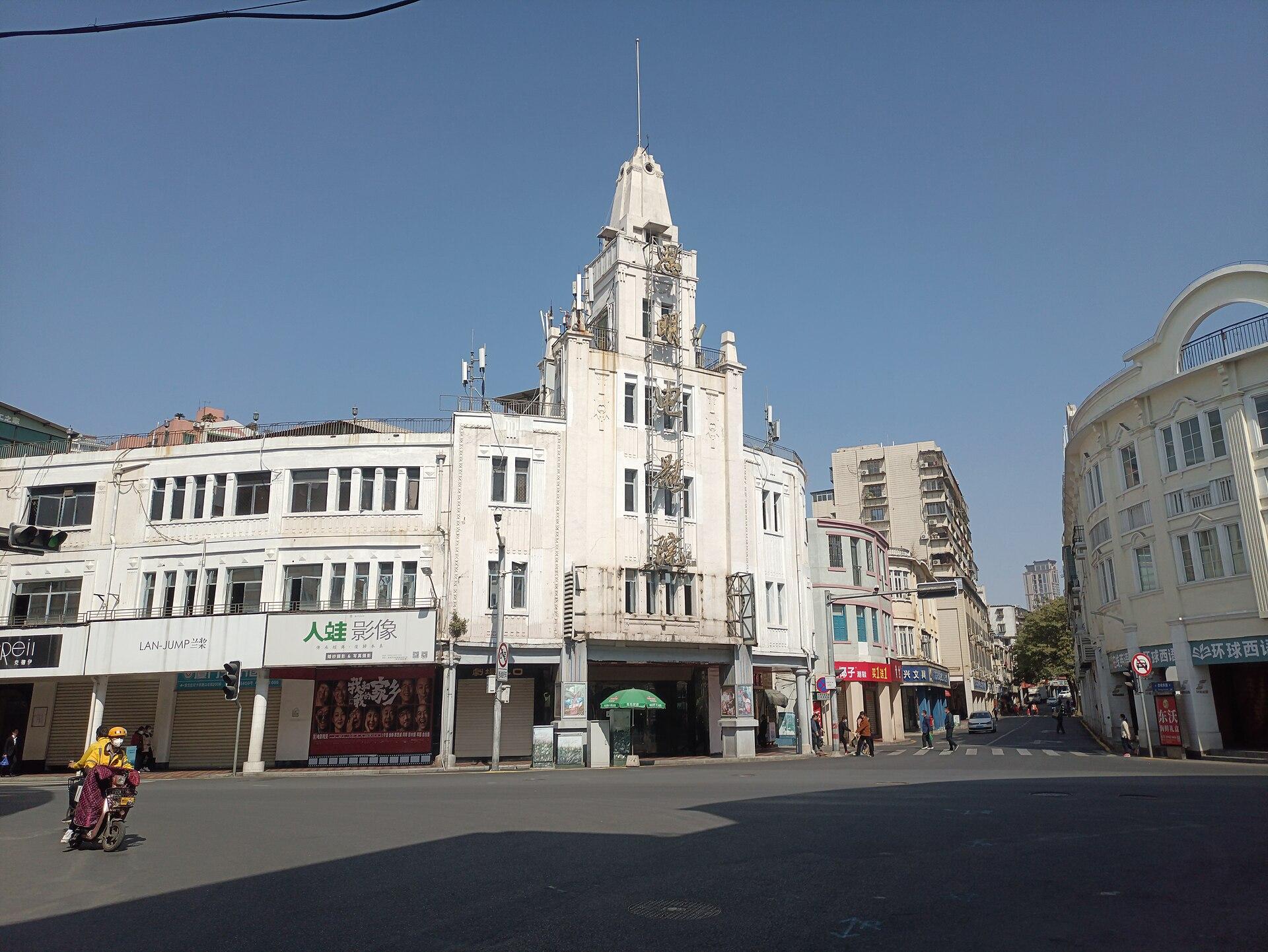
Xiamen hotels
China · 40 hotels
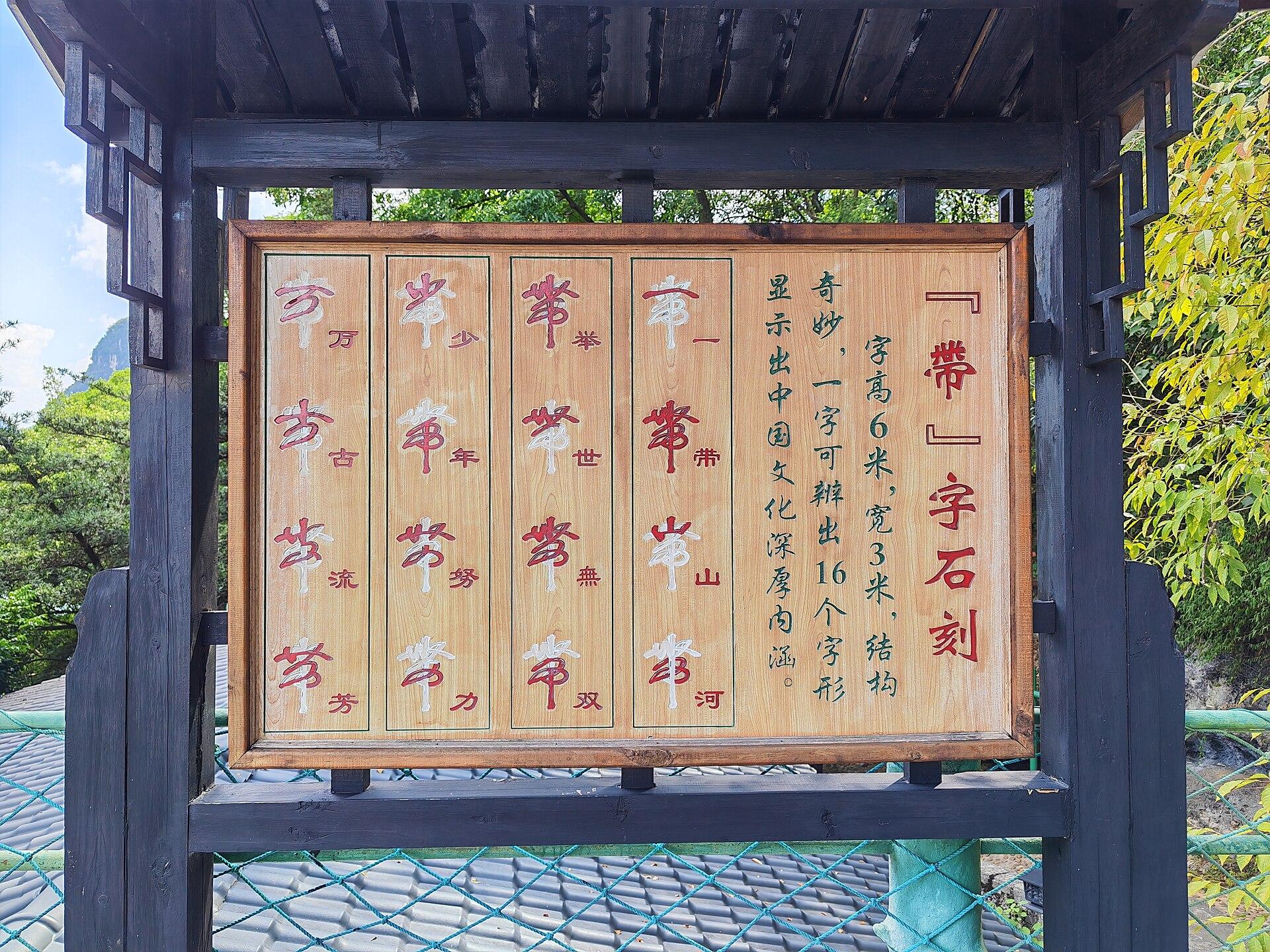
Yangshuo hotels
China · 39 hotels
Dali hotels
China · 37 hotels
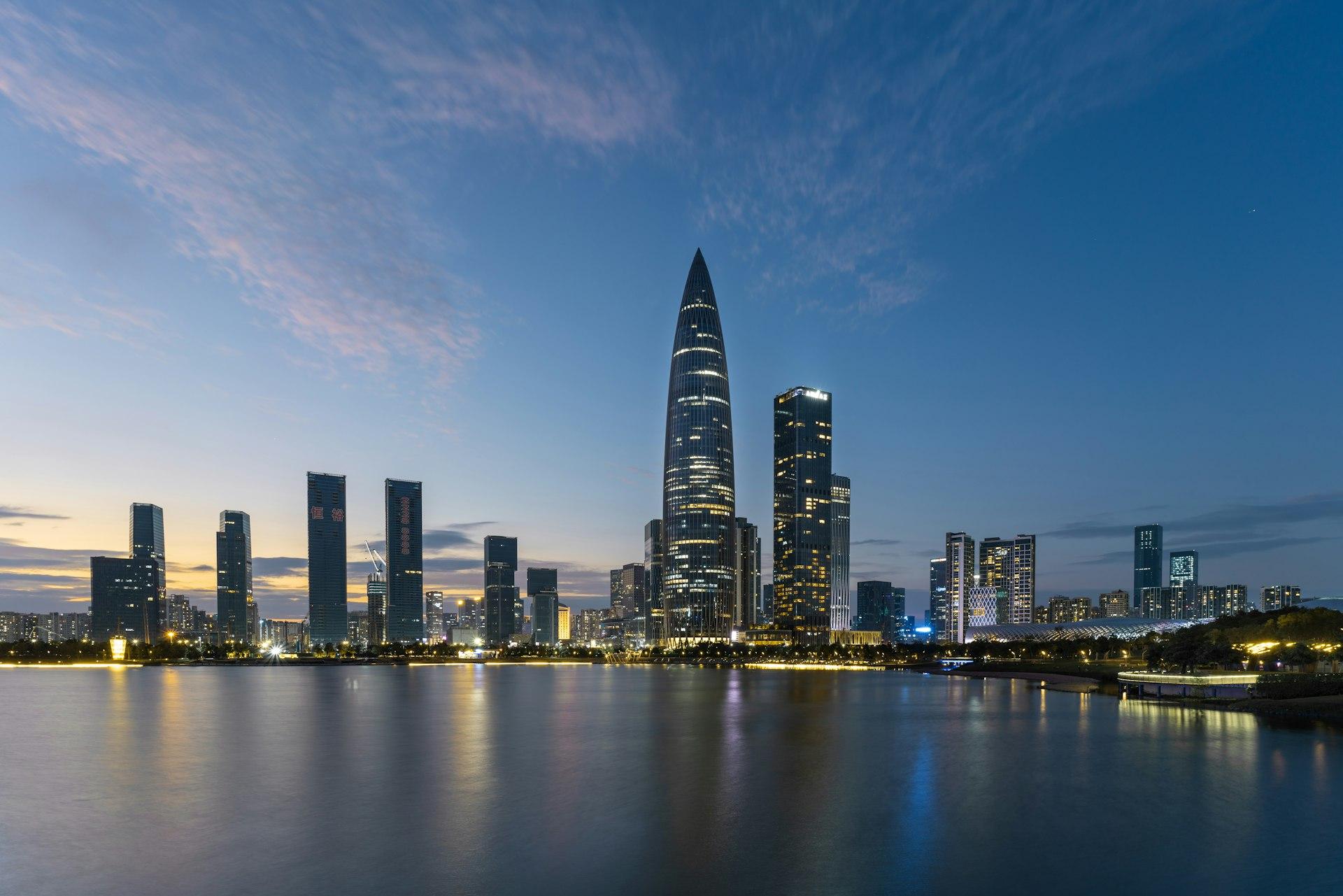
Shenzhen hotels
China · 33 hotels
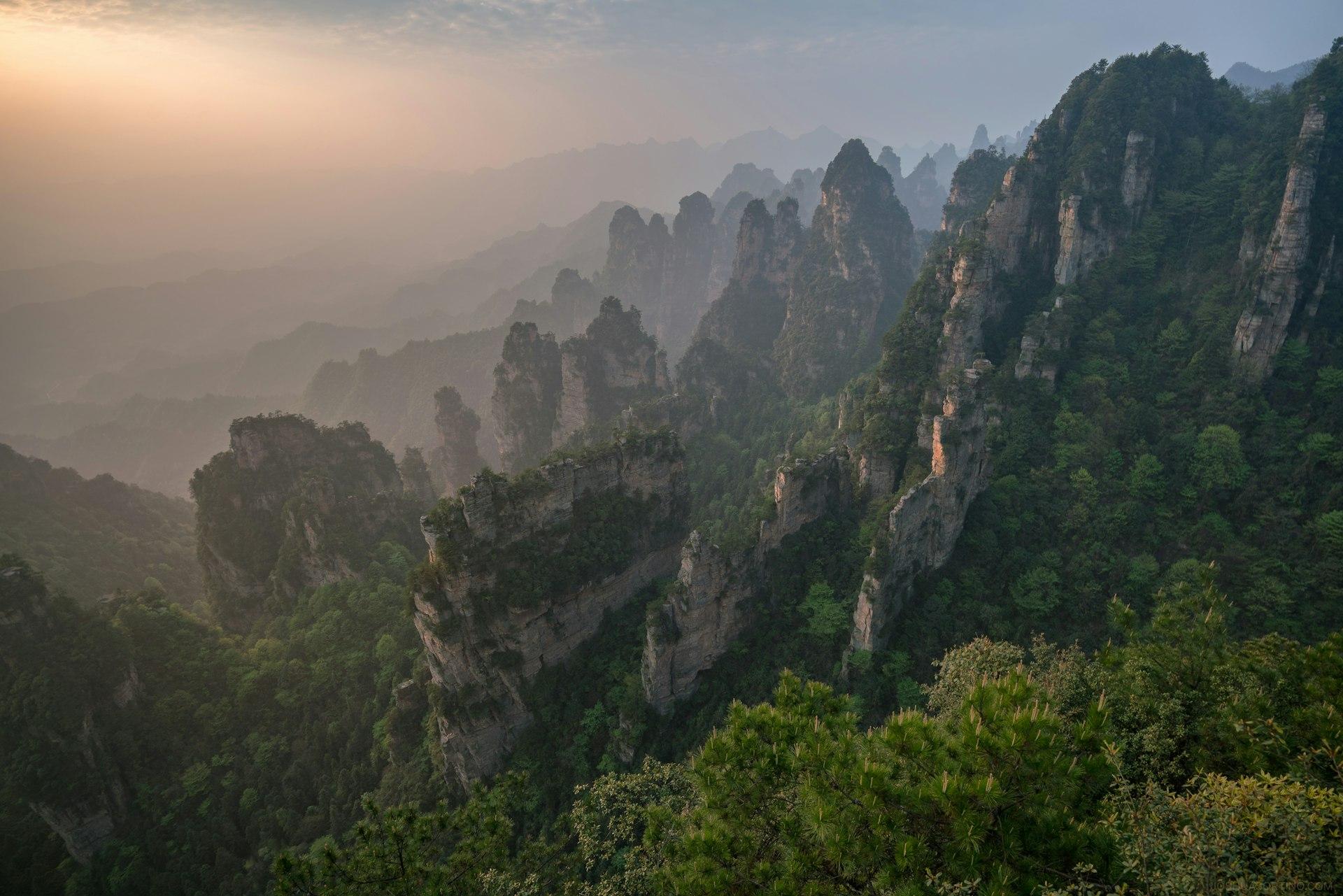
Zhangjiajie hotels
China · 29 hotels
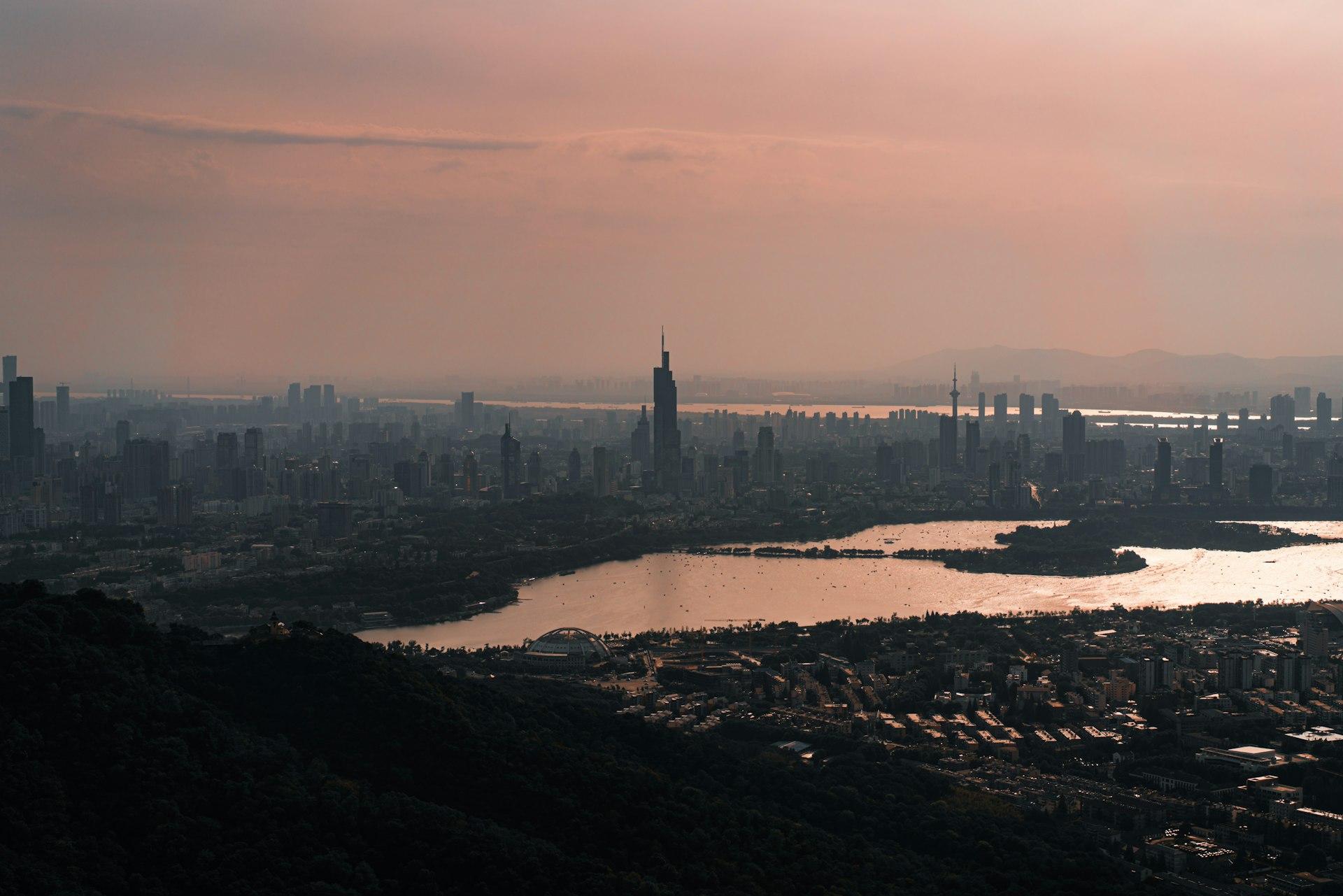
Nanjing hotels
China · 28 hotels
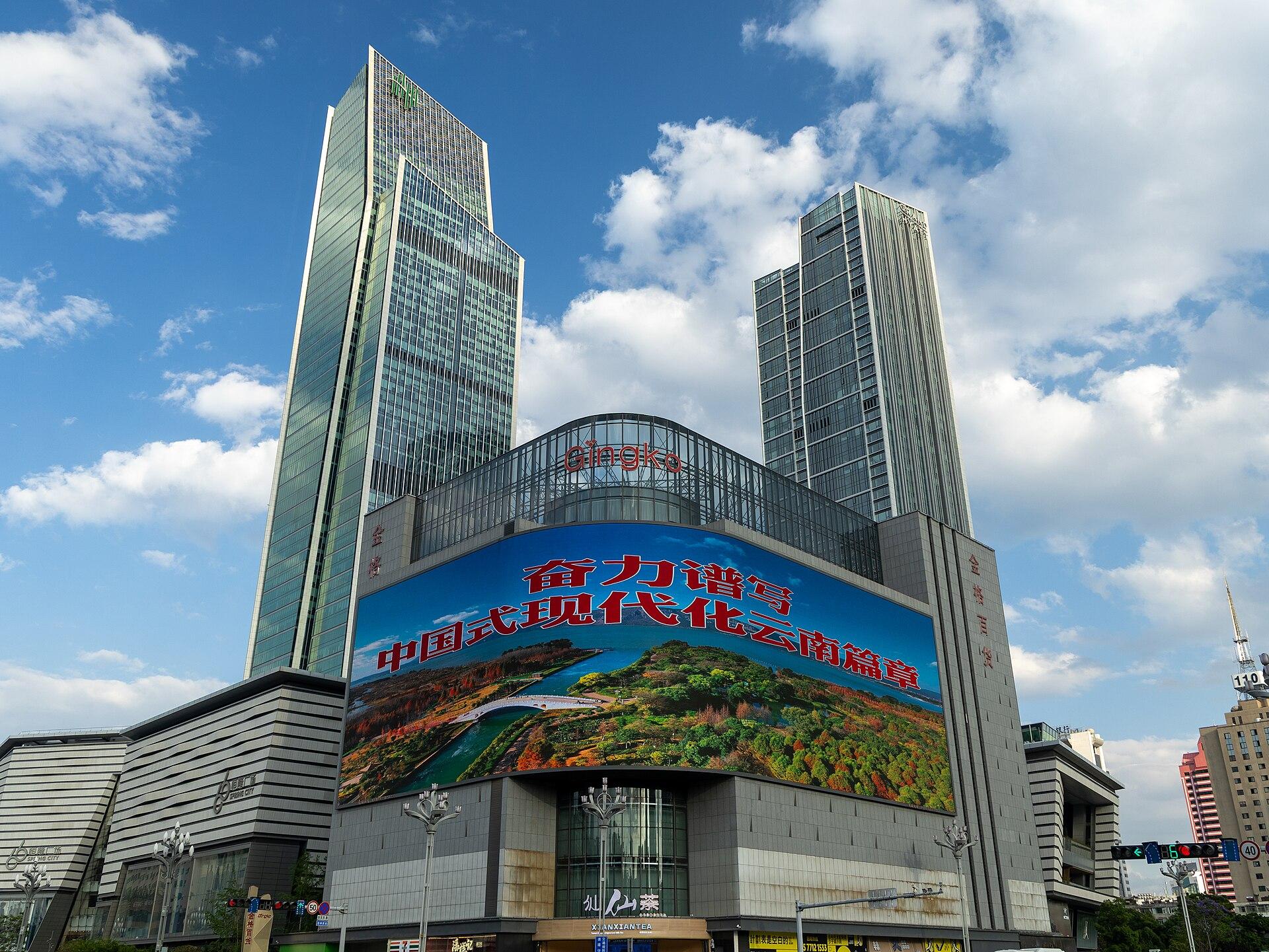
Kunming hotels
China · 28 hotels
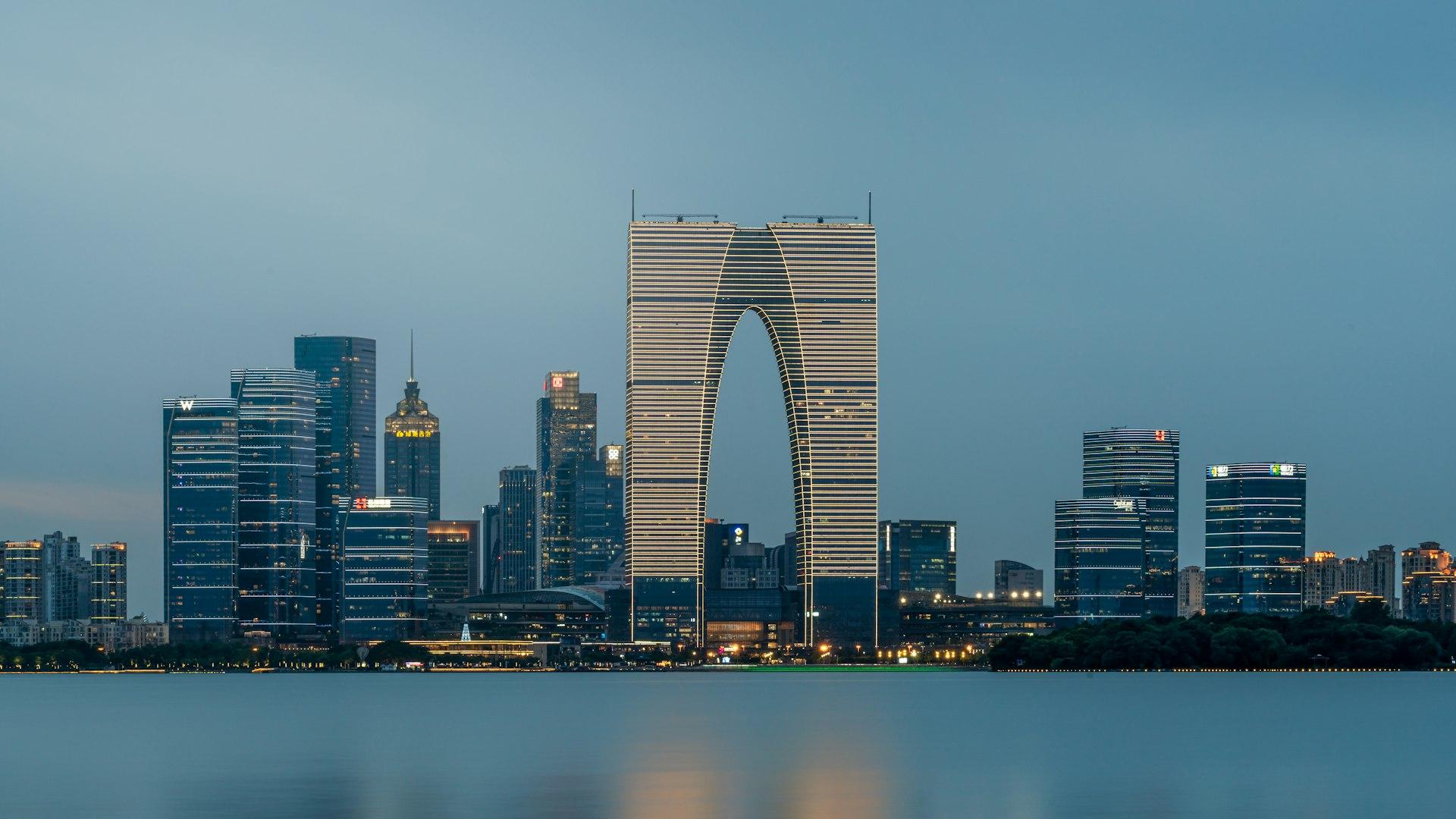
Suzhou hotels
China · 25 hotels
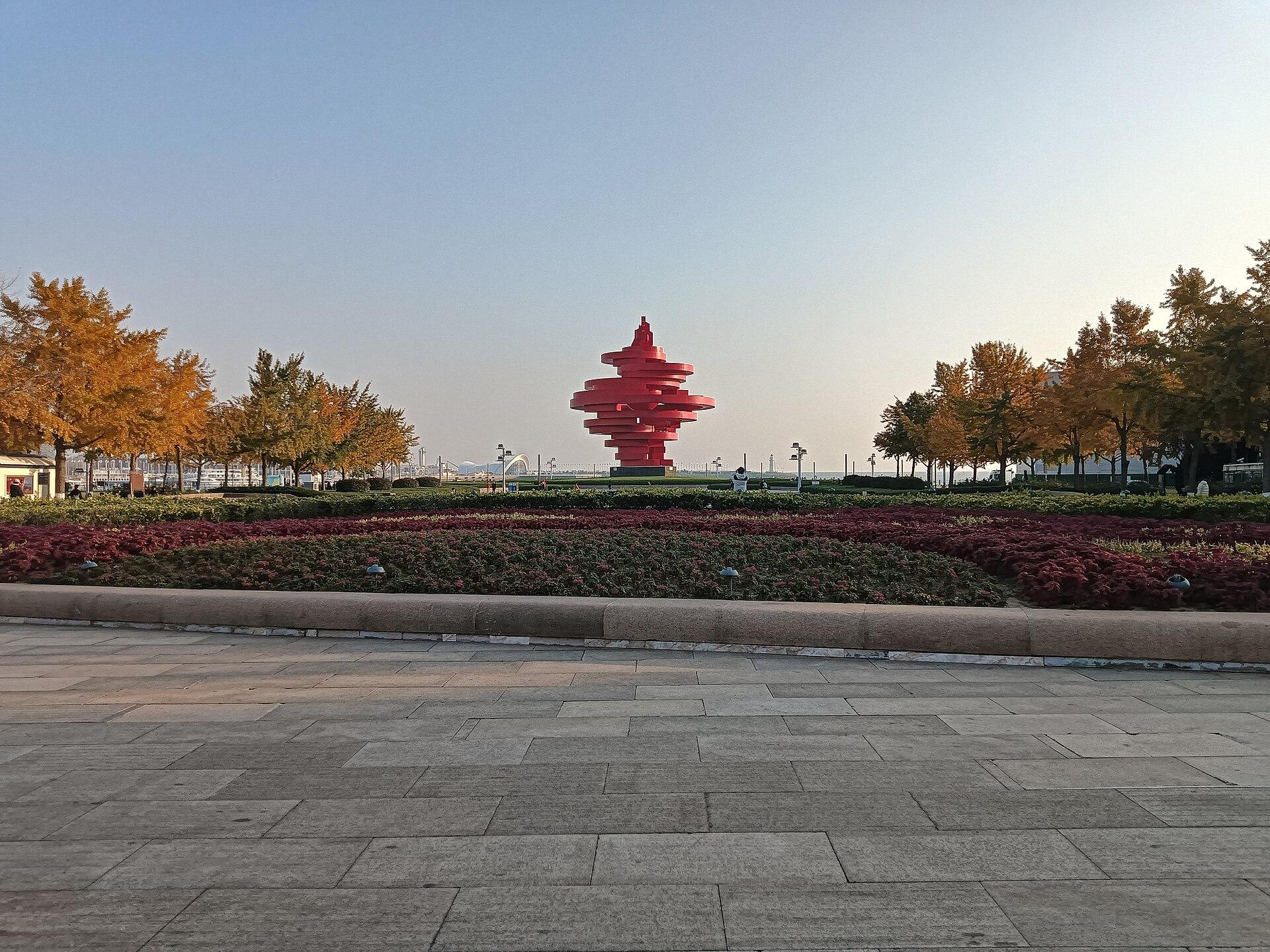
Qingdao hotels
China · 25 hotels
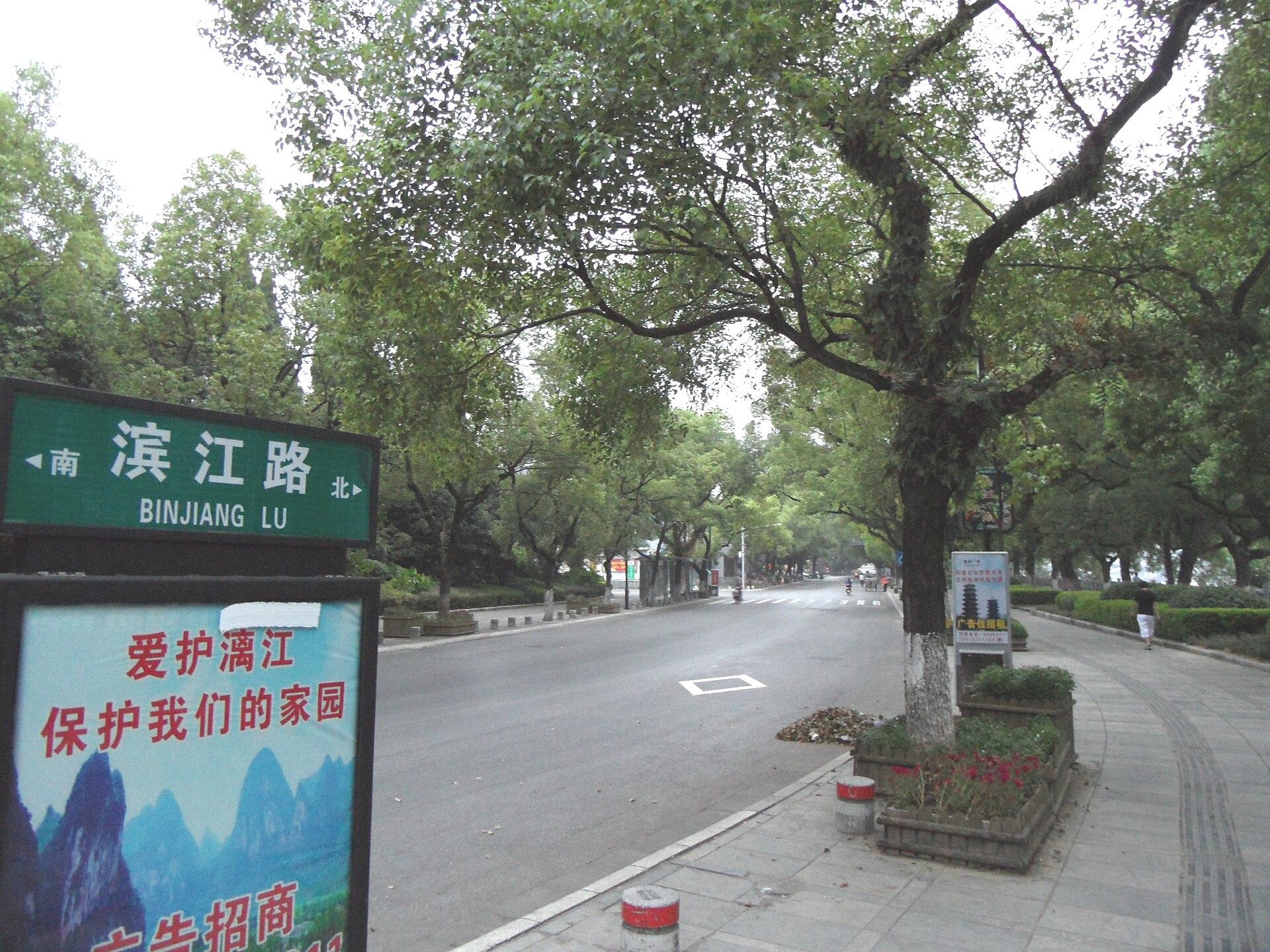
Guilin hotels
China · 18 hotels
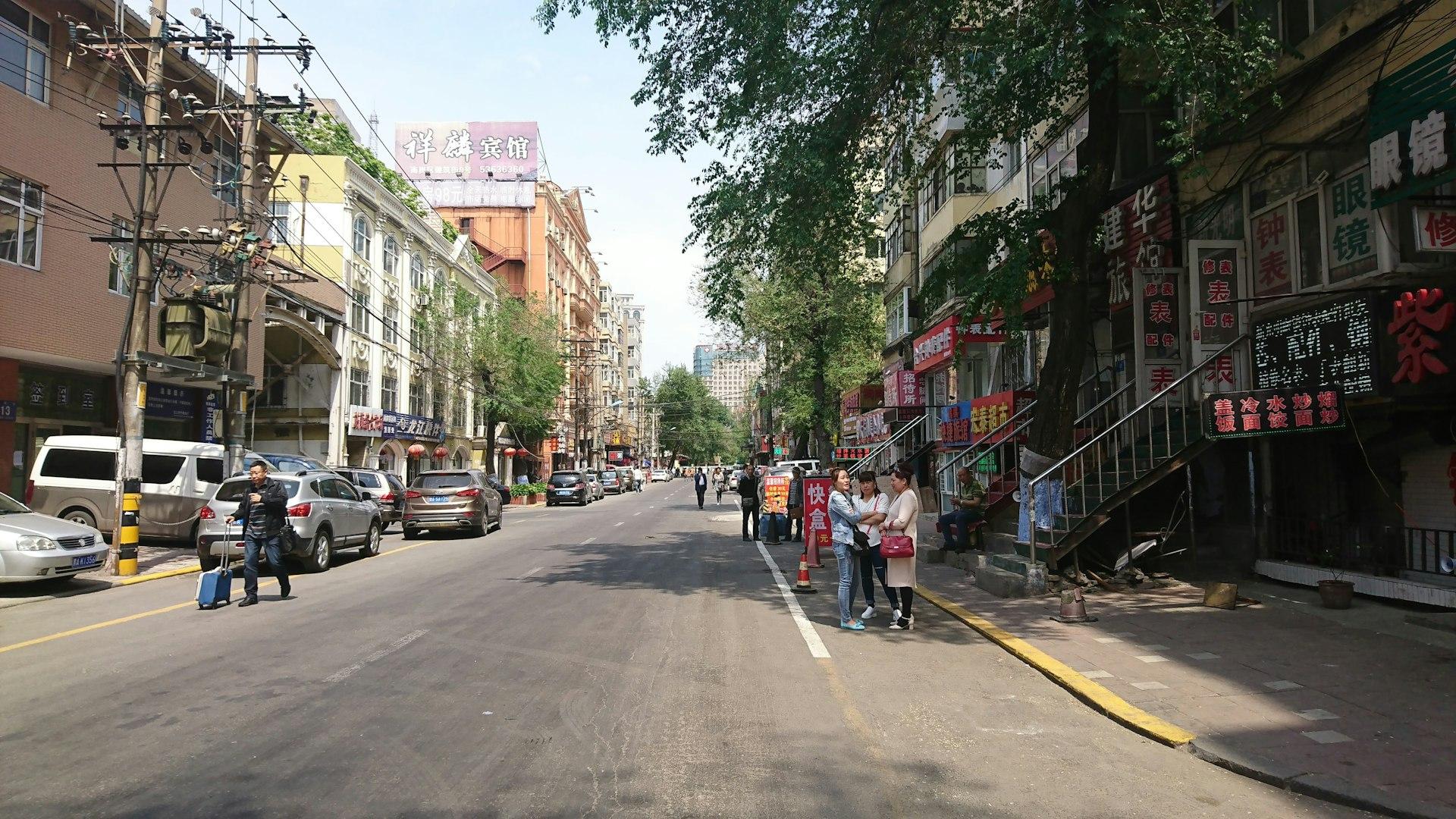
Harbin hotels
China · 14 hotels
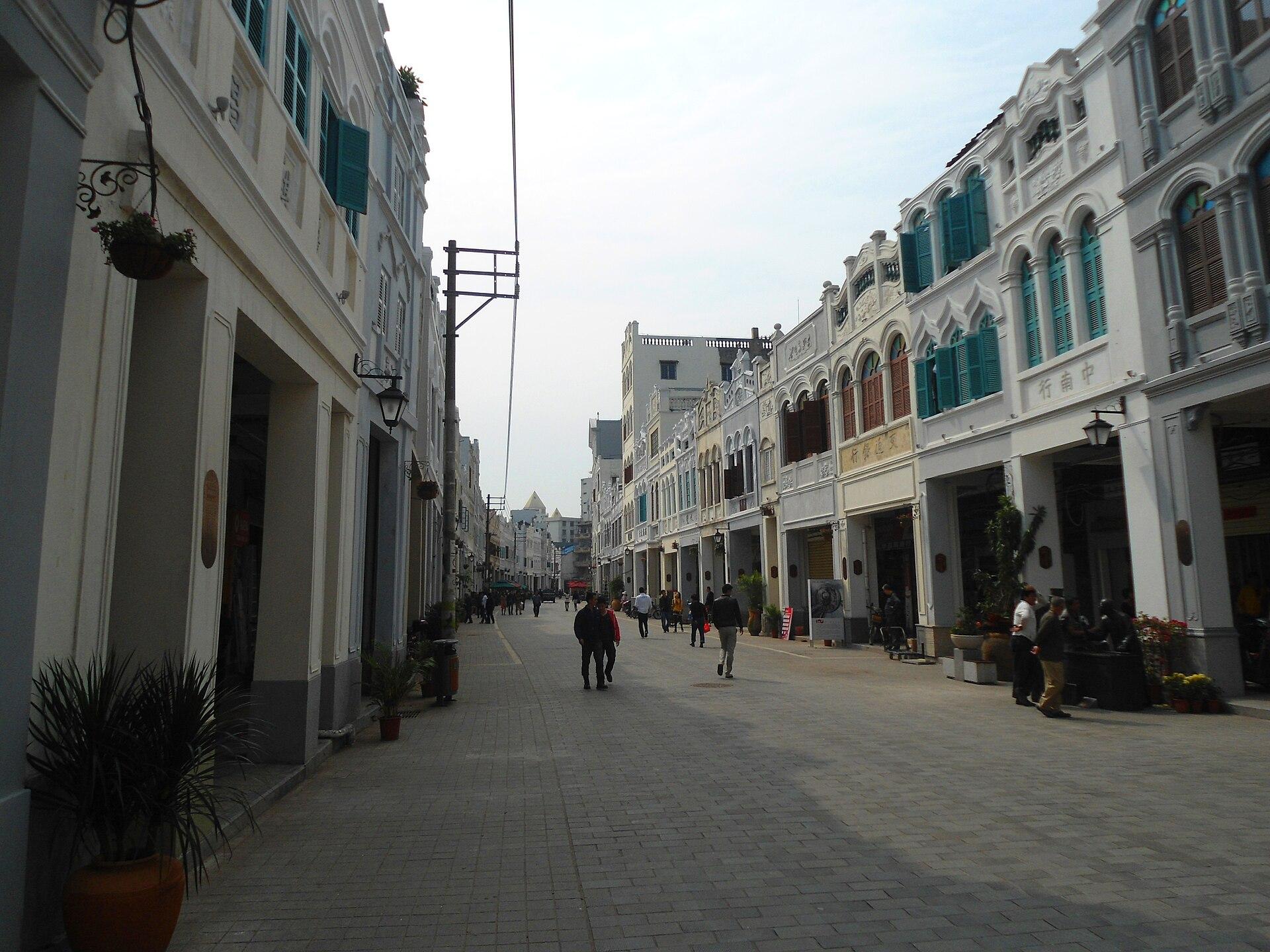
Haikou hotels
China · 11 hotels

Pingyao hotels
China · 11 hotels
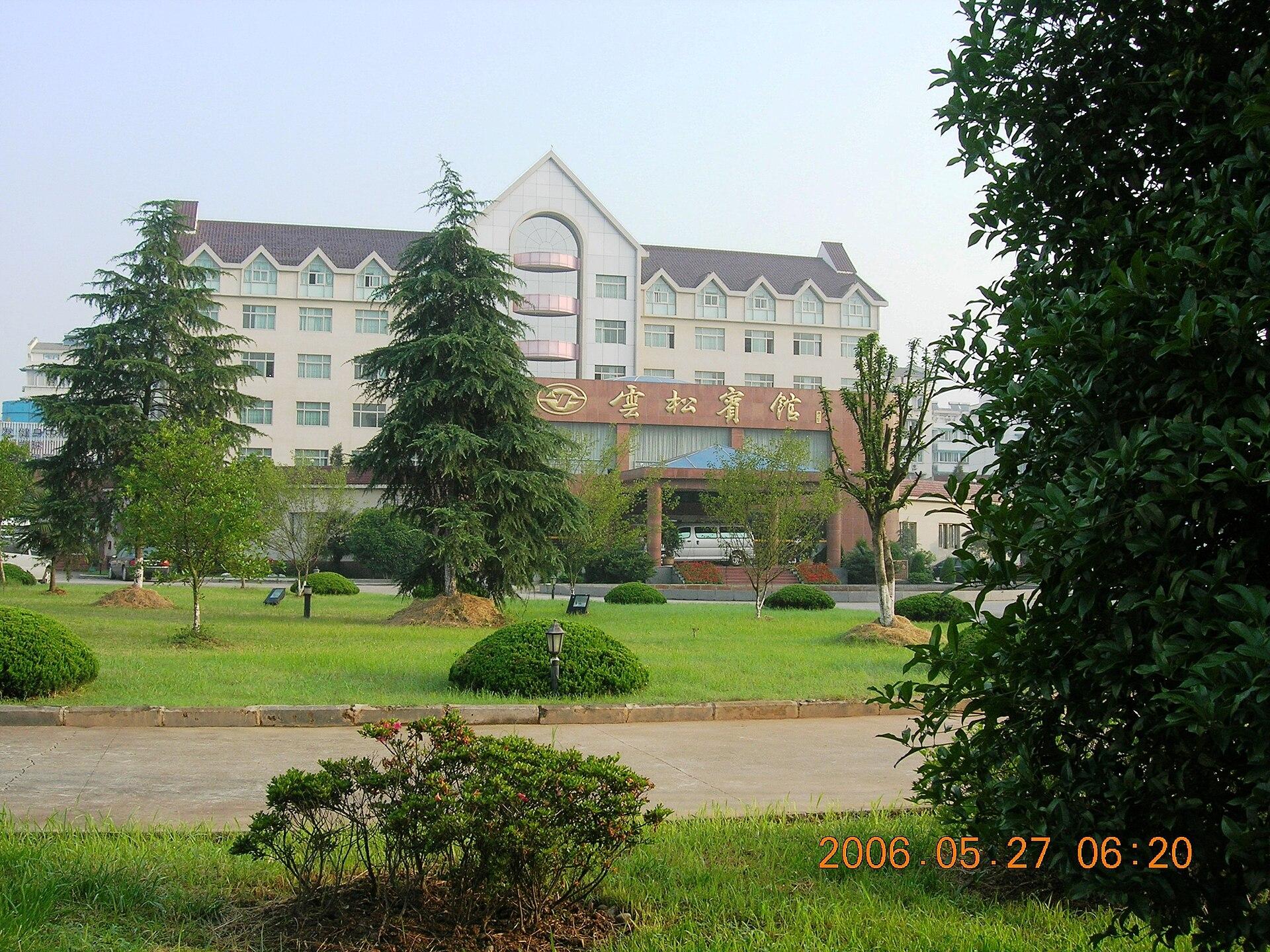
Huangshan hotels
China · 7 hotels
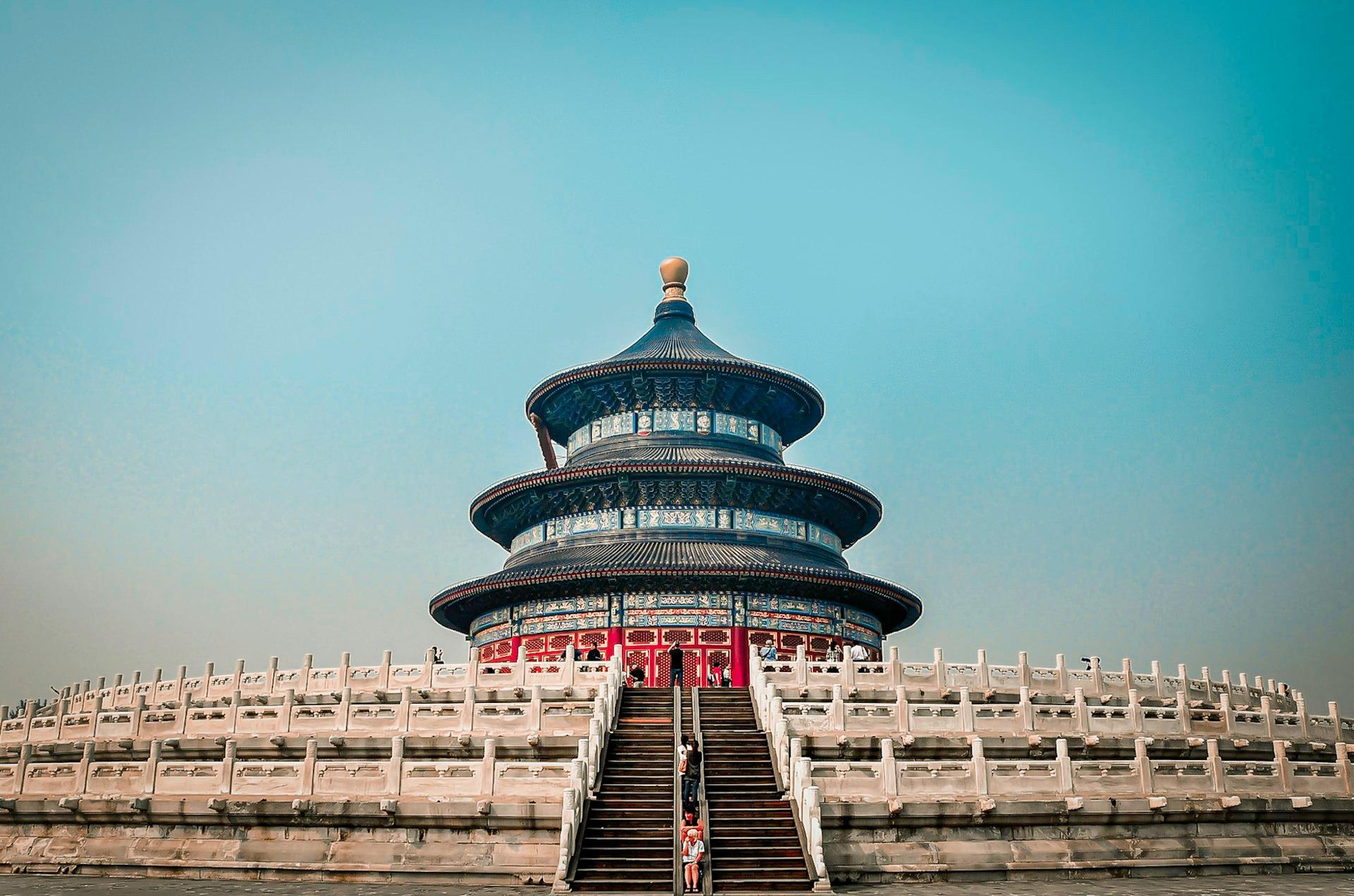
Beijing hotels
China · 6 hotels
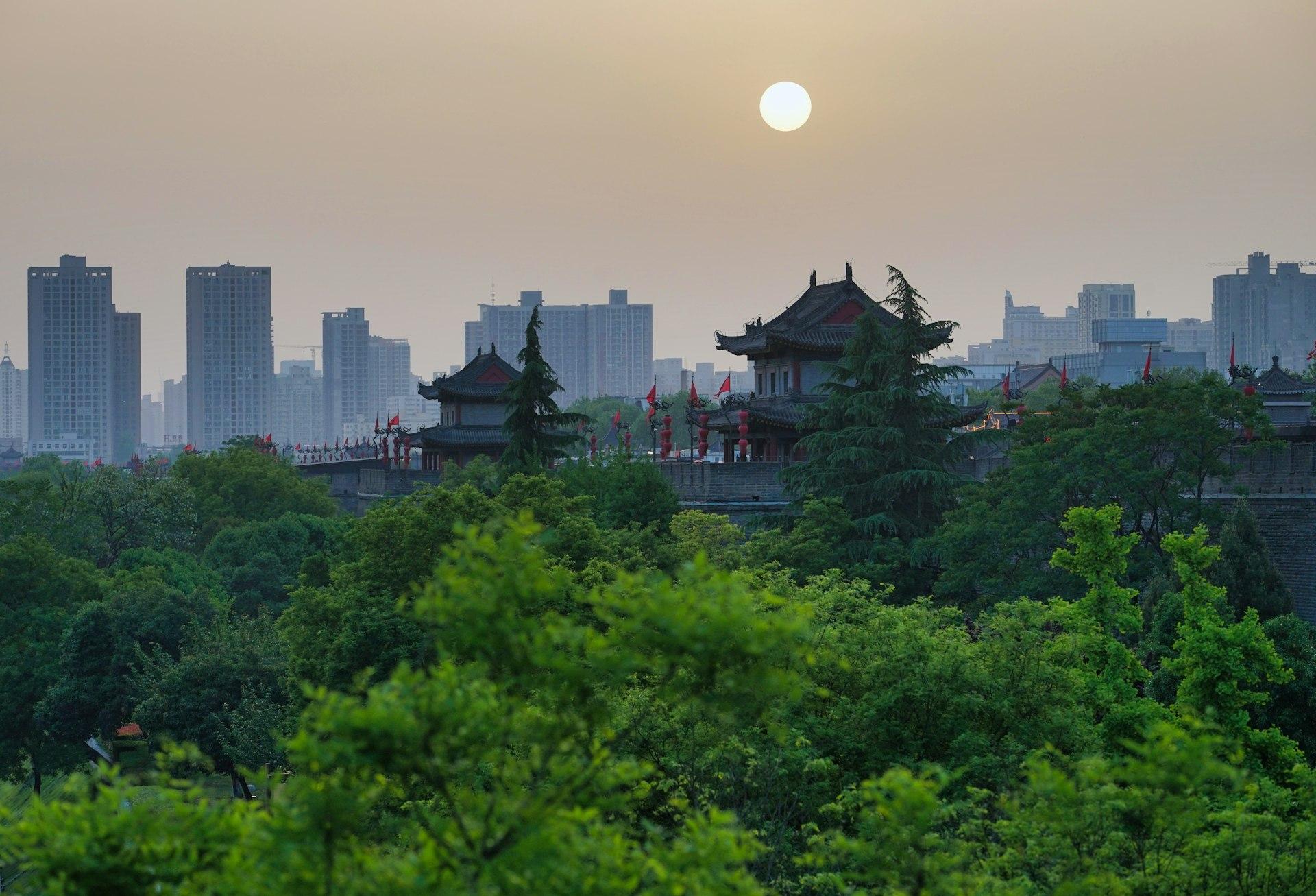
Xi'an hotels
China · 5 hotels

Hangzhou hotels
China · 3 hotels
Dunhuang hotels
China · 3 hotels
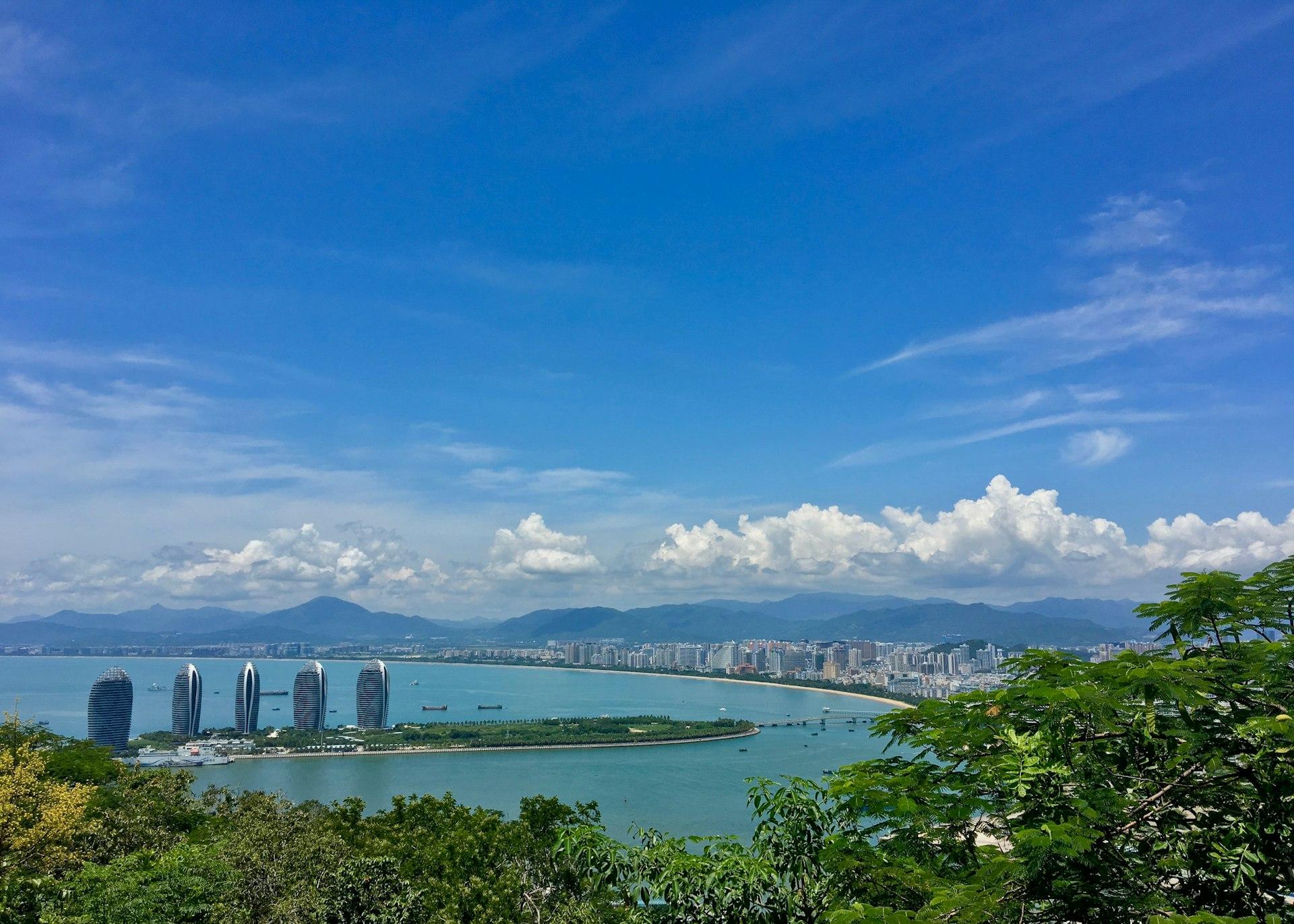
Sanya hotels
China · 2 hotels
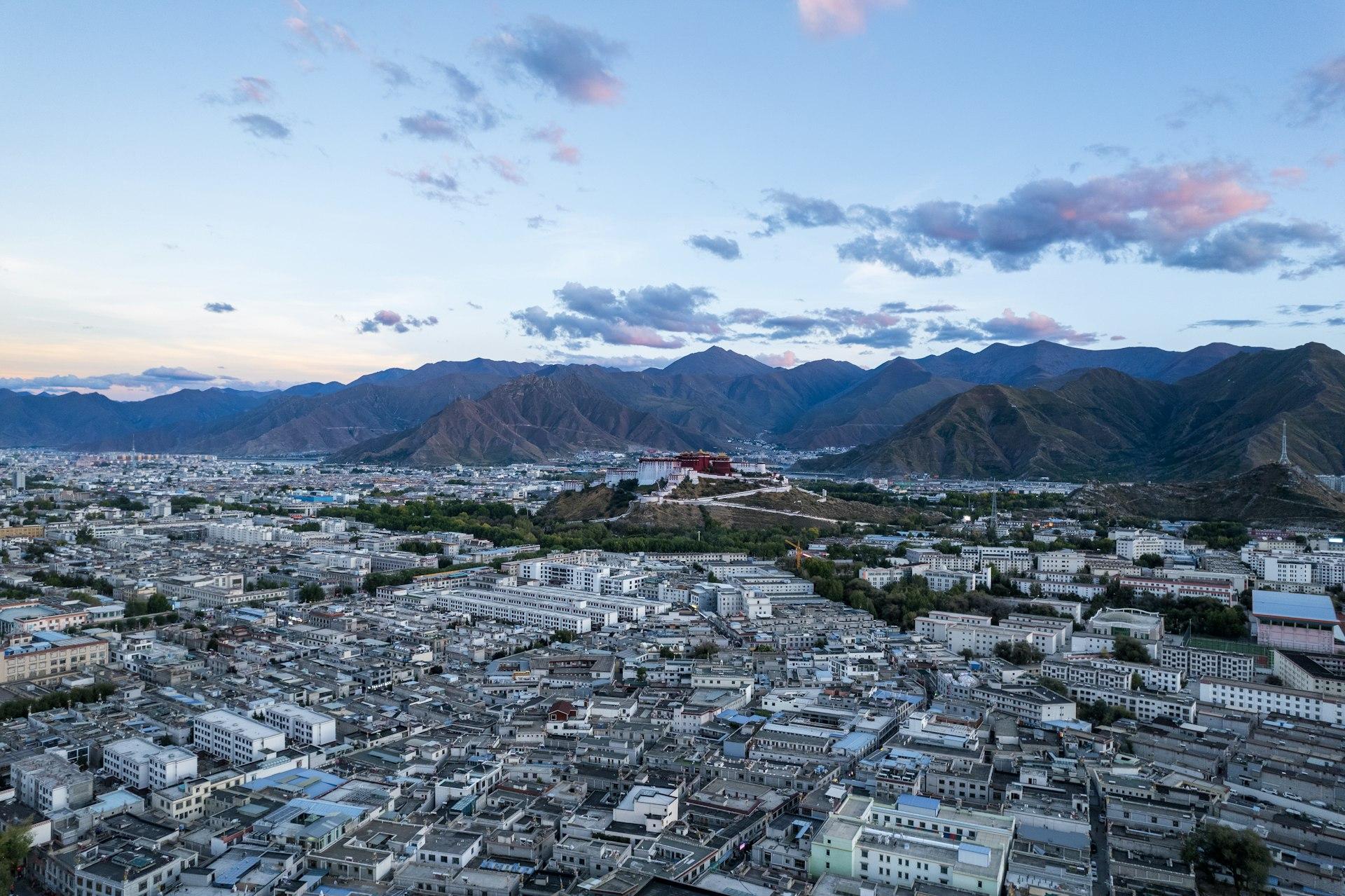
Lhasa hotels
China · 1 hotels
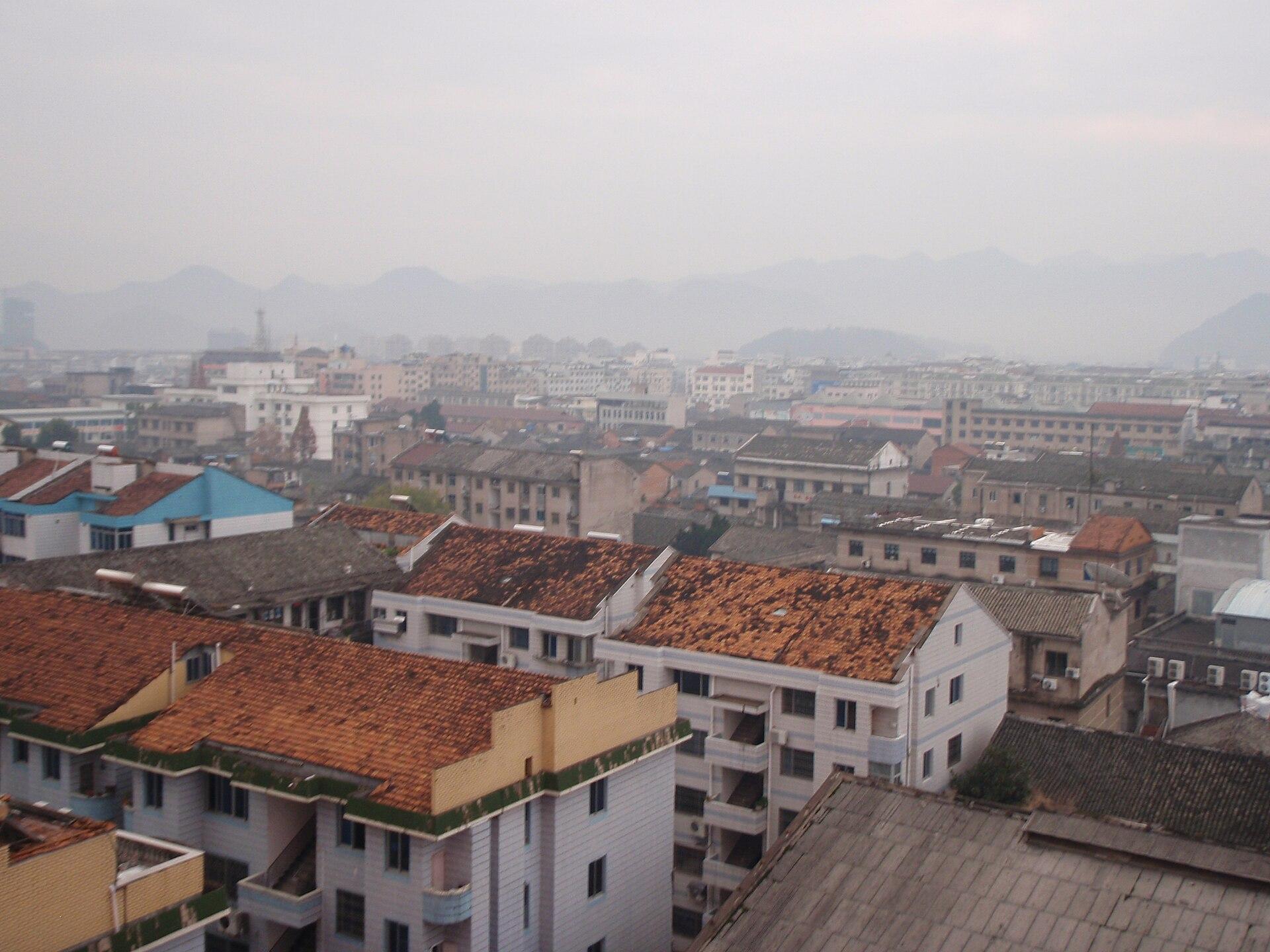
Xianju hotels
China · 1 hotels