
Hotels in Malaysia
16 cities · 102 hotels
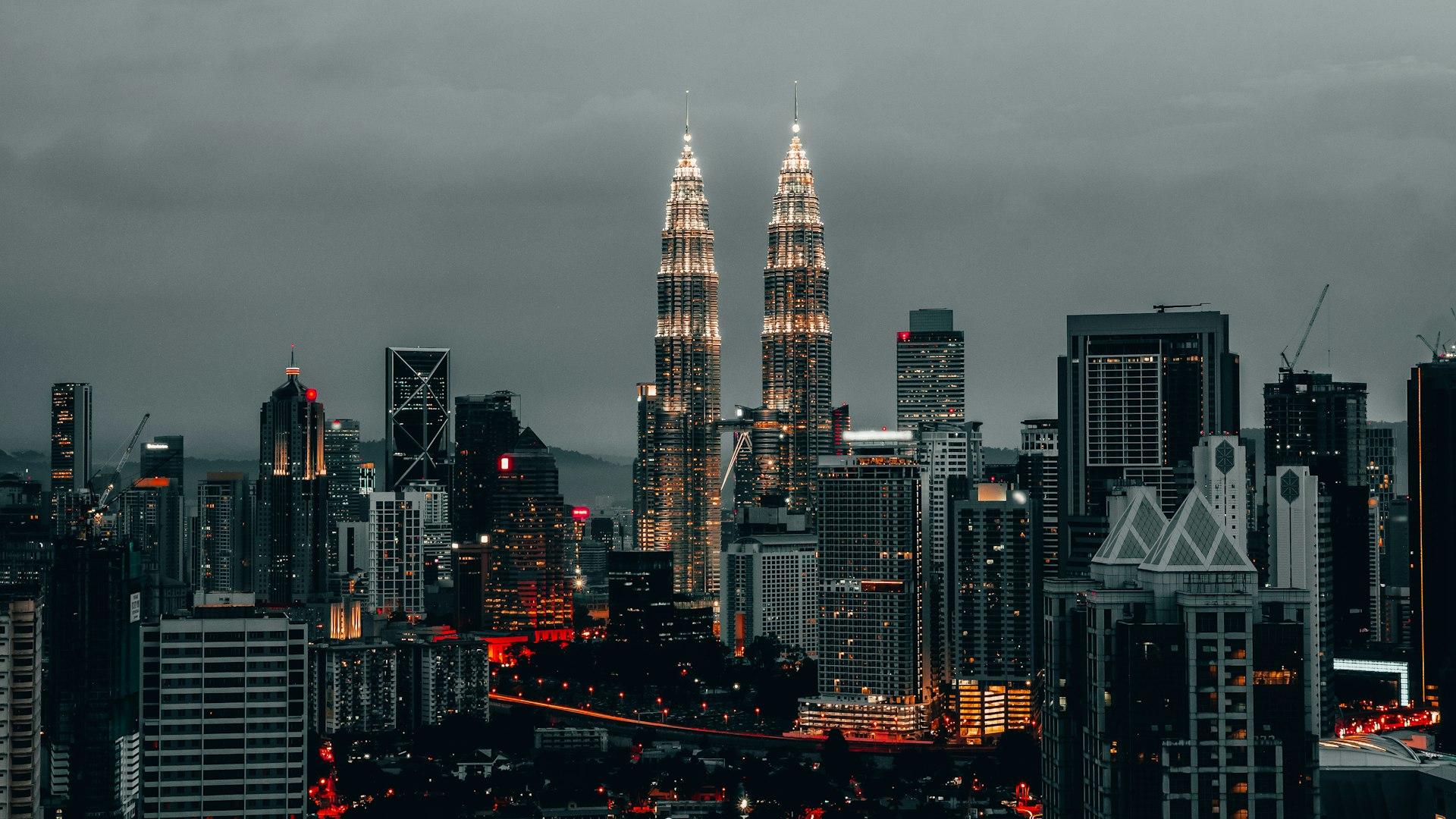
Photo by Chander Mohan on Unsplash
Malaysia splits across the South China Sea into Peninsular Malaysia and Borneo's Sabah and Sarawak, with Kuala Lumpur's Petronas Towers (completed 1998, 452 meters) anchoring the capital's skyline. The country runs on a monsoon calendar: the west coast (Langkawi, Penang) stays dry roughly November to March, while the east coast (Perhentian Islands, Tioman) closes many resorts during the November-February monsoon.
Malaysia: Peninsula and Borneo Contrasts
George Town on Penang island holds UNESCO World Heritage status since 2008 for its shophouse rows along Lebuh Armenian and Chulia Street, mixing Hokkien clan houses with colonial-era buildings from the British Straits Settlements period. Melaka, 148 km south of Kuala Lumpur, shares that same 2008 listing for its Portuguese, Dutch, and British layers along the Melaka River. Kuala Lumpur itself centers on the Golden Triangle (Bukit Bintang, KLCC) for shopping and nightlife, with the Batu Caves limestone temple 13 km north.
Cities Worth Exploring
Kota Kinabalu, capital of Sabah, sits at the base of Mount Kinabalu (4,095 meters), the highest peak in Southeast Asia outside the Himalayas, and serves as the jump-off point for Sipadan diving trips off the east coast. Kuching, Sarawak's capital on the Sarawak River, pairs orangutan viewing at Semenggoh Nature Reserve with a waterfront lined by Chinese shophouses and the Astana palace. Johor Bahru, across the Causeway from Singapore, functions as a budget alternative for travelers crossing between the two countries.
Borneo's Rainforest and Reef Draw
Sabah and Sarawak together hold rainforest estimated at over 130 million years old, older than the Amazon basin. Danum Valley and the Kinabatangan River offer orangutan and pygmy elephant sightings, while Sipadan, gazetted a marine park since 2004 with a daily diver quota, ranks among the region's steepest wall dives. Diving here typically pairs with a stay in nearby Semporna or Mabul rather than on Sipadan itself, where overnight stays are restricted.
Practical Tips for Visiting Malaysia
- Getting around: Domestic flights connect Peninsular Malaysia to Sabah and Sarawak in under two and a half hours; the ETS train links Kuala Lumpur to Ipoh and Butterworth.
- When to go: Visit the west coast November through March for dry weather; avoid the east coast peninsula during the November-February monsoon.
- Currency and language: Malaysian ringgit (MYR) is the currency; Bahasa Malaysia is official, English is widely spoken in tourist areas.
- Visa notes: Many nationalities receive visa-free entry for stays up to 90 days; confirm requirements before booking.
- Regional split: Sabah and Sarawak require passport checks even for domestic travelers arriving from the peninsula.
Frequently Asked Questions
Q: What is the best time to visit Malaysia? A: The west coast, including Langkawi and Penang, stays driest from November to March. The east coast peninsula, including the Perhentian Islands, sees monsoon rains and resort closures from November through February.
Q: Are Peninsular Malaysia and Borneo very different? A: Yes. The peninsula holds Kuala Lumpur, Penang, and Melaka's colonial-era heritage sites, while Sabah and Sarawak on Borneo offer rainforest, Mount Kinabalu, and diving at Sipadan.
Q: How do travelers get between Kuala Lumpur and Borneo? A: Direct flights from Kuala Lumpur to Kota Kinabalu or Kuching run under two and a half hours on AirAsia and Malaysia Airlines.
Q: Is Sipadan accessible by an overnight stay? A: No. Overnight stays on Sipadan island are restricted under its marine park status; divers base themselves in Semporna or on Mabul island instead.
Cities in Malaysia
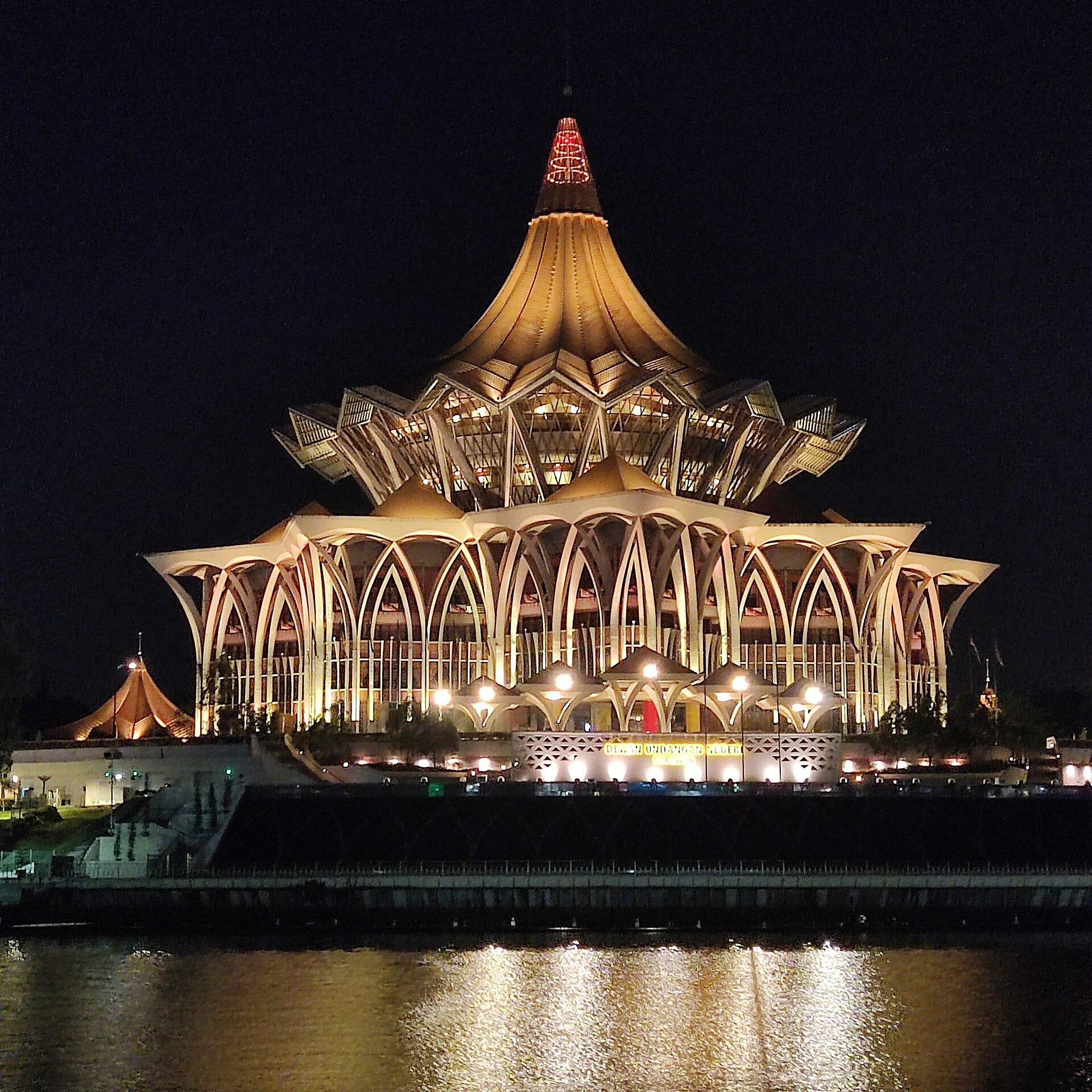
Kuching hotels
Malaysia · 29 hotels
Kuala Lumpur hotels
Malaysia · 22 hotels
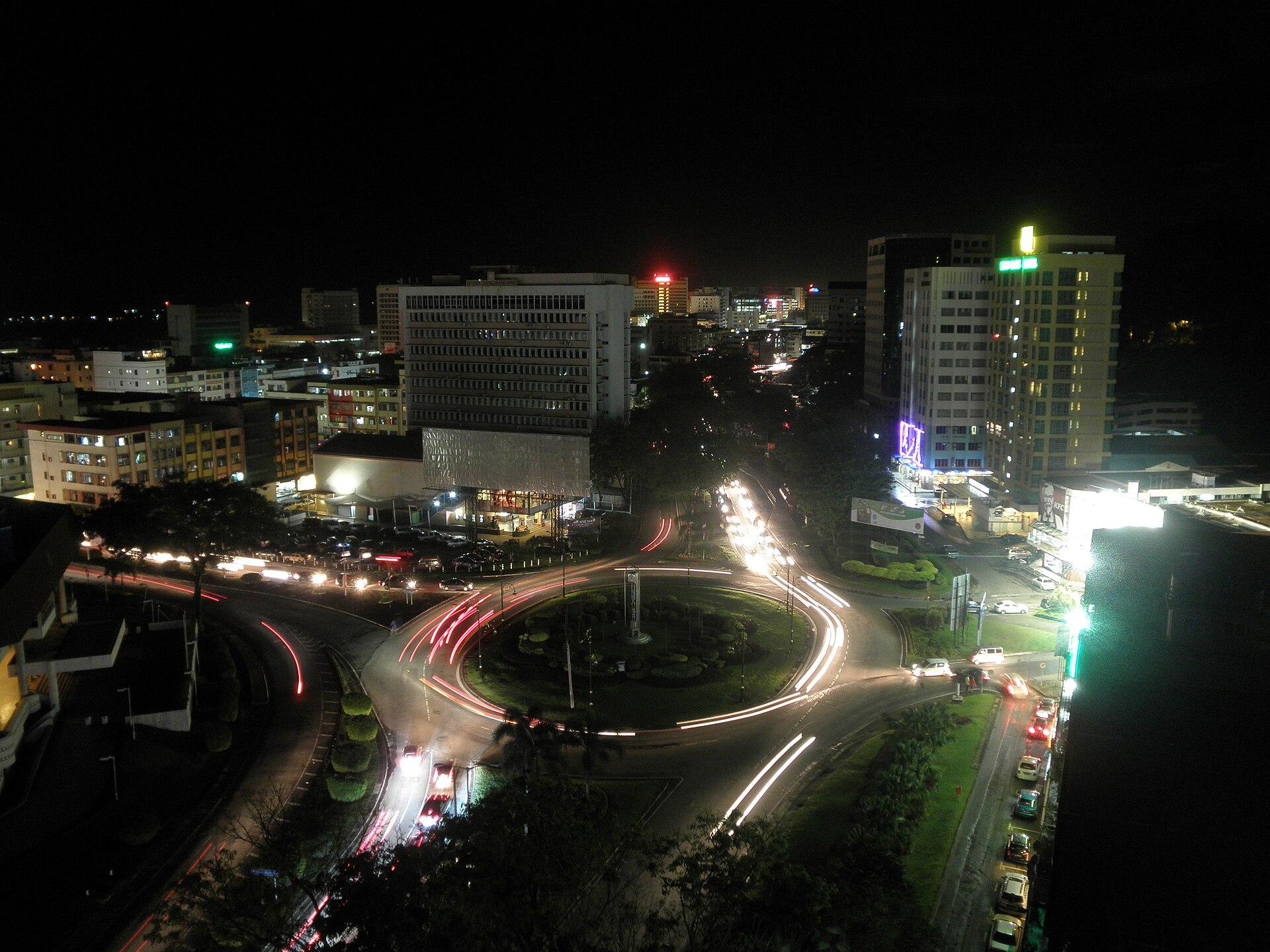
Kota Kinabalu hotels
Malaysia · 20 hotels
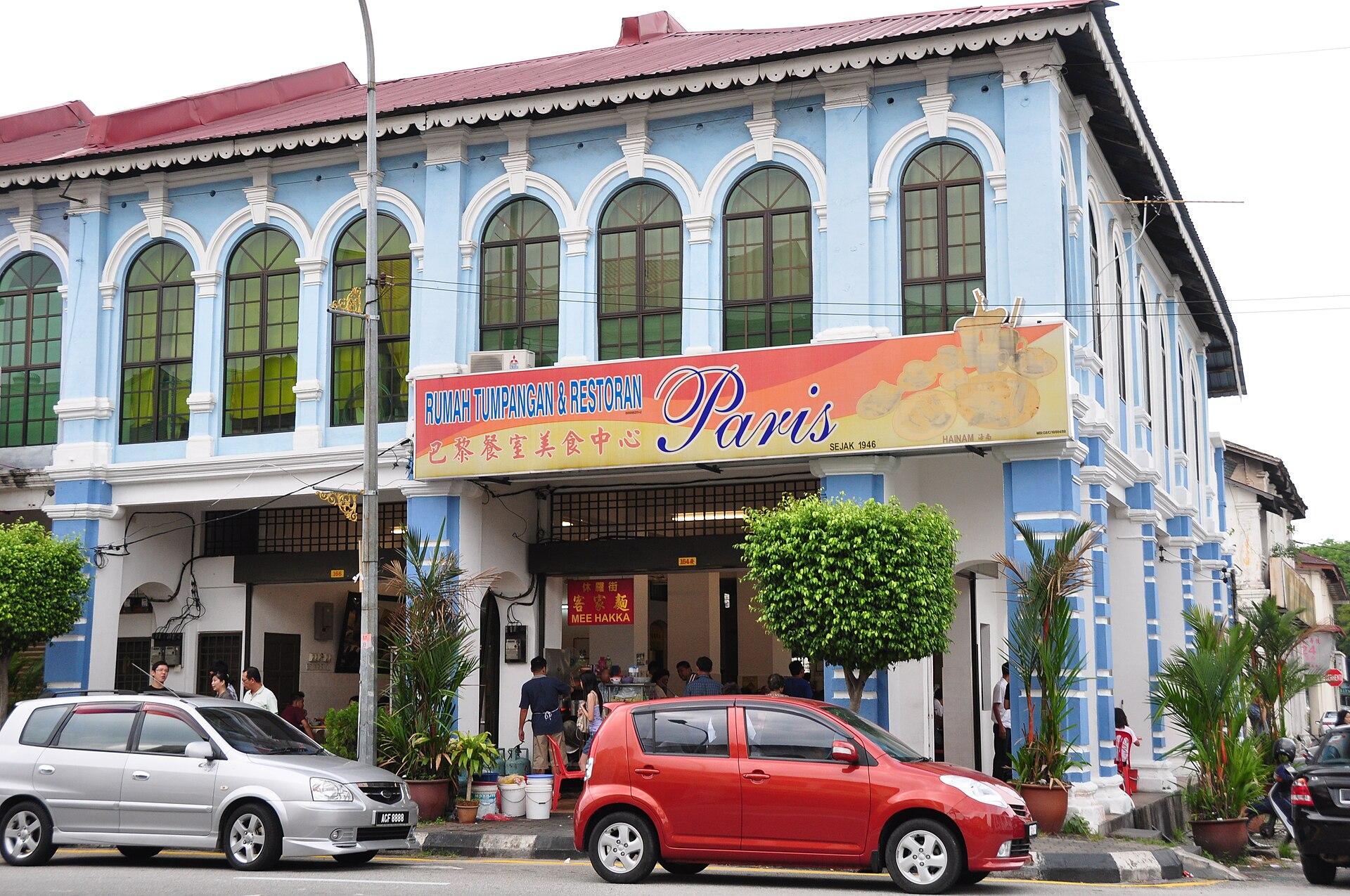
Ipoh hotels
Malaysia · 5 hotels
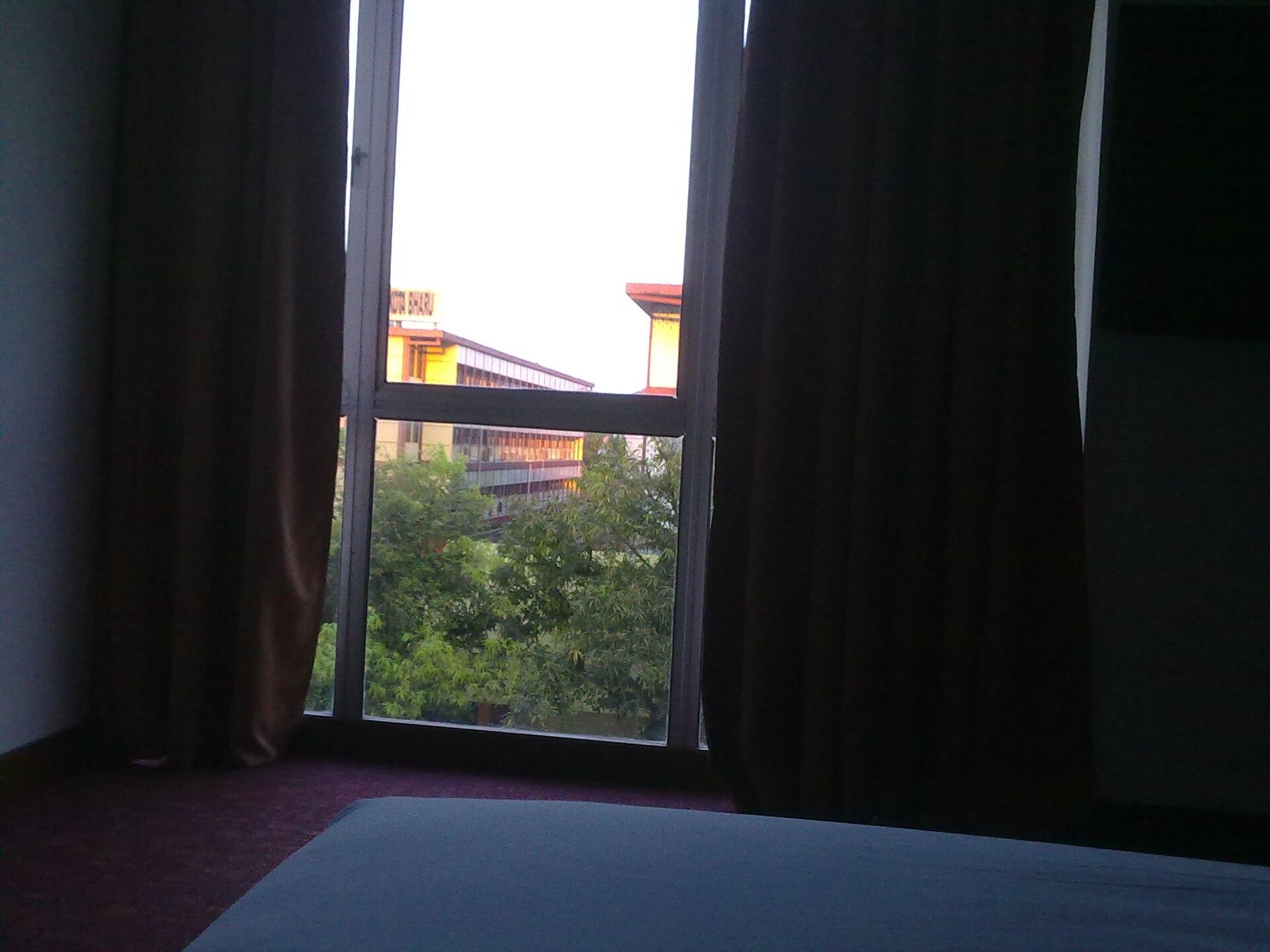
Kota Bharu hotels
Malaysia · 5 hotels
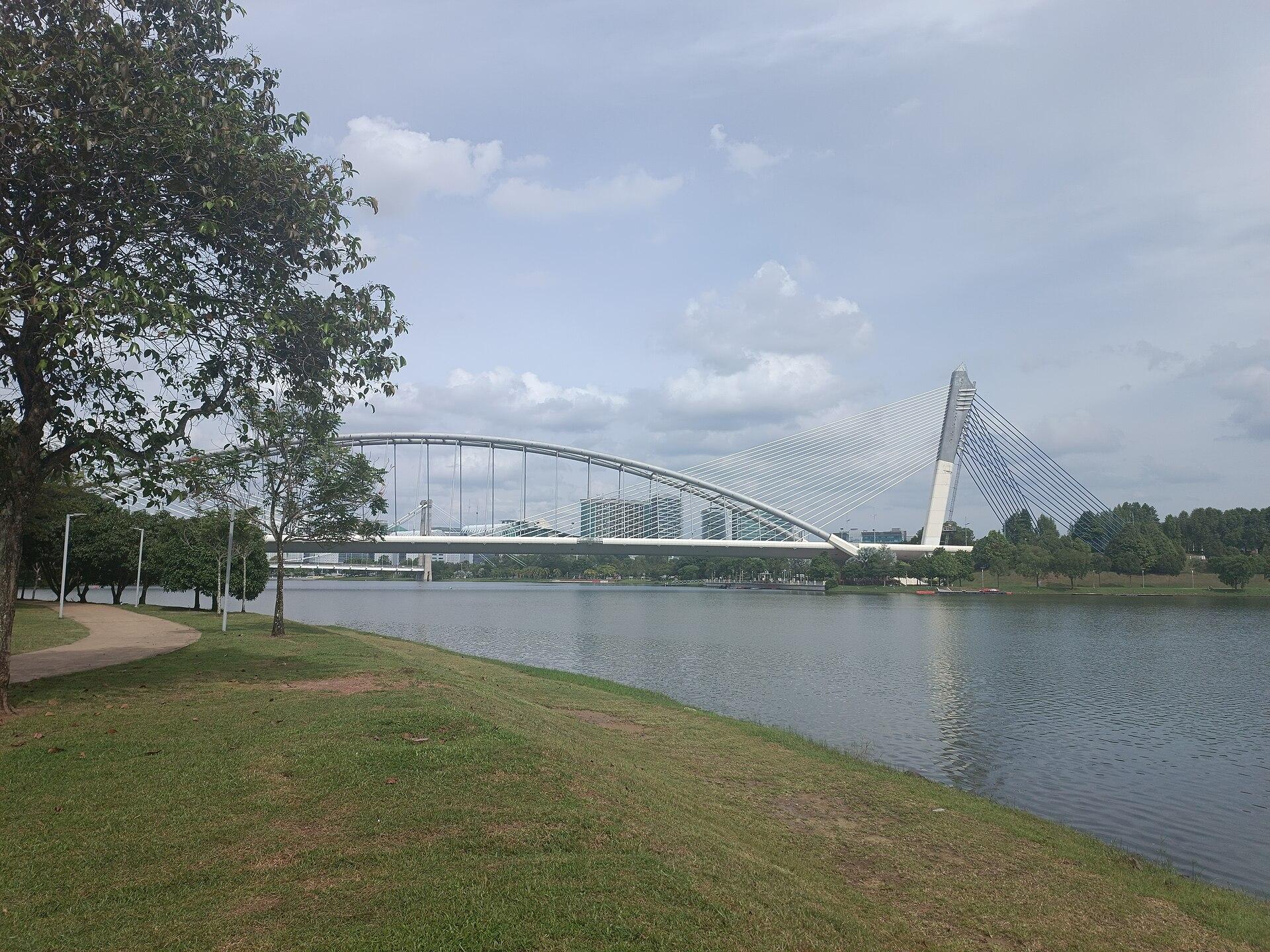
Putrajaya hotels
Malaysia · 4 hotels
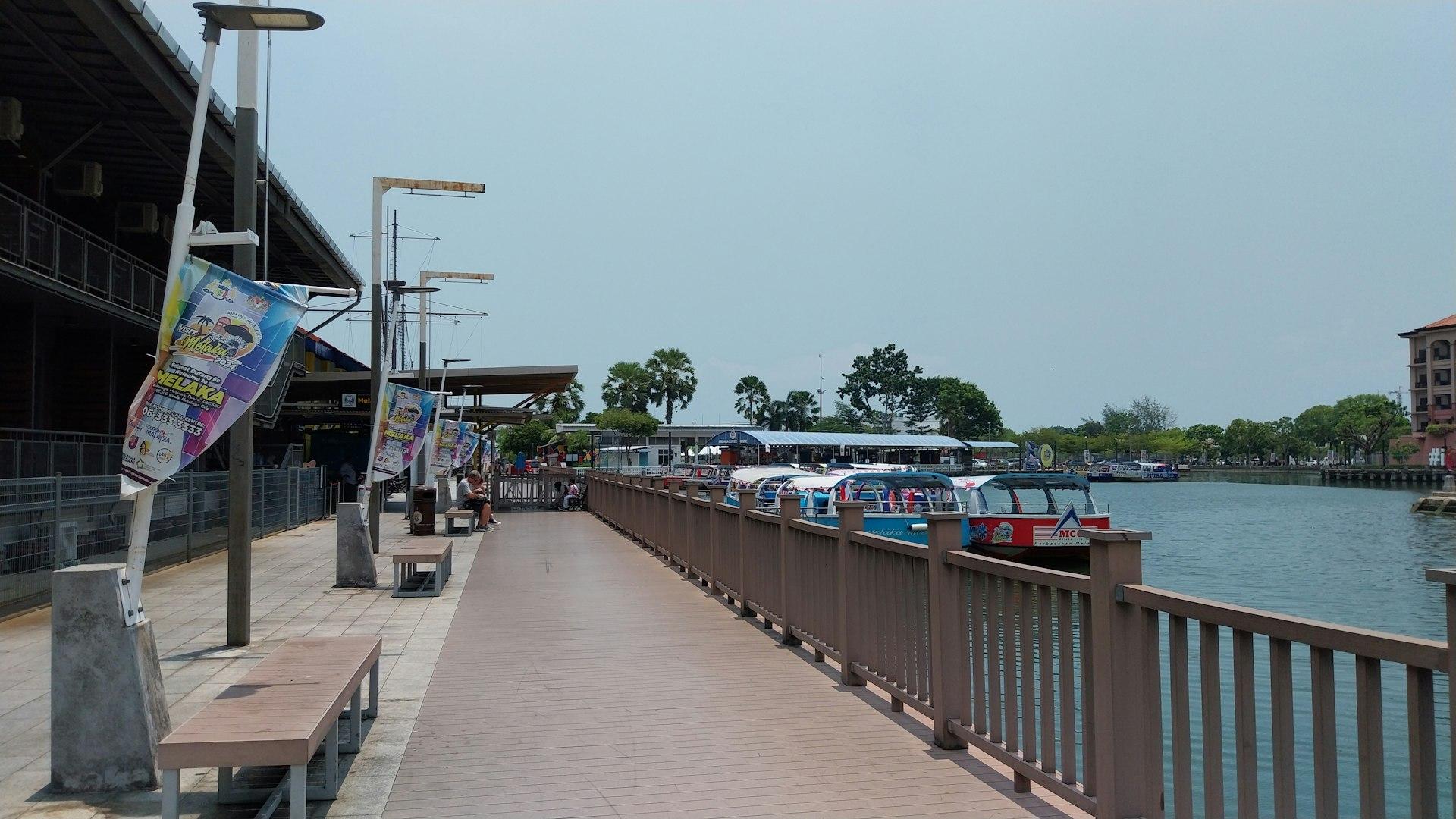
Malacca hotels
Malaysia · 3 hotels
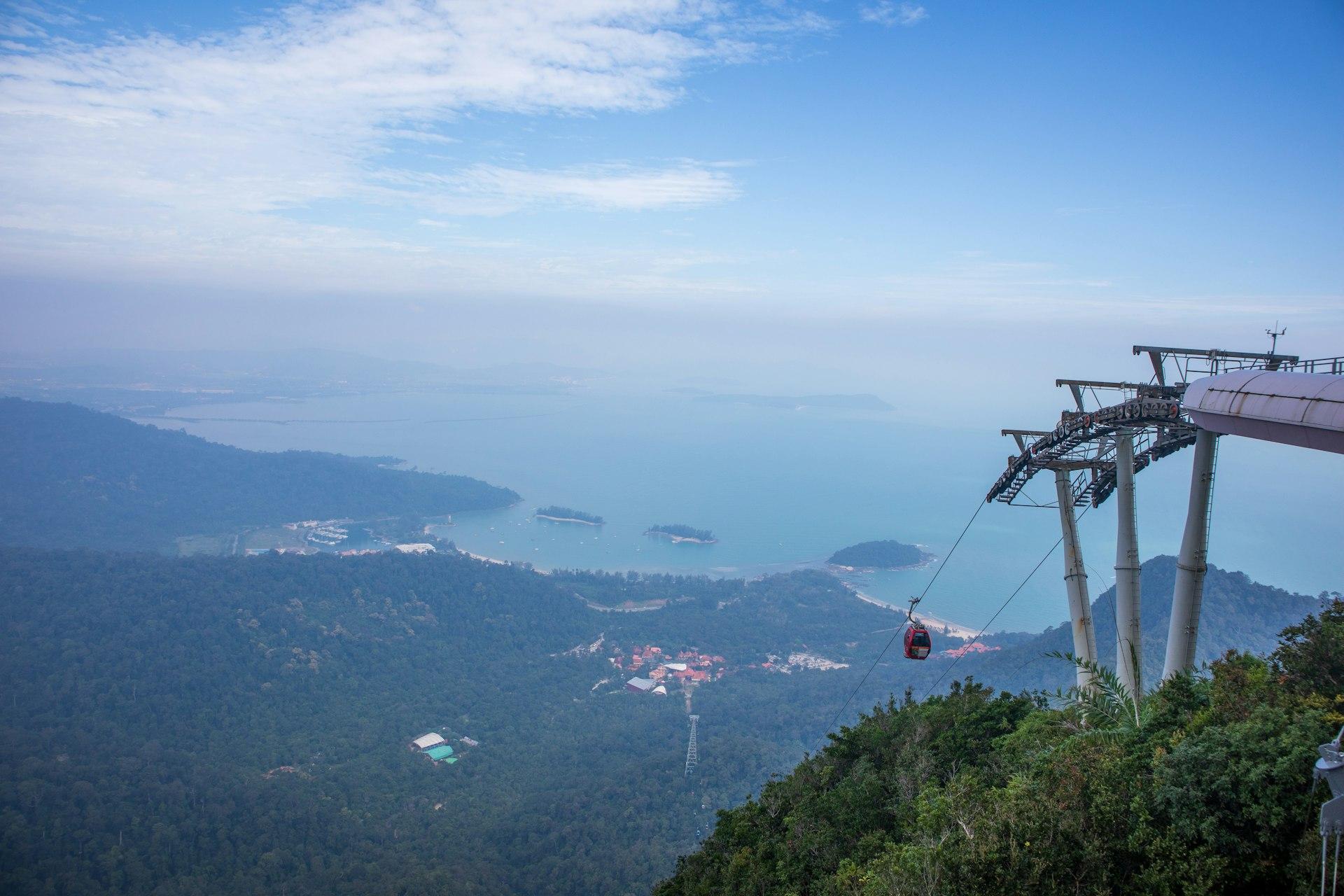
Langkawi hotels
Malaysia · 3 hotels
Padang Besar hotels
Malaysia · 3 hotels

Genting Highlands hotels
Malaysia · 2 hotels
George Town hotels
Malaysia · 2 hotels
Cameron Highlands hotels
Malaysia · 2 hotels
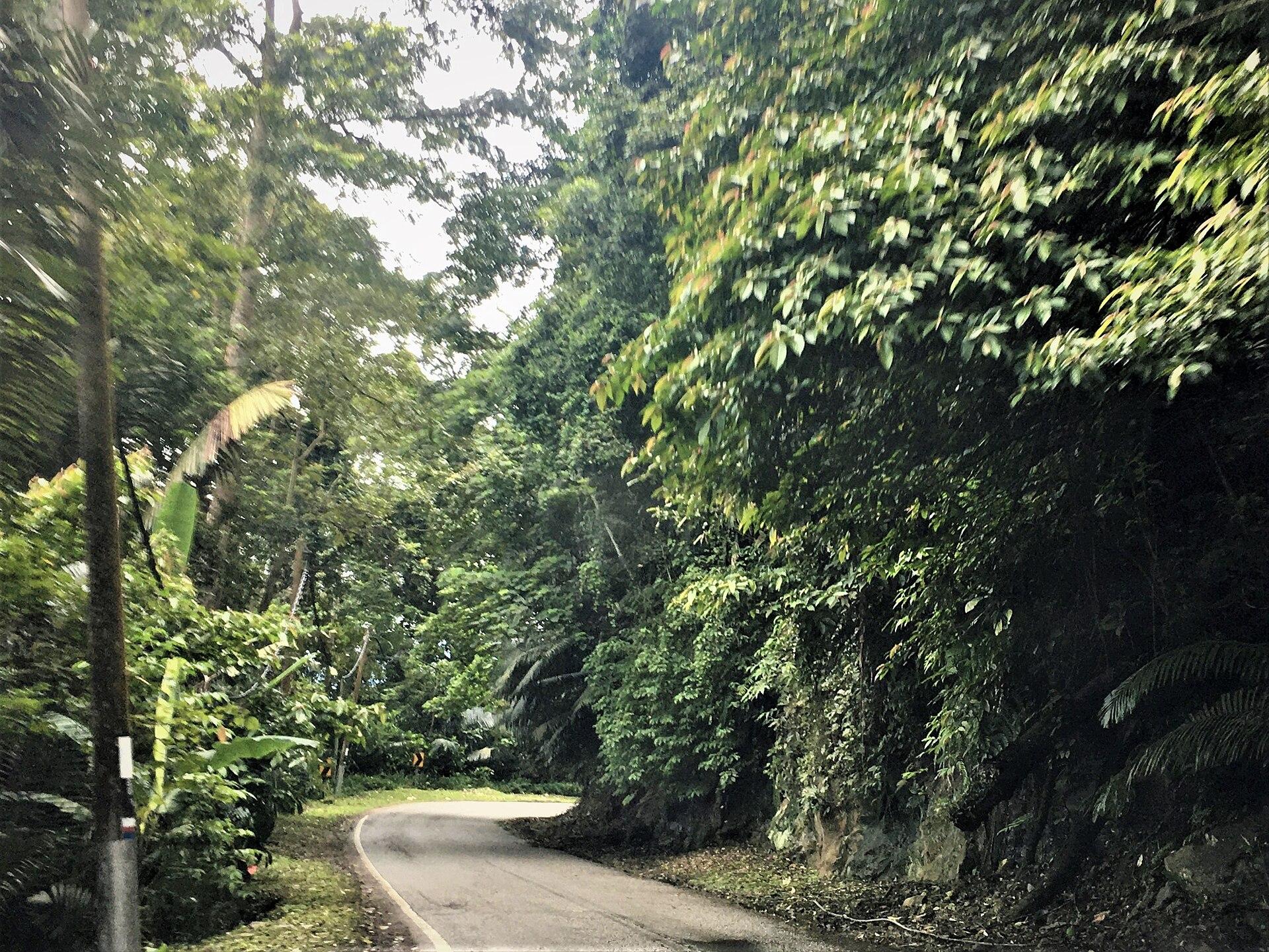
Bukit Tinggi hotels
Malaysia · 1 hotels
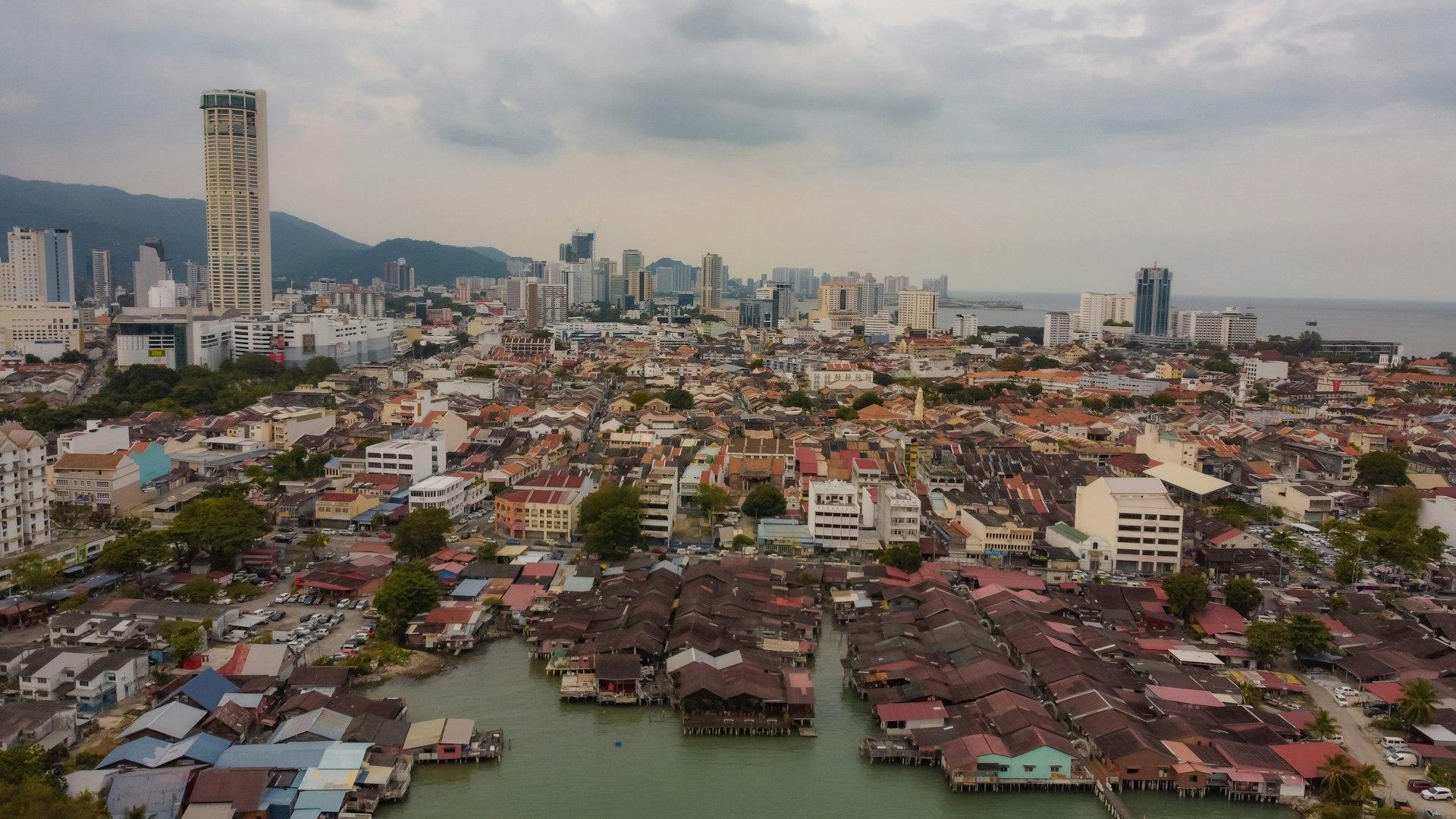
Penang hotels
Malaysia · 1 hotels