Hotels in Israel
7 cities · 70 hotels
Photo by Anton Mislawsky on Unsplash
Israel: Ancient Crossroads of Three Continents
Israel occupies a narrow strip of land — roughly 470 km from north to south — where Africa, Asia, and Europe meet at the eastern edge of the Mediterranean. Within that compact geography, travelers move between 3,000-year-old walled cities, desert canyons, fertile valleys, and a modern tech-driven coastline in the space of a single day's drive. Jerusalem, Tel Aviv, Haifa, and the northern Galilee region each offer a distinct character, and together they anchor the country's hotel network of more than 50,000 registered rooms.
Cities Worth Exploring
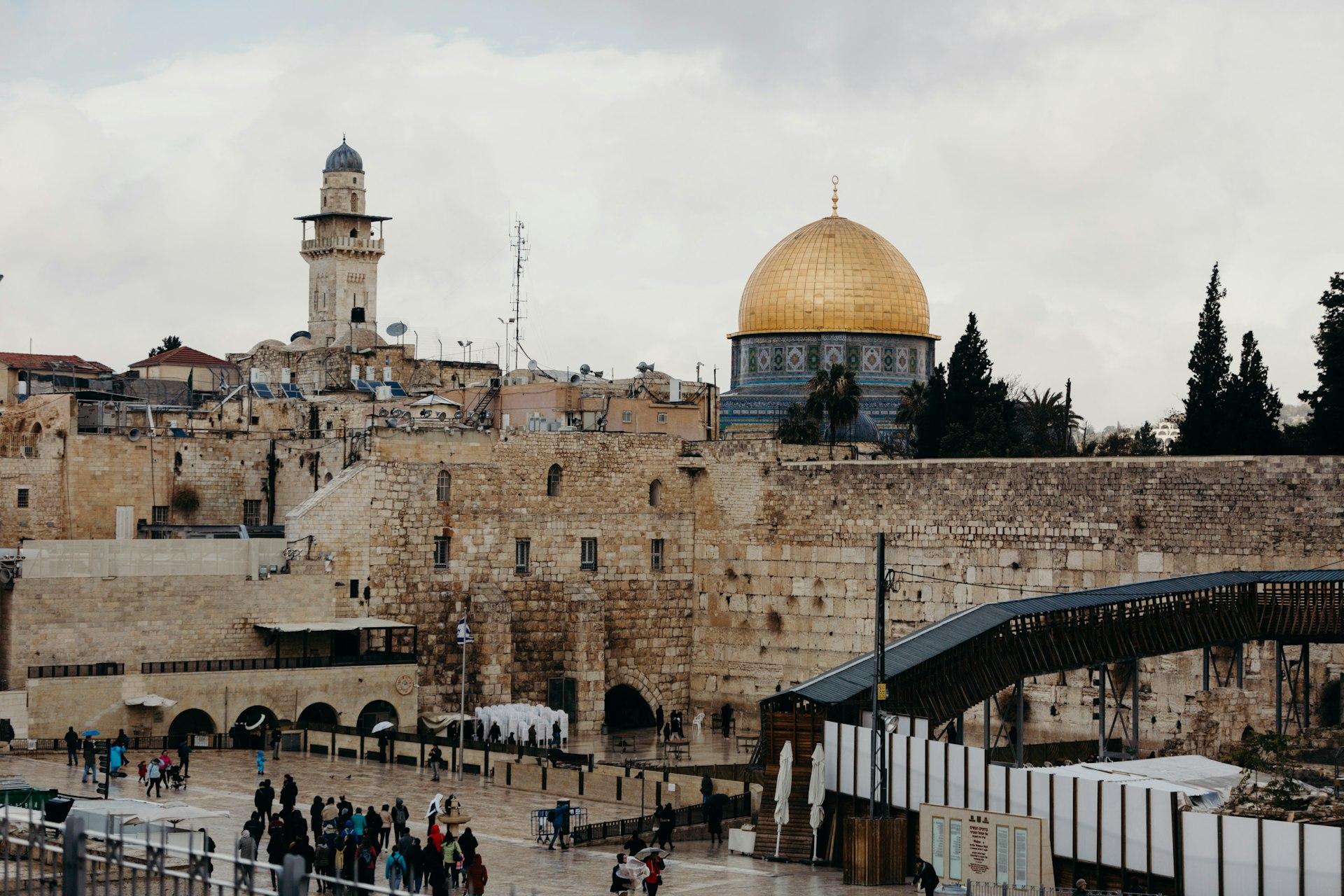
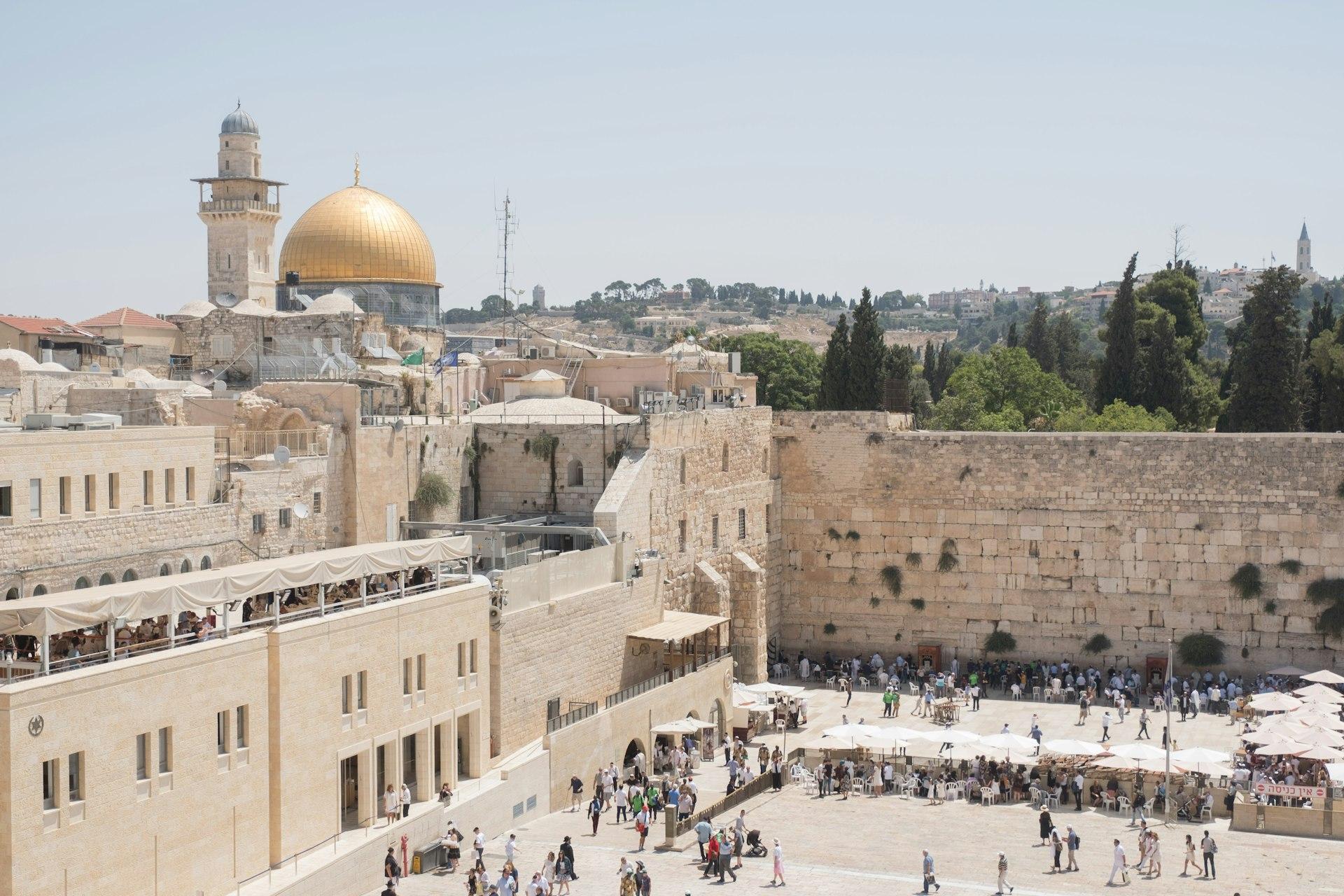
Jerusalem holds the Old City, a 0.9 km² UNESCO World Heritage Site containing the Western Wall, the Church of the Holy Sepulchre, and the Dome of the Rock — three of the world's most significant religious sites within walking distance of each other. Hotels cluster around Mamilla, the German Colony, and East Jerusalem, each neighborhood offering a different price tier and proximity to the walls.
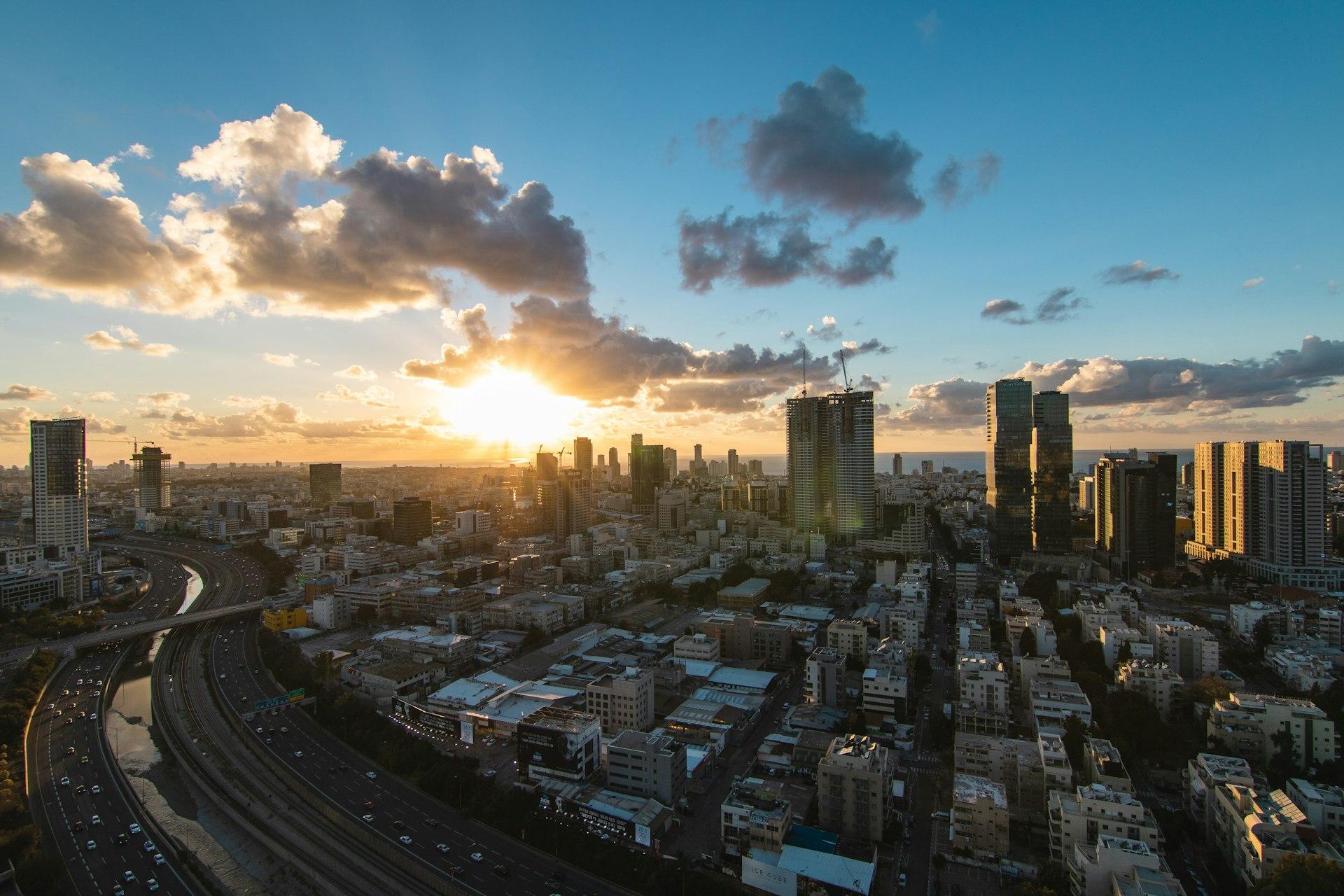
Tel Aviv, founded in 1909 on the sand dunes north of Jaffa, is a different proposition entirely. The White City — a collection of over 4,000 Bauhaus buildings declared a UNESCO site in 2003 — sits alongside the nightlife strip of Rothschild Boulevard and the seafront promenade of Gordon Beach. Most 4-star and 5-star coastal hotels concentrate on HaYarkon Street, within 200 m of the Mediterranean.
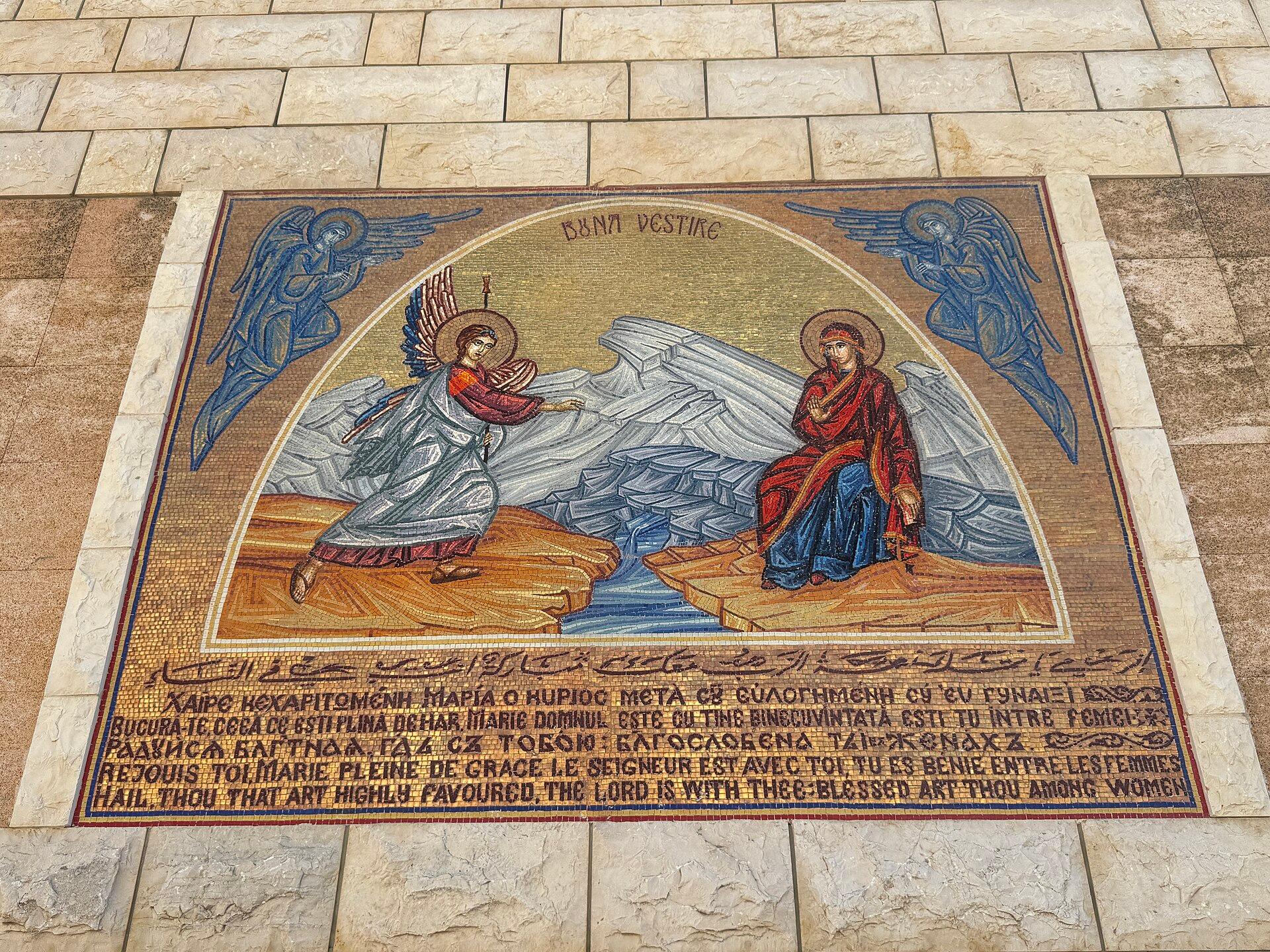
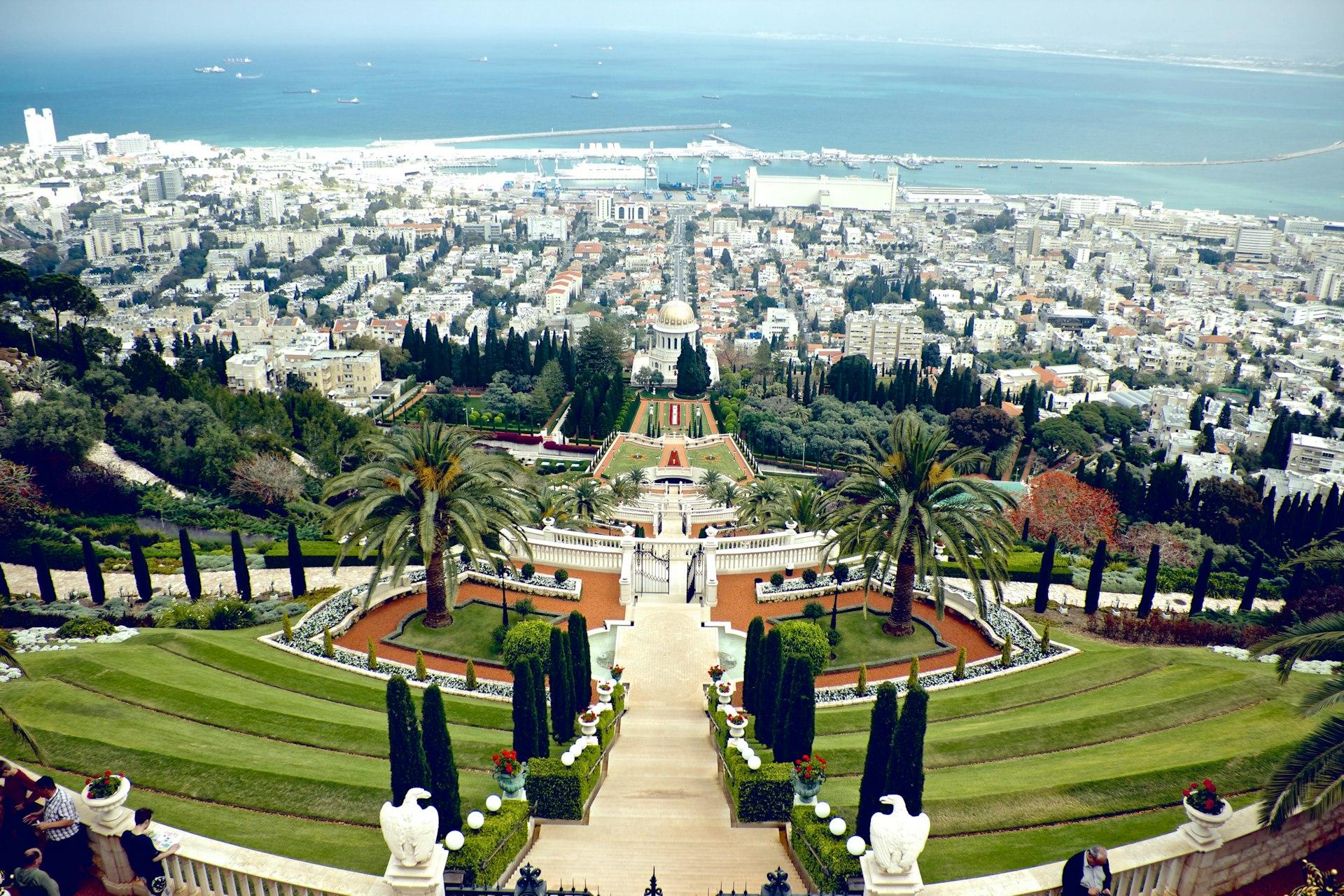
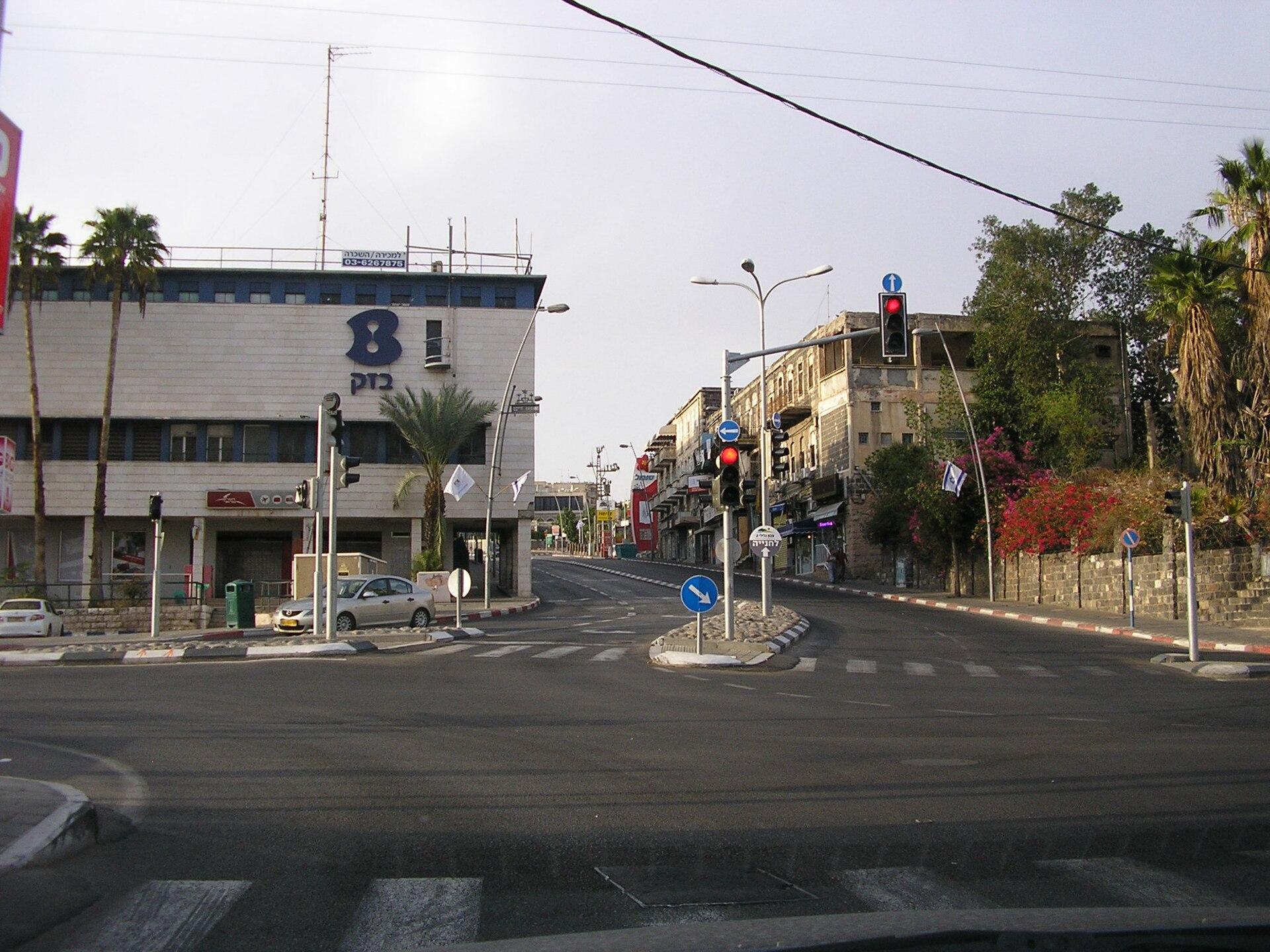
Haifa climbs Mount Carmel from the port to the Baha'i Gardens, a 19-terrace hillside monument that descends 300 m toward Hadar and the German Colony below. The city is the gateway to the Galilee, where Nazareth, Tiberias on the Sea of Galilee, and the ancient synagogues of Tzfat (Safed) draw religious pilgrims and history travelers year-round.
Regional Depth: Desert South and Dead Sea
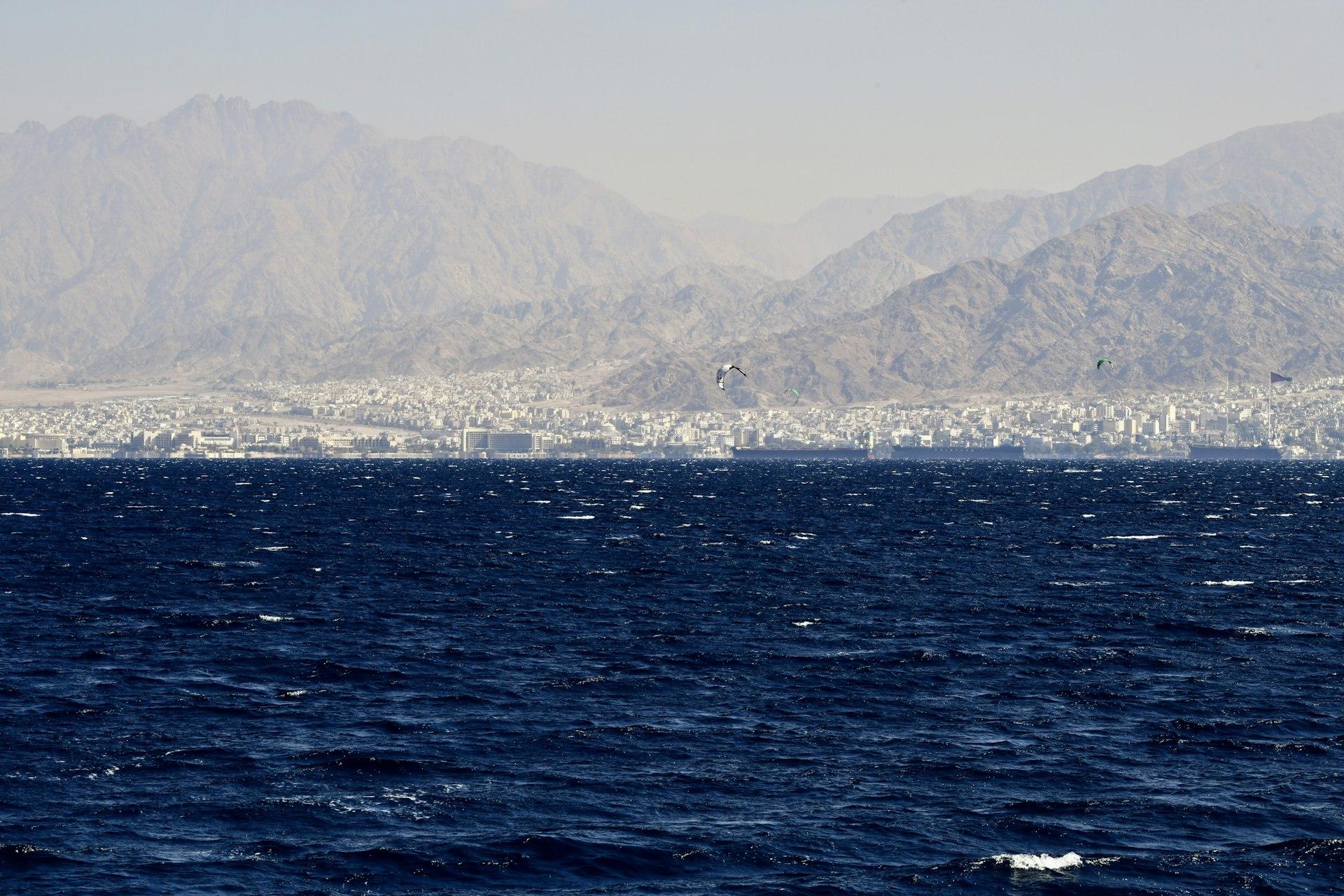
The Negev Desert covers roughly 60% of Israel's land area. Mitzpe Ramon sits on the rim of the Ramon Crater (Makhtesh Ramon), the world's largest erosion crater at 40 km long and 500 m deep. Eilat, at the southern tip on the Red Sea, offers year-round diving on coral reefs and maintains an average winter temperature of 21 °C, making it a reliable warm-weather escape when northern Israel turns wet.
The Dead Sea shoreline — 430 m below sea level, the lowest point on Earth's surface — draws visitors to mineral spas and mud treatments. Hotels in the Ein Bokek resort strip operate at that record elevation year-round, with water salinity around 34%, preventing swimming in the conventional sense but enabling effortless floating.
When to Visit Israel
Spring (March–May) and autumn (September–November) offer the most comfortable conditions across all regions: mild temperatures, low humidity, and long daylight hours. Summer (June–August) is hot inland — Jerusalem regularly reaches 32 °C — but the coast stays breezy. The Negev and Eilat are pleasant from October through April. Passover and the High Holidays (Rosh Hashana, Yom Kippur) drive domestic travel peaks; book hotels four to eight weeks ahead during those periods.
Practical Tips for Visiting Israel
- Getting around: Intercity trains link Tel Aviv HaShalom to Jerusalem Yitzhak Navon in 35 minutes; buses cover most smaller towns. Car rental is the practical choice for the Galilee and Negev.
- Currency: The New Israeli Shekel (ILS); credit cards accepted in most hotels and restaurants.
- Entry: Most Western passport holders receive a 90-day visa-free entry stamp on arrival at Ben Gurion Airport near Lod, 20 km southeast of Tel Aviv.
- Safety briefings: Check government travel advisories before departure; border regions have variable security conditions.
- Dress codes: Pack modest clothing for visits to religious sites in Jerusalem and Nazareth — covered shoulders and knees are required at most shrines.
- Kosher observance: Many hotels offer kosher dining; Friday evening and Saturday lunch options may be limited in observant establishments.
Frequently Asked Questions
Q: What is the main international airport serving Israel? A: Ben Gurion International Airport near Lod handles the vast majority of international arrivals. It sits roughly 20 km southeast of Tel Aviv and 55 km west of Jerusalem, with rail and bus connections to both cities.
Q: Is it possible to visit both Jerusalem and Tel Aviv on the same trip? A: The two cities are 60 km apart, connected by a 35-minute express train. Most itineraries of five days or more base travelers in one city and day-trip to the other.
Q: When does the Dead Sea resort season peak? A: Ein Bokek hotels see highest occupancy from October through April, when temperatures at the shoreline stay between 18 °C and 28 °C. Summer months bring intense heat exceeding 40 °C at the −430 m elevation.
Q: Are there beachside hotels in Israel outside Tel Aviv? A: Eilat on the Red Sea and Netanya and Herzliya on the Mediterranean both have dedicated beach hotel strips. Haifa has the Bat Galim seafront neighborhood with accommodation options close to the water.
Q: What currency and payment methods are standard in Israeli hotels? A: The New Israeli Shekel (ILS) is the official currency. Most hotels price rooms in USD or EUR for international guests and accept major credit cards; cash in shekels is useful for markets and smaller guesthouses.