
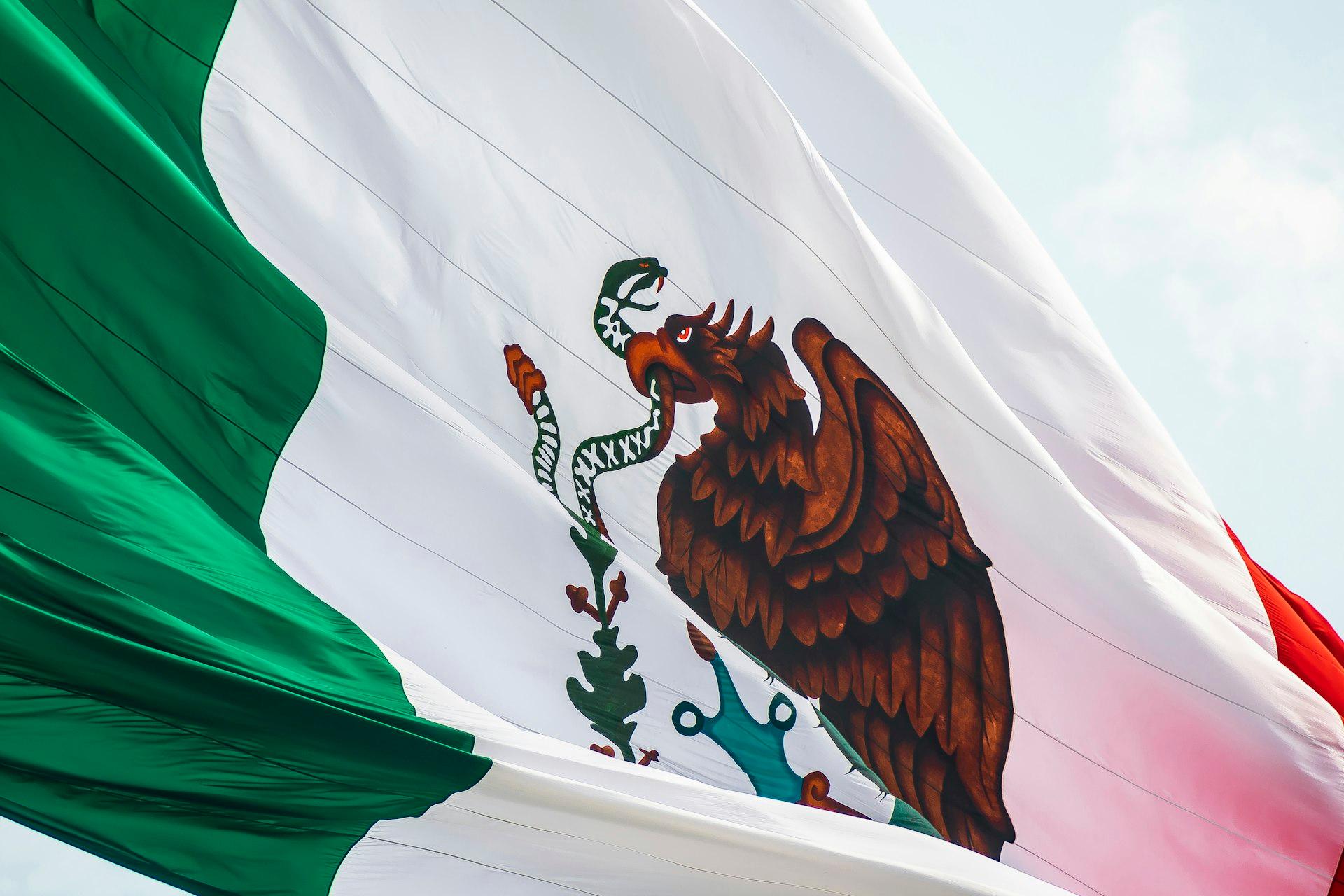
Hotels in Mexico
32 cities · 435 hotels
Photo by Jorge Aguilar on Unsplash
Mexico: Ancient Civilizations, Caribbean Coastline, and Colonial Cities
Mexico spans 1.96 million km² between the Rio Grande in the north and the Suchiate River on the Guatemalan border. The country holds 35 UNESCO World Heritage Sites — more than any other nation in the Americas — ranging from the Teotihuacan pyramids 50 km northeast of Mexico City to the colonial silver-mining town of Guanajuato. Elevations shift from sea level on the Yucatán Peninsula to 5,636 m at the summit of Pico de Orizaba, Mexico's highest peak. That geographic range produces climates from tropical humid to semi-arid highland, shaping where travelers choose to stay.
Cities Worth Exploring
Mexico City anchors the center of the country at 2,240 m above sea level. Its historic core, the Centro Histórico, contains the largest concentration of colonial-era architecture in the Americas, including the Zócalo — the second-largest public square in the world at 57,600 m². The Polanco and Roma Norte neighborhoods concentrate the capital's contemporary dining, galleries, and hotel supply. Guadalajara, 530 km west, is the birthplace of mariachi music and tequila production; the Tlaquepaque artisan quarter sits 7 km from the city center. Oaxaca City in the south draws visitors to the Monte Albán archaeological site 9 km away and a regional cuisine recognized by UNESCO in 2010.
Coastal and Beach Regions
The Riviera Maya corridor stretches 130 km along the Caribbean Sea from Cancún south through Playa del Carmen to Tulum. The offshore Mesoamerican Barrier Reef — the world's second-largest coral reef system — runs parallel to this coast, making the region a primary destination for diving and snorkeling. On the Pacific side, Los Cabos at the southern tip of Baja California Sur records 350 days of sunshine per year and hosts large-scale resort development along the 33 km corridor between San José del Cabo and Cabo San Lucas. Puerto Vallarta on the Banderas Bay shore occupies a different niche: a walkable old town (the Zona Romántica) combined with a 4 km waterfront Malecón.
When to Visit Mexico
High season runs November through April, when rainfall is minimal across most regions. The central highlands and Pacific coast are driest and most temperate during these months. Hurricane season affects both Caribbean and Pacific coasts from June through October, with peak risk in September. Día de los Muertos celebrations (October 31–November 2) draw large crowds to Oaxaca, Pátzcuaro, and Mexico City's Mixquic district. Semana Santa (Holy Week, March–April) fills beach resorts to capacity; book accommodation several weeks in advance for that window.
Practical Tips for Visiting Mexico
- Currency: The Mexican peso (MXN) is the sole legal tender; USD is accepted informally in tourist zones but at unfavorable exchange rates.
- Getting around: ADO and ETN operate long-distance coach services between major cities; the Mexico City Metro covers 226 km across 12 lines within the capital.
- Altitude: Mexico City sits above 2,200 m — allow 24–48 hours of acclimatization before strenuous activity.
- Entry requirements: Citizens of the EU, US, Canada, and the UK do not require a visa for stays under 180 days; a Forma Migratoria Múltiple (FMM) tourist card is issued at the border or airport.
- Safety: Travel advisories vary significantly by state; check government-issued advisories for specific destinations before booking.
Frequently Asked Questions
Q: What is the best region for first-time visitors to Mexico? A: Mexico City offers the densest concentration of museums, historic sites, and neighborhoods in one metropolitan area. The Yucatán Peninsula suits travelers who want beach access combined with Mayan archaeology at Chichén Itzá and Uxmal.
Q: How many UNESCO World Heritage Sites does Mexico have? A: Mexico holds 35 UNESCO World Heritage Sites as of 2024, spanning pre-Columbian ruins, colonial city centers, natural reserves, and intangible cultural heritage.
Q: Is direct booking available for hotels in Mexico? A: Most independent and boutique hotels across Mexico City, Oaxaca, San Cristóbal de las Casas, and resort zones offer direct booking through their own websites, often with rate advantages over third-party platforms.
Q: What currency should travelers carry in Mexico? A: Mexican pesos (MXN) are recommended for all transactions. ATMs dispense pesos in most towns and airports; currency exchange offices (casas de cambio) typically offer better rates than hotel front desks.
Q: When does hurricane season affect beach destinations? A: Hurricane season runs June through October. The Riviera Maya and Cancún face the highest Caribbean risk in September; the Pacific coast near Manzanillo and Acapulco also sees elevated storm activity during those months.
Cities in Mexico
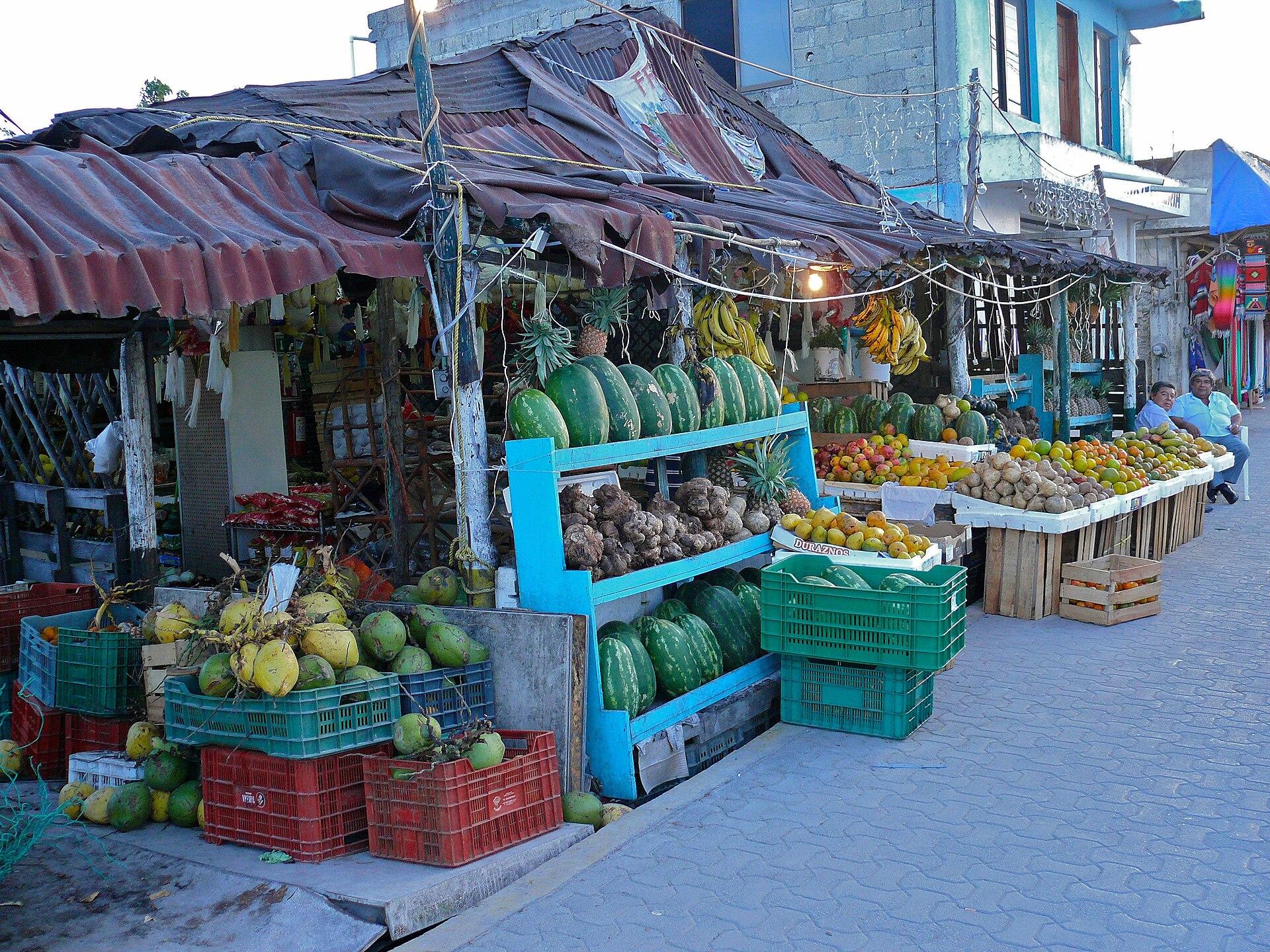
Tulum hotels
Mexico · 72 hotels
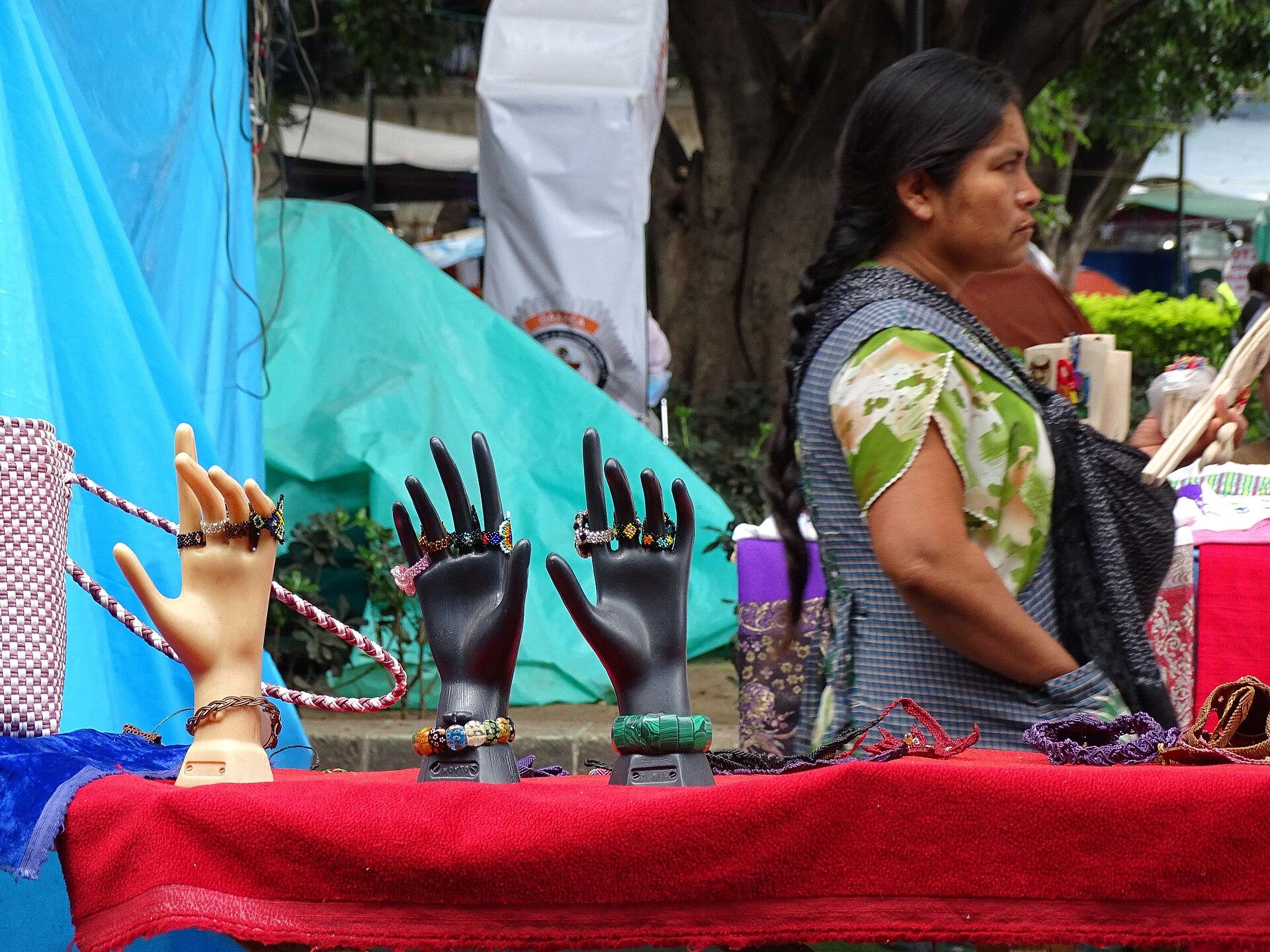
Oaxaca City hotels
Mexico · 45 hotels

Acapulco hotels
Mexico · 27 hotels
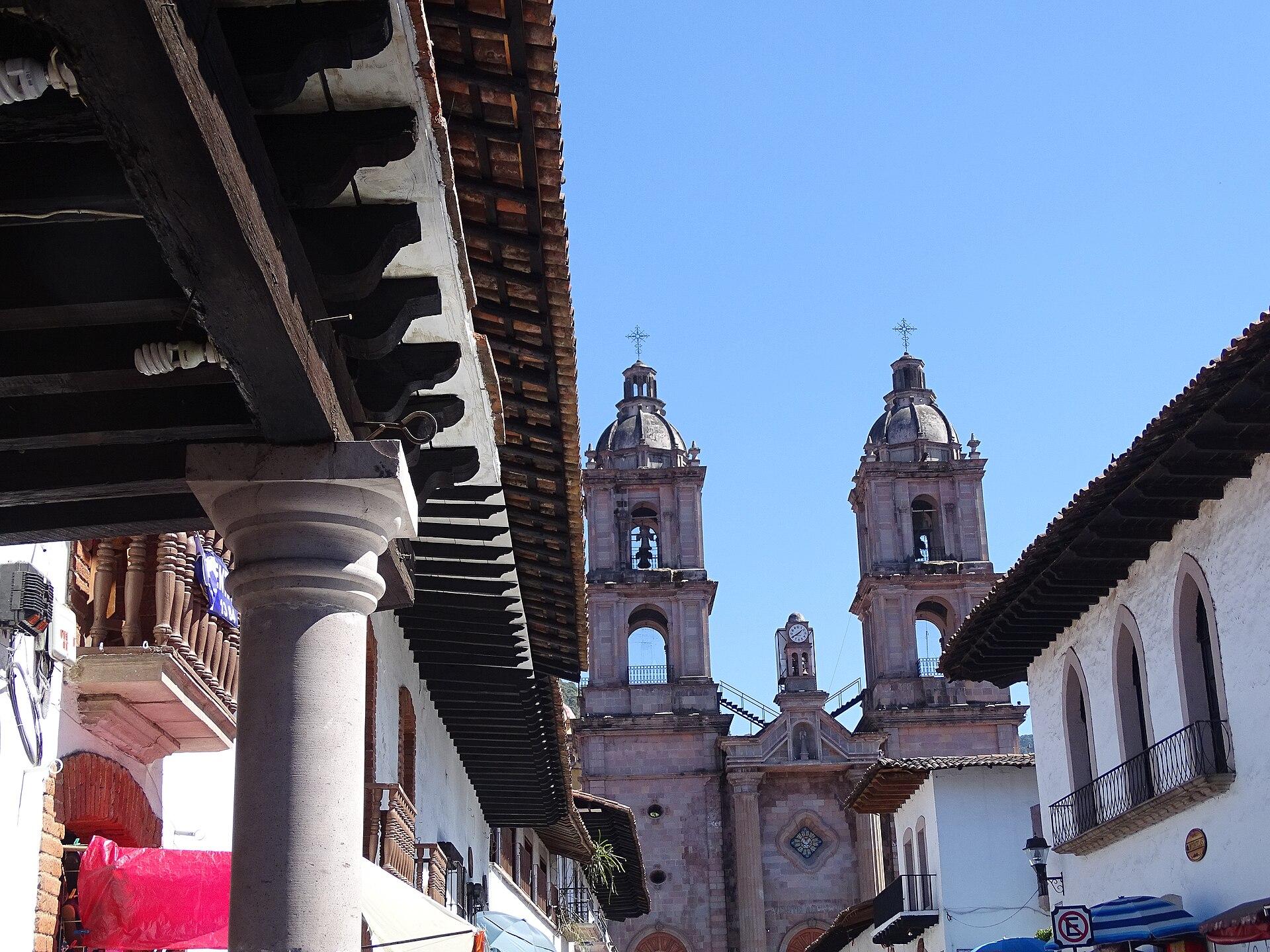
Valle de Bravo hotels
Mexico · 27 hotels
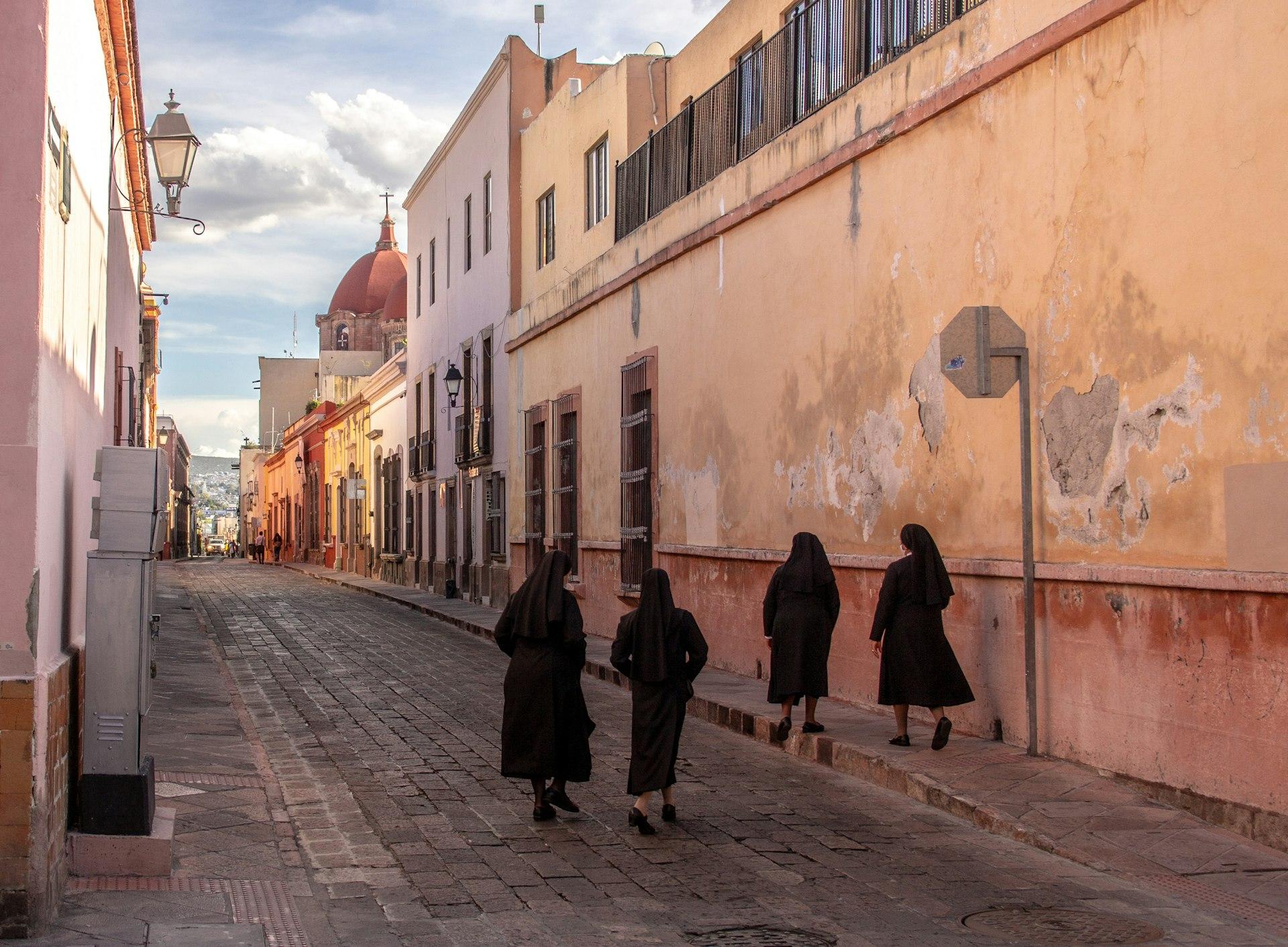
Querétaro hotels
Mexico · 24 hotels
Cabo San Lucas hotels
Mexico · 23 hotels
Cancún hotels
Mexico · 20 hotels
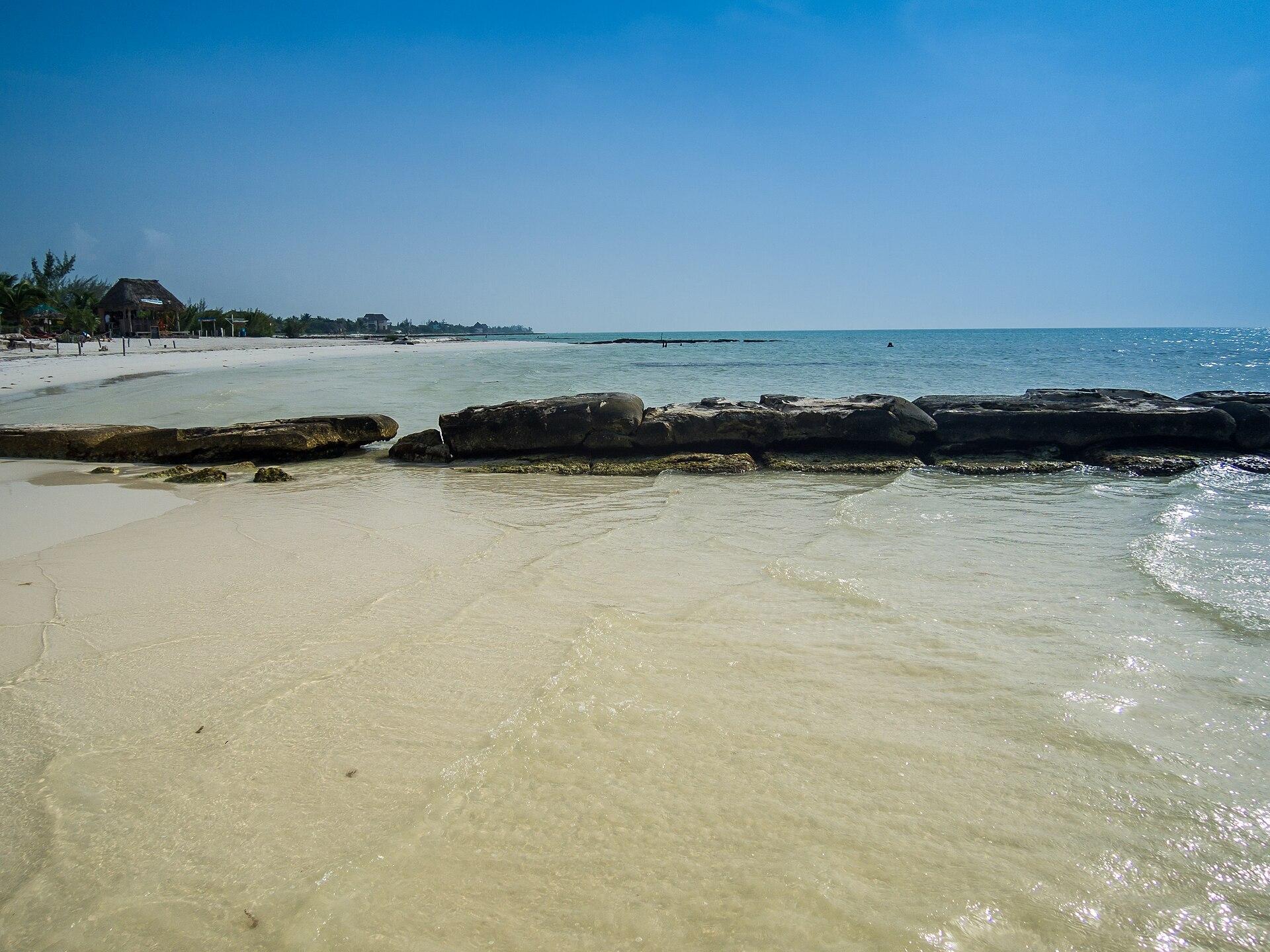
Holbox Island hotels
Mexico · 20 hotels
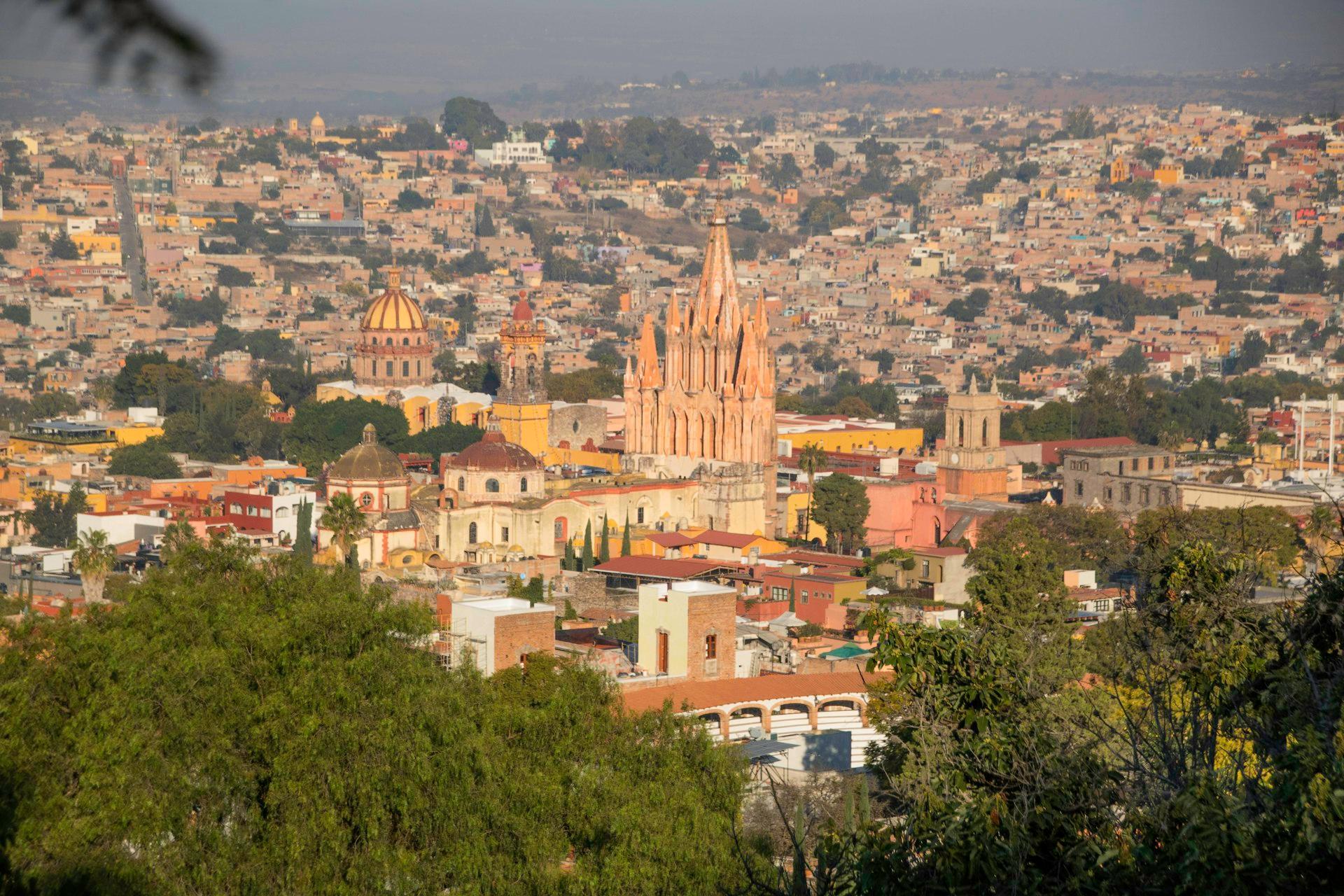
San Miguel de Allende hotels
Mexico · 17 hotels
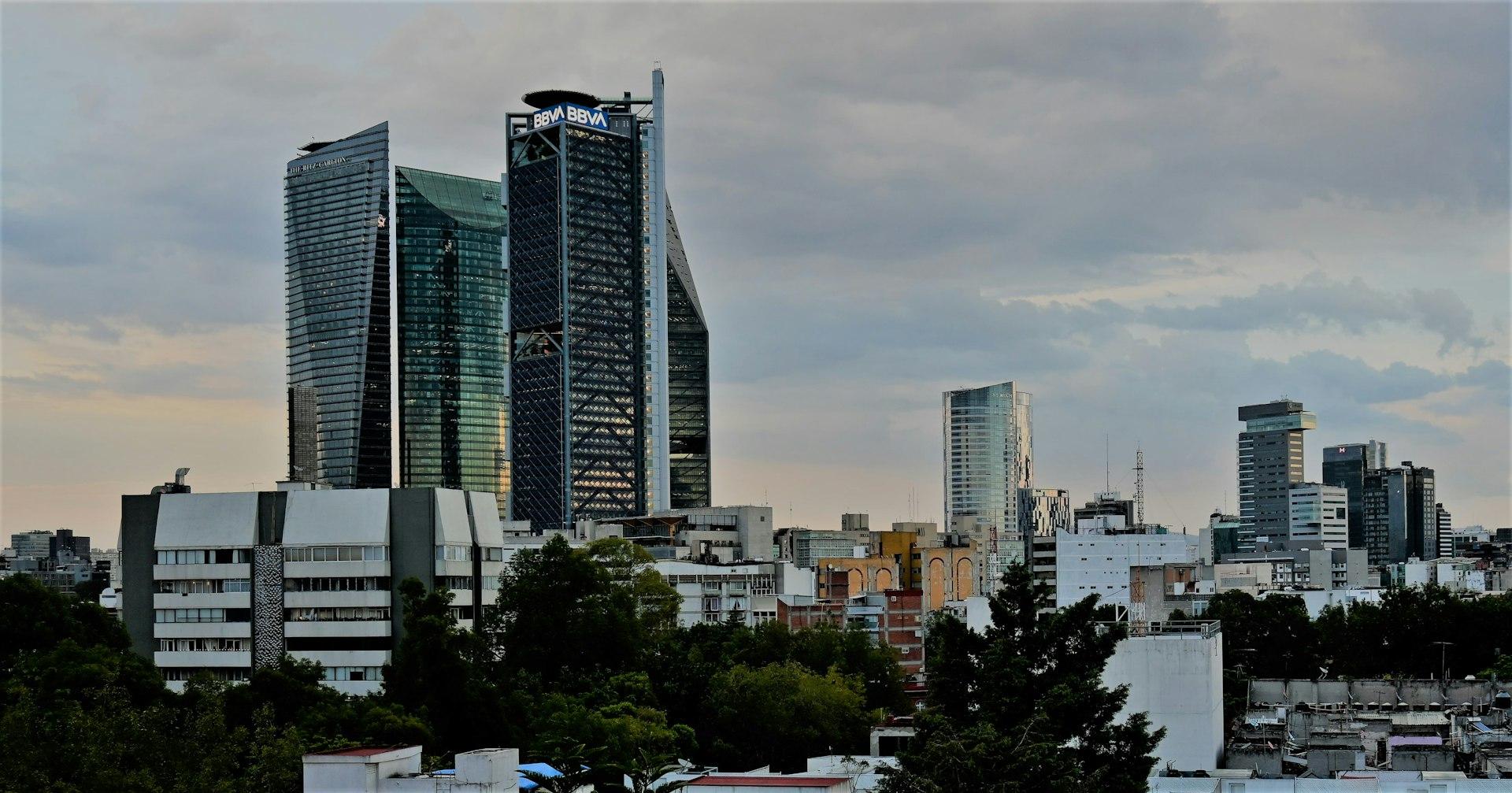
Mexico City hotels
Mexico · 15 hotels
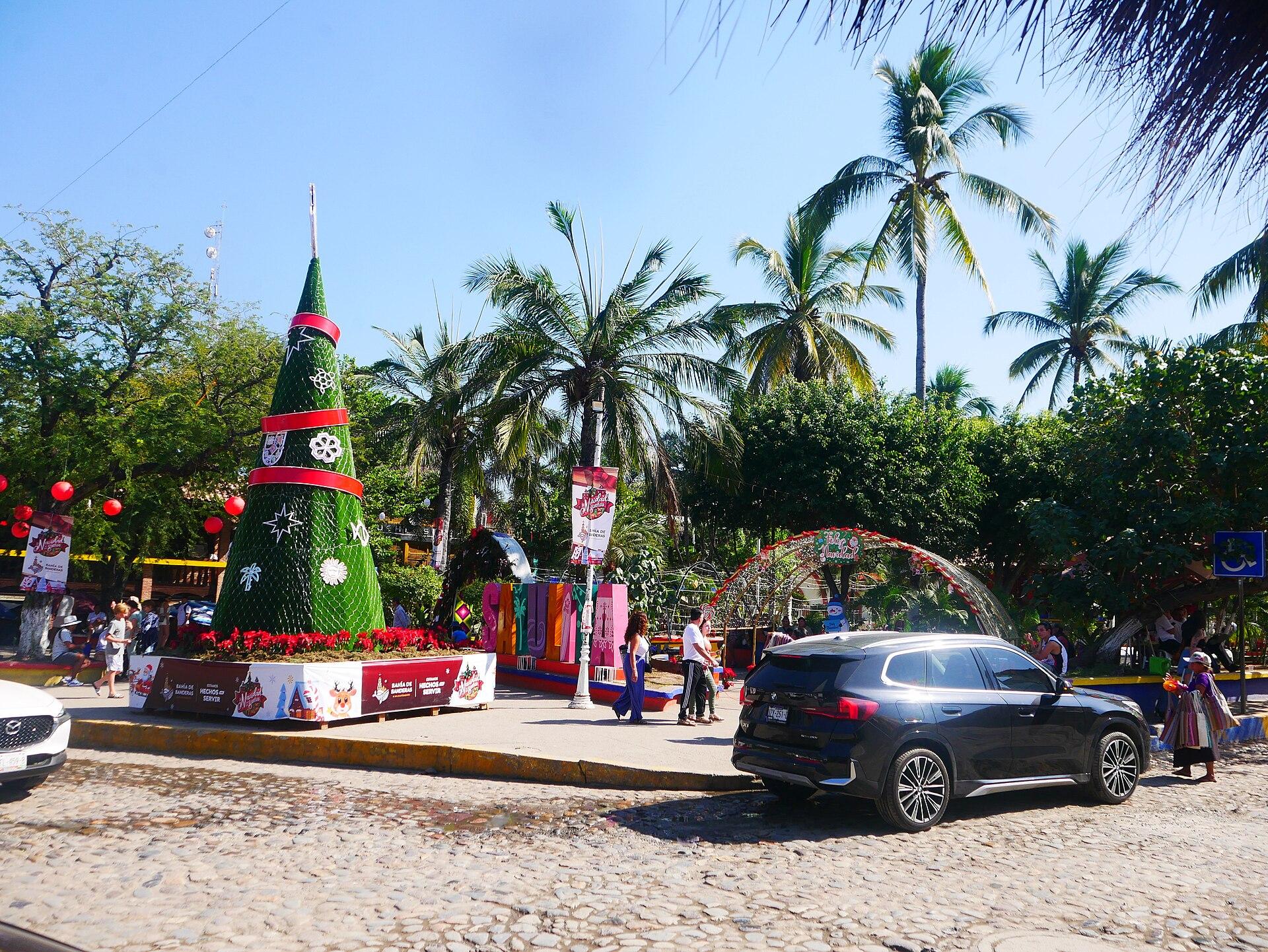
Sayulita hotels
Mexico · 15 hotels
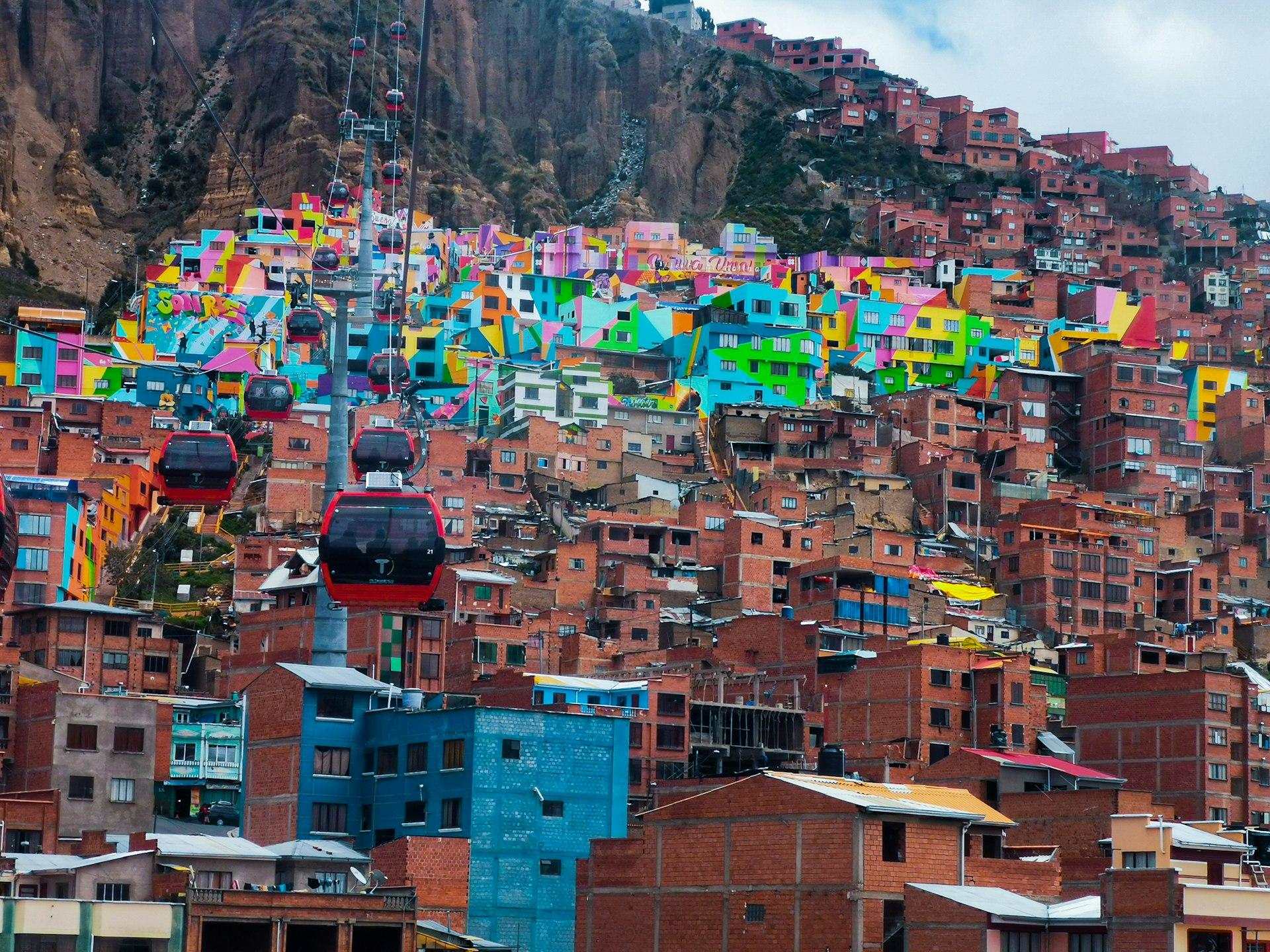
La Paz hotels
Mexico · 14 hotels
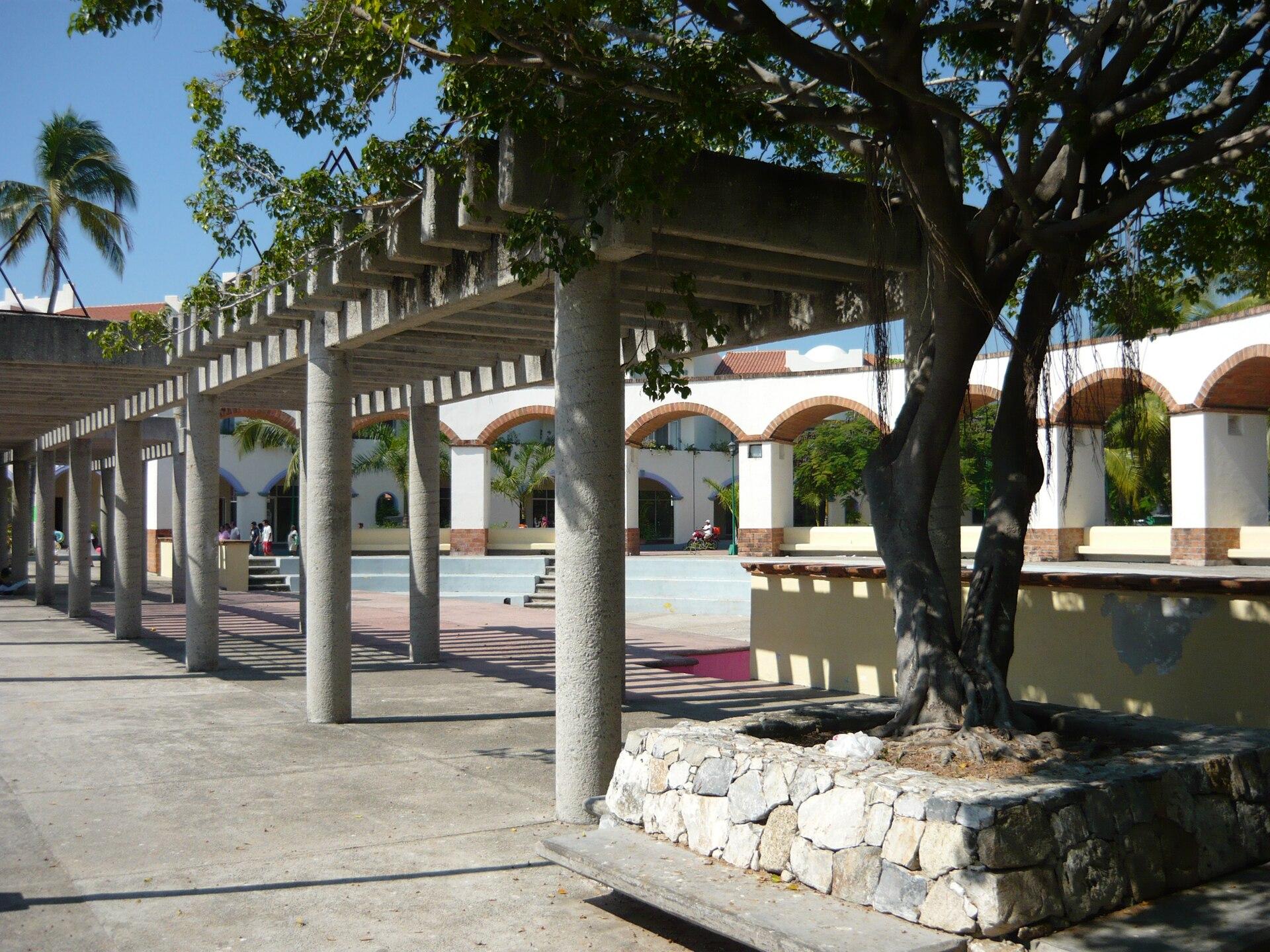
Santa Cruz Huatulco hotels
Mexico · 13 hotels
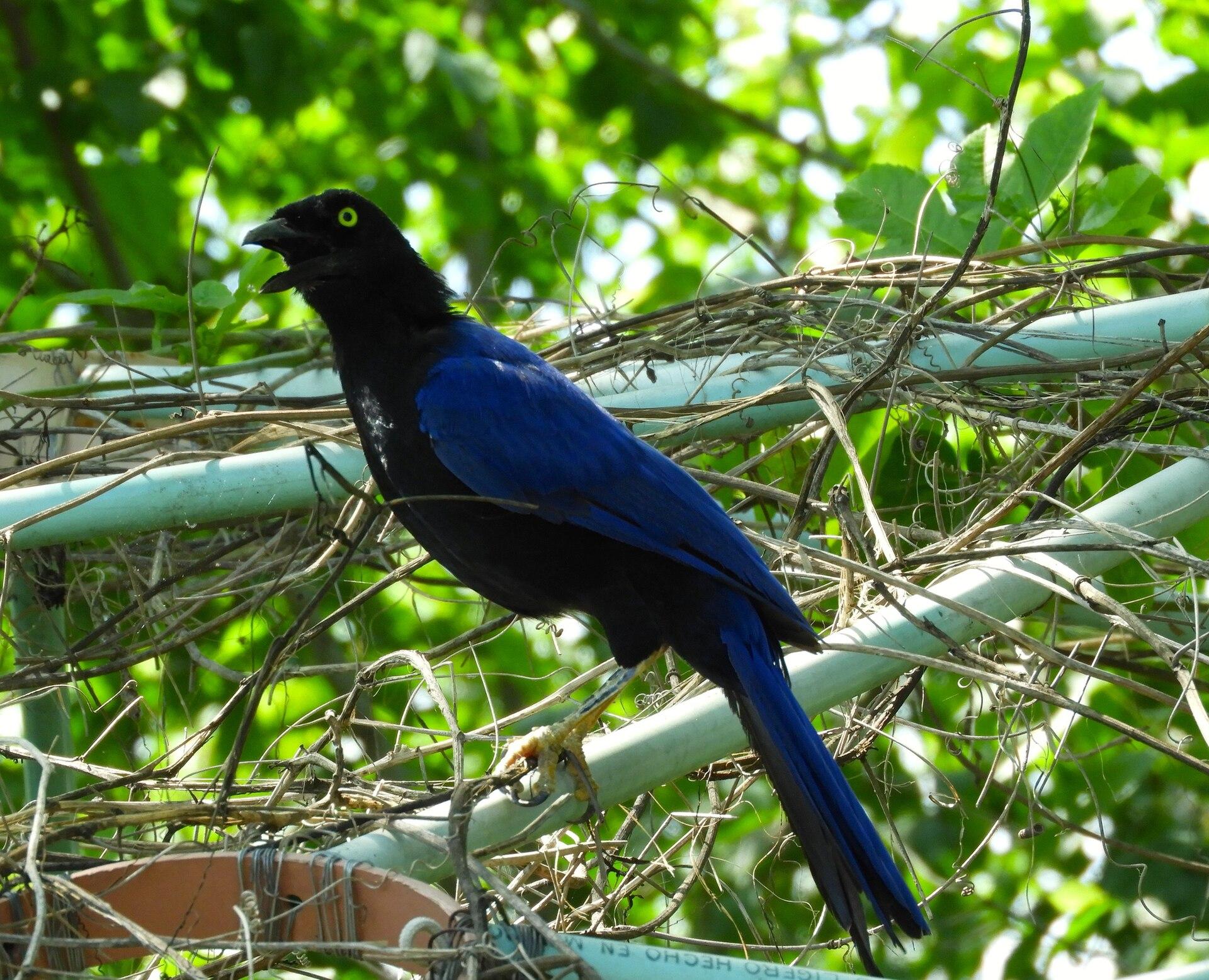
Mazatlán hotels
Mexico · 10 hotels
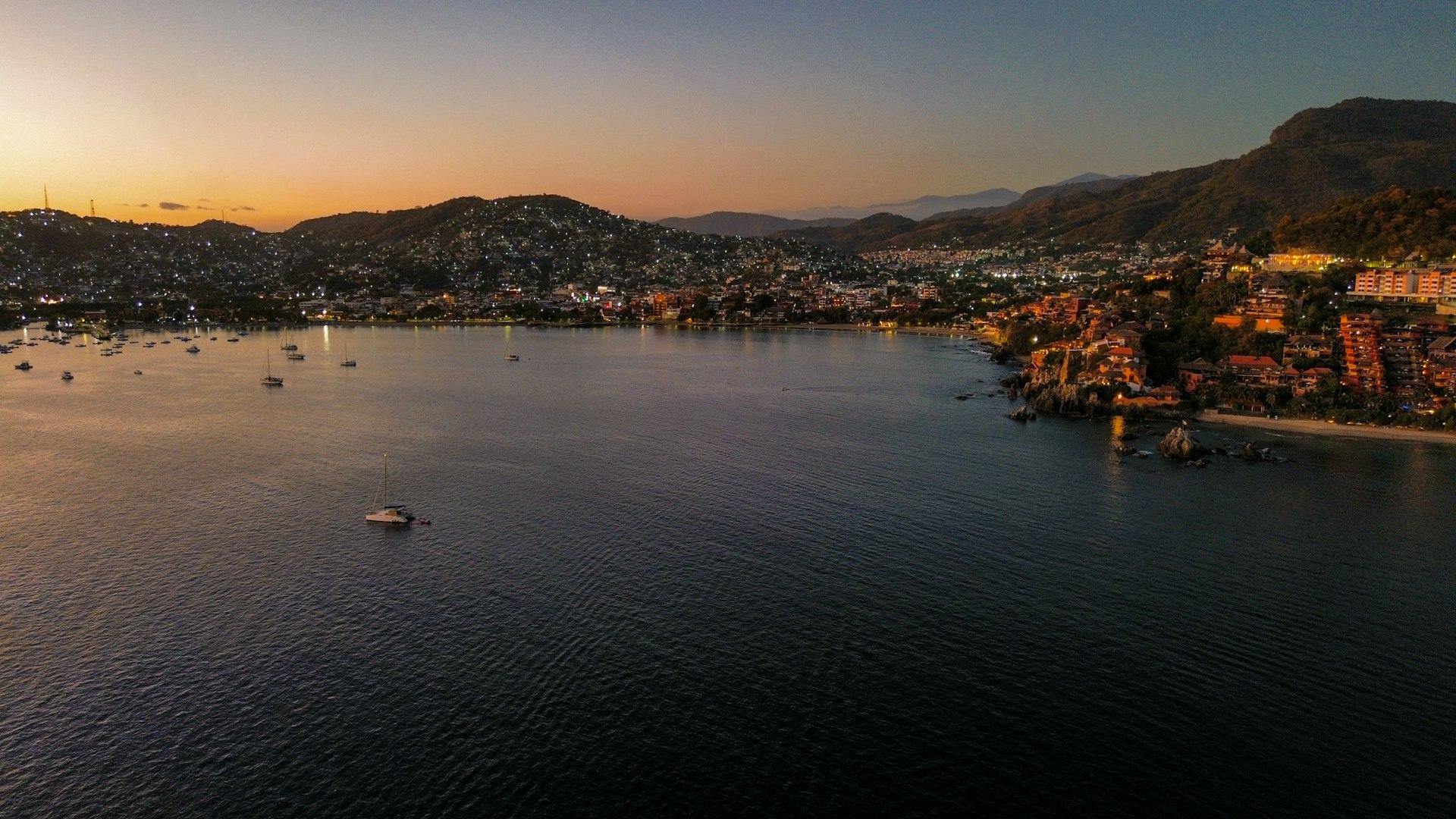
Zihuatanejo hotels
Mexico · 10 hotels
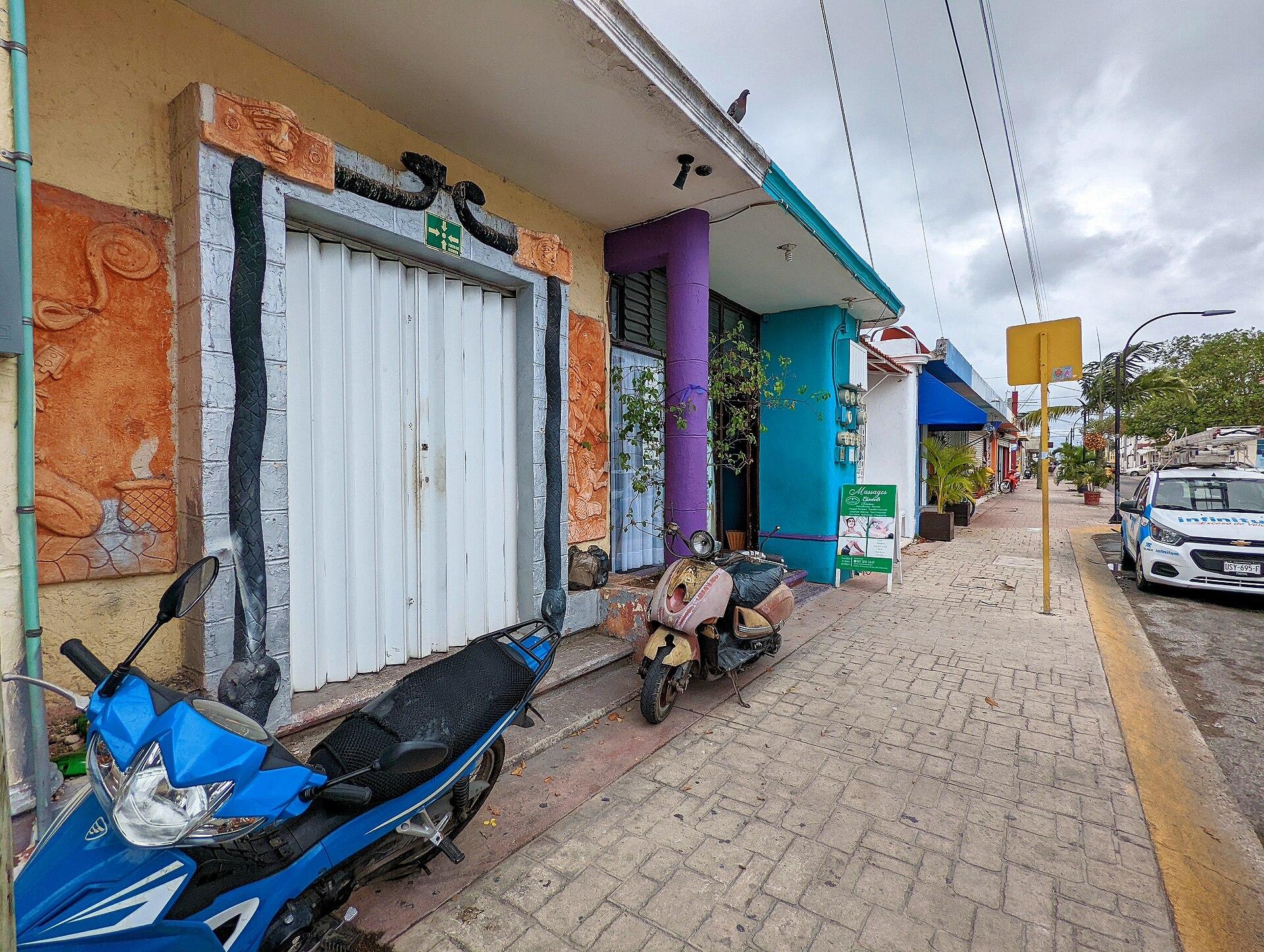
Cozumel hotels
Mexico · 9 hotels
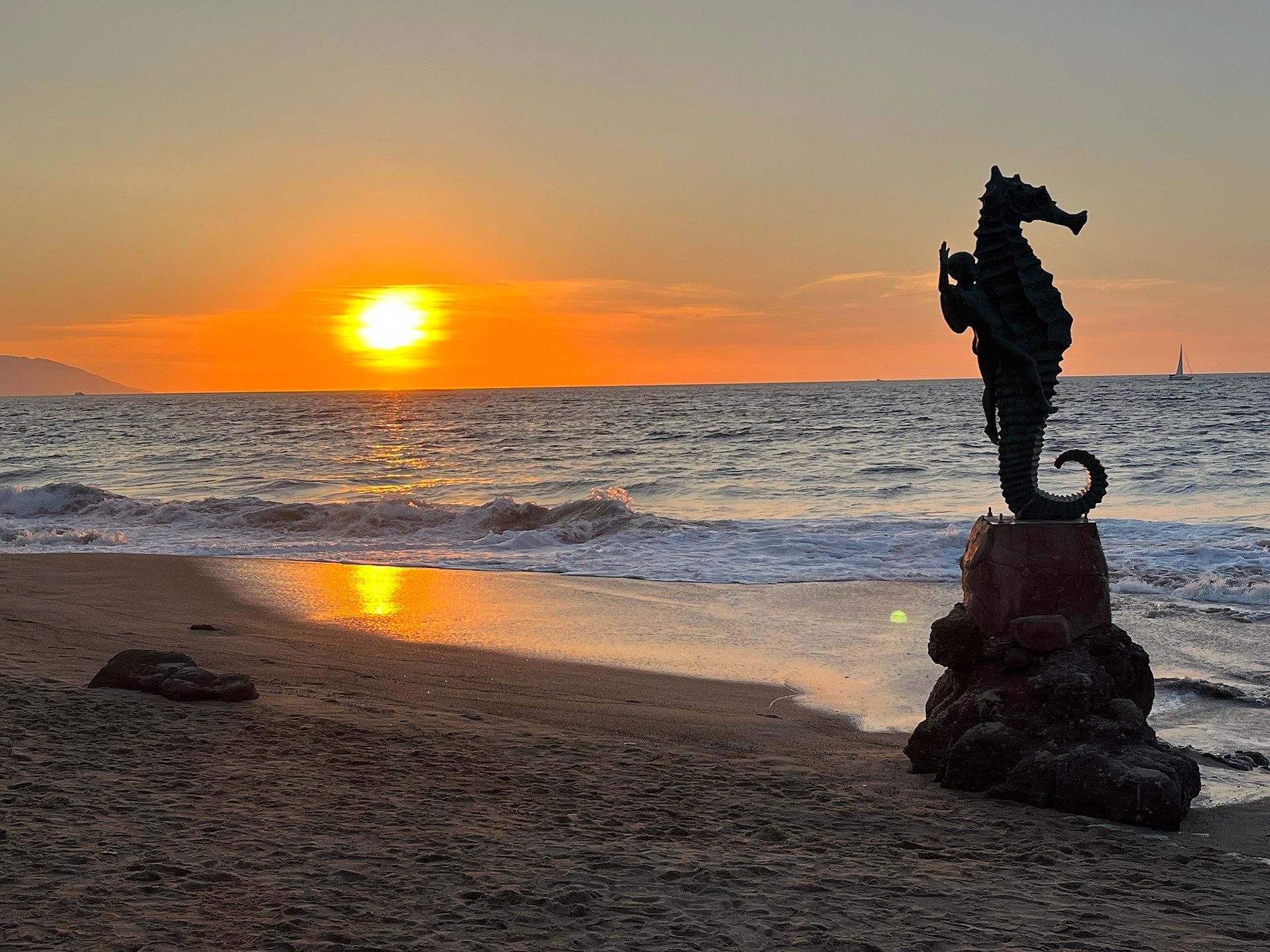
Puerto Vallarta hotels
Mexico · 9 hotels
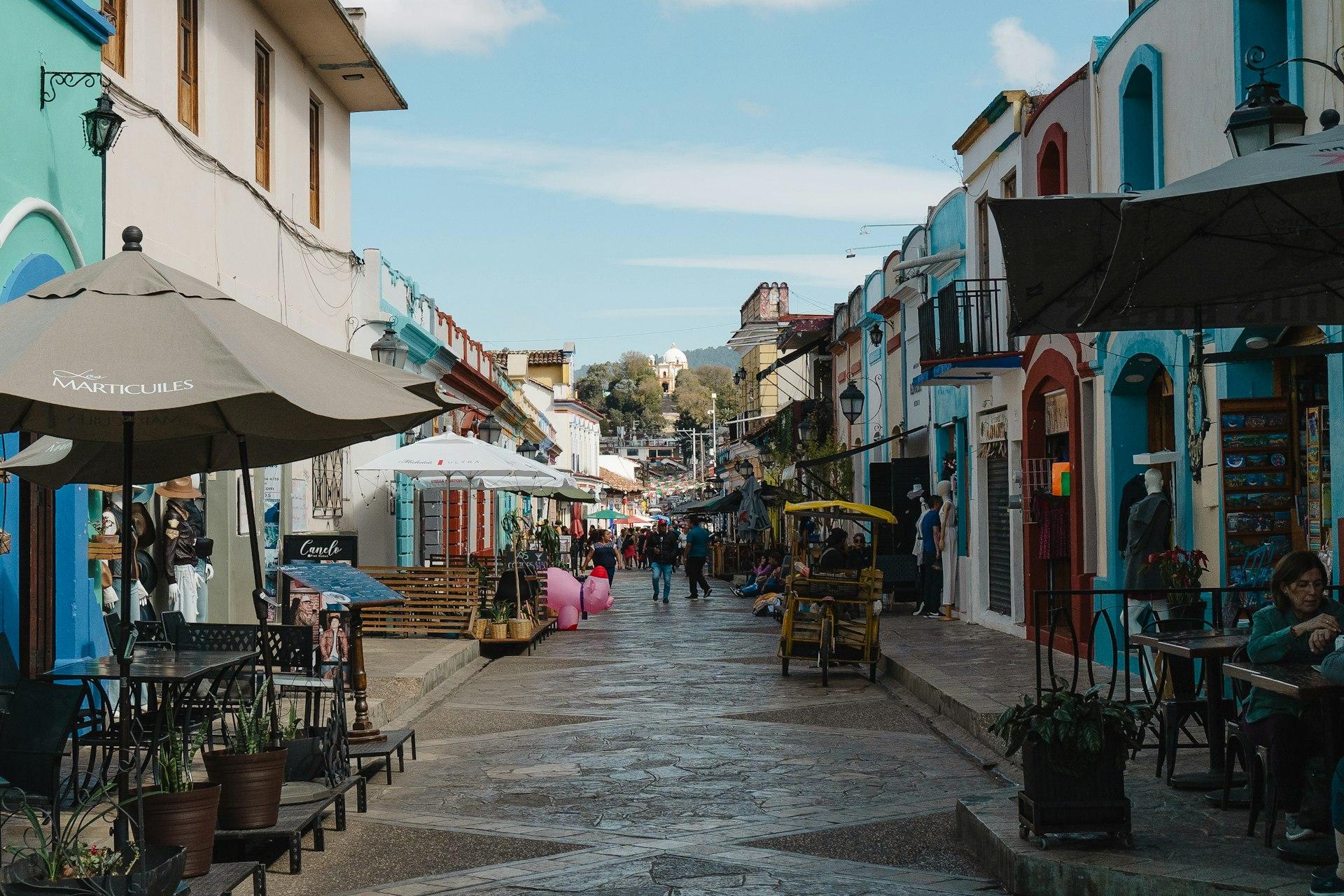
San Cristóbal de Las Casas hotels
Mexico · 7 hotels
Guanajuato hotels
Mexico · 7 hotels
Isla Mujeres hotels
Mexico · 7 hotels
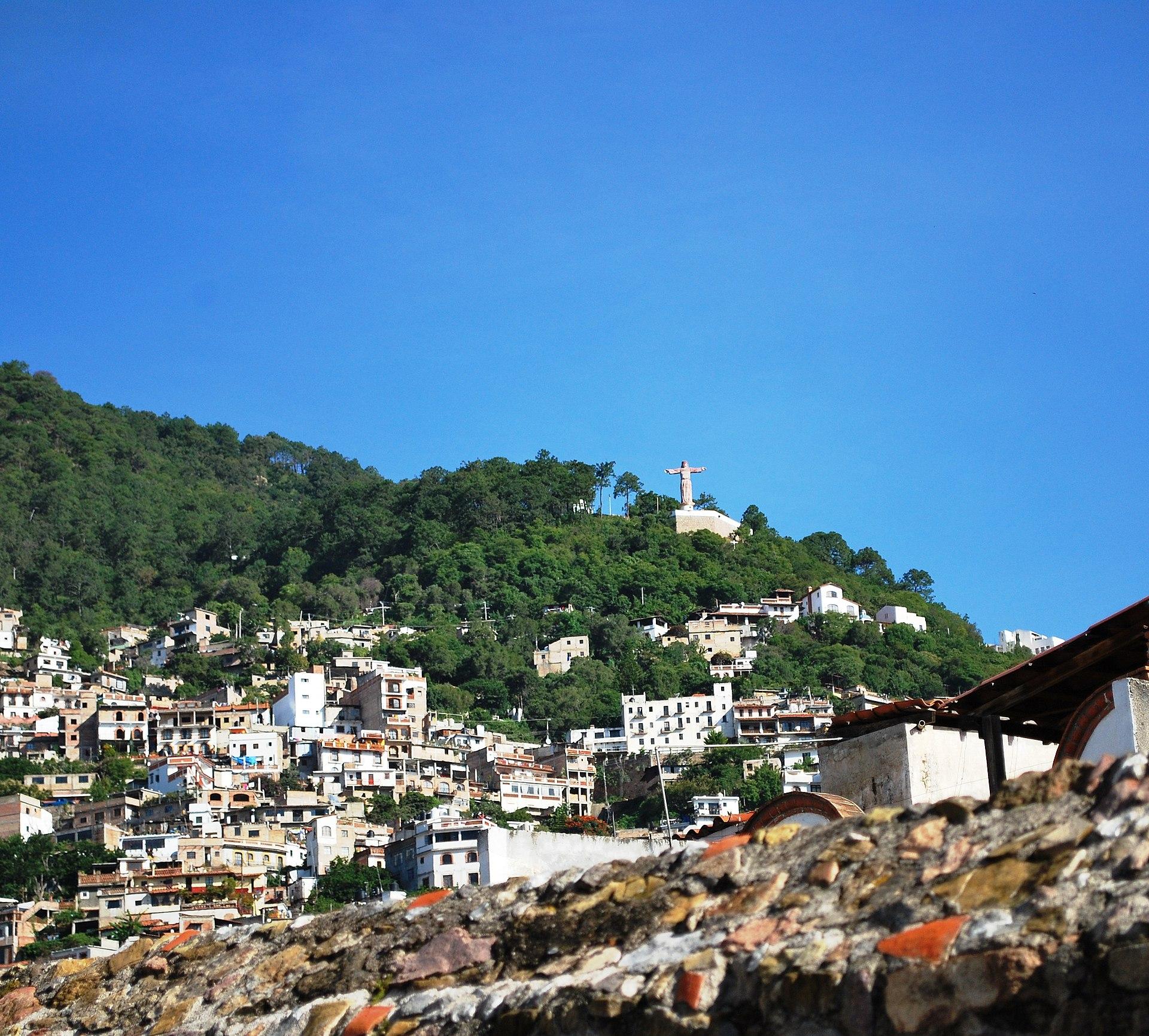
Taxco de Alarcón hotels
Mexico · 7 hotels
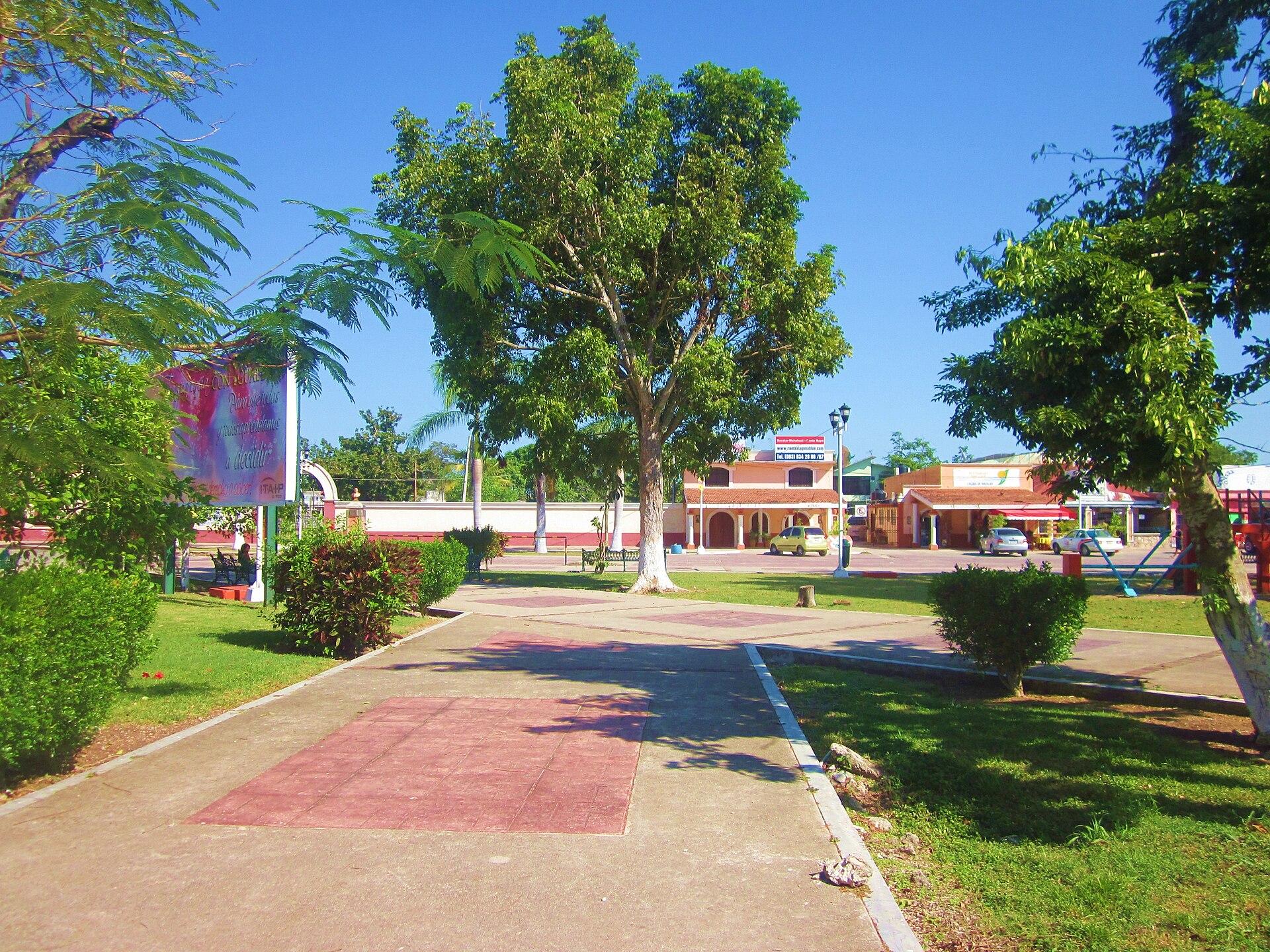
Bacalar hotels
Mexico · 6 hotels
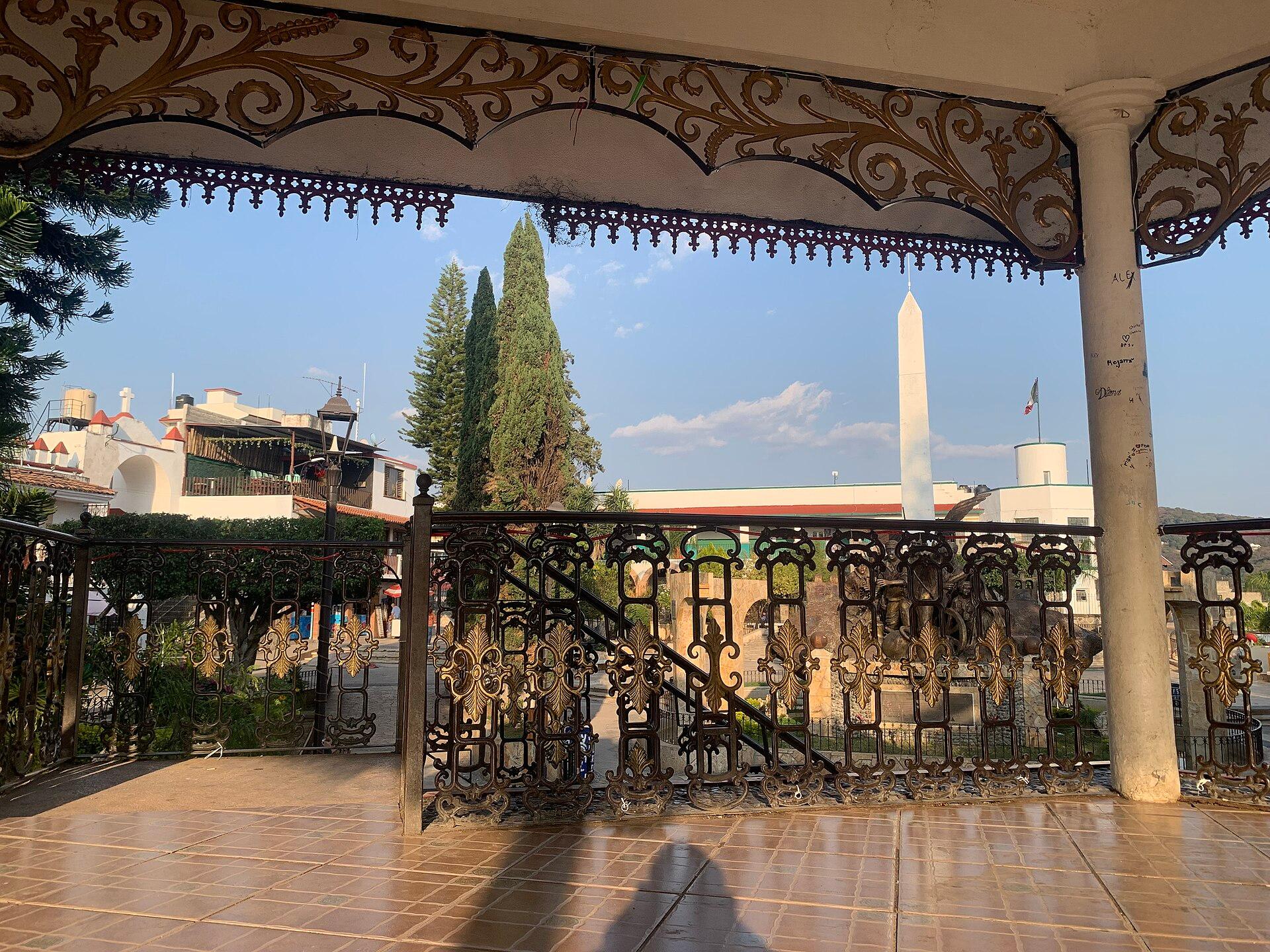
Ixtapan de la Sal hotels
Mexico · 6 hotels
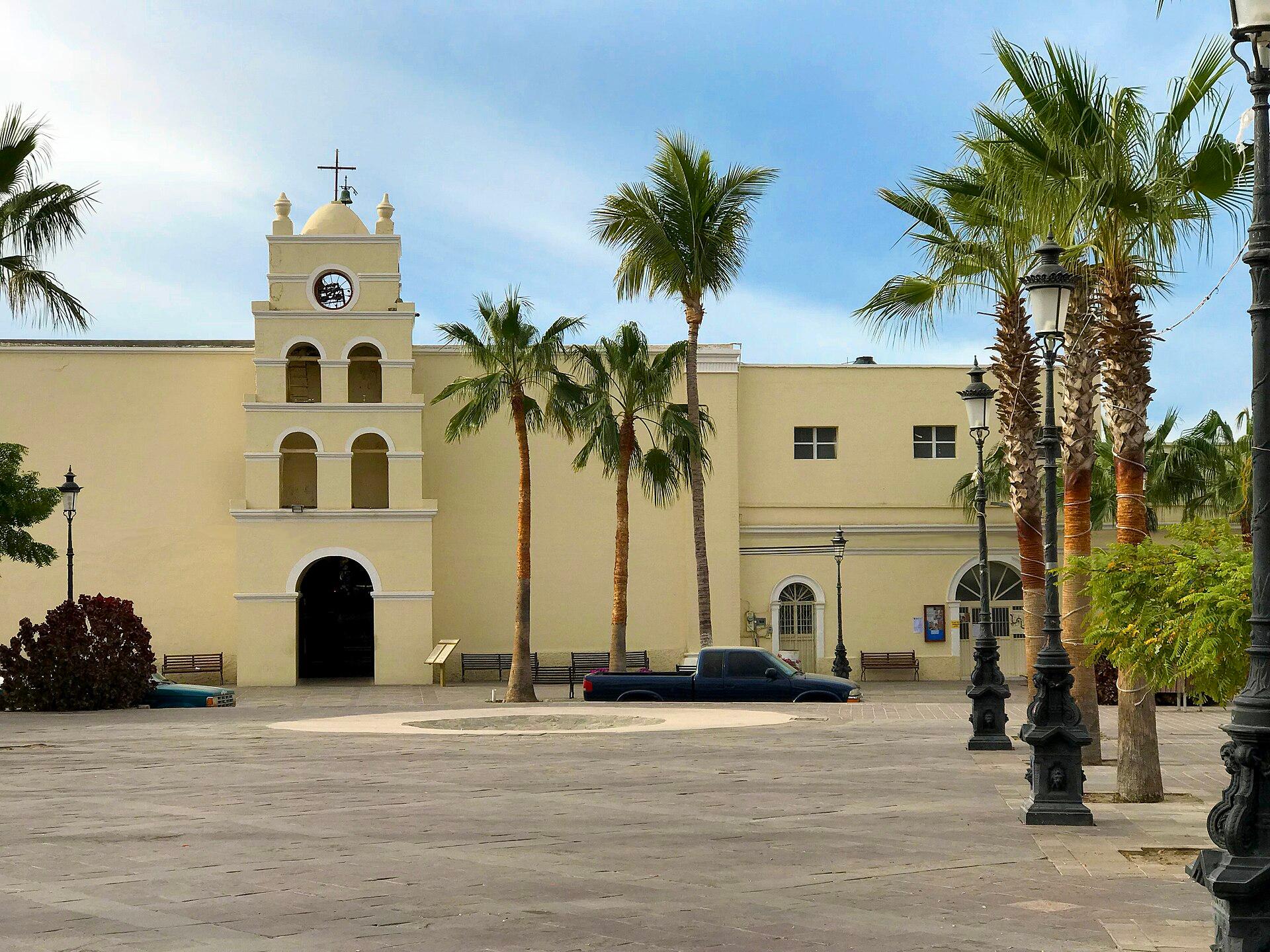
Todos Santos hotels
Mexico · 6 hotels
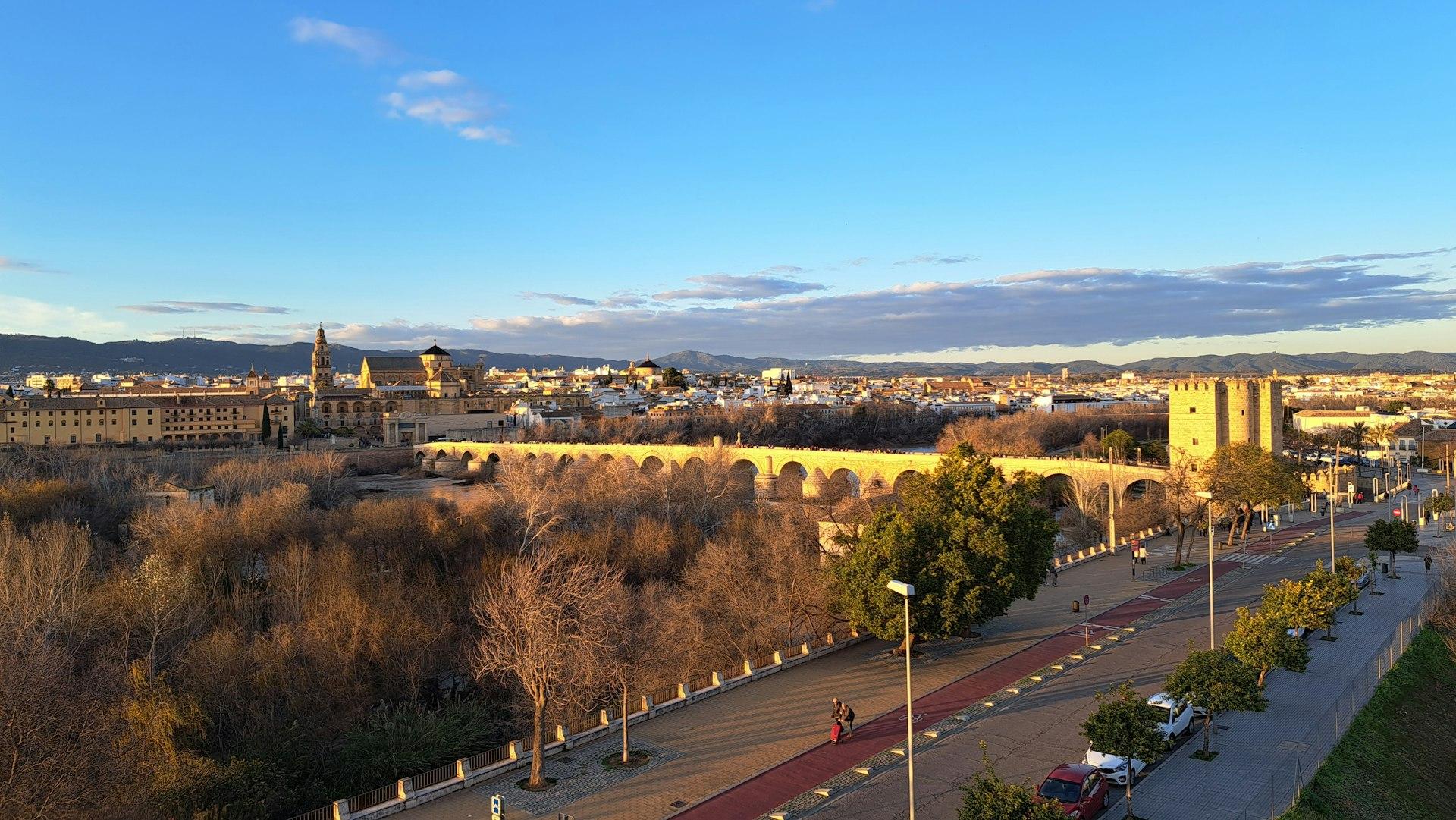
Córdoba hotels
Mexico · 6 hotels
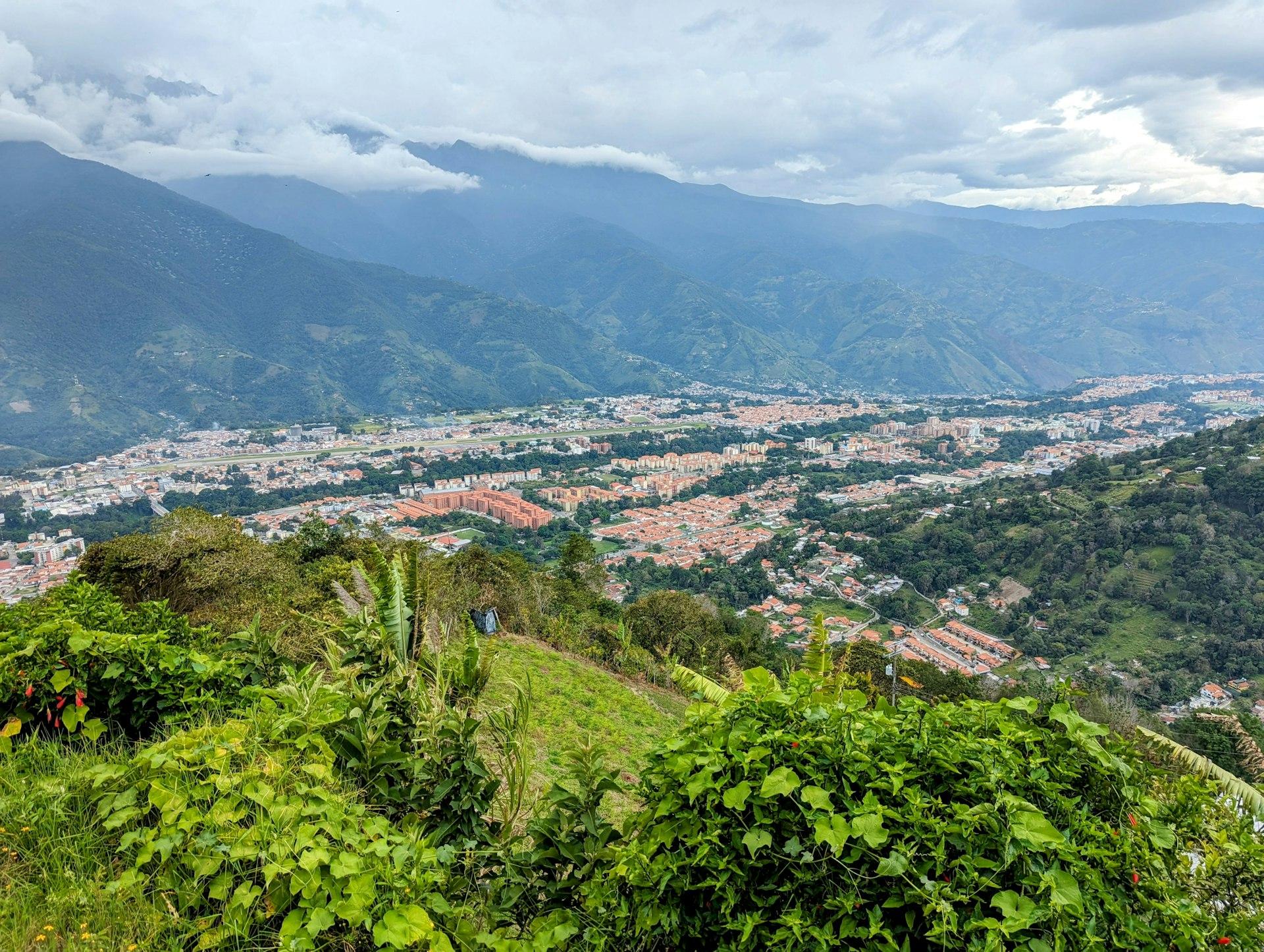
Mérida hotels
Mexico · 4 hotels
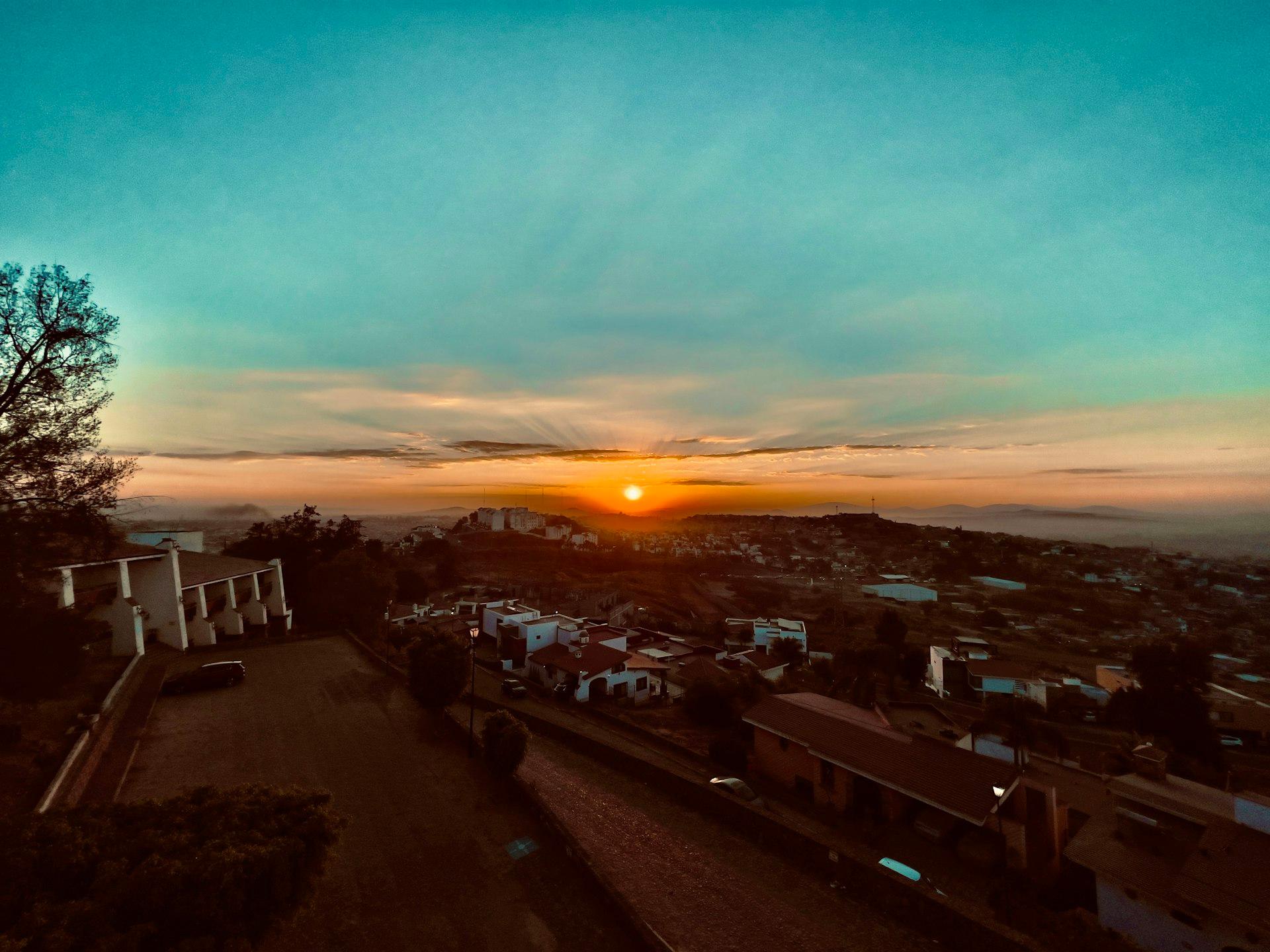
Guadalajara hotels
Mexico · 3 hotels
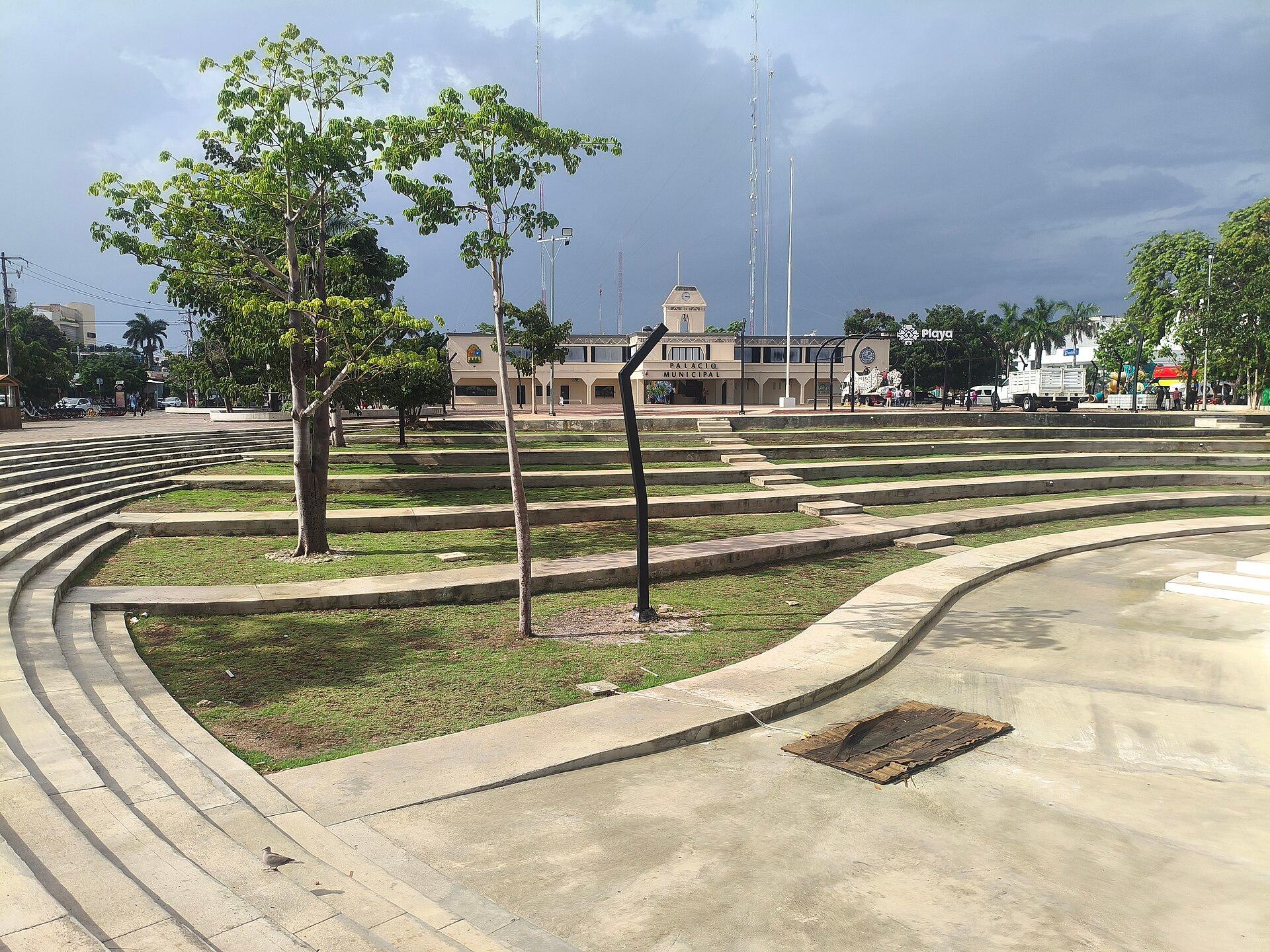
Playa del Carmen hotels
Mexico · 2 hotels
Galereya Krasnodar köpcenter hotels
Mexico · 2 hotels
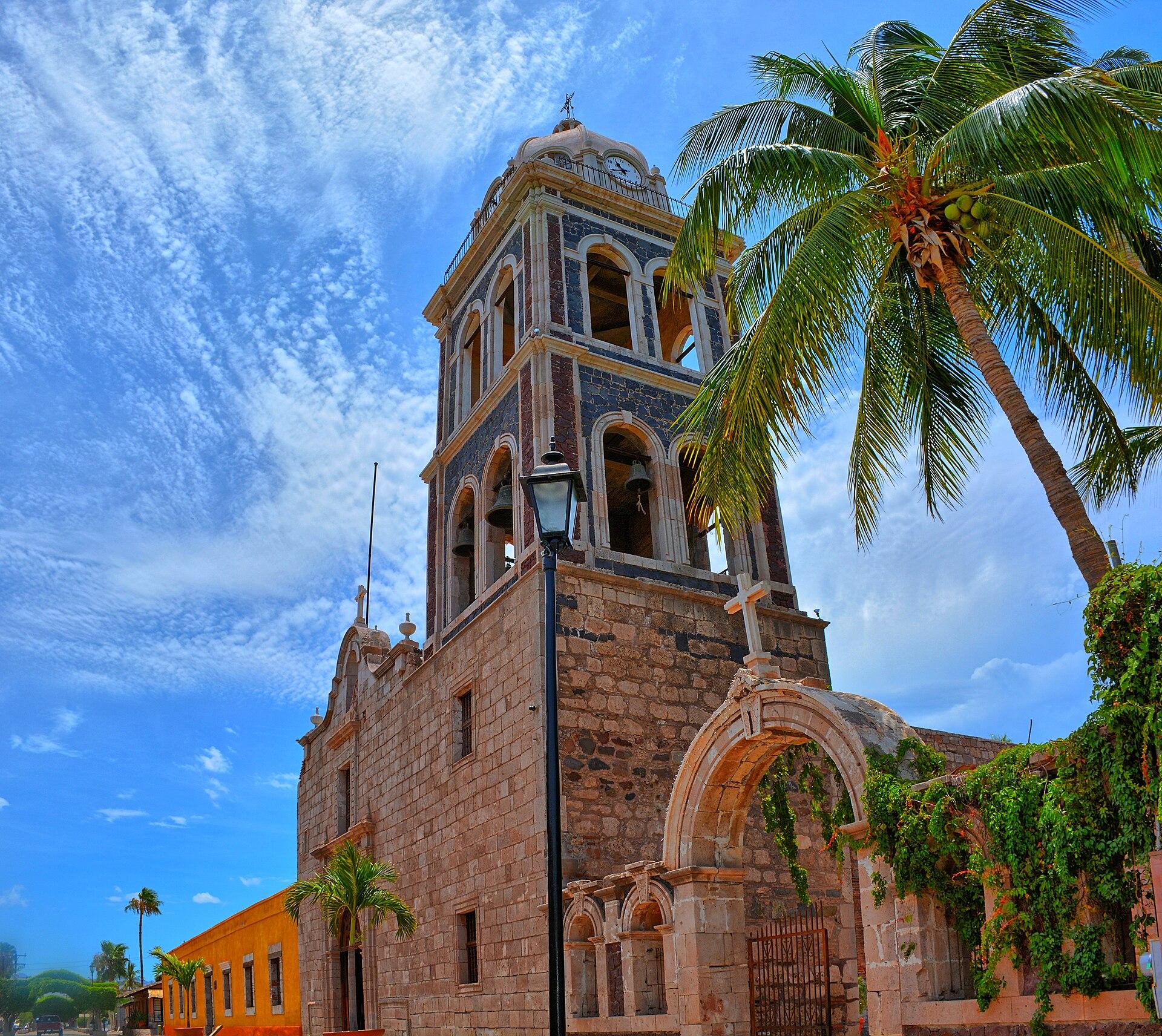
Loreto hotels
Mexico · 1 hotels

Cabo Pulmo hotels
Mexico · 1 hotels