
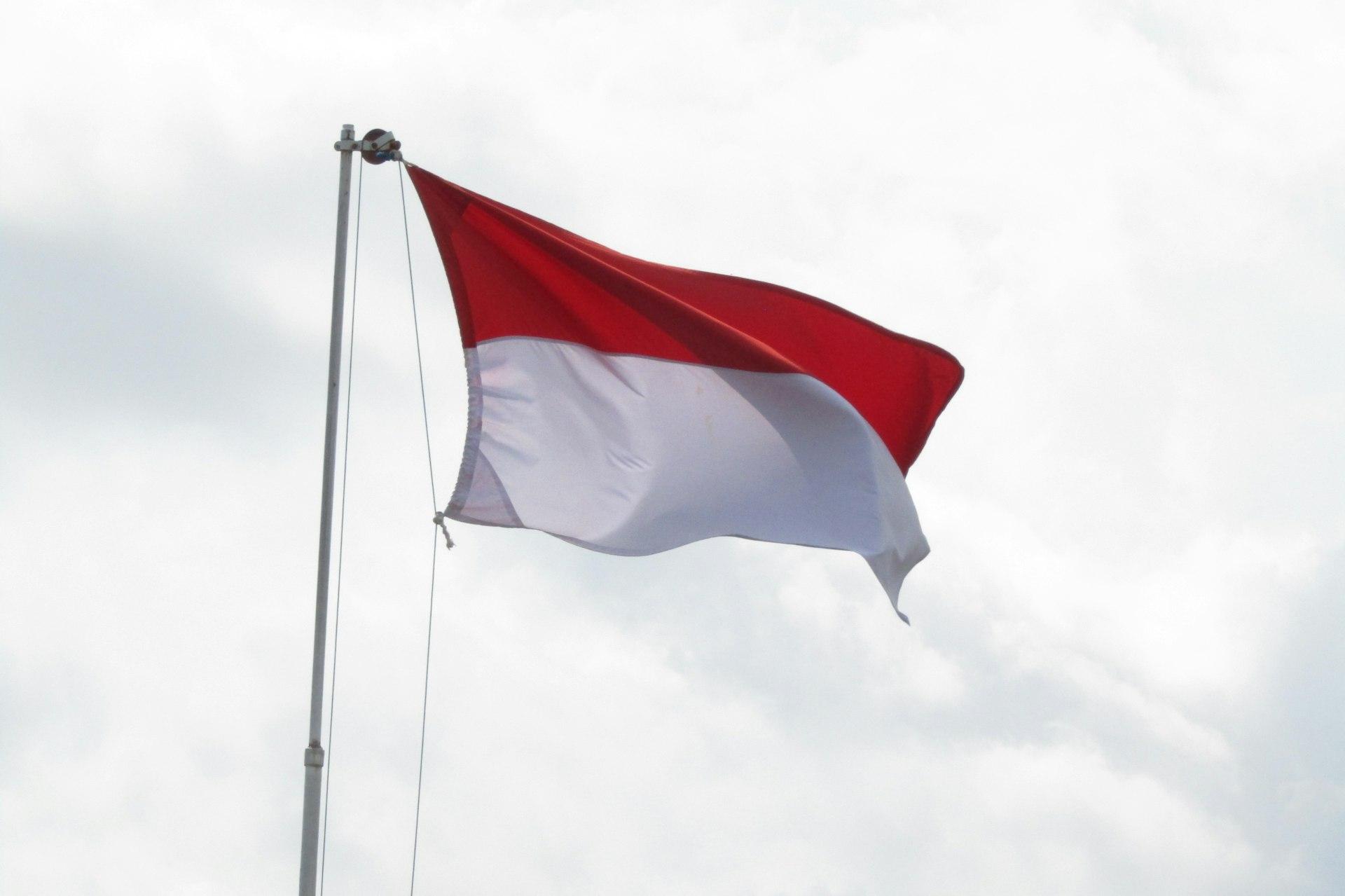
Hotels in Indonesia
28 cities · 604 hotels
Photo by Mufid Majnun on Unsplash
Indonesia: 17,000 Islands, One Archipelago
Indonesia is the world's largest archipelago nation, stretching 5,100 km from Sabang in Aceh province to Merauke in Papua — roughly the width of continental Europe. The country spans three time zones, holds over 270 million people, and contains more than 300 distinct ethnic groups. Seventeen active volcanoes sit within a day's travel of Yogyakarta alone. Geographically and culturally, Indonesia resists easy summary — which is precisely why it draws travelers from every region of the globe.
Cities Worth Exploring
Jakarta, the former capital on Java's northwest coast, is a megacity of 10 million within city limits and over 30 million in the greater metro area. The Kota Tua (Old Town) district preserves Dutch colonial warehouses dating to the 1620s, while Sudirman and Kuningan are the financial corridors with the highest hotel concentration. Yogyakarta — locally shortened to Jogja — sits 560 km southeast of Jakarta near Mount Merapi and serves as the gateway to Borobudur, the 9th-century Buddhist temple complex, and Prambanan, a Hindu temple compound from the same era. Surabaya, Java's second city, anchors East Java travel and lies 90 km from Mount Bromo, whose active caldera draws photographers before dawn every morning. Makassar in South Sulawesi connects visitors to the Tana Toraja highlands, roughly 320 km north by road.
Bali and the Eastern Islands
Bali is Indonesia's single most visited island, receiving over 6 million international arrivals in 2023 alone. Seminyak and Canggu along the southwest coast hold the heaviest hotel density, ranging from 300,000 IDR guesthouses to 5-star cliff villas above Jimbaran Bay. The island's interior — Ubud, set 25 km inland among the Campuhan Ridge and Tegallalang rice terraces — offers boutique retreats at a quieter pace. East of Bali, Lombok provides direct access to the Gili Islands (Gili Trawangan, Gili Meno, Gili Air), where motorized vehicles are prohibited. Komodo National Park in East Nusa Tenggara, gazetted in 1980 and a UNESCO World Heritage Site since 1991, hosts the world's largest living lizard across Komodo, Rinca, and Padar islands. Raja Ampat in West Papua sits atop the Coral Triangle and holds the highest recorded marine biodiversity on Earth — over 1,500 fish species identified within the regency.
When to Visit Indonesia
Indonesia straddles the equator, so seasons vary by island rather than by latitude. Bali and Java see their driest months from May through September, with July and August bringing the most international visitors. Kalimantan and Sumatra receive rain year-round, though January and February are the wettest months in most of the interior. Sulawesi's east coast (including Luwuk and Togean Islands) follows a reversed rainy season, drier from November to April. For Raja Ampat, October through April offers calmer seas and the best diving visibility.
Practical Tips for Visiting Indonesia
- Visa: Citizens of 92 countries qualify for a Visa on Arrival (30 days, extendable once) at major international airports including Ngurah Rai (Bali), Soekarno-Hatta (Jakarta), and Juanda (Surabaya). Fees as of 2024 are USD 35.
- Getting around: Domestic flights connect major islands; Garuda Indonesia and Lion Air both serve over 40 airports nationwide. Ferries link Java to Bali (45-minute crossing from Ketapang to Gilimanuk) and Bali to Lombok (approximately 4–5 hours by fast boat).
- Currency: The Indonesian Rupiah (IDR) is the only accepted legal tender; ATMs in cities dispense up to 3,000,000 IDR per transaction.
- Language: Bahasa Indonesia is the national language; English is widely spoken in hotel and tourism sectors in Bali, Jakarta, and Lombok.
- Health: Malaria prophylaxis is recommended for travel to Papua, Maluku, and parts of Kalimantan; no prophylaxis is required for Bali or Java.
- Electricity: 230V / 50Hz with Type C and F plugs standard nationwide.
Frequently Asked Questions
Q: How many islands make up Indonesia? A: Indonesia officially counts 17,508 islands, of which approximately 6,000 are inhabited. The five largest by area are Sumatra, Kalimantan (Indonesian Borneo), Java, Sulawesi, and Papua.
Q: What is the best island in Indonesia for first-time visitors? A: Bali is the most accessible entry point, with the widest range of hotels, direct international flights from over 30 countries, and well-established transport infrastructure. Travelers with more time often add Lombok or Yogyakarta as a second destination.
Q: Is Indonesia safe for solo travelers? A: Most tourist regions — including Bali, Yogyakarta, Lombok, and Jakarta's hotel districts — have low rates of violent crime against tourists. Petty theft in crowded markets and transport hubs warrants standard precautions.
Q: What currency should travelers carry in Indonesia? A: Indonesian Rupiah (IDR) is required for all transactions. Major credit cards are accepted in 4-star and 5-star hotels and larger restaurants in Bali and Jakarta; cash is essential in rural areas and smaller islands.
Q: When does the Bali Arts Festival take place? A: The Bali Arts Festival (Pesta Kesenian Bali) runs annually for one month, typically mid-June through mid-July, at the Bali Arts Centre in Denpasar. It is the island's largest showcase of traditional dance, music, and crafts.
Q: Do travelers need vaccinations before visiting Indonesia? A: The WHO recommends Hepatitis A, Typhoid, and routine vaccinations for all travelers. Rabies vaccination is advisable for extended stays or travel to rural areas. Yellow fever vaccination is required if arriving from a yellow fever-endemic country.
Cities in Indonesia
Ubud hotels
Indonesia · 136 hotels

Canggu hotels
Indonesia · 119 hotels
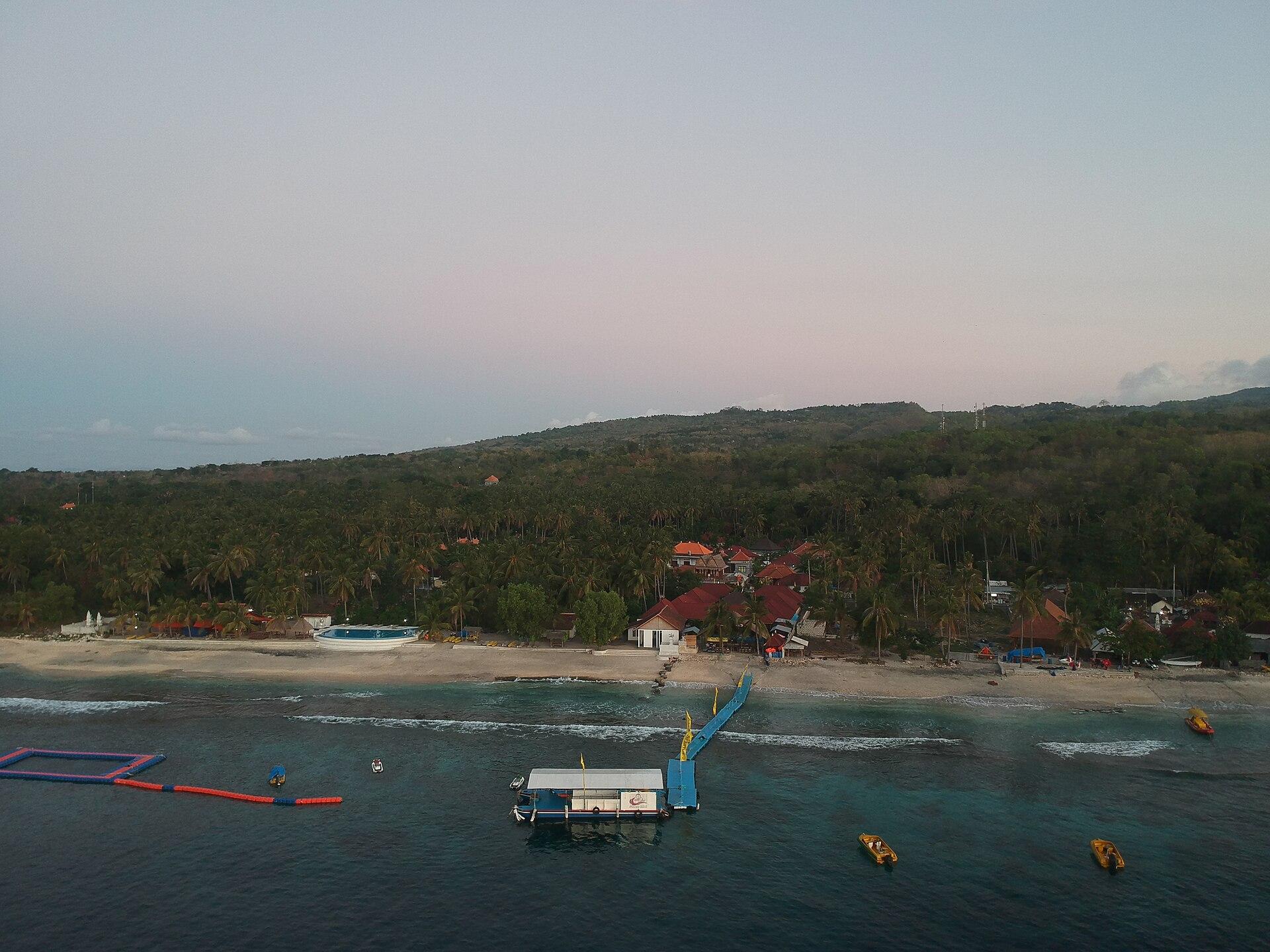
Nusa Penida hotels
Indonesia · 86 hotels
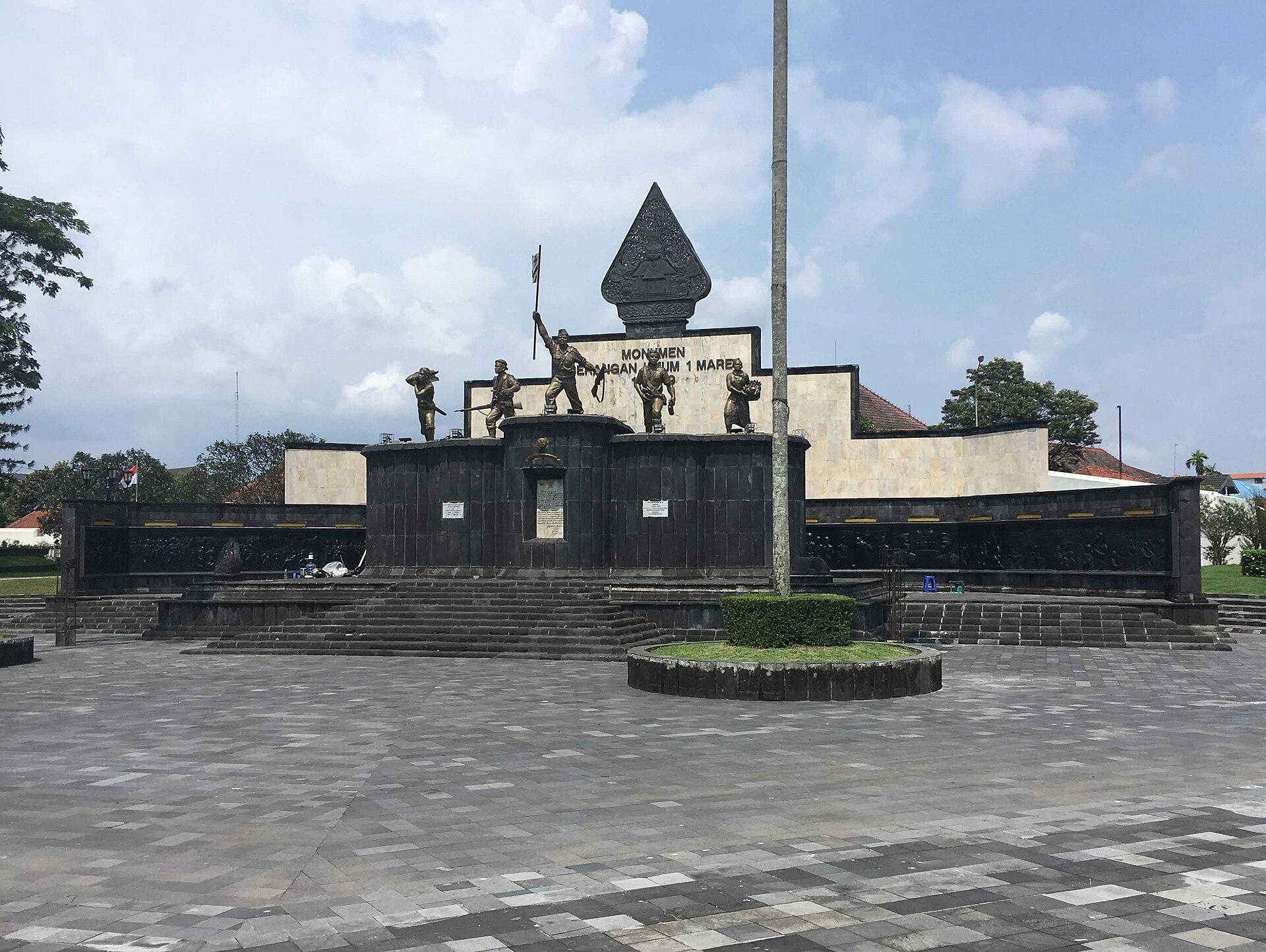
Yogyakarta hotels
Indonesia · 47 hotels
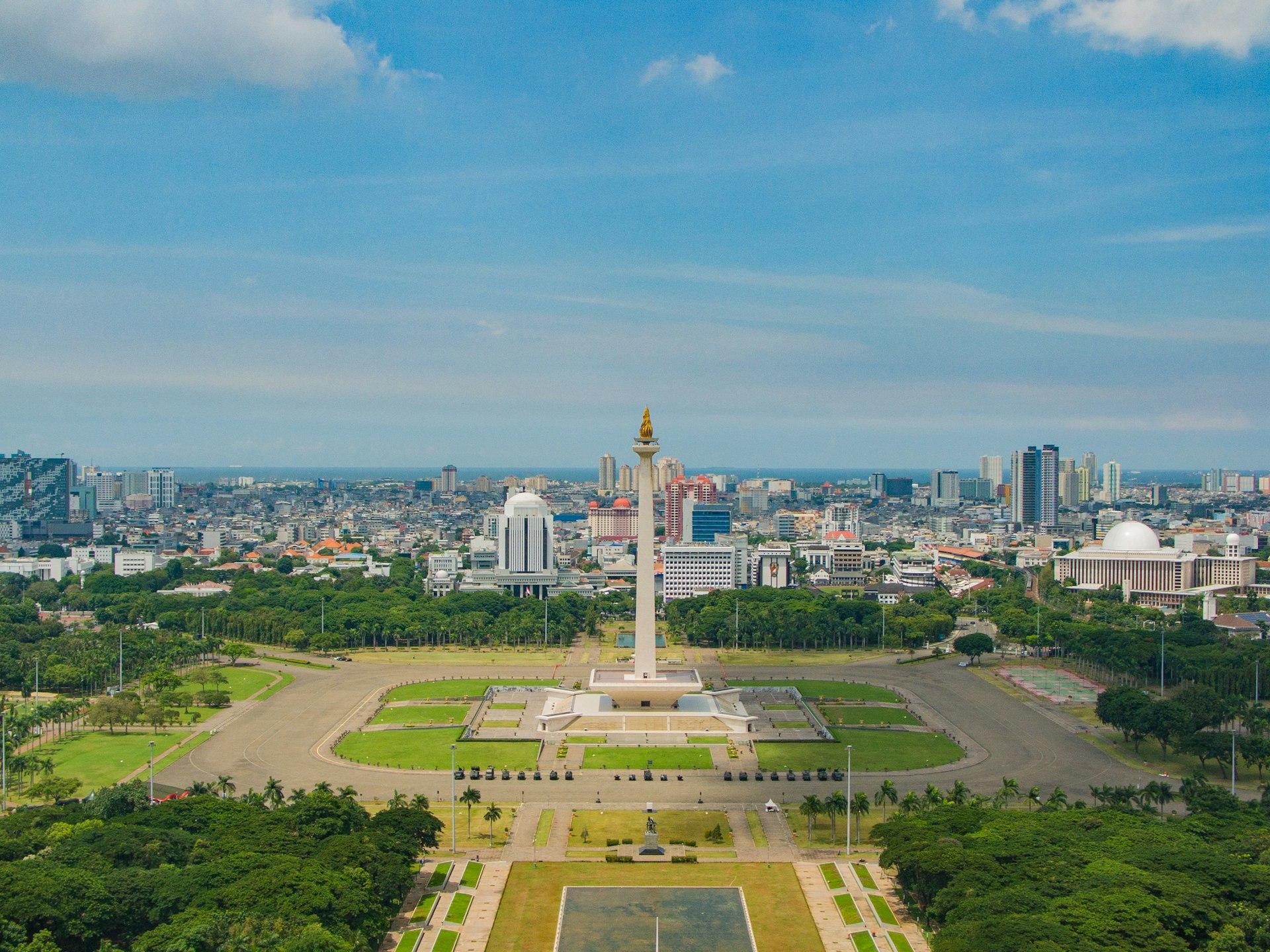
Jakarta hotels
Indonesia · 30 hotels
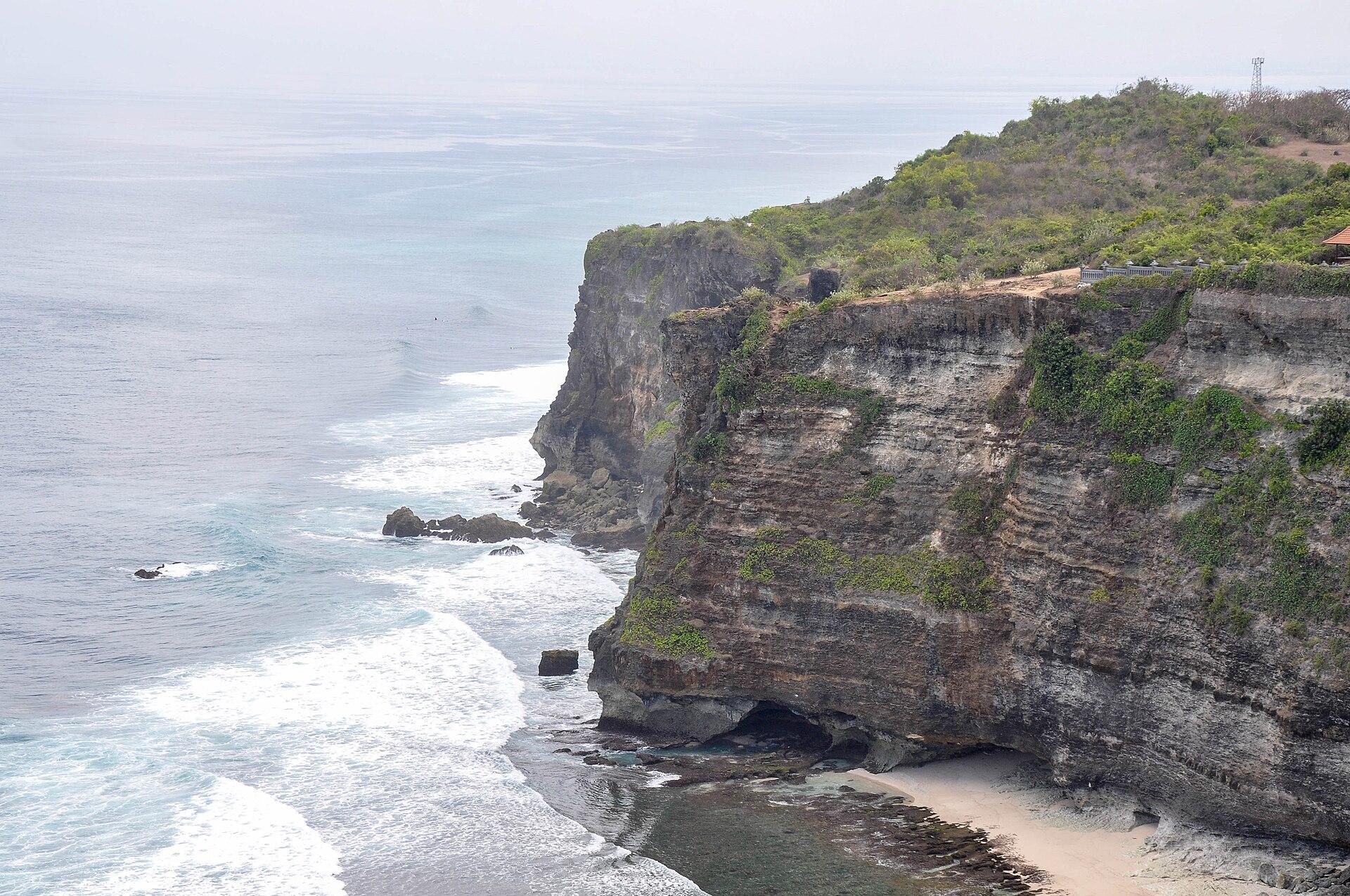
Uluwatu hotels
Indonesia · 29 hotels
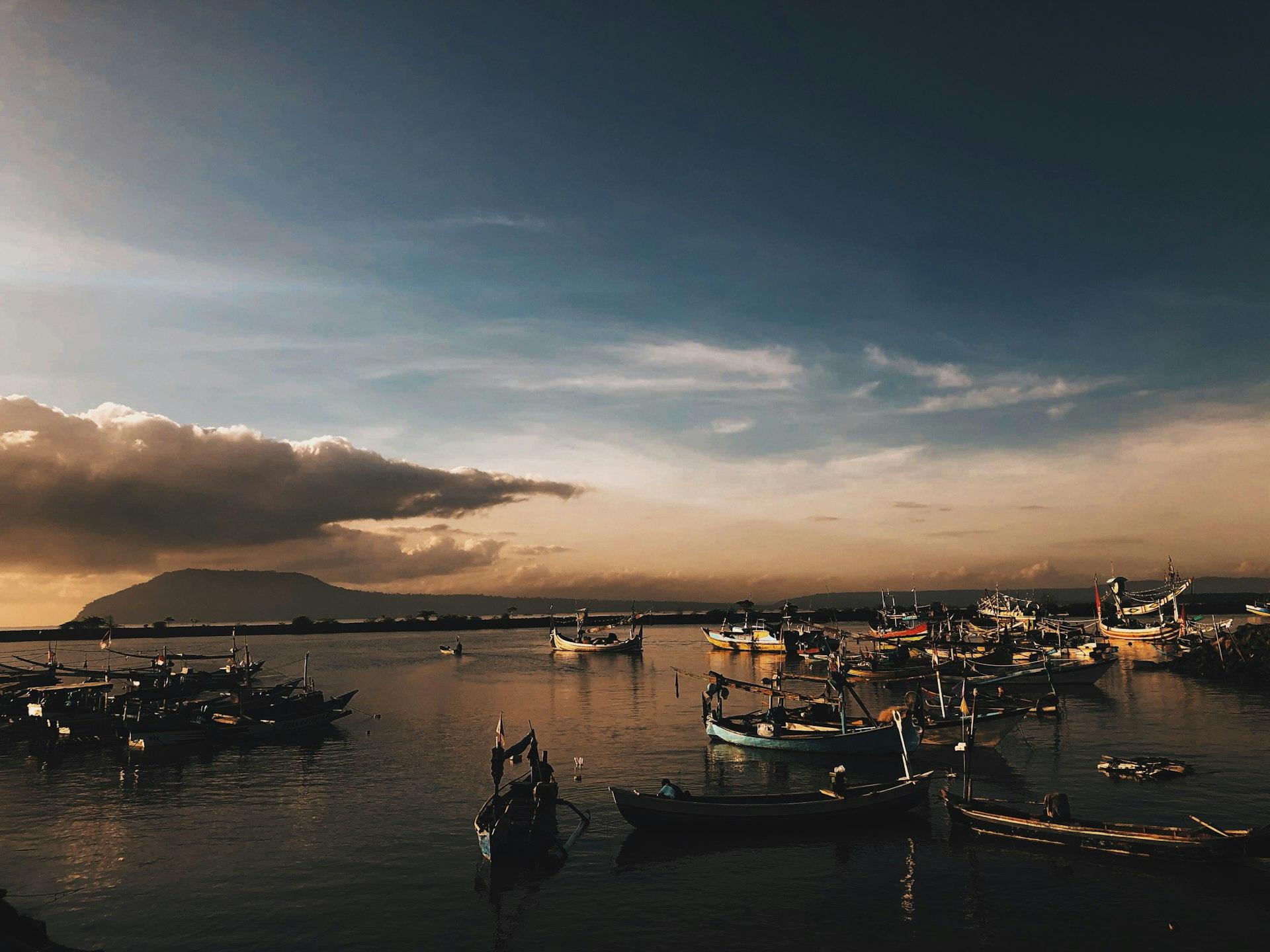
Banyuwangi hotels
Indonesia · 19 hotels
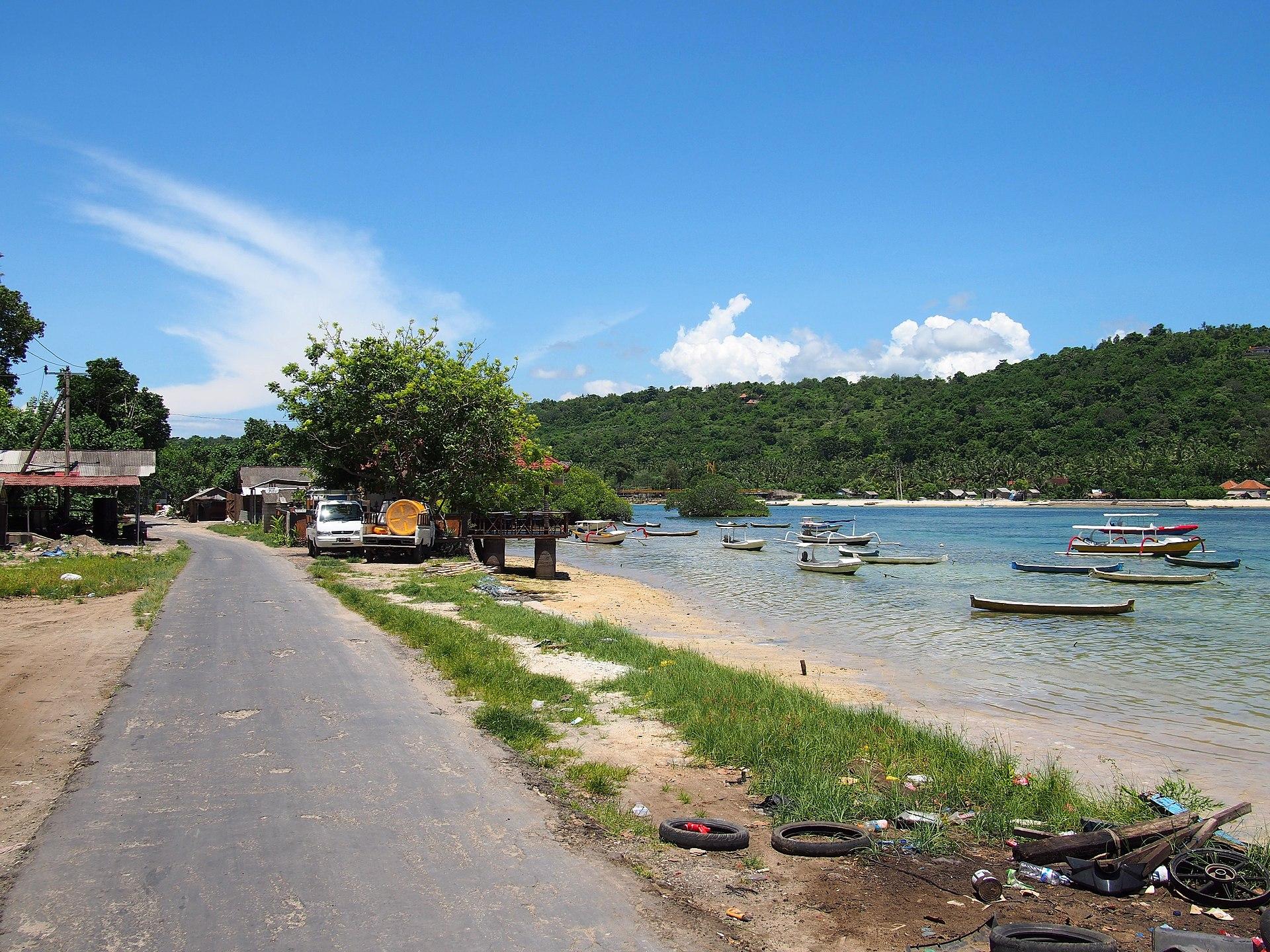
Nusa Lembongan hotels
Indonesia · 16 hotels
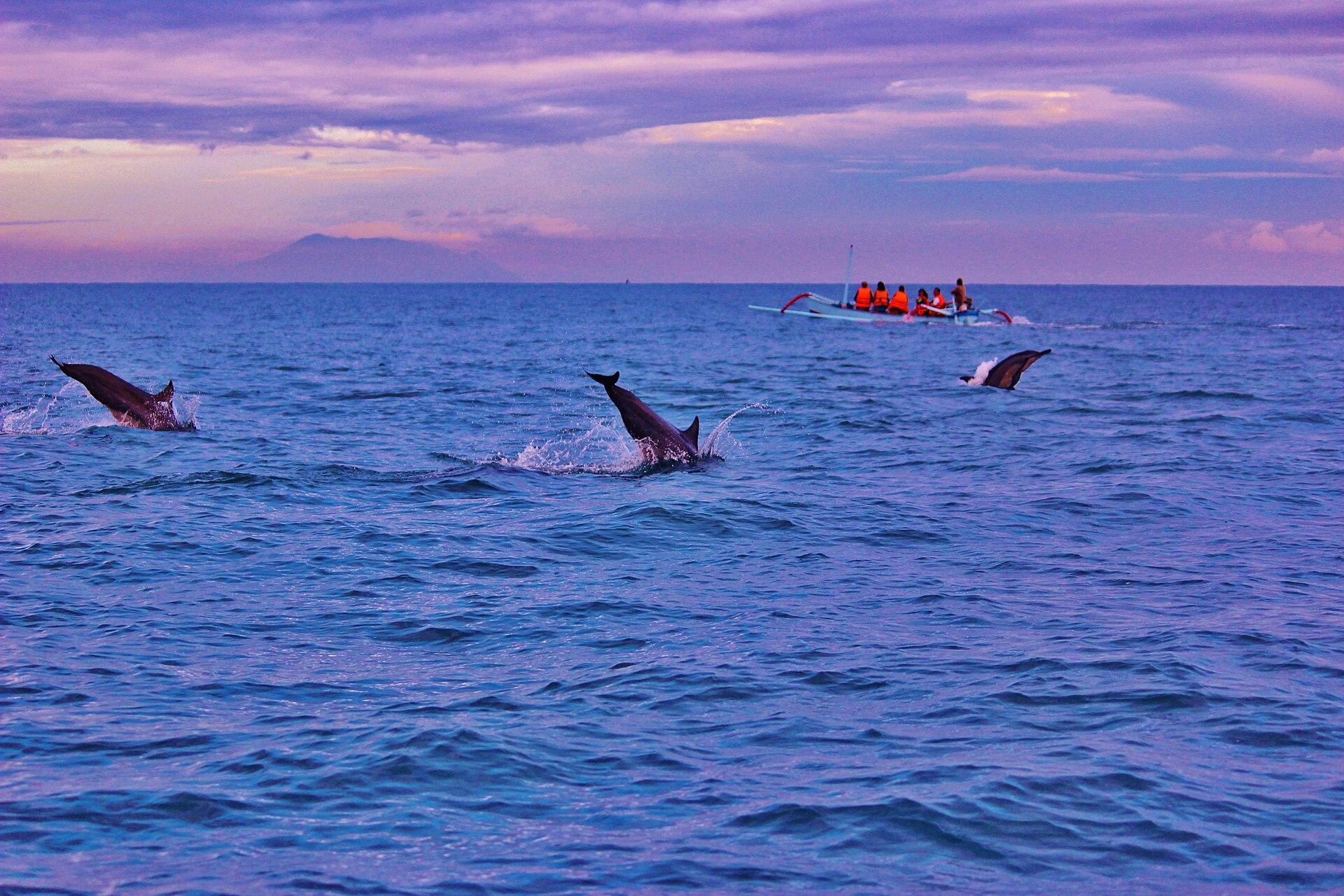
Lovina hotels
Indonesia · 15 hotels
Sanur hotels
Indonesia · 14 hotels
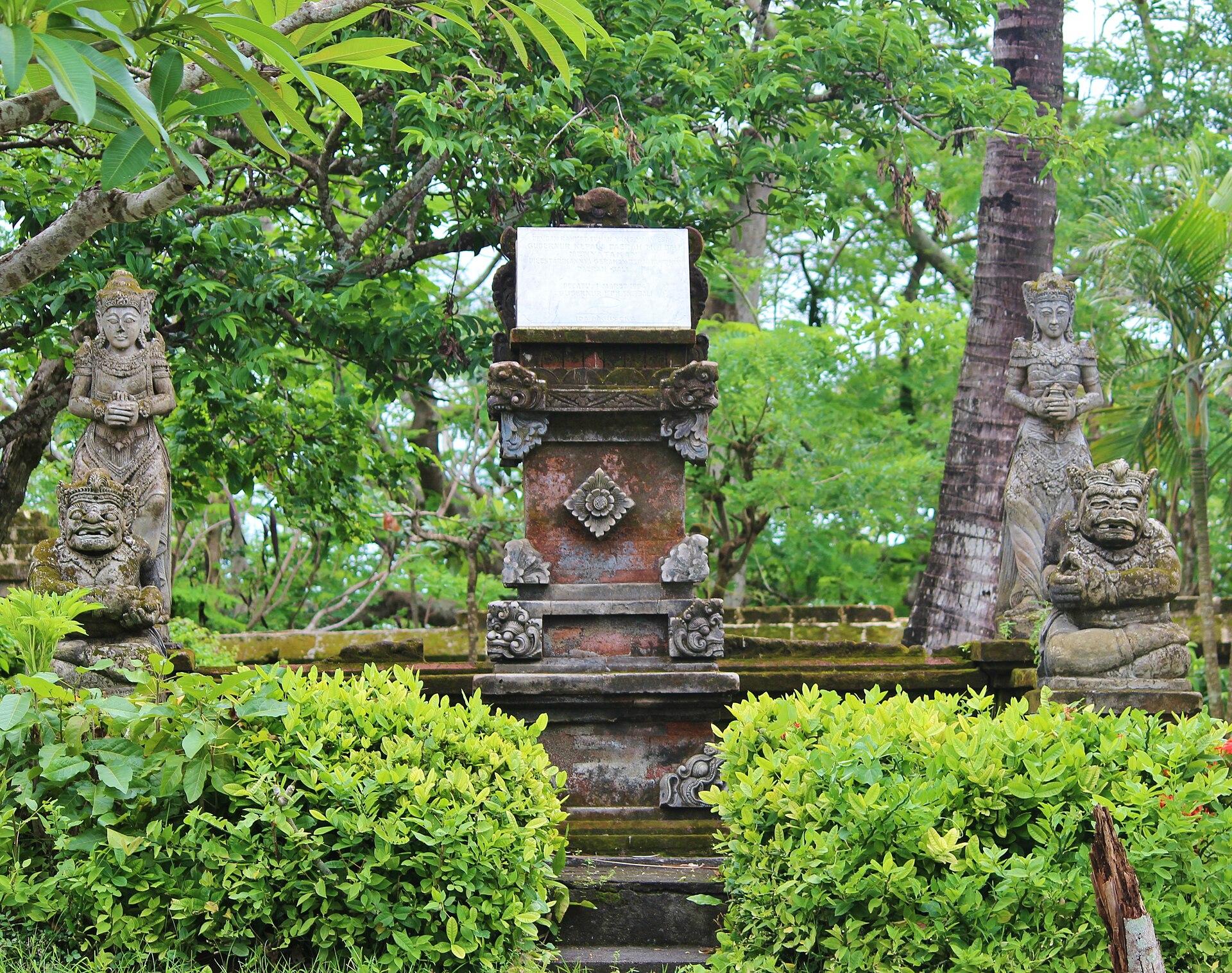
Jimbaran hotels
Indonesia · 12 hotels
Surabaya hotels
Indonesia · 9 hotels
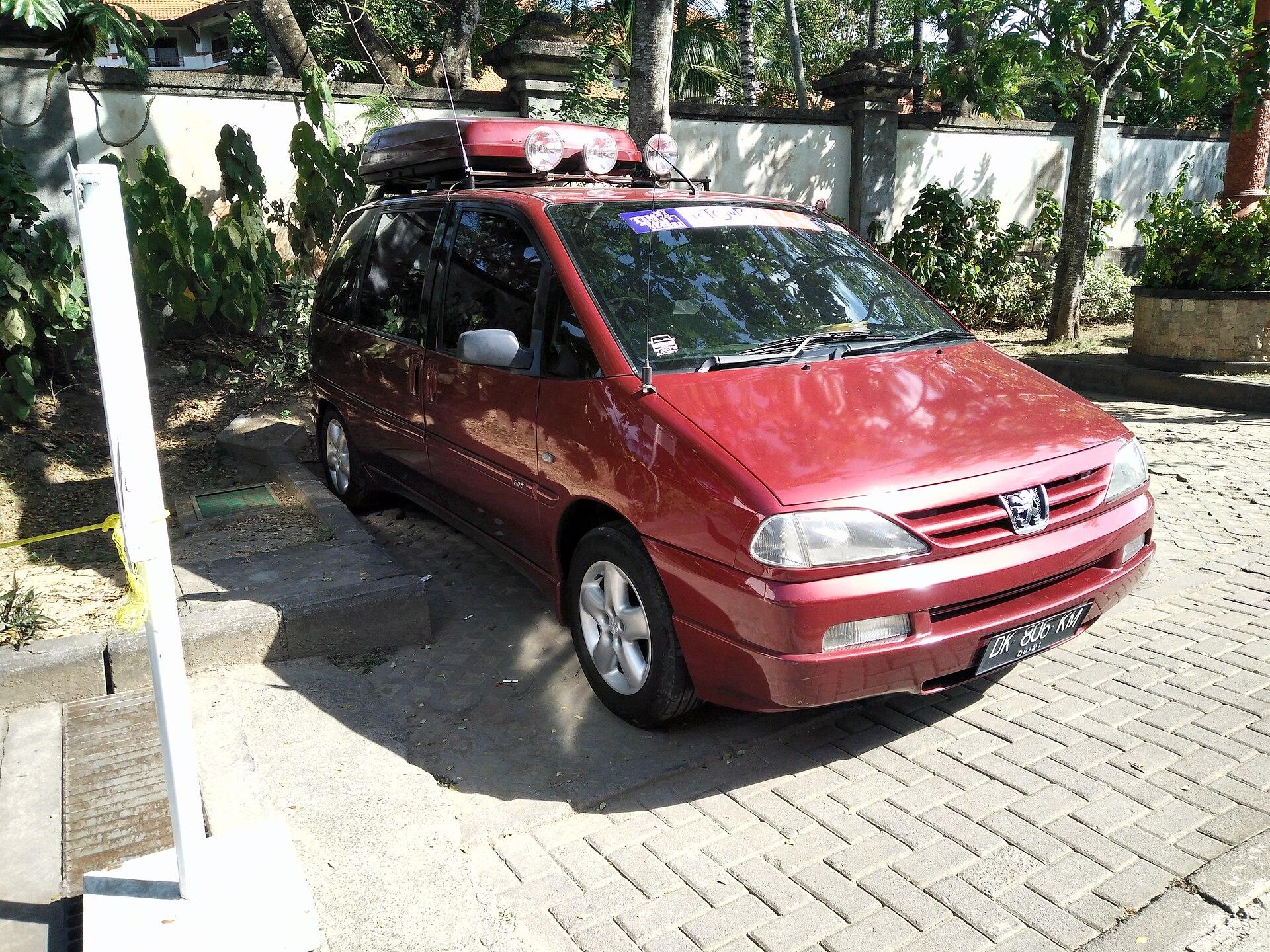
Nusa Dua hotels
Indonesia · 9 hotels
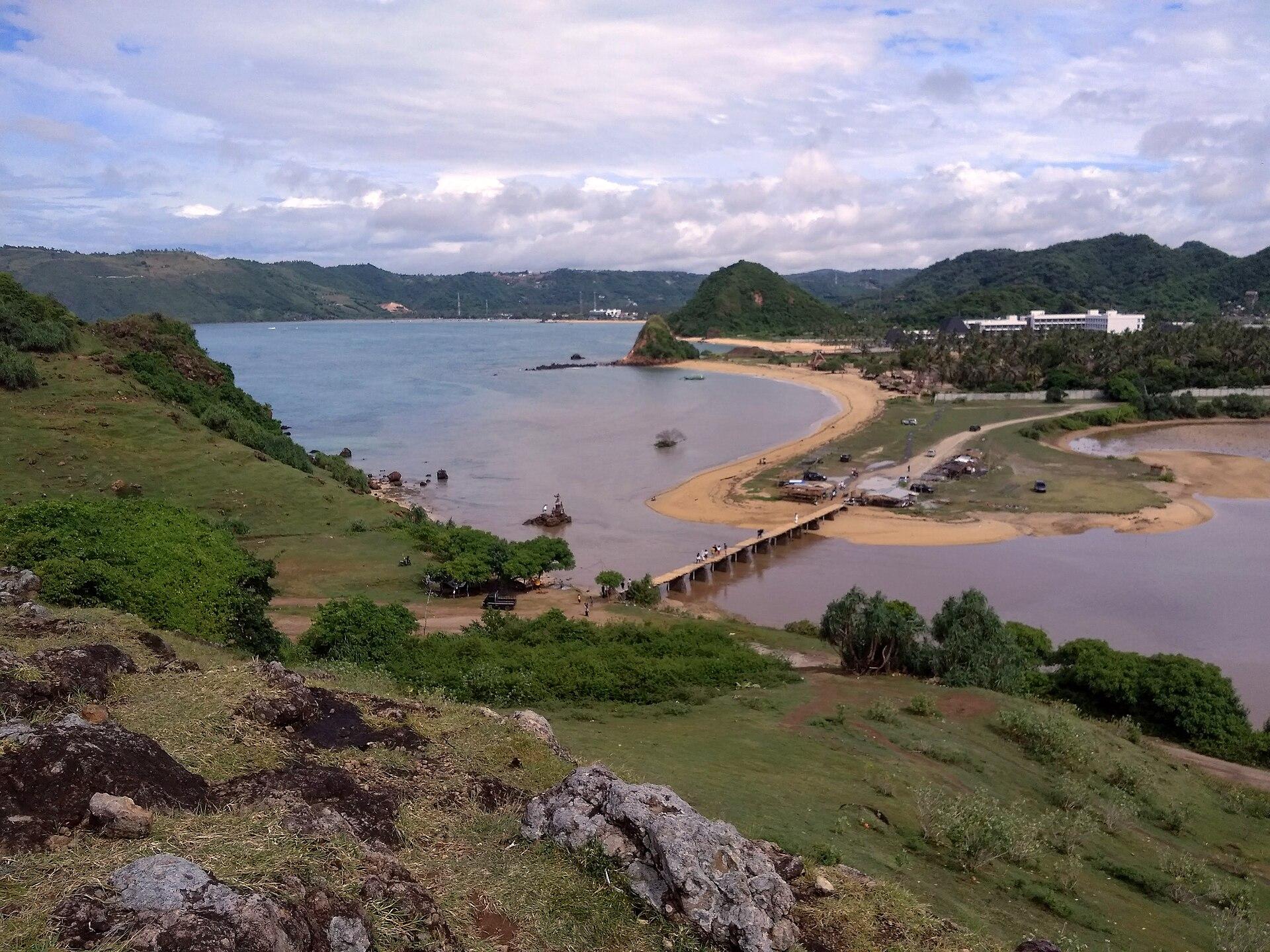
Kuta Lombok hotels
Indonesia · 9 hotels
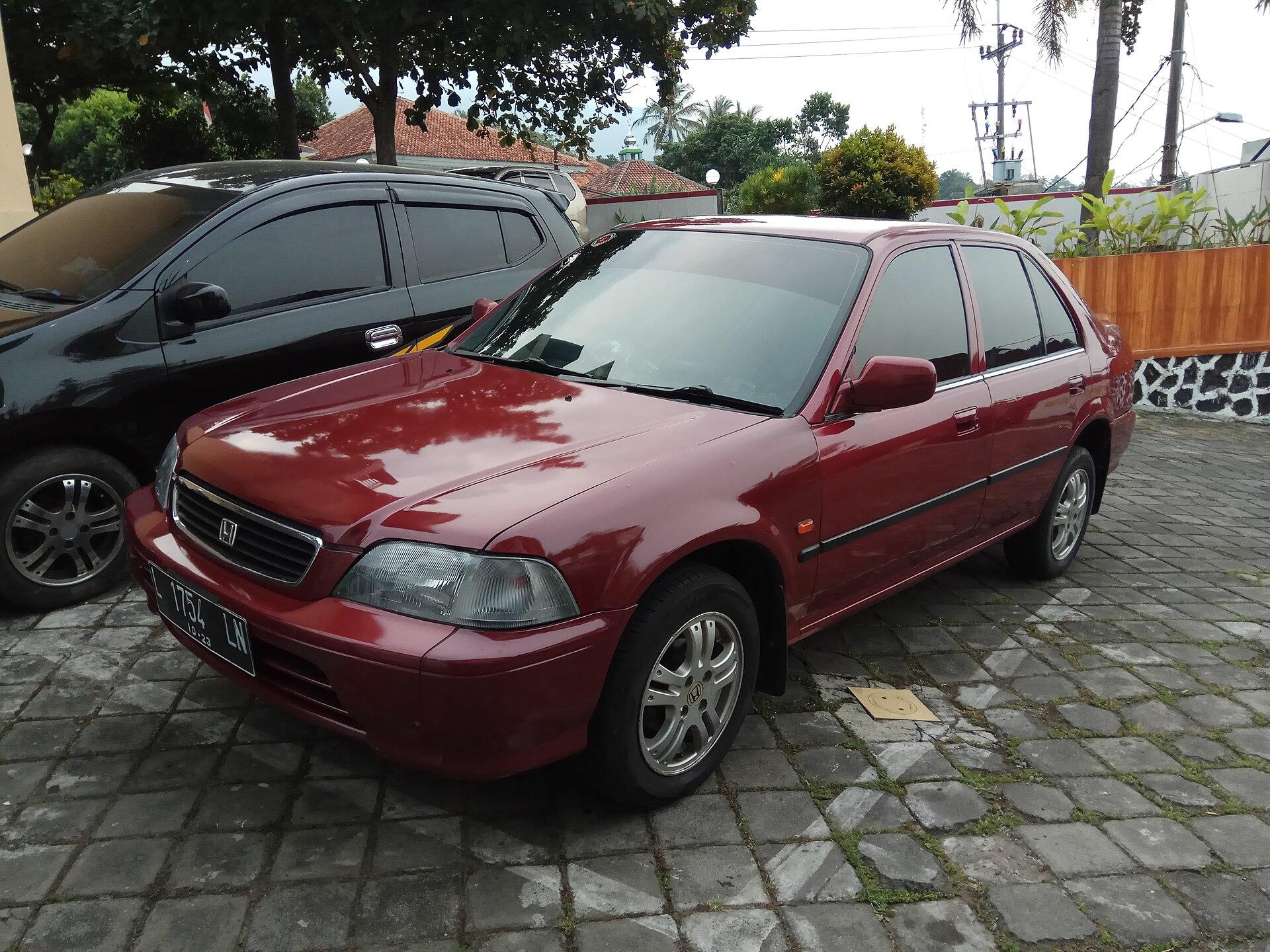
Bandungan hotels
Indonesia · 8 hotels
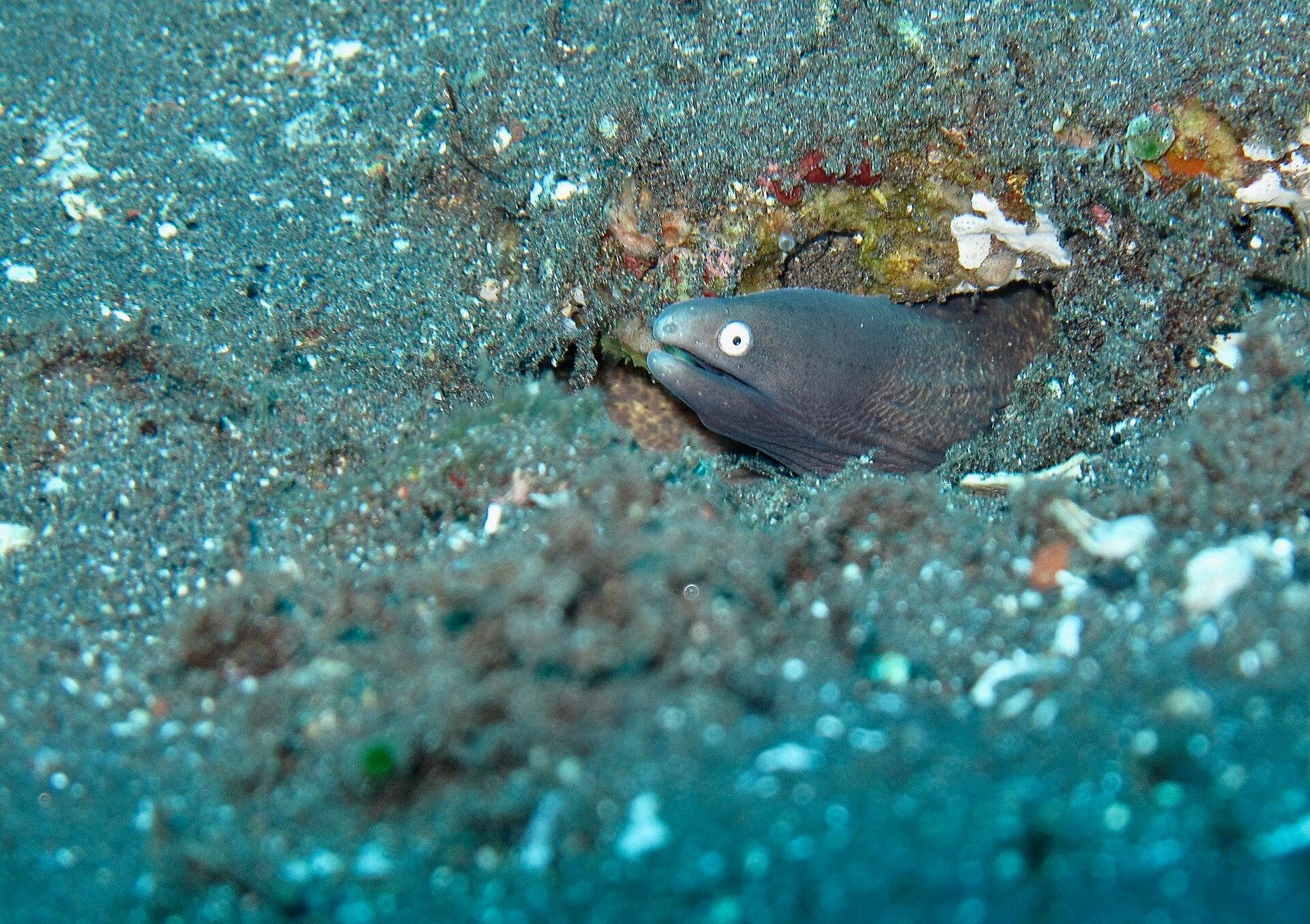
Amed hotels
Indonesia · 8 hotels
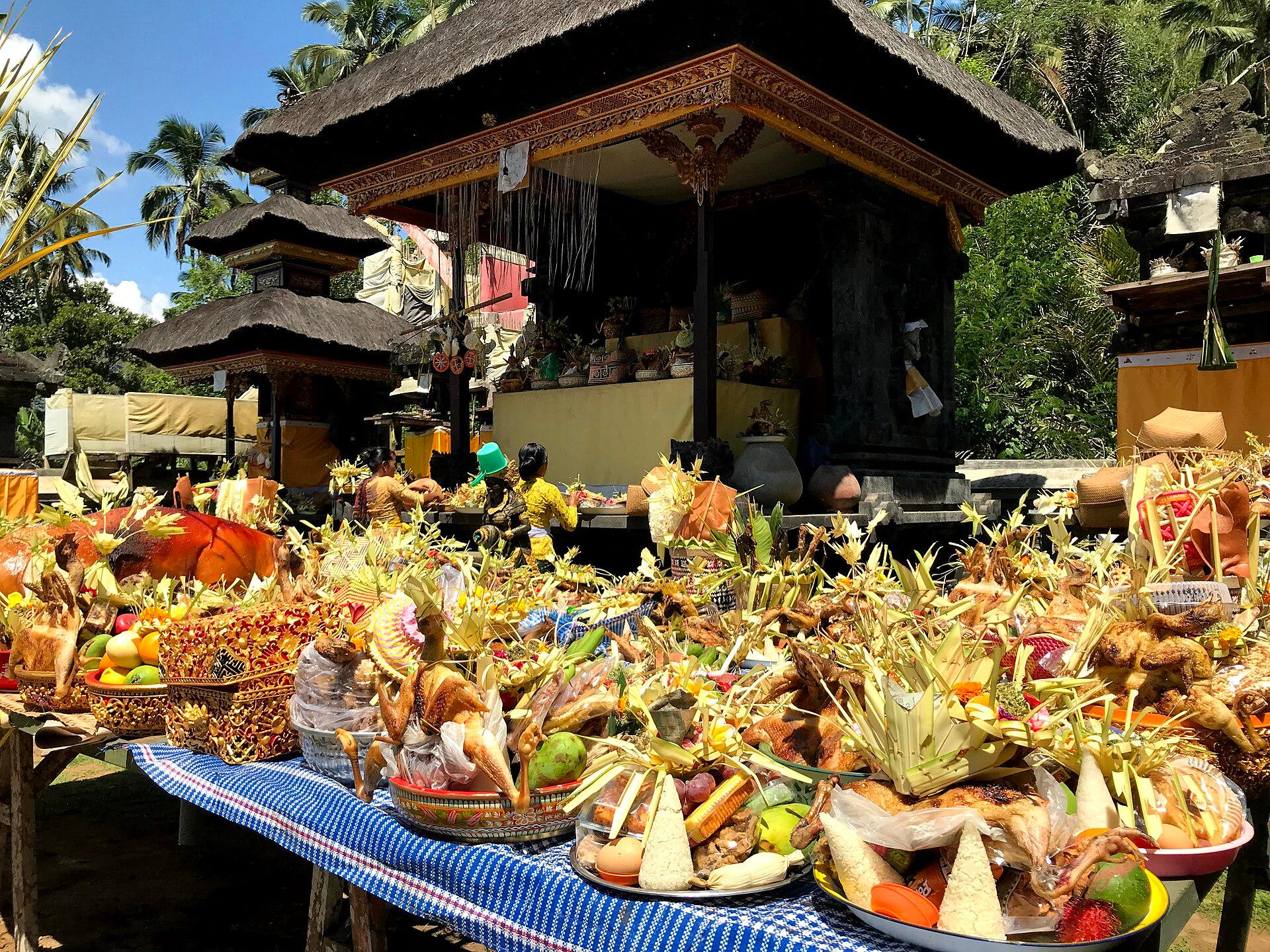
Sidemen hotels
Indonesia · 8 hotels
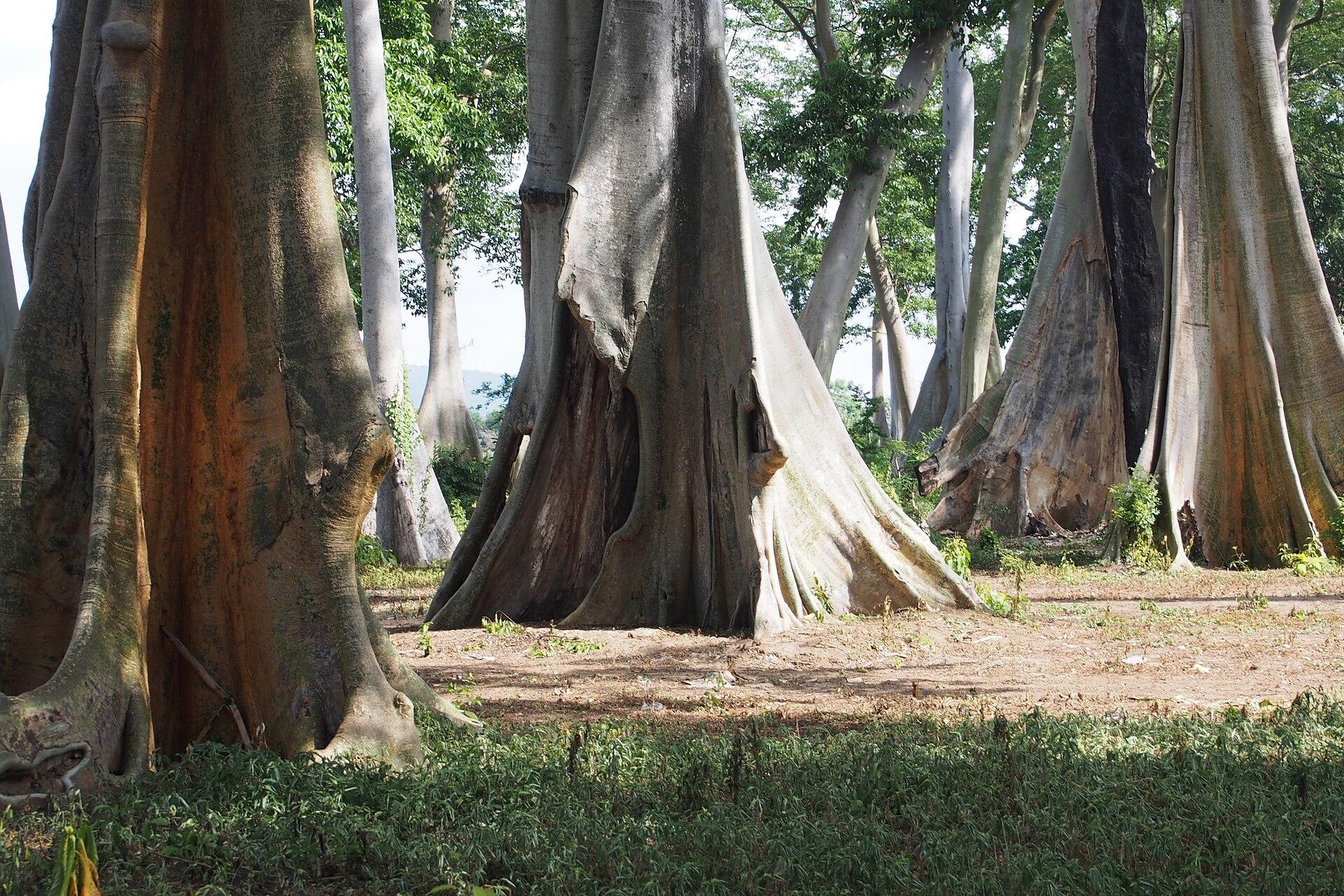
Lombok hotels
Indonesia · 6 hotels

Seminyak hotels
Indonesia · 5 hotels
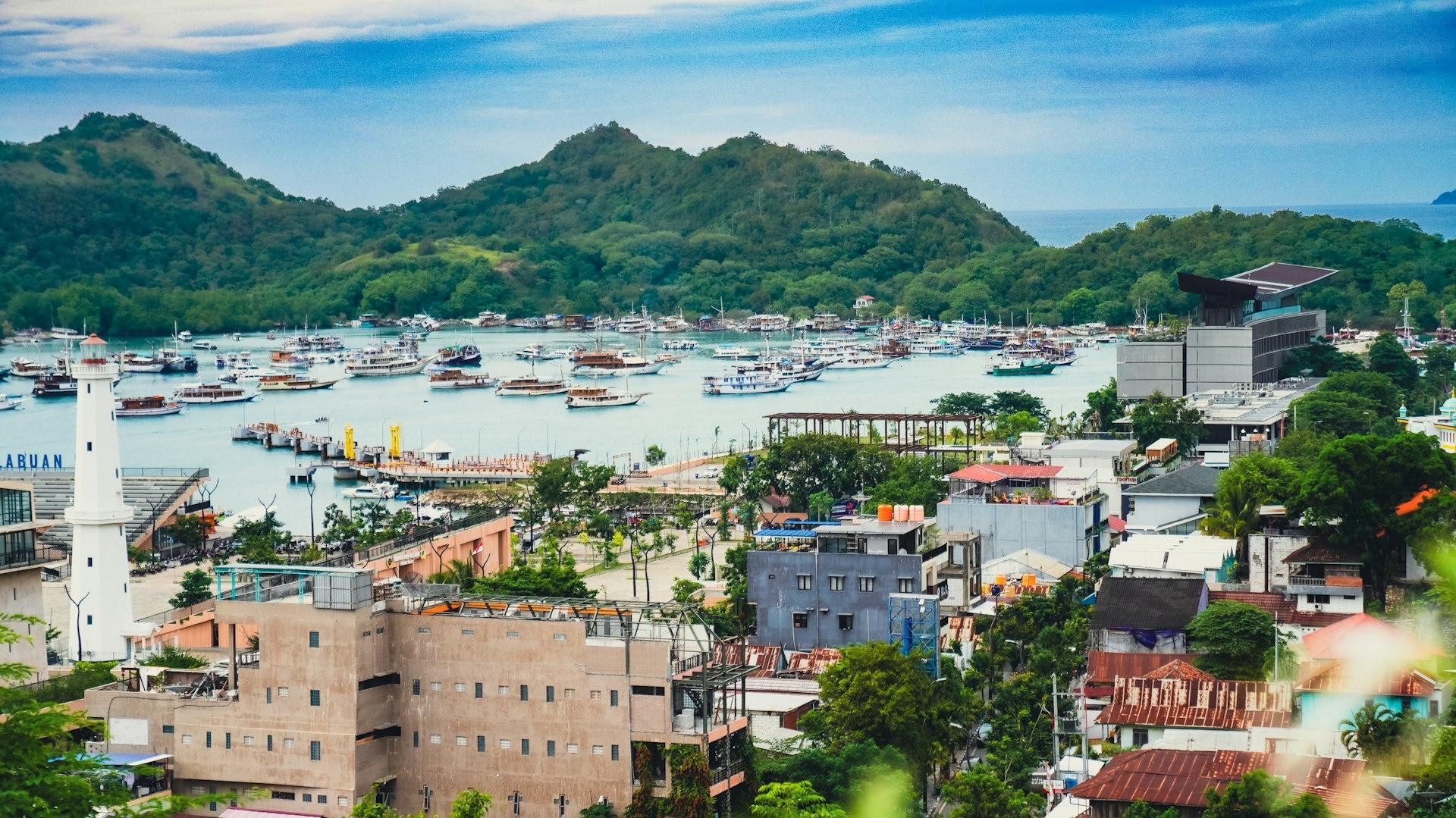
Labuan Bajo hotels
Indonesia · 5 hotels
Nagoya hotels
Indonesia · 4 hotels

Raja Ampat hotels
Indonesia · 4 hotels

Komodo hotels
Indonesia · 3 hotels

Bandung hotels
Indonesia · 2 hotels
Padangbai hotels
Indonesia · 1 hotels