
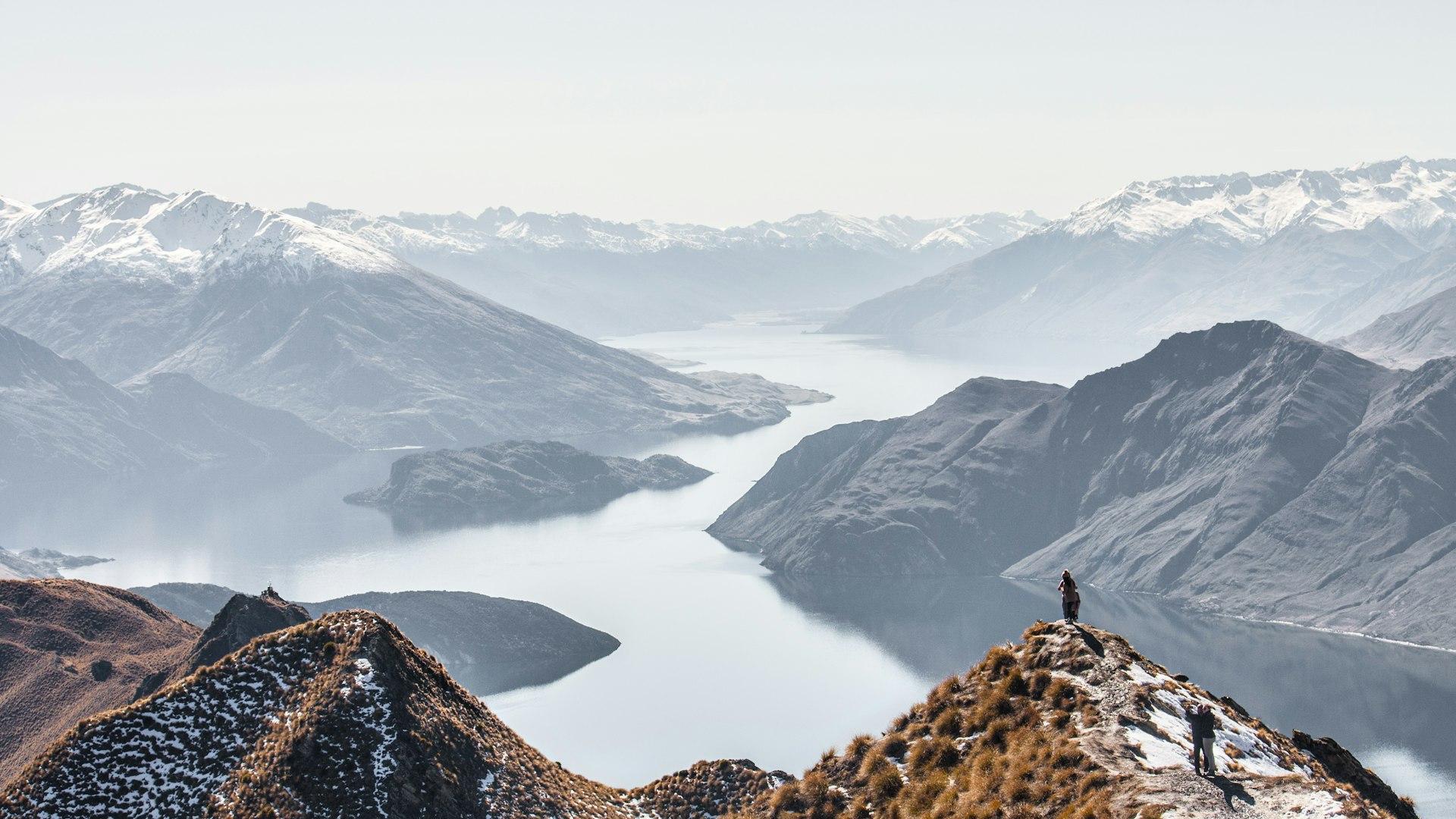
Hotels in New Zealand
14 cities · 114 hotels
Photo by Aaron Sebastian on Unsplash
New Zealand: Two Islands, 14,000 Kilometres of Coastline
New Zealand sits in the south-western Pacific Ocean, roughly 2,000 km east of Australia. The country spans two main landmasses — the North Island and the South Island — plus Stewart Island and some 600 smaller islands. Total land area is 268,021 km², yet the population is only 5.1 million, leaving vast stretches of forest, volcanic plateau, and glacier-carved fjord largely undisturbed. Wellington, the capital, occupies the southern tip of the North Island; Auckland, the largest city, anchors the north and handles most international arrivals.
Cities Worth Exploring
Auckland spreads across a narrow isthmus between two harbours and holds roughly a third of the country's population. The Sky Tower rises 328 m above the CBD, offering a reference point for first-time visitors navigating the waterfront and the restaurant precinct of Wynyard Quarter. Three hours south by road or rail, Hamilton serves as a base for the Waikato region's cave systems and hot-spring towns. Across Cook Strait on the South Island, Christchurch is rebuilding its city centre following the 2011 earthquake and now hosts a striking mix of heritage stone buildings alongside contemporary architecture. Queenstown, 480 km south-west of Christchurch, draws visitors year-round for skiing at Remarkables ski area in winter (June–August) and lake and alpine activities in summer.
Regions and Landscapes
The Northland region, 160 km north of Auckland, contains Waipoua Forest, home to Tāne Mahuta — a kauri tree estimated at 1,250–2,500 years old and 51 m tall. The Rotorua geothermal zone on the central North Island plateau has been a Māori settlement centre for over 600 years; sulphuric vents, boiling mud pools, and Te Puia cultural centre sit within 5 km of the town centre. The Fiordland National Park on the South Island's south-west coast covers 1.26 million hectares and contains Milford Sound, a 16 km-long fiord with walls rising 1,200 m. The Canterbury Plains east of the Southern Alps supply a significant share of the country's dairy and grain output, and the Marlborough wine region at the top of the South Island produces roughly 77% of New Zealand's total wine volume, sauvignon blanc in particular.
When to Visit New Zealand
New Zealand's seasons are the reverse of the northern hemisphere. December through February is summer, with long daylight hours and temperatures between 20°C and 30°C in most lowland areas. The ski season runs June to October across Remarkables, Coronet Peak, and Mt Hutt near Methven. The shoulder months of March–April and September–October offer fewer crowds at key sites like Milford Sound and the Tongariro Alpine Crossing, a 19.4 km day walk across active volcanic terrain in Tongariro National Park, New Zealand's first national park, designated in 1887.
Practical Tips for Visiting New Zealand
- Getting around: Inter-city coaches (InterCity network) and domestic flights connect main centres; car rental suits rural areas where public transport is sparse.
- Currency: New Zealand Dollar (NZD). Credit cards are accepted widely; ATMs available in all towns with populations above 1,000.
- Entry: Citizens of 60+ countries qualify for a visa waiver; travellers must hold an NZTa Electronic Travel Authority (NZeTA) before boarding.
- Health: No endemic malaria. Sun intensity is high due to low atmospheric ozone — pack SPF 50+ sunscreen for outdoor activity.
- Driving: Traffic moves on the left. Many scenic roads are narrow and winding; allow extra travel time on routes through Fiordland or the Coromandel Peninsula.
Frequently Asked Questions
Q: What is the currency used in New Zealand? A: New Zealand uses the New Zealand Dollar (NZD). Major credit cards are accepted at hotels, restaurants, and most retail outlets across the country.
Q: Do visitors need a visa to enter New Zealand? A: Citizens of approximately 60 countries, including the US, UK, and EU member states, can visit visa-free but must obtain an NZeTA online before travel. Other nationalities require a visitor visa from Immigration New Zealand.
Q: Which airport handles most international flights into New Zealand? A: Auckland Airport (AKL) processes the majority of international arrivals. Christchurch Airport (CHC) and Wellington Airport (WLG) also receive select transtasman and Pacific routes.
Q: How far is Queenstown from Christchurch? A: Queenstown is approximately 480 km south-west of Christchurch by road, a drive of roughly 4.5–5 hours via State Highway 8. Domestic flights between the two cities take about 55 minutes.
Q: What language is spoken in New Zealand? A: English is the primary language. Te Reo Māori is an official language and is increasingly used in public signage, broadcasting, and place names throughout the country.
Cities in New Zealand
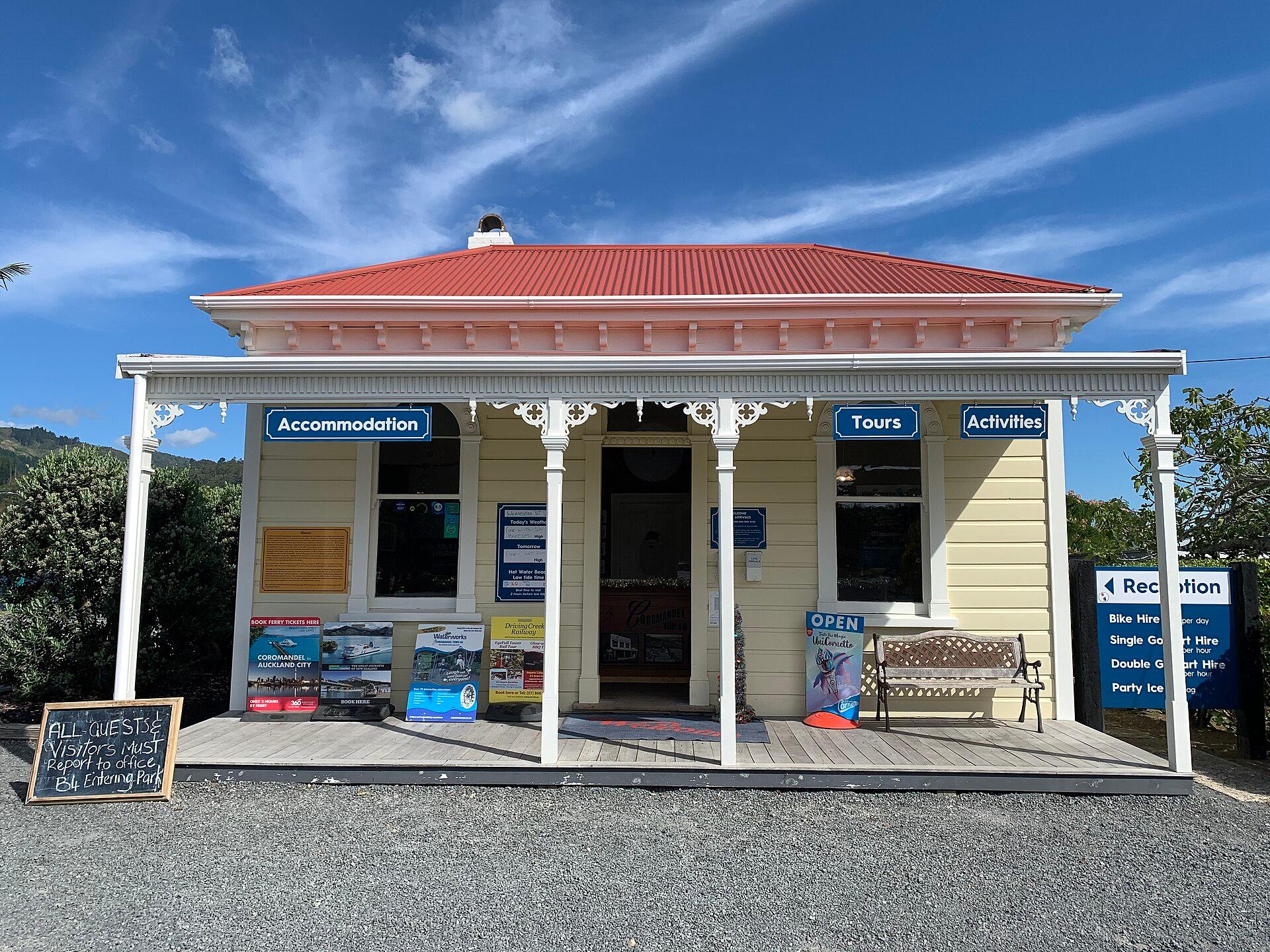
Coromandel Town hotels
New Zealand · 22 hotels
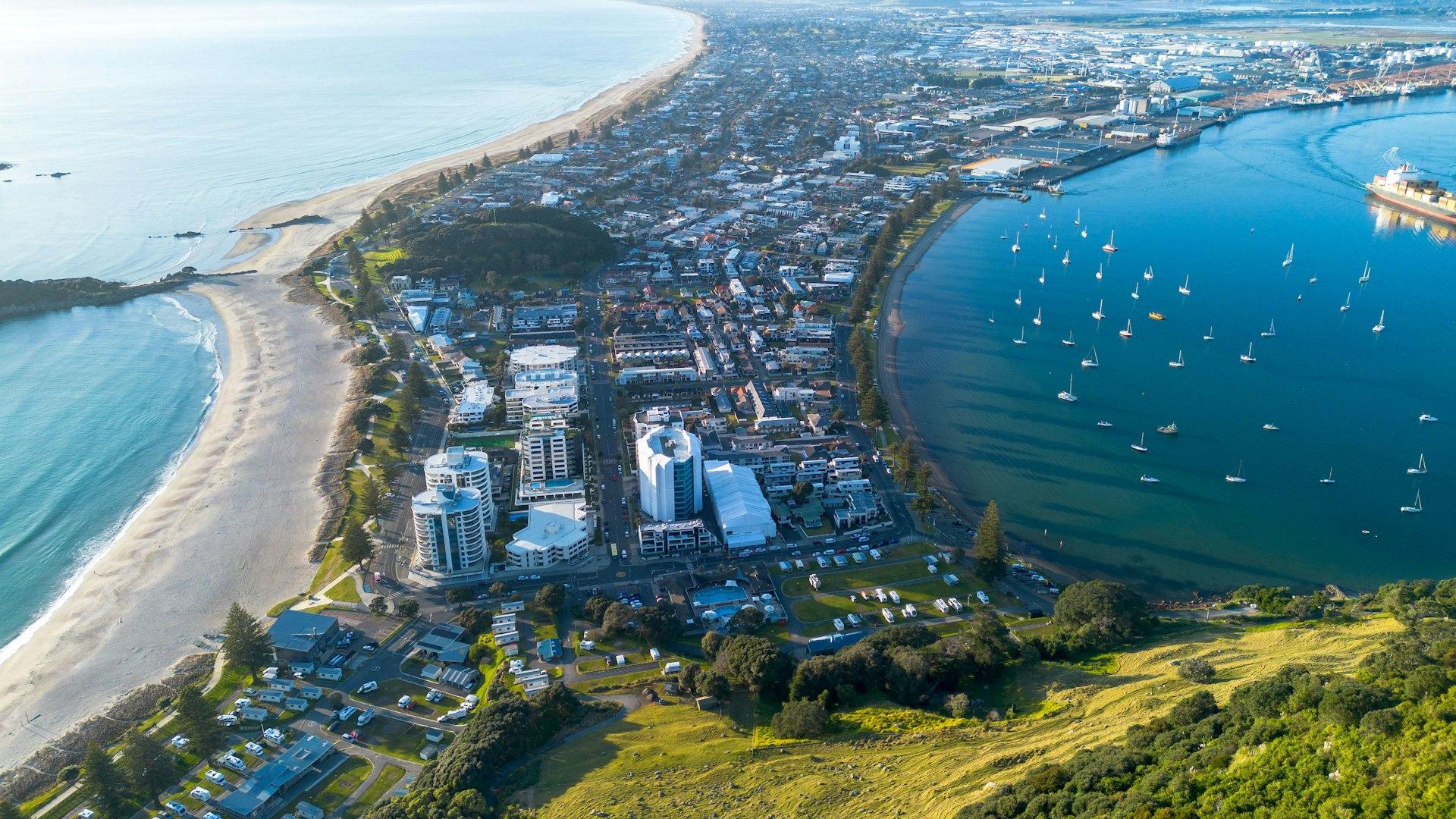
Tauranga hotels
New Zealand · 19 hotels
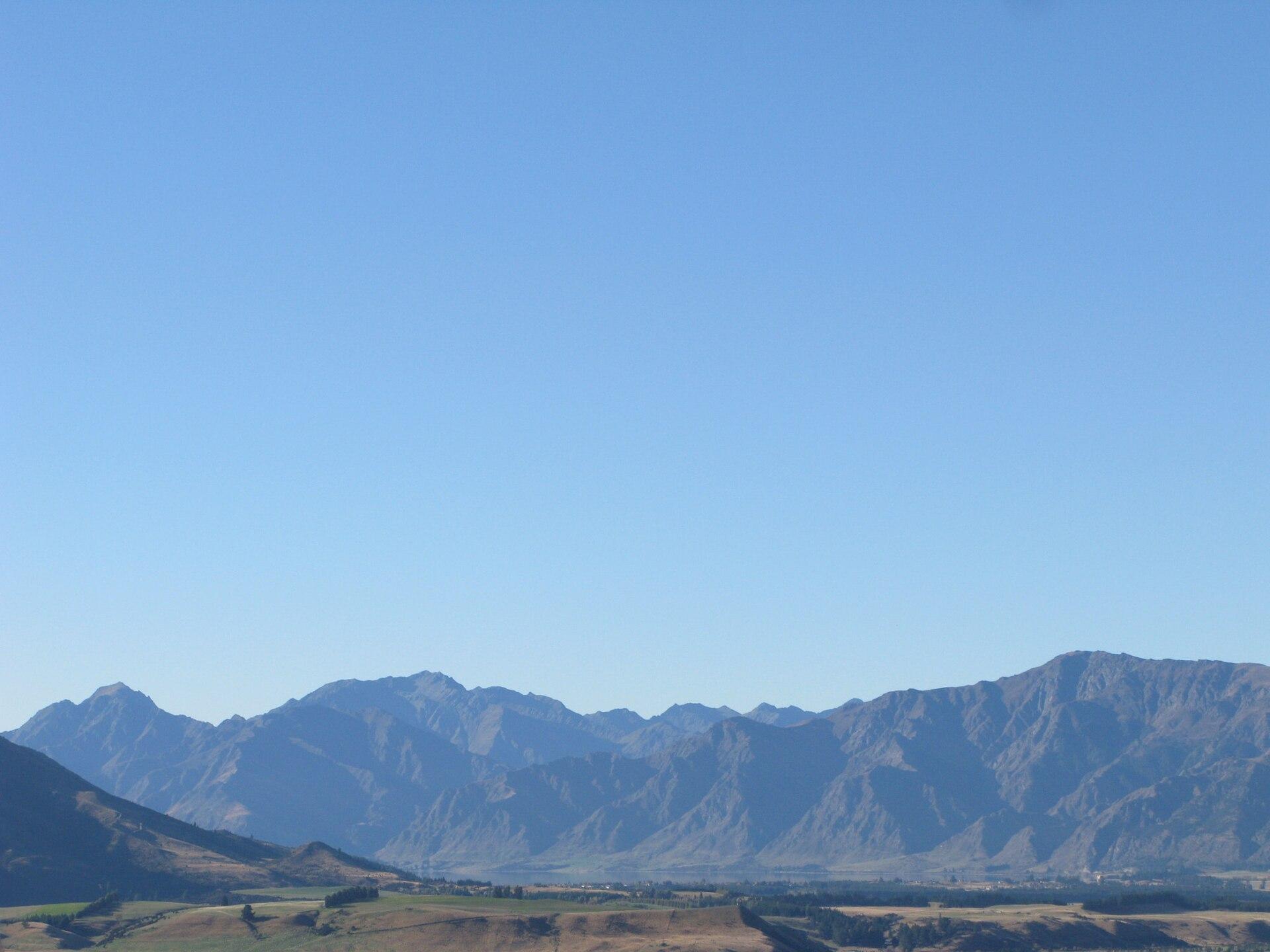
Wanaka hotels
New Zealand · 18 hotels
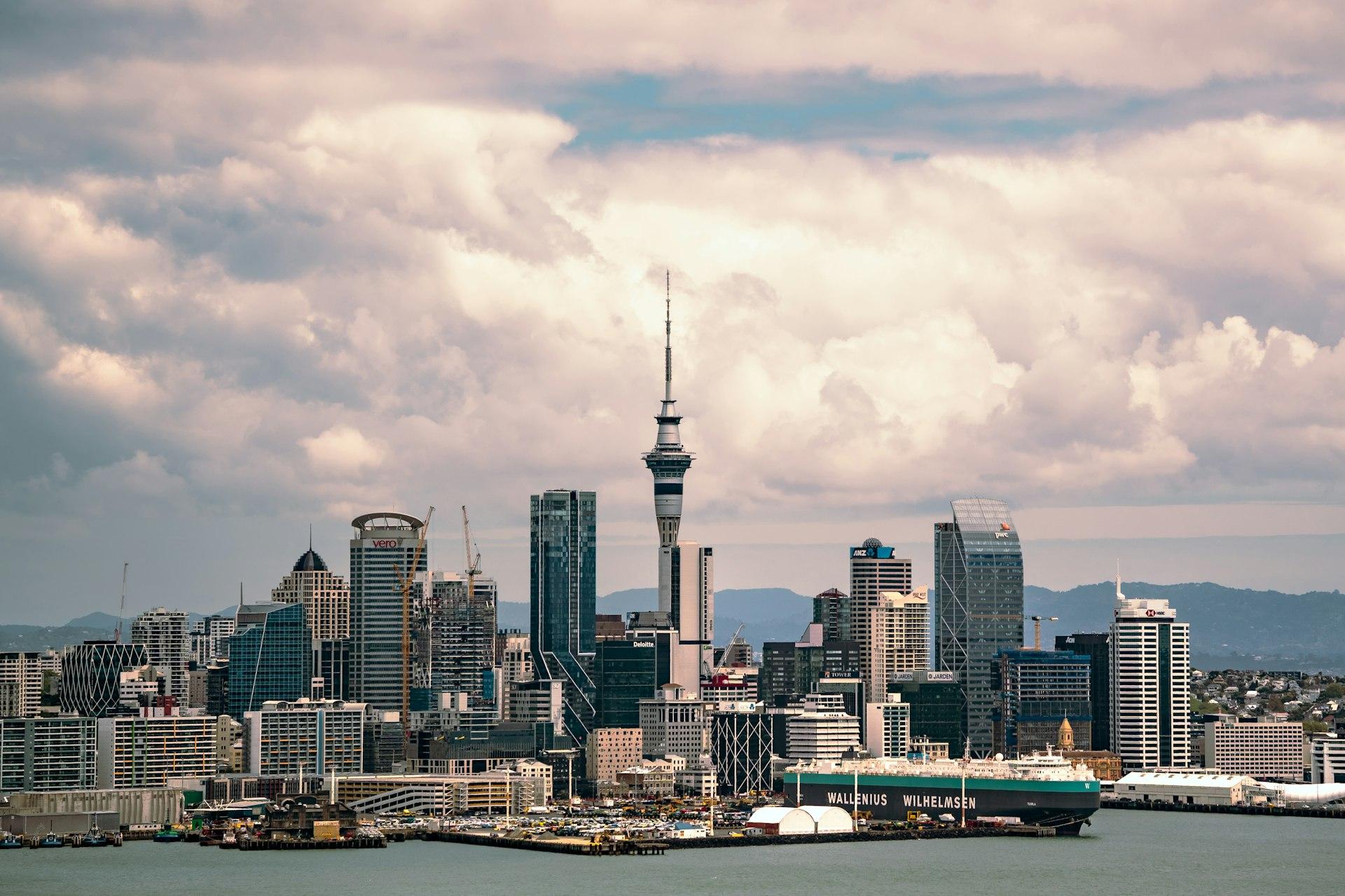
Auckland hotels
New Zealand · 10 hotels
Queenstown hotels
New Zealand · 10 hotels

Nelson hotels
New Zealand · 10 hotels

Raglan hotels
New Zealand · 7 hotels
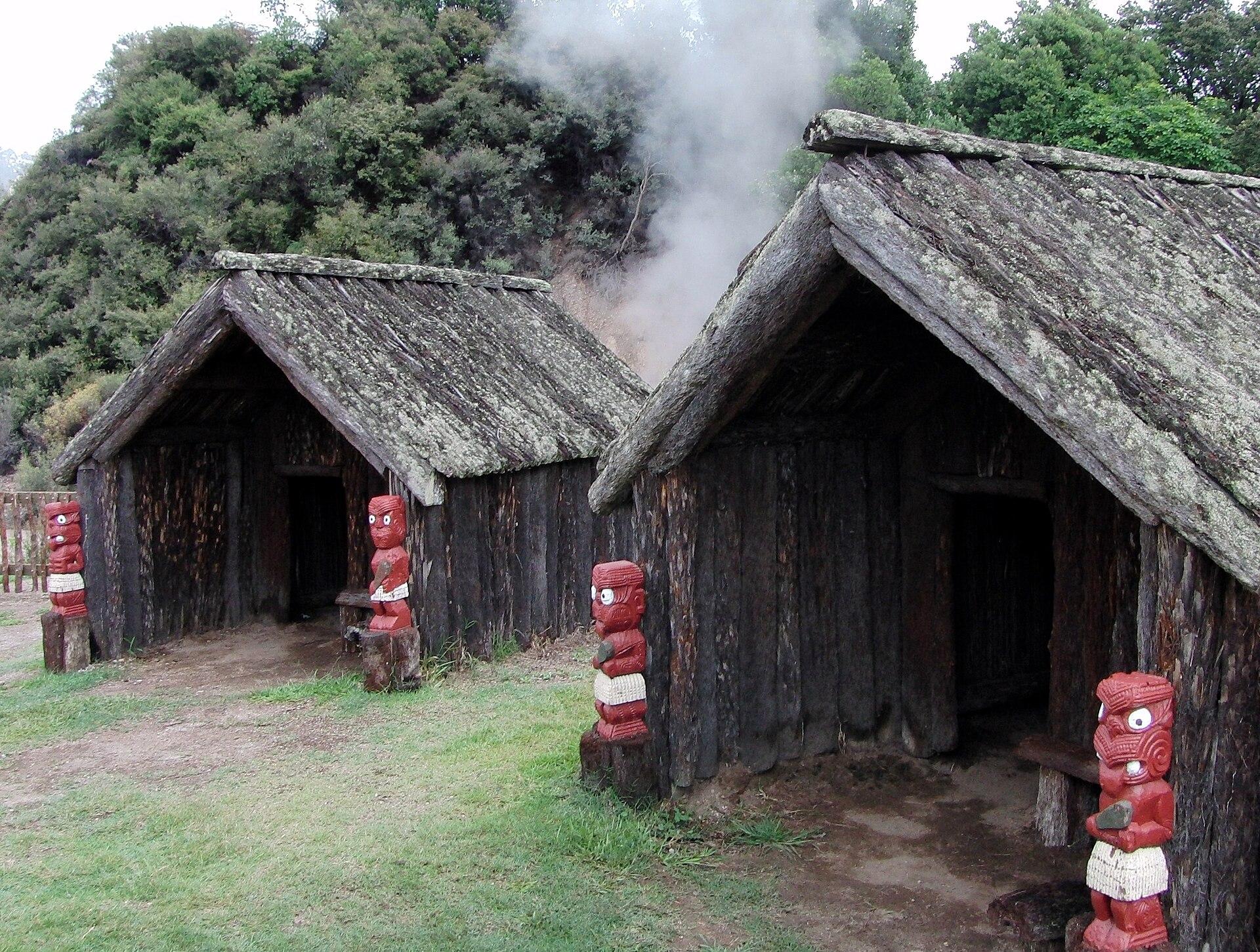
Rotorua hotels
New Zealand · 5 hotels
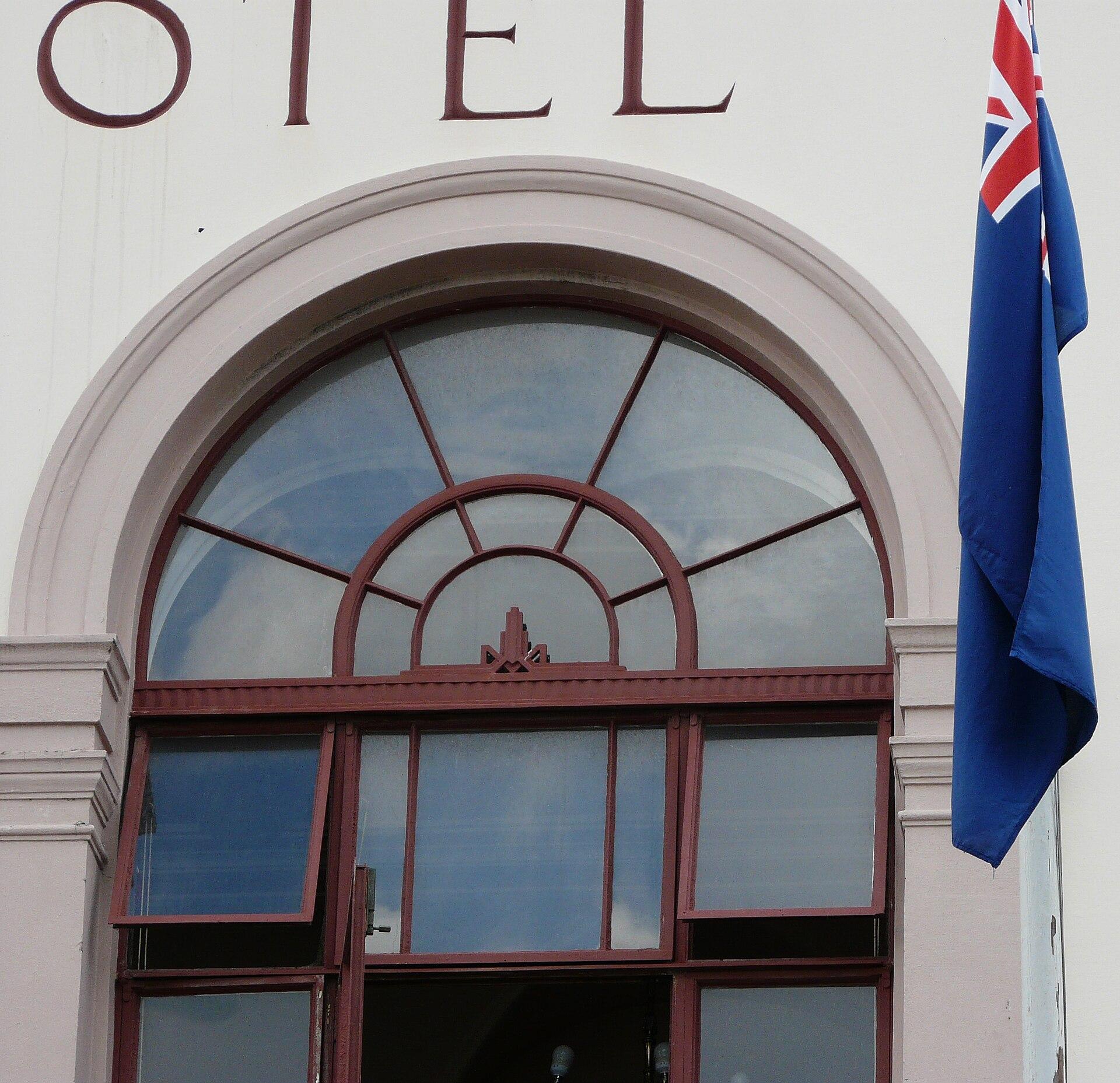
Napier hotels
New Zealand · 4 hotels
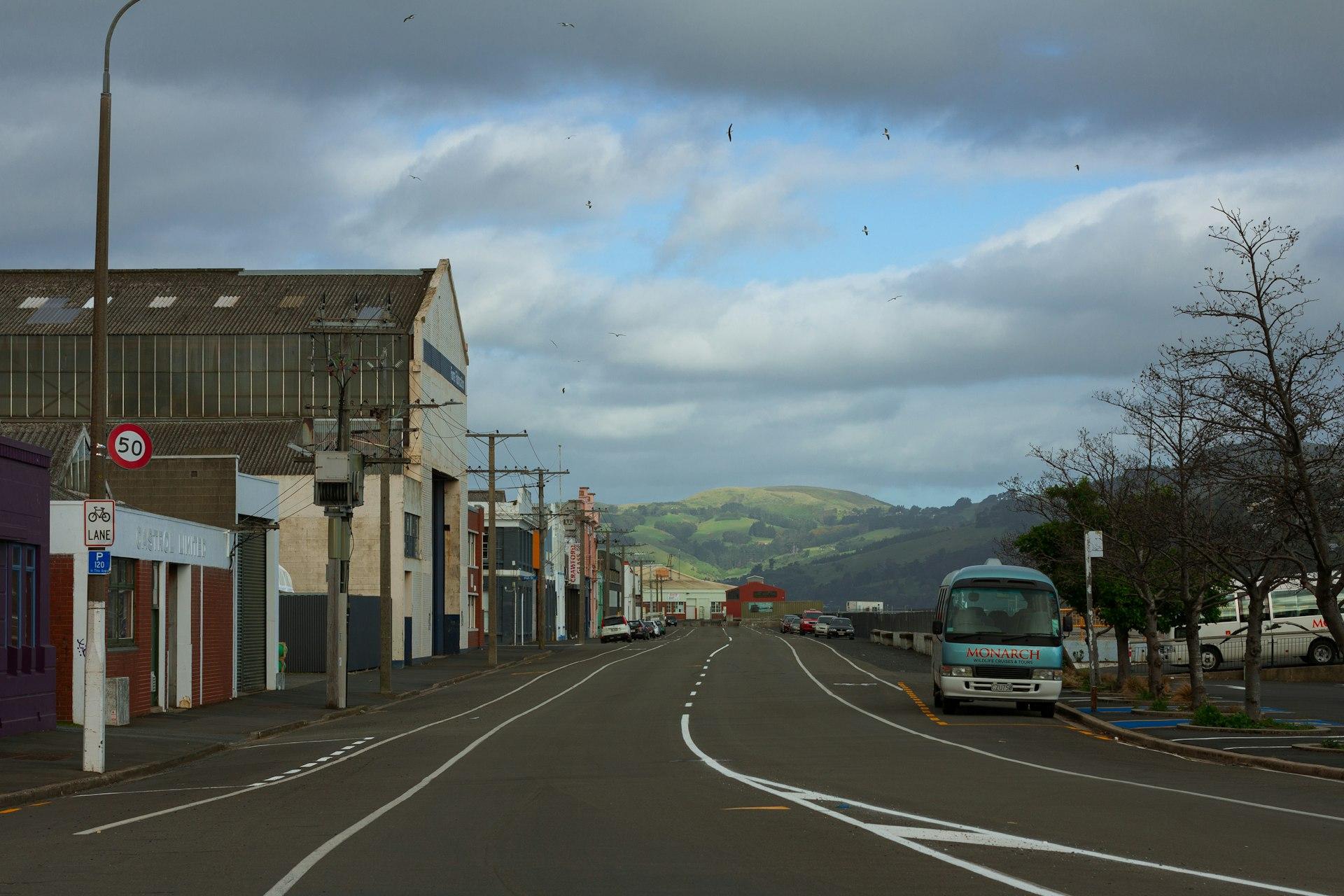
Dunedin hotels
New Zealand · 4 hotels
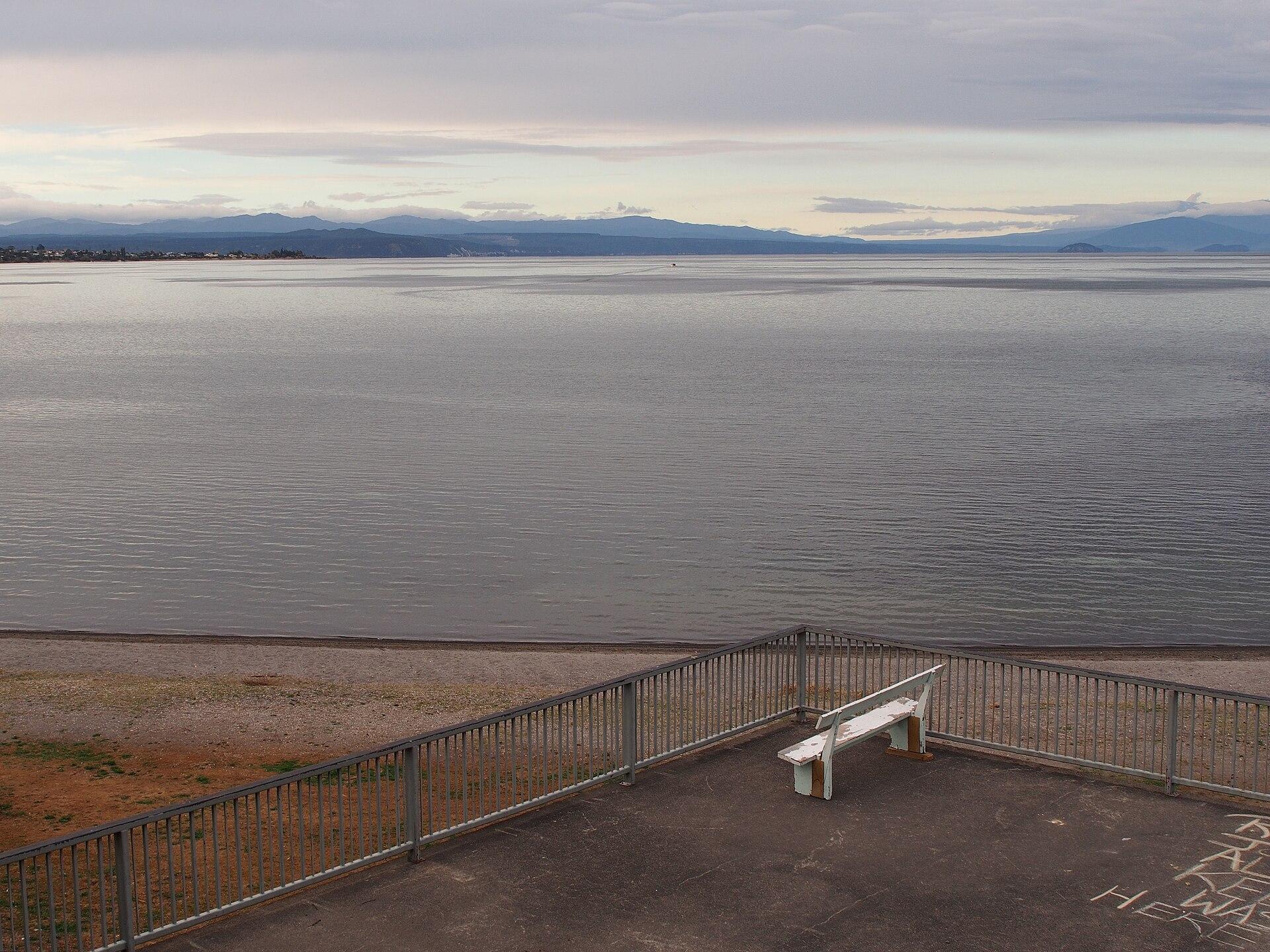
Taupo hotels
New Zealand · 3 hotels

Akaroa hotels
New Zealand · 2 hotels