Hotels in Pakistan
10 cities · 82 hotels
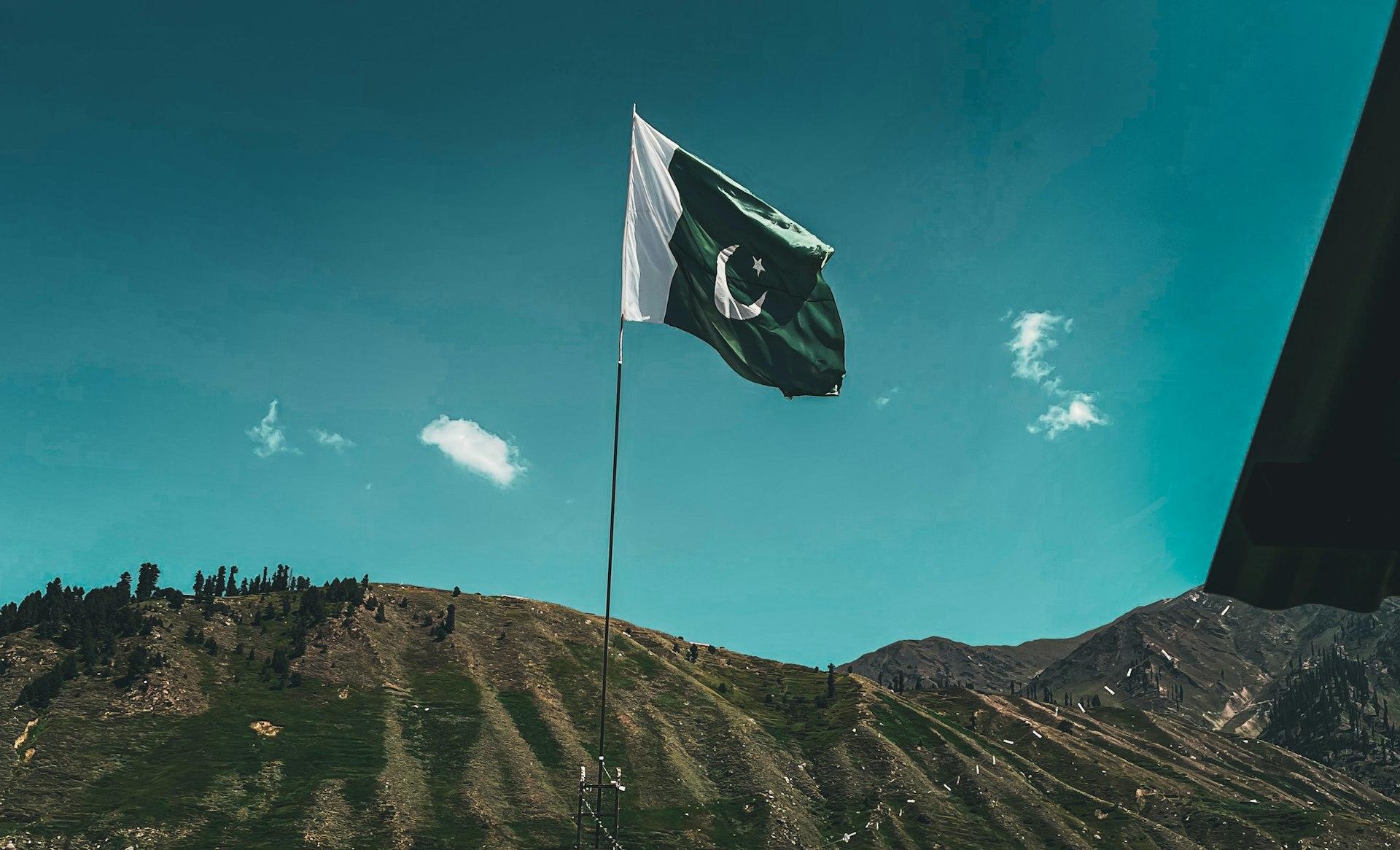
Photo by Ali Khokhar on Unsplash
Pakistan: From the Karakoram to the Arabian Sea
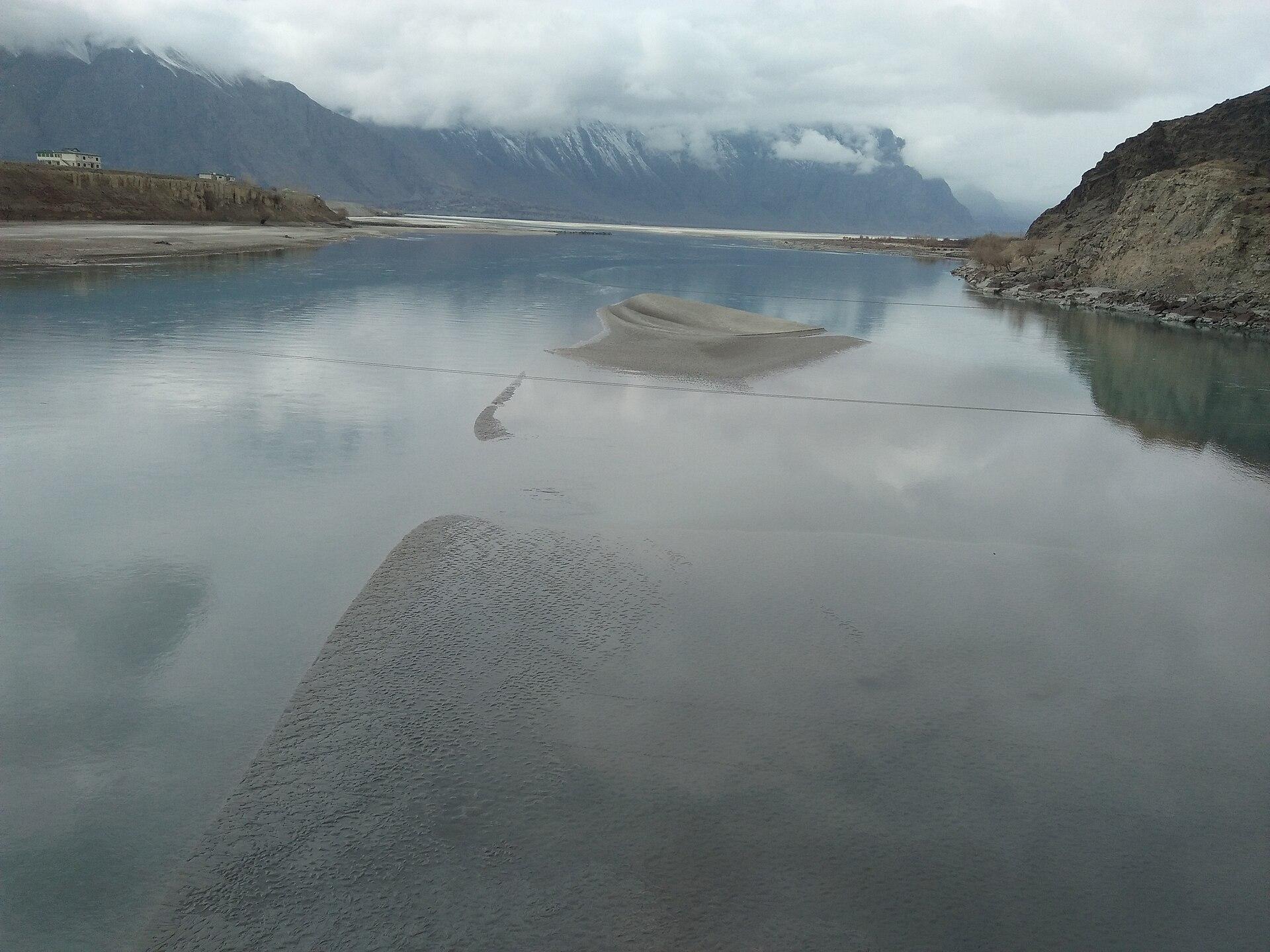
Pakistan stretches 1,760 km from the glaciated peaks of Gilgit-Baltistan — home to K2 (8,611 m, the world's second-highest mountain) — south to the mangrove coastline of the Makran Coast on the Arabian Sea. Five of the world's 14 eight-thousanders stand within its borders. The Indus Valley civilization, dating to 2500 BCE, left walled cities at Mohenjo-daro and Harappa that still draw archaeologists and curious travelers. Few countries pack comparable geographic and historical range into a single itinerary.
Cities Worth Exploring
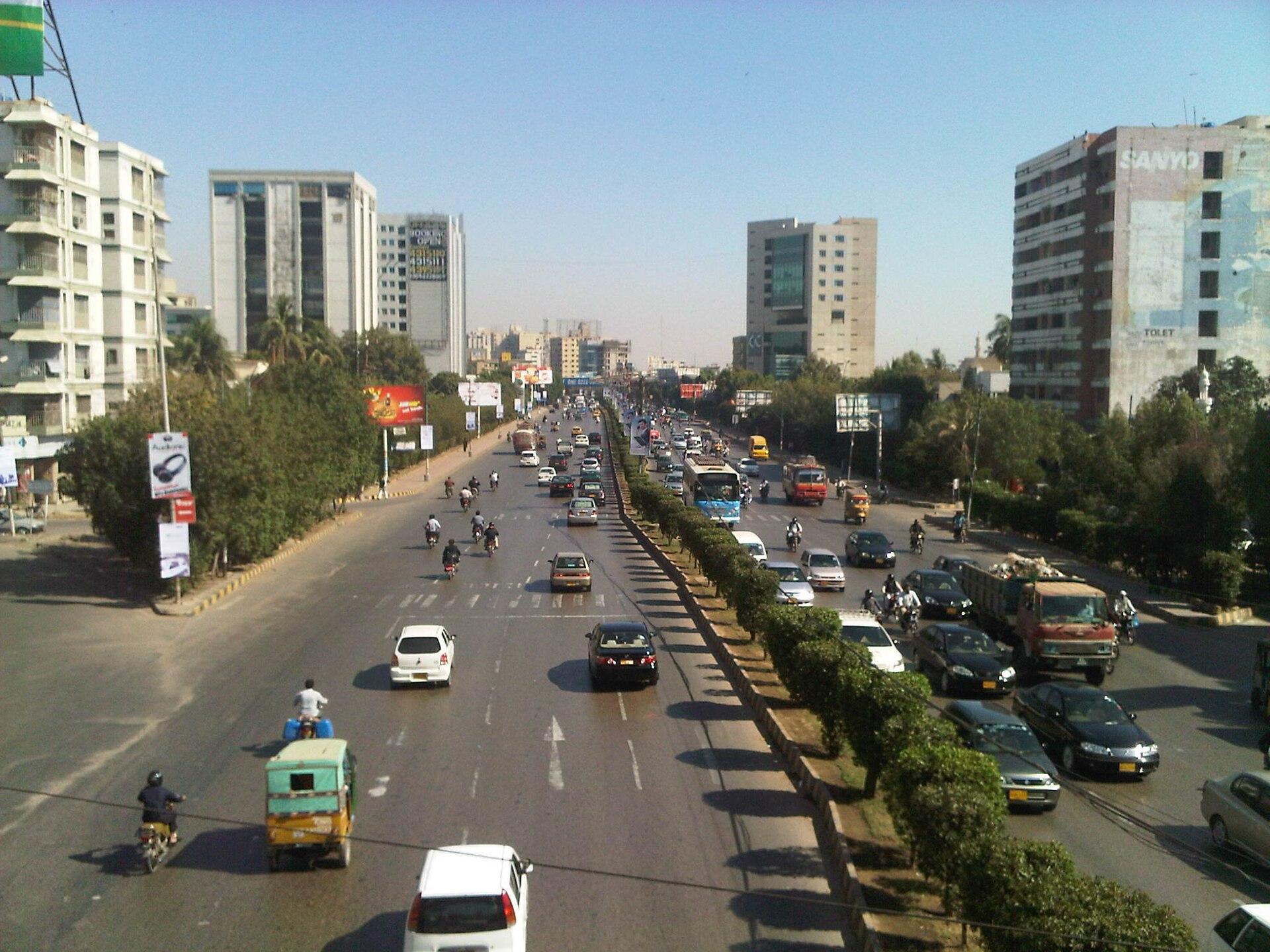
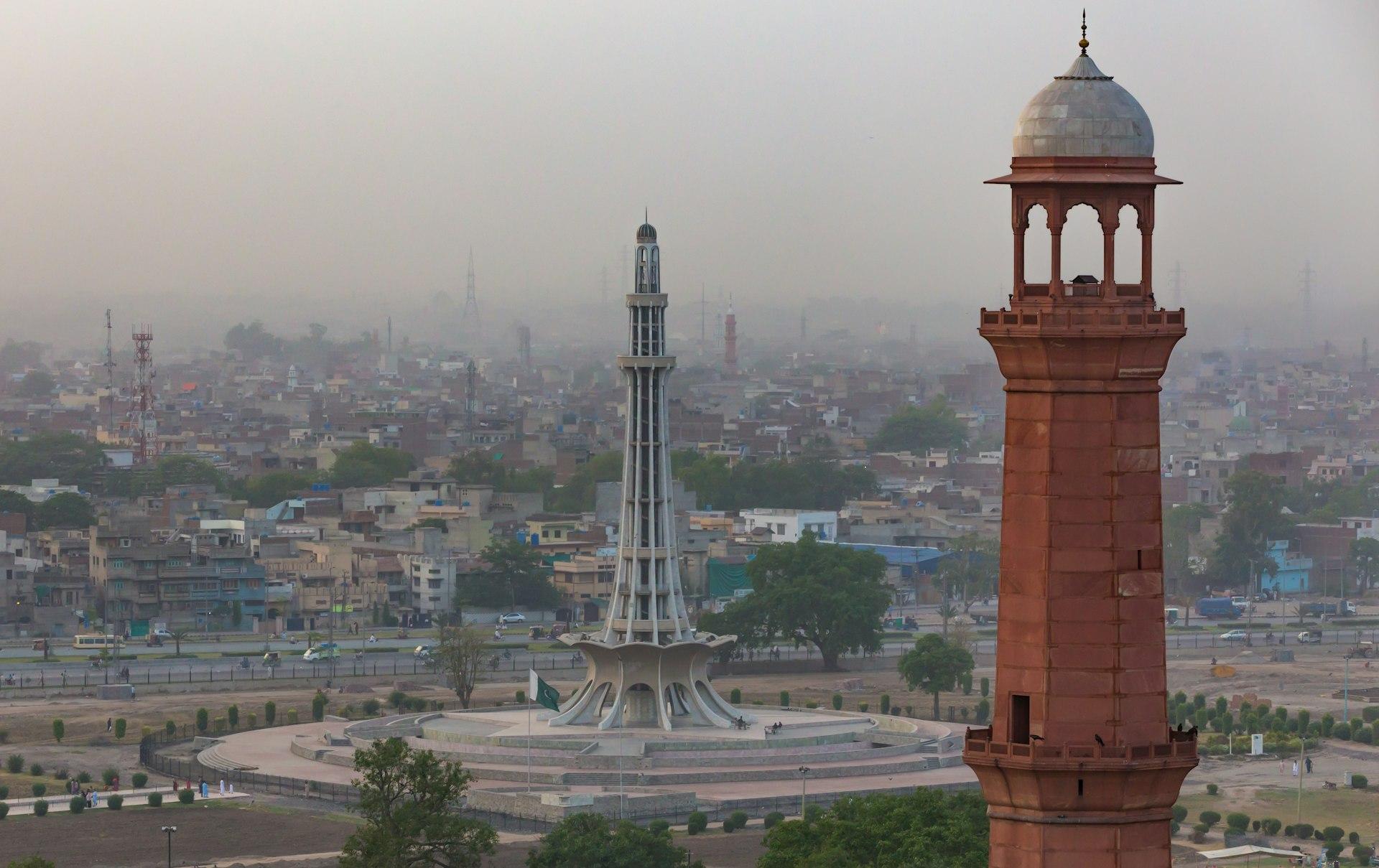
Lahore, the historic capital of the Mughal Empire, anchors the northeast. The Walled City of Lahore contains the Badshahi Mosque (completed 1673), Lahore Fort, and the Shalimar Gardens — all UNESCO World Heritage Sites. The city holds roughly 14 million people and supports the largest hotel inventory in the country. Karachi, on the Arabian Sea coast, is the commercial hub and Pakistan's most populous city at over 16 million; the Clifton Beach area and Saddar district concentrate most mid-range accommodation. Islamabad, the planned federal capital completed in the 1960s, sits at the base of the Margalla Hills and serves as the gateway for travelers heading north on the Karakoram Highway.
The North and the Silk Road Corridor
The Karakoram Highway — completed in 1986 and running 1,300 km from Hasan Abdal to the Chinese border at Khunjerab Pass (4,693 m) — remains one of the highest paved international roads on earth. Along it, Hunza Valley offers views of Rakaposhi (7,788 m) and a base for trekking season from May to October. Skardu is the jump-off for K2 base camp expeditions and sits at 2,228 m in Baltistan. The ancient city of Taxila, 35 km northwest of Islamabad, preserves Buddhist ruins spanning the 5th century BCE to the 2nd century CE and is a listed UNESCO site.
When to Visit Pakistan
The country operates on distinct seasonal windows. Lahore and Karachi are best visited October through March, when daytime temperatures stay between 15 °C and 28 °C. The northern valleys — Hunza, Swat, Chitral — peak from late May through September before high passes close to snow. The Sindh and Punjab plains reach 45 °C in June and July; the monsoon sweeps inland from July through September, heaviest in the east. Cherry blossom season in Hunza falls in late March, drawing photographers specifically to Altit Fort and the apricot orchards around Karimabad.
Practical Tips for Visiting Pakistan
- Visas: Most nationalities apply for an e-visa online; processing takes 5–10 working days. On-arrival facilities exist at Islamabad, Lahore, and Karachi international airports for eligible passports.
- Getting around: The Karakoram Highway requires a private vehicle or shared Coaster minivan; book seats from Gilgit bus stand a day ahead. Domestic flights connect Islamabad to Skardu daily in summer (45-minute flight vs. 20-hour road).
- Currency: The Pakistani Rupee (PKR) is the only accepted currency outside major hotels; carry cash in northern areas where ATMs are sparse.
- Altitude: Travelers heading above 3,000 m should allow 48 hours to acclimatize in Gilgit or Skardu before proceeding higher.
- Ptdc motels: The state-run Ptdc motel network covers remote northern stops where private hotels are limited; book directly through regional Ptdc offices.
Frequently Asked Questions
Q: What is the best base for trekking in northern Pakistan? A: Skardu (2,228 m) is the primary gateway for Karakoram treks including K2 base camp and the Baltoro Glacier. Gilgit serves treks in the Karakoram and Hindu Kush foothills and has more accommodation options year-round.
Q: Is Lahore safe for international tourists? A: The Walled City and Gulberg district of Lahore have well-established tourist infrastructure. Travelers should check current government travel advisories before departure, as conditions vary by region across the country.
Q: Which airport serves as the main international entry point? A: Islamabad's New Islamabad International Airport (opened 2018) handles the largest share of international arrivals. Lahore's Allama Iqbal International Airport and Karachi's Jinnah International Airport also receive direct international flights.
Q: When do the northern mountain passes open? A: Khunjerab Pass (Pakistan–China border) typically opens to traffic in late April or May and closes in November. The Lowari Pass connecting Chitral to Dir has a road tunnel that keeps it open most of the year.
Q: What currency and payment methods work in Pakistan? A: The Pakistani Rupee (PKR) is standard. Credit cards are accepted at 4-star and 5-star hotels in Islamabad, Lahore, and Karachi. Cash in PKR is essential in smaller towns and all northern valley destinations.