

Hotels in Vietnam
17 cities · 852 hotels
Photo by Matt Brown on Unsplash
Vietnam stretches 1,650 km along the South China Sea from the karst bay of Ha Long in the north to the Mekong Delta in the south, crossing 15 degrees of latitude and three distinct climate zones. That geography, not a single beach or city, defines how travelers plan a trip here — Hanoi's Old Quarter feels closer to Kunming than to Ho Chi Minh City's Saigon River grid 1,600 km south.
Vietnam: North, Central and South
The north centers on Hanoi, with its French colonial villas around Hoan Kiem Lake and the limestone islands of Ha Long Bay three hours east. Central Vietnam holds Hue, imperial capital until 1945, and Hoi An, a UNESCO-listed trading port with 18th-century shophouses along the Thu Bon River. The south is Ho Chi Minh City, the country's commercial hub, and the Mekong Delta's canal towns like Can Tho.
Cities Worth Exploring
Hanoi and Ho Chi Minh City anchor most itineraries and carry the largest hotel supply, from converted French villas to high-rise business towers near Ben Thanh Market. Hoi An and Hue draw travelers on the central coast route, often paired with Da Nang, which has direct flights and 30 km of sand along Non Nuoc Beach. Sapa, in the northwest highlands near the Chinese border, adds terraced rice valleys and homestays among Hmong and Dao communities.
Weather and Timing
Vietnam's north and south run on opposite monsoon calendars. Hanoi and Ha Long see cool, dry weather from October to April, while Ho Chi Minh City and the Mekong Delta are driest from December to April and wettest June through September. Central Vietnam, including Hoi An and Hue, gets its heaviest rain October to November, so February to May suits a coast-to-coast itinerary crossing all three regions.
Food and Culture
Regional cuisine shifts sharply by latitude: pho originated in Hanoi's north, bun bo Hue carries the citrus-and-lemongrass heat of the center, and Ho Chi Minh City's com tam and Mekong seafood reflect southern abundance. Hoi An's Old Town lantern displays each full moon and the Tet Lunar New Year holiday, usually late January or February, shut down much transport and hospitality for several days nationwide.
Practical Tips for Visiting Vietnam
- Getting around: Domestic flights link Hanoi, Da Nang and Ho Chi Minh City in under two hours; the Reunification Express train covers the same route in roughly 30 hours.
- Visas: Many nationalities can apply for an e-visa online before arrival; check validity length before booking.
- Currency: The Vietnamese dong is the sole legal tender; US dollars are accepted informally in some tourist areas but not required.
- Packing: Bring layers for Hanoi's winter chill (below 15°C in January) and lightweight fabric for year-round southern heat.
- Booking: Reserve directly with hotels in Hoi An and Sapa during Tet and peak December–February months, when rooms sell out early.
Frequently Asked Questions
Q: When is the best time to visit Vietnam? A: February to April works well for a route covering Hanoi, Hoi An and Ho Chi Minh City, since it avoids the north's winter chill and the center's autumn rains. Regional timing varies, so single-region trips have wider windows.
Q: How many days are needed to see Vietnam? A: A north-to-south route covering Hanoi, Ha Long Bay, Hoi An and Ho Chi Minh City typically takes 12 to 16 days. Shorter trips of 5 to 7 days usually focus on one region.
Q: Is Ha Long Bay a day trip from Hanoi? A: Yes, it is roughly three hours by road, though overnight boat stays are common to see the limestone karsts at sunrise and sunset.
Q: What connects Hanoi and Ho Chi Minh City? A: Direct flights take about two hours; the Reunification Express train covers the same distance in around 30 hours with stops in Hue and Da Nang.
Cities in Vietnam
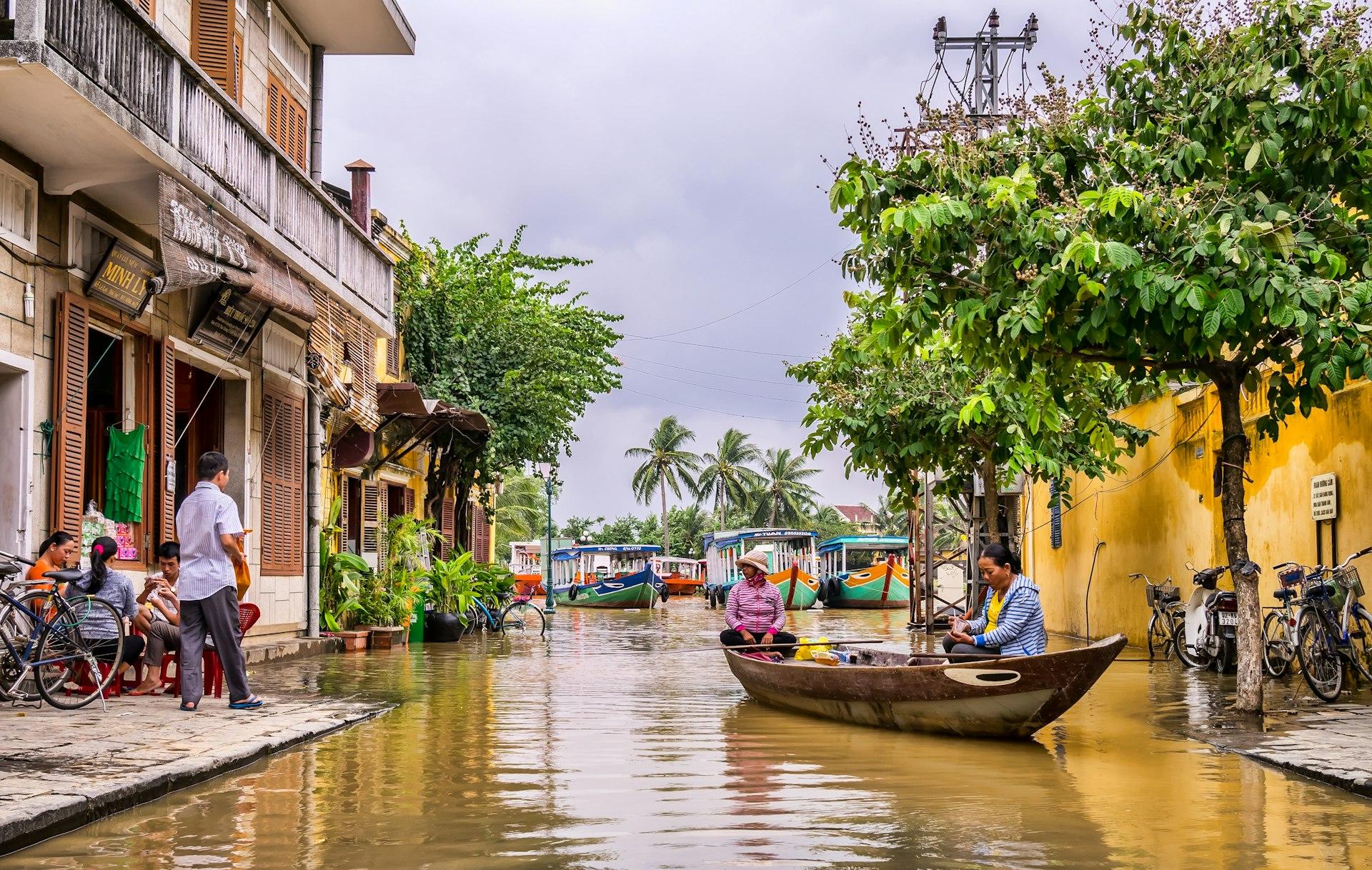
Hoi An hotels
Vietnam · 181 hotels
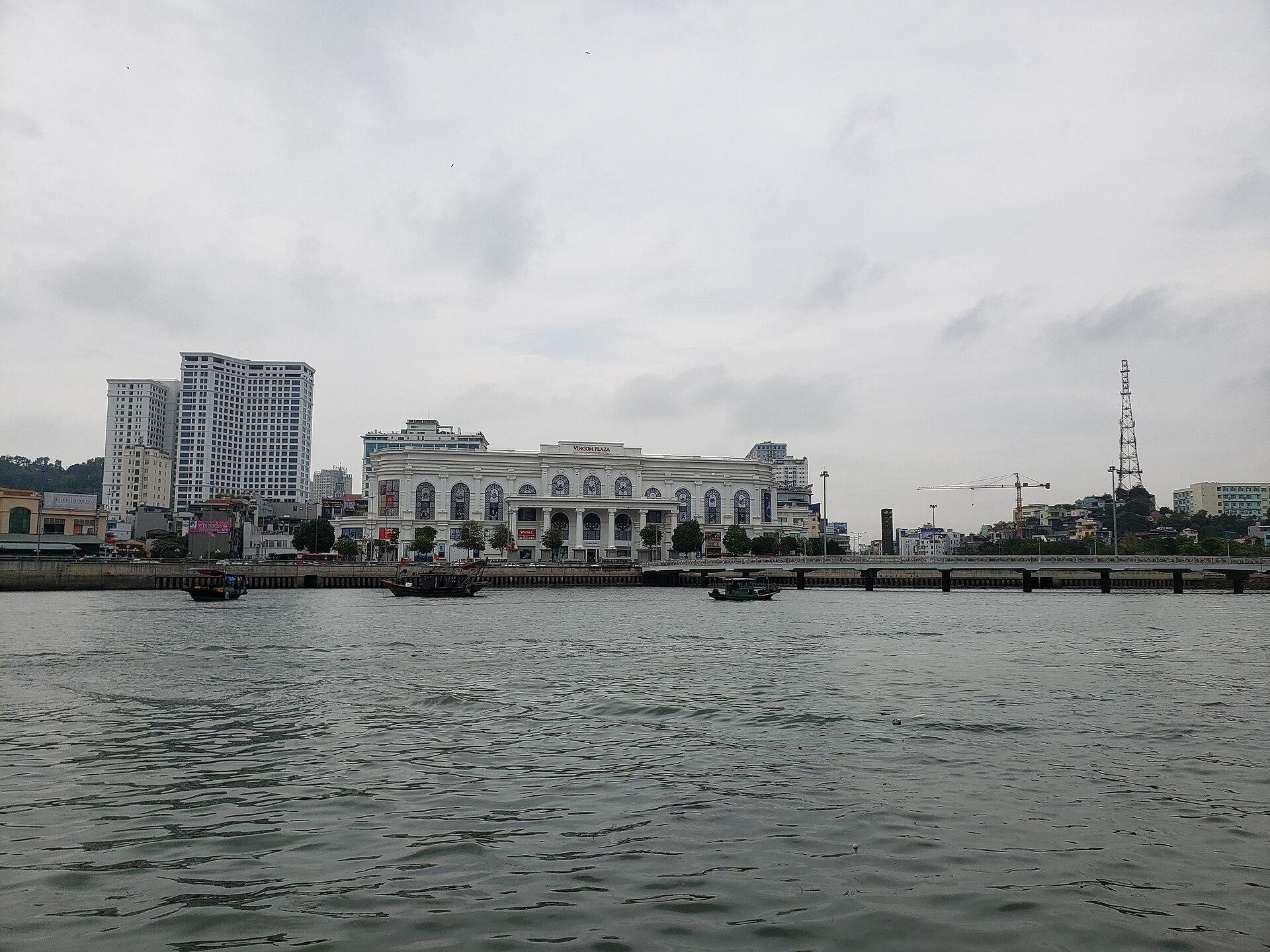
Ha Long hotels
Vietnam · 125 hotels
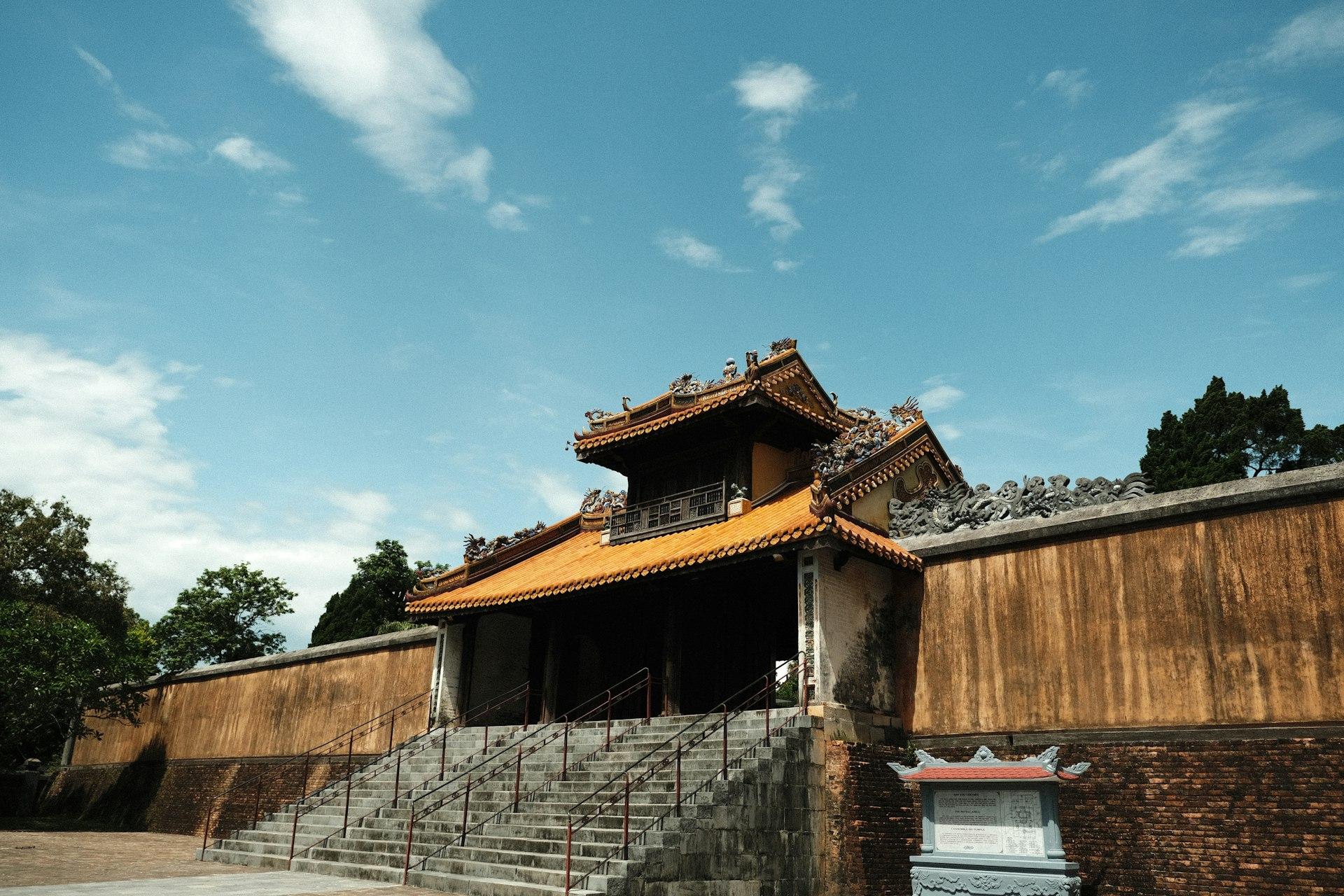
Hue hotels
Vietnam · 94 hotels

Phu Quoc hotels
Vietnam · 93 hotels
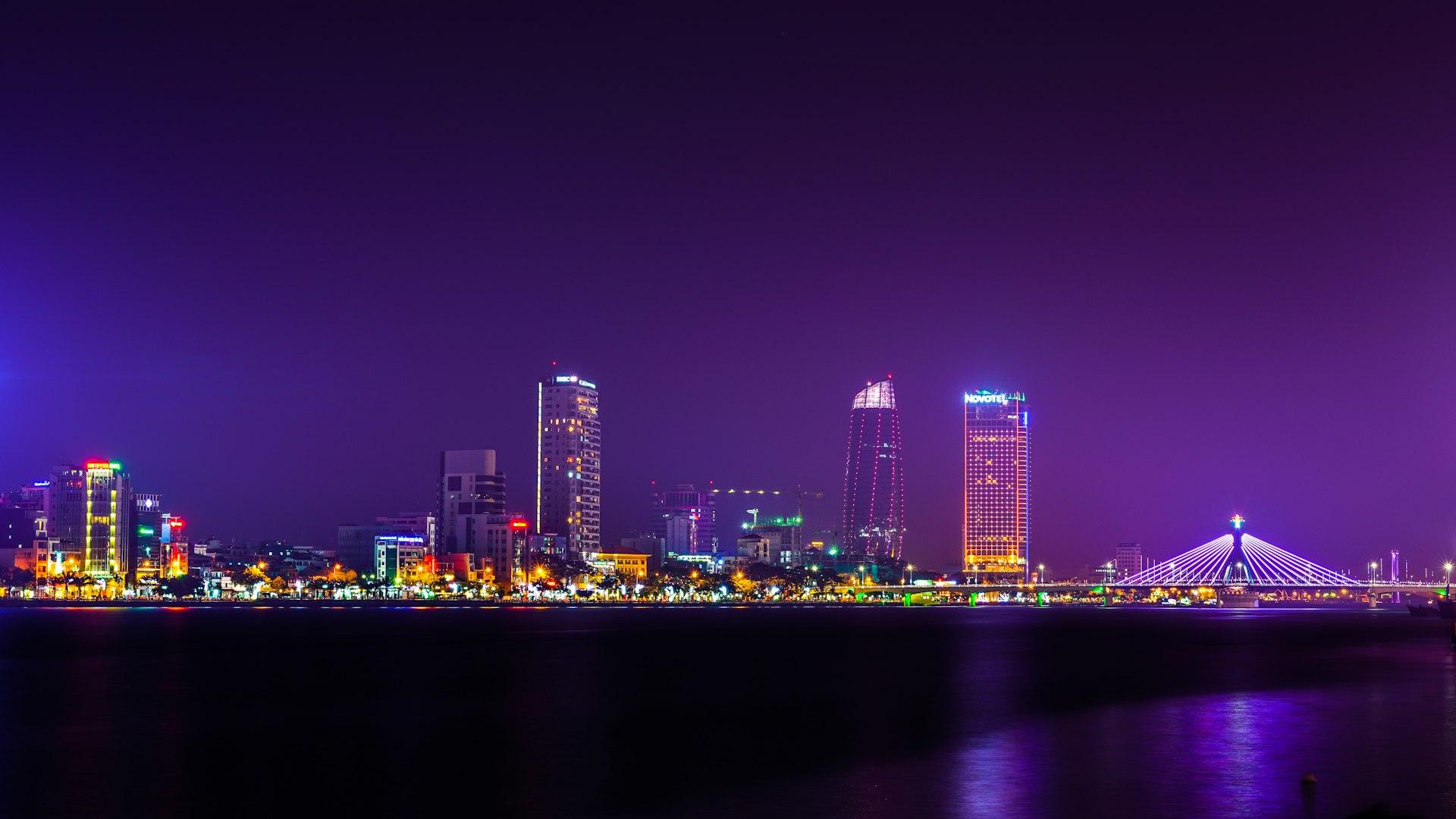
Da Nang hotels
Vietnam · 84 hotels
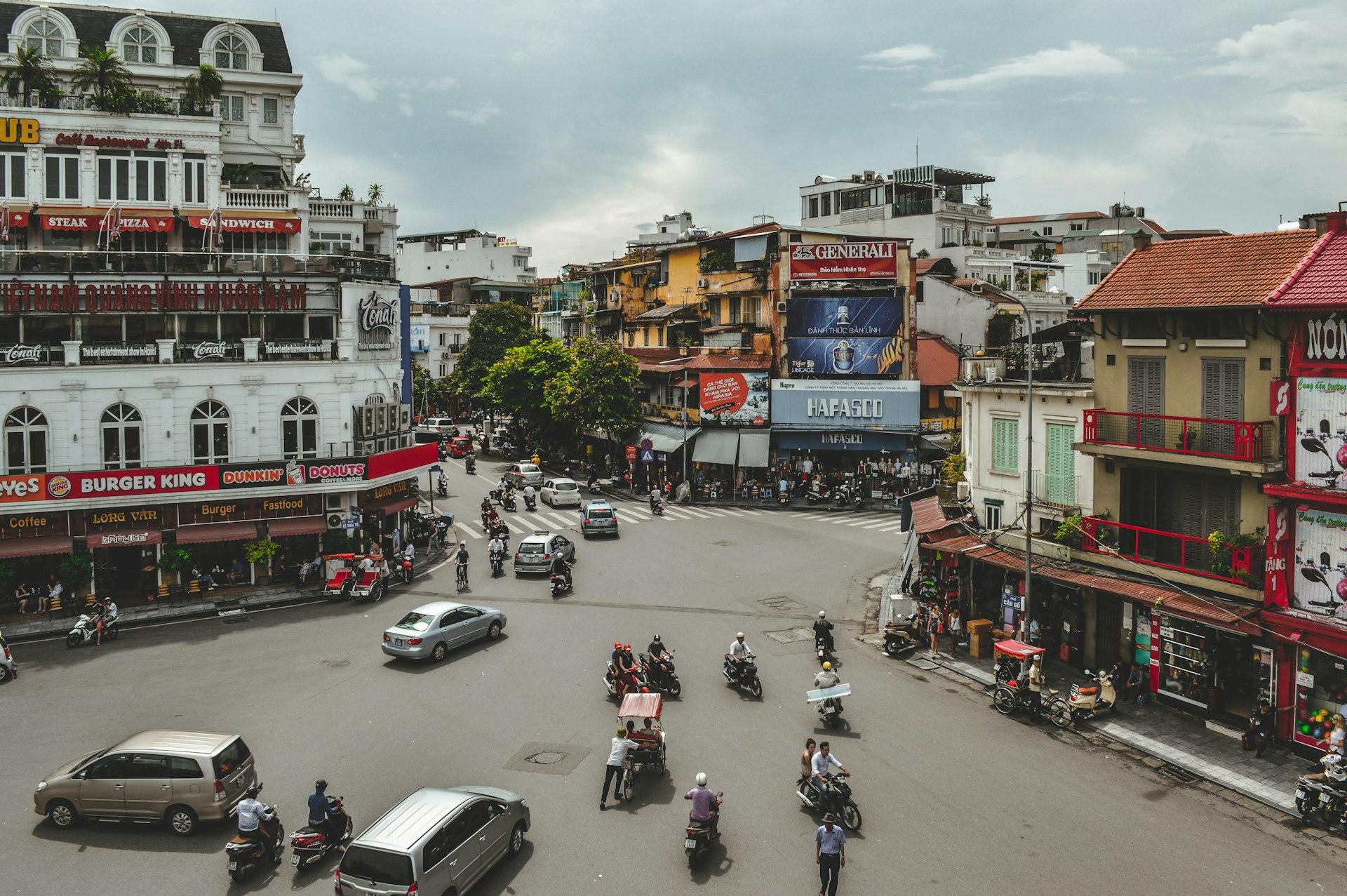
Hanoi hotels
Vietnam · 83 hotels
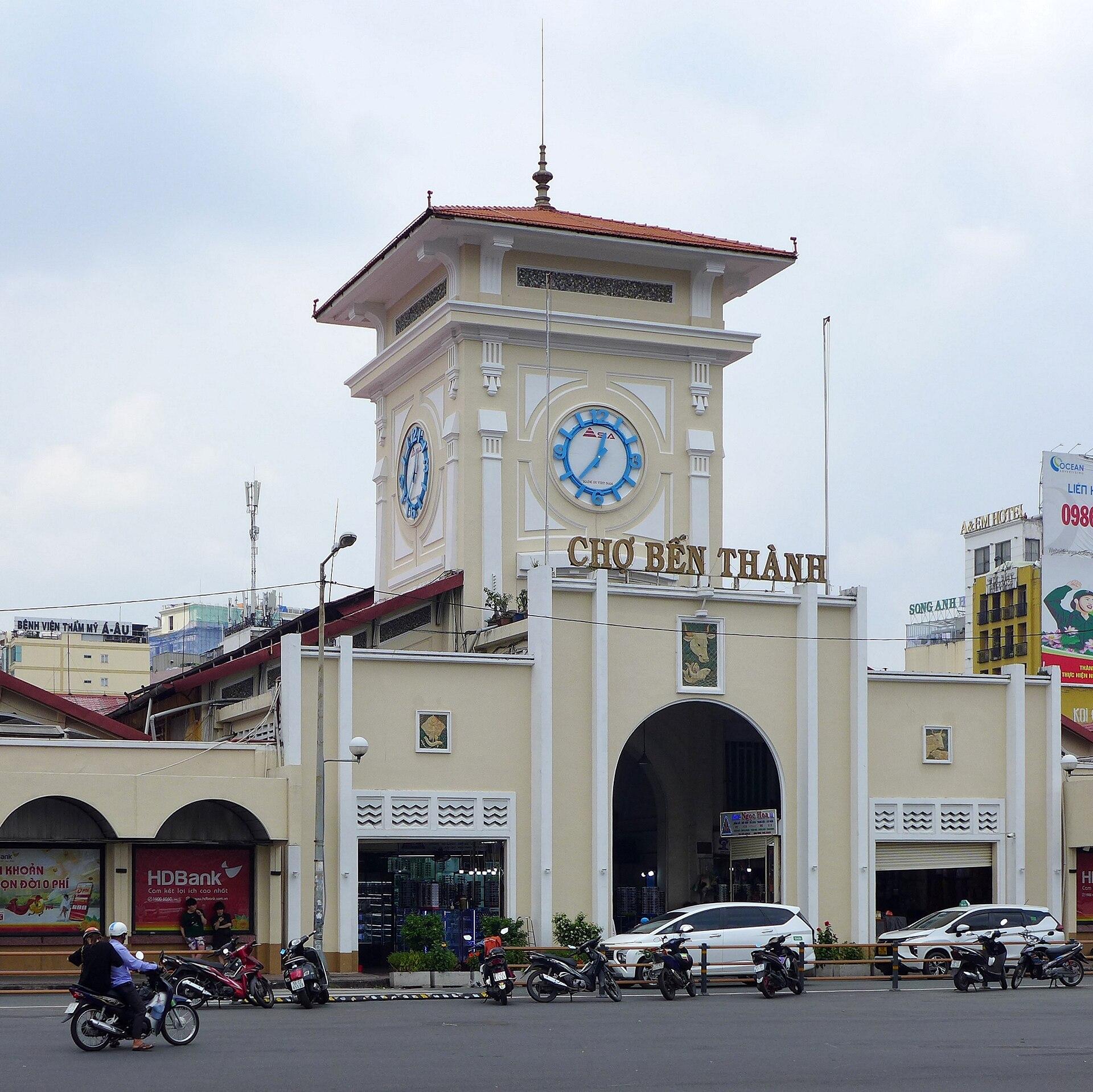
Ho Chi Minh City hotels
Vietnam · 36 hotels

Ninh Binh hotels
Vietnam · 32 hotels
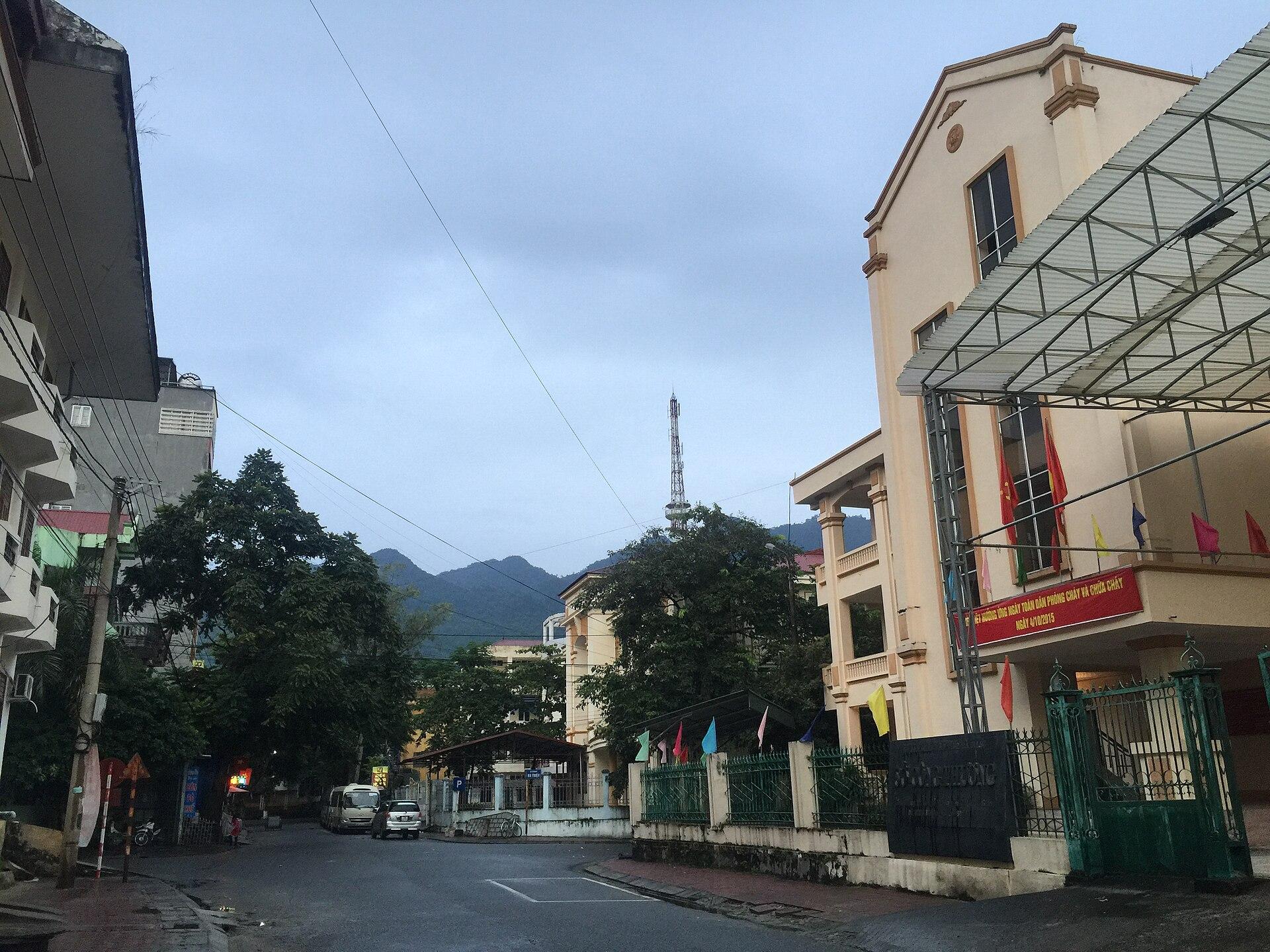
Ha Giang hotels
Vietnam · 32 hotels
Da Lat hotels
Vietnam · 18 hotels
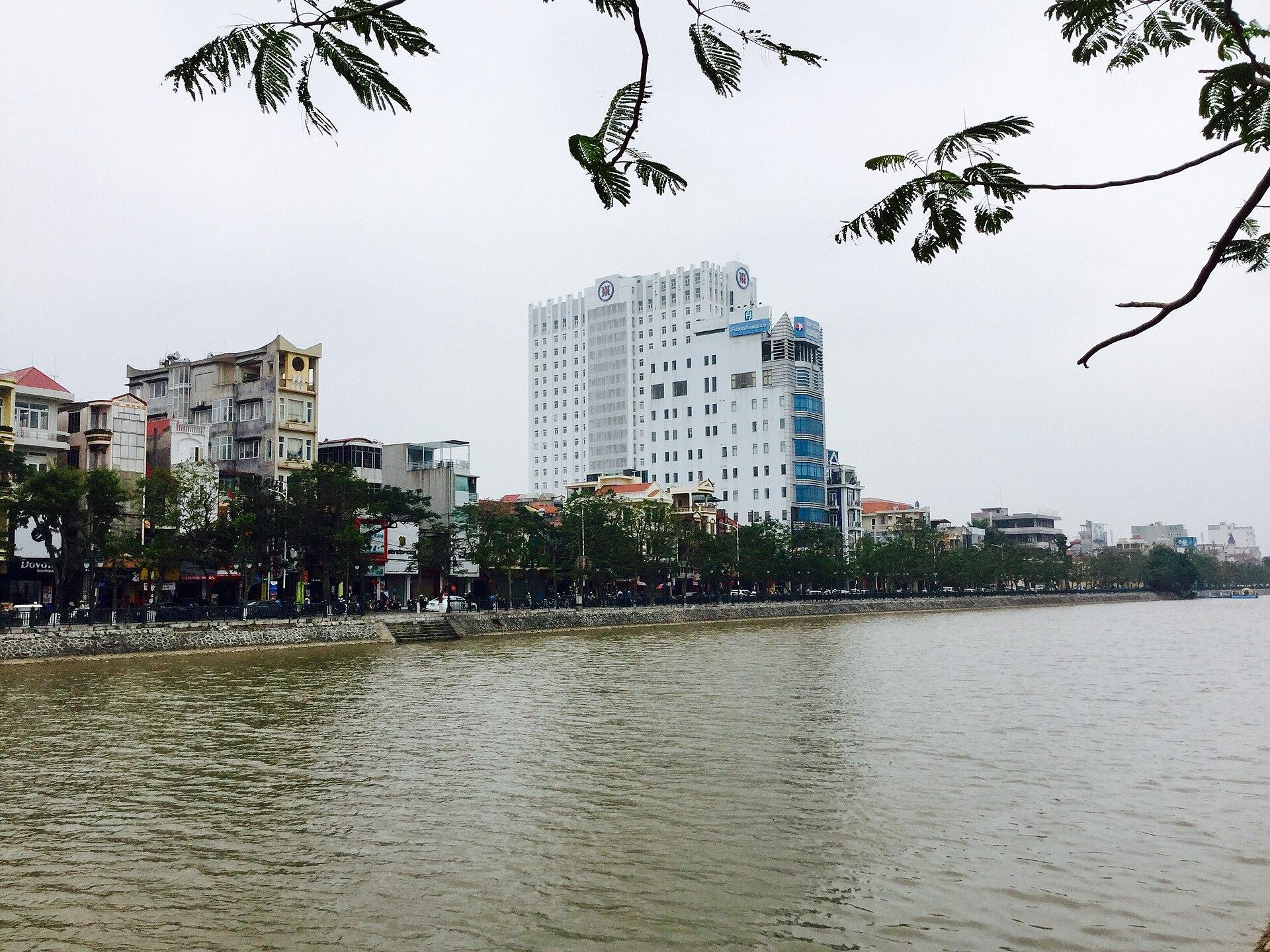
Hai Phong hotels
Vietnam · 13 hotels

Con Dao hotels
Vietnam · 13 hotels
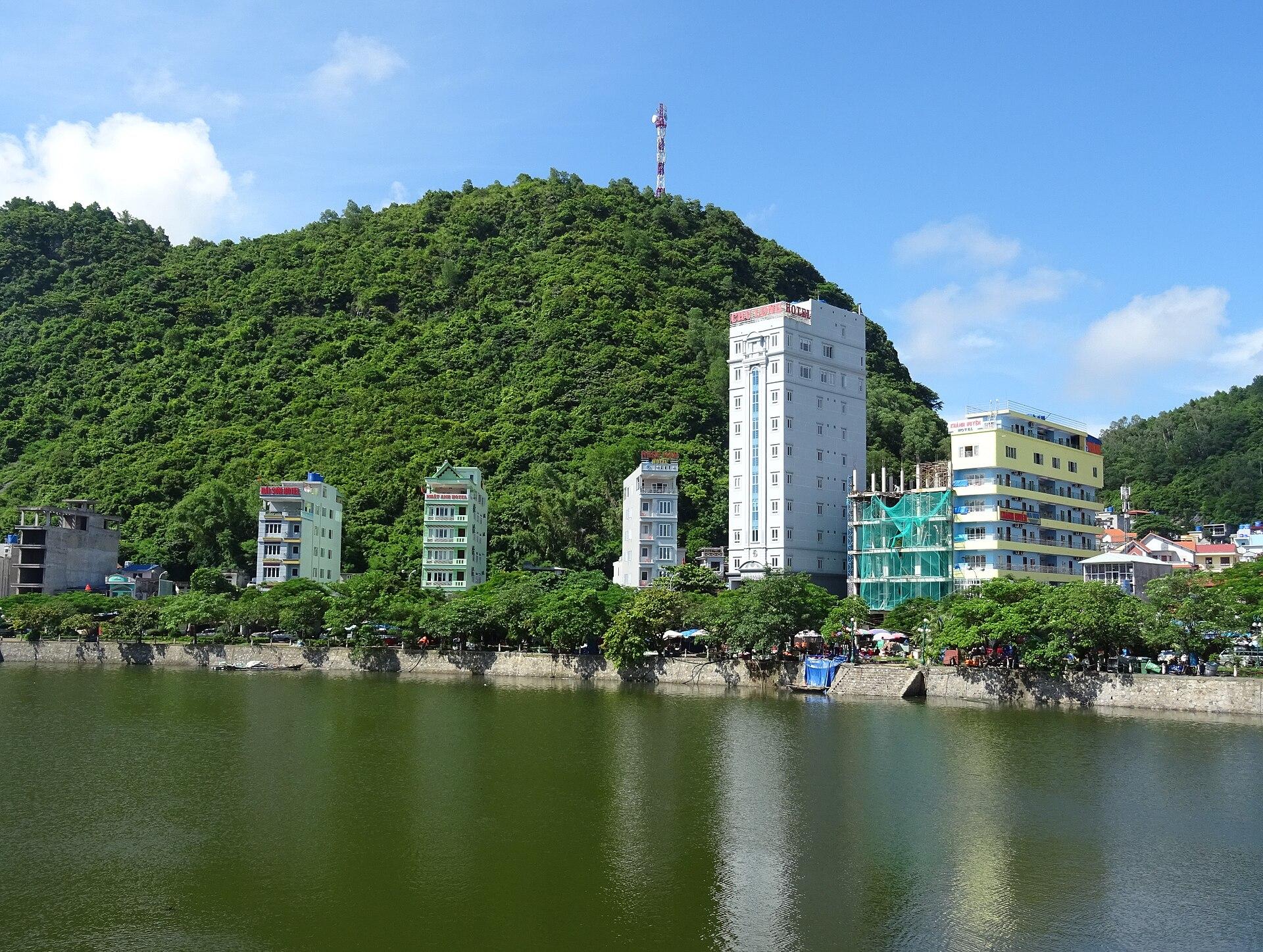
Cat Ba hotels
Vietnam · 12 hotels
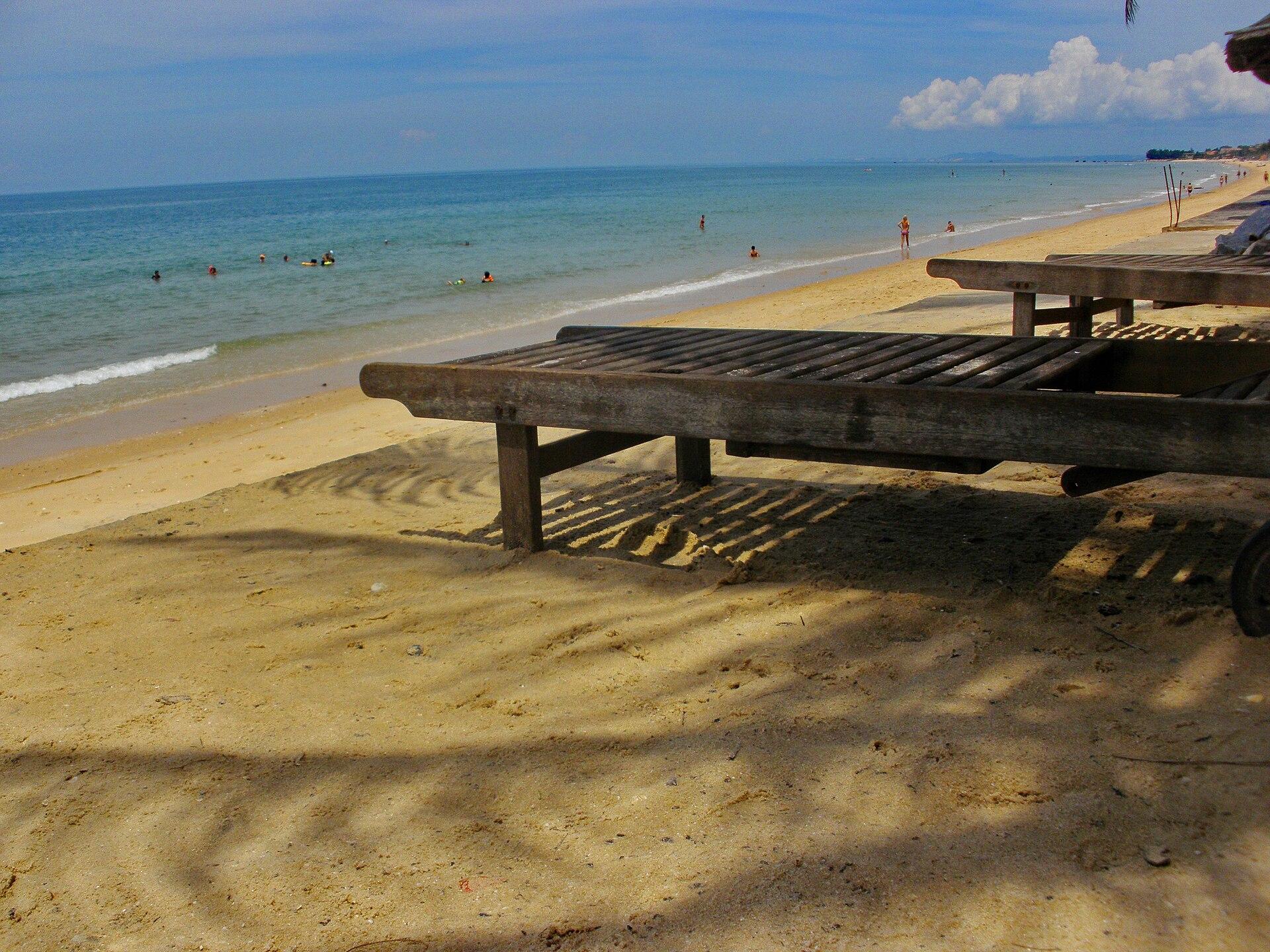
Mui Ne hotels
Vietnam · 11 hotels
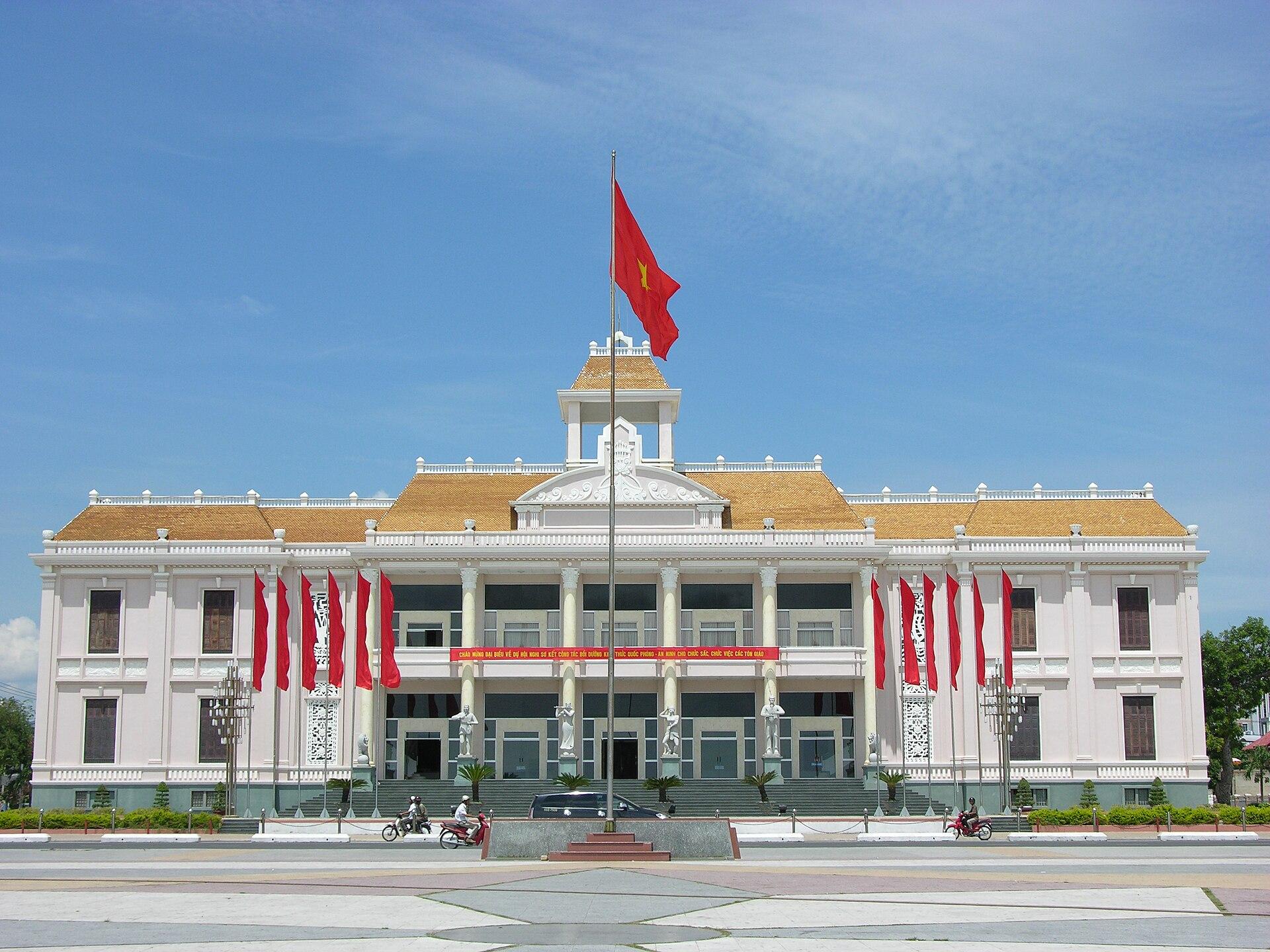
Nha Trang hotels
Vietnam · 9 hotels

Quy Nhon hotels
Vietnam · 9 hotels
Sapa hotels
Vietnam · 7 hotels