
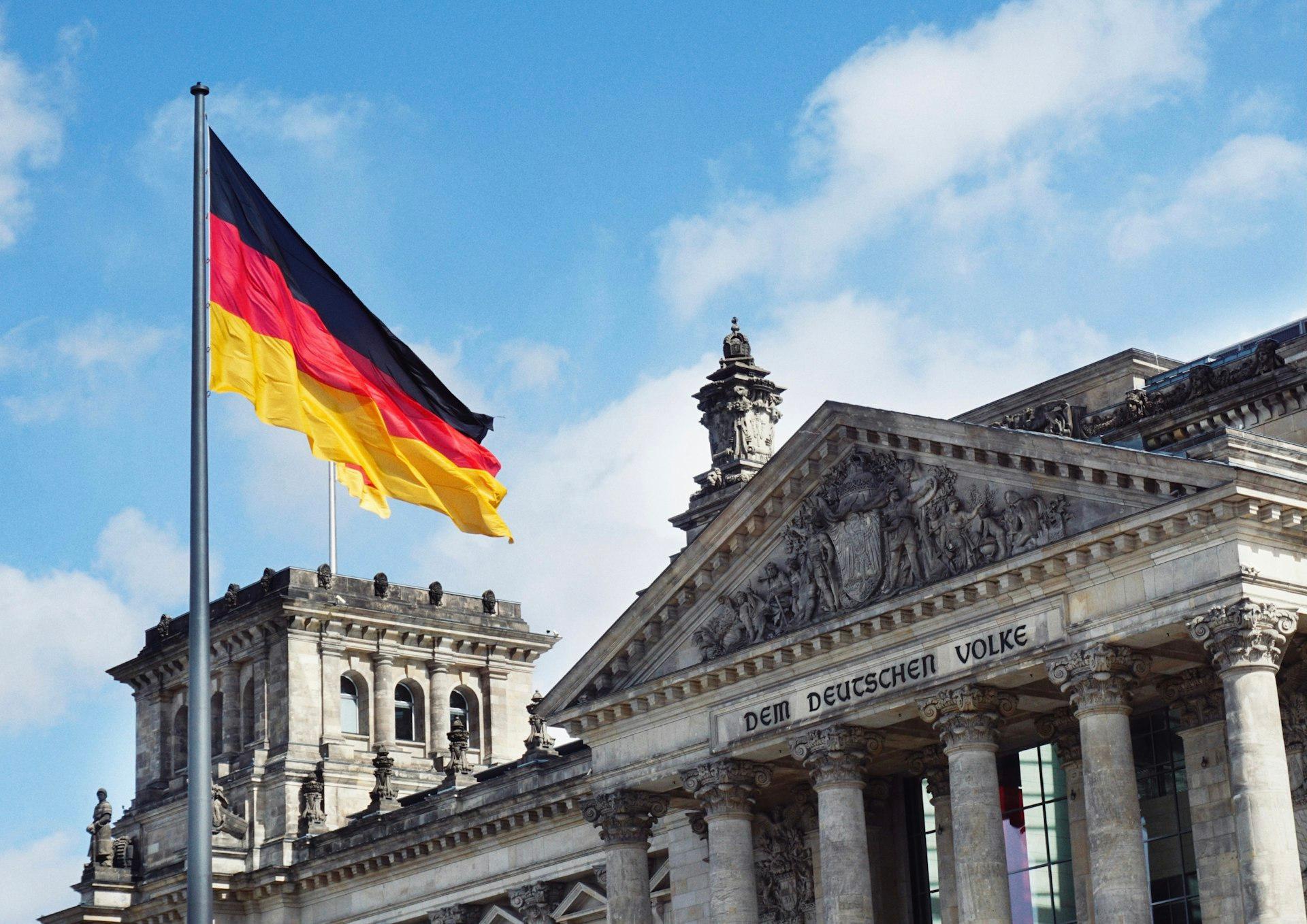
Hotels in Germany
38 cities · 108 hotels
Photo by Maheshkumar Painam on Unsplash
Germany: Central Europe's Crossroads of History and Landscape
Germany sits at the heart of Europe, sharing borders with nine countries and spanning 357,000 sq km from the North Sea and Baltic coasts in the north to the Bavarian Alps in the south. The country's 84 million residents live across 16 federal states (Länder), each with a distinct character — medieval half-timbered towns in Franconia, Hanseatic port cities along the Baltic, vineyard valleys tracing the Rhine and Moselle, and the dense forests of the Black Forest (Schwarzwald). This regional variety is Germany's defining travel asset.
Cities Worth Exploring
Berlin, the capital, holds over 170 museums within its city limits. The Museum Island (UNESCO-listed since 1999) concentrates five major institutions on a single Spree island in Mitte. The Brandenburg Gate marks the former Cold War divide; the East Side Gallery — 1.3 km of preserved Wall — runs along Friedrichshain. Munich, 585 km to the south, anchors Bavaria and hosts the Oktoberfest (last two weeks of September and first weekend of October) in the Theresienwiese meadow. Hamburg commands Germany's largest port and clusters its nightlife and music scene around the Reeperbahn in St. Pauli and the new HafenCity waterfront district, Europe's largest inner-city urban development project. Cologne (Köln) anchors the Rhine corridor; the twin-spired Kölner Dom, begun in 1248 and completed in 1880, stands within walking distance of the central station.
Regional Highlights
The Romantic Road (Romantische Straße) runs 460 km from Würzburg to Füssen, threading through Rothenburg ob der Tauber and ending at Neuschwanstein Castle (built 1869–1886) above the village of Hohenschwangau. The Rhine Valley between Bingen and Koblenz — a UNESCO World Heritage Site — passes 40 castles in 65 km. Dresden's Altstadt was rebuilt after 1945 destruction; the Frauenkirche, completed in 2005 after 13 years of reconstruction, has become the symbol of the city's revival. In the northeast, the island of Rügen in Mecklenburg-Vorpommern draws visitors to chalk cliffs up to 118 m high at Jasmund National Park.
When to Visit Germany
Late spring (May–June) offers mild temperatures (15–22 °C) and fewer crowds than summer. July and August bring peak tourism to Bavaria and the Rhine Valley. Advent markets — notably in Nuremberg (Christkindlesmarkt, running since 1628), Cologne, and Stuttgart — operate from late November through 23 December, making early winter a strong shoulder season. Winter sports run from late December through March in the Berchtesgaden and Allgäu Alps.
Practical Tips for Visiting Germany
- Getting around: The Deutsche Bahn ICE network connects major cities at speeds up to 300 km/h; book tickets 90 days ahead for the lowest fares. The Deutschlandticket (49 € monthly as of 2024) covers regional and local transport nationwide.
- Currency: Euro (€). Card payment is widely accepted, though some smaller restaurants and markets remain cash-preferred.
- Language: German is the official language; English is widely spoken in cities and tourist areas.
- Altitude: Alpine hiking in Berchtesgaden National Park reaches 2,713 m at the Watzmann peak — pack layers even in summer.
- Public holidays: German public holidays vary by state; Bavaria observes more than Berlin, affecting museum and shop hours.
Frequently Asked Questions
Q: What is the best base for visiting Neuschwanstein Castle? A: Füssen, a small town in Allgäu, sits 4 km from Neuschwanstein and offers the closest hotel concentration. The castle receives roughly 1.4 million visitors annually, so booking tickets online in advance is strongly recommended.
Q: How many UNESCO World Heritage Sites does Germany have? A: Germany has 52 UNESCO World Heritage Sites (as of 2024), the third-highest count in Europe. They include Cologne Cathedral, the Speicherstadt warehouse district in Hamburg, and the Bauhaus sites in Dessau and Weimar.
Q: Is Germany an easy country to travel without a car? A: Rail and bus coverage is extensive between major cities. The ICE and IC intercity network links over 100 cities; rural areas such as the Moselle Valley benefit from regional rail. For Black Forest villages or Alpine trails, a rental car or local bus is often more practical.
Q: When does Oktoberfest take place? A: Oktoberfest runs for 16–18 days, starting the third Saturday of September and ending the first Sunday of October. In 2024 it opened on 21 September. Hotels in Munich fill 6–12 months ahead for peak festival weekends.
Q: What currency and tipping norms apply? A: Germany uses the Euro (€). Tipping in restaurants is customary at 5–10%; rounding up the bill is the standard practice rather than leaving cash on the table.
Cities in Germany

Berlin hotels
Germany · 10 hotels
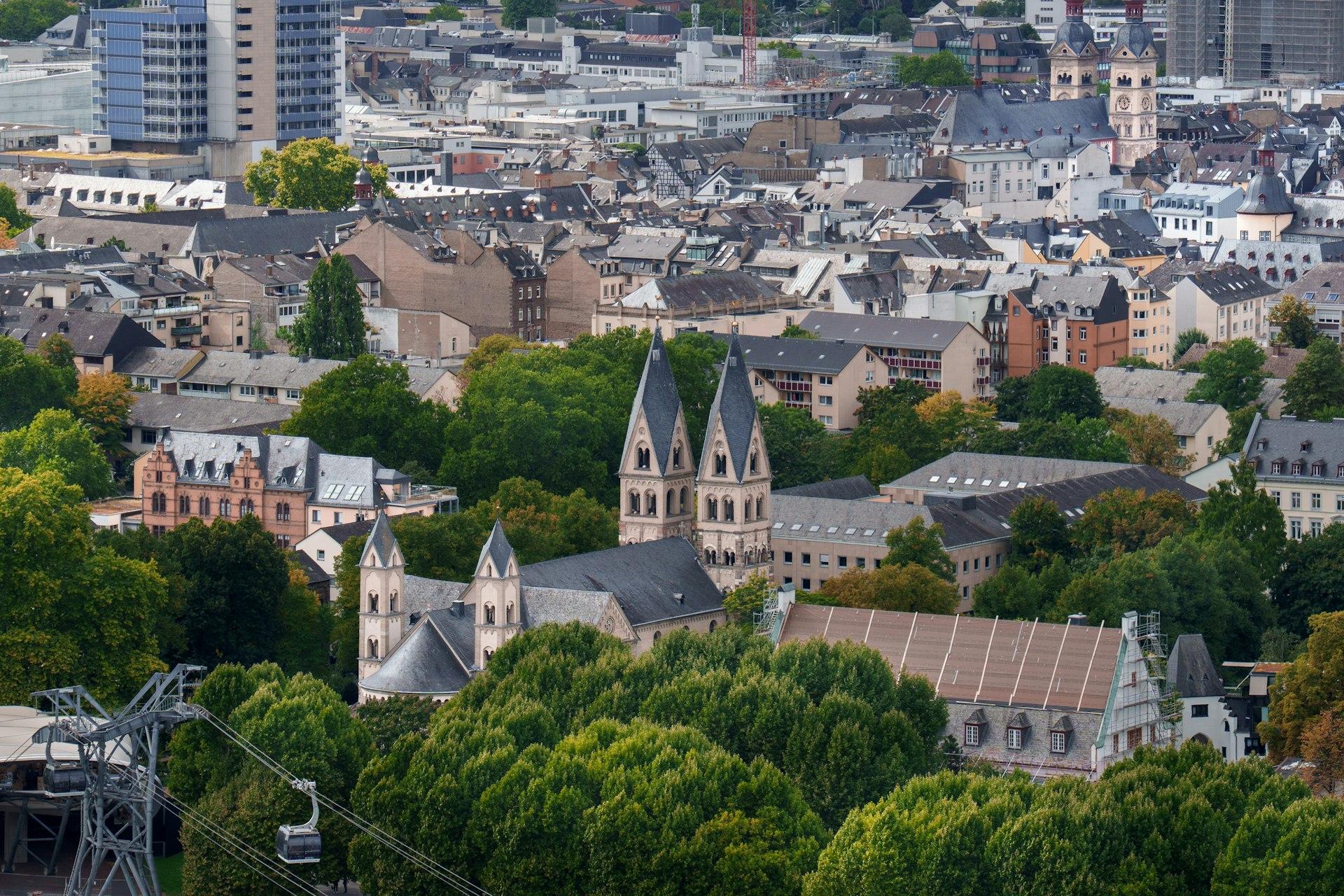
Koblenz hotels
Germany · 10 hotels
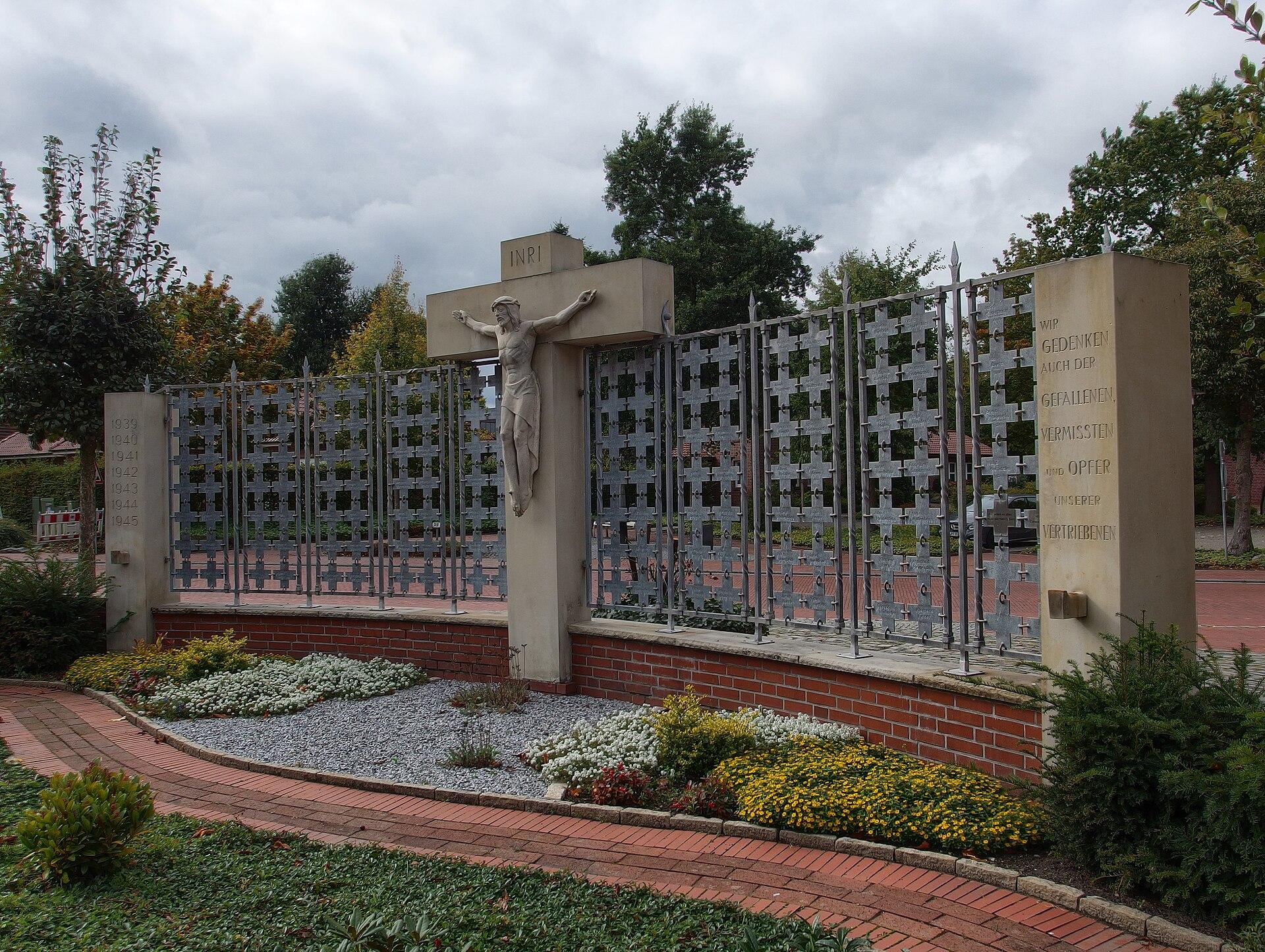
Bakum hotels
Germany · 8 hotels
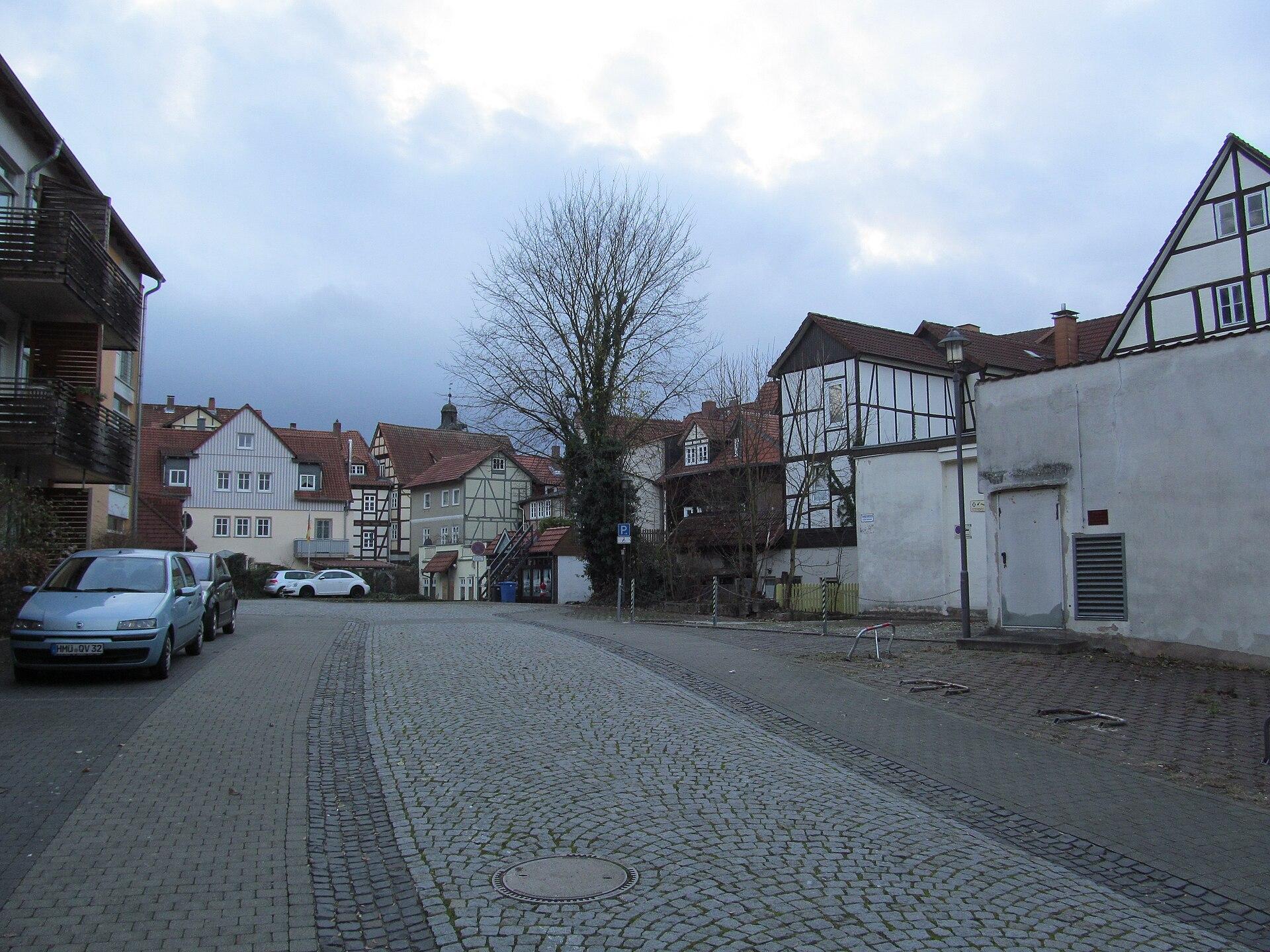
Hannoversch Münden hotels
Germany · 7 hotels
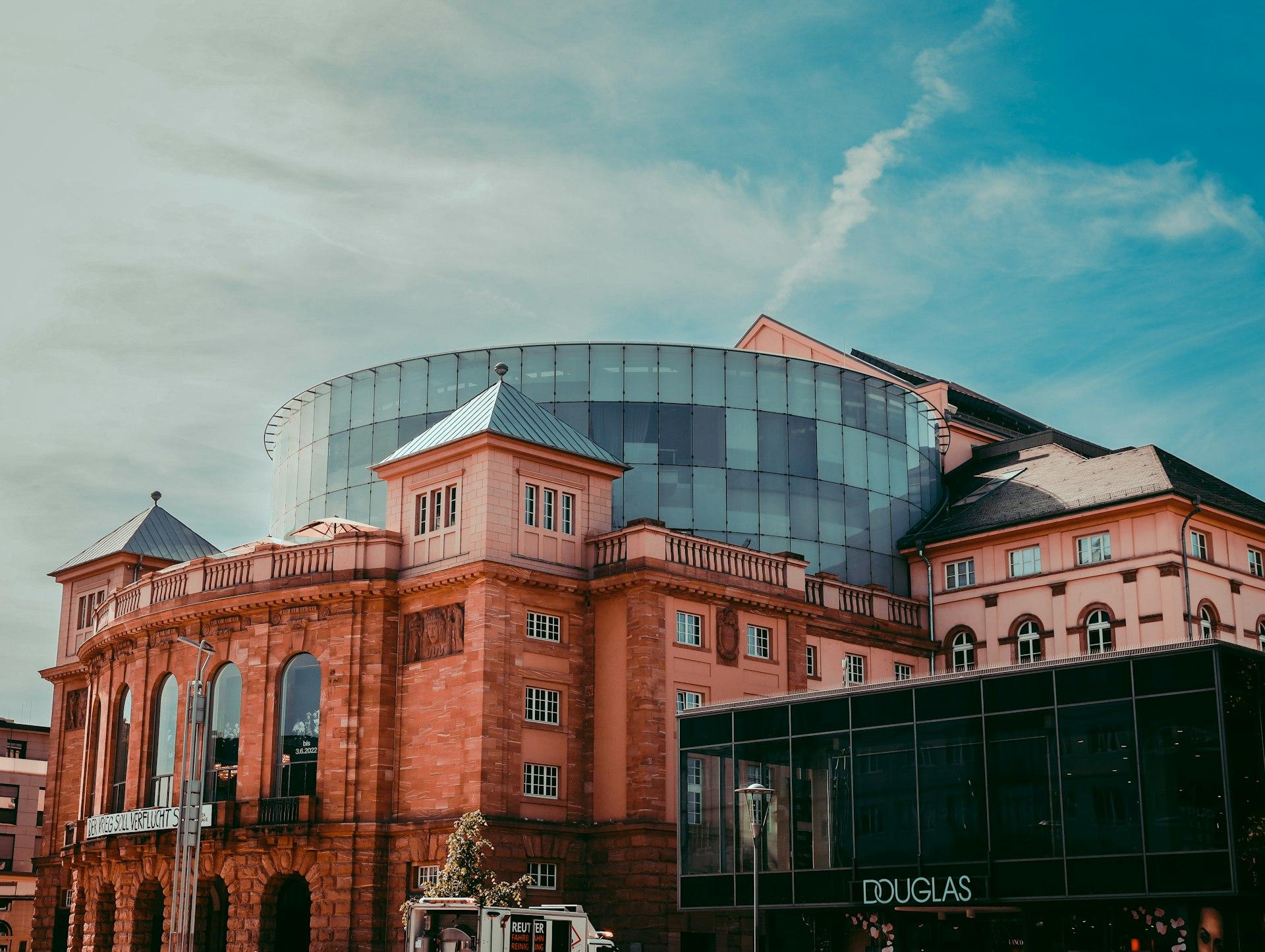
Mainz hotels
Germany · 6 hotels
Wachau hotels
Germany · 5 hotels
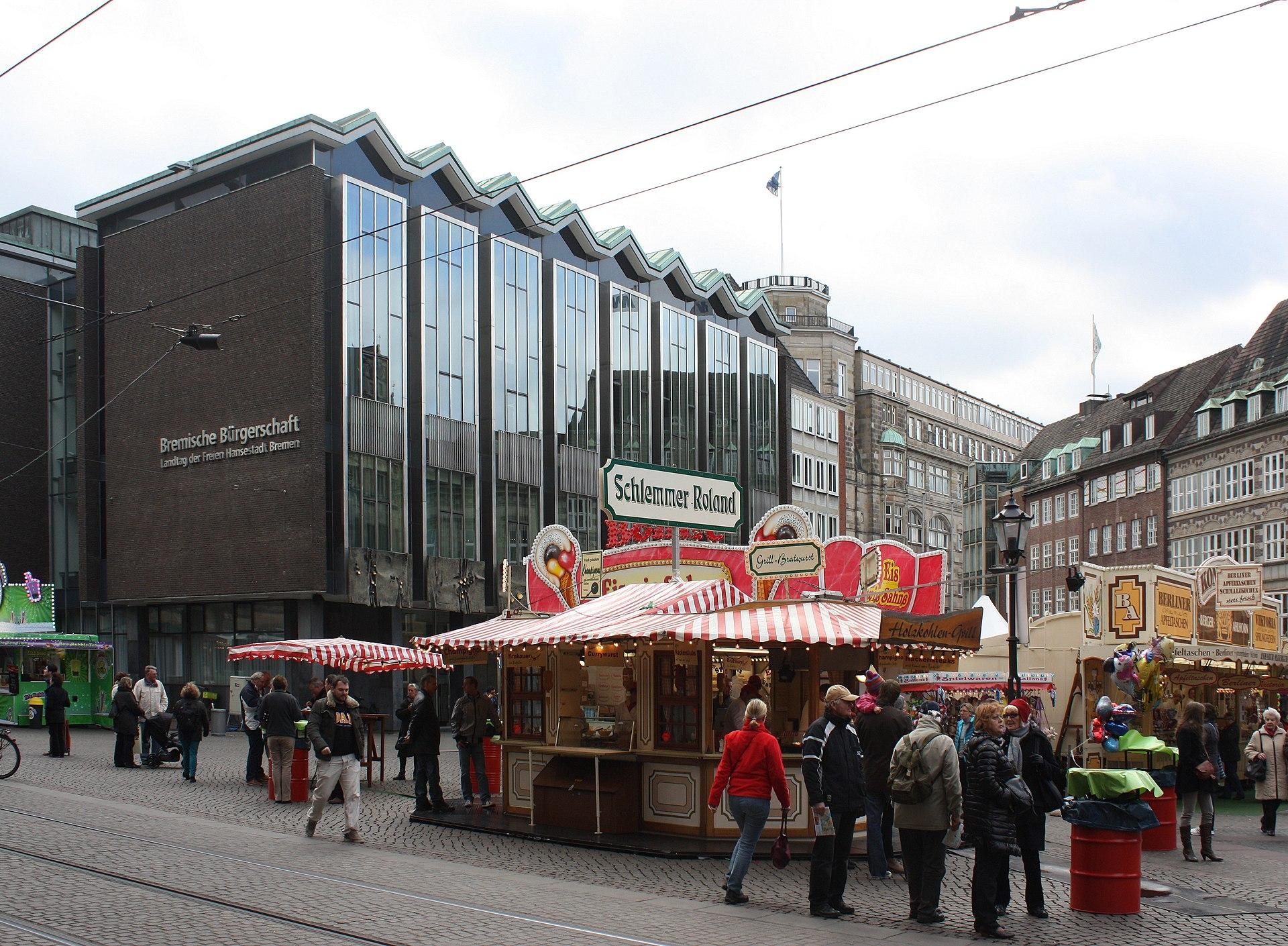
Bremen hotels
Germany · 5 hotels
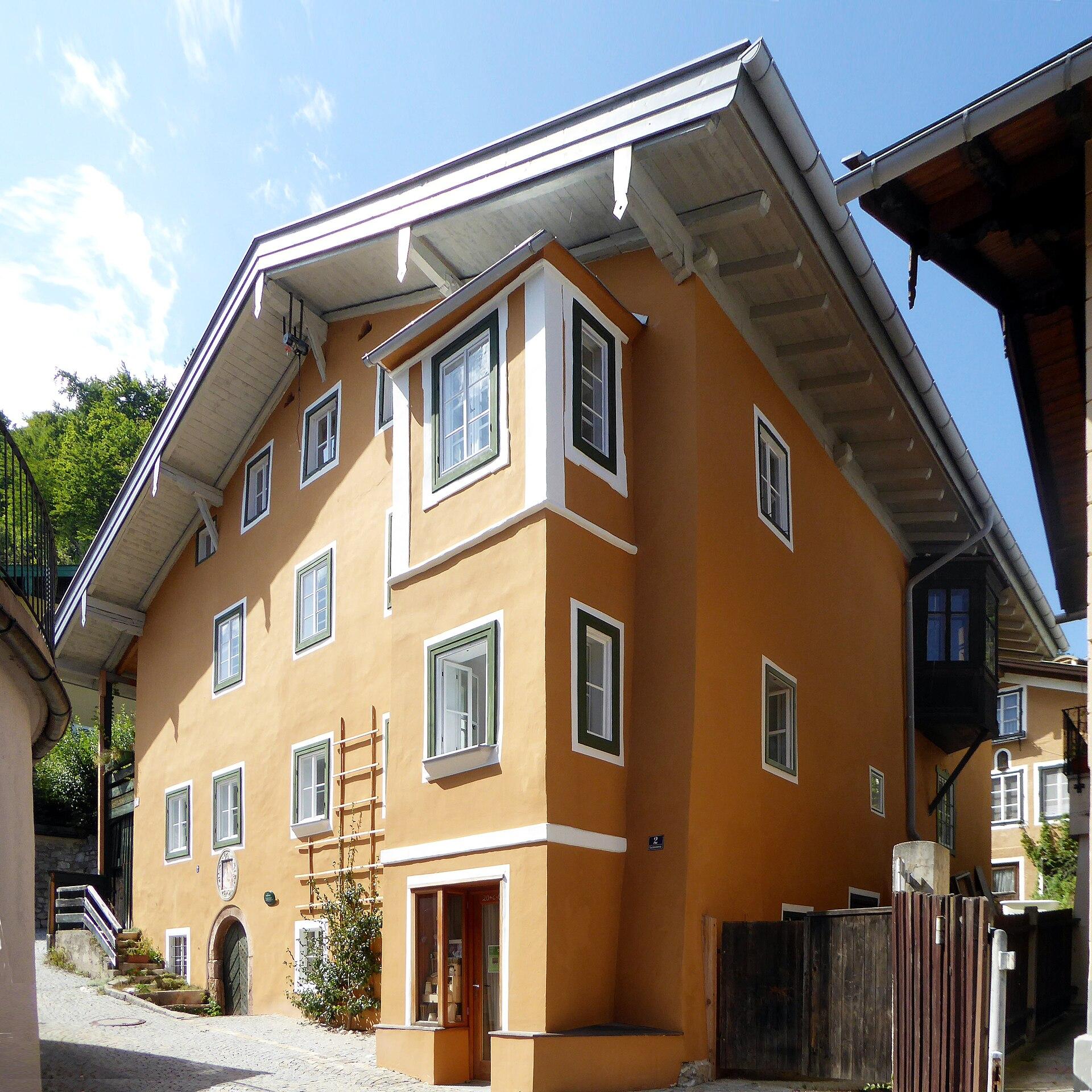
Berchtesgaden hotels
Germany · 5 hotels
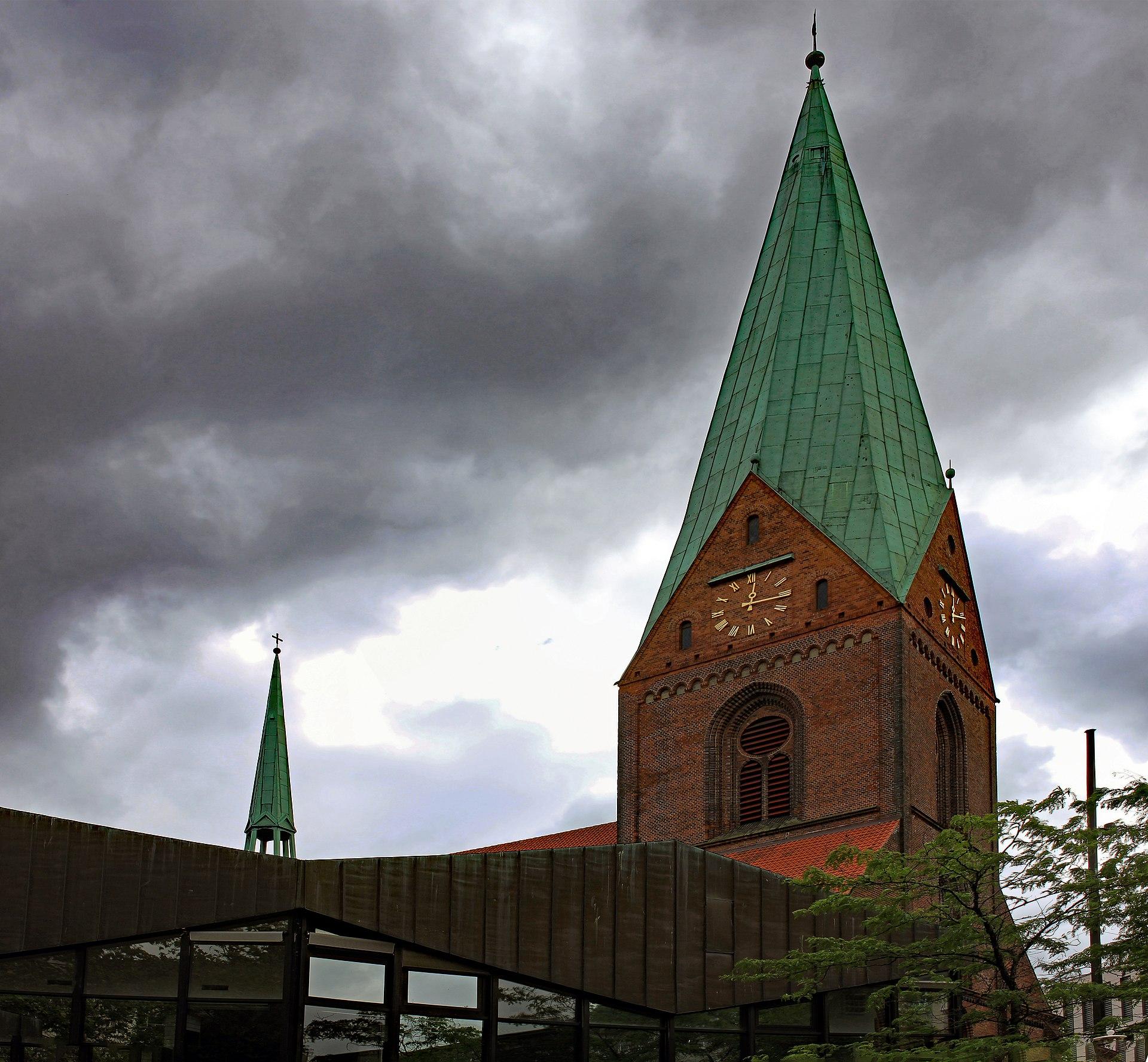
Kiel hotels
Germany · 5 hotels
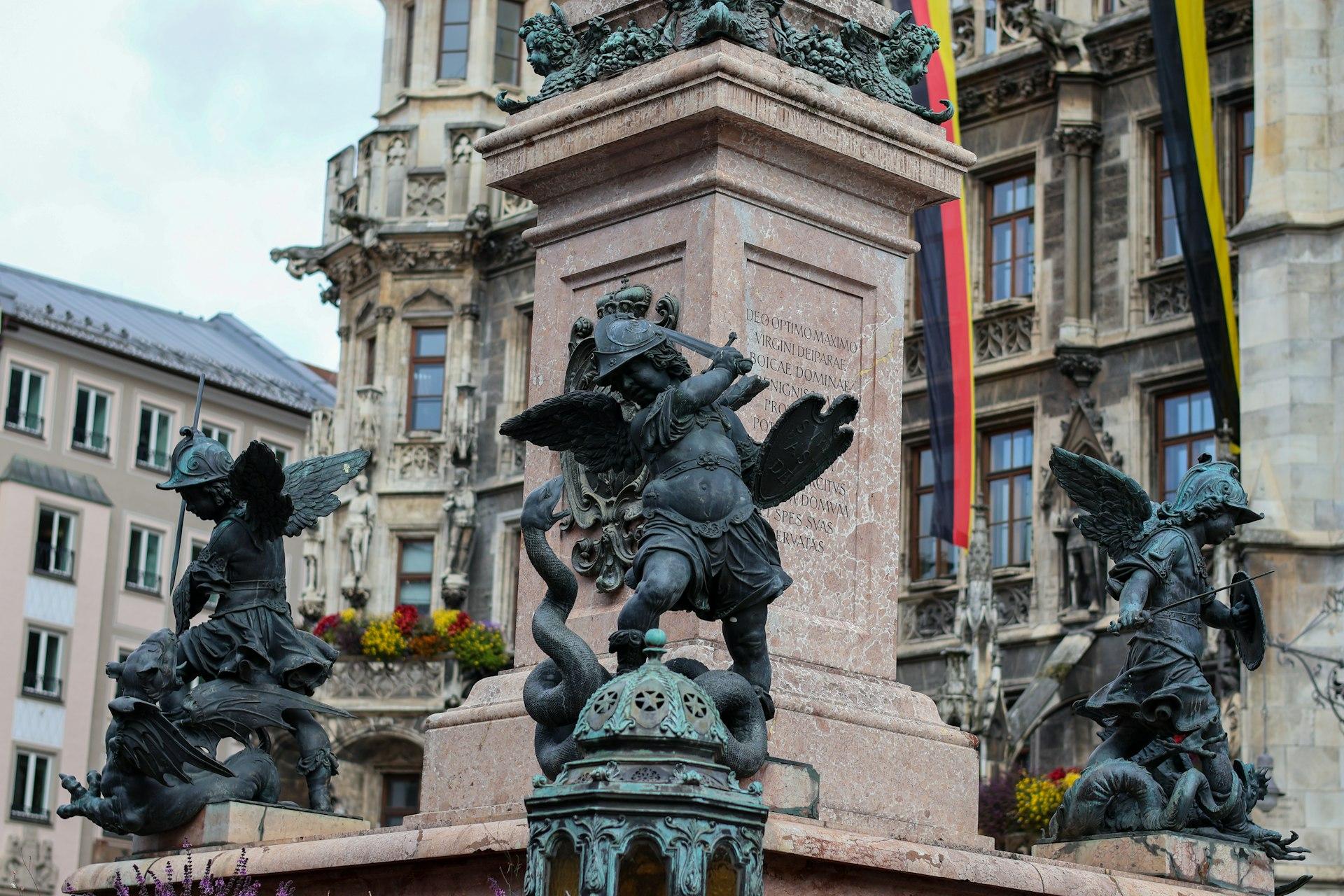
Munich hotels
Germany · 4 hotels
Augsburg hotels
Germany · 4 hotels
Lübeck hotels
Germany · 4 hotels
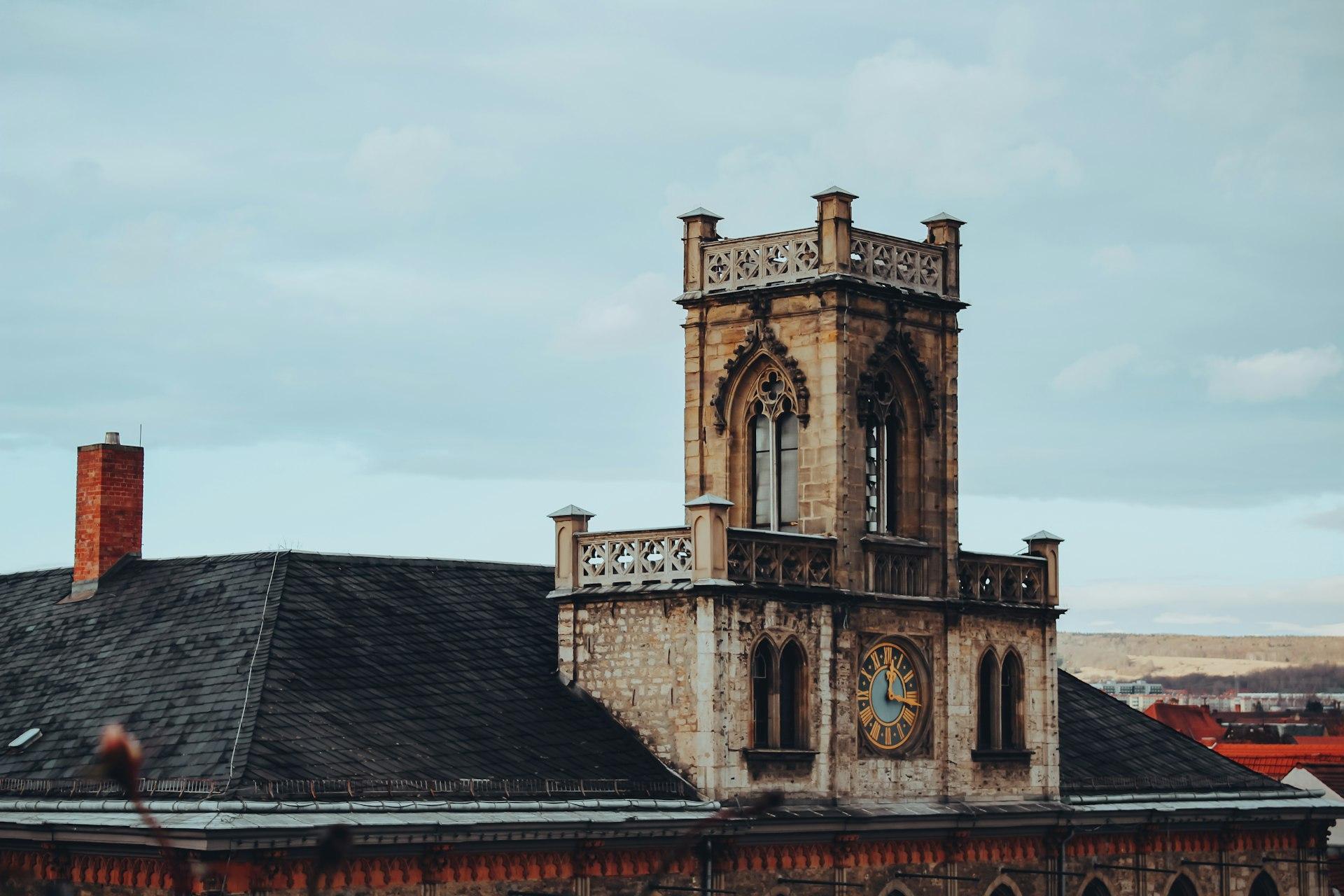
Weimar hotels
Germany · 4 hotels
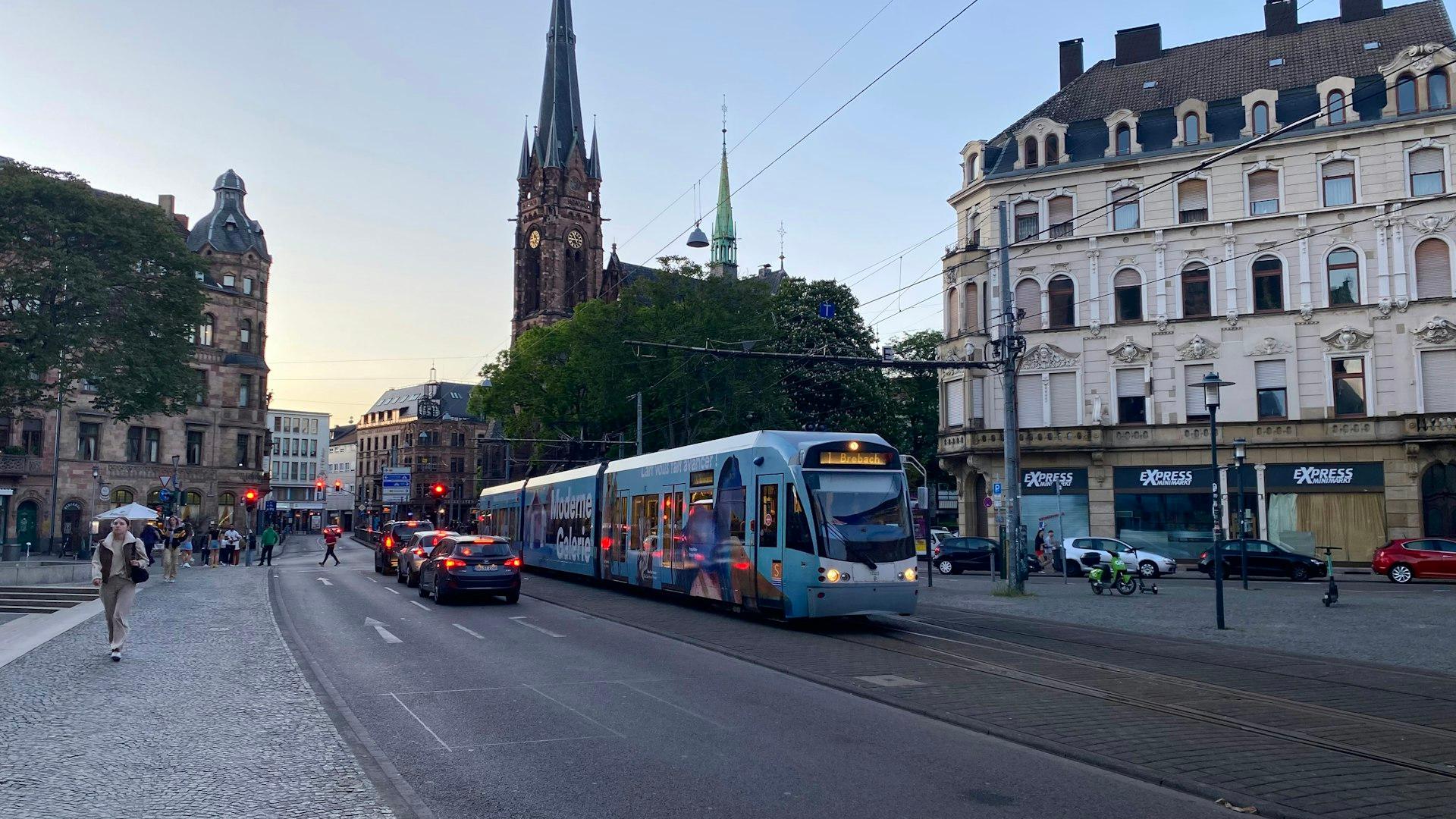
Saarbrücken hotels
Germany · 4 hotels
Rothenburg hotels
Germany · 4 hotels
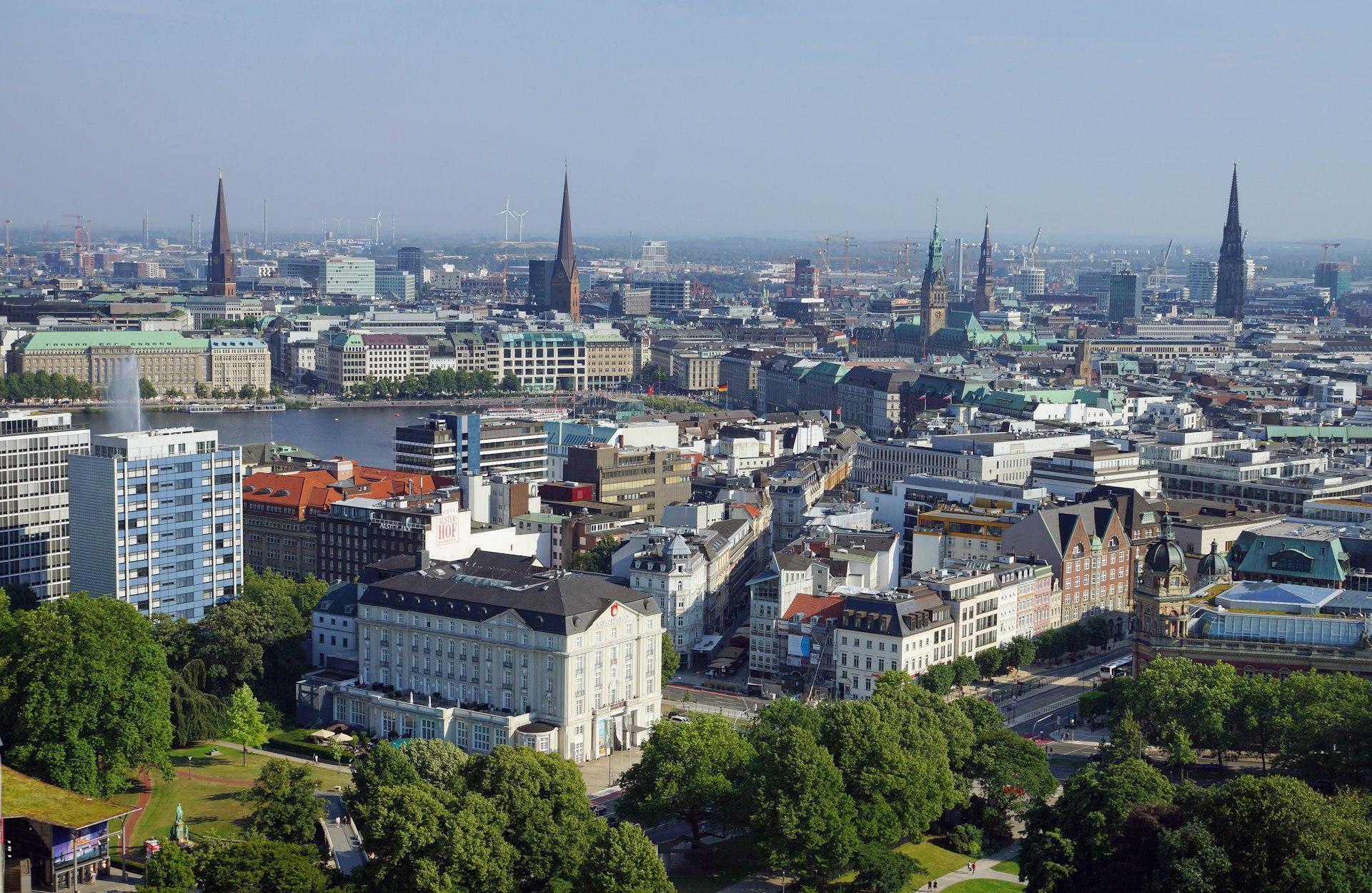
Hamburg hotels
Germany · 3 hotels
Garmisch-Partenkirchen hotels
Germany · 3 hotels
Magdeburg hotels
Germany · 3 hotels
Leipzig hotels
Germany · 2 hotels
Freiburg im Breisgau hotels
Germany · 2 hotels
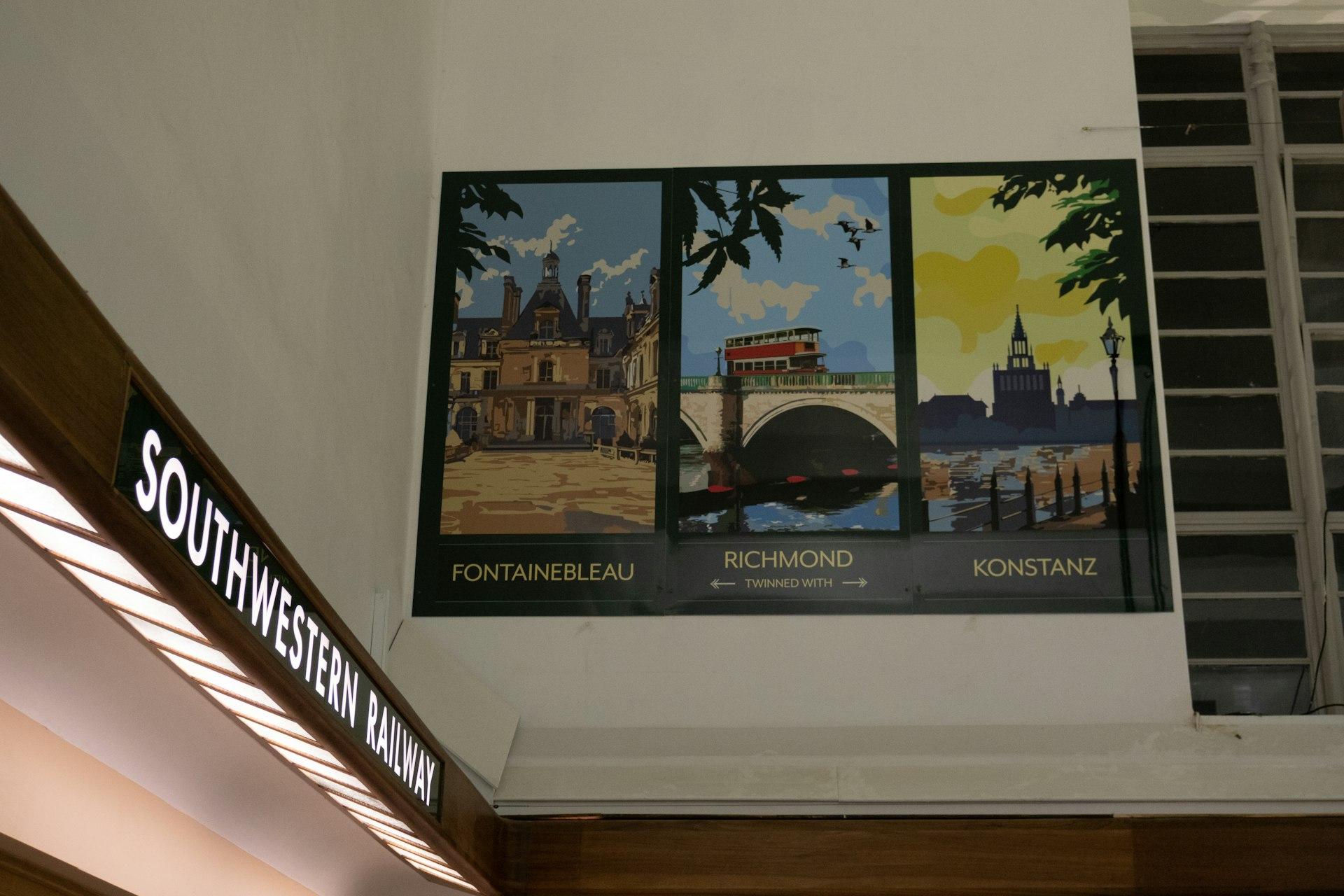
Konstanz hotels
Germany · 2 hotels
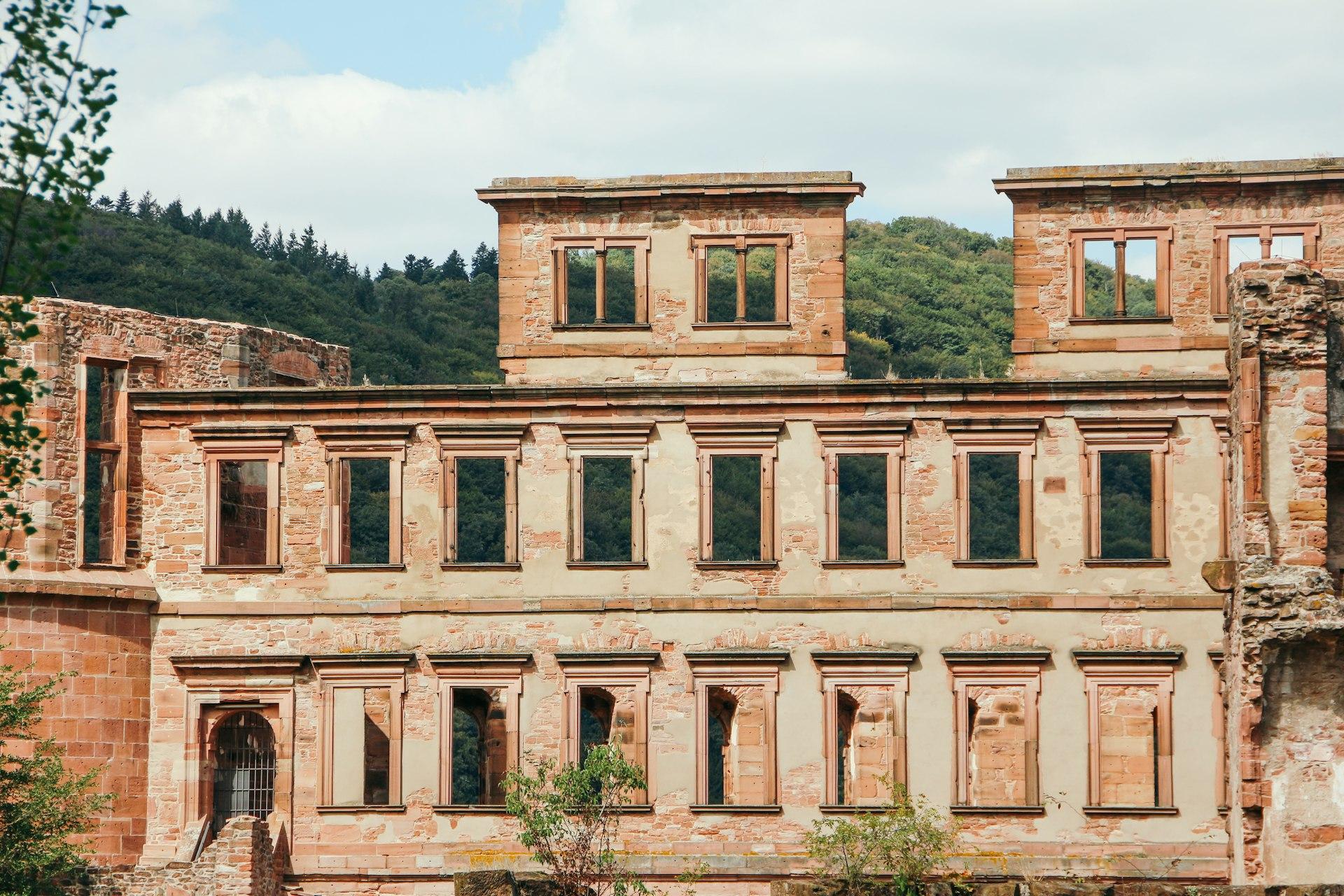
Heidelberg hotels
Germany · 2 hotels
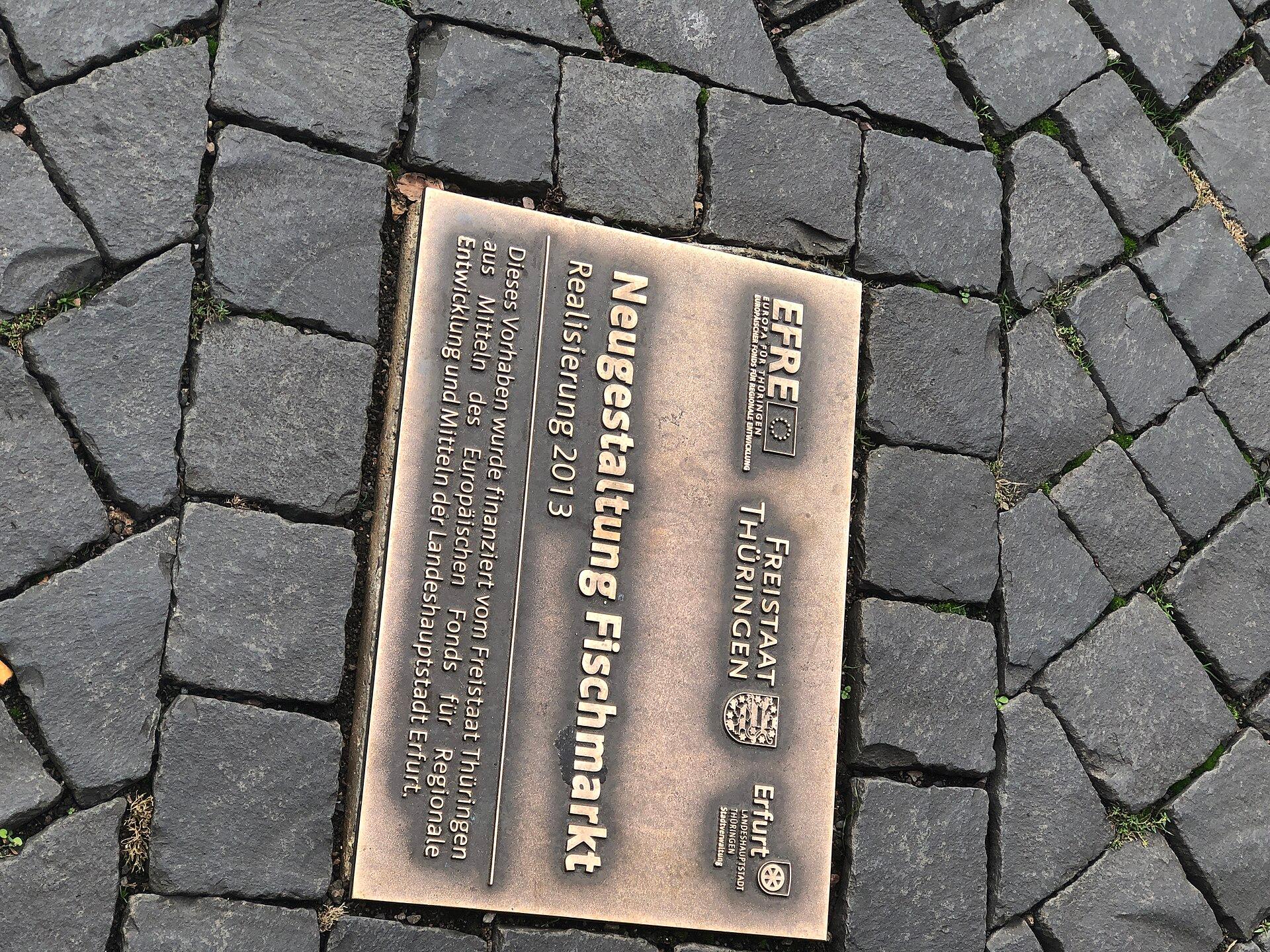
Erfurt hotels
Germany · 1 hotels
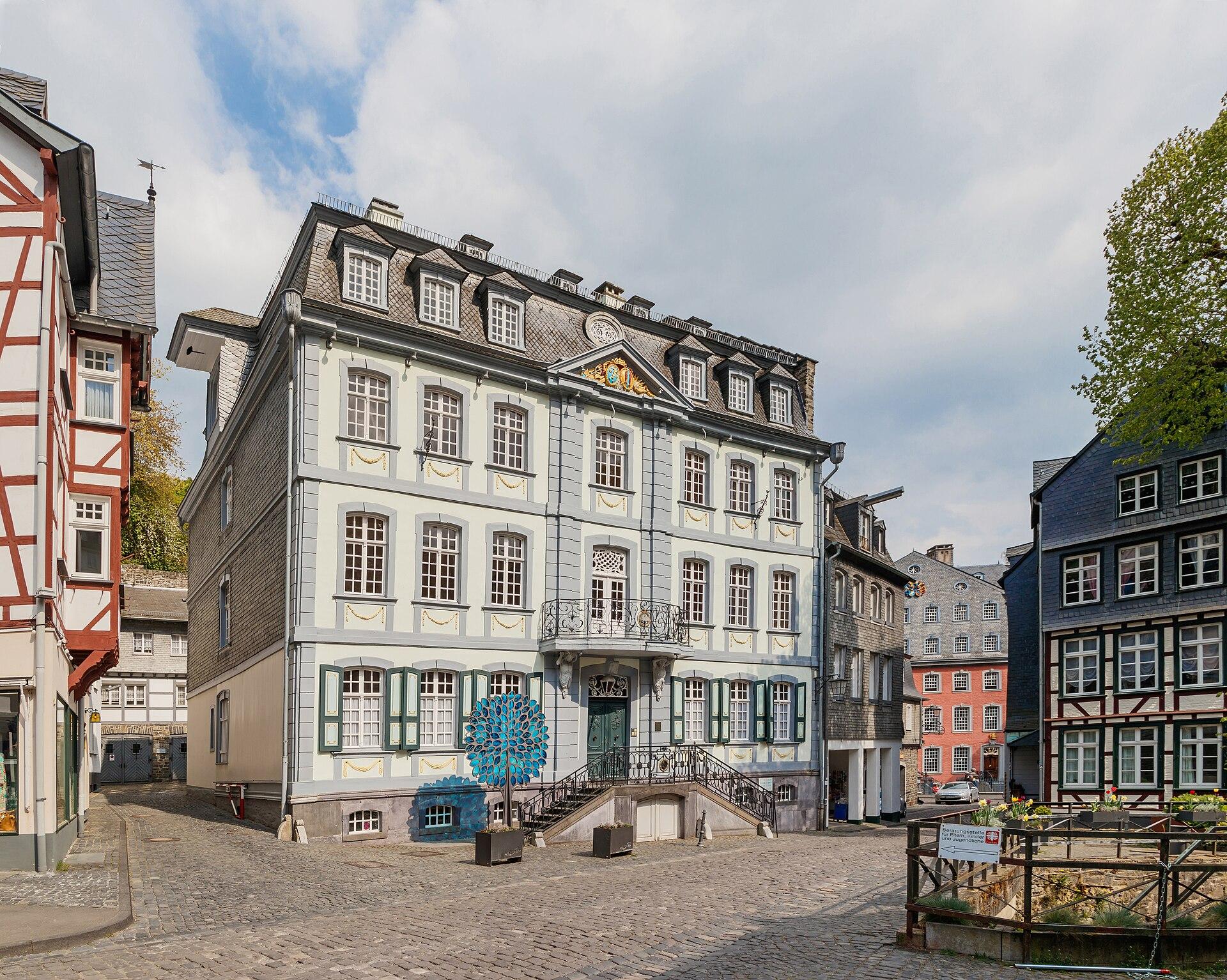
Monschau hotels
Germany · 1 hotels
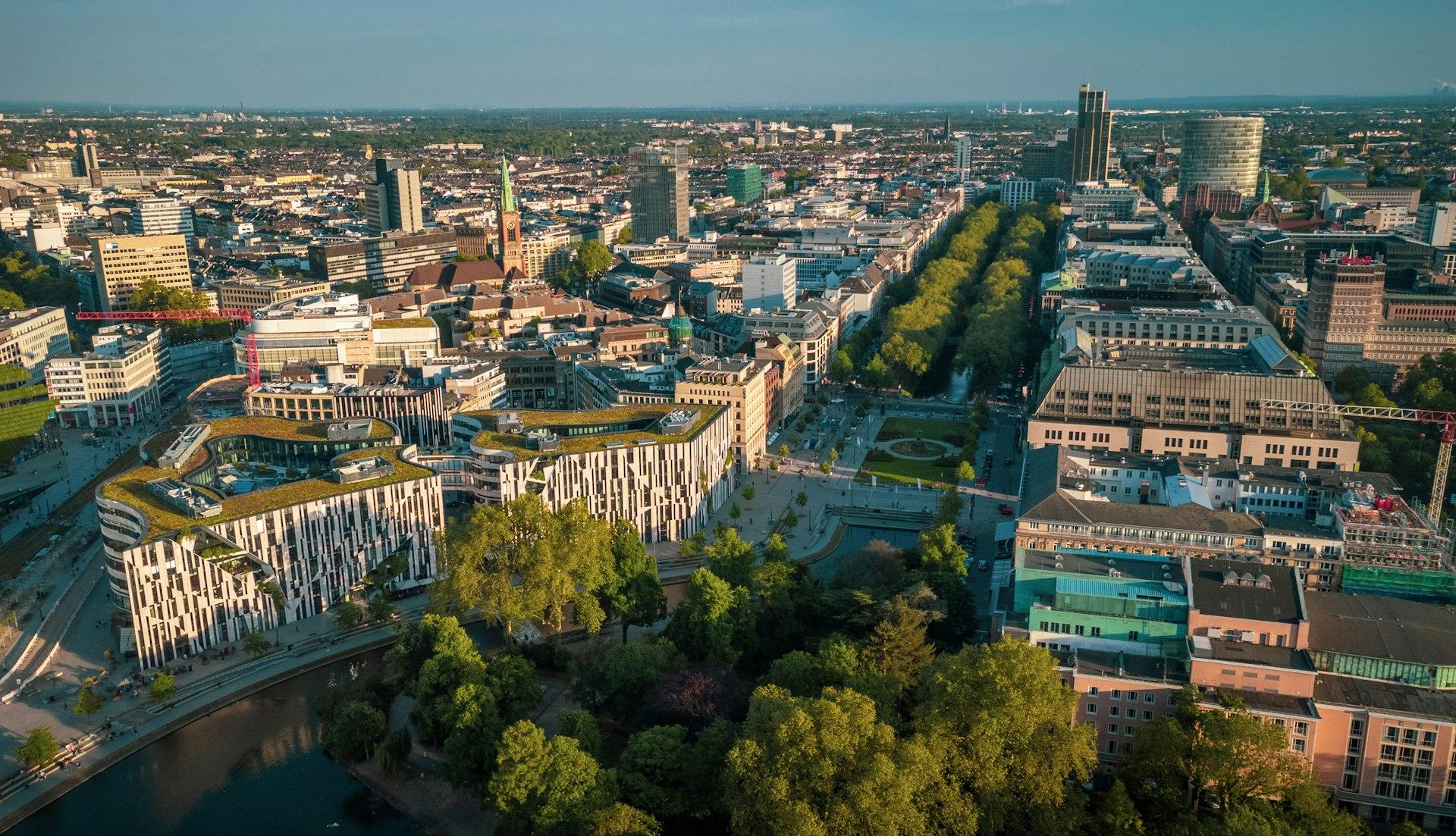
Düsseldorf hotels
Germany · 1 hotels
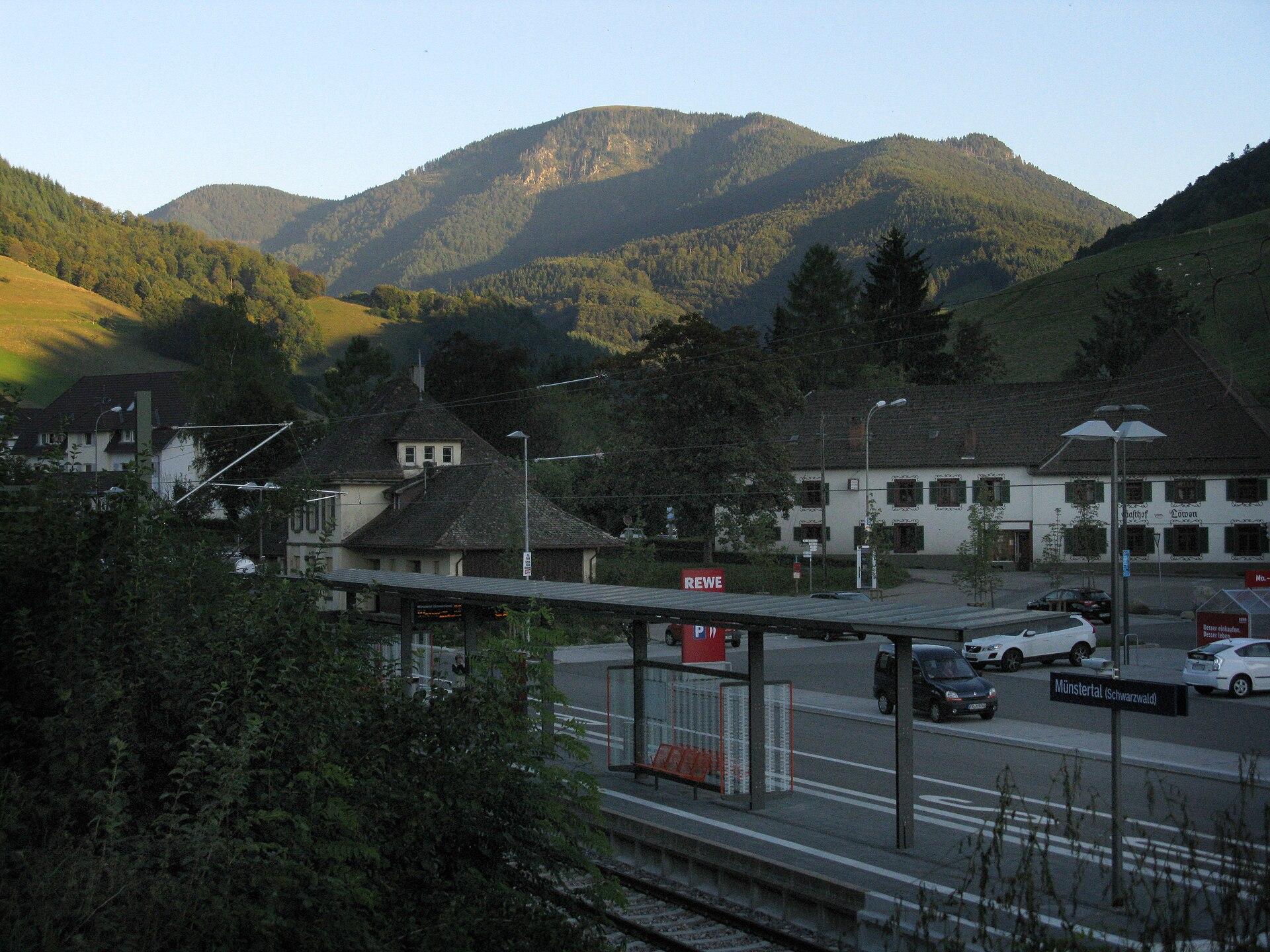
Münstertal hotels
Germany · 1 hotels
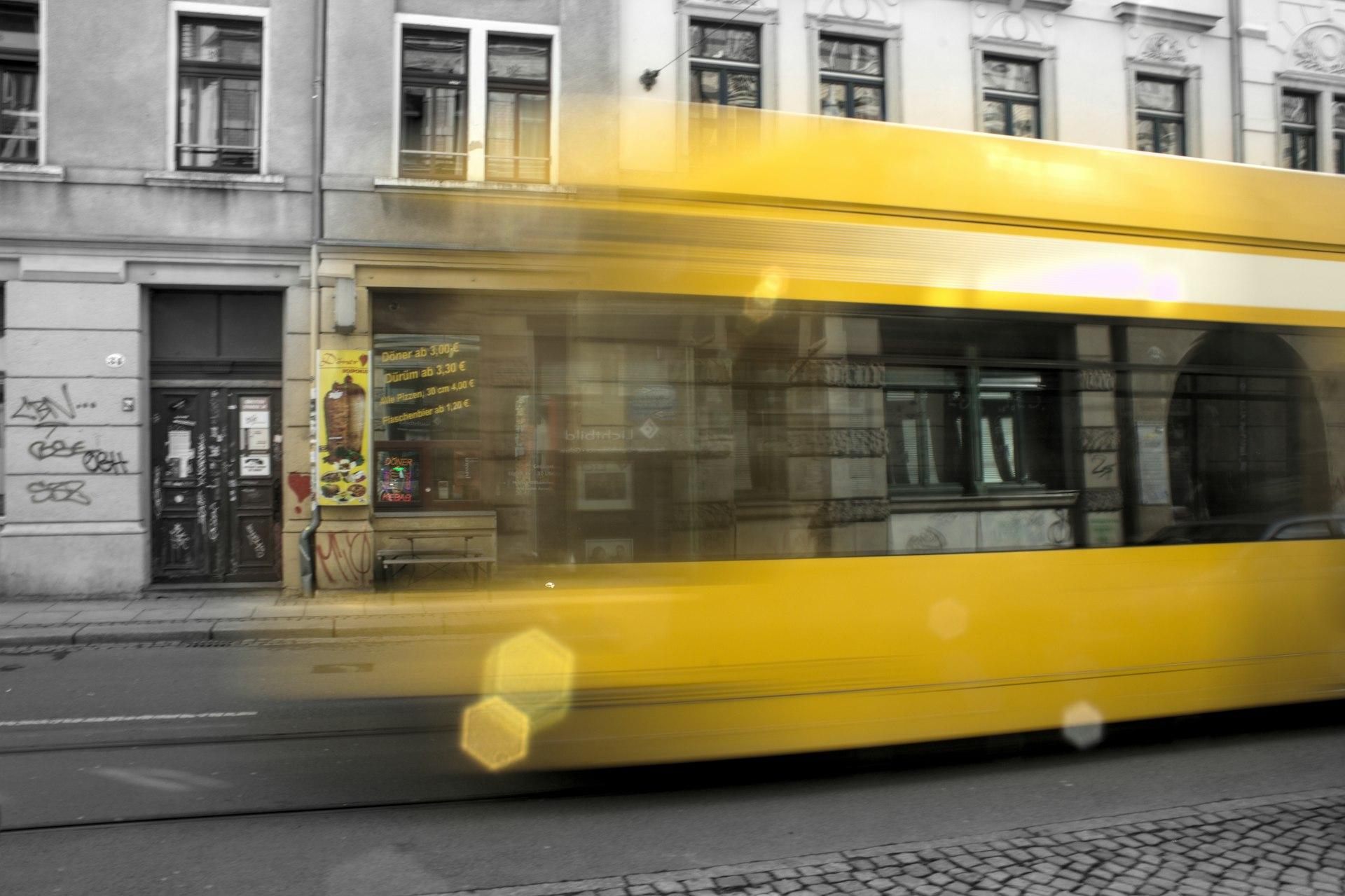
Dresden hotels
Germany · 1 hotels
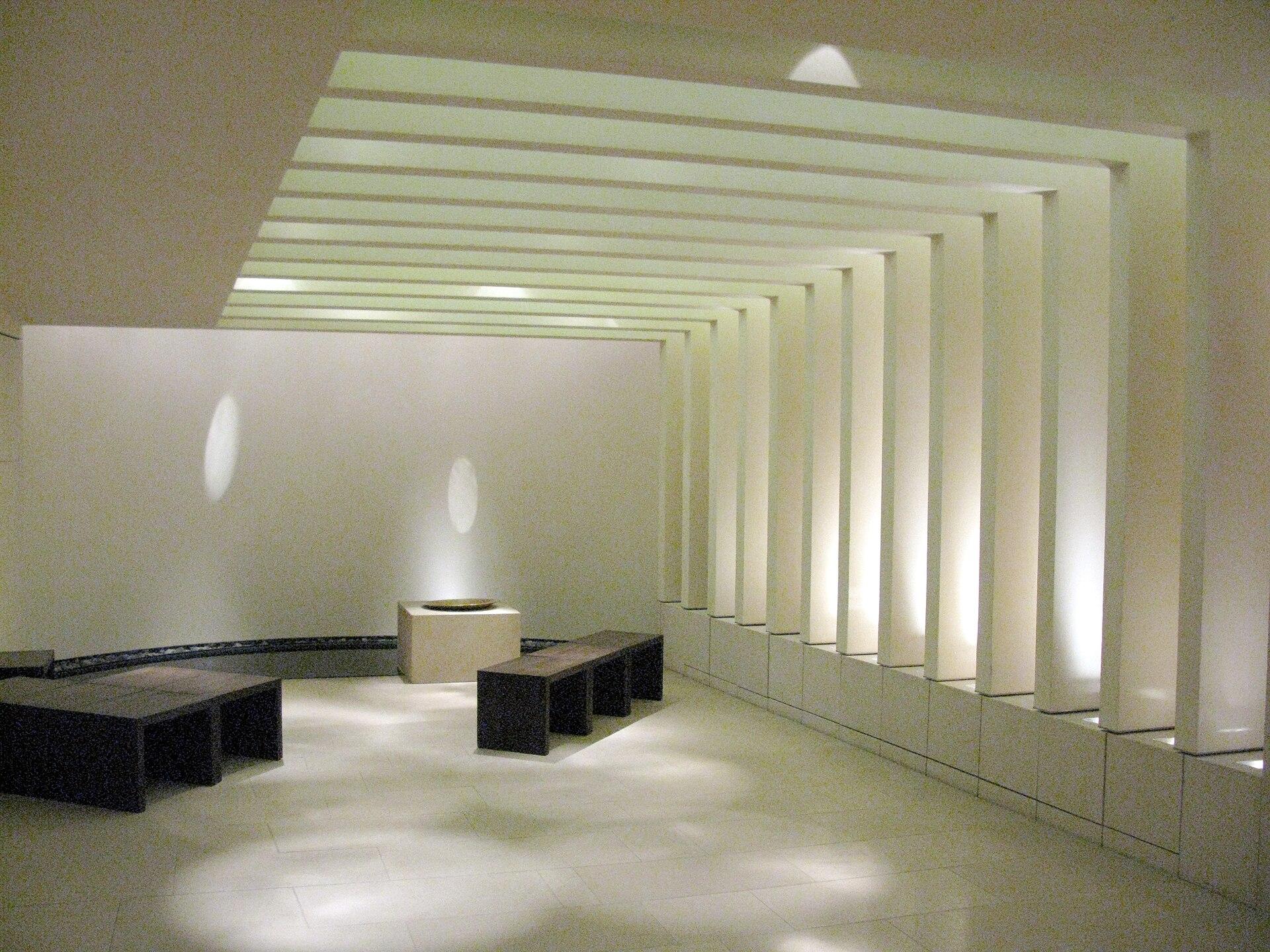
Düsseldorf Airport hotels
Germany · 1 hotels