
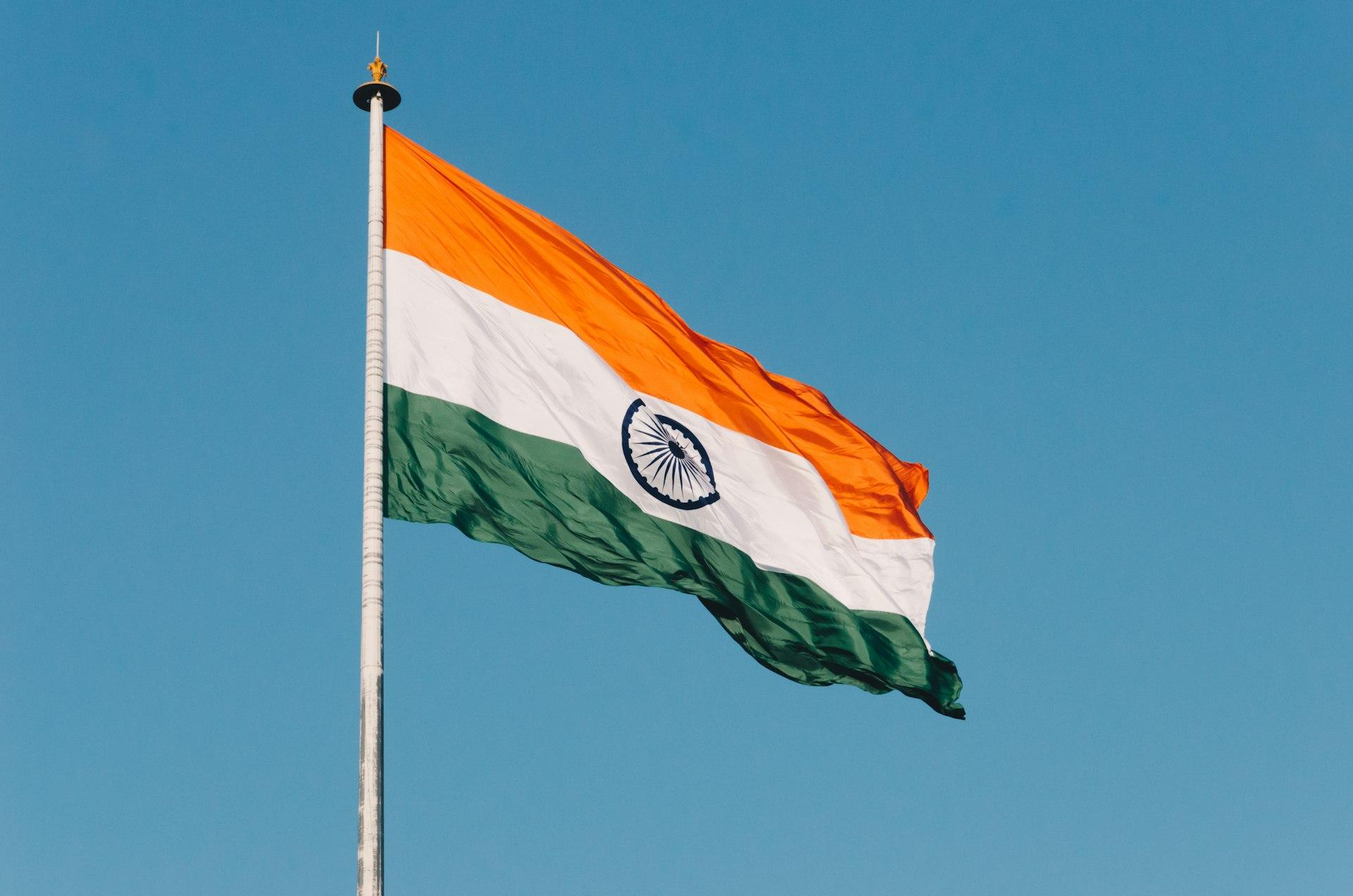
Hotels in India
45 cities · 499 hotels
Photo by Naveed Ahmed on Unsplash
India: A Subcontinent of Contrasts Across 3.3 Million km²
India stretches from the Himalayas in the north — where peaks exceed 8,000 m — to the palm-lined shores of Kerala in the south, a span of roughly 3,200 km. The country holds 29 UNESCO World Heritage Sites, operates the world's largest rail network (over 67,000 km of track), and receives more than 9 million international tourists annually. Hotels range from heritage havelis converted in Rajasthan to glass-and-steel business towers in Mumbai and Bengaluru, with room rates starting below ₹1,500 per night in secondary cities.
Cities Worth Exploring
Delhi, the capital, layers Mughal-era monuments — including the Red Fort (completed 1648) and Qutb Minar (73 m, 12th century) — alongside the colonial geometry of Lutyens' Delhi and the street-food lanes of Chandni Chowk. Roughly 1,400 km southwest, Mumbai anchors the western coast; the Chhatrapati Shivaji Maharaj Terminus, a UNESCO-listed Victorian Gothic station, sits two kilometres from the hotel corridor along Marine Drive. Kolkata in the east retains Bengal Renaissance architecture in the College Street neighbourhood. Chennai serves as the gateway to Tamil Nadu's temple corridor, where the Brihadeeswarar Temple at Thanjavur dates to 1010 CE.
Regions That Define the Journey
Rajasthan draws the highest share of heritage hotel bookings: fort-hotels in Jaisalmer (the sandstone city sits 575 km from Jaipur), and palace conversions in Udaipur on the shores of Lake Pichola. The Kerala Backwaters — a 900 km network of lagoons and canals — concentrate houseboat and resort properties between Alleppey (Alappuzha) and Kollam. In the northeast, Sikkim borders Tibet and Bhutan; Gangtok, the state capital at 1,650 m elevation, offers Himalayan views across to Kangchenjunga (8,586 m). Goa, at 105 km of coastline, remains the top beach destination, with distinct hotel clusters in the quieter south around Palolem versus the denser north around Calangute.
When to Visit India
The subcontinent's size means no single travel season applies universally. October through March suits the north and Rajasthan, when daytime temperatures in Delhi hold between 15 °C and 28 °C. Kerala and the southern states are accessible year-round but receive heavy southwest monsoon rains from June to September. The Rann of Kutch in Gujarat — a 30,000 km² salt flat — is only crossable November through February, when the Rann Utsav festival draws visitors to tent-city camps. The Kumbh Mela in Prayagraj, held every 12 years (next full cycle 2025), produces the largest peaceful human gathering on record.
Practical Tips for Visiting India
- Visas: Most nationalities require an e-Visa, obtainable online up to 60 days before arrival; apply at least 72 hours ahead of the flight.
- Getting around: The rail network (bookable via the Irctc portal) connects major cities; book Shatabdi and Rajdhani express trains two to three weeks ahead during peak season.
- Currency: The Indian Rupee (INR); ATMs are widely available in cities but carry cash in rural Rajasthan and the northeast.
- Health: Consult a travel medicine clinic at least four weeks before departure; water-borne illness risk is higher outside top-tier hotels.
- Dress codes: Cover shoulders and knees at temples, mosques, and gurudwaras — carry a light scarf for spontaneous visits.
Frequently Asked Questions
Q: Which Indian city has the most hotels suitable for first-time visitors? A: Delhi and Mumbai offer the widest range of internationally affiliated hotels with 24-hour staff and English-language service. Both cities have international airports with direct connections to over 50 countries.
Q: What is the cheapest month to book hotels in India? A: May and June see lower rates in northern plains cities as temperatures peak above 40 °C, making shoulder-season deals common in Delhi, Agra, and Jaipur. Coastal Goa also drops rates significantly outside the October–March high season.
Q: Is it safe to travel between Indian cities by overnight train? A: Overnight trains on AC-2 and AC-3 tier sleeper carriages are widely used by domestic and international travelers. Carriages are locked at night and have attendant staff; the main caution is securing valuables.
Q: How far in advance should hotels be booked during major festivals? A: For Diwali (October–November), Holi (March), and the Pushkar Camel Fair (November), book hotels three to six months ahead, particularly in Jaipur, Varanasi, and Pushkar, where room availability drops sharply.
Q: Do Indian hotels include taxes in quoted rates? A: GST applies at 12% for rooms priced between ₹7,500 and ₹7,499 per night, and 18% above that threshold; budget properties under ₹1,000 are exempt. Confirm whether rates shown include GST before booking to avoid surprises at checkout.
Cities in India
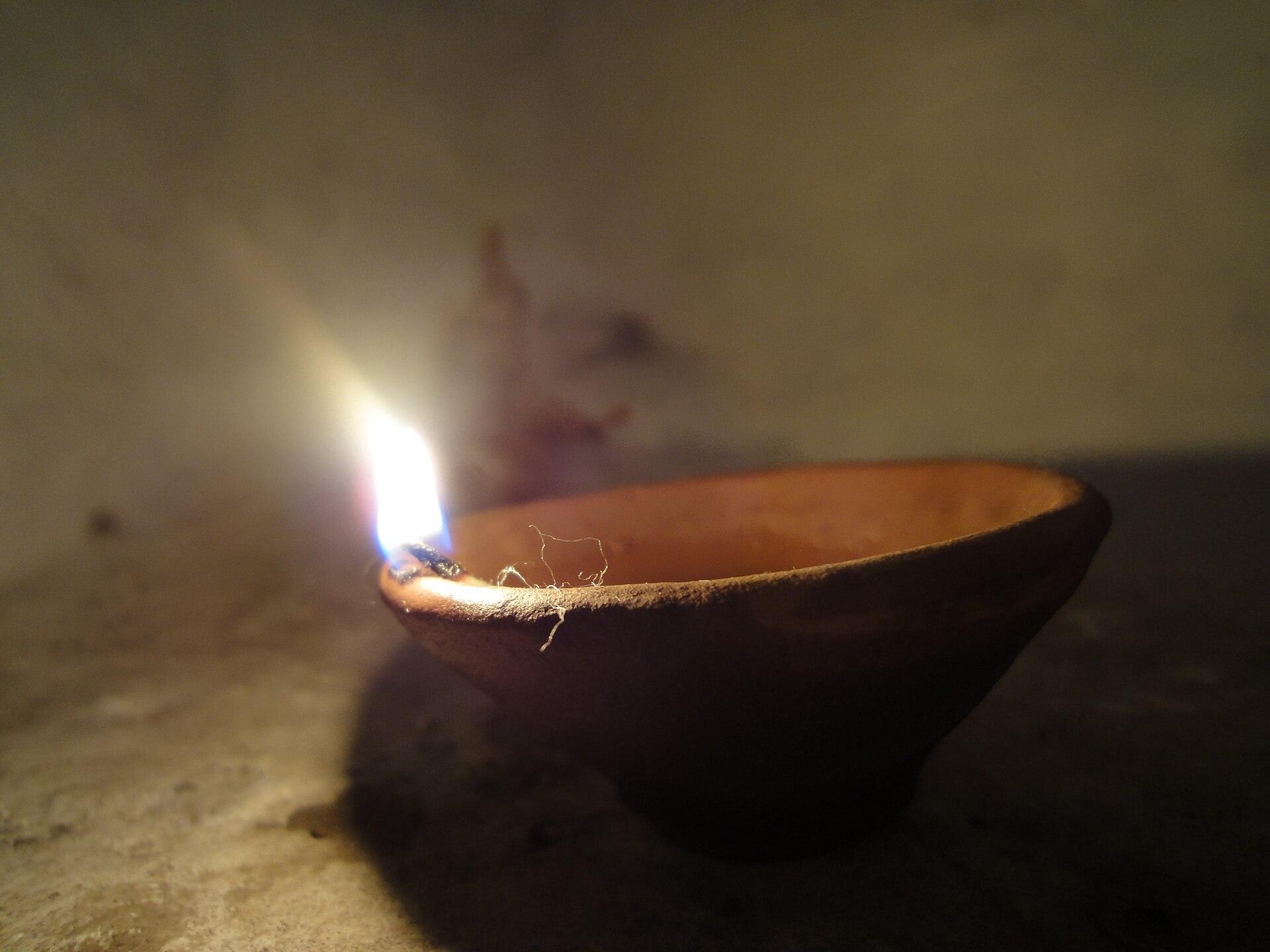
Udaipur hotels
India · 80 hotels
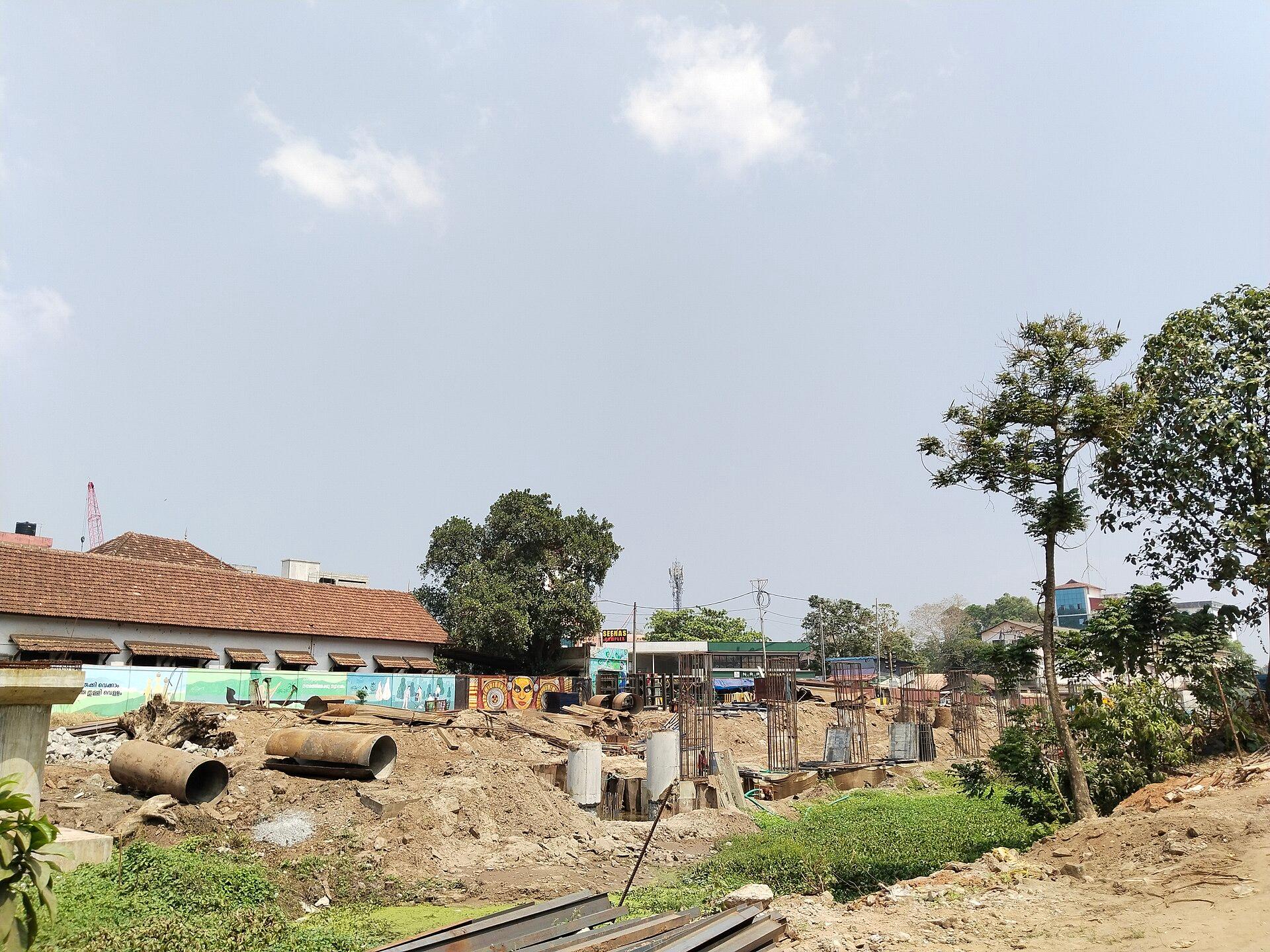
Alleppey hotels
India · 67 hotels
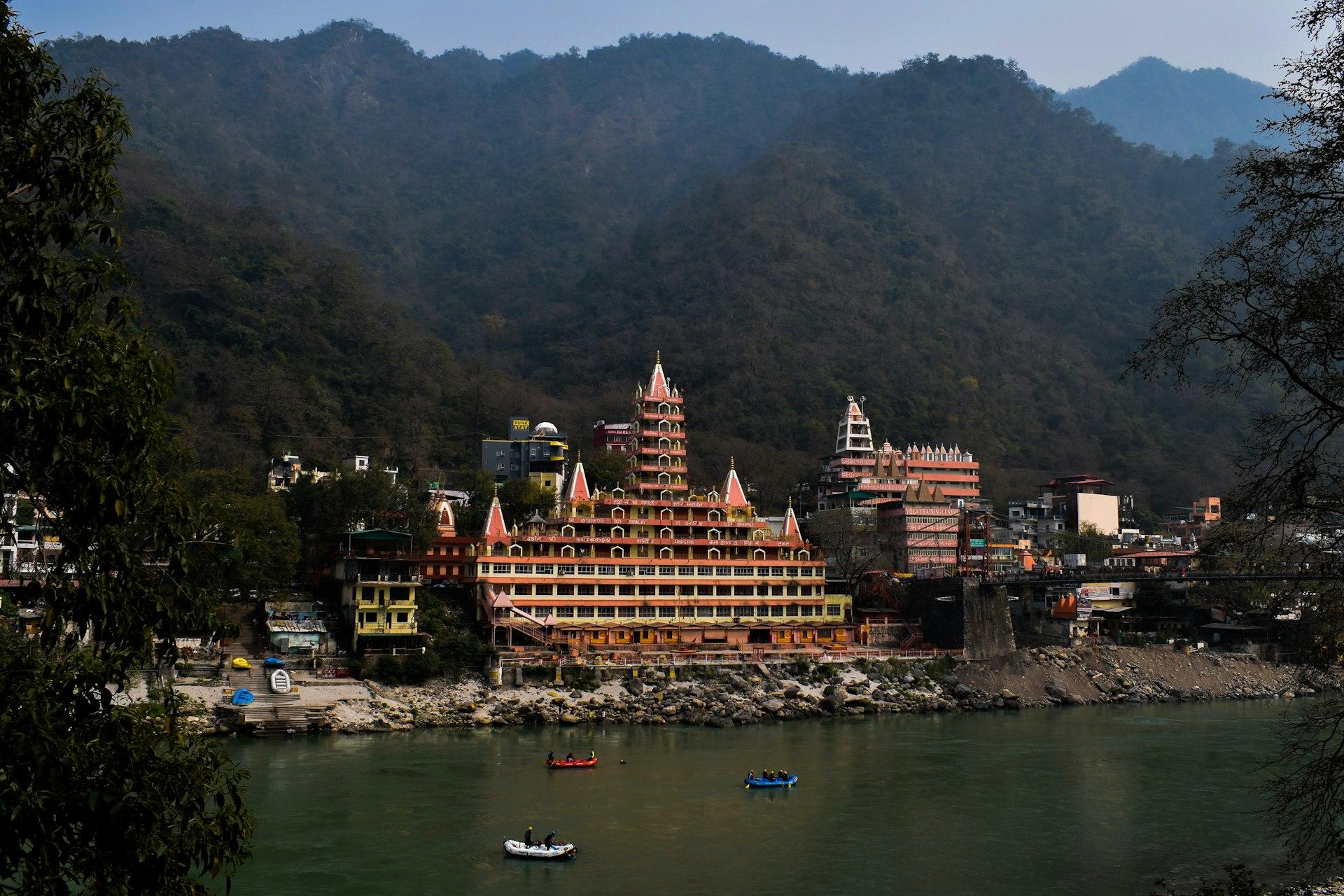
Rishīkesh hotels
India · 37 hotels
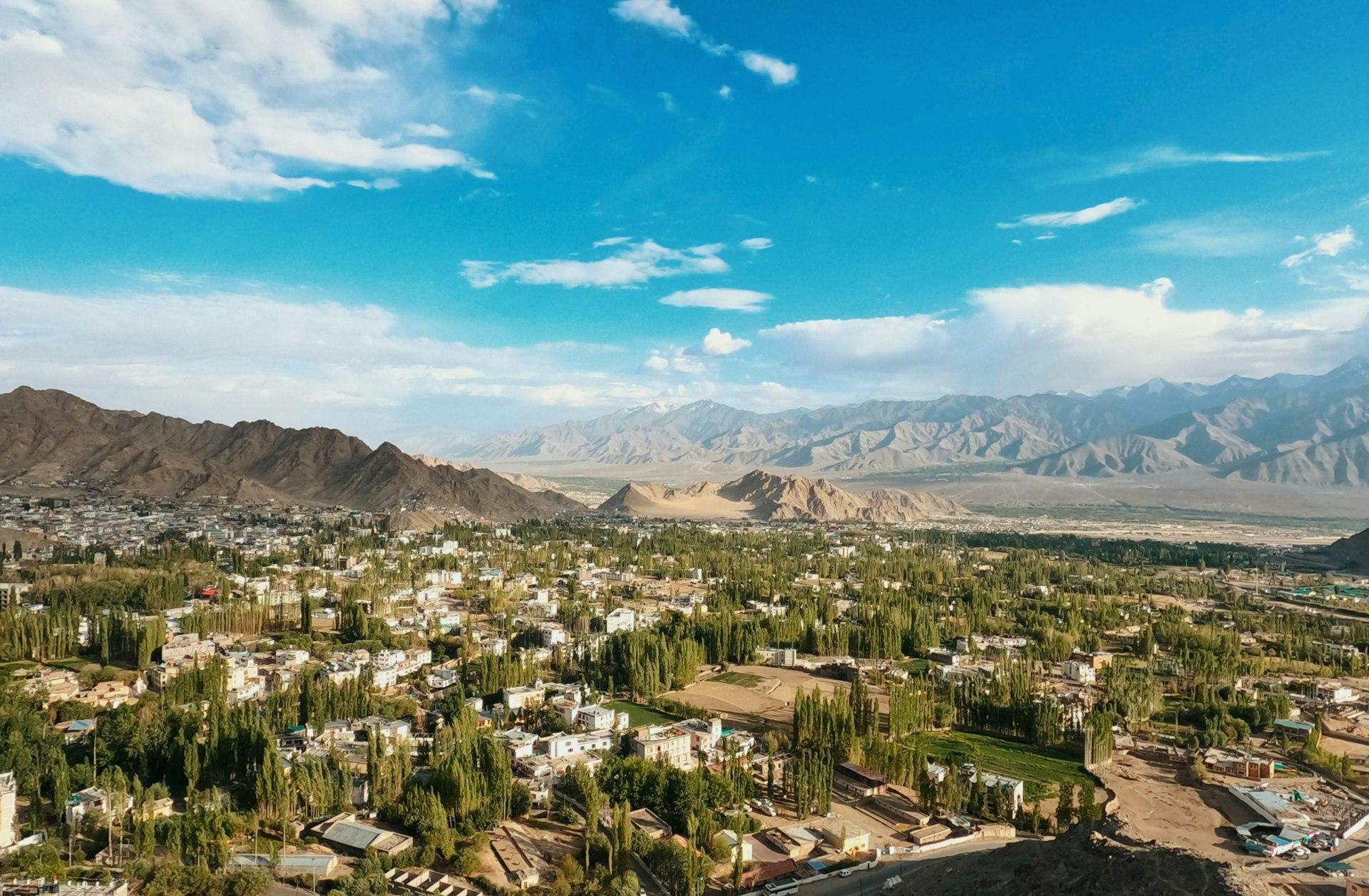
Leh hotels
India · 30 hotels
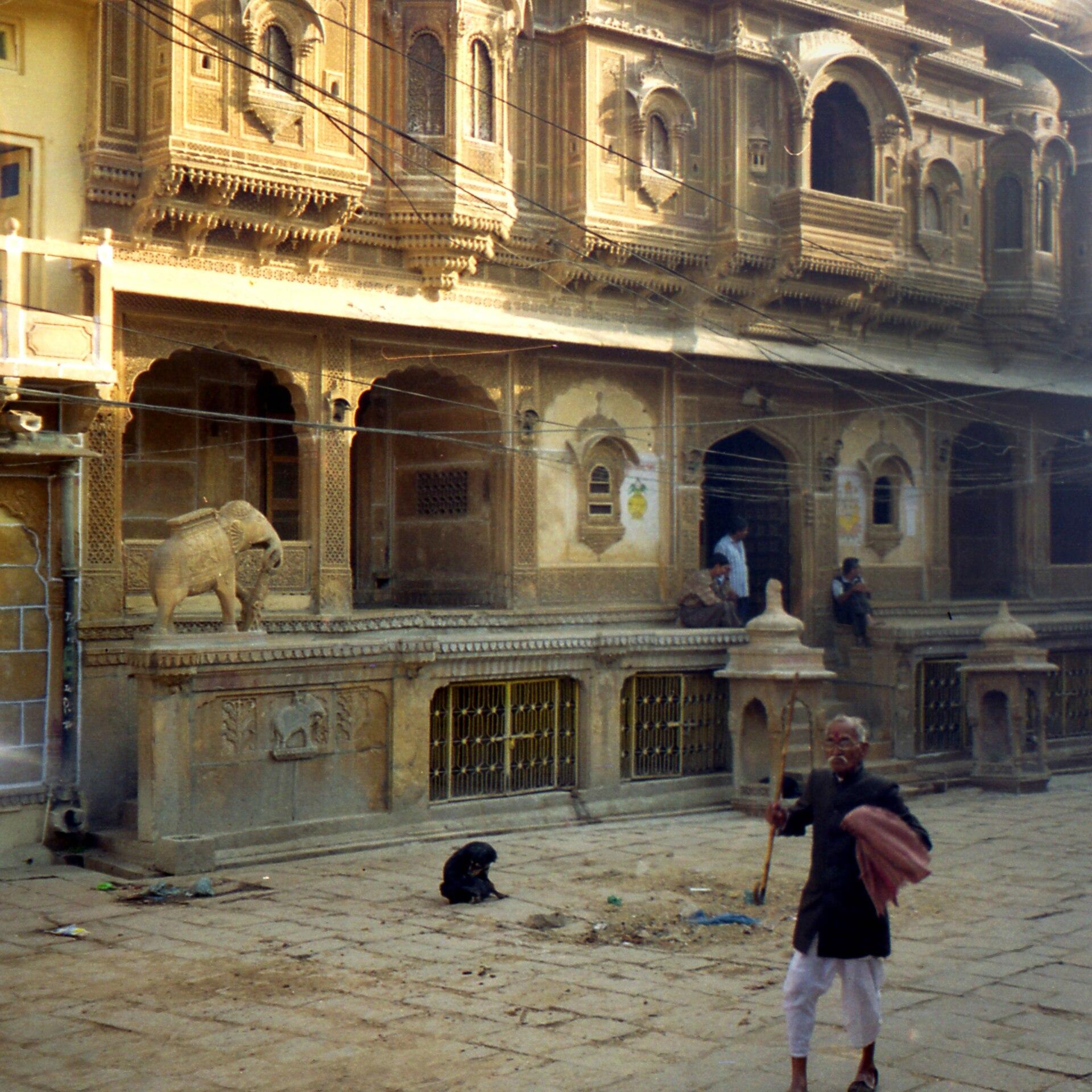
Jaisalmer hotels
India · 30 hotels

Kolkata hotels
India · 23 hotels
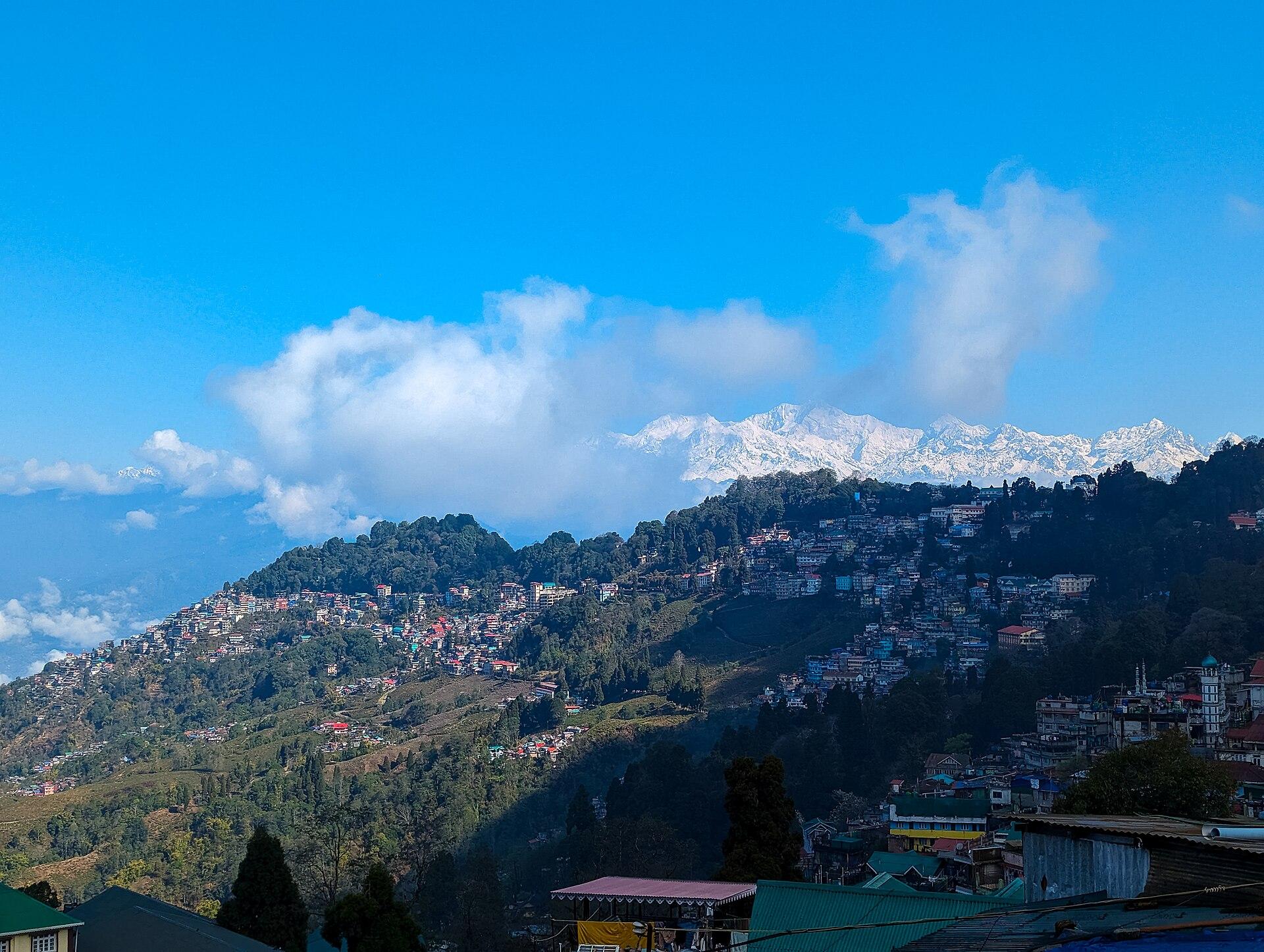
Darjeeling hotels
India · 22 hotels
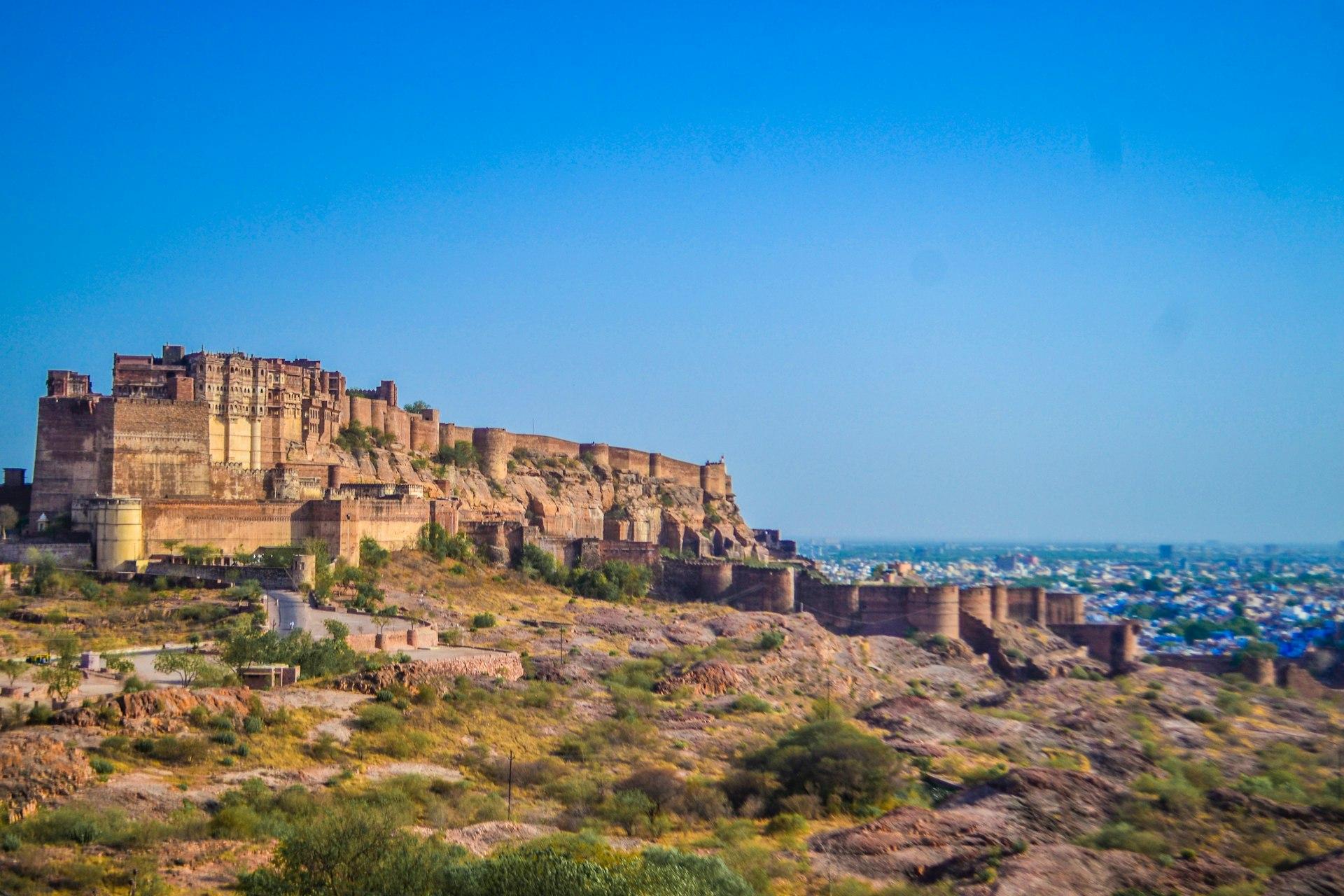
Jodhpur hotels
India · 18 hotels
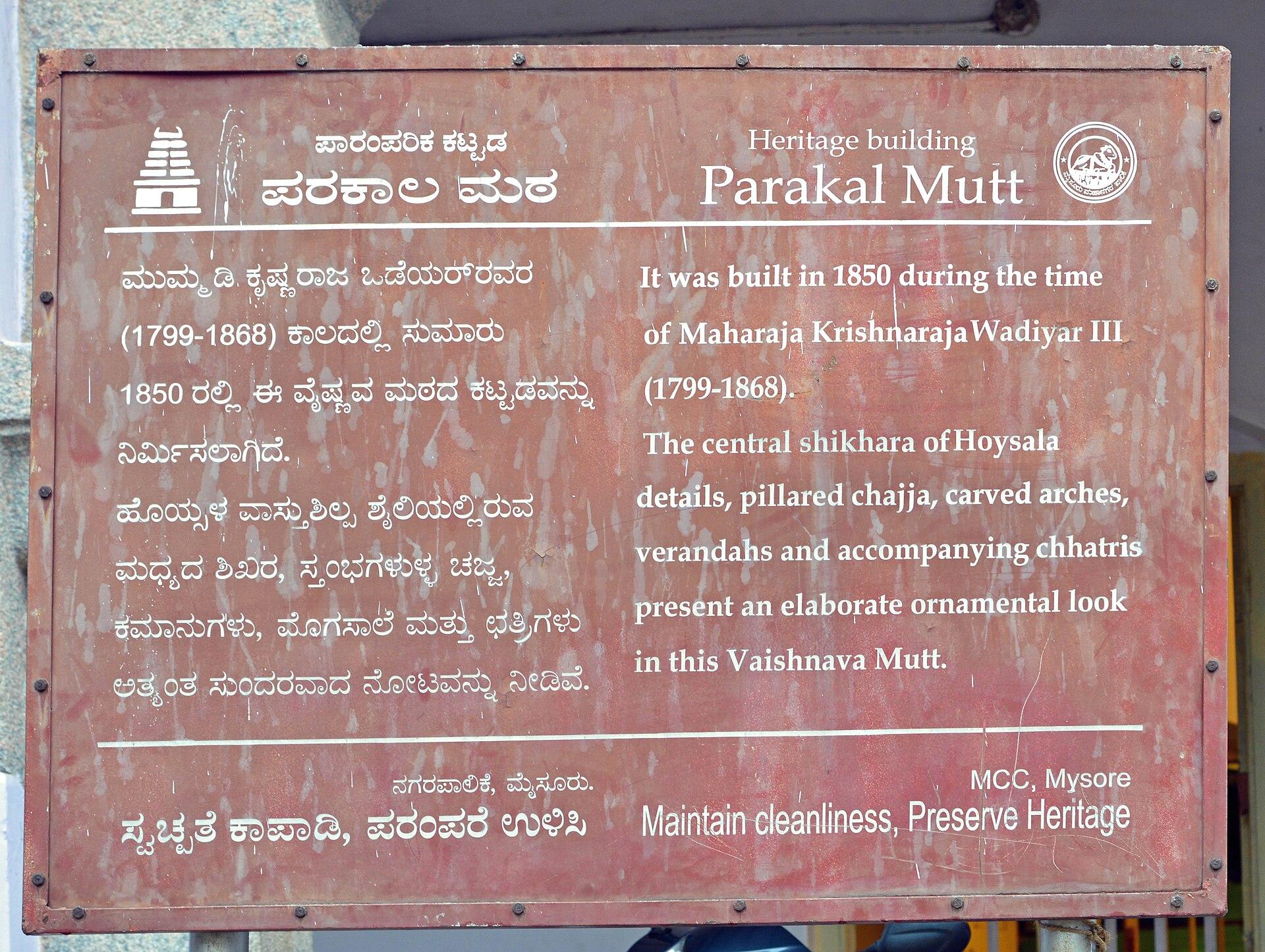
Mysore hotels
India · 15 hotels
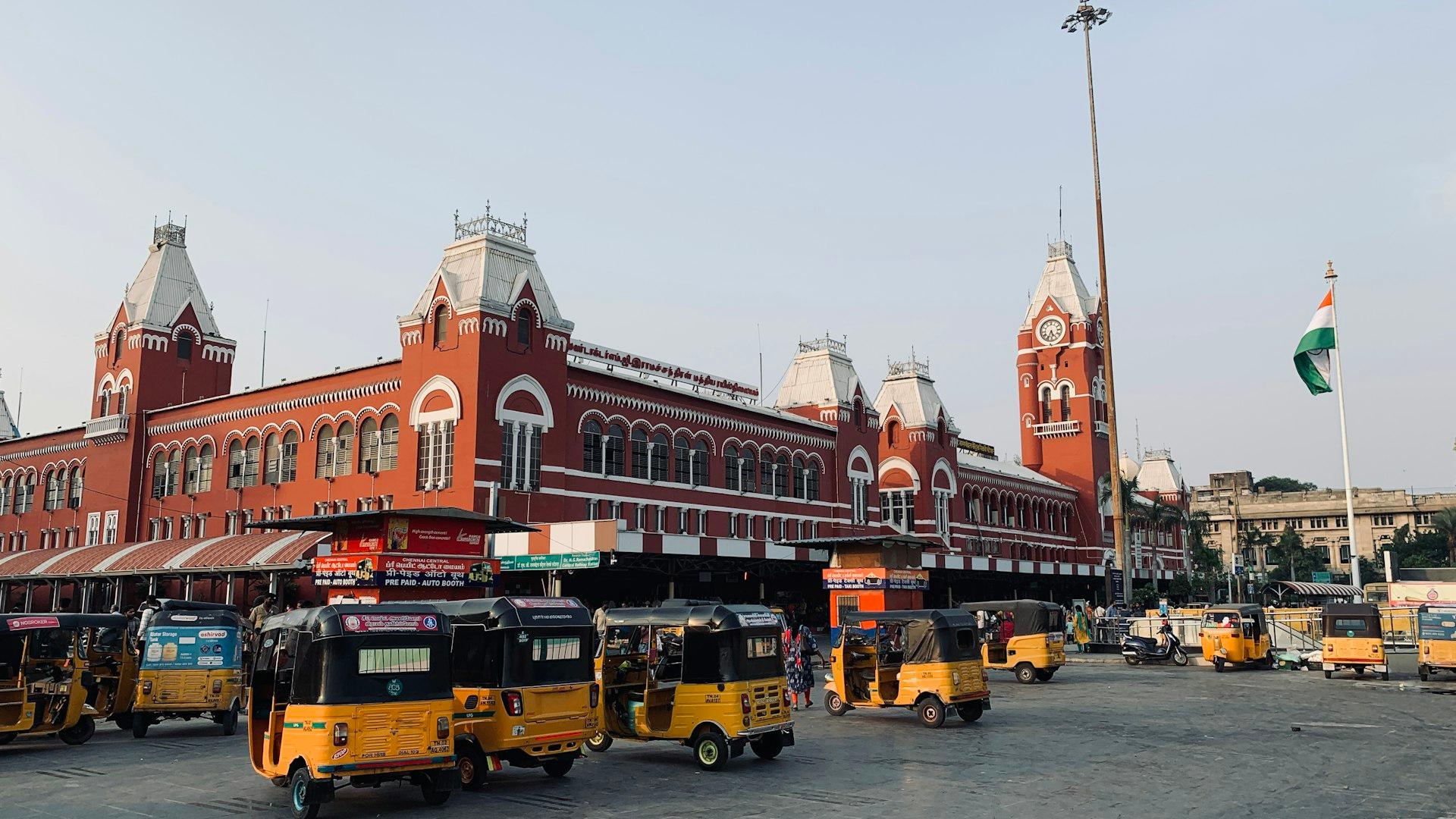
Chennai hotels
India · 14 hotels
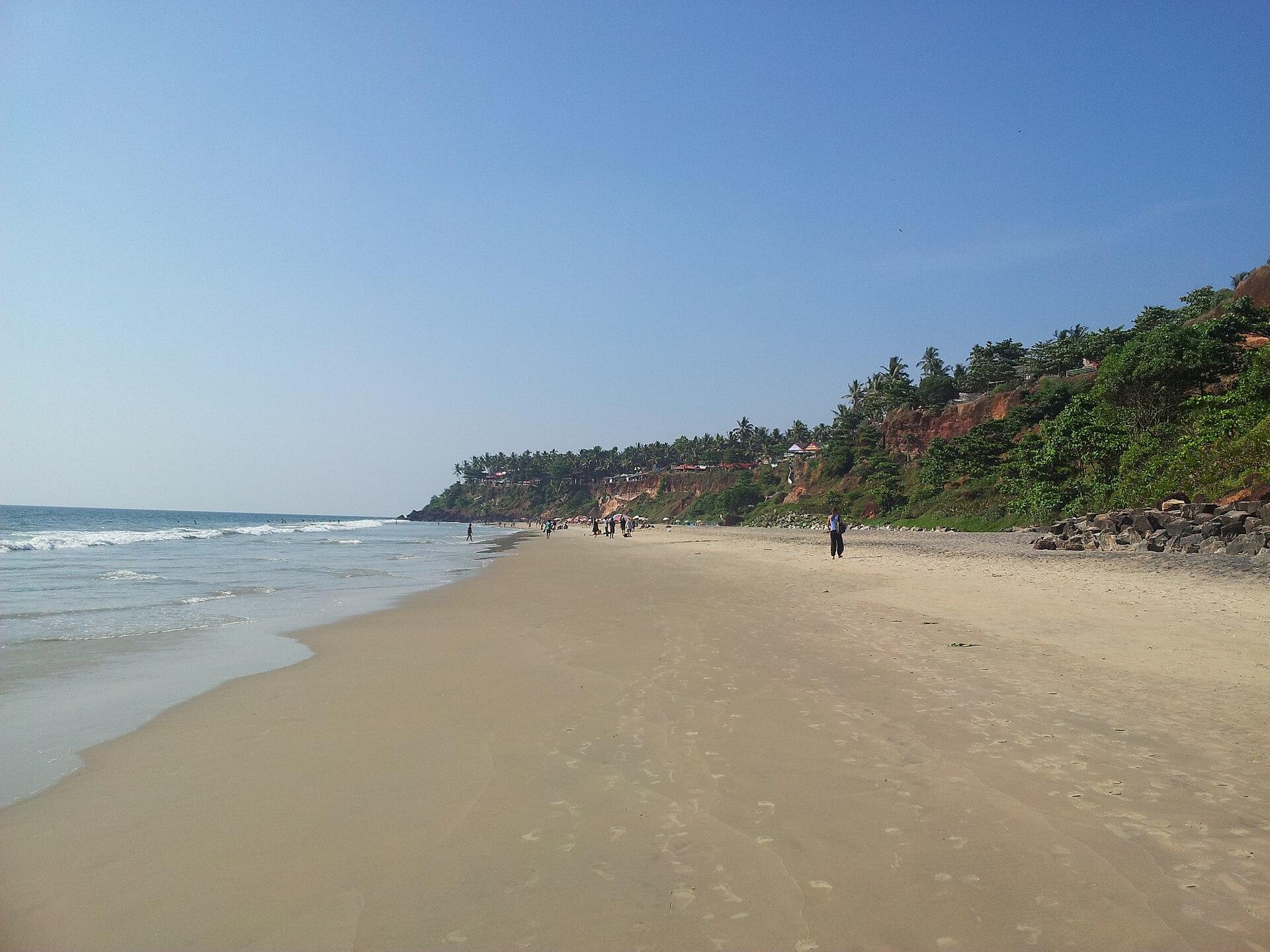
Varkala hotels
India · 14 hotels
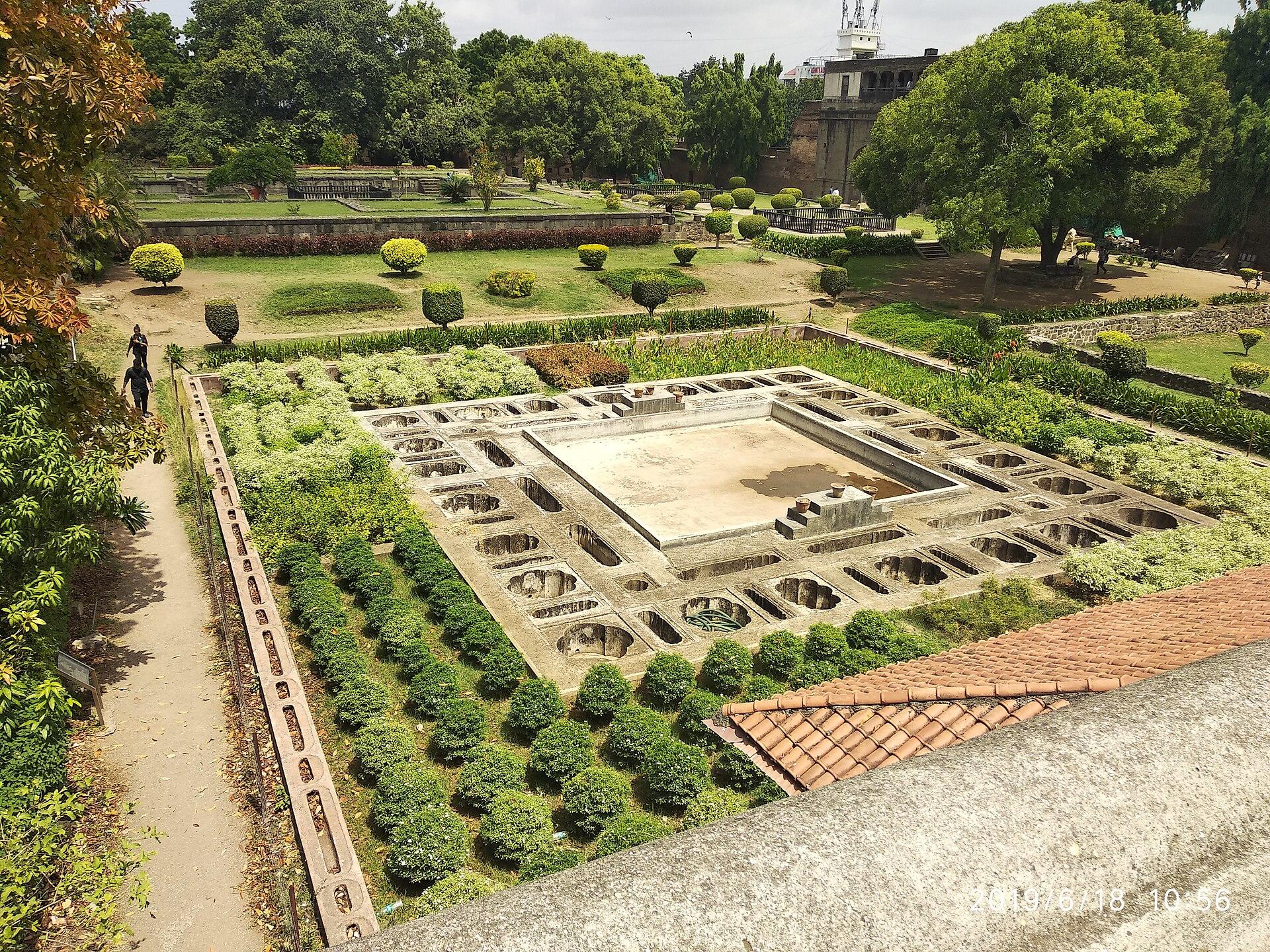
Pune hotels
India · 12 hotels

Gangtok hotels
India · 12 hotels
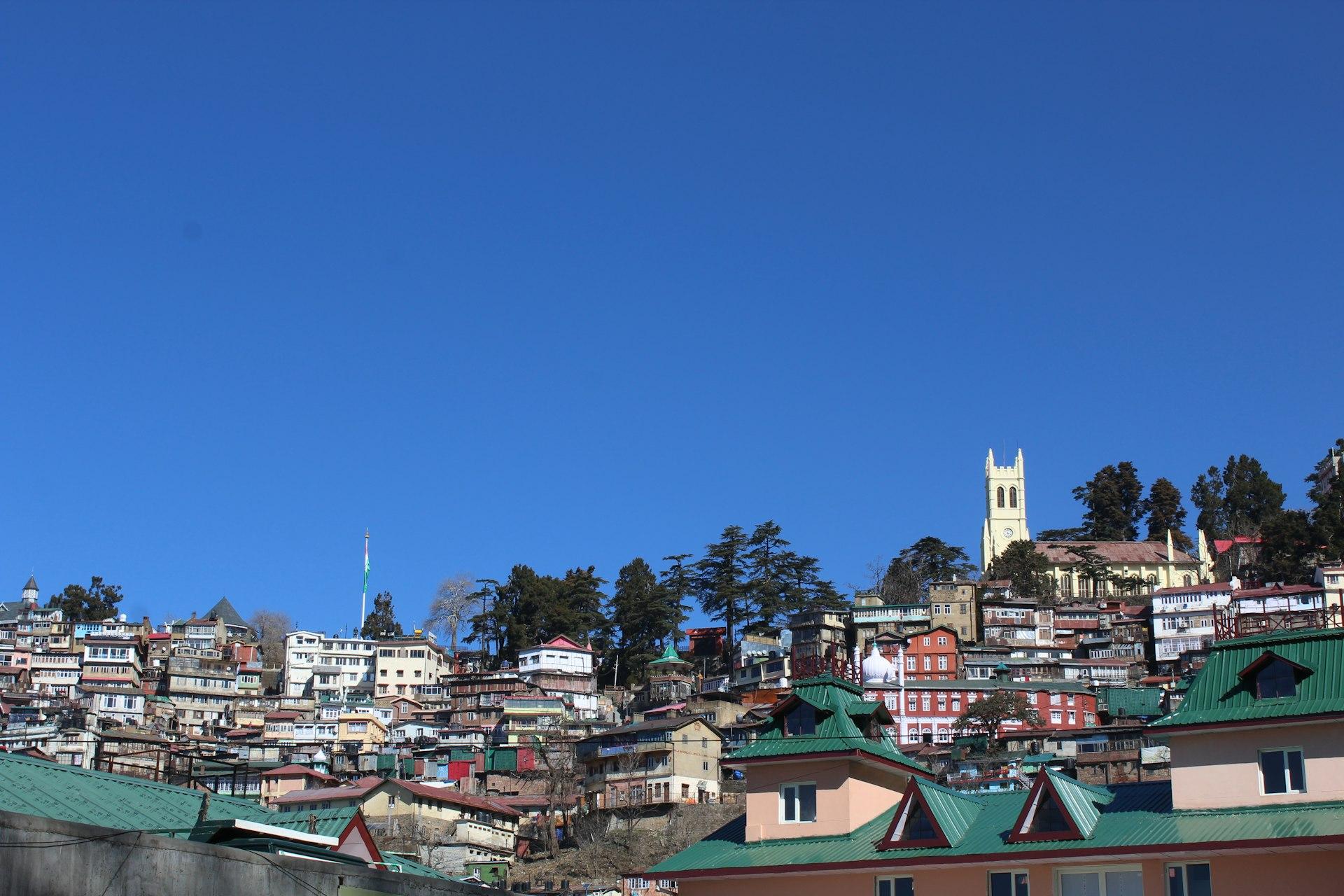
Shimla hotels
India · 12 hotels
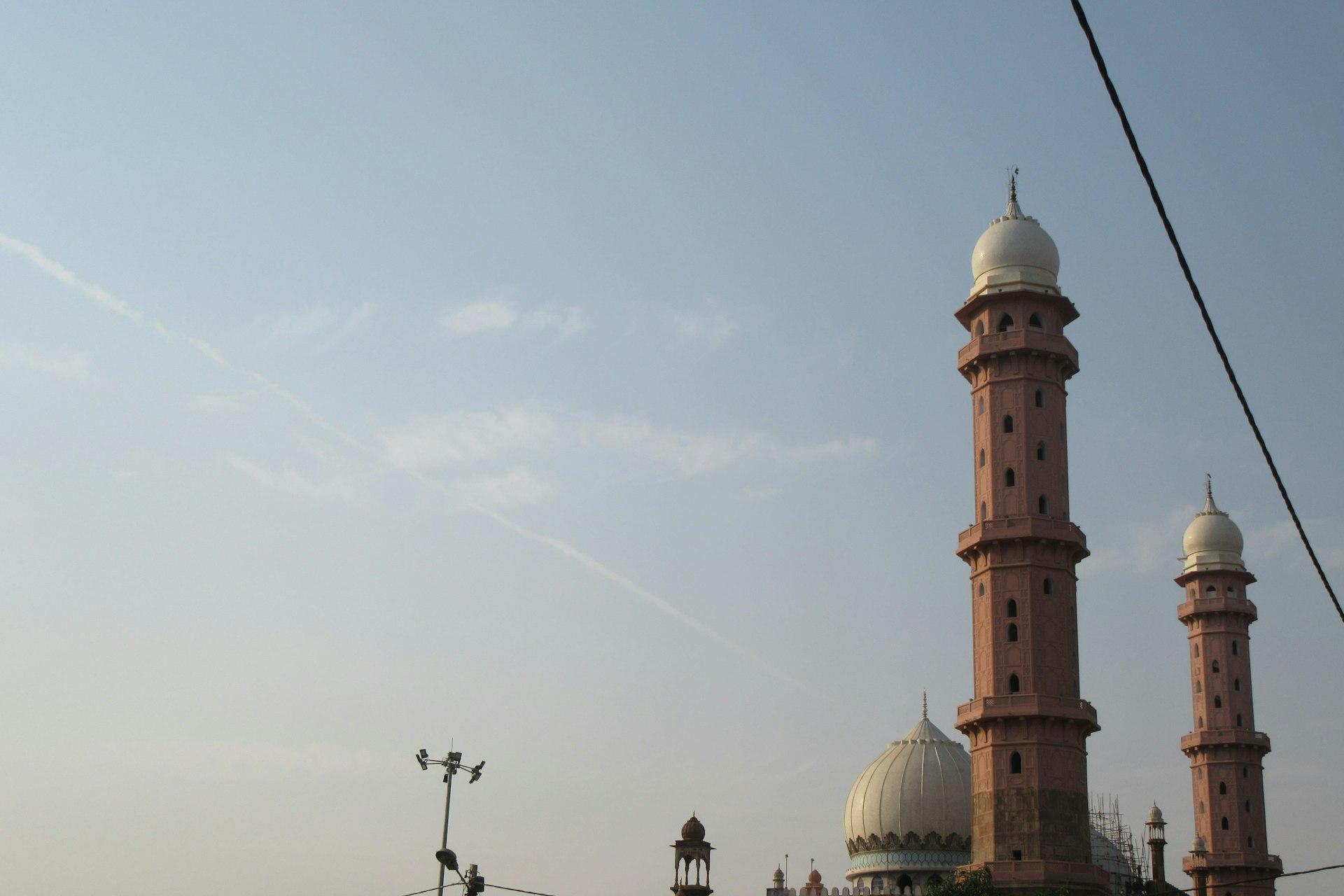
Bhopal hotels
India · 9 hotels
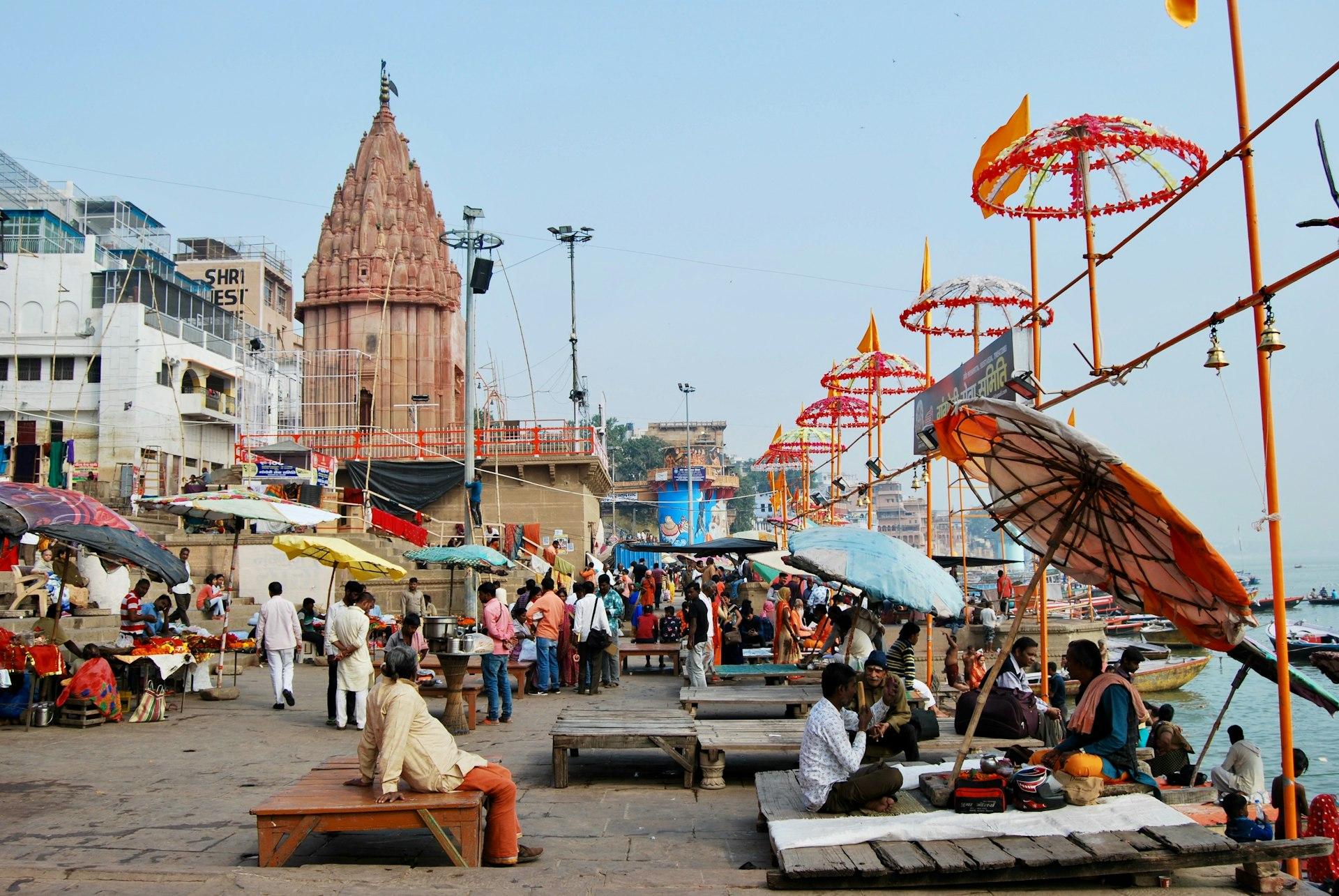
Varanasi hotels
India · 8 hotels
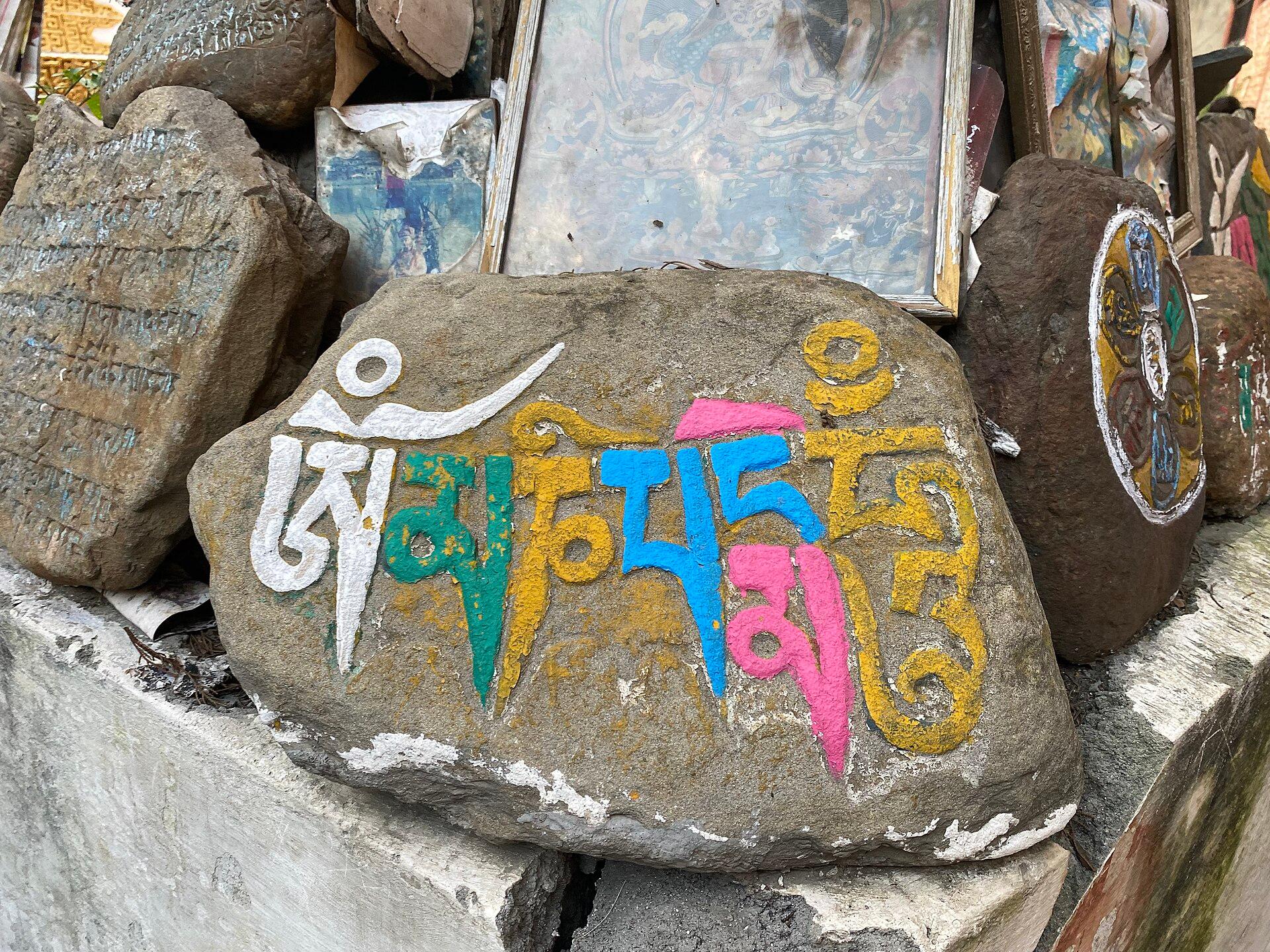
Manāli hotels
India · 8 hotels
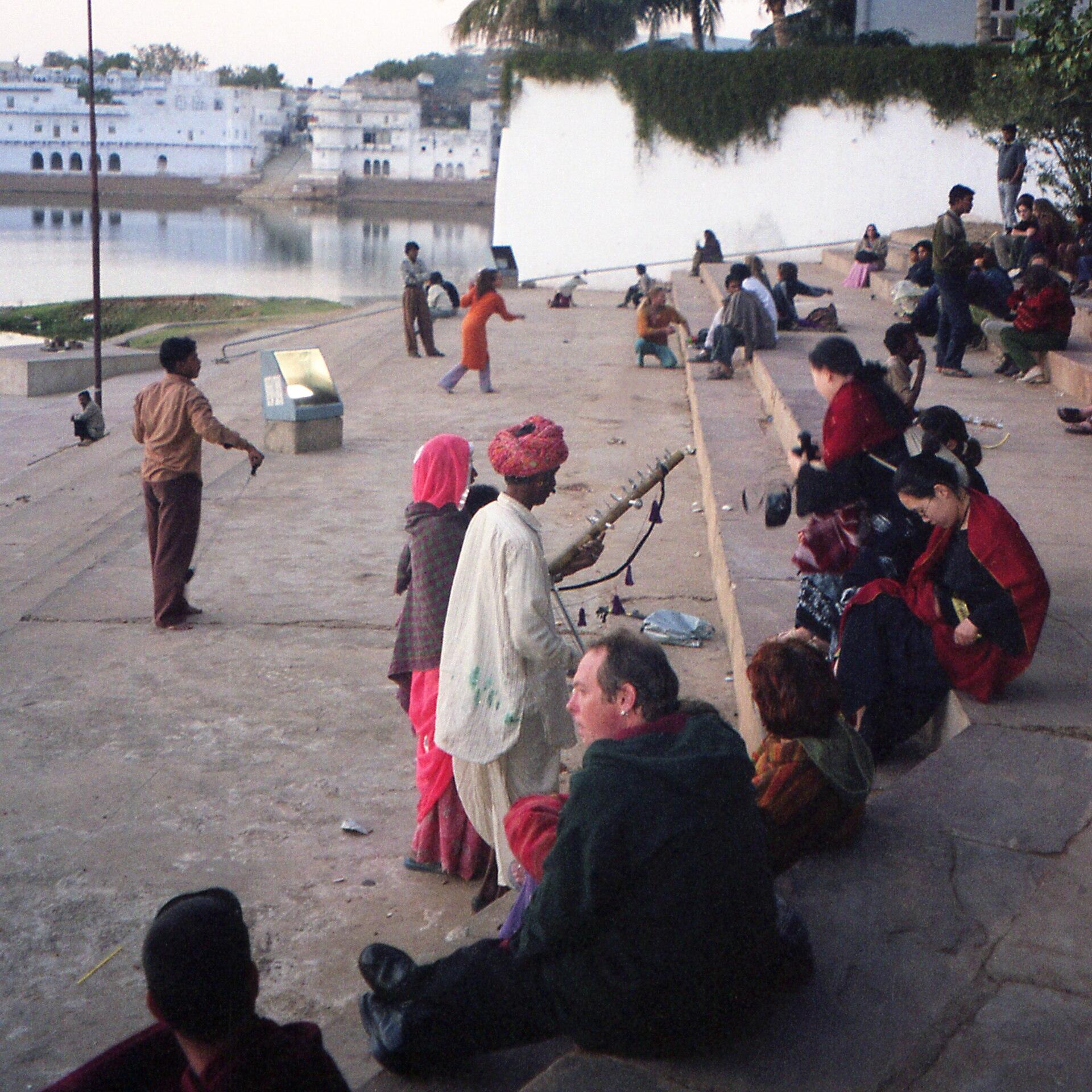
Pushkar hotels
India · 7 hotels
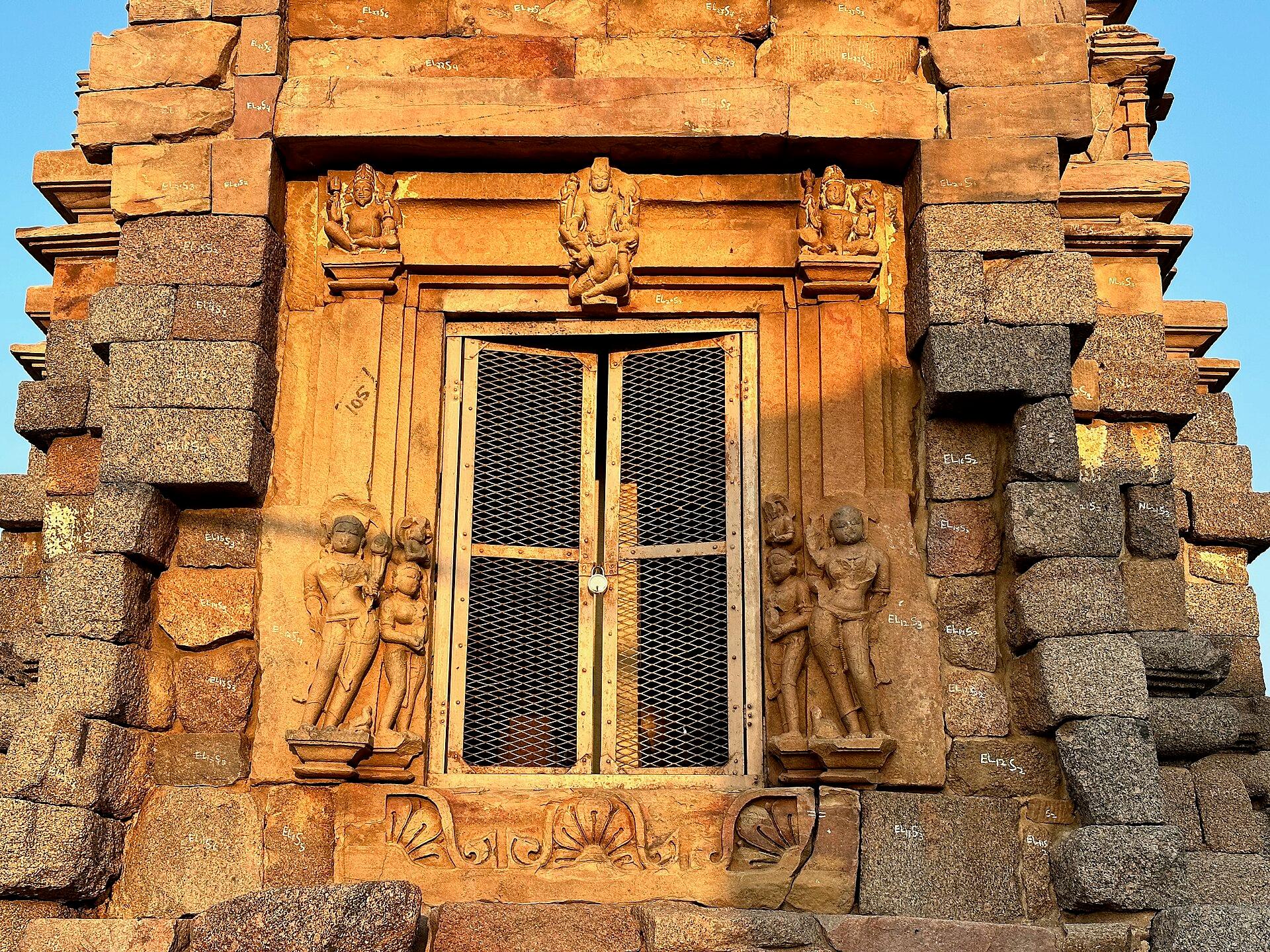
Khajurāho hotels
India · 7 hotels
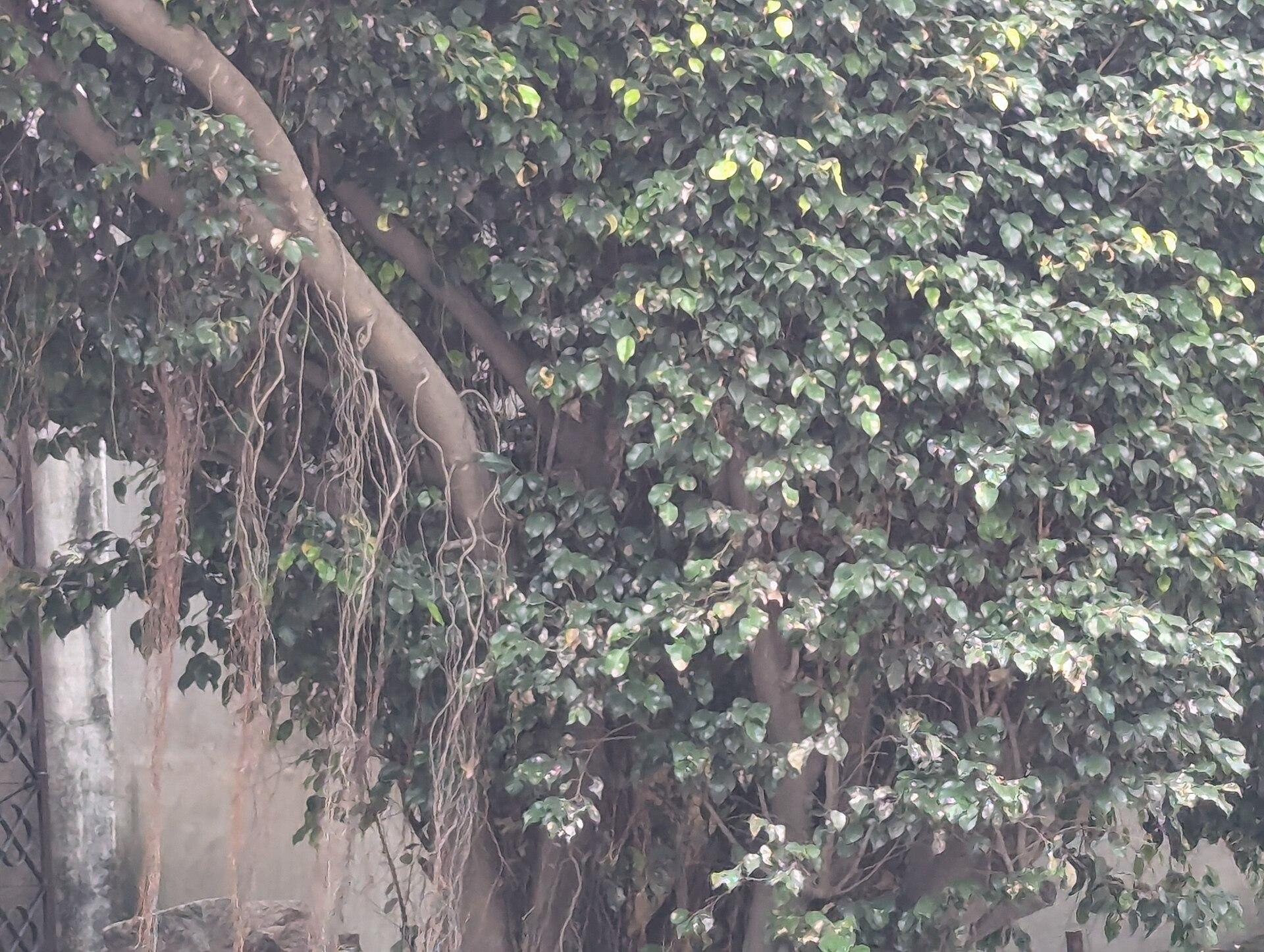
Hyderabad hotels
India · 6 hotels
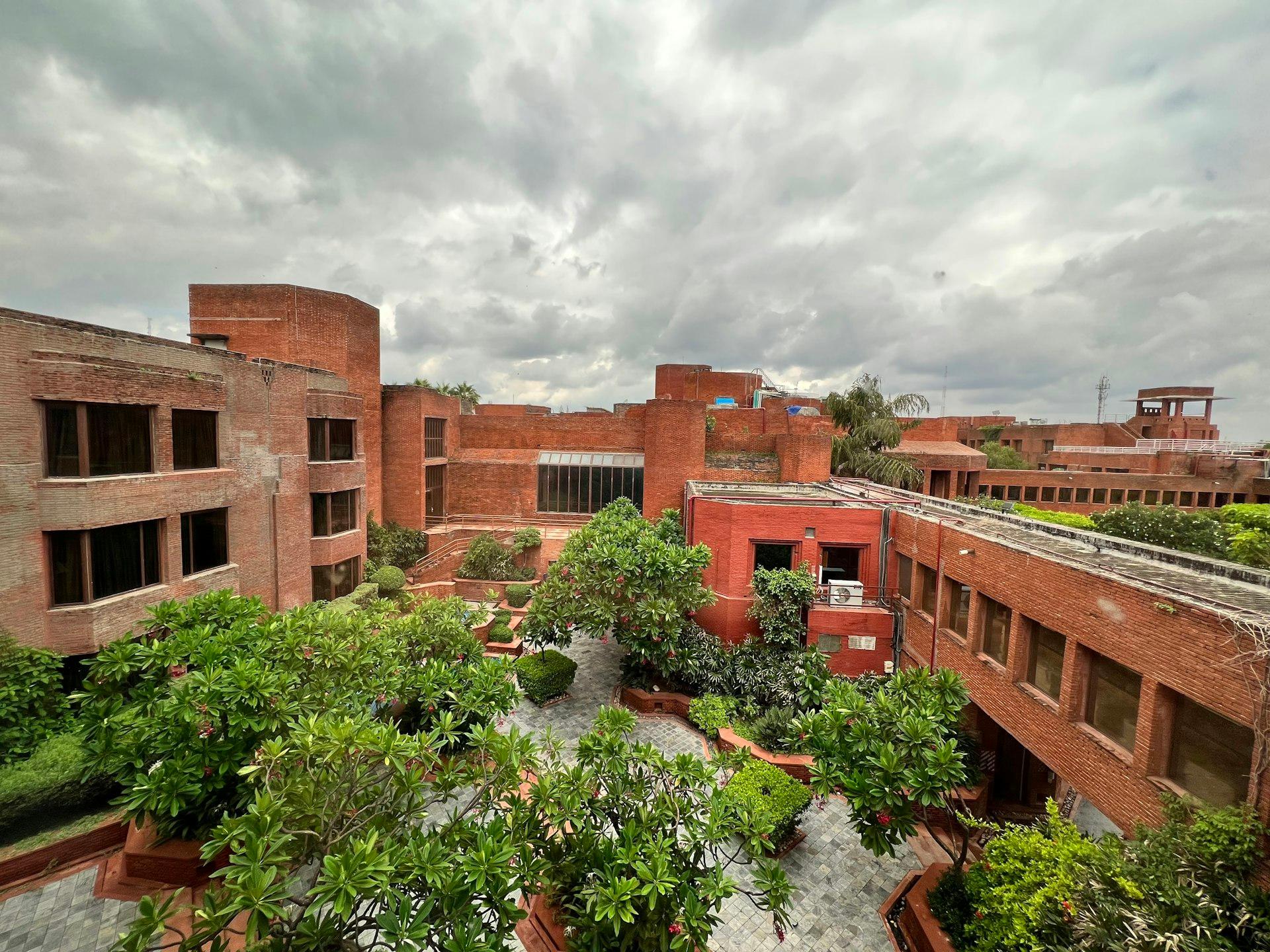
Agra hotels
India · 6 hotels
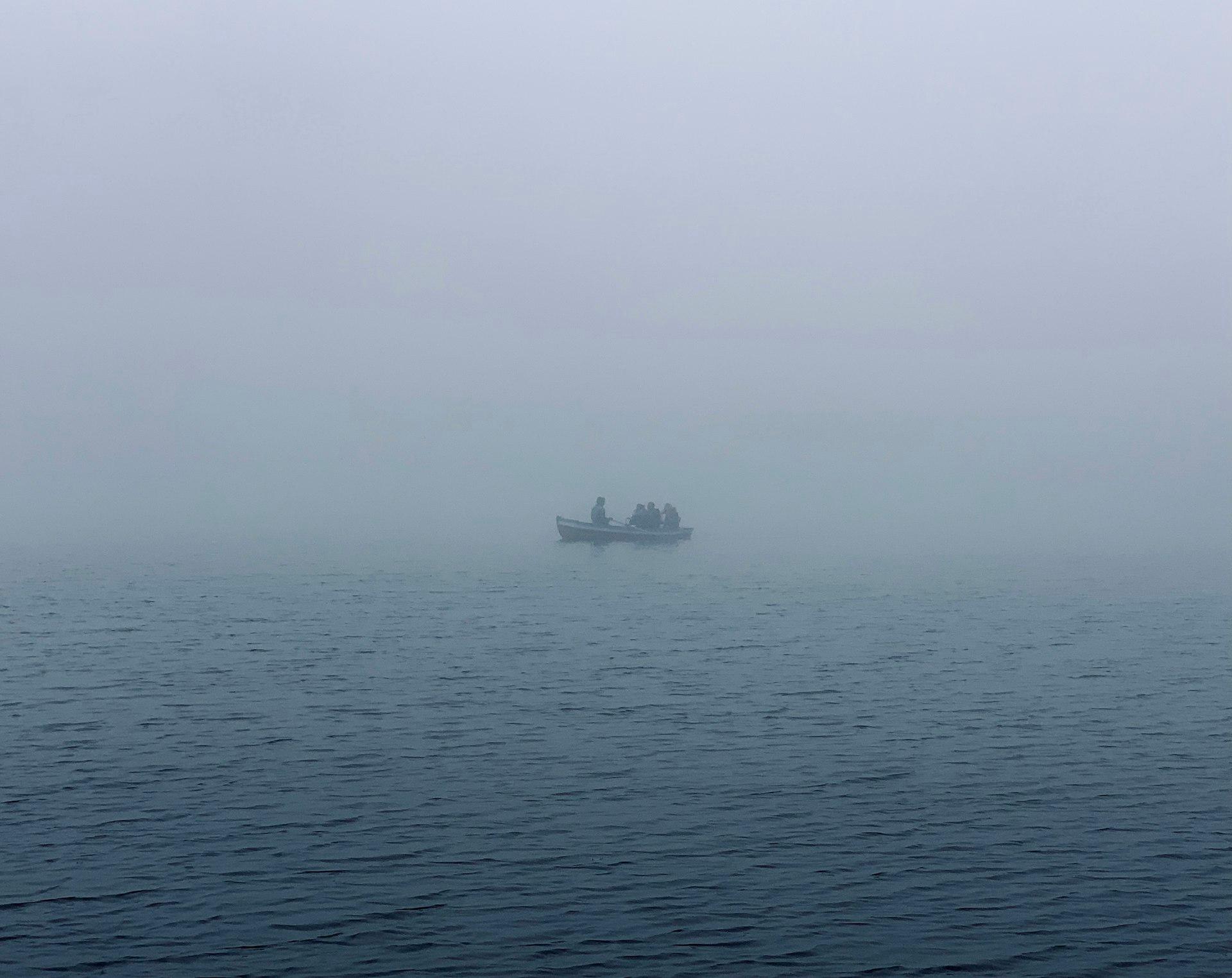
Kodaikānāl hotels
India · 6 hotels
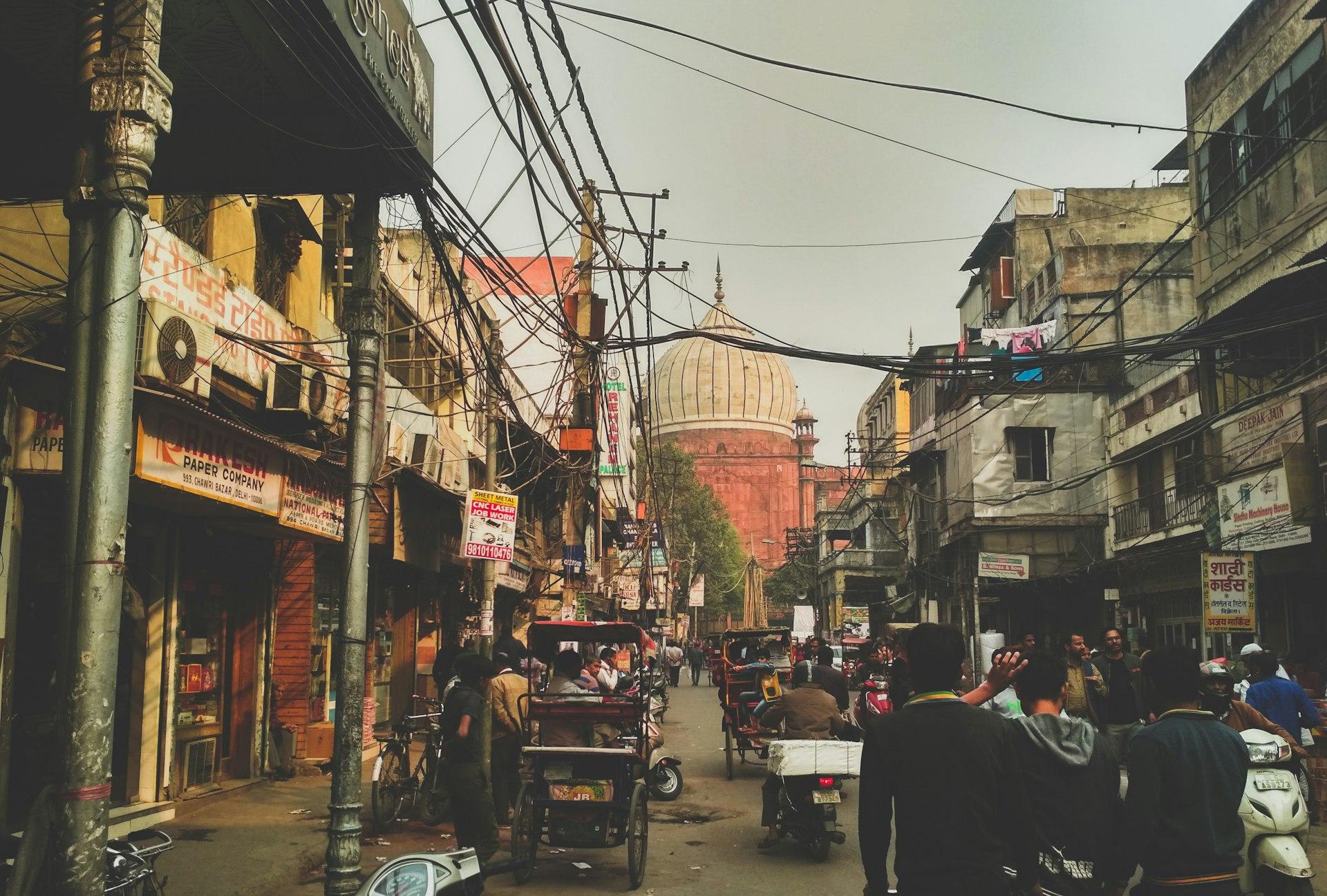
Delhi hotels
India · 5 hotels
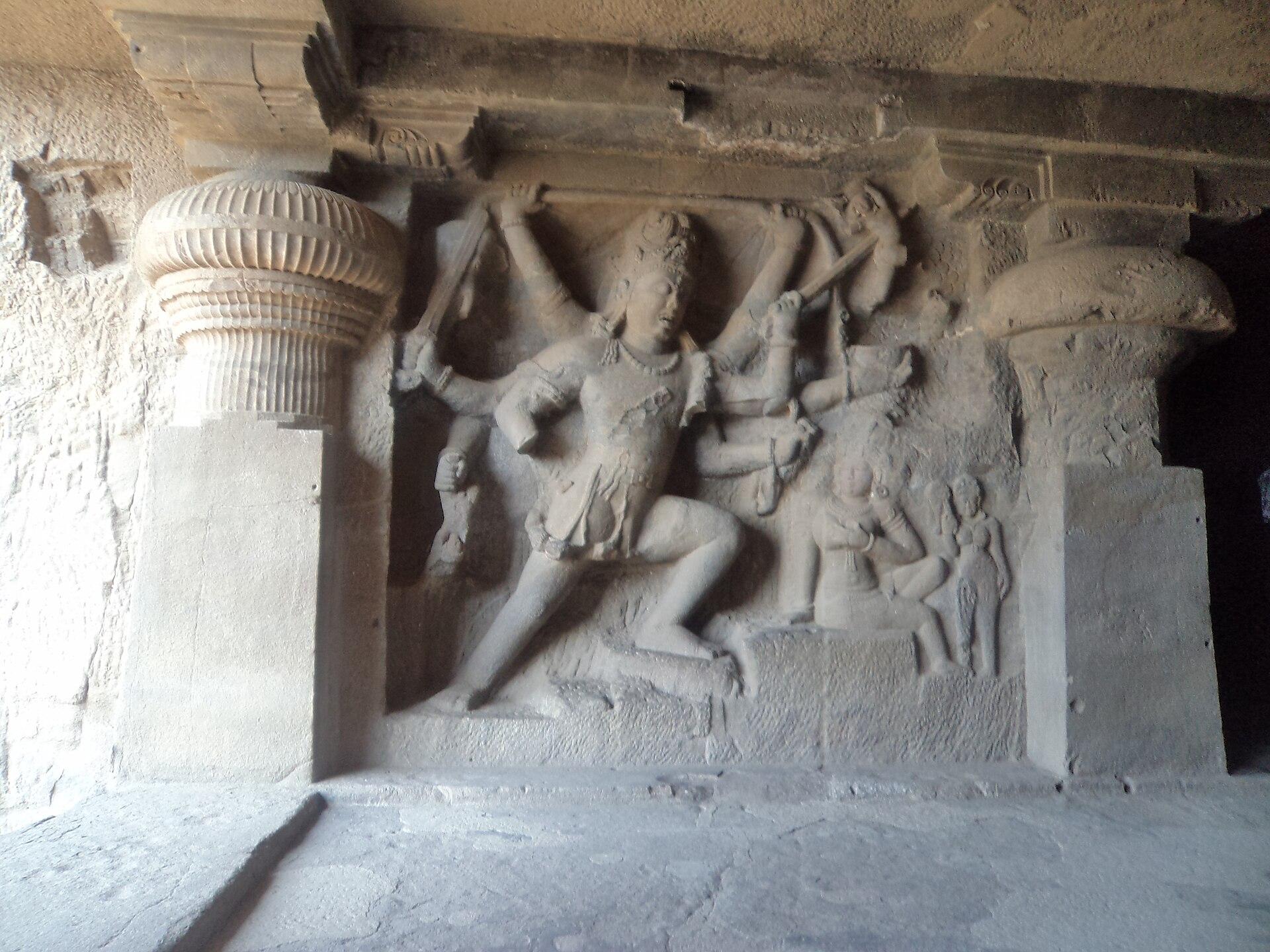
Mangrove Forest Camp Eco Stay Sundarbans, India hotels
India · 5 hotels
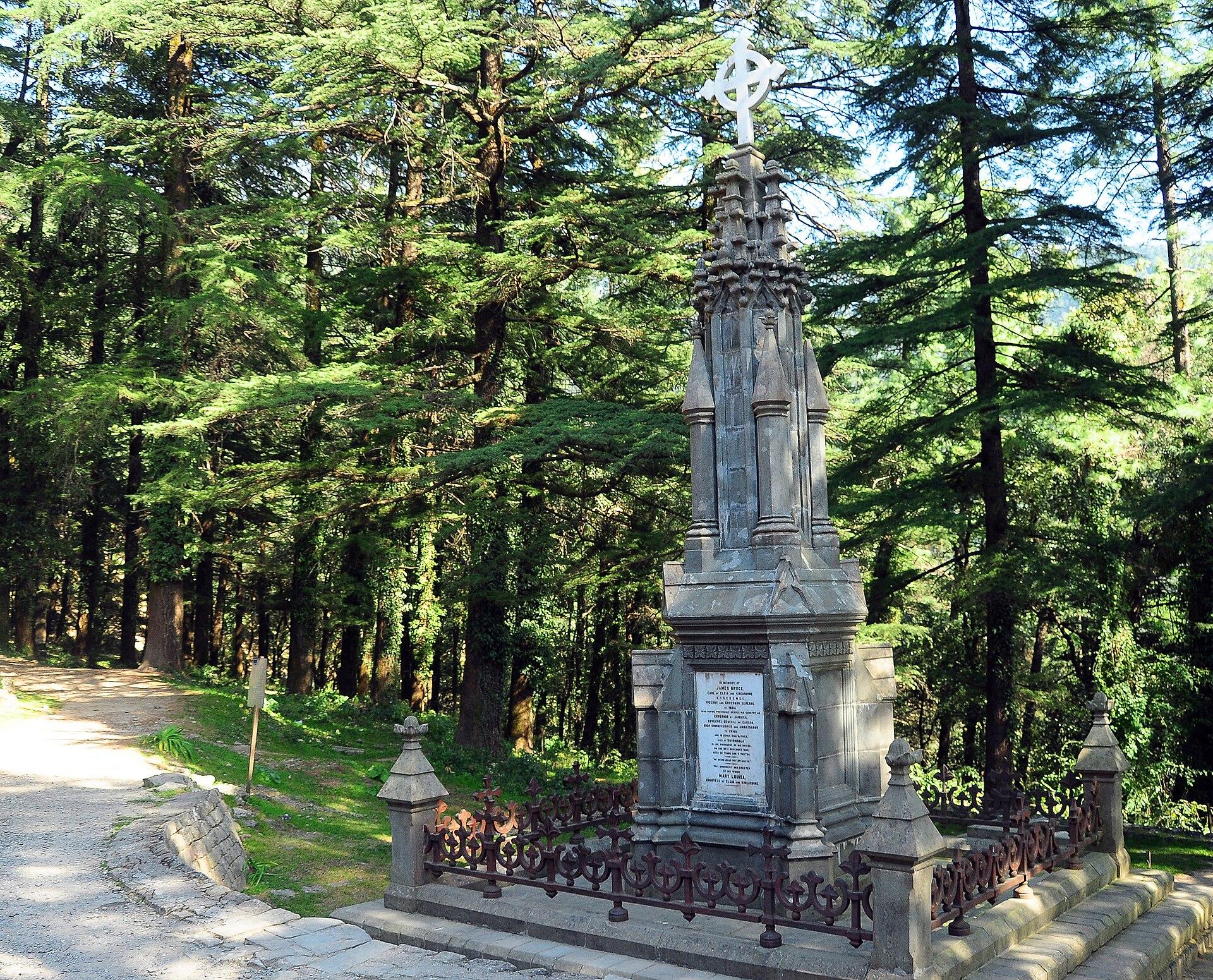
McLeod Ganj hotels
India · 5 hotels
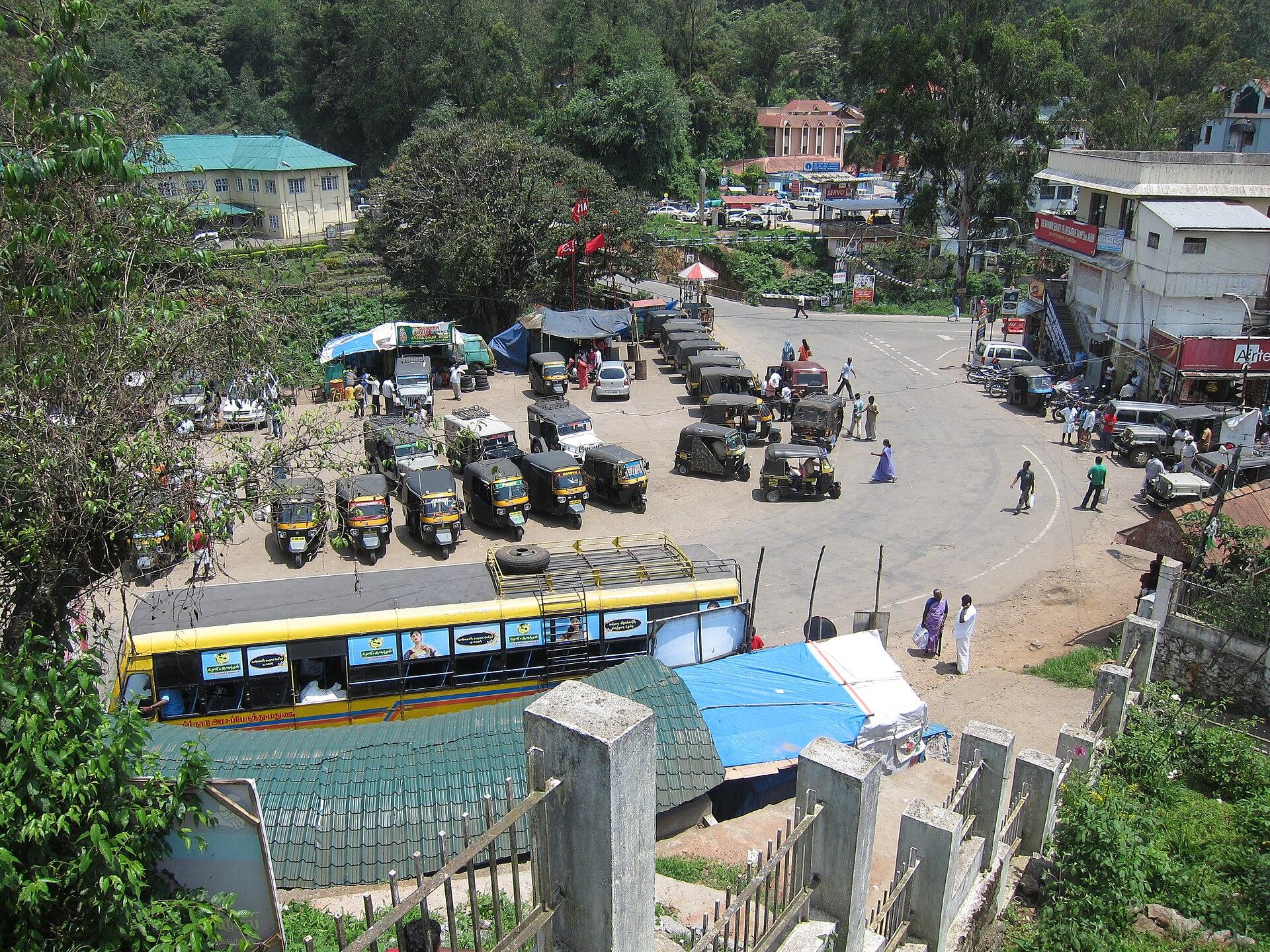
Munnar hotels
India · 4 hotels
Ooty hotels
India · 4 hotels
Ahmedabad hotels
India · 4 hotels
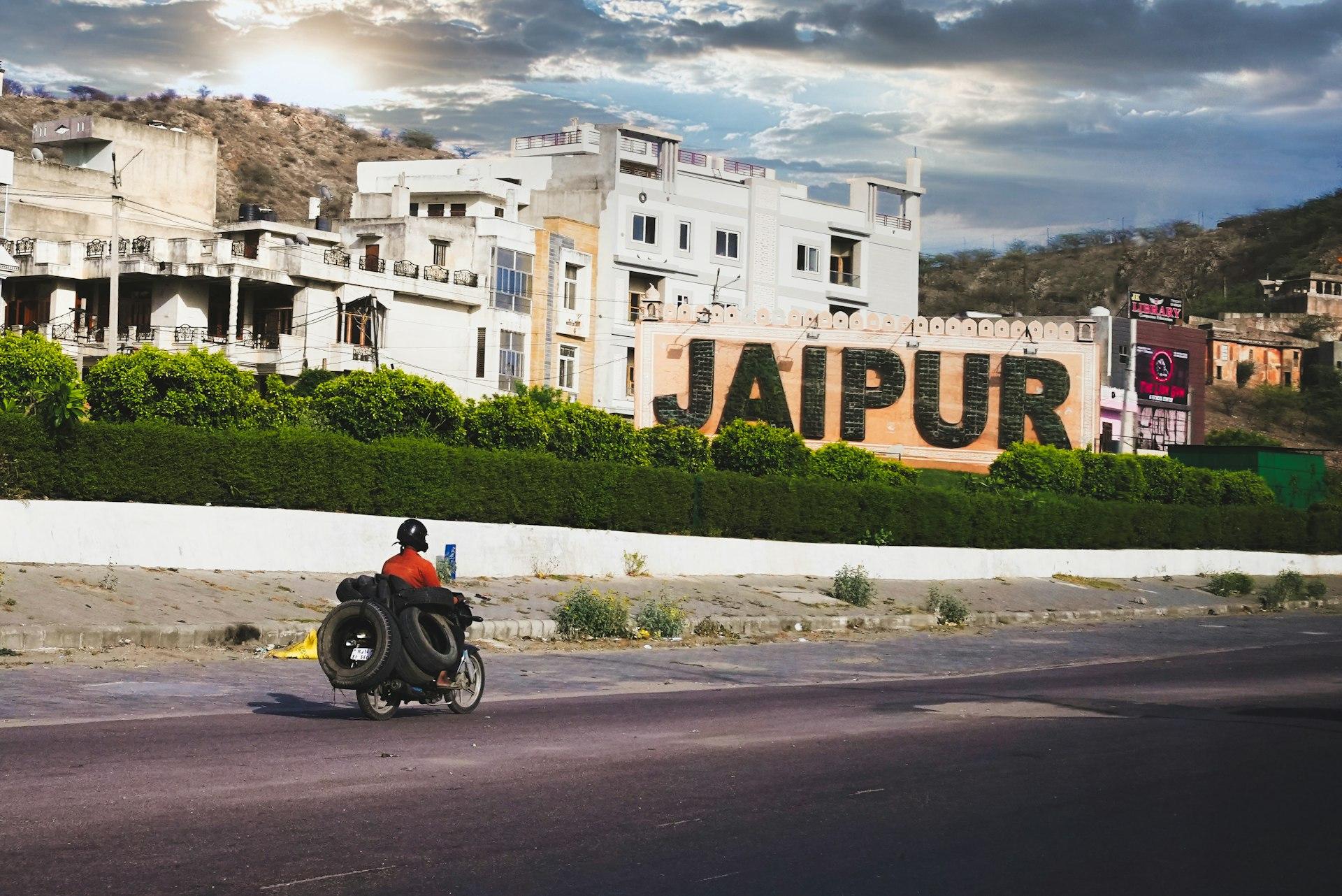
Jaipur hotels
India · 3 hotels

Tirupati hotels
India · 3 hotels
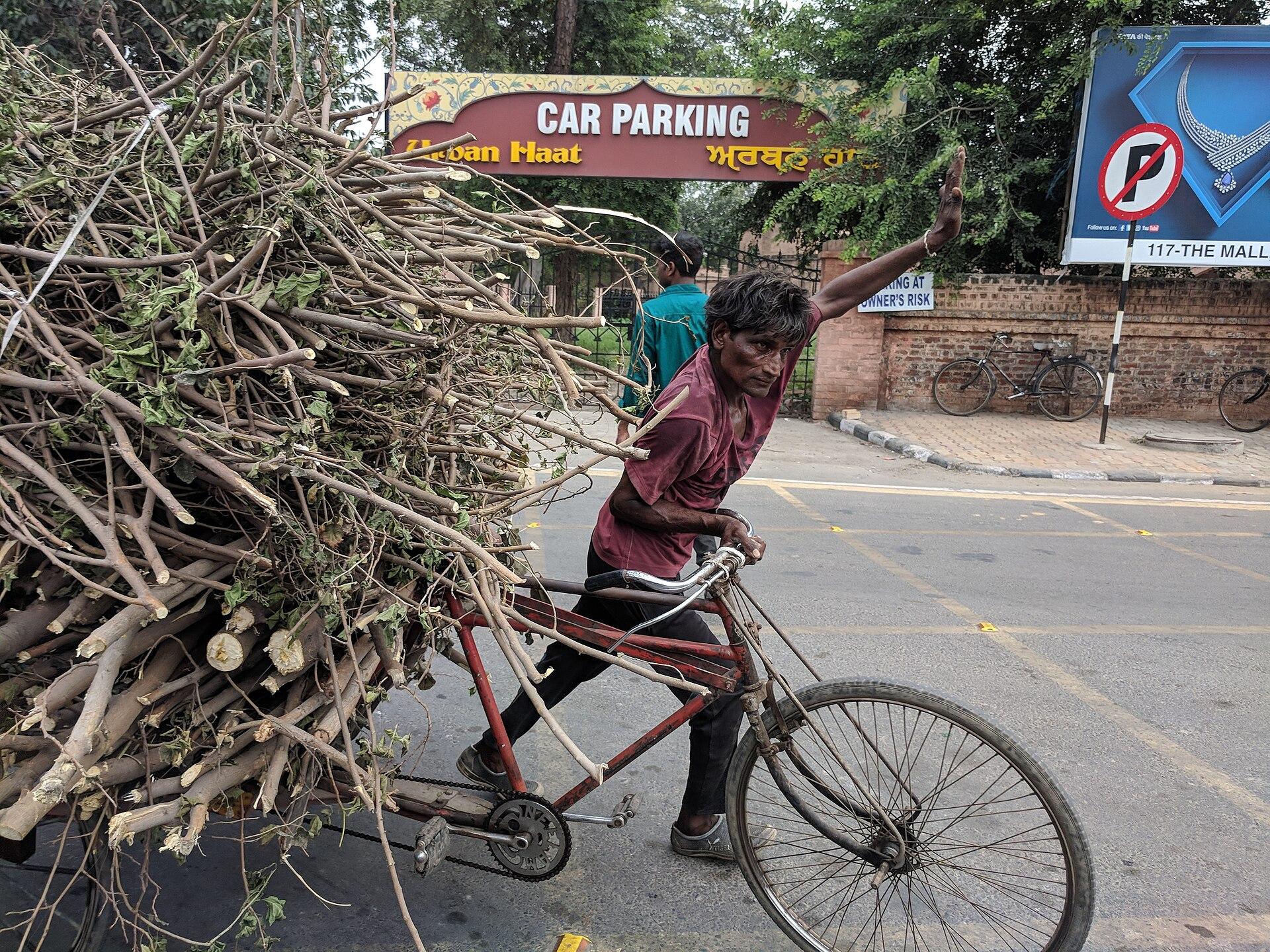
Amritsar hotels
India · 3 hotels
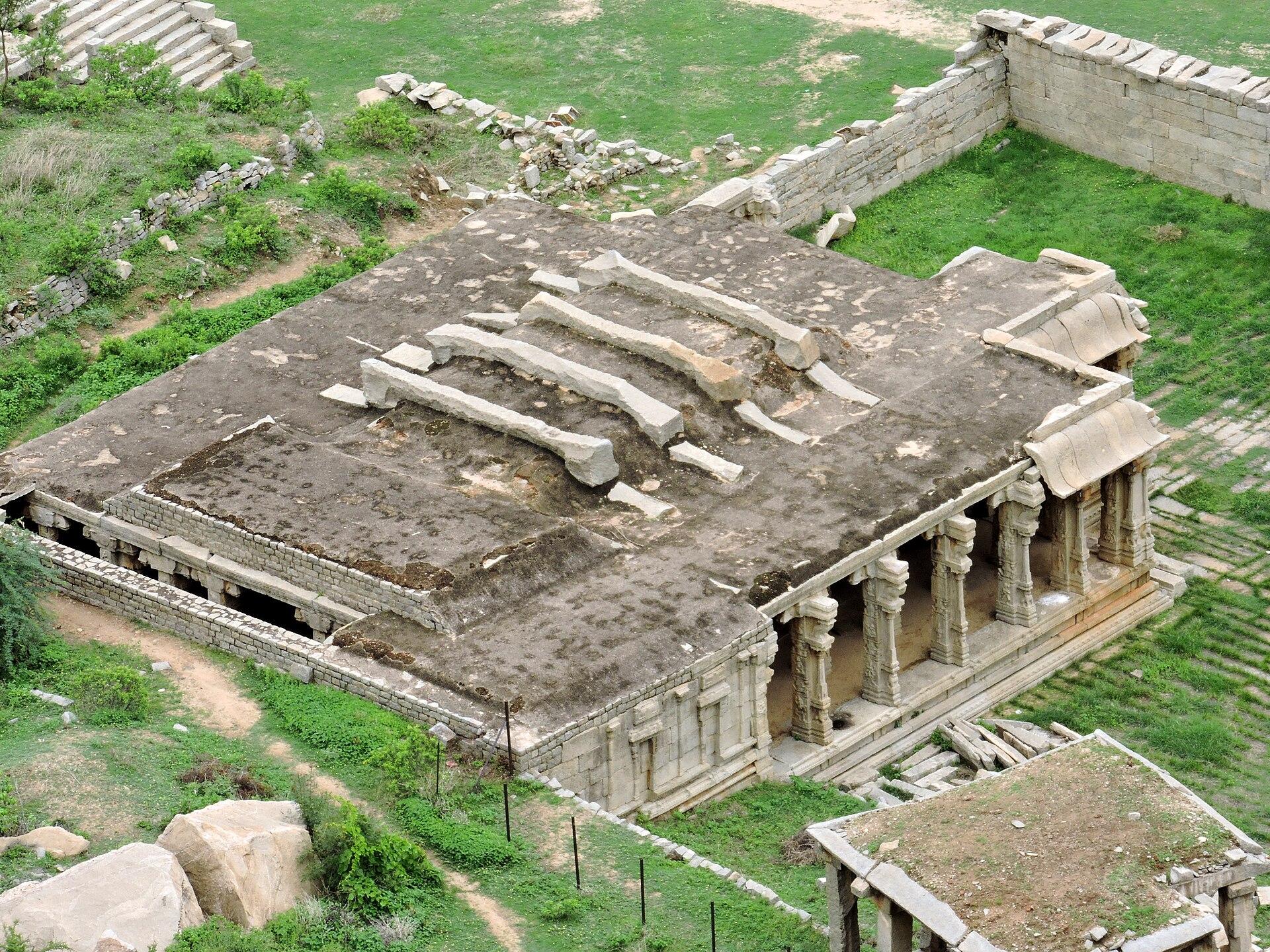
Hampi hotels
India · 3 hotels
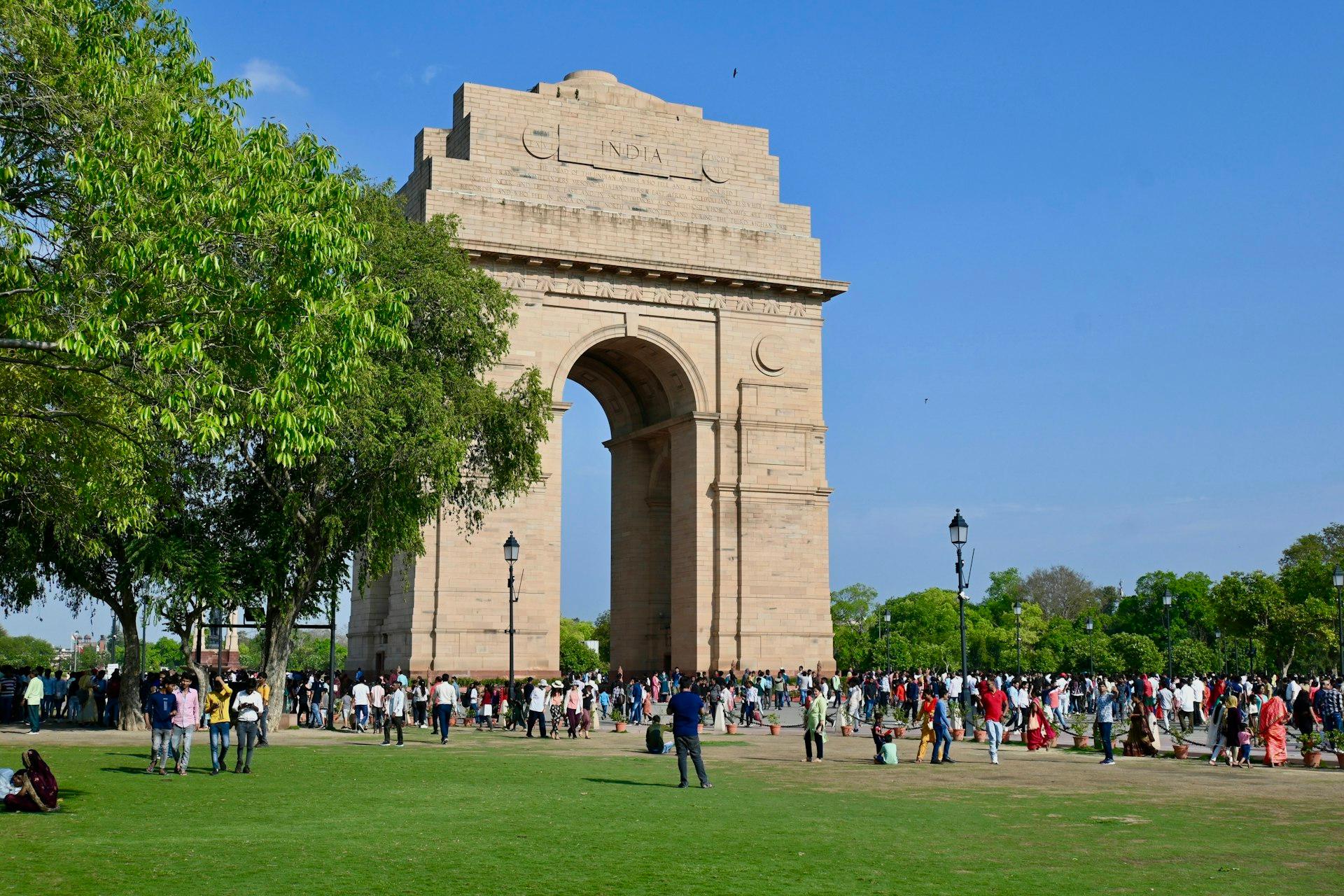
New Delhi hotels
India · 3 hotels
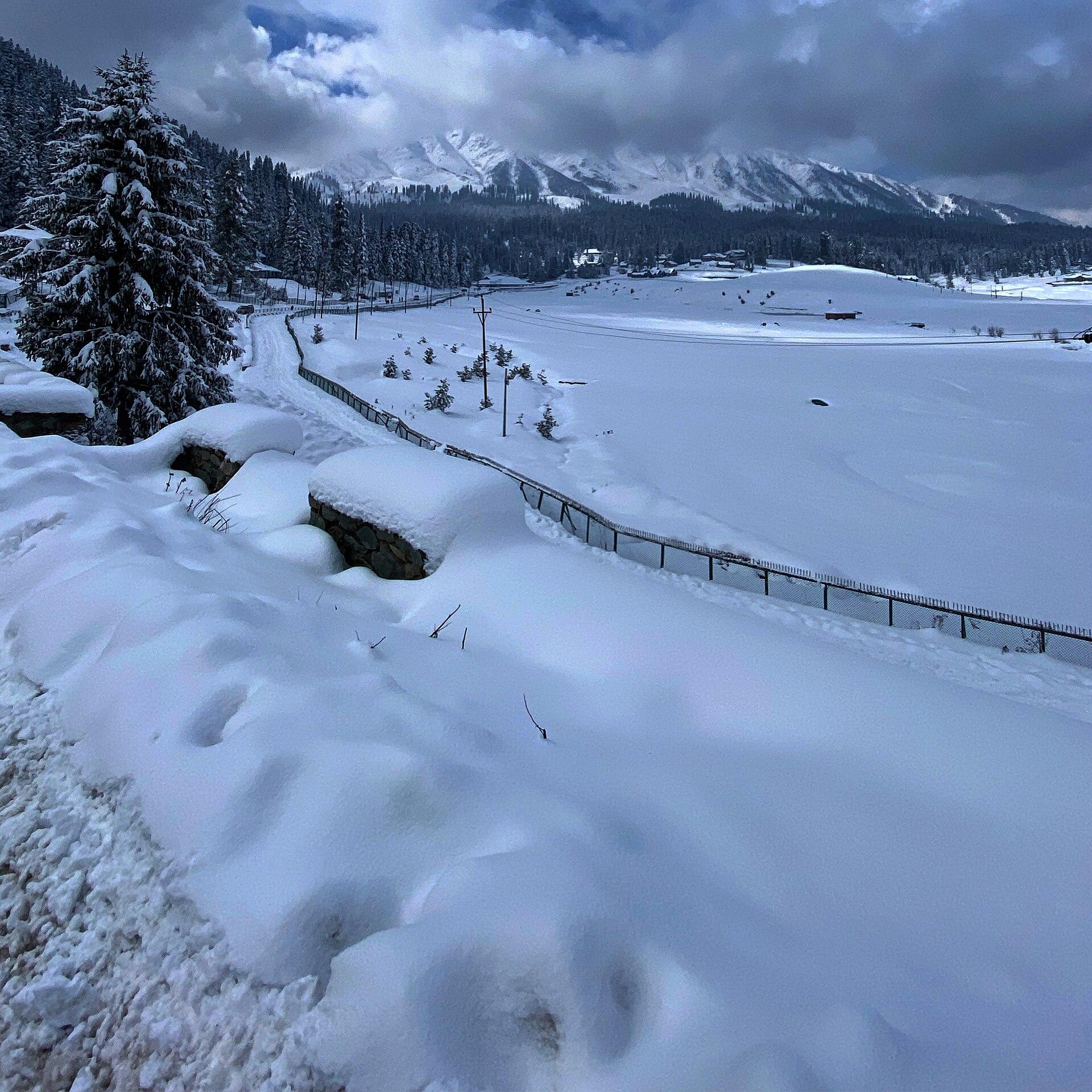
Gulmarg hotels
India · 3 hotels
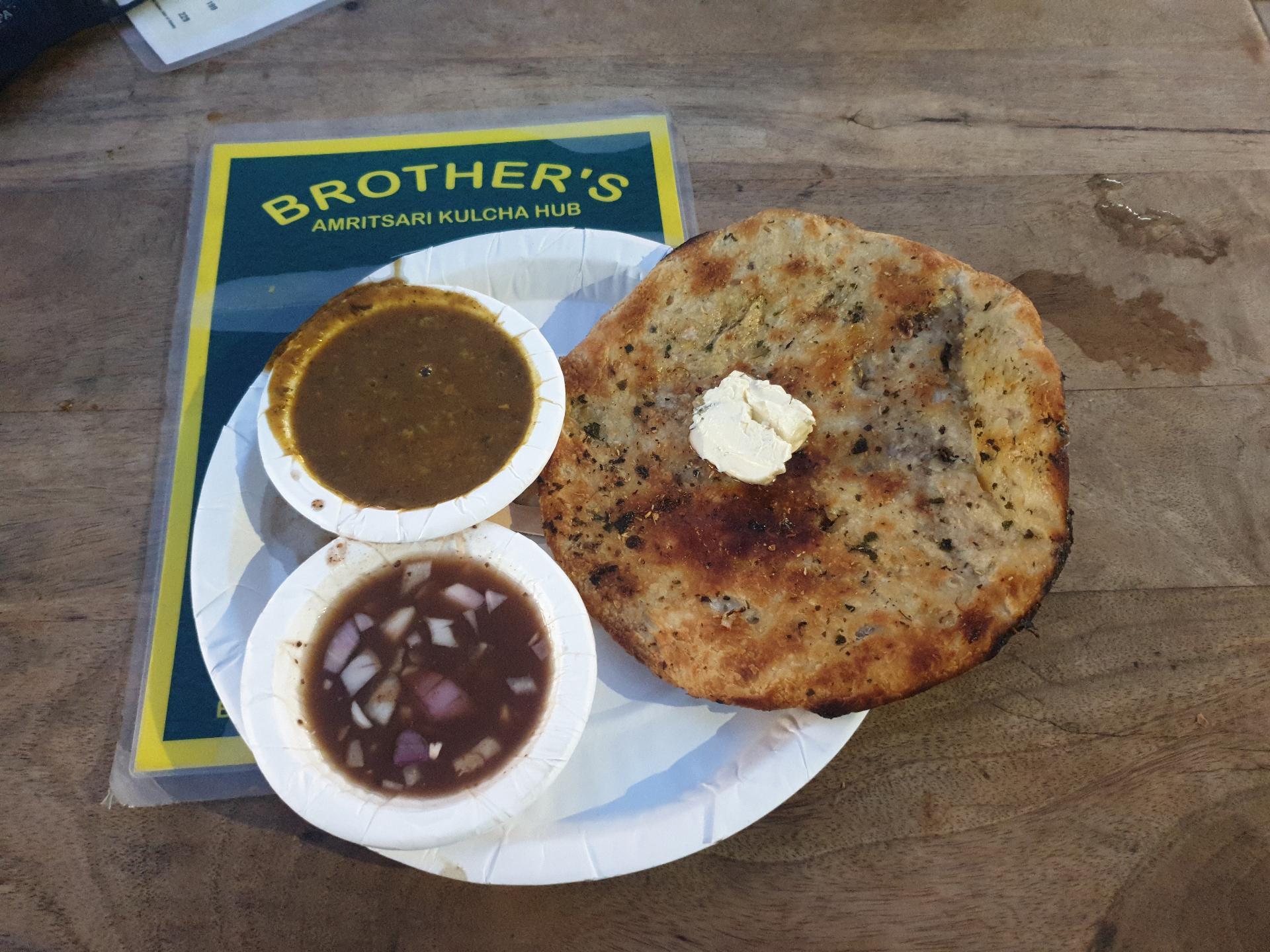
Chandīgarh hotels
India · 2 hotels
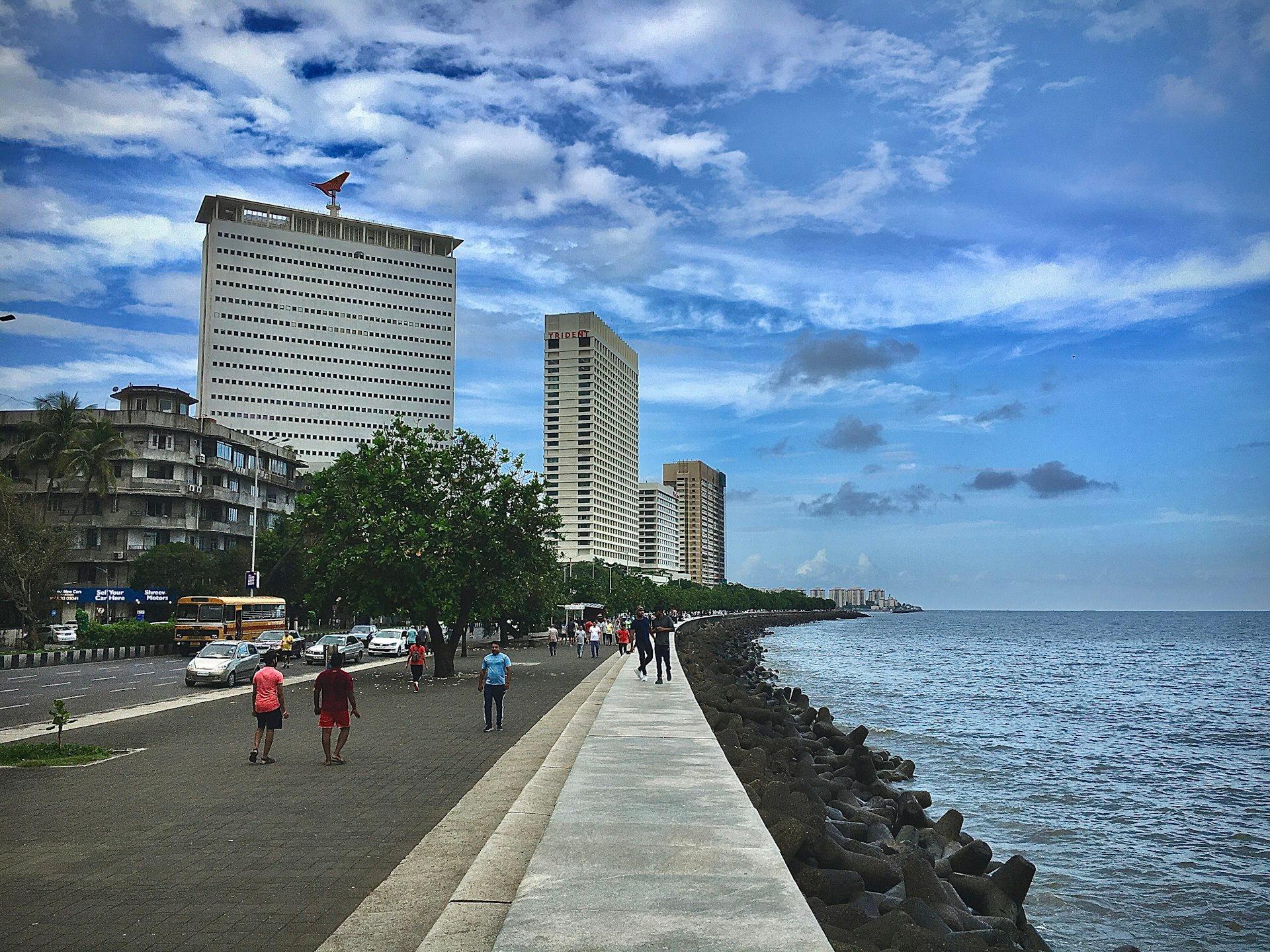
Mumbai hotels
India · 2 hotels
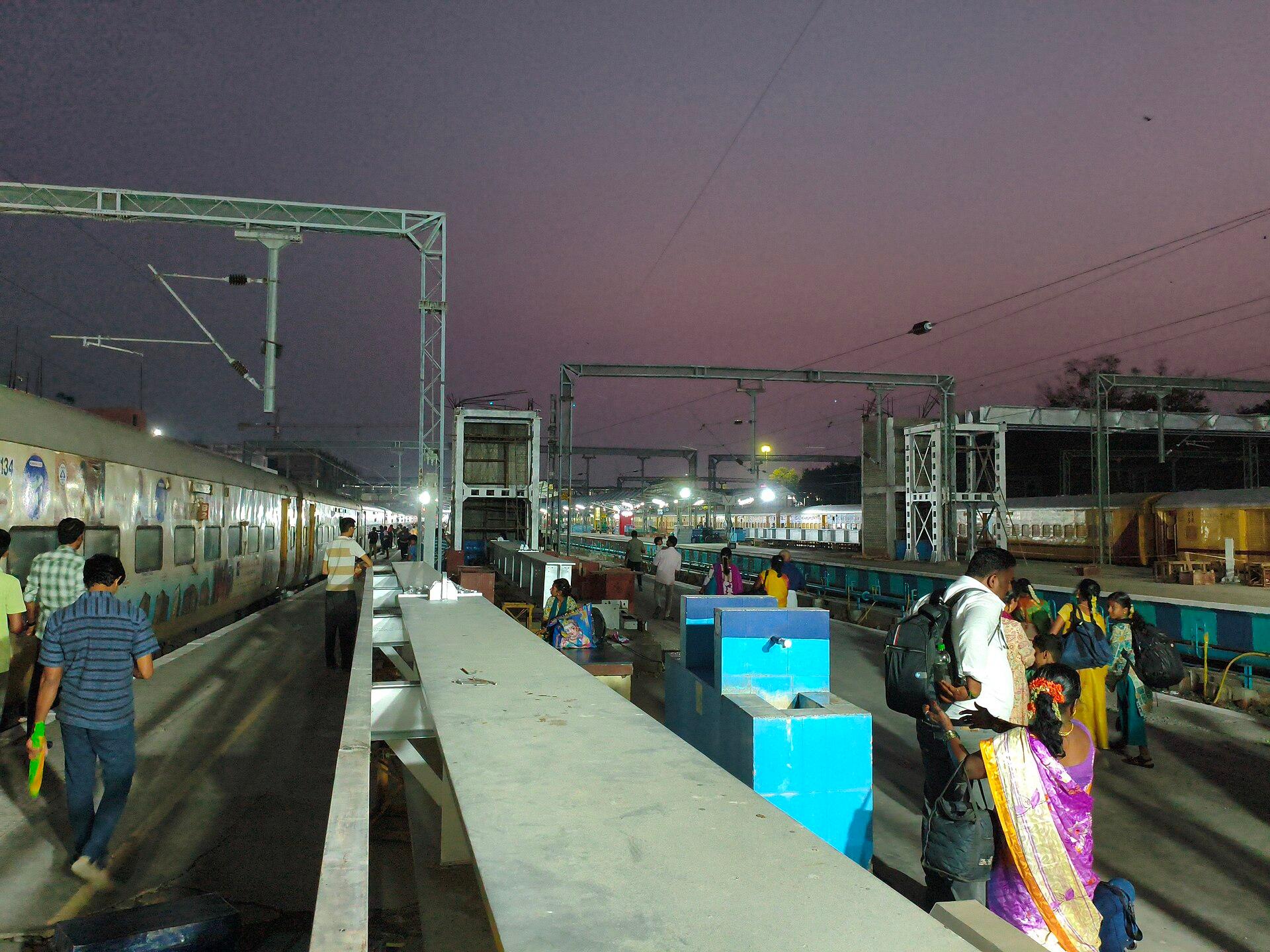
Madurai hotels
India · 2 hotels
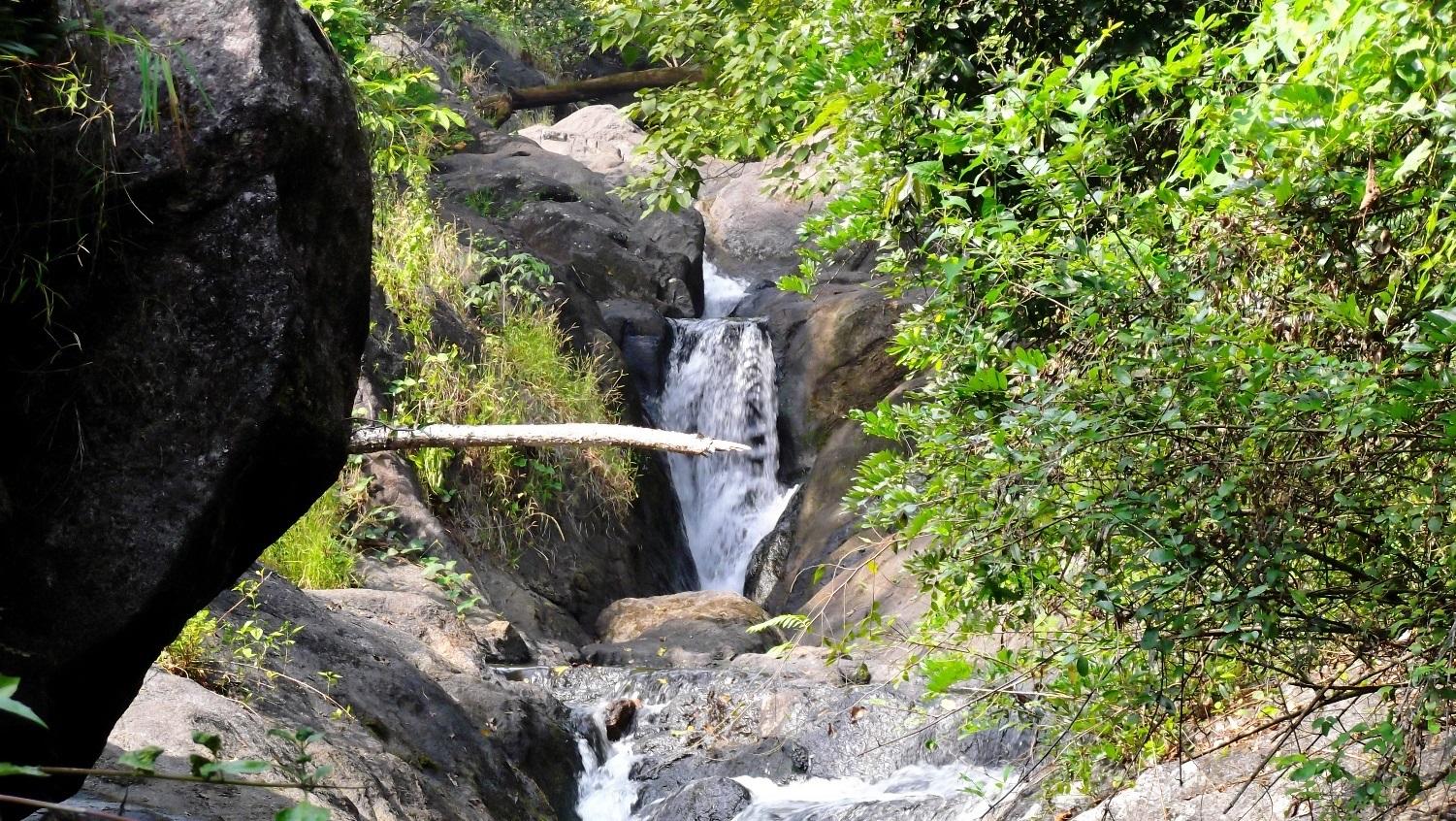
Kerala hotels
India · 2 hotels

Lucknow hotels
India · 1 hotels
Cochin hotels
India · 1 hotels
Coorg hotels
India · 1 hotels